Most hair advice written for Black men is written from the United States, and it assumes an American climate, American products and American barbershops. A great deal of it transfers. One large thing does not: the harmattan.
This guide covers Nigerian men’s hairstyles, the hair itself, and the seasonal problem that no US-centric guide addresses.
The hair
Nigerian hair is predominantly type 4, from 4A through 4C, with 4C being the most common. That means a tight coil, high shrinkage, and a strand that is strong along its length but vulnerable where it bends.
Two consequences drive everything.
Shrinkage is dramatic. Hair that is four inches long can sit at one inch when dry. A barber who cuts it stretched or wet and judges by that length will take off far more than either of you intended.
Moisture leaves fast and the bends are fragile. The tight coil means natural scalp oils struggle to travel down the strand, and every bend in the coil is a point where the hair can snap. Breakage, not slow growth, is why length is hard to keep.
The cuts
The low cut
Short all over, even, sometimes with a shaped hairline. The most common men’s cut in Nigeria by a wide margin, and for good reason: it is cool, it is low maintenance, it suits the climate, and it looks sharp with almost no daily effort.
The low cut with a shaped lineup
The same, with the hairline squared off at the front and the temples. The lineup is what turns a short cut into a deliberate one, and it is the single highest-impact thing a barber does on this hair type.
The fade
Low, mid or high, with a little length left on top. Executed well on 4C hair a fade is one of the cleanest looks available, because the density produces a very smooth gradient. It also demands a good barber, since there is no texture to hide a poor blend.
Waves
Trained by consistent brushing and wrapping, worn short. A commitment rather than a haircut, measured in months rather than visits. Our guide to 360 waves covers the process properly.
The afro
Grown out, shaped round, picked rather than combed. Needs genuine moisture discipline and regular shaping to keep the silhouette, and it shows neglect faster than a short cut does.
Twists, locs and braids
Protective styles
Widely worn and genuinely protective when done at sensible tension. The risk is traction: consistently tight styling at the same points causes damage at the hairline and temples that becomes permanent if ignored long enough. Our scalp care guide for locs and protective styles covers maintenance underneath them.
The harmattan
From roughly December to February, dry dust-laden wind off the Sahara drops the humidity sharply across much of Nigeria. For type 4 hair, which is already moisture-hungry, it is the hardest period of the year.
What happens: the hair dries out faster than it can be replenished, the scalp tightens and flakes, and breakage rises because dry coils snap rather than bend. Dust settles into the hair and scalp, which adds washing you would rather not do at exactly the time washing is most drying.
What helps.
Seal, do not just moisturise. Water-based moisturiser first, then an oil or butter over it to hold the water in. Oil alone on dry hair seals in nothing, because there is nothing there to seal.

Cover it. A cap outdoors during the worst of it keeps dust out and moisture in, and costs nothing.
Cut washing frequency, not conditioning. Co-wash or rinse rather than shampooing every time, and deep condition weekly.
Consider going shorter for the season. A low cut needs far less moisture management than an afro, and a great many men shorten for harmattan and grow back afterwards.
Wash and care routine
Wash once a week, or every two weeks if your hair is dry. Type 4 hair does not need frequent washing and does not tolerate it.
Condition every single wash, and deep condition weekly. This is not optional on coiled hair the way it is on straight hair.
Detangle only when wet, with conditioner in, using fingers or a wide-tooth comb, working from the ends upward. Never detangle dry. Never brush dry.
Moisturise then seal, every two or three days. Water-based product first, oil or butter second.
Sleep on satin, or in a durag or cap. Cotton pulls moisture out of the hair overnight and creates friction, and this single change prevents more breakage than any product.
Scalp
Flaking on a short cut is usually dryness rather than dandruff, and medicated shampoo will make a dry scalp worse. Try oiling the scalp lightly and washing less often first.
Persistent itching, greasy yellowish flakes, or visible inflammation are different and worth seeing someone about rather than treating with another product.
Bumps at the nape after a cut are usually razor bumps from a close lineup. They are common on coiled hair and they are the price of a very sharp line; ask the barber to go slightly less close if they persist.
Products that earn their place
Type 4 hair is product-dependent in a way straighter hair is not, but the list is shorter than the market suggests.
A water-based moisturiser or leave-in. This is the actual moisture. Everything else only holds it in.
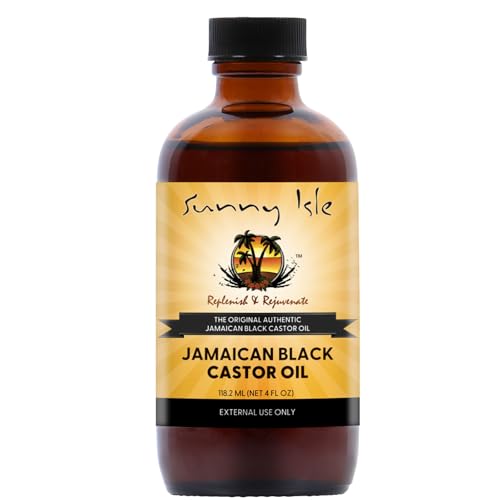
An oil or butter to seal. Applied over the moisturiser while the hair is still damp. Shea, castor and coconut are all widely used and all work; the sealing matters more than which one.
A conditioner you use every wash, and a deep conditioner weekly. Not optional on coiled hair.
A satin durag, cap or pillowcase. Cheaper than any product and it prevents more breakage than all of them combined.
A wide-tooth comb. Not a brush, except for wave training.
What to skip: anything alcohol-forward, which dries coiled hair hard, and heavy petroleum-based products used as moisturiser rather than as sealant. Petroleum seals perfectly well and moisturises nothing, so applied to dry hair it locks in the dryness.
Common mistakes
Oiling dry hair and calling it moisturising. Oil seals; water moisturises. Oil on dry hair seals in the dryness.
Detangling dry, or with a brush. The fastest way to break coiled hair there is.
Washing too often with a stripping shampoo, then wondering why the scalp is tight.
Treating dryness flaking as dandruff and escalating to a medicated shampoo, which dries it further.
Sleeping on cotton. Eight hours of friction and moisture transfer every night, undoing the routine.
Blaming slow growth for a lack of length when the problem is retention. The hair grows; it breaks at the bends before it accumulates.
Getting an aggressively close lineup every week and watching the hairline creep back over years.
Talking to your barber
In Nigeria this is rarely a problem; barbers cut this hair all day. In the diaspora it can be, and the same instructions fix it.
Say the hair shrinks and ask for it to be judged dry.
Give guard numbers. A one is a one everywhere.
Say whether you want a lineup and how sharp. A very sharp lineup looks excellent and recedes the hairline slightly over years if done aggressively every time.
For a fade, say where you want it to start. Low, mid and high are different cuts.
Frequently Asked Questions
What is the most popular men’s hairstyle in Nigeria?
The low cut, by a wide margin, usually with a shaped lineup at the front and temples. It suits the climate, needs almost no daily work, and looks deliberate with a good lineup.
How do I stop my hair breaking?
Moisturise then seal, detangle only when wet and from the ends upward, sleep on satin or in a durag, and stop brushing it dry. Breakage rather than slow growth is what stops length accumulating.
What should I change during harmattan?
Wash less and condition more, seal moisture with an oil or butter over a water-based product, cover your hair outdoors, and consider going shorter for the season. The dry wind takes moisture out faster than the hair can replace it.
Is my flaking scalp dandruff?
Usually dryness, especially on a short cut and especially in harmattan. Medicated shampoo dries it further. Try light scalp oiling and less frequent washing first; greasy yellowish flakes or inflammation are a different problem worth getting looked at.
How often should I get a lineup?
Every one to two weeks if you want it sharp, since the hairline grows out visibly. Ask for slightly less close if you get razor bumps at the nape or temples.
Should I use oil or moisturiser?
Both, in that order: water-based moisturiser first, oil or butter over it to seal. Oil on its own applied to dry hair seals in the dryness, which is why routines built on oil alone leave the hair feeling coated and still brittle.
How often should I wash type 4 hair?
Once a week, or every two weeks if it runs dry. Condition every wash without exception and deep condition weekly. Coiled hair does not tolerate frequent washing and does not need it.
Can I grow a big afro in this climate?
Yes, with a real moisture routine and regular shaping. It is considerably more work than a low cut and it shows neglect much faster, and during harmattan it is the hardest style to keep in condition. A great many men grow it outside the dry season and shorten for it.
Does Nigerian hair grow slowly?
No. It grows at roughly the same rate as any other hair. It retains length poorly if it is dry, because coiled hair snaps at the bends, which is what makes growth look slow.
Where to go next
For waves, see our 360 waves guide. For scalp care under protective styles, moisturising the scalp under locs, and for shampoo choices on coiled hair, the best shampoos for 4C hair.