If you want to master how to fix a patchy, this guide covers everything you need to know.
If you want to master how to fix a patchy, this guide covers everything you need to know. Last updated: February 2026 by Darius Washington, Black Men’s Grooming Editor
I spent most of my early twenties convinced my beard was broken. The chin came in thick. The mustache was solid. But the cheeks? The left side was about 60% coverage and the right side was maybe 40%. I tried everything short of drawing on my face with a marker. If you are searching for how to fix a patchy beard, I have been exactly where you are, and I can tell you that it gets better. Not because every patch magically fills in, but because there are real solutions that work and real strategies for looking sharp while you wait.
This guide covers everything I have learned from ten years of dealing with patchy growth, conversations with dermatologists, and watching hundreds of men in my barber’s chair work through the same issue. We will talk about why patches happen, what actually fills them in, what is a waste of money, and which beard styles look great with less-than-perfect coverage.
Why Your Beard Is Patchy (It Is Probably Not What You Think)
Before you can fix a patchy beard, you need to understand what is causing the patches. Most men assume they are doing something wrong. They are not. Patchy beards are overwhelmingly a result of biology, not grooming habits.

Genetics
This is the number one factor. Your beard density, growth pattern, and coverage are largely determined by your DNA. The number of androgen receptors in your facial hair follicles varies from person to person and from one area of your face to another. That is why your chin might be dense while your cheeks are thin. Look at the men in your family. If your father, uncles, and grandfathers had patchy beards, you are working within a similar genetic framework.
For Black men specifically, the follicle density and curl pattern add another layer. Tightly coiled facial hair can create the appearance of patchiness even when the follicle count is normal, because each hair coils close to the skin rather than extending outward. A half-inch beard that looks full on a man with straight facial hair might look thin on a man with 4C-type facial hair because the curl compresses the visible coverage.
Age
Your beard is not finished developing until your late twenties or early thirties. If you are 22 and frustrated with patches, give it time. Testosterone and dihydrotestosterone (DHT) continue to activate dormant follicles throughout your twenties. Many men who were patchy at 25 have solid coverage by 30. This is not a guarantee, but it is common enough that patience should be your first strategy.
Hormones
Low testosterone or DHT levels can limit beard growth. DHT is the hormone primarily responsible for facial hair development. If you suspect a hormonal issue (other symptoms include low energy, reduced muscle mass, and low libido), a simple blood test from your doctor can confirm it. Hormonal imbalances are treatable, and treatment often improves beard growth as a side effect.
Alopecia Barbae
This is an autoimmune condition where your immune system attacks hair follicles in the beard area, creating smooth, circular bald patches. Unlike genetic patchiness, which tends to be diffuse and consistent, alopecia barbae creates distinct, well-defined bare spots that may appear suddenly. If you notice smooth, coin-shaped patches in your beard, see a dermatologist. This condition has specific treatments (corticosteroid injections, topical immunotherapy) that are different from general beard growth strategies.
Nutritional Deficiencies
Your body needs specific building blocks to grow hair. Deficiencies in biotin, zinc, vitamin D, iron, and B-complex vitamins can limit your beard’s growth potential. These deficiencies do not cause patchiness on their own, but they can make existing genetic limitations worse. A standard blood panel can identify gaps, and correcting them is often as simple as adjusting your diet or adding a targeted supplement.
Stress and Sleep
Chronic stress elevates cortisol, which can push hair follicles into the resting phase (telogen) prematurely. Poor sleep disrupts the growth hormone production that supports hair development. Neither of these will turn a full beard into a patchy one, but they can slow growth and thin out coverage in men who are already borderline.

Where Patches Happen Most (And Why)
Patches are not random. They follow predictable patterns based on follicle distribution.
Cheeks
The most common patch zone. Cheek follicles are activated later in life than chin and mustache follicles, which is why many men in their early twenties have strong chin and lip coverage but thin cheeks. The cheeks also have fewer androgen receptors per square inch than the chin area.
The Connector
The “connector” is the strip of hair between your mustache and beard along the sides of your mouth. A weak or missing connector is extremely common. Even men with otherwise full beards can have thin connectors. This area is one of the last to fill in with age.
Under the Lower Lip (Soul Patch Area)
Some men have a naturally sparse zone directly below the center of the lower lip. This is normal and not a sign of a problem. Many beard styles do not require coverage here.
Jawline
Patchiness along the jawline is less common but can occur, especially near the angles of the jaw. This area responds well to growth treatments because the follicles are often present but dormant rather than absent.
Proven Methods to Fix a Patchy Beard
Let me be direct. Not every method you see recommended online works. Some are backed by evidence. Some are marketing. Here is what actually has data behind it. Mastering how to fix a patchy takes practice but delivers great results. Mastering how to fix a patchy takes practice but delivers great results.
1. Minoxidil (The Heavy Hitter)
Effectiveness: High | Timeline: 3-6 months | Cost: $15-30/month Mastering how to fix a patchy takes practice but delivers great results.
Minoxidil is a vasodilator originally developed for blood pressure. It was discovered to promote hair growth as a side effect and has been used for scalp hair loss (under the brand name Rogaine) for decades. Over the past several years, a massive community of men has documented using it successfully for beard growth, and dermatologists increasingly recommend it off-label for this purpose.
How it works: Minoxidil increases blood flow to hair follicles and extends the anagen (growth) phase of the hair cycle. It converts vellus hairs (the thin, light, barely visible hairs everyone has on their face) into terminal hairs (thick, dark, permanent beard hairs). The conversion process takes time, which is why consistent use over months is essential.
How to Use It for Your Beard
- Choose the right formula. The 5% minoxidil foam is the preferred option for beard use. Foam absorbs faster and causes less skin dryness than the liquid version. The liquid formula contains propylene glycol, which can irritate sensitive skin.
- Apply twice daily. Apply a thin layer to the patchy areas in the morning and evening. Use about half a capful per application. Do not overdo it. More product does not mean faster results.
- Apply to clean, dry skin. Wash your face first. The product needs to absorb into the skin, not sit on top of beard oil or moisturizer.
- Leave it on for at least four hours. Do not wash it off immediately. The active ingredient needs time to absorb. Many men apply their evening dose before bed and wash it off in the morning.
- Moisturize after. Minoxidil dries the skin. Follow up with a lightweight, non-comedogenic moisturizer after the product has absorbed. For beard areas with existing hair, a few drops of Bevel Beard Oil adds moisture without interfering with absorption.
Side Effects to Know
- Skin dryness and flaking: The most common side effect. Manageable with moisturizer.
- Initial shedding: Some men notice increased shedding of existing vellus hairs in the first few weeks. This is normal and temporary. The follicles are resetting.
- Unwanted hair growth: Some men report increased hair on parts of the face or body where they did not apply the product. This is uncommon but possible, as minoxidil can enter the bloodstream in small amounts.
- Heart palpitations or dizziness: Rare at topical doses but worth monitoring. If you experience these, discontinue use and consult a doctor.
The Timeline
- Weeks 1-4: No visible change. Possible skin dryness.
- Weeks 4-8: Vellus hairs appear in previously bare areas. They will be thin and light.
- Months 3-4: Vellus hairs begin maturing into terminal hairs. You start seeing real coverage.
- Months 5-6: Significant improvement in density. Most men decide by this point whether to continue.
- Months 6-12: Full results. Once the hairs have fully transitioned to terminal, they are permanent even after you stop using minoxidil.
Important for Black men: The dryness side effect hits harder on melanin-rich skin because the flaking is more visible. Compensate with a consistent moisturizing routine. Also, because our facial hair is coarser and curlier, the new growth may initially look like small, tight spirals close to the skin. Give them time to extend before judging the results. (We recommend this SFC Natural King Pro-Growth Hair &.)
2. Derma Rolling (Microneedling)
Effectiveness: Moderate | Timeline: 2-4 months | Cost: $10-25 one-time
Derma rolling uses a small roller covered in tiny needles (0.25mm to 0.5mm) to create micro-injuries in the skin. This triggers the body’s wound-healing response, increasing collagen production and blood flow to the area. The theory is that this stimulates dormant follicles and enhances nutrient delivery to existing ones.
The evidence: A 2013 study published in the International Journal of Trichology found that microneedling combined with minoxidil was significantly more effective than minoxidil alone for scalp hair growth. While beard-specific clinical trials are limited, the mechanism is the same, and many dermatologists recommend the combination. For more guidance, GQ provides expert resources on men’s grooming.
How to Derma Roll Your Beard Area
- Choose the right needle length. 0.25mm for beginners, 0.5mm for experienced users. Do not exceed 0.5mm on the face without professional supervision.
- Clean the roller. Soak in 70% isopropyl alcohol for 5-10 minutes before each session.
- Wash your face. Use a gentle face wash and pat dry.
- Roll the patchy areas. Apply light, even pressure. Roll 4-5 times in each direction: horizontally, vertically, and diagonally. You should feel slight discomfort but not pain.
- Apply products after. If using minoxidil, wait at least 24 hours after a 0.5mm session before applying (to avoid excessive absorption through micro-wounds). After a 0.25mm session, you can apply minoxidil the same day.
- Frequency. 0.25mm: every other day. 0.5mm: once per week.
What to Avoid
- Do not derma roll over active acne, cuts, or irritated skin
- Do not share your roller with anyone
- Replace the roller every 2-3 months or when the needles feel dull
- Do not use on the same day as chemical exfoliants (AHAs, BHAs, retinol)
3. Nutrition and Supplements
Effectiveness: Low-Moderate (supports other methods) | Timeline: 1-3 months | Cost: $10-20/month
Supplements will not override your genetics. Let me say that clearly. No amount of biotin will turn a thin beard into a James Harden situation. But nutritional deficiencies can limit your potential, and correcting them removes a bottleneck that might be holding you back.

Supplements Worth Taking
- Biotin (Vitamin B7): 5,000-10,000 mcg daily. The most commonly recommended supplement for hair growth. Supports keratin production, the protein that hair is made of. Clinical evidence for beard growth specifically is limited, but it is inexpensive and low-risk.
- Vitamin D: 2,000-5,000 IU daily. Vitamin D receptors exist in hair follicles, and deficiency is linked to alopecia. Many Black men are deficient because melanin reduces the skin’s ability to produce Vitamin D from sunlight.
- Zinc: 25-50 mg daily. Zinc plays a role in hair tissue growth and repair. Deficiency is associated with hair loss.
- B-Complex: A standard B-complex vitamin covers biotin, B12, B6, and other B vitamins that support cellular energy and hair growth.
- Collagen Peptides: 10-15 grams daily. May support skin health at the follicle level, providing amino acids that the body uses for hair growth.
Nutrition from Food
Before reaching for a pill bottle, look at your plate. Eggs (biotin, protein), salmon (omega-3s, vitamin D), spinach (iron, zinc), sweet potatoes (vitamin A), and nuts (vitamin E, zinc) all support hair growth. A balanced diet with adequate protein (at least 0.8 grams per pound of body weight) gives your beard the raw materials it needs.
4. The Right Care Routine
Effectiveness: Moderate (makes existing hair look better) | Timeline: Immediate | Cost: $20-50 setup
A patchy beard that is well-maintained looks dramatically better than a patchy beard that is neglected. The right care routine will not grow new follicles, but it will make the hair you have look thicker, healthier, and more intentional.
Daily Routine for Patchy Beards
- Wash with a gentle face wash, not soap. Bar soap and body wash strip the natural oils from your facial hair and skin. Use a gentle face wash that cleans without stripping.
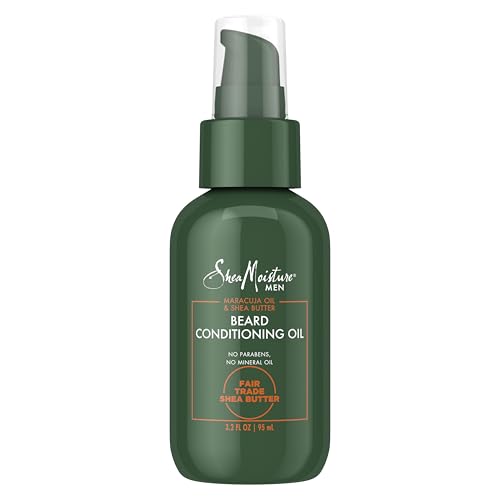
- Apply beard oil to a damp beard. Even short, patchy beards benefit from oil. The oil makes each individual hair look slightly thicker and adds sheen that reduces the visibility of gaps. SheaMoisture Beard Conditioning Oil is a good budget option for daily use. For a full breakdown of options, see our best beard oils for Black men guide.
- Brush with a boar bristle brush. Even on a short beard, brushing distributes oil evenly, exfoliates the skin to prevent ingrown hairs, and trains the hair to lay in the same direction. When all the hair is going the same way, patches look less obvious.
- Do not touch your beard all day. I know it is tempting. But constant touching breaks hairs, introduces bacteria, and disrupts the lay of the hair. Hands off.
Weekly Routine
- Deep condition once per week with a heavier oil application. Apply Honest Amish Classic Beard Oil generously and leave it on overnight. The avocado and castor oil base deeply conditions coarse facial hair.
- Exfoliate the patchy areas gently with a soft face scrub or a warm, damp washcloth. Removing dead skin cells can unblock follicles and improve the environment for growth.
5. Exercise
Effectiveness: Low-Moderate (supports hormonal health) | Timeline: Ongoing | Cost: Free
Resistance training (lifting weights) has been shown to temporarily increase testosterone and growth hormone levels. Both of these hormones play a role in facial hair development. This is not going to transform a patchy beard overnight, but regular exercise improves circulation, reduces cortisol, and supports the hormonal environment that facial hair growth depends on.
Compound exercises (squats, deadlifts, bench press, pull-ups) are the most effective for boosting testosterone. Aim for three to four strength training sessions per week. Add cardiovascular exercise for improved blood flow to the face and follicles.
What Does NOT Work (Save Your Money)
The internet is full of bad advice about patchy beards. Here is what I have personally tried, researched, or watched other men try with no meaningful results.
Shaving to Make It Grow Thicker
This is the most persistent myth in men’s grooming. Shaving does not change the thickness, color, or growth rate of your facial hair. When hair grows back after shaving, the blunt edge of the cut hair feels coarser than the tapered end of a naturally growing hair. That is the entire basis of this myth. It feels different. It is not different. Do not shave your beard off hoping it will come back fuller. It will come back exactly the same. Understanding how to fix a patchy is key to a great grooming routine. Understanding how to fix a patchy is key to a great grooming routine.
Beard Growth Oils and Serums (Most of Them)
There are dozens of products marketed as “beard growth oils” that claim to stimulate new follicle growth. Most contain standard carrier oils (jojoba, castor, argan) with some added marketing. These oils are excellent for conditioning the hair you have. They do not grow new hair. The only topical product with clinical evidence for stimulating new growth is minoxidil. Regular beard oils are for maintenance, not growth. I love Scotch Porter and Bevel, but they condition existing hair. They do not create new follicles.
Testosterone Boosters (Over-the-Counter)
Over-the-counter testosterone booster supplements (tribulus, fenugreek, DHEA) have little to no clinical evidence for increasing testosterone levels meaningfully in healthy men. If you genuinely have low testosterone, you need medical treatment, not supplements from GNC. If your levels are normal, these products will not push you into beard-growth territory. Understanding how to fix a patchy is key to a great grooming routine.
Castor Oil Alone
Castor oil is an excellent conditioner. It does not stimulate follicle growth. The theory that its ricinoleic acid activates dormant follicles is not supported by peer-reviewed research. Use it for conditioning (it is a great ingredient in beard oils), but do not expect it to fill in your patches. (We recommend this SheaMoisture Beard Conditioning Oil for a.)
Beard Styles That Work WITH Patches
While you are working on density, you still need to look good today. These styles are designed to work with limited or uneven coverage. For a complete style guide, see our black men beard styles article.
1. Designer Stubble (3-5mm)
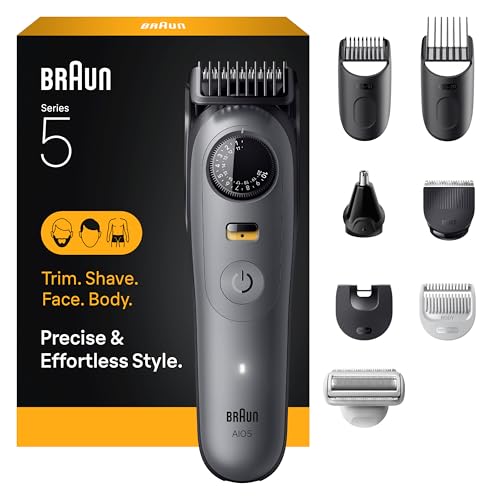
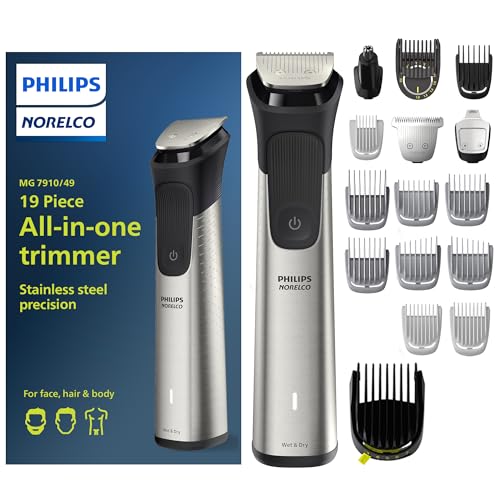
The single best style for patchy beards. At stubble length, the contrast between hair and skin is minimized. Patches that would be obvious at a quarter-inch are nearly invisible at 3mm. Trim to a uniform length with the Philips Norelco Multigroom 7000, define the neckline and cheek line, and call it a day. This style looks intentional on every man, regardless of coverage.
2. Corporate Goatee
If your chin and mustache area grow well but your cheeks are thin, the goatee is your friend. It works with your growth pattern rather than against it. Shave the cheeks clean so the thin areas are gone, and let the strong areas shine. A sharp goatee with clean borders looks better than a full beard with visible gaps.
3. Extended Goatee (Hollywoodian)
If your jawline grows in but the cheeks do not, the extended goatee runs with that pattern. Keep hair along the jawline and around the mouth. Shave the cheeks clean. You get definition and structure without exposing the weak zones.
4. Chin Strap
If your jaw area is solid but everything above it is sparse, a chin strap works with that natural growth line. The narrow width means you need less density to create a full-looking style.
5. Short Even Beard (5-8mm)
If your patches are mild (70%+ coverage), keeping the entire beard short and uniform can work. At this length, the existing density fills in most gaps visually. The key is keeping the length consistent. Uneven length draws attention to uneven coverage.
The Common Thread
Notice the pattern: shorter styles and styles that work with your natural growth areas. The worst thing you can do with a patchy beard is try to grow it long. Length amplifies gaps. Short length and sharp lines minimize them. Use a precision trimmer like the Bevel Beard Trimmer or Andis T-Outliner to keep those lines crisp. The tool quality matters more when the margin for error is smaller.
Optical Tricks to Make a Patchy Beard Look Fuller
Beyond choosing the right style, there are grooming techniques that create the illusion of fuller coverage.
1. Brush in One Direction
When all the hairs are laying in the same direction, they create a more uniform surface that minimizes the visibility of thin spots. Brush downward and outward from the center of your face after applying oil. A boar bristle brush works better than a comb for this because the bristles grip coarse, curly hair without pulling.
2. Use Beard Oil Strategically
A light application of Scotch Porter Beard Oil adds sheen to the existing hair. The slight gloss makes each hair strand look thicker and reduces the contrast between hair and skin. Apply a small amount to the patchy areas specifically, working it in with your fingertips.

3. Match Your Beard Length to Your Density
If you have 50% coverage, do not grow to half an inch. Keep it at 3-5mm. If you have 80% coverage, you can push to 10-15mm. The ratio between density and length determines how full your beard looks. Less density requires shorter length.
4. Darken with Beard Dye (For Gray or Light Patches)
If your patches are not missing hair but rather contain lighter or gray hairs that blend with your skin, a temporary beard tint can create contrast that makes the beard look fuller. Choose a shade one step lighter than your natural color. Apply to the entire beard for a uniform look, not just the light spots.
5. Keep the Borders Perfect
A patchy beard with sharp cheek lines, a crisp neckline, and defined corners looks ten times better than one with blurry borders. The clean lines signal intentionality. When the architecture is sharp, the density matters less. This is where a quality trimmer earns its money. The Andis T-Outliner gives you barbershop-level precision at home.

Realistic Timeline: What to Expect Month by Month
If you are combining multiple methods (minoxidil, derma rolling, nutrition, proper care), here is a realistic timeline based on my experience and conversations with dermatologists.
Month 1
You will not see growth changes yet. This month is about establishing your routine. Start minoxidil if you choose to use it. Begin derma rolling. Clean up your diet. Get your beard care products in order. The only visual improvement comes from better grooming of what you already have.
Month 2
You may notice vellus hairs in previously bare spots if using minoxidil. They will be thin, light, and barely visible. Do not shave them. Do not panic that they look wispy. This is the process working.
Month 3
The vellus hairs begin thickening. Some will start darkening. Your skin has adjusted to the minoxidil, and dryness should be manageable. This is typically when you first think, “Wait, is this actually working?” When it comes to how to fix a patchy, technique matters most. When it comes to how to fix a patchy, technique matters most. When it comes to how to fix a patchy, technique matters most.
Month 4-5
Noticeable improvement. The new hairs are transitioning to terminal. Coverage in the patchy areas is visibly better, especially at stubble length. Friends might comment that your beard looks different without being able to pinpoint why.
Month 6
This is the evaluation point. Compare photos from month 1 to now. If minoxidil is working, the improvement should be clear. Decide whether to continue, reduce frequency, or stop. Once hairs have fully transitioned to terminal, they typically remain even after stopping minoxidil.
Month 9-12
Maximum results from minoxidil. Any hairs that are going to convert have done so. This is your new baseline. Continue with the care routine (oil, brushing, proper washing) to maintain what you have built.
Pro tip: Take a clear, well-lit photo of your beard from the same angle on the first day of each month. You see your face every day, so gradual change is invisible in the mirror. Monthly comparison photos are the only reliable way to track progress.
When to See a Dermatologist
Most patchy beards do not require medical attention. But there are situations where a dermatologist should be your first call, not your last resort.
See a Dermatologist If:
- You have smooth, circular bald patches: This pattern suggests alopecia barbae, an autoimmune condition that needs targeted treatment (corticosteroid injections, topical immunotherapy, or JAK inhibitors).
- Your beard was full and suddenly became patchy: Sudden loss of coverage can indicate alopecia, thyroid dysfunction, or medication side effects.
- You have persistent itching, redness, or flaking in the patchy areas: This may indicate a fungal infection (tinea barbae) or seborrheic dermatitis that is affecting follicle health.
- You are considering prescription treatments: A dermatologist can prescribe stronger minoxidil formulations, finasteride (for DHT-related thinning), or topical corticosteroids that are not available over the counter.
- You have been using minoxidil for 6+ months with no improvement: A specialist can evaluate whether other treatments might work for your specific situation.
For Black men specifically, finding a dermatologist experienced with darker skin tones matters. Hyperpigmentation, keloid scarring, and pseudofolliculitis barbae (razor bumps) are all more common on melanin-rich skin and can complicate beard treatment. The Skin of Color Society (skinofcolorsociety.org) maintains a directory of dermatologists who specialize in skin of color.
Your Complete Patchy Beard Action Plan
Here is the step-by-step plan I would follow if I were starting from scratch today.
Week 1: Assessment and Setup
- Take clear, well-lit photos of your beard from three angles (front, left, right)
- Identify your patch pattern (cheeks, connectors, jawline)
- Choose a beard style that works with your current coverage
- Order your products: beard oil (Scotch Porter or SheaMoisture), a boar bristle brush, and a precision trimmer (Bevel or Philips Norelco Multigroom 7000)
- If pursuing growth: order 5% minoxidil foam and a 0.5mm derma roller
Weeks 2-4: Establish Routine
- Daily: Wash face, apply minoxidil (if using), wait 4 hours, apply beard oil, brush
- Every other day or weekly: Derma roll the patchy areas (if using)
- Every 3-4 days: Trim to maintain your chosen style
- Start a daily multivitamin with biotin, zinc, and vitamin D
Month 2-3: Monitor and Adjust
- Monthly photos for comparison
- Adjust minoxidil application areas based on where you see vellus hairs emerging
- Maintain the grooming routine consistently
- Consider adding a weekly deep conditioning treatment with a heavier oil
Month 4-6: Evaluate Results
- Compare month 1 photos to current state
- If coverage has improved, consider whether you can move to a fuller style
- If using minoxidil with good results, continue for a full 12 months for maximum conversion
- If no improvement after 6 months, consult a dermatologist for alternative approaches
The Mental Game: Confidence With What You Have
I am going to be honest with you in a way that most grooming articles are not. Some men will follow every step in this guide and still have a patchy beard. Genetics set a ceiling, and no amount of minoxidil, biotin, or derma rolling can rewrite your DNA. If your father, his father, and every man in your lineage had thin cheeks, you are working within that framework.
That does not mean you cannot look sharp. Some of the best-dressed, most confident men I know have patchy beards. The difference between a patchy beard that looks good and one that does not is not the coverage. It is the maintenance. Clean lines. The right length. Healthy, conditioned hair. Intentionality.
The men in my barbershop who get the most compliments are not always the ones with the fullest beards. They are the ones whose beards look like they were chosen, not tolerated. A well-groomed goatee on a confident man commands more respect than a full beard that looks abandoned.

Work with what you have. Improve what you can. And own the result.
Frequently Asked Questions
How long does it take to fix a patchy beard?
Most men see noticeable improvement in three to six months with consistent effort. If you are using minoxidil, initial vellus (thin, light) hairs typically appear at four to eight weeks and mature into terminal (thick, dark) hairs over three to six months. Grooming strategies like keeping a shorter length or choosing patch-friendly styles produce immediate visual improvement. Genetics set the ceiling, but most men have room to improve what they have.
Does minoxidil really work for patchy beards?
Yes, clinical evidence and extensive anecdotal reporting support minoxidil for improving beard density. It works by increasing blood flow to hair follicles and extending the growth phase of the hair cycle. The 5% foam formula is most commonly used. Results vary by individual, but a significant percentage of men see meaningful improvement in coverage after three to six months of consistent twice-daily application. It is not FDA-approved specifically for beards, but dermatologists widely recommend it off-label.
Can a patchy beard become a full beard naturally?
It depends on your age and genetics. Many men see their beard fill in naturally through their twenties and even into their early thirties as testosterone and DHT levels mature. If your father or grandfathers had full beards, there is a good chance your coverage will improve with time. If you are past 30 and still patchy, the coverage you have is likely close to your genetic ceiling without intervention like minoxidil.
Is derma rolling safe for the face?
Yes, when done correctly. Use a 0.25mm to 0.5mm needle length for the beard area. Do not exceed 0.5mm without professional guidance. Roll gently in horizontal, vertical, and diagonal directions over the patchy areas. Do not derma roll on active acne, open wounds, or irritated skin. Clean the roller with isopropyl alcohol before and after each use. Space sessions 24 to 48 hours apart for 0.25mm or once per week for 0.5mm.
What supplements help beard growth?
Biotin (5,000 to 10,000 mcg daily) is the most widely used supplement for hair growth, though clinical evidence for beard-specific growth is limited. A daily multivitamin covering zinc, vitamin D, and B-complex vitamins supports overall hair health. Collagen peptides may support skin health at the follicle level. No supplement will override genetics, but deficiencies in these nutrients can limit your growth potential. Consult your doctor before starting any supplement regimen.
Should I shave my patchy beard and start over?
No. Shaving does not make hair grow back thicker or fuller. That is a myth. The blunt edge of a shaved hair feels coarser when it grows back, but the thickness, color, and growth rate remain the same. If you are unhappy with your current growth, keep the beard at a short, even length while you work on improving density. Shaving resets your progress to zero and makes the growing-out phase longer.
Explore more tips at CulturedGrooming.com.
Further reading: For research-backed grooming advice, see Healthline Men’s Health.
Frequently Asked Questions
How to fix a patchy beard if I have curly or coily hair?
Patchy beards in curly hair types often appear worse due to texture, but consistent moisturizing with beard oil and allowing longer growth time helps. Many Black men find that patience through the awkward growing phase reveals fuller coverage once the beard reaches 3-4 months of growth.
Does minoxidil actually work for filling in beard patches?
Yes, minoxidil (the active ingredient in Rogaine) can stimulate facial hair growth in patchy areas when applied consistently for 3-6 months. Results vary by individual genetics, but studies show it increases beard density and helps fill gaps, especially when combined with proper grooming routines.
How often should I use a derma roller for beard growth?
A 0.5mm derma roller should be used 1-2 times per week on clean skin, rolling gently across patchy areas to stimulate collagen and blood flow. Avoid over-rolling, which can irritate skin, and always follow up with a hydrating moisturizer or beard oil.
What should I do if my beard patches don’t fill in after several months?
If patches persist after 4-6 months of consistent grooming and treatment, your genetics may determine your beard pattern, and acceptance is often the healthiest approach. You can also work with a barber experienced in your hair type to shape your beard style strategically around natural gaps.