If you want to master best shampoo for 4c hair, this guide covers everything you need to know.
If you want to master best shampoo for 4c hair, this guide covers everything you need to know. Last updated: February 2026 by Darius Washington, Black Men’s Grooming Editor
Here is the truth about 4C hair and shampoo: most products on the shelf were not made for you. They were formulated for straight or wavy textures that produce enough sebum to coat the entire strand from root to tip. On 4C coils, that sebum pools at the scalp and never makes it past the first bend. So when a generic shampoo strips everything away, straight hair bounces back in a day. 4C hair stays dry for a week.
This guide ranks eight shampoos and co-washes specifically for the tightest coil pattern in the Andre Walker typing system. I cover sulfate-free options for regular wash days, co-wash picks for midweek moisture, a clarifying option for monthly resets, and a full wash day routine built for 4C texture. Every product on this list was selected for how its formula suits tightly coiled hair, not loosely curled hair that happens to be labeled “textured.”
Short on time? SheaMoisture Coconut & Hibiscus is my top pick for overall wash day performance on 4C hair. For budget buyers, Cantu Cleansing Cream Shampoo delivers at half the price.

Best Shampoos for 4C Hair at a Glance: Best Shampoo For 4C Hair
| Shampoo | Price | Type | Key Ingredients | Best For | Rating |
|---|---|---|---|---|---|
| SheaMoisture Coconut & Hibiscus | $10-13 | Sulfate-free shampoo | Coconut oil, silk protein, neem oil | All-around wash day (best overall) | 5/5 |
| Mielle Pomegranate & Honey | $9-12 | Sulfate-free shampoo | Honey, pomegranate extract, babassu oil | Damaged or heat-treated 4C hair | 4.5/5 |
| Carol’s Daughter Black Vanilla | $11-14 | Sulfate-free shampoo | Sweet clover, rose, vitamin B5 | Dry, brittle 4C hair that breaks easily | 4.5/5 |
| TGIN Moisture Rich | $14-17 | Sulfate-free shampoo | Amla oil, coconut oil, olive oil | High-porosity 4C hair | 4.5/5 |
| Aunt Jackie’s Oh So Clean | $8-10 | Moisturizing shampoo | Coconut oil, shea butter, olive oil | Scalp-focused cleansing with light moisture | 4/5 |
| Cantu Cleansing Cream Shampoo | $5-7 | Sulfate-free shampoo | Shea butter, apple cider vinegar | Budget pick, weekly wash day | 4/5 |
| As I Am Coconut CoWash | $8-11 | Co-wash | Coconut oil, castor oil, tangerine extract | Midweek moisture refresh (best co-wash) | 4.5/5 |
| Kinky-Curly Come Clean | $12-15 | Clarifying shampoo | Mandarin orange extract, sea kelp | Monthly buildup removal (best clarifier) | 4/5 |
Understanding 4C Hair and Why Shampoo Choice Matters
4C is the tightest coil pattern in the Andre Walker hair typing system. The coils form a dense zig-zag pattern with almost no visible curl definition when dry. That density is what gives 4C hair its volume and versatility. It is also what makes moisture management the single biggest challenge.
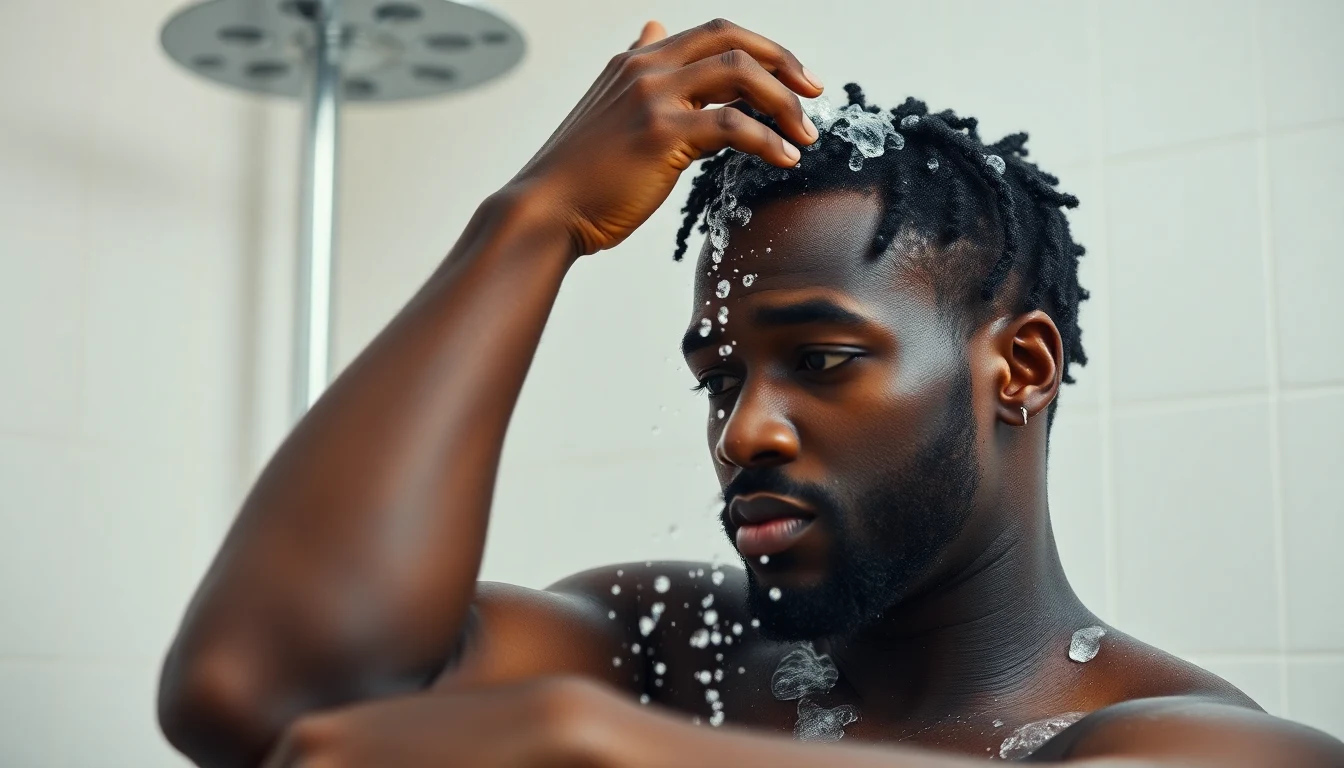
Sebum, the natural oil your scalp produces, moves down straight hair by gravity. On 4C coils, it gets trapped at the root because the tight bends prevent it from traveling along the shaft. This means the ends of your hair are almost always drier than the scalp. A shampoo that strips the scalp of that sebum leaves your entire strand defenseless.
The 75% Shrinkage Factor
4C hair can shrink up to 75% of its actual length when dry. That shrinkage creates the illusion that 4C hair does not grow, when in reality it is coiling tightly against the scalp. But extreme shrinkage also means the hair is under constant tension. Dryness plus tension equals breakage. The right shampoo keeps moisture in the strand so the coils flex instead of snap.
Porosity and 4C Hair
Not all 4C hair behaves the same. Porosity determines how well your hair absorbs and holds moisture. Do the float test: drop a clean strand of hair into a glass of room-temperature water and wait four minutes. If it floats, you have low porosity. If it sinks slowly to the middle, normal. If it drops to the bottom fast, high porosity.
- Low-porosity 4C hair: The cuticle is tightly sealed. Lightweight, water-based shampoos work best. Heavy oils and butters sit on top and cause buildup. Use warm water during washing to open the cuticle.
- Normal-porosity 4C hair: Absorbs and retains moisture well. Most shampoos on this list will work. Focus on sulfate-free formulas with balanced protein and moisture.
- High-porosity 4C hair: The cuticle is raised or damaged (from heat, color treatment, or environmental exposure). Protein-enriched shampoos help fill the gaps. Heavier oils and butters seal moisture in. Rinse with cool water to close the cuticle.
I cover porosity in more depth in our general shampoo guide for Black men. For this article, just know your porosity before choosing a product. It matters more than brand loyalty.
What to Look For in a Shampoo for 4C Hair
Not every “sulfate-free” shampoo is good for 4C hair. Some are sulfate-free but loaded with drying alcohols. Others are moisture-rich but so heavy they cause buildup after two washes. Here is what I look for when evaluating shampoo for the tightest coils.

Sulfate-Free Is Non-Negotiable
Sodium lauryl sulfate (SLS) and sodium laureth sulfate (SLES) are detergents that create heavy lather. They are effective cleaners, but they strip natural oils aggressively. On 4C hair, where sebum already struggles to coat the strand, sulfates accelerate dryness. Sulfate-free shampoos use milder surfactants like cocamidopropyl betaine or decyl glucoside. They clean. They just do not destroy.
Every shampoo on this list is sulfate-free. That is the baseline, not the selling point.
Moisture-Depositing Ingredients
The best 4C shampoos add moisture during the wash, not just after. Look for these in the first five ingredients:
- Coconut oil: One of the only oils proven to penetrate the hair shaft (Rele and Mohile, 2003, Journal of Cosmetic Science). Reduces protein loss during washing.
- Shea butter: Seals moisture along the strand. Rich in vitamins A and E.
- Glycerin: A humectant that draws water into the hair. Works best in moderate humidity (40-60%). In very high humidity, glycerin can cause frizz.
- Honey: Natural humectant and emollient. Softens coils without weighing them down.
- Aloe vera: Hydrates and conditions. Contains enzymes that promote a healthy scalp.
Avoid These Ingredients
If you see any of these near the top of the ingredient list, skip it:
- Alcohol denat. (denatured alcohol): Dries the hair shaft rapidly.
- Sodium chloride (salt): Irritates the scalp and strips color-treated hair.
- Parabens (methylparaben, propylparaben): Preservatives linked to endocrine disruption.
- Mineral oil / petroleum: Coats the strand and blocks moisture absorption.
- Synthetic fragrance: Can irritate dry, sensitive scalps.
Protein Balance
Protein (hydrolyzed keratin, silk amino acids, wheat protein) strengthens 4C hair by filling gaps in the cuticle. High-porosity hair needs more protein. Low-porosity hair needs less. Too much protein on low-porosity 4C hair causes stiffness and breakage. Look for shampoos that list protein after the sixth or seventh ingredient, not in the top three, unless your hair is high porosity or heat-damaged.
The 8 Best Shampoos for 4C Hair (Reviewed)
1. SheaMoisture Coconut & Hibiscus Curl and Shine Shampoo
Best for: All-around 4C wash day performance
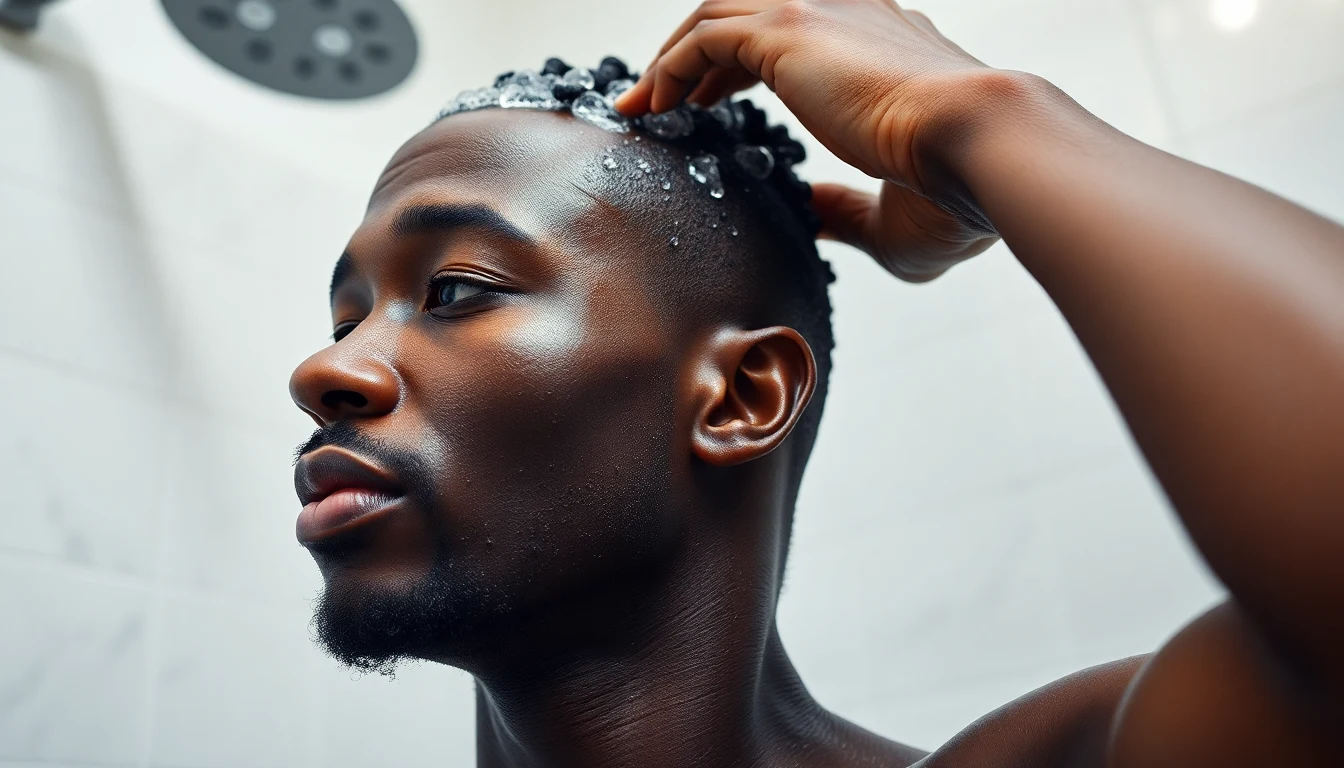
SheaMoisture was making sulfate-free shampoo for textured hair before it was trendy. This formula uses coconut oil to penetrate the strand, silk protein to reinforce the cuticle, and neem oil to condition the scalp. The lather is modest, which is exactly what you want. Heavy lather means heavy stripping. (We recommend this Jack Black True Volume Thickening Shampoo.)
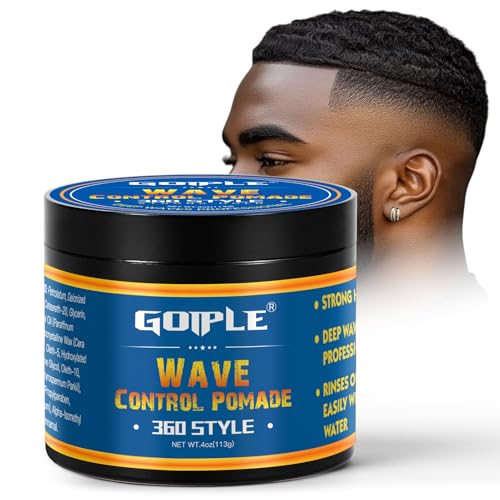
(We recommend this Natural Wave Pomade Strong Hold Easy.)

SheaMoisture is a Black-founded brand (Richelieu Dennis, Liberian-American). Available at Target, Walmart, CVS, and every drugstore with a textured hair aisle. At $10-13 for 13 ounces, it delivers premium performance at a mainstream price.
Pros: Penetrating moisture, easy detangling slip, affordable, widely available
Cons: Can cause buildup on low-porosity hair if used every wash; alternate with a lighter formula
Check price on SheaMoisture Coconut & Hibiscus Shampoo
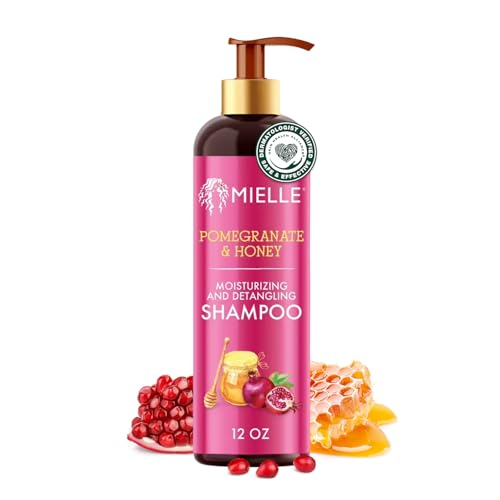
2. Mielle Organics Pomegranate & Honey Moisturizing and Detangling Shampoo
Best for: Damaged, heat-treated, or color-treated 4C hair
Mielle Organics built their entire brand on formulas that work for the tightest textures. This shampoo combines honey as a humectant, pomegranate extract as an antioxidant, and babassu oil for lightweight conditioning. The babassu oil is the key differentiator. It mimics the feel of coconut oil but absorbs faster and sits lighter, which makes it better for 4C hair that tends toward low porosity.
If your 4C hair has been through heat damage from blow dryers or flat irons, this is where I would start. The honey draws moisture in while the pomegranate fights oxidative stress on the cuticle.
Mielle Organics is a Black-owned brand founded by Monique Rodriguez. At $9-12 for 12 ounces, it is in the same price bracket as SheaMoisture with a lighter feel.
Pros: Lightweight moisture, excellent for damaged hair, great detangling slip
Cons: The fragrance is strong; if you prefer unscented products, this is not your pick
Check price on Mielle Pomegranate & Honey Shampoo
3. Carol’s Daughter Black Vanilla Moisture and Shine Shampoo
Best for: Extremely dry, brittle 4C hair that breaks at the slightest tension
Carol’s Daughter has been a cornerstone of Black hair care since Lisa Price started making products in her Brooklyn kitchen in 1993. The Black Vanilla line is their moisture-focused formula. Sweet clover softens coils, rose extract adds shine and conditioning, and provitamin B5 (panthenol) strengthens the hair shaft from inside.
This shampoo is gentler than almost anything else on this list. It barely lathers, which means it barely strips. For 4C hair that is so dry it snaps during combing, that gentleness is exactly the point. I recommend this for men who have been using harsh shampoos for years and need to rebuild their hair’s moisture baseline.
The trade-off is cleansing power. If you use heavy styling products (pomades, wave grease, thick edge control), Black Vanilla alone might not remove all the buildup. Pair it with a clarifying shampoo once a month. (We recommend this Black Wolf Mens Shampoo for Oily.)
Pros: Extremely gentle, ideal for rebuilding damaged moisture barrier, legacy Black-owned brand
Cons: Low cleansing power for heavy product users; needs a clarifying partner
Check price on Carol’s Daughter Black Vanilla Shampoo
4. TGIN Moisture Rich Sulfate Free Shampoo
Best for: High-porosity 4C hair that loses moisture fast
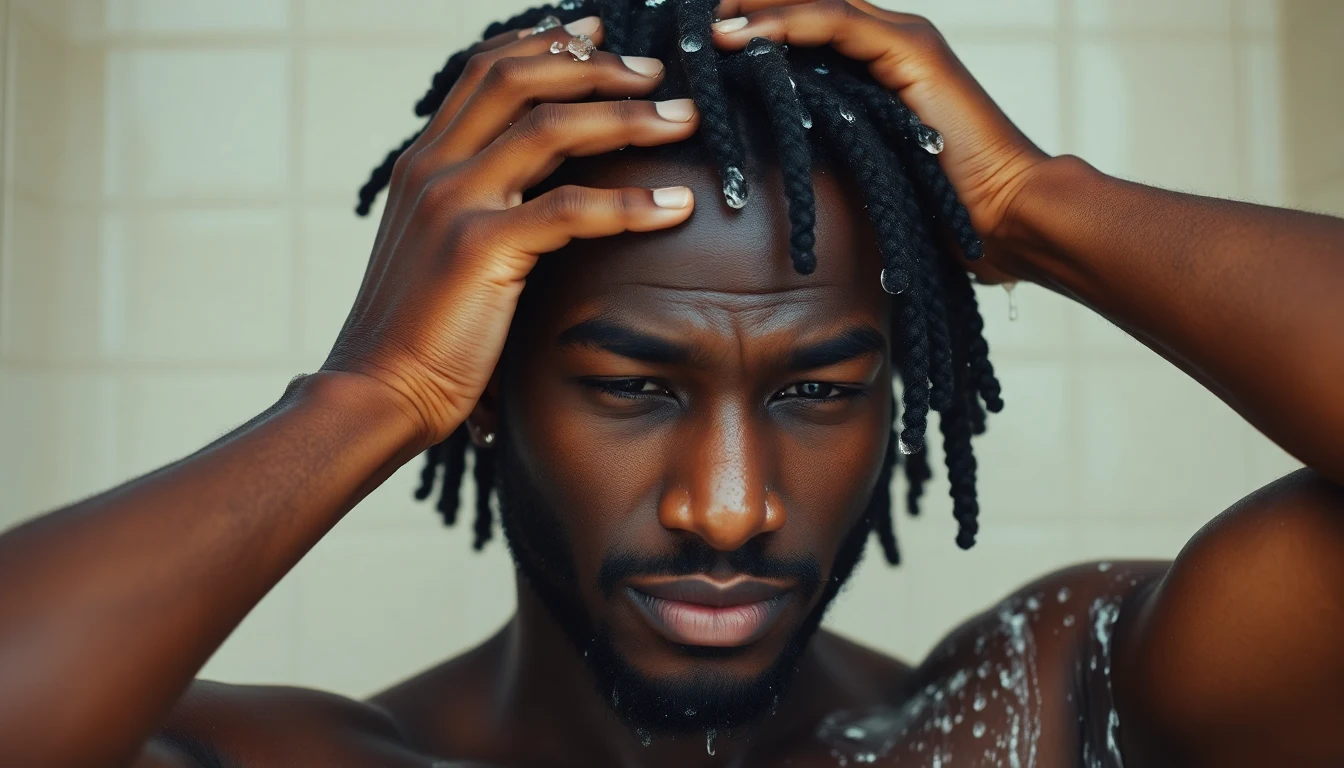
TGIN (Thank God It’s Natural) formulated this shampoo with a triple-oil blend: amla oil, coconut oil, and olive oil. Amla oil is an Ayurvedic ingredient rich in vitamin C that strengthens hair follicles and adds shine. Coconut oil penetrates. Olive oil seals. Together, they create a moisture sandwich that coats high-porosity hair during the wash.
High-porosity 4C hair has a raised cuticle that absorbs moisture quickly but loses it just as fast. TGIN’s formula is heavy enough to deposit serious moisture without the waxy residue some heavier shampoos leave behind.
TGIN is a Black-owned brand founded by Chris-Tia Donaldson. At $14-17 for 13 ounces, it is the most expensive sulfate-free option on this list, but the moisture payoff justifies it for high-porosity hair.
Pros: Deep moisture for high-porosity hair, strengthening amla oil, no wax residue
Cons: Price point is higher than competitors; too heavy for low-porosity 4C hair

Check price on TGIN Moisture Rich Shampoo
5. Aunt Jackie’s Oh So Clean Moisturizing and Softening Shampoo
Best for: Men who prioritize scalp health alongside hair moisture
Aunt Jackie’s is a sub-brand under the Aunt Jackie’s Curls & Coils line, which is part of the House of Chimes family. This shampoo targets the scalp first. Coconut oil and olive oil condition the hair, while shea butter softens coils. But the real value is in the gentle surfactant system that cleans the scalp without triggering dryness or irritation.
If you deal with a dry, flaky scalp alongside your 4C hair concerns, this is a solid pick.
At $8-10 for 12 ounces, it sits in the mid-budget range. Available at most drugstores and online.
Pros: Excellent scalp cleansing, softening formula, affordable
Cons: Moisture level is moderate; pair with a deep conditioner for very dry 4C hair
Check price on Aunt Jackie’s Oh So Clean Shampoo
6. Cantu Shea Butter Cleansing Cream Shampoo
Best for: Budget-conscious men who want sulfate-free without the premium price
Cantu is the entry point for a lot of men discovering sulfate-free hair care, and there is no shame in that. At $5-7 for 13.5 ounces, it is the most affordable option on this list. Shea butter provides the moisture backbone, and apple cider vinegar helps remove mild product buildup while balancing scalp pH.
I recommend Cantu for men who are switching from drugstore shampoo (Head and Shoulders, Dove, Old Spice) to sulfate-free for the first time. The formula is straightforward. It does what it says. It will not transform severely damaged 4C hair the way SheaMoisture or TGIN might, but it will stop the damage from getting worse, which is the first step. (We recommend this Cremo Spice & Black Vanilla 2-in-1.)
Cantu is available at every major retailer. It is the most accessible brand on this list, and accessibility matters when you are building a routine.
Pros: Cheapest sulfate-free option, widely available, solid entry-level formula
Cons: Not as moisturizing as premium options; apple cider vinegar can dry out very dry hair
Check price on Cantu Cleansing Cream Shampoo
7. As I Am Coconut CoWash
Best for: Midweek moisture refresh between shampoo days (best co-wash)
This is not a shampoo. It is a co-wash, which means it uses ultra-mild cleansing agents in a conditioner base to gently clean without stripping moisture. For 4C hair, co-washing between shampoo days is one of the most effective ways to maintain moisture throughout the week.

As I Am Coconut CoWash uses coconut oil for moisture penetration, castor oil for thickness and shine, and tangerine extract for a light cleanse.
The key with co-washing is understanding what it cannot do. A co-wash will not remove heavy product buildup, hard water mineral deposits, or excess sebum from an oily scalp. It is a supplement, not a replacement. If you only co-wash and never shampoo, your scalp will accumulate buildup that leads to flaking, itching, and even folliculitis. Use it in rotation.
Pros: Excellent midweek moisture maintenance, great slip, pleasant scent
Cons: Cannot replace shampoo entirely; will not remove heavy product buildup
Check price on As I Am Coconut CoWash
8. Kinky-Curly Come Clean Natural Moisturizing Shampoo
Best for: Monthly clarifying wash to remove product buildup (best clarifier)
Kinky-Curly Come Clean is our pick for a clarifying shampoo for 4C hair. Most clarifying shampoos use harsh sulfates to strip everything, which defeats the purpose of a moisture-first routine. Kinky-Curly uses mandarin orange extract and sea kelp as its primary cleansing agents. They remove buildup effectively without the scorched-earth approach of sulfate-based clarifiers.
Use it once every three to four weeks. It removes the accumulated layers of shea butter, edge control, and oils that sulfate-free shampoos cannot fully dissolve. Think of it as hitting the reset button.

Always follow a clarifying wash with a deep conditioner. Clarifying strips more moisture than a regular sulfate-free shampoo, so you need to replenish immediately. The LOC method (liquid, oil, cream) after clarifying gives the best results on 4C hair. (We recommend this OCEAN VIEW DEEP WAVES POMADE –.)
Pros: Gentle clarifying without harsh sulfates, removes stubborn buildup, natural ingredients
Cons: Too stripping for weekly use; reserve for monthly resets only
Check price on Kinky-Curly Come Clean Shampoo
The Complete 4C Hair Wash Day Routine
A good shampoo means nothing without the right routine around it. Here is a wash day system for 4C hair. This works for short to medium-length natural hair.
Step 1: Pre-Wash Oil Treatment (5 minutes)
Before your hair touches water, apply a light oil (coconut oil, olive oil, or avocado oil) to the length of your hair. This pre-coat protects the cuticle from the swelling that occurs when water enters the strand, which is what causes hygral fatigue and breakage during washing. Massage the oil into your coils. Focus on the ends, which are the oldest and driest part of your hair.
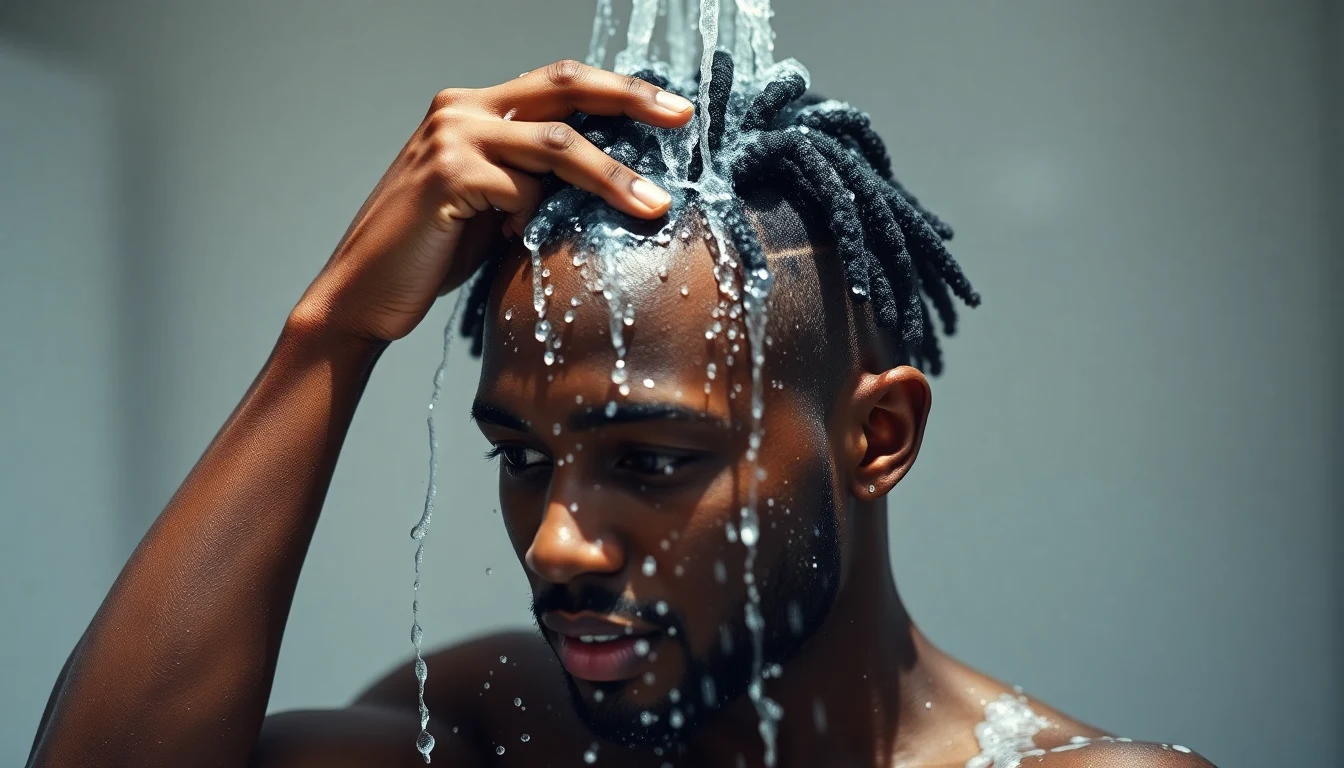
Step 2: Rinse with Lukewarm Water (2 minutes)
Lukewarm water opens the cuticle for effective cleansing. Avoid hot water, which strips moisture aggressively. Let the water saturate your hair completely before applying shampoo. 4C hair is dense, and the water needs time to penetrate the coil structure.
Step 3: Shampoo (3-5 minutes)
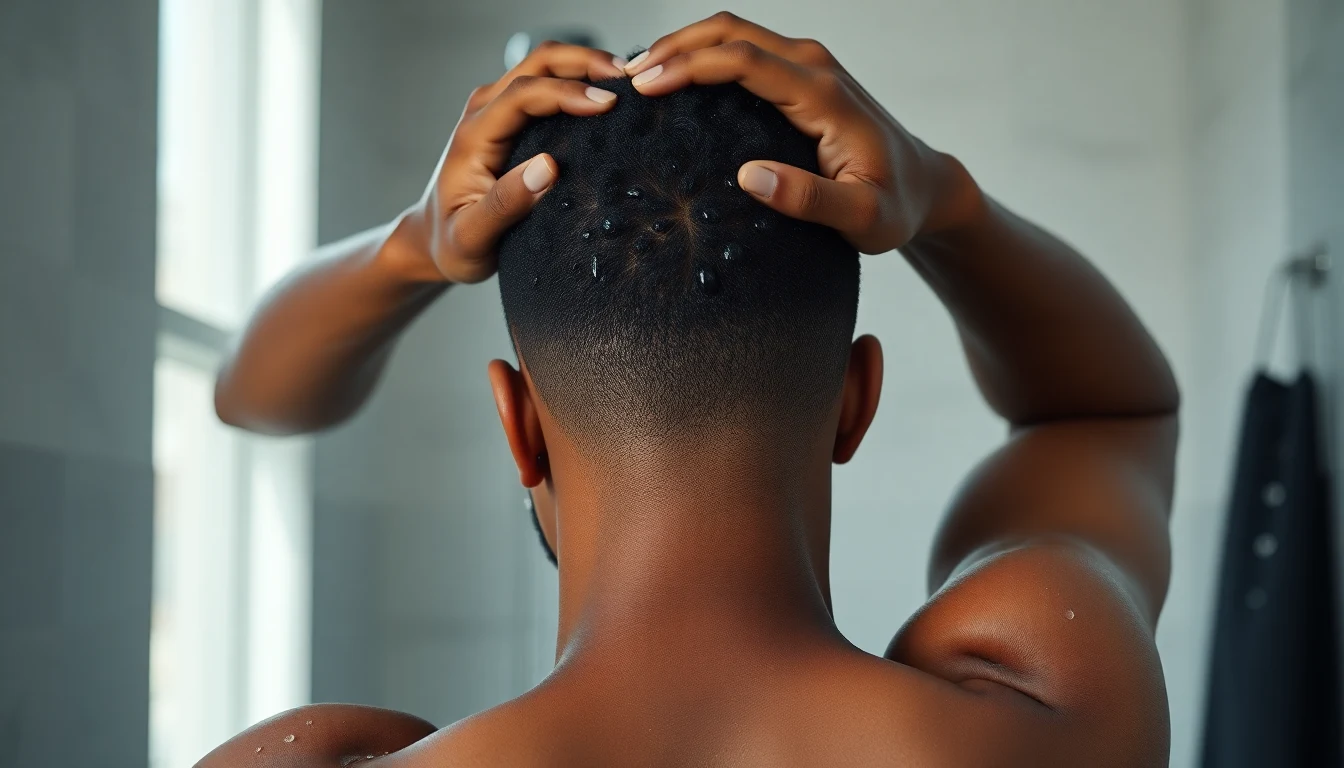
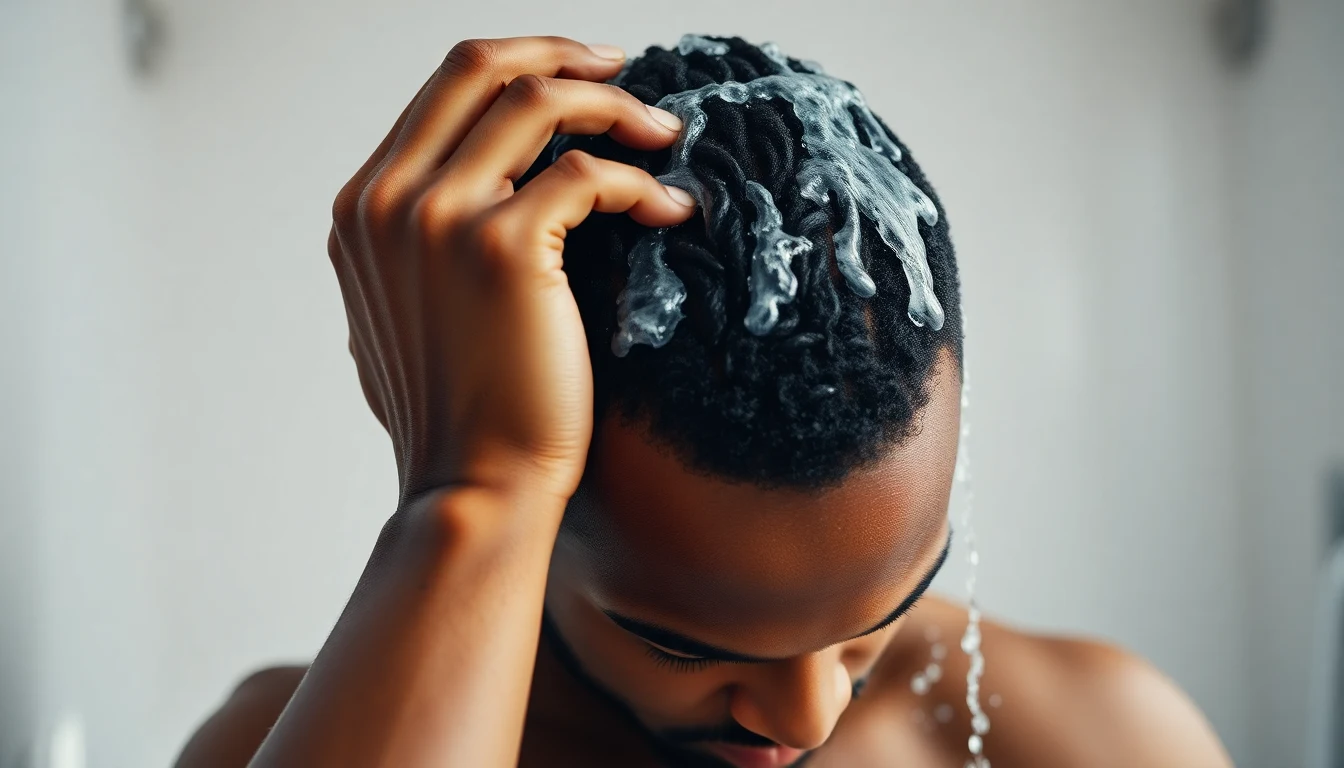
Apply a quarter-sized amount of sulfate-free shampoo to your scalp. Massage with your fingertips (not your nails) in circular motions. Focus on the scalp, not the length. The shampoo will clean the strands as it rinses out. Nails scratch the scalp and cause micro-abrasions that lead to irritation and flaking. Rinse thoroughly. Shampoo residue causes dryness and itching.
Step 4: Condition (5-10 minutes)
Apply a generous amount of conditioner from mid-shaft to ends. Use this time to finger detangle, working from the ends upward. Never detangle from root to tip on 4C hair; you will rip out healthy strands. Let the conditioner sit for five to ten minutes. If you are deep conditioning (recommended once every two weeks), cover with a plastic cap and let it work for 20-30 minutes.
Step 5: Cool Water Rinse (1 minute)
Rinse the conditioner out with cool water. This seals the cuticle and locks in the moisture your conditioner just deposited. If your conditioner has good slip, your hair should feel smooth and pliable after rinsing, not dry or tangled.
Step 6: LOC Method (3-5 minutes)
LOC stands for Liquid, Oil, Cream. Apply a water-based leave-in spray (liquid), a light sealing oil like jojoba or argan (oil), and a moisturizing cream or butter (cream). This layering method is the gold standard for 4C moisture retention. Each layer builds on the previous one to lock in hydration.
For product styling after wash day, check our guide to the best gels for 4C hair for hold and definition options.
How Often Should You Wash 4C Hair?
The answer depends on your lifestyle, not a universal rule. When it comes to best shampoo for 4c hair, technique matters most.
| Lifestyle | Shampoo Frequency | Co-Wash Frequency | Clarifying Frequency |
|---|---|---|---|
| Low activity, minimal product use | Every 10-14 days | Once midweek | Every 4-6 weeks |
| Moderate activity, light styling products | Every 7-10 days | Once or twice midweek | Every 3-4 weeks |
| Daily workouts, heavy product use | Every 5-7 days | Every 2-3 days | Every 2-3 weeks |
| 360 wave routine with pomade/grease | Every 5-7 days | As needed | Every 2 weeks |
If you are maintaining 360 waves with wave grease or pomade, you will need to shampoo more frequently to remove product buildup. Heavy pomades sit on top of 4C coils and create a film that gentle shampoos struggle to dissolve. A weekly wash with a sulfate-free shampoo plus a clarifying session every two weeks keeps the scalp clean without disrupting your wave pattern.
A clean scalp is the foundation of healthy hair growth. Buildup clogs follicles, traps bacteria, and creates the flaking and irritation that leads to scratching, which leads to breakage.
Co-Wash vs. Sulfate-Free Shampoo vs. Clarifying Shampoo
These three products serve different purposes in a 4C hair routine. Most men need all three in rotation, not just one. When it comes to best shampoo for 4c hair, technique matters most.
| Product Type | What It Does | Cleansing Power | Moisture Impact | How Often |
|---|---|---|---|---|
| Co-wash | Gently cleanses with conditioner-based formula | Low | High (adds moisture) | 1-3x per week |
| Sulfate-free shampoo | Cleans scalp and hair with mild surfactants | Medium | Moderate (preserves moisture) | Every 7-14 days |
| Clarifying shampoo | Deep-cleans to remove stubborn buildup | High | Low (strips moisture; follow with deep conditioner) | Every 2-6 weeks |
A common mistake is using only one type. If you only co-wash, you accumulate buildup. If you only shampoo, you strip moisture between washes. If you only clarify, you destroy your moisture barrier. The rotation is what makes it work.
Think of it like skincare. A daily face wash and a weekly exfoliant serve different purposes. You need both. Same principle applies to your hair.
4C Hair Ingredient Guide: What to Look For on the Label
Here is a reference guide so you know what to look for and what to avoid.
Ingredients That Benefit 4C Hair
| Ingredient | Function | Best For |
|---|---|---|
| Coconut oil | Penetrates hair shaft, reduces protein loss | All porosity levels |
| Shea butter | Seals moisture, vitamins A and E | Dry, brittle hair |
| Glycerin | Humectant, draws water into hair | Normal to high porosity (moderate humidity) |
| Honey | Humectant and emollient, softens coils | All types, especially damaged hair |
| Aloe vera | Hydrates, soothes scalp, pH-balanced | Sensitive or irritated scalps |
| Castor oil | Seals moisture, adds thickness and shine | Thinning or fine 4C hair |
| Jojoba oil | Mimics natural sebum, lightweight | Low-porosity 4C hair |
| Silk protein | Strengthens cuticle, adds shine | High-porosity or damaged hair |
| Provitamin B5 (panthenol) | Penetrates and strengthens from inside | Breakage-prone hair |
Ingredients to Avoid in 4C Shampoo
| Ingredient | Why It Hurts 4C Hair | Often Found In |
|---|---|---|
| Sodium lauryl sulfate (SLS) | Aggressively strips natural oils | Most drugstore shampoos |
| Sodium laureth sulfate (SLES) | Milder than SLS but still stripping | “Gentle” drugstore formulas |
| Alcohol denat. | Rapid drying of the hair shaft | Volumizing and “lightweight” shampoos |
| Sodium chloride (salt) | Scalp irritation, strips color-treated hair | Thickening shampoos |
| Mineral oil / petroleum | Coats strand, blocks moisture absorption | Budget “moisturizing” shampoos |
| Formaldehyde releasers | Irritation, potential carcinogen | Some anti-dandruff formulas |
Why Black-Owned Hair Care Brands Matter
Five of the eight products on this list come from Black-owned or Black-founded brands. That is not a coincidence. Black-owned hair care companies formulate for our textures from the start, not as an afterthought line extension. When SheaMoisture tests a shampoo, they test it on 4C hair. When a mainstream brand adds a “textured hair” sub-line, they are often reformulating an existing product with extra oil and a different label.
This is not about politics. It is about formulation. A company that understands the moisture challenges of tightly coiled hair from day one will produce better products for that hair type. The science supports what the barbershop has always known: buy from people who know your hair.
Madam C.J. Walker built the first Black hair care empire in the early 1900s because mainstream companies would not serve Black women. Over a century later, brands like SheaMoisture, Mielle, TGIN, and Carol’s Daughter continue that legacy with modern formulations backed by real hair science. Support them because the products work, not just because it feels good.
5 Mistakes Men Make Washing 4C Hair
1. Washing Too Often
Daily shampooing is standard advice for straight hair. For 4C hair, it is a recipe for chronic dryness. Your scalp needs time to produce and distribute sebum. If you strip it every 24 hours, you create a cycle of dryness and overproduction that leads to an oily scalp with dry, brittle strands. Stick to the wash frequency table above.
2. Skipping Conditioner
Some men shampoo and then towel off without conditioning. This is the equivalent of washing your face and skipping moisturizer. Shampoo opens the cuticle. Conditioner closes it and deposits moisture. If you skip conditioner, you leave the cuticle open, which leads to moisture loss, frizz, and breakage.
3. Using Nails Instead of Fingertips
Scrubbing your scalp with your nails feels satisfying, but it creates micro-abrasions that cause irritation, flaking, and potential infection. Use the pads of your fingertips in firm circular motions. Your scalp gets cleaner with massage pressure, not scratching.
4. Never Clarifying
Sulfate-free shampoos are gentle by design. That gentleness means they do not fully remove heavy product buildup. Over weeks and months, layers of shea butter, oils, gels, and edge control accumulate on 4C hair. That buildup blocks moisture absorption, makes your hair look dull, and causes the flaking that men mistake for dandruff. A clarifying wash every two to four weeks solves this.

5. Hot Water Through the Entire Wash
Hot water opens the cuticle, which is useful for cleaning but disastrous if you rinse your conditioner with it. Always finish with a cool water rinse to seal the cuticle and lock in moisture. This one change alone can improve your moisture retention noticeably.
Build Your Full 4C Grooming Routine
Shampoo is one piece of the puzzle. Here is where to go next based on your goals:
- Need a styling gel after wash day? Read our best gel for 4C hair guide for hold and definition picks.
- Building a complete wash routine? Our general shampoo guide for Black men covers all hair types with deeper porosity and ingredient science.
- Dealing with dry skin too? The best moisturizer for Black men roundup covers face and body hydration.
- Maintaining a beard? Check the best beard oil for Black men guide, especially if your beard hair is also 4C texture.
- Starting 360 waves? The complete wave guide covers the shampoo-to-durag routine in detail.
- Shopping for a new wave brush? The right brush matters as much as the right shampoo for wave maintenance.
- Need a fresh cut? Our best clippers for Black men roundup covers home and professional options.
Frequently Asked Questions
How often should you wash 4C hair?
Most men with 4C hair should shampoo every 7 to 14 days. 4C coils are the tightest in the Andre Walker typing system, which means sebum from the scalp cannot travel down the hair shaft the way it does on looser textures. Washing too frequently strips the little moisture 4C hair manages to retain. If you work out daily or use heavy styling products like edge control or wave grease, you can co-wash between shampoo sessions to refresh without stripping. The goal is clean scalp, hydrated strands.
Is sulfate-free shampoo necessary for 4C hair?
Yes. Sulfates like sodium lauryl sulfate and sodium laureth sulfate create a heavy lather by aggressively stripping oil from the hair and scalp. On 4C hair, which already struggles with moisture retention due to its tight coil pattern, sulfates accelerate dryness, breakage, and scalp irritation. Sulfate-free shampoos use gentler surfactants like cocamidopropyl betaine or decyl glucoside that remove dirt and buildup without destroying your moisture barrier. For most 4C hair, sulfate-free is not a preference. It is a requirement.
What is the difference between co-washing and shampooing for 4C hair?
Shampooing uses surfactants to deep-clean the scalp and hair, removing oil, dirt, and product buildup. Co-washing uses a cleansing conditioner with very mild surfactants to gently refresh the hair without stripping moisture. For 4C hair, the best approach is rotating both. Shampoo every 7 to 14 days for a thorough clean, and co-wash midweek when your hair feels dry or flat but your scalp is not grimy. Co-washing alone will not remove heavy product buildup, so you still need a real shampoo in your rotation. (We recommend this Jack Black Nourishing Hair & Scalp.)
Can 4C hair benefit from clarifying shampoo?
Absolutely. Even if you use sulfate-free shampoo and co-wash regularly, product buildup accumulates on 4C hair over time. Heavy butters, oils, gels, and edge control create layers that gentle shampoos cannot fully remove. A clarifying shampoo once every 3 to 4 weeks resets your hair by stripping away that buildup. The key is to always follow a clarifying wash with a deep conditioner, because clarifying shampoos clean aggressively. (We recommend this Jack Black – Double-Header Shampoo +.)
Should men with 4C hair use the same shampoos as women with 4C hair?
Yes. Hair texture does not change based on gender. 4C coils behave the same whether they are on a man or a woman. The main difference is length and styling routine, not the shampoo itself. Men with shorter 4C hair may be able to use slightly lighter formulas since shorter strands need less moisture reinforcement along the shaft. But the core requirements, sulfate-free, moisture-rich ingredients, gentle surfactants, are identical regardless of gender.

What ingredients should men with 4C hair avoid in shampoo?
Avoid sodium lauryl sulfate (SLS), sodium laureth sulfate (SLES), denatured alcohol (alcohol denat.), parabens, and synthetic fragrances near the top of the ingredient list. SLS and SLES strip natural oils aggressively. Denatured alcohol dries the hair shaft. Parabens are preservatives linked to endocrine disruption. Synthetic fragrances can irritate a dry scalp. Look instead for coconut oil, shea butter, glycerin, aloe vera, honey, and natural oils like argan, jojoba, or castor. (We recommend this SFC Natural King Jamaican Black Castor.)
Does water temperature matter when washing 4C hair?
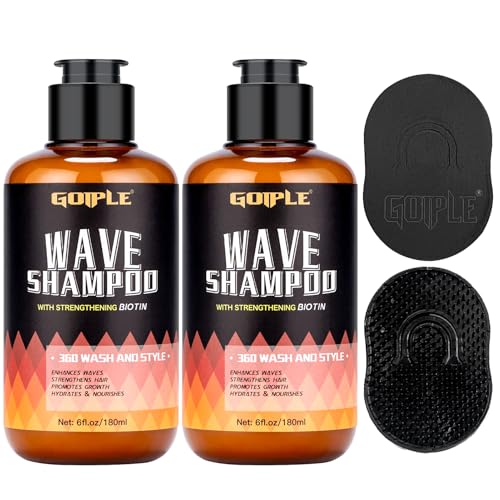
Yes. Use lukewarm water during the wash to open the hair cuticle and allow shampoo and conditioner to penetrate. Then rinse with cool water at the end to seal the cuticle and lock in moisture. Hot water strips moisture and causes the cuticle to remain raised, leading to frizz and dryness. Cold water alone will not open the cuticle enough for effective cleaning. The warm-then-cool method gives you the best of both: thorough cleansing and moisture retention. (We recommend this 2PCS Wash Shampoo for Black Men.)
The Bottom Line
4C hair is the tightest, densest, most versatile coil pattern in the typing system. It is also the most unforgiving when it comes to moisture. The shampoo you choose is the first decision in a chain that determines whether your coils thrive or break.
Here is the quick version:
- Best overall: SheaMoisture Coconut & Hibiscus for reliable, moisture-rich wash day performance.
- Best for damaged hair: Mielle Pomegranate & Honey for heat-treated or brittle 4C coils.
- Best for high porosity: TGIN Moisture Rich for hair that absorbs fast and loses faster.
- Best co-wash: As I Am Coconut CoWash for midweek moisture without stripping.
- Best clarifier: Kinky-Curly Come Clean for monthly buildup resets.
- Best budget pick: Cantu Cleansing Cream Shampoo for sulfate-free performance at drugstore prices.
Start with one from this list, build your wash routine around it, and pay attention to how your hair responds over two to three wash cycles. Your coils will tell you if the product is right. If they feel soft and pliable after drying, you found your shampoo. If they feel dry and crunchy, keep looking.
Your barber can give you the best fade in the city, but if your wash day is wrong, your hair will never reach its potential. Get the foundation right.
Frequently Asked Questions
What makes the best shampoo for 4C hair different from regular shampoos?
The best shampoo for 4C hair is sulfate-free and formulated to provide moisture without stripping your natural oils, which is critical since 4C hair is naturally drier and more prone to breakage. Regular shampoos often contain sulfates that can leave coily hair feeling rough and tangled. Look for ingredients like shea butter, coconut oil, and hibiscus that cleanse while adding hydration.
How often should you wash 4C hair?
Most men with 4C hair benefit from washing every 7 to 10 days, though your ideal frequency depends on your scalp condition and lifestyle. Washing too frequently can strip moisture from your curls, while washing too infrequently can lead to product buildup. Start with once a week and adjust based on how your hair and scalp feel.
Are co-wash products good alternatives to regular shampoo for 4C hair?
Co-washing, or using conditioner to cleanse, can be an excellent option for 4C hair on non-shampoo days since it removes buildup while maintaining moisture. However, you should still use a gentle sulfate-free shampoo every couple of weeks to prevent product accumulation on your scalp. Alternating between co-wash and shampoo gives you the best balance of cleansing and hydration.
What ingredients should you look for in 4C hair shampoos?
Look for sulfate-free formulas that contain natural moisturizers like shea butter, coconut oil, argan oil, and plant-based proteins that strengthen curls without weighing them down. Avoid alcohol-based products and silicones that can cause buildup and make your hair feel dry and brittle. Reading the ingredient list helps you find shampoos specifically designed for your hair’s unique texture and moisture needs.