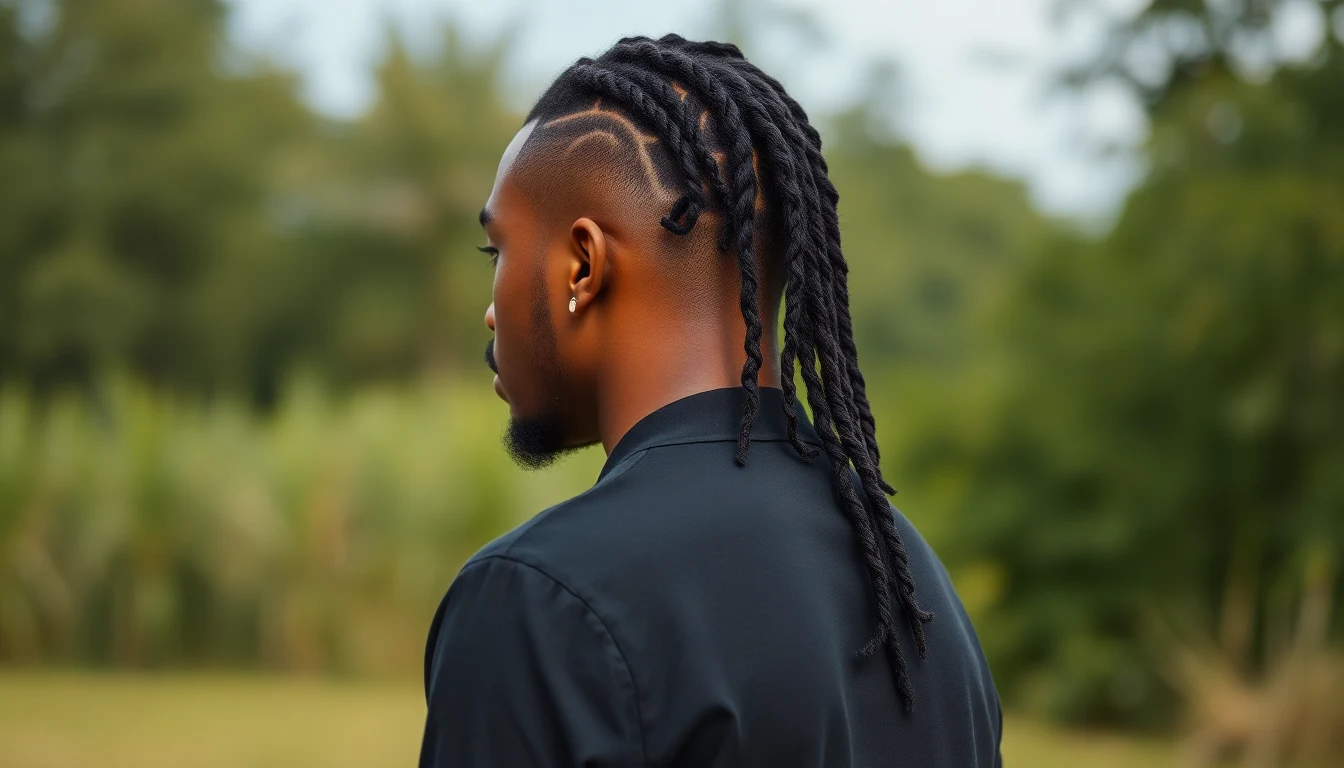
If you want to master how to get dreads, this guide covers everything you need to know.
If you want to master how to get dreads, this guide covers everything you need to know. Last updated: February 2026 by Darius Washington, Black Men’s Grooming Editor
I have watched locs transform more men in my uncle’s barbershop than any other hairstyle. Not just their appearance. Their posture. Their confidence. Their relationship with their own hair. Learning how to get dreads is one of the most significant grooming decisions a Black man can make, and it deserves better than the vague, contradictory advice that floods the internet.
This guide covers every major method for starting dreadlocks: freeform, two-strand twists, crochet, interlocking, sponge, and more. I break down hair length requirements, realistic timelines, starter loc care routines, what to expect at each stage, products worth buying, and the cultural significance that makes this more than a hairstyle. Whether you are starting from a fresh buzz cut or you have six inches to work with, there is a method here for you.
Quick decision: If you want the fastest route to the methods section, jump to the method comparison table. If you want to understand the full journey first, keep reading.
Why Locs Matter: More Than a Hairstyle: How To Get Dreads
Before we get into the how, we need to talk about the why. Dreadlocks carry cultural weight that no other hairstyle in the Black grooming space carries. Locs connect to Rastafarian spiritual traditions, to African tribal identity, to the natural hair movement, and to a broader statement about letting Black hair exist in its natural state.

That cultural weight also means locs have been a target. Workplace discrimination against loc wearers is documented and persistent. The CROWN Act (Creating a Respectful and Open World for Natural Hair) was passed specifically because Black people were being fired, suspended from school, and denied employment for wearing their hair naturally, including in locs. As of 2026, over 25 states have passed CROWN Act legislation, but federal protection is still incomplete. (We recommend this SFC Natural King Jamaican Black Castor.)
I mention this not to discourage you. I mention it because starting locs is a decision that carries meaning beyond the mirror. You should know that going in. The men I know with the best locs are the ones who understood the commitment, the culture, and the care before they sat in that chair.
Now let’s get into it.
Hair Length and Type Requirements
The first question everyone asks: is my hair long enough? The answer depends on your method and your hair texture.
Minimum Hair Length by Method
| Method | Minimum Length | Ideal Length | Best Hair Types |
|---|---|---|---|
| Freeform | Any length | 2+ inches | 4B, 4C |
| Two-Strand Twist | 3-4 inches | 4-6 inches | 4A, 4B, 4C |
| Comb Coils | 2-3 inches | 3-4 inches | 4B, 4C |
| Interlocking | 3-4 inches | 4-6 inches | All types (4A-4C) |
| Crochet | 3 inches | 4-6 inches | 3C, 4A, 4B |
| Sponge Method | 1-2 inches | 1.5-3 inches | 4B, 4C |
| Backcombing | 4-6 inches | 6+ inches | 3C, 4A |
| Instant Locs (Crochet) | 4 inches | 6+ inches | All types |
How Hair Texture Affects Loc Formation
Your hair type determines how quickly your hair will lock and which methods work best.
4C hair is the gold standard for loc formation. The tight coils grip each other naturally, which means your hair starts locking faster with minimal manipulation. If you have 4C hair, almost every method on this list will work for you. Freeform locs are particularly effective because 4C hair tangles and mats on its own with very little encouragement.
4B hair has a Z-shaped curl pattern that also locks well but may need slightly more initial structure from twists or coils to get started. The locking timeline is similar to 4C but the locs may be slightly less uniform in the early months.
4A hair has a more defined S-shaped curl. It can absolutely form locs, but the looser curl means the locking process takes longer. Interlocking or crochet methods work well for 4A hair because they physically bind the strands together rather than relying on the curl to do the work. If you have 4A hair and want a different route, our 360 waves guide covers an alternative approach for your texture.
3C hair sits at the edge of what works naturally for locs. You can absolutely get locs with 3C hair, but expect a longer timeline and consider methods like interlocking or crochet that physically create the knot structure. Freeform will be very slow with 3C texture.
Choosing Your Method: The Complete Breakdown
This is the section that matters most. Each method produces a different look, requires different maintenance, and works on a different timeline. I have ranked them from least manipulation to most.
Method Comparison Table
| Method | Difficulty | Time to Lock | Maintenance | Look | Cost |
|---|---|---|---|---|---|
| Freeform | Easiest | 6-12 months | Very Low | Organic, varied sizes | Free |
| Sponge | Easy | 6-10 months | Low | Short coils, casual | $5-10 |
| Two-Strand Twist | Moderate | 6-12 months | Medium | Uniform, neat | $60-150 |
| Comb Coils | Moderate | 6-12 months | Medium | Small, pencil-thin | $50-120 |
| Interlocking | Hard (pro needed) | 4-8 months | Medium | Tight, clean | $100-250 |
| Crochet | Hard (pro needed) | 3-6 months | Low-Medium | Tight, mature look fast | $150-300 |
| Instant Locs | Pro only | Immediate | Medium | Mature from day one | $300-800 |
1. Freeform Locs
Freeform is the original. No manipulation, no sections, no products. You stop combing, stop brushing, and let your hair do what it was designed to do.
How it works: Stop all combing and brushing. Wash your hair regularly (this is critical; clean hair locs faster than dirty hair). Separate any sections that start to join together if you want individual locs, or leave them alone for a fully organic look. That is it.
Who it is for: Men with 4B or 4C hair who want an organic, natural look and are comfortable with unpredictable sizing. Freeform locs will not be uniform. Some will be thick, some thin, some flat, some round. That is the entire point.
Timeline: Visible locking starts around month three for 4C hair, month four to six for 4B. Full maturity takes 18 months to three years. The wait is long, but the locs are unmistakably yours.
The reality: Freeform gets romanticized online as the “lazy” method. It is not lazy. It requires patience that most people underestimate. Your hair will look messy for months before it looks intentional. People will ask if you are “doing something” with your hair. You have to be comfortable with the in-between phase. My barber in Atlanta calls freeform “the trust fall” because you have to trust your hair to figure itself out.
Pros: Zero cost, zero appointments, most natural look, works with your unique curl pattern.
Cons: Longest timeline, unpredictable sizing, extended awkward phase, not ideal for corporate environments during the early months.

2. Sponge Method
The sponge method uses a textured curl sponge (like the Twist King Loc Sponge) to create uniform coils that eventually lock up. It is the easiest method you can do at home with no experience.
How it works: Dampen your hair lightly. Rub the textured side of the sponge over your hair in firm circular motions. The holes in the sponge grab small sections of hair and twist them into coils. Repeat in the same direction every time to train the coils. Do this daily for the first few weeks, then every other day as the coils begin to hold.

Who it is for: Men with short hair (one to three inches) and 4B or 4C texture. This is the most popular entry point for men who want to start locs from a short haircut without visiting a loctician.
Timeline: Coils form immediately. They start looking like baby locs around month two to three. Budding begins around month four to six. If you have been on a wolfing journey and are ready for something different, the sponge method is a natural transition.
Products needed: A curl sponge ($5 to $10) and water. Optionally a light locking gel like Jamaican Mango and Lime Locking Gel for hold. Do not use heavy products. They cause buildup that prevents locking.
Pros: Cheapest method, no professional needed, works on very short hair, uniform coils.
Cons: Only works on short hair, coils can unravel easily in the first weeks, limited control over loc size.
3. Two-Strand Twists
Two-strand twists are the most popular loc starting method in barbershops and salons. A loctician sections your hair into a grid pattern, then twists each section around itself in two strands. The twists eventually fuse into locs.
How it works: Your loctician parts your hair into uniform square or diamond sections (the size of the section determines the thickness of your final loc). Each section is divided into two strands that are twisted around each other from root to tip. A small amount of locking gel may be applied to help hold the twist pattern.
Who it is for: Anyone with at least three to four inches of hair and any texture from 4A to 4C. This is the most versatile method and the one I recommend for most first-timers. The sections are neat and uniform, the look is clean from day one, and the process is forgiving of different hair textures.
Timeline: The twists themselves are immediate, but they are not locs yet. Budding (where the hair starts to mat and grip itself inside the twist) begins around month three to six. You will see the twist pattern start to blur as actual locking occurs. Full teenage locs by month 12 to 18. Mature locs by year two to three.
Cost: $60 to $150 for initial installation depending on your city and the loctician’s experience. Retwists every four to six weeks run $40 to $80.
Pros: Clean, uniform look from day one. Works on most hair types. Easy to maintain between appointments. Most locticians are experienced with this method.
Cons: Requires professional installation for best results. Twists can unravel before locking if you sleep without a durag or bonnet. Costs add up with regular retwists.
4. Comb Coils (Starter Coils)
Comb coils use a fine-tooth comb to wrap small sections of hair into tight spirals. The technique produces thinner locs than twists and works particularly well on shorter hair.
How it works: Starting with clean, slightly damp hair, the loctician takes a small section (usually pencil-width or smaller) and uses the teeth of a rat-tail comb to twist the hair into a tight coil from root to tip. A tiny amount of gel may be applied to hold the coil. The comb rotates in one direction while moving down the length of the hair.
Who it is for: Men with 4B or 4C hair who want thinner locs. The tight coil curl pattern is essential for this method because looser curls will not hold the coil shape long enough to lock. If you want the pencil-thin loc aesthetic, comb coils are your route.

Timeline: Similar to two-strand twists. Budding around month three to six. The coils are delicate in the early weeks, so handle them carefully.
Pros: Thinner, more numerous locs. Clean look. Works on shorter hair than twists (two to three inches minimum).
Cons: Very fragile in the first month. Can unravel easily from water, sweat, or friction. Requires more sections, which means longer installation time (three to five hours) and higher cost. Not recommended for 4A or looser textures.
5. Interlocking
Interlocking is a technique where the loc is pulled through itself at the root using a tool, creating a tight knot structure that holds without gel or wrapping. This is one of the fastest methods to achieve actual locking.
How it works: A loctician uses an interlocking tool (or a small crochet hook) to pull the end of the loc through the base of the new growth in a specific pattern, usually four rotations per point. This physically binds the hair at the root rather than relying on twisting or matting. The technique can be used to start locs or to maintain them.
Who it is for: Men who want a tighter, more “locked” look from the start. Interlocking is particularly good for 4A hair and looser textures that struggle with other methods. It is also excellent for active men because interlocked locs are extremely durable. They do not unravel from sweat, swimming, or friction.
Timeline: Interlocking produces the fastest locking of any method except crochet. Budding can begin within the first two to three months. Visible locking by month four to six. Mature locs by 12 to 18 months in many cases.
Cost: $100 to $250 for initial installation. Maintenance every six to eight weeks runs $80 to $150. This is the most expensive maintenance method long-term.
Pros: Fastest locking timeline. Extremely durable. Works on all hair types including looser textures. No gel needed. Locs look neat immediately.
Cons: Most expensive option. Requires a skilled loctician (bad interlocking causes thinning and breakage). Can feel tight and uncomfortable for the first few days after maintenance. Over-interlocking causes permanent damage at the root.
6. Crochet Method
The crochet method uses a small crochet hook (0.5mm to 0.75mm) to pull loose hair into the body of the loc, creating instant tightness and a mature appearance quickly.
How it works: After sectioning the hair (usually starting with twists or braids), a loctician uses a crochet hook to repeatedly pull loose strands through the body of the section. This physically mats the hair from the inside, creating a loc structure that looks and feels like a mature loc much earlier than other methods. The hook goes in, grabs hair, pulls it through, and repeats.
Who it is for: Men who want a mature loc look without waiting two to three years. Crochet locs are popular with professionals who need a neat, polished appearance from day one. The method works on all hair types from 3C to 4C.
Timeline: The locs look “locked” from the moment the crochet work is done. They will continue to mature and condense over the following months. True full maturity still takes 12 to 18 months, but the visual difference from day one compared to other methods is dramatic.
Cost: $150 to $300 for initial installation. Higher because of the time involved (four to eight hours for a full head).
Pros: Mature look immediately. No awkward phase. Very durable. Works on all hair types.
Cons: Most time-intensive installation (four to eight hours). Can cause breakage if done too aggressively. Requires a skilled loctician. The initial tightness can feel stiff. If the hook is too large, it damages the hair.
7. Instant Locs
Instant locs combine multiple techniques (usually sectioning plus crochet) to create locs that look fully formed on the same day they are installed. This is the premium option.
How it works: The loctician sections your hair, creates an initial structure (braids, twists, or backcombing), then uses extensive crochet work to tighten, shape, and mature each loc in a single sitting. The result is locs that look like they have been growing for a year or more.
Who it is for: Men who want the loc lifestyle without any transition period. Instant locs are popular with men in professional settings who cannot afford months of the budding and teenage phases. They are also chosen by men who have tried other styles like 360 waves and are ready for a dramatic change.
Timeline: Day one. They are done when you leave the chair. Internal maturity continues over the following 12 to 18 months, but the visual result is immediate.
Cost: $300 to $800 depending on hair length, loc count, and your city. Atlanta and NYC tend to be on the higher end. This is an investment, but you are paying for the time the loctician puts in (six to 12 hours in some cases).
Pros: No awkward phase. Mature look from day one. Full control over size and placement. One appointment and you are done with the starting phase.
Cons: Most expensive option. Very long initial sitting. Requires an extremely skilled loctician. Not widely available in all cities. Hair must be at least four to six inches.
Which Method Is Right for You?
Here is my honest recommendation based on the men I have watched start locs over the years.
If you are doing this yourself at home: Start with the sponge method on short hair or two-strand twists on longer hair. Both are forgiving of beginner mistakes.
If you want the neatest result: Two-strand twists installed by a professional loctician. This is the most popular method for a reason.
If you have looser hair (4A or 3C): Interlocking or crochet. Your hair needs the physical binding these methods provide.
If you are in a corporate environment: Instant locs or crochet method. No awkward phase means no questions at work.
If you want the most authentic, organic look: Freeform. Nothing else compares to the character of freeform locs.
If budget matters: Freeform (free) or sponge method ($5 to $10). Save your money for maintenance products instead.
The Four Stages of Loc Development
No matter which method you choose, your locs will pass through four stages. Understanding these stages is the difference between patience and panic. Too many men give up during the teenage phase because nobody told them what to expect.
Stage 1: Starter / Baby Locs (Months 0-6)
This is the beginning. Your locs are not really locs yet. They are twists, coils, or sections held together by manipulation and possibly a small amount of product. They can unravel. They look neat but fragile.
What to expect:
- Locs feel soft and pliable, not firm
- They can unravel from friction, water, or rough handling
- You will need to sleep with a satin bonnet or silk pillowcase
- New growth at the root starts to puff out between retwists
- The locs do not “hang” yet; they may stick out at odd angles
What to do: Be gentle. Do not over-manipulate. Wash carefully (squeeze, do not scrub). Keep your retwist schedule consistent. Avoid heavy products. Read our complete guide on how to wash dreads for specific techniques at this stage.
Stage 2: Budding (Months 6-12)
Budding is when the magic starts. The hair inside your locs begins to mat and tangle internally. You will feel small bumps and knots forming within the loc body. The surface may look fuzzy or uneven. This is progress, not damage.
What to expect:
- Locs feel slightly firmer in some spots, still soft in others
- Bumps and lumps form along the length (these are “buds” of locked hair)
- The loc surface gets frizzy as loose hairs mat into the body
- Some locs develop faster than others, especially around the crown
- Your locs may look messy. This is normal
What to do: Resist the urge to over-maintain. The frizz and bumps are part of the process. Retwist every four to six weeks. Do not add heavy gels or waxes to try to smooth things out. Your locs are learning to be locs.
Stage 3: Teenage Locs (Months 12-18)
This is the stage that breaks people. Teenage locs are the awkward adolescence of your loc journey. They are partially locked, partially loose, unpredictable in shape, and often frustrating to look at.
What to expect:
- Locs are firmer but still somewhat flexible
- Some locs may try to combine with neighboring locs (separate them)
- The shape of each loc becomes more defined but irregular
- Length starts to show as the locs condense and hang
- Lint and debris become more noticeable
- You will question your decision at least once during this stage
What to do: Stay the course. Separate locs that are trying to merge. Wash regularly. Get professional maintenance if needed. This phase is temporary. Every man with beautiful mature locs survived this stage.

Stage 4: Mature Locs (18 Months to 3 Years)
Mature locs are the destination. The hair is fully locked from root to tip. Each loc has its own weight, its own drape, its own character. They are firm, durable, and low-maintenance compared to every previous stage.
What to expect:
- Locs are firm and cylindrical
- They hang naturally and have real weight
- The surface smooths out as loose hairs integrate fully
- Washing is easier because the locs hold their shape
- Styling options expand (updos, wraps, accessories)
- Compliments increase significantly
What to do: Maintain your wash schedule with a residue-free shampoo like Dollylocks Liquid Dreadlock Shampoo. Moisturize your scalp. Retwist as needed (many men with mature locs extend to every eight to 12 weeks). Enjoy them.
The Starter Loc Care Routine
The first six months determine the health of your locs for years to come. Here is the routine I recommend for new locs, regardless of method.
Daily Routine
- Morning: Light spritz of rosewater or distilled water on your locs and scalp if they feel dry. Do not drench them.
- Morning: A very small amount of lightweight oil (jojoba or Jamaican Black Castor Oil) on your fingertips, pressed gently onto your scalp between the parts. Not on the locs themselves.
- Throughout the day: Keep your hands off your locs. Constant touching transfers oils and dirt and can loosen starter locs.
- Night: Sleep with a satin bonnet, satin-lined cap, or silk pillowcase. Cotton pillowcases create friction that unravels starter locs and causes lint buildup.
Weekly Routine
- Wash day (every 7-10 days): Use a residue-free shampoo. Dollylocks or Dr. Bronner’s Pure Castile Soap are solid choices. Squeeze the shampoo through each loc gently. Do not scrub or rub locs against each other. Rinse thoroughly.
- Drying: This is critical. Squeeze excess water out with a microfiber towel (not terry cloth). Sit under a hooded dryer if you have access to one. If air drying, make sure your locs are completely dry before covering them. Damp locs breed mildew. This is the number one mistake new loc wearers make.
- Scalp check: Look for flaking, redness, or buildup between the parts. A clean scalp supports healthy loc growth.
Monthly Routine
- Retwist (every 4-6 weeks): Visit your loctician or retwist at home if you are comfortable. Focus on the new growth at the root only. Do not retwist the entire length of the loc.
- Separation check: Look for locs that are trying to merge at the root. Gently separate them. If they have started to lock together, your loctician can address it during your retwist appointment.
- Product audit: If you see white residue or flaking on your locs, your products are building up. Switch to a lighter shampoo or do an apple cider vinegar rinse. For details, check our best shampoo guide for residue-free options.
Products for Starting and Maintaining Locs
Less is more with loc products. Seriously. The biggest product mistake new loc wearers make is using too much, too heavy, too often. Residue is the enemy of healthy locs. Heavy waxes, thick gels, and anything that does not wash out completely will build up inside your locs and prevent proper locking.
What You Need
| Product Type | Recommendation | Why | Price Range |
|---|---|---|---|
| Residue-Free Shampoo | Dollylocks Liquid Dreadlock Shampoo | No sulfates, no residue, designed specifically for locs | $12-18 |
| Budget Shampoo | Dr. Bronner’s Pure Castile Soap | Affordable, natural, rinses clean. Peppermint variety tingles on the scalp | $8-15 |
| Locking Gel | Jamaican Mango and Lime Locking Gel | Light hold for retwists, water-soluble so it washes out | $5-8 |
| Scalp Oil | Jamaican Black Castor Oil | Promotes scalp health, lightweight enough for locs, supports growth | $8-12 |
| Loc Sponge | Twist King Loc Sponge | Best sponge for starting coils on short hair | $5-10 |
| Crochet Hook | 0.5mm Crochet Hook | For crochet method or maintaining loose hairs in established locs | $3-8 |
What to Avoid
Murray’s Beeswax and heavy wax products: I know. Your uncle probably used Murray’s. It has been a staple in Black hair care for decades. But for locs, beeswax is a trap. It never fully washes out. Over time, it accumulates inside your locs, attracts lint, and creates a waxy core that looks gray and smells musty. Murray’s is excellent for wave training, but keep it away from your locs.
Regular shampoos with sulfates and silicones: Standard shampoos leave residue that coats the hair strand and prevents locking. Silicones in particular create a smooth barrier that stops the strands from gripping each other. Always use a residue-free or clarifying shampoo. (We recommend this Jack Black True Volume Thickening Shampoo.)
Coconut oil (in excess): A controversial take, but I stand by it. Coconut oil is fine for your scalp in small amounts, but it penetrates the hair shaft and can soften the hair so much that locking slows down. Use it sparingly, if at all, during the first year. (We recommend this Jack Black Nourishing Hair & Scalp.)

Anything marketed as “loc butter” or “dread cream” with a long ingredient list: If you cannot pronounce half the ingredients, your locs do not need it. Simple is better. Water, a clean shampoo, and a lightweight oil. That is the foundation.
Addressing Common Fears and Myths
Every man considering locs has the same questions rattling around in his head. Let me address them directly.
“Will my dreads smell bad?”
No. Clean locs do not smell. Period. The “dreads smell” myth comes from people who either do not wash their locs (wrong) or do not dry them properly (fixable). Wash your locs every seven to 10 days. Dry them completely every single time. Your locs will smell like shampoo and nothing else.
The mildew issue is real but entirely preventable. Mildew develops when moisture gets trapped inside the loc for extended periods. Thick, mature locs take longer to dry, which is why drying technique matters more as your locs mature. A hooded dryer is a worthwhile investment. If you are air drying, give your locs a full day in open air before covering them with a bonnet.
“Are dreads permanent?”
They become more permanent over time. Starter locs (zero to six months) can usually be combed out. It takes hours, a lot of conditioner, and a good detangling comb, but the hair survives. Teenage locs (12 to 18 months) can sometimes be combed out with significant length loss. Mature locs (two plus years) are effectively permanent. Most men with mature locs who want a change cut them off and start fresh. When it comes to how to get dreads, technique matters most. When it comes to how to get dreads, technique matters most.
Think of it this way: the first year is a trial. If locs are not for you, you can exit. After two years, you are committed.
“Can I still wash my hair?”
You must wash your hair. This is not optional. The old advice about avoiding water during the first month has been debunked by every reputable loctician I have spoken to. Clean hair locks faster than dirty hair because oil and product residue prevent the strands from gripping each other.
The technique changes, not the frequency. Squeeze the shampoo through your locs instead of rubbing or scrubbing. Be gentle with starter locs. Use lukewarm water. And always, always dry completely. For a full breakdown of the washing process, read our guide on how to wash dreads properly.
“Will dreads affect my job?”
Legally, hair discrimination protections are expanding. The CROWN Act prohibits discrimination based on natural hairstyles, including locs, in over 25 states. Federally, the law has not yet passed, but corporate culture is shifting. Many Fortune 500 companies now explicitly protect natural hairstyles in their dress codes.
Practically, I will be honest: bias still exists in some industries and regions. If this concerns you, the crochet or instant loc method gives you a polished, mature look from day one that reads as put-together in any professional setting. Neat, well-maintained locs should never be an employment issue, and increasingly, the law agrees.
“What if my hair is too short?”
The sponge method works with as little as one inch of hair. Two-strand twists need three to four inches. If you are currently rocking a low cut, start growing it out now and use the time to find a loctician, decide on your method, and get your products together. Two to three months of growth is usually enough to start with most methods. While you are growing it out, keep your hair and scalp healthy with a good moisturizer and a gentle face wash to prevent breakouts along the hairline.
“What about swimming?”
You can swim with locs. Chlorine and saltwater are not great for any hair type, but locs are durable enough to handle it. Wet your locs with fresh water before entering the pool (so they absorb less chlorine), and rinse thoroughly after. Some men wear swim caps, but this is optional. The bigger concern is drying. After a pool or ocean session, you need to wash with clean water and dry your locs completely to prevent chlorine buildup or saltwater residue from drying out your hair.
The Cultural Significance of Locs
I would be failing you if I wrote 4,000 words about how to start locs without addressing what they mean.
Locs are one of the oldest hairstyles in human history. Archaeological evidence places locked hair in ancient Egypt, the Horn of Africa, and throughout West African tribal cultures. In Rastafarian tradition, locs represent the Lion of Judah and a rejection of Western beauty standards. In many African cultures, locs signified spiritual maturity, warrior status, or priestly authority.
In modern America, locs are a statement. They say: my hair grows the way it grows, and I am not going to apologize for it. For many Black men, starting locs is a reclamation. After generations of relaxers, texturizers, and pressure to make our hair “acceptable” to white professional norms, choosing locs is choosing yourself.
That does not mean every man who gets locs is making a political statement. Some men just like the way they look. Both reasons are valid. But understanding the history adds depth to the choice. When someone asks you why you started locs, you will have more than one answer.
My barber has been growing his locs for 11 years. He told me once that his locs are a timeline. Every inch represents months of his life. He can point to where his locs were when his daughter was born, when he opened his shop, when he survived the pandemic. That kind of relationship with your hair is something no other style gives you.

Finding the Right Loctician
Your loctician is as important as your method. A bad loctician can cause thinning, breakage, and permanent damage to your hairline. Here is how to find the right one.
What to Look For
- Portfolio of male clients: Many locticians primarily serve women. That is fine, but make sure they have experience with men’s locs, which tend to be shorter and require different sectioning patterns.
- Experience with your chosen method: Not every loctician does interlocking or crochet. Ask specifically about the method you want.
- Willingness to consult before starting: A good loctician will examine your hair, discuss your lifestyle, and recommend a method before touching your head. If someone wants to start without a conversation, walk out.
- Clean tools and workspace: This should be obvious, but look for it. Clean combs, sanitized clips, and a professional setup.
Questions to Ask
- How many years have you been locking hair?
- Which method do you recommend for my hair type, and why?
- How do you section? (Square or diamond partings, and what size?)
- What products do you use during installation?
- What is your retwist schedule recommendation?
- Can I see photos of clients at six months and one year?
Instagram is your friend here. Search local hashtags like #ATLloctician or #NYClocs and browse portfolios. The best locticians have extensive before-and-after galleries.
Maintaining Locs Alongside Your Grooming Routine
Locs are one part of your overall grooming. They do not exist in isolation. Here is how to integrate loc care with the rest of your routine.
Beard care: If you are growing locs and a beard simultaneously, the maintenance overlaps. Your beard needs its own care routine. Check our guide to the best beard oils for Black men and our breakdown of beard styles that pair well with different hair lengths. Locs plus a well-maintained beard is one of the strongest looks in the game right now. If your beard is not cooperating, our guide on how to fix a patchy beard can help.
Scalp care: Locs can trap heat and sweat against your scalp, especially in the summer. A lightweight, non-comedogenic face wash like the ones in our best face wash roundup can double as a scalp cleanser between wash days. Apply with your fingertips directly to the scalp between the parts.
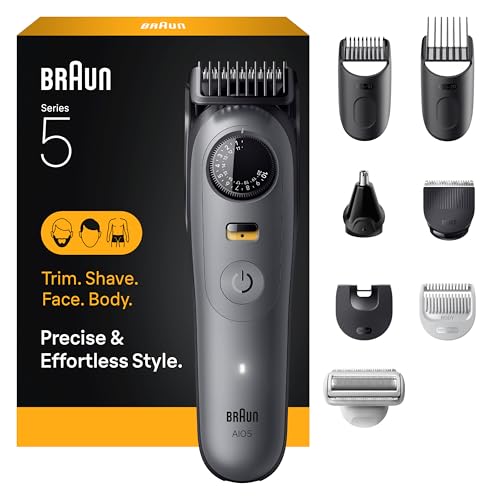
Lineup maintenance: Many men with locs keep the edges clean with regular lineups. Having a good barber handle your edges while a loctician handles your locs is a solid split. Some locticians also do lineups. Our best clippers for Black men guide covers the tools your barber (or you) should be using.
Complete Timeline: What to Expect Month by Month
| Timeframe | Stage | What You See | What to Do |
|---|---|---|---|
| Week 1-2 | Fresh install | Neat twists/coils, everything looks perfect | Do not touch. Let them settle. Sleep with a bonnet. |
| Month 1 | Starter | Slight unraveling at tips, new growth at roots | First wash at day 10-14. Be extremely gentle. |
| Month 2-3 | Starter | Frizz increases, locs feel soft, pattern loosening | First retwist. Separate merging locs. Stay patient. |
| Month 4-6 | Budding | Bumps forming inside locs, surface fuzz, some locs tighter than others | Do not over-manipulate. The frizz is progress. Retwist every 4-6 weeks. |
| Month 7-9 | Budding/Teenage | Locs starting to firm up in spots, pattern becoming less uniform | Keep washing. Keep drying thoroughly. Resist urge to add products. |
| Month 10-12 | Teenage | Locs are thickening, some starting to hang, shape inconsistent | This is the hardest phase. Stay the course. Your locs are finding their identity. |
| Month 13-18 | Teenage/Maturing | Locs condensing, getting firmer, starting to look intentional | Maintenance becomes easier. You can extend retwist intervals. |
| Month 18-24 | Maturing | Locs are mostly locked, smooth surface, consistent shape | Enjoy the compliments. Maintain wash schedule. Consider styling. |
| Year 2-3+ | Mature | Fully locked root to tip, real weight and drape, low maintenance | You made it. Wash, moisturize scalp, retwist as needed. |
7 Mistakes That Ruin New Locs
I have seen these mistakes destroy locs in my uncle’s shop and online. Avoid all of them.
- Using beeswax or heavy wax products. They never wash out. Your locs will accumulate a waxy core that attracts lint and develops odor. Use water-soluble gel only.
- Retwisting too often. Retwisting every two weeks causes thinning at the root called traction alopecia. Four to six weeks minimum between retwists. Six to eight weeks is better for most people.
- Not drying locs after washing. Mildew develops inside damp locs within 24 to 48 hours. This is the source of the “dreads smell” myth. Dry your locs completely every single wash day.
- Avoiding water entirely. The old advice to “not wash for the first month” is wrong. Clean hair locks faster. Wash your locs every seven to 10 days from the start.
- Over-manipulating during the budding phase. The frizz and bumps during months four through 12 are not a problem to fix. They are part of the locking process. Leave them alone.
- Sleeping without protection. Cotton pillowcases create friction that unravels starter locs and fills them with lint. Satin bonnet, satin-lined cap, or silk pillowcase. Every night.
- Choosing the wrong loctician. An inexperienced loctician can section unevenly, over-tighten, or use products that cause buildup. Research before you sit in anyone’s chair.
Frequently Asked Questions
For most methods, you need at least three to four inches of hair. Two-strand twists and interlocking work best at four to six inches. The sponge method can start with as little as one to two inches of hair. Freeform locs technically have no minimum since you are letting the hair do its own thing. Crochet requires at least three inches to have enough hair to pull through the hook. Longer hair gives your loctician more to work with and tends to lock faster, but starting too long can cause heavy, floppy locs that take longer to tighten.
No. Clean locs do not smell. The idea that dreadlocks smell is one of the most persistent and harmful myths in hair care. Locs that develop odor almost always have a drying problem, not a cleanliness problem. If you wash your locs regularly with residue-free shampoo and dry them completely every time, they will smell like whatever products you use. Mildew develops when locs stay damp for extended periods. The fix is thorough drying after every wash, not avoiding washing altogether. (We recommend this Jack Black Beard Oil for Men.)
Yes, but it depends on the stage. Starter locs in the first three to six months can usually be combed out with patience, conditioner, and a detangling comb. It takes hours but the hair survives. Teenage locs at six to 18 months can sometimes be combed out but you will lose significant length. Mature locs that are two or more years old are extremely difficult to undo without cutting. Most people with mature locs who want a change cut them off and start fresh. The longer you wait, the more permanent they become.
Every four to six weeks for most methods. Retwisting more frequently than every three weeks can cause thinning at the root because you are putting repeated tension on hair that has not had time to recover. Less frequent retwisting, every six to eight weeks, is actually better for loc health in many cases. Your loctician can advise based on your hair texture and how fast your hair grows. Between retwists, use a light hold spray or rosewater to keep new growth looking neat without adding heavy products.
The sponge method is the easiest to do yourself at home with no experience. You rub a textured sponge in circular motions over short hair and it creates coils that eventually lock up. Two-strand twists are the most popular overall because they work on most hair lengths, produce uniform sections, and are forgiving of mistakes. If you want a low-maintenance approach and do not mind an uneven look during the early months, freeform locs require the least effort since you simply stop combing and let your hair do its thing.
Full maturity takes 18 months to three years depending on your hair texture and the method used. Tighter hair textures like 4C typically lock faster because the coils grip each other more easily. Here is a general timeline: starter stage lasts zero to six months, budding stage lasts six to 12 months, teenage stage lasts 12 to 18 months, and mature locs develop at 18 months to three years. The interlocking method tends to lock fastest because the hair is physically pulled through itself. Freeform takes the longest because there is no manipulation to speed the process.
Absolutely. Washing your locs is essential, not optional. Clean hair actually locks faster than dirty hair because oil and product buildup prevent the strands from gripping each other. Wash starter locs every seven to 10 days with a residue-free shampoo. Squeeze the shampoo through each loc rather than rubbing or scrubbing. The most important step is drying completely afterward to prevent mildew. For a complete breakdown of washing techniques by loc stage, read our guide on how to wash dreads.
Start Your Loc Journey the Right Way
Starting locs is not a weekend decision. It is a commitment that will change the way you see yourself, the way others see you, and your relationship with your hair. But it is one of the most rewarding grooming decisions you will ever make.
Here is what matters most:
- Choose your method based on your hair type, budget, and lifestyle. Two-strand twists for most beginners. Sponge for short hair. Interlocking or crochet for looser textures or professional environments.
- Use minimal, residue-free products. Dollylocks for washing, Jamaican Mango and Lime for retwists, and lightweight oil for your scalp. That is all you need.
- Wash regularly and dry completely. Clean locs lock faster. Damp locs develop mildew. This is the most important habit to build.
- Survive the teenage phase. Months 10 through 18 will test your patience. Every man with beautiful mature locs pushed through it.
- Find a skilled loctician. Your starter method determines the foundation of your locs for years. Do not trust that foundation to someone without a proven portfolio.
My uncle has been growing his locs for over a decade. He told me once that his locs taught him patience in a way nothing else could. I believe him. The men who come out the other side of this journey always say the same thing: it was worth the wait.
When you are ready to learn how to keep your locs clean and healthy, read our complete guide on how to wash dreads.
Frequently Asked Questions
What’s the best method to get dreads if I’m a complete beginner?
Two-strand twists are the most popular starting method for beginners because they create uniform, neat starter locs that are forgiving as your hair matures. This method gives you clean sectioning and predictable results, making it ideal if you want control over how your locs develop from day one.
How long does it take for starter locs to fully mature?
The timeline varies depending on your method and hair type, but most locs reach full maturity between 18 to 24 months. Freeform locs may take longer due to their natural development, while methods like crochet or two-strand twists can show visible progress within the first few months.
Can I use freeform locs if I want my dreads to look uniform?
Freeform locs develop naturally without manipulation, so they won’t have the uniform appearance of twisted or crocheted starter locs. If uniformity is important to you, two-strand twists or crochet methods are better choices since they create consistent sizing and structure from the start.
What products and care routine do I need after starting my locs?
You’ll need a residue-free shampoo, loc-specific conditioner, and a lightweight oil or butter to maintain moisture in your locs during the maturation process. Your care routine should include regular washing every 7 to 10 days and periodic retwisting or palm rolling to keep your locs neat and prevent unraveling.