If you want to master beard wont connect heres how, this guide covers everything you need to know. I remember sitting in my uncle’s barber chair at 19, frustrated because my sideburns and my chin beard refused to meet in the middle. That gap on each cheek felt like a personal failure. I tried growing it out, hoping length would cover it. It did not. I tried shaving it all off and starting over, as if my follicles would somehow reorganize. They did not. What I wish someone had told me then is what I am telling you now: if your beard won’t connect, you are not broken. You are in the majority. Most men, especially Black men with tightly coiled facial hair, deal with some version of the cheek gap. This guide covers why it happens, what actually works to improve it, and which beard styles look sharp without full connection.
If you only read one section, jump to Beard Styles That Work Without Full Connection. That is where the practical wins are.
Why Your Beard Won’t Connect: Beard Wont Connect Heres How
The honest answer starts with biology. Your beard growth pattern is determined by the density and distribution of androgen receptors in your facial skin. These receptors respond to dihydrotestosterone (DHT), which signals hair follicles to produce terminal (thick, visible) beard hair. The problem? These receptors are not evenly distributed across your face.
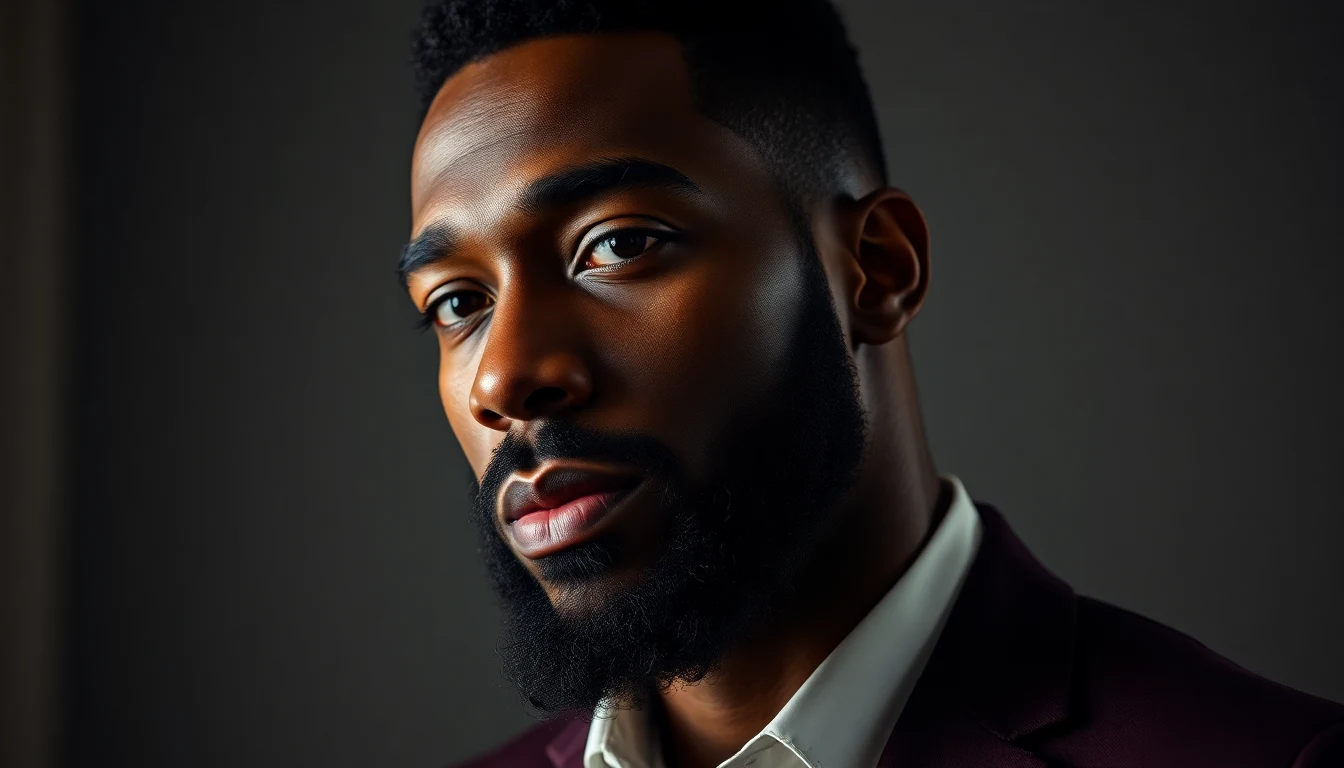
Here are the main reasons your beard has gaps:
1. Genetics (The Biggest Factor)
Look at your father, uncles, and grandfathers. Their beard patterns are the strongest predictor of yours. If the men in your family have strong chins and jawlines but sparse cheeks, that is likely your genetic blueprint. No product or technique will override a genetic gap entirely. But genetics set the ceiling, not necessarily the final result.
Some men have follicles on their cheeks that simply never activated. Others have follicles that produce vellus hair (the thin, nearly invisible peach fuzz) instead of terminal hair. The difference between a connected beard and a disconnected one often comes down to whether those cheek follicles transition from vellus to terminal.
2. Age
This one surprised me when I learned it. Male beard development continues well into your 30s. Many men who had patchy, disconnected beards at 22 find that their cheeks fill in by 28 or 30. Testosterone levels, DHT conversion, and follicle maturation are all ongoing processes.
If you are under 25 and your beard will not connect, the most powerful tool you have is patience. I know that is not the answer you want, but it is the honest one.
3. Hormones
DHT is the hormone most directly responsible for beard growth. Men with lower DHT levels or fewer androgen receptors on the cheeks will have thinner growth in those areas. This is not a testosterone problem in most cases; total testosterone levels have less impact on beard density than DHT sensitivity at the follicle level.
If you suspect a hormonal issue (very limited facial hair growth overall, not just cheek gaps), talk to your doctor. A simple blood panel can check your testosterone, free testosterone, and DHT levels.
4. The Coily Hair Factor
For Black men specifically, there is an additional visual challenge. Tightly coiled facial hair (3C to 4C) curls back on itself, making the beard appear thinner and less connected than it actually is. A man with straight beard hair and the same follicle density would appear to have better coverage because his strands lay flat and fill more visible surface area.
This is why stretching your beard with a brush or blow dryer on low heat can sometimes reveal connection you did not know you had. The hair is there; it is just curled up tight.
The Cheek Gap: Why It Bothers You (And Why It Shouldn’t)
The cheek area, the space between your sideburn and your chin beard, is the most common place for a disconnect. There is a reason for that. The cheek skin has fewer androgen receptors than the chin, jawline, and upper lip. This is true across all ethnicities, but it is especially visible with coily hair patterns.
Social media has distorted what a “normal” beard looks like. The full, dense, perfectly connected beard you see on Instagram is either:
- Genetically rare (top 10-15% of men)
- The result of 5+ years of growth and careful grooming
- Enhanced with minoxidil (more common than people admit)
- Filled in with barber pencil or fiber products for the photo
I am not saying this to discourage you. I am saying it to recalibrate your expectations. The goal is not a “perfect” beard. The goal is the best version of YOUR beard.
Strategies to Improve Beard Connection
Now, let me be direct. Some of these strategies work, some are unproven, and some are outright myths. I am going to be honest about all of them.
Strategy 1: Time and Patience (Proven)
The evidence: Beard growth continues developing through your mid-30s. Follicles that are dormant at 22 may activate at 27. This is the most boring advice, but it has the strongest track record.
The timeline:
| Age Range | What to Expect |
|---|---|
| 18 to 21 | Early growth. Patchy and uneven is completely normal. Many men have only chin and mustache hair. |
| 22 to 25 | Filling in. Cheek growth starts appearing for many men. Sideburns extend downward. |
| 26 to 30 | Maturation. Most men reach close to their full beard potential. Remaining gaps may fill partially. |
| 30+ | Peak density. Some men continue seeing new growth. Others stabilize. This is your genetic ceiling. |
What to do: Grow your beard for a minimum of 3 months without trimming (except the neckline). This reveals your actual growth pattern. Many men shave at 4 weeks and never see what their beard could become. For a full care routine during this growth phase, read our complete beard care guide.
Strategy 2: Minoxidil (Evidence-Based, Off-Label)
Let me be real about this. Minoxidil (the active ingredient in Rogaine) was designed for scalp hair loss. Using it on the beard is off-label, meaning it is not FDA-approved for that purpose. That said, there is growing evidence and a massive online community of men who have used it successfully for beard growth.

What the science says:
- A 2016 study in the Journal of Dermatology found that 3% minoxidil applied twice daily for 16 weeks produced significantly more facial hair growth compared to placebo in men with sparse beards.
- Minoxidil works by increasing blood flow to follicles and potentially converting vellus hairs to terminal hairs. The mechanism is not fully understood, which is worth knowing.
- Results are not permanent unless the vellus hairs fully mature into terminal hairs, which typically takes 6 to 12+ months of continuous use.
What I have seen in the community: Plenty of before-and-after photos showing real cheek fill-in over 6 to 12 months. But also plenty of men who saw minimal results. Individual response varies significantly.
Risks and side effects:
- Skin dryness and irritation at the application site (the most common side effect)
- Temporary shedding of existing hair (usually in the first month, followed by regrowth)
- Unwanted hair growth on areas that contact the product (apply carefully)
- In rare cases, heart palpitations or dizziness (minoxidil is a vasodilator; it was originally a blood pressure medication)
My recommendation: If you are over 25 and want to try it, talk to your doctor first. Use the 5% liquid or foam formulation. Apply to the cheek area twice daily. Be prepared to commit for at least 6 months before judging results. And understand that it will not turn a bare cheek into a forest; it works best for filling in areas where vellus hair already exists.
For a deeper look at growth products, read our best beard growth products guide and our breakdown on how to get a thicker beard.
Strategy 3: Derma Rolling (Emerging, Limited Evidence)
Derma rolling (microneedling) involves rolling a device covered in tiny needles over the skin to create micro-injuries. The theory: these micro-injuries trigger a wound-healing response that increases blood flow, collagen production, and potentially stimulates dormant follicles.
What the science says:

- A 2013 study in the International Journal of Trichology found that microneedling combined with minoxidil produced better scalp hair regrowth than minoxidil alone. This is scalp data, not beard data, but the mechanism is similar.
- No large-scale clinical trials exist specifically for beard growth with derma rolling.
- Anecdotal evidence from online communities is mixed but generally positive when combined with minoxidil.
How to do it (if you decide to try):
- Use a 0.5mm derma roller. Do not go larger on the face.
- Roll over the sparse cheek area 4 to 5 times in each direction (horizontal, vertical, diagonal) once per week.
- Do not apply minoxidil immediately after rolling. Wait 24 hours. Minoxidil on freshly needled skin absorbs too deeply and increases the risk of side effects.
- Clean the roller with rubbing alcohol before and after each use.
- Replace the roller every 2 to 3 months as the needles dull.
My take: Derma rolling alone probably will not connect your beard. As a complement to minoxidil, it may enhance results. But it is not a standalone solution, and the science is still catching up to the hype.
Strategy 4: Proper Nutrition and Health (Supportive, Not a Fix)
Your beard is made of keratin. Keratin production requires protein, biotin, zinc, and vitamins A, C, D, and E. Being deficient in any of these can slow growth and weaken the hair you do have.
What actually matters:
- Protein: Eat enough. Your beard hair is literally built from it.
- Biotin: Commonly marketed as a “beard growth” supplement. The truth: biotin only helps if you are deficient. Most men get enough from diet (eggs, nuts, whole grains). There is no evidence that mega-dosing biotin promotes beard growth in men with adequate levels.
- Sleep and exercise: Both support healthy testosterone and DHT levels. Chronic sleep deprivation and sedentary lifestyles lower both.
- Stress management: Chronic stress increases cortisol, which can suppress testosterone production and impair hair growth.
My take: Nutrition and health optimize what your genetics allow. They do not create new follicles. Eat well, sleep well, lift weights. These are good life advice that also happen to support beard growth.
Strategy 5: Styling Around the Gap (Immediate Results)
This is the most underrated strategy because it delivers results right now, today, without waiting 6 months for minoxidil to maybe work. The right style can make a disconnected beard look intentional.
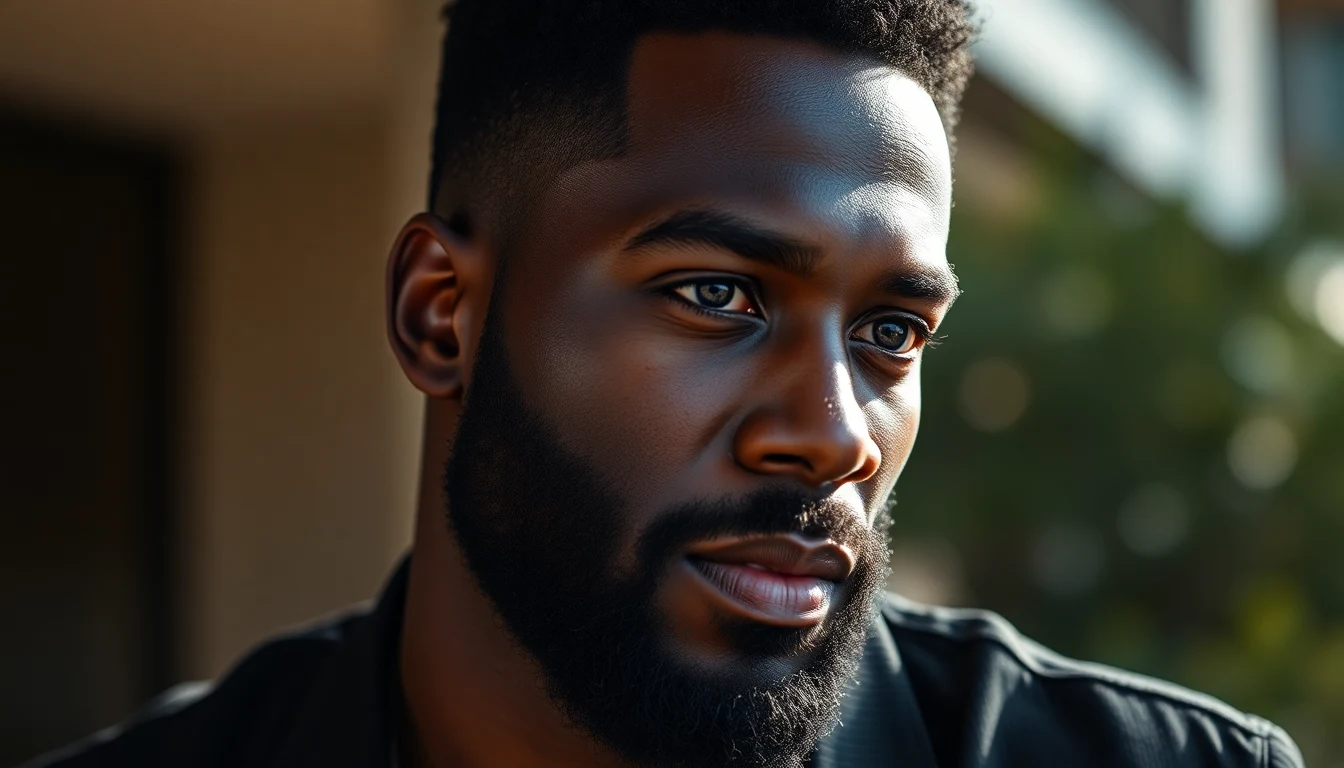
I will cover this in full in the next section because it deserves dedicated space.
Beard Styles That Look Great Without Full Connection
A connected beard is one look. It is not the only look, and it is not even the best look for every face shape. Here are styles that work specifically because they do not require full cheek coverage:
1. The Extended Goatee (The Circle Beard)
A goatee that extends slightly along the jawline. The mustache connects to the chin beard, forming a circle around the mouth. Cheeks are kept clean or very short.
Why it works: It focuses attention on the strongest growth areas (chin and mustache) while making the clean cheeks look deliberate. This is one of the most classic and flattering beard styles for Black men.
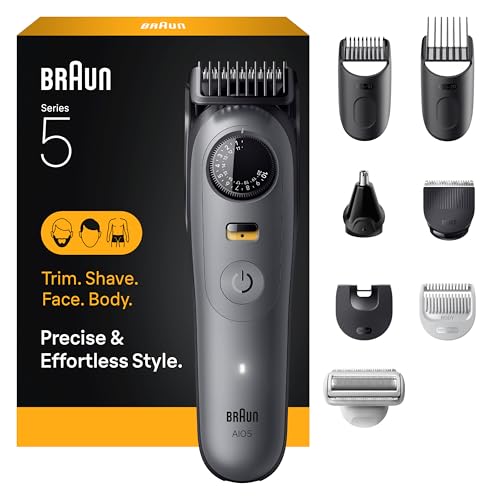
Maintenance: Trim the cheeks clean every 3 to 4 days. Shape the goatee every 1 to 2 weeks. Use a precision trimmer for the edges.
2. The Van Dyke
A disconnected mustache and chin beard with no jawline or cheek hair. The mustache and chin beard are shaped separately.
Why it works: It treats the disconnect as a design choice. The deliberate separation between mustache and chin looks intentional and sharp. It works especially well with a bald or closely shaved head.
Maintenance: Shape the mustache and chin independently. Keep the boundaries crisp. This style requires a steady hand or a good barber.
3. The Chin Strap
A thin line of beard hair that follows the jawline from ear to ear, sometimes connecting through the chin. Cheeks are clean.
Why it works: It defines the jawline without needing any cheek coverage. For men with strong jaw growth but zero cheek fill, this is the sharpest option.
Maintenance: Requires frequent trimming (every 3 to 5 days) to keep the line clean. A quality beard trimmer with a precision attachment is essential.
4. The Heavy Stubble (Strategic Short Beard)
Grow the entire beard to about 3 to 5mm. At this short length, patchiness and disconnection are much less visible because the contrast between bare skin and hair is minimized.
Why it works: Heavy stubble is consistently rated as one of the most attractive facial hair styles in studies. It gives you a bearded look without requiring full density. For coily hair, this length also reduces ingrown hair risk because the strands are too short to curl back into the skin.
Maintenance: Use a trimmer with a 3 to 5mm guard every 3 to 4 days to maintain the length evenly.
5. The Faded Beard
A beard that transitions gradually from short on the cheeks to longer on the chin and jawline. Your barber blends the lengths so the thin cheeks fade naturally into the denser growth.
Why it works: The gradient effect makes thin cheeks look like a deliberate design element. It also creates the illusion of connection because there is no hard line where the beard stops and bare skin begins.
Maintenance: This requires a skilled barber. Plan for shape-ups every 2 weeks to maintain the fade. Between visits, keep the beard oiled and conditioned.
6. The Standalone Mustache
If your chin and cheek growth is minimal but your mustache comes in strong, lean into it. A well-shaped mustache, whether a classic, a chevron, or a handlebar, is a statement all on its own.
Why it works: It eliminates the “trying to grow a beard” look entirely. You are not growing a disconnected beard. You are wearing a mustache. Different category, different expectations.
For visual inspiration across all these styles, check our 15 Black men beard styles that look sharp in 2026 and our guide to beard styles for bald men if that applies to you.
What Does Not Work (Myths to Stop Believing)
The internet is full of “beard connection hacks” that waste your time and money. Let me save you both.
Myth 1: Shaving Makes Your Beard Grow Back Thicker
No. This has been debunked by every dermatological study since the 1920s. Shaving cuts the hair at its thickest point, which makes the blunt tip feel coarser when it grows back. But the follicle does not change. The growth rate does not change. The density does not change. Shaving your patchy cheeks repeatedly will not stimulate new growth.
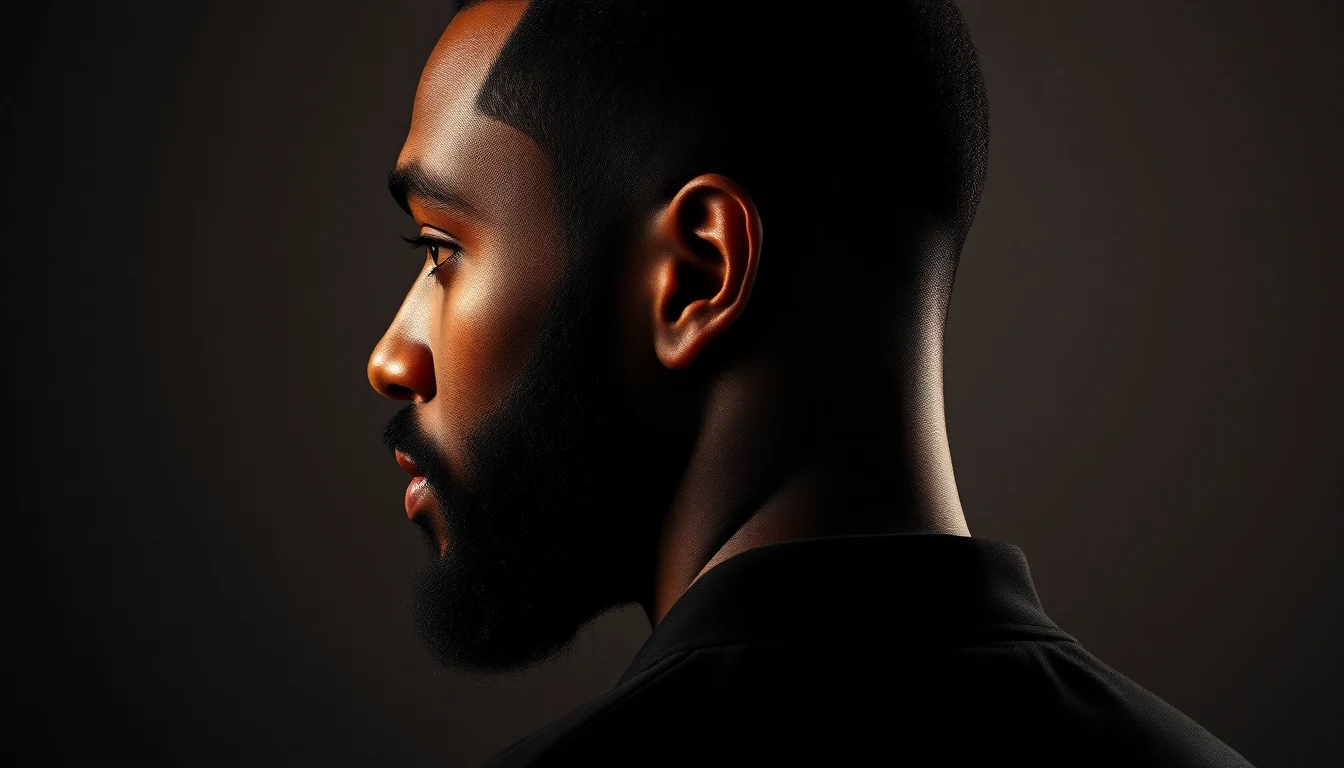
Myth 2: Beard Growth Oils Create New Follicles
No product, no matter how expensive, creates new hair follicles. You were born with every follicle you will ever have. Products can improve the health of existing follicles, convert vellus hairs to terminal hairs (minoxidil, potentially), and make existing hair appear thicker through conditioning. But they do not generate follicles that are not there.
Be wary of any beard oil or supplement that claims to “create new growth” or “activate dormant follicles.” The only substance with clinical evidence for converting vellus to terminal beard hair is minoxidil, and even that does not work for everyone.
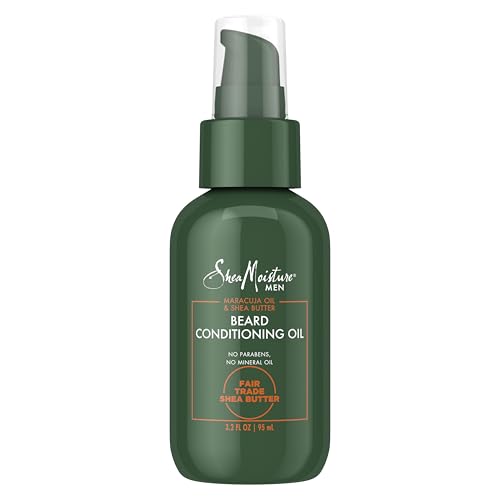
Myth 3: Rubbing Specific Oils on Your Cheeks Will Fill Gaps
Castor oil, coconut oil, eucalyptus oil, and onion juice all have enthusiastic supporters online. None of them have clinical evidence for stimulating new beard growth. These oils are excellent moisturizers (castor oil and coconut oil in particular), and I recommend them for beard conditioning. But they will not fill in your cheek gap.
Myth 4: Biotin Supplements Will Connect Your Beard
Biotin supports keratin production, which is what hair is made of. But you almost certainly get enough biotin from your diet unless you have a diagnosed deficiency. Studies consistently show that biotin supplementation in non-deficient individuals does not produce measurable hair growth improvements. Save the $15 per month.
Myth 5: Testosterone Boosters Help
Over-the-counter “testosterone boosters” (tribulus, fenugreek, ashwagandha, etc.) do not meaningfully increase testosterone in healthy men. And even if they did, total testosterone is not the bottleneck for most men with patchy beards. It is DHT sensitivity at the follicle level, which these supplements do not address.
When to Accept Your Growth Pattern
This is the section most beard articles skip, and I think it is the most important one. When it comes to beard wont connect heres how, technique matters most.
Not every man is meant to have a full, connected beard. That is not a failure. It is genetics, the same way some men are 6’4″ and some are 5’8″. Fighting your natural growth pattern for years leads to frustration, wasted money, and a worse-looking beard than if you had just picked a style that works with what you have. When it comes to beard wont connect heres how, technique matters most.
It might be time to accept your pattern if: When it comes to beard wont connect heres how, technique matters most.
- You are over 30 and your cheek growth has not changed in 2+ years.
- You have tried minoxidil for 12+ months with minimal results on the cheeks.
- Your patchy areas have no vellus hair at all (completely bare skin means no follicles, and no product changes that).
- You find yourself spending more time worrying about the gap than enjoying the beard you do have.
The reframe: Some of the sharpest-looking men I have seen in my uncle’s chair had goatees, Van Dykes, or clean-shaven faces. A well-maintained goatee on the right face shape beats a patchy full beard every single time. The confidence is in the execution, not the coverage.
Your barber can help you find the right style. Bring reference photos of men with similar growth patterns. A good barber works with what is there, not against what is missing. For more strategies on making the most of limited growth, read our guide on how to fix a patchy beard.
A Realistic Timeline If You Decide to Try
If you are going the active route (minoxidil, derma rolling, optimal health), here is a realistic timeline based on what I have seen and read:
| Timeframe | What to Expect |
|---|---|
| Month 1 | Possible increased shedding (this is normal with minoxidil). Skin may feel dry or irritated at the application site. No visible growth improvement yet. |
| Months 2 to 3 | First signs of vellus hair appearing in previously bare areas. These are fine, nearly invisible hairs. Do not get discouraged; they are a good sign. |
| Months 4 to 6 | Some vellus hairs begin transitioning to terminal hairs (thicker, darker, visible). Gaps start looking less obvious. This is where most men see the first real visual difference. |
| Months 6 to 12 | Terminal hair maturation. Hairs thicken and darken further. This is when the connection either happens or does not. Results plateau for most men around month 9 to 12. |
| 12+ Months | Decision point. If terminal hairs have established, you can taper off minoxidil gradually and see if they remain. If results are minimal, it may be time to accept the pattern and choose a style. |
Important: This timeline assumes consistent daily application. Skipping days or weeks resets your progress. If you are going to commit, commit fully. If you are not ready for a 6 to 12 month commitment, skip minoxidil and go straight to the styling strategies.
Caring for Your Beard While Trying to Improve Connection
Whether you are waiting for natural growth, using minoxidil, or just trying to make the most of what you have, your beard care routine matters. A well-conditioned, healthy beard always looks better than a dry, neglected one, regardless of coverage.
The essentials:
- Oil daily with jojoba or a quality blend. This keeps existing hair soft, healthy, and less prone to breakage. See our beard oil guide for recommendations.
- Wash 2 to 3 times per week with sulfate-free products. Overwashing dries out coily facial hair.
- Brush daily with a boar bristle brush. This trains direction and distributes oil.
- Moisturize the skin underneath, especially in sparse areas. Healthy skin supports healthy follicle function.
- Use a gentle exfoliant on the cheek area twice weekly to prevent ingrown hairs from adding insult to injury.
- Get shape-ups every 2 to 3 weeks to keep the beard looking intentional, not abandoned.
For the complete step-by-step system, read our full beard care guide for Black men.
Frequently Asked Questions
At what age does a man’s beard fully develop?
Beard development continues through your mid-30s for most men. Many men see significant cheek fill-in between ages 25 and 30. If you are under 25, your beard is still developing and patience is your best strategy.
Does minoxidil actually work for beard growth?
There is clinical evidence (a 2016 study in the Journal of Dermatology) that minoxidil can increase facial hair growth. It works best for converting existing vellus (fine, invisible) hairs into terminal (thick, visible) hairs. It does not create follicles where none exist. Results vary significantly between individuals.
Will shaving my cheeks make the hair grow back thicker?
No. This myth has been debunked repeatedly since the 1920s. Shaving cuts hair at its widest point, making regrowth feel coarser, but it does not change the follicle, growth rate, or density.
What beard style looks best if my beard doesn’t connect?
An extended goatee, Van Dyke, chin strap, or heavy stubble all look sharp without requiring cheek coverage. The faded beard, where a barber blends thin cheeks into denser chin growth, is another excellent option. The key is choosing a style that treats the gap as a design choice, not a flaw.
Is derma rolling effective for beard growth?
The evidence is limited. A 2013 study showed microneedling improved scalp hair regrowth when combined with minoxidil, but no large-scale beard-specific studies exist. Anecdotal reports from online communities are mixed. If you try it, use a 0.5mm roller once per week and wait 24 hours before applying minoxidil to the area.
How long should I grow my beard before deciding it won’t connect?
At minimum, 3 months of uninterrupted growth. Many men give up at 4 to 6 weeks, well before their beard reveals its full pattern. Coily hair shrinks significantly, so what looks like bare skin may actually have short, tightly curled growth that needs more time to become visible.
The Bottom Line
Here is what to take away:
- Genetics is the primary factor. Your beard pattern is written in your DNA. Products and techniques can optimize what is there, but they cannot override biology.
- Age matters. If you are under 30, your beard is still developing. Give it time before making permanent decisions about your style.
- Minoxidil is the only evidence-based growth option. It works for some men, not all. Discuss it with your doctor if you want to try it. Commit to 6 to 12 months or do not bother.
- The right style beats a forced full beard. A sharp goatee, Van Dyke, or faded beard can look better than a patchy, disconnected full beard. Work with your pattern, not against it.
- Stop believing myths. Shaving does not thicken growth. Oils do not create follicles. Biotin does not fill gaps. Save your money for products that actually matter, like a good beard oil and a quality trimmer.
Your beard does not need to connect to look good. It needs to be intentional. Find the style that fits your growth, keep it conditioned, and own it with confidence.
Ready to build a full care routine? Start with our complete beard care guide for Black men. Looking for style inspiration? Browse our 15 beard styles that look sharp in 2026.
Last updated: February 2026