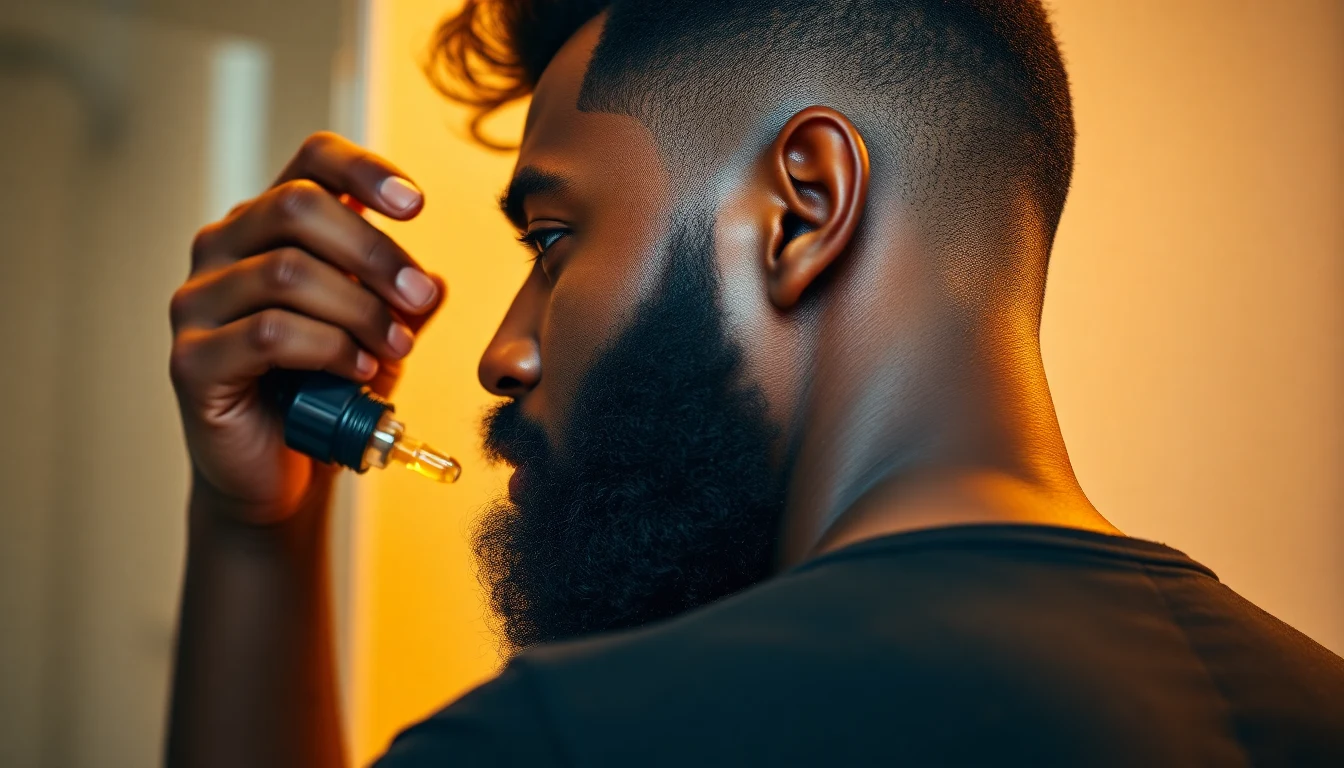
Most men use beard oil wrong. They pump some into their hand, slap it on the surface, and wonder why their beard still feels dry two hours later. Knowing how to apply beard oil correctly is the difference between a product that actually works and one that sits on top of your beard doing nothing. I have been using beard oil on my own 4C facial hair for years, and the technique I am about to break down is the same one I learned watching barbers in Atlanta prep beards before a trim. Skin first, hair second, brush to finish. If you only remember three words from this article, make it those.
Quick version for the impatient:
- Apply to a clean, damp beard (right after a shower is ideal)
- Warm the oil between your palms for 10 seconds
- Work into the skin underneath before the hair
- Distribute through the beard with fingers, then a brush or comb
- Use the right amount for your beard length (chart below)
What Beard Oil Actually Does (And What It Does Not)
Before we get into technique, let’s clear up what beard oil is and is not. This matters because it changes how you apply it.
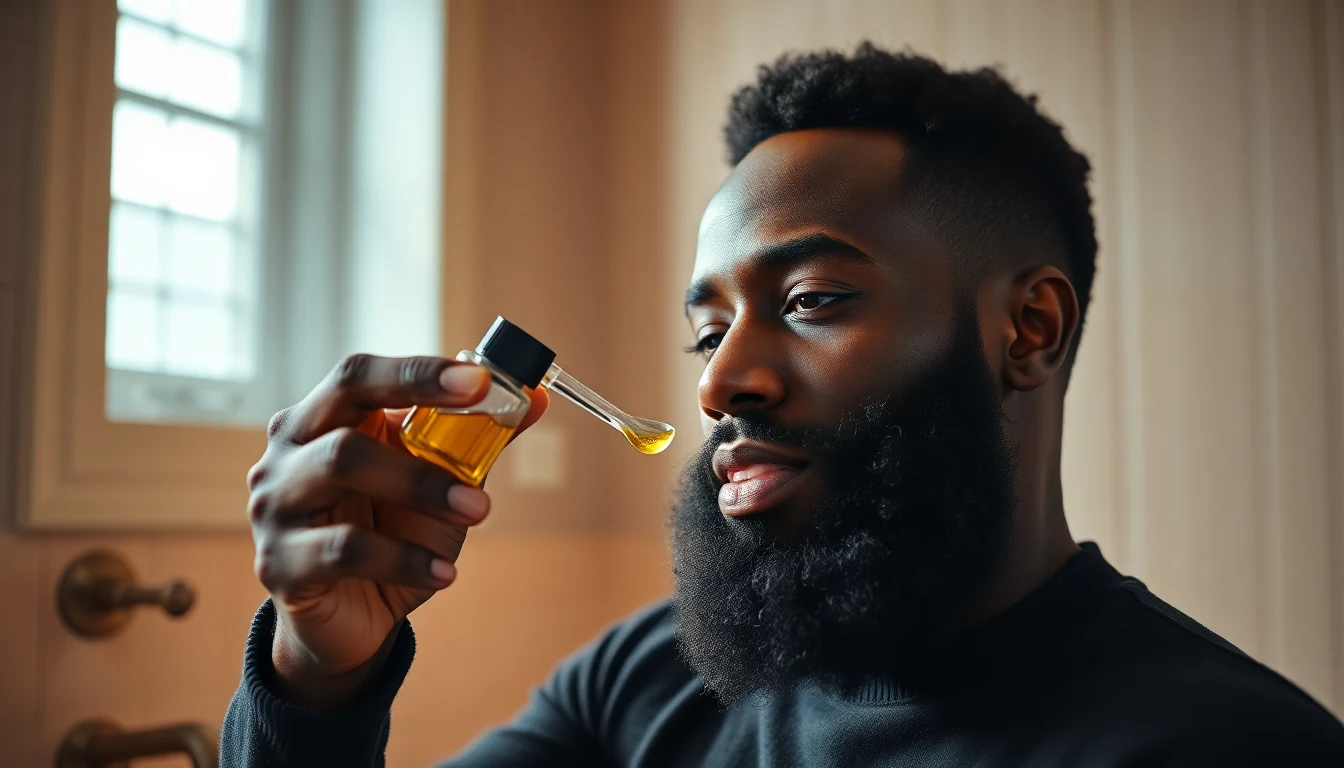
Beard oil is a moisturizer for your facial hair and the skin underneath. It contains carrier oils (jojoba, argan, sweet almond, grapeseed) that penetrate the hair shaft and mimic your skin’s natural sebum. Some blends include essential oils for scent and minor antibacterial properties.
What beard oil does:
- Hydrates the hair shaft from the inside, making it softer and more flexible
- Moisturizes the skin beneath your beard, preventing flaking and itch
- Reduces friction between strands, which cuts down on tangles and breakage
- Adds a subtle, healthy sheen without looking greasy (when applied correctly)
What beard oil does not do:
- It does not make your beard grow faster. No oil grows hair. Minoxidil does. Oils nourish what is already growing.
- It does not provide hold or styling control. That is what beard balm and butter are for.
- It does not replace washing. Oil adds moisture; it does not clean. You still need a beard wash routine.
- It does not fix split ends. Once a strand is split, it needs to be trimmed. Oil prevents future splitting by keeping hair flexible.
Understanding this changes everything about how you approach application. You are not coating your beard with a styling product. You are feeding your skin and hair. That means the technique is about getting the oil to the right places, not just making the surface look shiny.
When to Apply Beard Oil (Timing Matters)
The best time to apply beard oil is right after a shower, on a damp beard. Here is why that timing is not optional.
When you shower, the warm water opens your hair cuticles and your skin’s pores. The cuticle is the outer layer of each hair strand, made up of overlapping scales like roof shingles. When those scales lift under heat and moisture, oil can slip between them and penetrate the cortex (the inner layer that determines your hair’s strength and flexibility).
If you apply oil to a bone-dry beard, the cuticle is closed. The oil sits on the surface. It looks shiny, but it is not actually moisturizing the hair shaft. This is the single biggest application mistake I see, and it is why some men think beard oil does not work for them.
Morning vs. Night Application
| Timing | Benefits | What to Use | Best For |
|---|---|---|---|
| Morning (after shower) | Open cuticles absorb oil. Sets your beard up for the day. | Beard oil, follow with balm for hold | Daily maintenance, appearance |
| Night (before bed) | Oil works overnight without environmental interference | Beard oil or beard butter (heavier) | Deep hydration, repair |
| Twice daily (morning + night) | Maximum hydration for very dry or coarse beards | Oil morning, butter night | 4C beards, dry climates, winter |
I apply oil every morning after my shower and use a beard butter at night about three to four times per week. If your beard is relatively short (under one inch) and your skin is not particularly dry, once a day in the morning is plenty.
After Washing vs. After Rinsing
On days you shampoo your beard, oil application is critical. Washing strips natural oils (even sulfate-free formulas remove some sebum). Applying beard oil immediately after washing replaces what was stripped and conditions the clean, open cuticle.
On non-wash days when you just rinse with water, you are adding moisture without stripping oils. A lighter application of oil works fine on these days. Think 2 to 3 drops instead of your full dose.
How Much Beard Oil to Use (Dosing Chart)
More is not better. Too much oil leaves your beard looking greasy, attracts dust and lint, and can clog pores under the beard. Too little and you are wasting your time. Here is the dosing chart I follow:
| Beard Length | Description | Oil Amount | Notes |
|---|---|---|---|
| Stubble (under 1/2 inch) | 5 o’clock shadow to heavy stubble | 2-3 drops | Focus on skin, not hair. The stubble is too short to need much oil. |
| Short (1/2 to 1 inch) | Trimmed, maintained beard | 3-5 drops | Oil the skin first, then work through the short growth. |
| Medium (1 to 3 inches) | Full beard with visible length | 5-8 drops | Brush or comb is necessary at this length to distribute evenly. |
| Long (3 to 6 inches) | Significant beard length | 8-12 drops | Apply in sections. Oil roots, mid-shaft, and tips separately. |
| Extra long (6+ inches) | Full, flowing beard | 12-15+ drops | May need to apply in two rounds. Let the first round absorb, then add more. |
Adjustments by Hair Type
The chart above is a baseline. Your beard texture changes the math:

- Straight beards (Type 1): Use the lower end of each range. Straight hair distributes oil easily because sebum slides down the shaft.
- Wavy beards (Type 2): Use the middle of each range. Waves create some friction that slows oil distribution.
- Curly beards (Type 3): Use the higher end of each range. Curls create more surface area and more friction between strands.
- Coiled beards (Type 4A-4C): Add 2 to 3 extra drops above the chart. Tightly coiled hair has the most surface area and the most difficulty distributing oil naturally. This is not overkill. It is physics.
For my 4C beard at about 1.5 inches, I use 8 drops. That is above the “medium” range, but my coiled texture demands it. Start with the chart recommendations and adjust based on how your beard feels two hours after application. If it feels dry, add more next time. If it feels greasy, cut back.

Step-by-Step: How to Apply Beard Oil the Right Way
This is the core of the article. Follow these steps exactly and your beard oil will actually do what the label promises.
Step 1: Start with a Clean, Damp Beard
Shower or wash your face with warm water. If you shampooed your beard, make sure it is fully rinsed. Pat your beard with a towel until it is damp, not dripping. You want about 70% dry. The remaining moisture helps the oil absorb.
Do not blow-dry your beard before applying oil. Heat from a dryer closes the cuticle. You want those cuticles open and receptive.
Step 2: Dispense the Right Amount
Use the dosing chart above. Pump or drop the oil into the center of one palm. If you are new to beard oil, start with less and add more if needed. You can always add another drop. You cannot un-grease your beard.
Step 3: Warm the Oil Between Your Palms
Rub your palms together for about 10 seconds. This does two things: it warms the oil so it flows more easily, and it spreads the oil evenly across both palms and all your fingers. You want oil on your fingertips, not just your palm. Your fingertips are what reach the skin underneath.
This step sounds minor. It is not. Cold oil applied straight from the bottle sits in one spot. Warm, evenly distributed oil covers more ground.
Step 4: Apply to the Skin First
This is the step most men skip, and it is the most important one.
Push your fingers through your beard and press the oil into the skin underneath. Massage it in using small circular motions. Cover the chin, jawline, cheeks, mustache area, and neck. Spend about 30 seconds on this.

Why skin first? Two reasons:
- The skin is where beard itch, beardruff (beard dandruff), and dryness start. If the skin is dehydrated, everything growing from it will be dry too.
- Beard hair grows from follicles in the skin. Oil at the base of the follicle conditions the hair from the root up, which is more effective than trying to push oil into the tips and hoping it migrates down.
I see men complaining about beard itch and flaking while slicking oil on the outside of their beard and never touching the skin. That is like watering the leaves of a plant and ignoring the roots.
Step 5: Work the Oil Through the Hair
After the skin is oiled, use your fingers to comb through the beard from root to tip. Work in sections if your beard is medium length or longer:
- Chin and front: Pull fingers downward through the beard, coating each strand.
- Cheeks and sides: Stroke outward and downward from the sideburns to the jawline.
- Mustache: Use your index finger and thumb to pinch and slide the oil through the mustache hair, working from the center outward.
- Neck and underside: Tilt your head back slightly and work oil upward from the neck into the underside of the beard. This is the area most men neglect.
Take your time. Rush the application and you end up with oily patches and dry spots. A thorough finger-through takes about 1 to 2 minutes.
Step 6: Distribute with a Brush or Comb
Your fingers can only do so much. A boar bristle brush or wide-tooth comb reaches between strands that your fingers miss and distributes oil to the outer layers of the beard that did not get direct finger contact.
For short to medium beards (under 2 inches): Use a boar bristle brush. Brush in the direction of growth. The natural bristles pick up excess oil from the skin and carry it along each strand.
For medium to long beards (2 inches and above): Start with a wide-tooth comb to detangle, then follow with a boar bristle brush to distribute oil and smooth the cuticle.
For tightly coiled 4C beards: Use a combination brush with boar and nylon bristles. Pure boar bristle brushes sometimes cannot penetrate through dense, coiled texture. The nylon bristles reach deeper while the boar bristles distribute oil. If you still feel resistance, use a wide-tooth pick first to separate the coils, then brush.


This step also shapes and trains your beard direction. Over time, consistent brushing after oil application trains the hair to lie in a particular direction, which reduces that wild, untamed look.
Step 7 (Optional): Follow with Beard Balm
If you want hold, shaping, and extra moisture sealing, apply a small amount of beard balm after the oil has been distributed. The oil hydrates; the balm’s beeswax component seals the moisture in and gives you light styling control.
This is optional for short beards but recommended for anything over one inch, especially in cold or dry weather where moisture evaporates quickly.
The 5 Most Common Application Mistakes
I have seen all of these in person, in barbershop chairs, and in DMs from readers. Fix these and you fix 90% of beard oil problems.
Mistake 1: Applying to a Dry Beard
I covered this above, but it bears repeating because it is the number one mistake. A dry beard has closed cuticles. The oil cannot penetrate. It sits on the surface, looks greasy, and does nothing for hydration. Always apply to a damp beard, ideally within 5 minutes of stepping out of the shower.
If you cannot shower before applying (say, a mid-day refresh), lightly mist your beard with water from a spray bottle, then apply oil. Even a little moisture helps open those cuticles.
Mistake 2: Using Too Much Oil
More oil does not equal more softness. Excess oil sits on the surface, attracts lint and dust, clogs pores underneath the beard, and makes your pillowcase a mess. If your beard looks wet or shiny for more than 15 minutes after application, you used too much.
Start with fewer drops than you think you need. Add one or two more if the beard still feels dry after the initial application. This build-up approach prevents overload.
Mistake 3: Only Oiling the Surface
Running your hands over the outside of your beard is not applying beard oil. It is petting your beard. The oil needs to reach the skin and the inner strands. If your cheeks and jawline still feel dry and flaky underneath a shiny-looking beard, you are guilty of this mistake.
Push your fingers THROUGH the beard. Press into the skin. Cover every inch of the surface underneath. Then work outward to the hair.
Mistake 4: Applying at the Wrong Time
Applying oil right before bed without a plan is wasteful. The oil transfers to your pillowcase instead of absorbing into your beard. If you apply at night, use a silk or satin pillowcase to minimize transfer, or use a beard butter (which is heavier and transfers less) instead of oil.
The ideal application time is morning, post-shower, when your cuticles are open and you have the whole day for absorption. Night application is a bonus, not a replacement.
Mistake 5: Skipping the Brush
Fingers distribute oil to maybe 60% of your beard. A brush gets it to 95%. For tightly coiled beards, the brush is especially critical because coiled strands do not let oil flow from one hair to the next the way straight hair does. Each coil needs direct contact with oil, and only a brush can deliver that level of coverage.
Invest in a decent brush. You do not need to spend a lot. A $10 boar bristle brush from your local beauty supply does the job. The tool matters more than the brand.
Beard Oil vs. Beard Balm vs. Beard Butter: When to Use Each
These three products are not interchangeable. They do different things at different stages of your routine. Using the wrong one at the wrong time is like putting sunscreen on after you come inside.
| Product | Primary Function | Texture | Hold | When to Apply | Best For |
|---|---|---|---|---|---|
| Beard oil | Hydrate and penetrate the hair shaft | Liquid | None | After shower, on damp beard | All beard types and lengths |
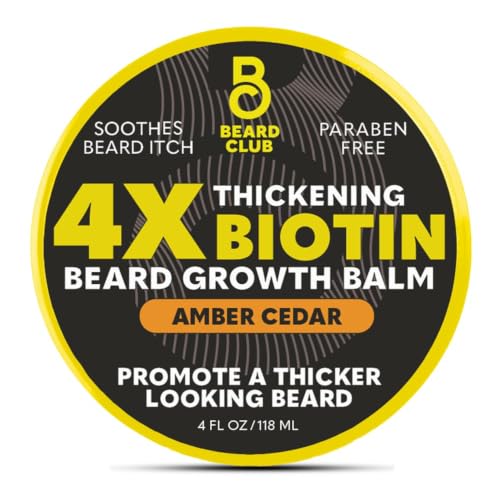
| Beard balm | Seal moisture and provide light hold | Semi-solid (beeswax base) | Light-medium | After oil, for shaping and seal | Medium to long beards, cold/dry climates |
| Beard butter | Deep moisture and softening | Creamy (no beeswax) | None | Nighttime treatment or after oil | Dry, coarse beards; overnight conditioning |
The Layering System
For maximum softness and health, layer them in this order:
- Beard oil (always first, always on damp beard)
- Beard balm (second, for daytime hold and moisture seal)
- Beard butter (alternative to balm, use at night for deep conditioning)
You do not need all three every day. My daily routine is oil plus balm in the morning. Three to four nights per week, I skip the balm and use butter before bed. On days my beard feels particularly dry (usually in winter), I will do oil, balm, and butter in the same day. Listen to your beard. If it feels dry, add a layer. If it feels heavy, pull back.

If your beard is on the shorter side and you want to learn more about the full softening toolkit, read our complete guide on how to soften your beard with 7 proven methods.
Best Beard Oils by Beard Type
Not every beard oil works equally well on every texture. Here is what I recommend based on hair type and concern.
For Tightly Coiled Beards (4B/4C)
Coiled beards need heavier carrier oils that can cling to the irregular surface of the hair shaft and do not evaporate quickly.
- Top pick: Scotch Porter Smoothing Beard Oil. Jojoba and argan base, formulated by a Black-owned brand that understands textured hair. Absorbs well, no greasy residue.
- Runner-up: Bevel Beard Oil. Created by Tristan Walker specifically for coarse, coiled facial hair. Light texture but surprisingly effective.
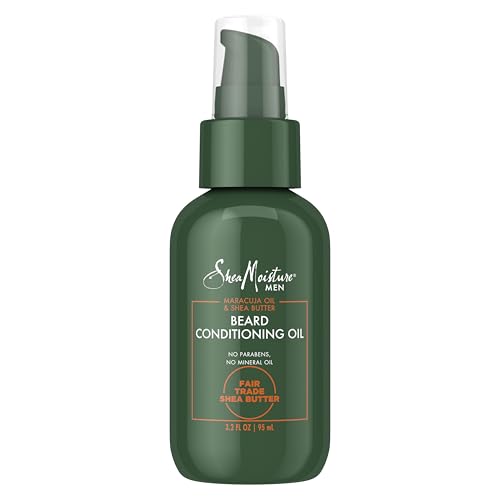
- Budget pick: SheaMoisture Maracuja & Shea Butter Beard Oil. Affordable, widely available at Target and Walmart, and the shea butter base is solid for 4C texture.
For Curly Beards (3A-4A)
Curly beards need a balance of penetration and surface conditioning. Medium-weight oils work best.
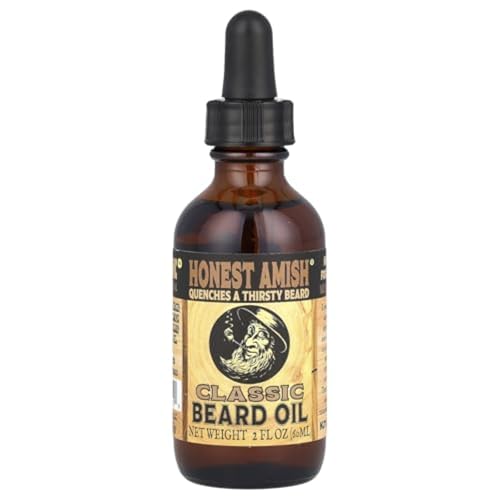
- Top pick: Honest Amish Classic Beard Oil. Blend of seven carrier oils. Covers the full spectrum of moisturizing needs. Works well on 3B-4A textures.
- Runner-up: Beardbrand Utility Oil. Lightweight, absorbs fast, doubles as a skin moisturizer.
For Straight or Wavy Beards (1-2)
Lighter oils absorb better and do not weigh down straight hair.
- Top pick: Jack Black All-Day Oil. Grapeseed and argan base, very light, non-greasy.
- Runner-up: Viking Revolution Beard Oil. Budget option with jojoba and argan. Solid for the price.
For Sensitive or Acne-Prone Skin
Avoid oils high on the comedogenic scale (coconut, wheat germ, cocoa butter). Stick to non-comedogenic carrier oils.
- Top pick: Frederick Benjamin Beard Oil. Clean ingredients, no known comedogenic carriers. Black-owned and specifically designed for sensitive skin under beards.
- Oil to avoid: Anything with coconut oil as a primary carrier. Coconut oil rates 4 out of 5 on the comedogenic scale. It works great as a hair treatment on your head but can cause breakouts on facial skin.
For a deeper dive on beard oils formulated for Black men, see our full roundup of the best beard oils for Black men.
How to Choose the Right Beard Oil
With dozens of brands competing for your money, here is how to cut through the marketing and find one that actually works.
What to Look For on the Label
- Carrier oil listed first. The first ingredient should be a carrier oil (jojoba, argan, sweet almond, grapeseed, hemp seed). If fragrance or an essential oil is listed first, the product is mostly scent and not much substance.
- No mineral oil or petroleum derivatives. These coat the hair and create the illusion of softness but do not penetrate the shaft. They block moisture rather than deliver it.
- No silicones (dimethicone, cyclomethicone). Similar issue. Silicones coat the hair with a slippery film that washes off, leaving the hair just as dry as before.
- Natural essential oils for scent (optional). Tea tree, cedarwood, eucalyptus, sandalwood. These add scent and sometimes have antibacterial or anti-inflammatory benefits. If you have sensitive skin, choose an unscented oil to eliminate the risk of irritation from essential oils.
Price vs. Quality Reality Check
| Price Range | What You Get | Worth It? |
|---|---|---|
| Under $10 | Basic carrier oil blend, possibly diluted, simple scent | Fine for starting out. Some gems here (SheaMoisture). |
| $10-$20 | Quality carrier oil blend, better essential oil scents, reputable brands | Sweet spot for most men. This is where Scotch Porter, Bevel, and Frederick Benjamin sit. |
| $20-$35 | Premium oils, rare essential oils, boutique brands | Diminishing returns for most. Good if you want a specific luxury scent. |
| $35+ | Luxury packaging, niche fragrances | You are paying for branding at this point. The oil inside is not significantly better. |
I have used beard oils across the full price range. The honest truth is that a $15 Scotch Porter bottle works as well on my beard as a $40 boutique oil. Once you have quality carrier oils, the rest is scent preference and brand loyalty.
Special Situations: Adapting Your Application
New Beard (First 4 Weeks)
Start using beard oil from day one. Even on stubble. Especially on stubble. The itchy phase in weeks 1 to 3 happens because the blunt, freshly cut hair tips irritate the skin as they curl back. Oil softens those tips and moisturizes the irritated skin. Two to three drops on the skin under your stubble, morning and night, eliminates most of the itch.
If you are growing out your beard for the first time, our guide on how to get a thicker beard covers the full growth timeline.
Patchy Beards
Oil application on patchy beards is the same technique, but focus extra attention on the sparse areas. The skin in those areas still produces hair; the follicles are just less dense or slower. Keeping the skin well-moisturized creates the best possible environment for what growth you have. Read more in our detailed guide on how to fix a patchy beard.

Winter and Dry Climates
Cold air holds less moisture. Indoor heating makes it worse. In winter, increase your oil dose by 2 to 3 drops and add a beard balm or butter on top to seal the moisture in. If your beard feels dry by midday, carry a small bottle of oil for a mid-day refresh (2 to 3 drops, worked in with your fingers).
Hot and Humid Climates
Humidity means your skin and beard are already retaining some moisture from the air. Use lighter oils (grapeseed, jojoba) in smaller doses. Avoid heavy butters during the day in humid conditions. They can feel suffocating and attract more sweat.
Before the Barbershop
Some men apply oil right before a barber visit. Skip it. Your barber will wash or prep your beard their way. Oil buildup can interfere with trimming precision. Apply oil after your trim, when the freshly cut hair is at its most porous.
How Often Should You Apply Beard Oil?
The short answer: once a day minimum, twice if your beard is dry or coarse. When it comes to how to apply beard oil, technique matters most.
| Beard Type | Minimum | Ideal | Maximum |
|---|---|---|---|
| Short, straight, oily skin | Once daily | Once daily (morning) | Once daily (more will look greasy) |
| Medium, curly, normal skin | Once daily | Once daily + light refresh mid-day | Twice daily |
| Long, coiled, dry skin | Once daily | Twice daily (morning + night) | Twice daily + mid-day refresh in winter |
Your beard will tell you what it needs. Dry, itchy, flaky, rough to the touch: more oil. Greasy, heavy, attracting lint: less oil. It takes about a week of experimentation to find your exact dose and frequency. Once you lock it in, it becomes automatic. When it comes to how to apply beard oil, technique matters most.

DIY Beard Oil: How to Make Your Own
If you want full control over ingredients and scent, making your own beard oil is simple and cost-effective. Here is my base recipe:
Basic Recipe (Makes ~1 oz)
| Ingredient | Amount | Purpose |
|---|---|---|
| Jojoba oil | 1/2 oz (1 tablespoon) | Primary carrier. Closest to natural sebum. |
| Argan oil | 1/4 oz (1.5 teaspoons) | Rich in vitamin E. Deep conditioning. |
| Sweet almond oil | 1/4 oz (1.5 teaspoons) | Lightweight moisture. Good for sensitive skin. |
| Cedarwood essential oil | 3-4 drops | Woodsy scent. Mild antibacterial properties. |
| Tea tree essential oil | 2 drops | Antifungal. Helps with beard dandruff. |
Instructions
- Combine all carrier oils in a small, dark glass bottle (1 oz dropper bottle works perfectly).
- Add essential oils.
- Cap and shake gently to blend.
- Let sit for 24 hours before first use so the scents can meld.
- Store in a cool, dark place. The dark glass protects oils from UV degradation.
Variations by Concern
- Extra dry beard: Replace sweet almond oil with castor oil (heavier, seals more aggressively).
- Acne-prone skin: Replace argan with grapeseed oil (lighter, non-comedogenic). Add 2 drops of tea tree for antibacterial support.
- Scent-free: Skip the essential oils entirely. The carrier oils have very mild, neutral scents on their own.
- For 4C texture: Add 1/4 teaspoon of vitamin E oil for extra antioxidant protection and cuticle conditioning.
One batch costs about $3 to $5 in ingredients and lasts a month for a medium-length beard. Compare that to $15 to $20 for a commercial bottle. The results are identical.
Beard Oil and Your Skin: What to Watch For
Beard oil is generally safe for all skin types, but there are a few things to keep in mind.
Breakouts Under the Beard
If you start breaking out after introducing beard oil, the culprit is usually the carrier oil clogging your pores. Coconut oil, wheat germ oil, and cocoa butter are common triggers. Switch to a non-comedogenic oil (jojoba, grapeseed, hemp seed) and see if the breakouts clear within a week.
It could also be over-application. If you are using too much oil, the excess sits on the skin and traps bacteria. Cut your dose in half and see if that resolves it.
Allergic Reactions
Essential oils are the most common allergen in beard oils. If you notice redness, burning, or a rash after applying, switch to an unscented oil (carrier oils only, no essential oils). Tea tree and cinnamon essential oils are the most common irritants.
Before using a new beard oil, do a patch test: apply a small amount to the inside of your wrist. Wait 24 hours. If there is no reaction, it is safe for your face.
Interaction with Skincare Products
If you use a face wash or moisturizer as part of your skincare routine, apply those to your face first and let them absorb for a few minutes. Then apply beard oil. The oil creates a slight barrier, so anything applied after oil may not penetrate as well.
For men dealing with razor bumps along the beard line, check our guide on the best beard oils for Black men, which specifically addresses PFB-friendly formulations.

Frequently Asked Questions
Should I apply beard oil to wet or dry beard?
Apply to a damp beard, not soaking wet and not bone dry. The ideal time is right after a shower when you have patted your beard to about 70% dry. The remaining moisture keeps the hair cuticles open, allowing the oil to penetrate the shaft rather than sitting on the surface.

How many drops of beard oil should I use?
It depends on beard length: 2 to 3 drops for stubble, 3 to 5 for short beards (half inch to one inch), 5 to 8 for medium beards (1 to 3 inches), 8 to 12 for long beards (3 to 6 inches), and 12 to 15 for extra long beards. Tightly coiled 4C beards should add 2 to 3 extra drops above these ranges because the coiled texture creates more surface area.
Can I apply beard oil every day?
Yes, daily application is recommended. Most men should apply once per day, ideally in the morning after showering. Men with very dry or coarse beards, particularly 4B and 4C textures, benefit from applying twice daily: once in the morning and once at night. The key is using the right amount for your beard length to avoid greasiness.
Do I apply beard oil before or after beard balm?
Always apply beard oil first, then beard balm. Oil is a liquid that penetrates the hair shaft and hydrates from the inside. Balm is a semi-solid with beeswax that coats the outside of the hair and seals the moisture in. Applying balm first creates a wax barrier that prevents the oil from reaching the hair shaft.
Why does my beard still feel dry after using beard oil?
The most common reasons are: applying to a dry beard instead of a damp one (closed cuticles block absorption), not working the oil into the skin underneath, using too little oil for your beard length and texture, or using an oil with silicones or mineral oil that coat the hair without actually hydrating it. Switch to a damp-beard application, use a natural carrier oil blend, and make sure you are oiling the skin first.
Is beard oil the same as hair oil?
They are similar in concept but formulated differently. Beard oil is designed for coarser facial hair and the sensitive skin on your face. Hair oils may contain heavier silicones, fragrances, or ingredients that are fine for your scalp but could clog facial pores or irritate skin. In a pinch, a natural hair oil with simple carrier oils (no silicones) can work on your beard, but a dedicated beard oil is a better choice for regular use.
Does beard oil help with beard itch?
Yes, beard oil is one of the most effective remedies for beard itch. The itch typically comes from dry skin underneath the beard or from coarse hair tips scratching the skin as they grow. Beard oil moisturizes the skin, softens the hair tips, and reduces the irritation that causes itching. Apply to the skin under the beard, not just the hair, for the best results.

Bottom Line
Applying beard oil is not complicated, but doing it right makes all the difference. Here is the recap:
- Timing: Apply to a damp beard after showering. Open cuticles absorb oil; closed cuticles reject it.
- Amount: Match your dose to your beard length and texture. Start with the chart and adjust based on how your beard feels two hours later.
- Technique: Skin first, always. Warm the oil, massage into the skin, then work through the hair. Finish with a brush.
- Consistency: Daily application beats occasional heavy dosing. Five minutes every morning is all it takes.
- Product choice: Look for natural carrier oils (jojoba, argan) listed first. Avoid mineral oil, silicones, and drying alcohols.
The men I know with the best-looking, softest beards are not using some secret product. They are applying the basics correctly, every single day. That is the real secret.
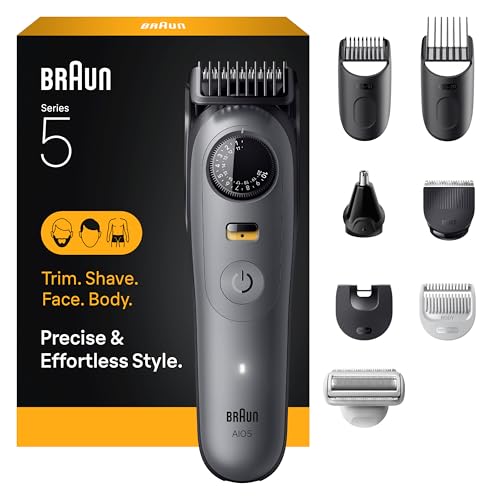
Ready to build out the rest of your beard care routine? Start with our guide on the best beard oils for Black men to find your ideal product. Then check our best beard trimmers for Black men to keep everything shaped up, and explore beard styles for bald men if you are rocking the bald-and-bearded look.
Last updated: February 2026