Blonde hairstyles for Black men are having a moment, and honestly, the moment has been building for years. From Odell Beckham Jr.’s platinum phase to Sisqo’s iconic bleached crop in the early 2000s, color has always been part of how we express confidence through hair. The difference now is that you have better products, better colorists, and better information about how to do it without destroying your hair in the process.
This guide covers 12 blonde looks that work specifically on textured hair and dark skin. For each one, I break down the maintenance level, how much damage you are risking, whether you can pull it off at home or need a salon chair, and what it costs. I have also included a full bleaching safety section, because the chemistry of lifting color on 4B and 4C hair is not the same as lifting straight hair. If you skip that section, you might end up with hair that snaps off at the root. Read it.
If you only read one section, start with the Bleaching Safety Guide for Textured Hair. Every look in this article depends on getting the lightening process right.
Why Blonde Hits Different on Dark Skin: Blonde Hairstyles For Black Men
Contrast is the entire game. Blonde hair against dark skin creates one of the most striking visual effects in men’s grooming, and that contrast is something lighter-skinned men cannot replicate no matter how much they spend at the salon. The deeper your complexion, the more the blonde pops. That is a fact, not flattery.
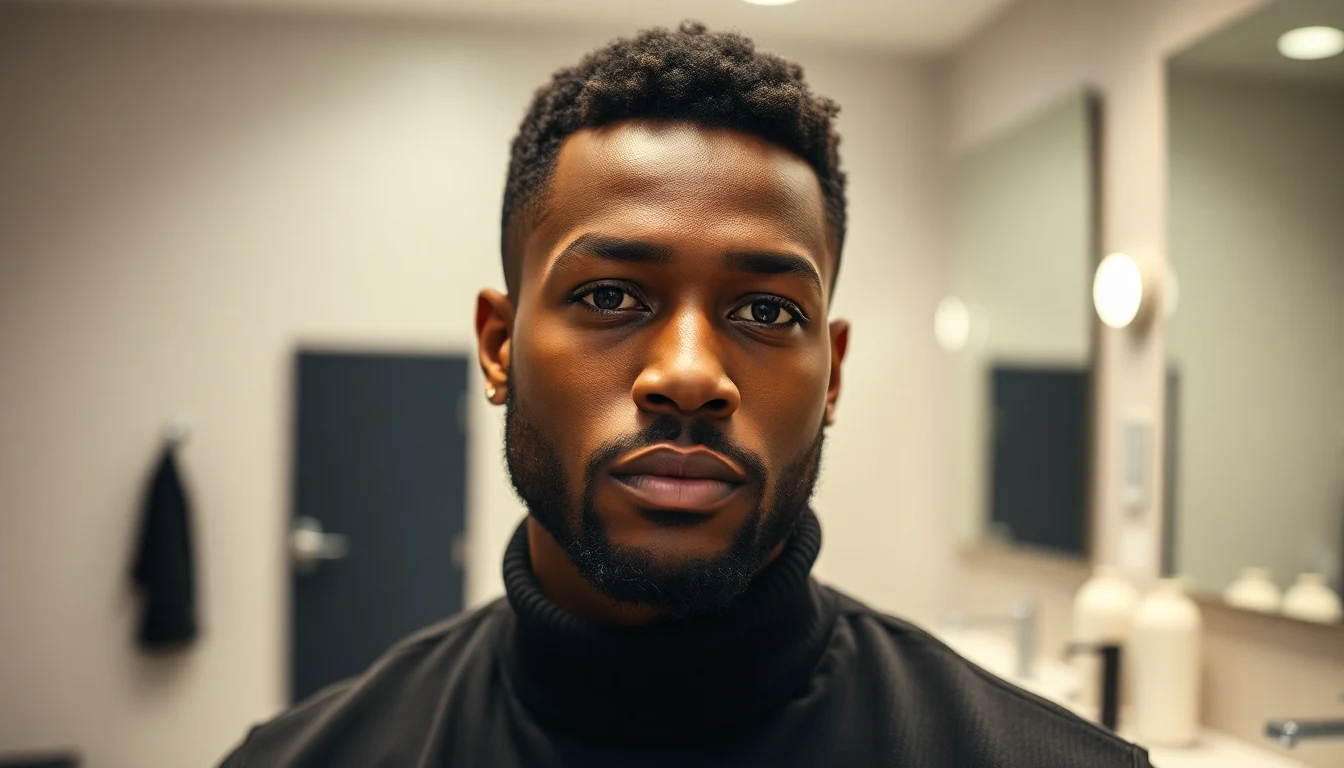
But here is what generic grooming sites never tell you: textured hair absorbs and reflects light differently than straight hair. A platinum blonde buzz cut on 4C coils catches light in tiny spirals, giving the color a multidimensional quality you will never get from a flat, straight-haired canvas. Twists and locs create alternating light and shadow patterns that make even a simple honey blonde look complex.
The cultural history here matters too. Black men have been experimenting with hair color for decades. Dennis Rodman turned it into performance art. Frank Ocean made the understated blonde iconic. Chris Brown has cycled through every shade on the spectrum. The look carries confidence because it says you are willing to stand out in a culture where conformity is easy.
One thing I tell every guy who sits in a colorist’s chair for the first time: understand your undertone before you pick a shade. Dark skin with warm undertones (golden, reddish brown) looks incredible with honey and golden blonde. Cooler undertones (blue-black, deep brown) pair better with platinum and ash blonde. Getting this wrong is the difference between looking intentional and looking like a science experiment.
The 12 Best Blonde Looks for Black Men
Each look below includes a maintenance rating (low, medium, or high), a damage risk assessment, a recommendation on salon versus DIY, and estimated cost. These are not ranked. They are organized from shortest to longest hair, so you can find the look that matches where your hair is right now.
1. Platinum Blonde Buzz Cut
This is the cleanest, boldest blonde look you can get. Buzz the hair down to a half inch or shorter, then bleach the entire head to platinum. The result is a bright, almost white-blonde cap of color that frames the face and emphasizes bone structure.
| Detail | Info |
|---|---|
| Maintenance Level | Medium. Low day-to-day styling, but roots show within 2-3 weeks on a buzz. |
| Damage Risk | Moderate. Short hair means less length at risk, but the scalp is close. Irritation is common. |
| Salon vs. DIY | Salon recommended for first-timers. Experienced DIYers can manage this at home. |
| Cost Estimate | $80-$150 at a salon. $25-$40 DIY with developer, bleach powder, and toner. |
The buzz cut format means your touch-ups are frequent but fast. Every two to three weeks, you either re-bleach the roots or cut the hair down again. Most guys combine a buzz with a fresh lineup from their barber, then handle the color separately. If you have sensitive skin, ask your colorist to apply petroleum jelly along the hairline and ears before processing to protect against chemical burns.
I have seen guys try to lift 4C hair from black to platinum in a single session. That is how you get breakage. The best approach is two sessions, spaced a week apart, with a protein treatment like Aphogee Two-Step between them.
2. Blonde Highlights on Twists
If full platinum feels like too much, highlights on two-strand twists are the move. The colorist lifts individual twists to blonde while leaving the rest of your natural color. The result is a scattered, sun-kissed effect that adds dimension without overwhelming.
| Detail | Info |
|---|---|
| Maintenance Level | Low to medium. Highlights blend out naturally as twists grow. |
| Damage Risk | Low to moderate. Only a portion of the hair is bleached. |
| Salon vs. DIY | Salon strongly recommended. Precision placement matters. |
| Cost Estimate | $120-$250 at a salon depending on number of highlights. |
The beauty of this look is the exit strategy. If you decide blonde is not for you, you can simply cut the highlighted twists as your hair grows. No awkward grow-out phase, no roots screaming for a touch-up every two weeks. It is the most commitment-friendly blonde option on this list.
Ask your stylist to place highlights toward the front and crown where they catch the most light. Loading all the color into the back where nobody sees it is a waste of money and time in the chair.
3. Blonde Tips on Dreads
Dip-dyed blonde tips on dreadlocks create a gradient effect that looks intentional and clean. The roots stay dark, the middle transitions, and the last two to four inches are lifted to your target shade. This works on locs at every maturity stage, though mature locs hold color more evenly.
| Detail | Info |
|---|---|
| Maintenance Level | Low. As locs grow, the blonde tips simply move further from your head. Natural fade-out. |
| Damage Risk | Low to moderate. Only the ends are processed, and locs are structurally resilient. |
| Salon vs. DIY | DIY-friendly for experienced loc wearers. Salon for precision. |
| Cost Estimate | $80-$200 at a salon. $20-$35 DIY. |
One thing to watch: bleach can make loc tips feel dry and brittle. After processing, soak the tips in a deep conditioning treatment for at least 30 minutes. SheaMoisture’s Manuka Honey Masque works well for this. Repeat weekly for the first month after bleaching.
The color fades gradually over time, especially if you wash your locs frequently. Some guys like the lived-in, faded look. Others touch up the tips every 8-12 weeks. Both approaches look good.
4. Dirty Blonde Curls
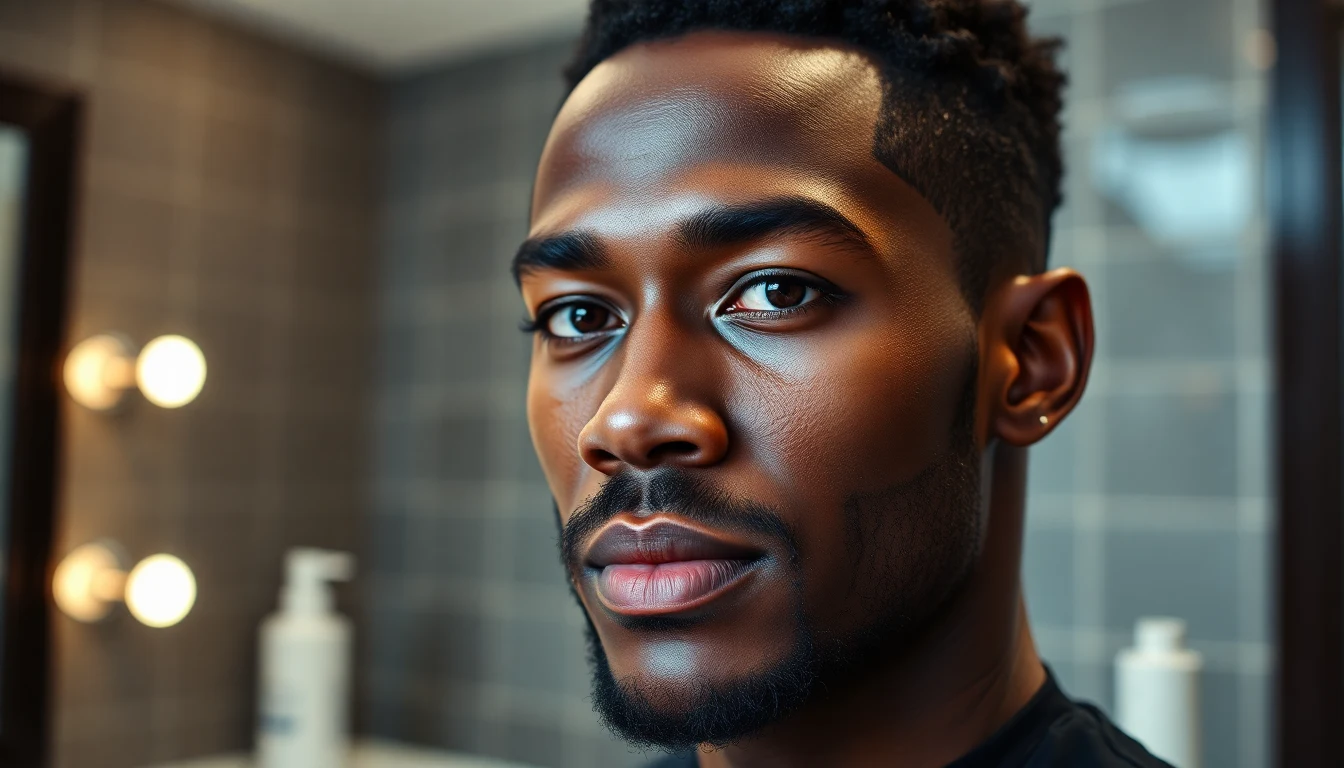
Dirty blonde is a shade that sits between dark blonde and light brown, and it is one of the most natural-looking blonde options for Black men. On 3C to 4A curls, dirty blonde creates a warm, dimensional tone that does not scream “I bleached my hair.” It says “my hair just does this.”
| Detail | Info |
|---|---|
| Maintenance Level | Medium. Requires toning every 4-6 weeks to prevent brassiness. |
| Damage Risk | Moderate. You are lightening the entire head, but not to extreme levels. |
| Salon vs. DIY | Salon recommended. Achieving an even dirty blonde on curls requires skill. |
| Cost Estimate | $100-$200 at a salon. $30-$45 DIY. |
Dirty blonde requires less lifting than platinum, which means less processing time and less damage. For most Black men starting from natural black or dark brown, you are looking at one session of bleach (30 volume developer, processed for 30-45 minutes depending on texture), followed by a toner in a warm blonde shade. The key is stopping the lift at a golden-orange stage rather than pushing to pale yellow. Mastering blonde hairstyles for black men takes practice but delivers great results.
If you style your curls with product, know that curl creams and gels can affect how the color looks when wet versus dry. Wet dirty blonde curls look darker. Dry, defined curls show the true color. Keep that in mind when you evaluate the results in the salon mirror.
5. Honey Blonde Fade
The honey blonde fade combines a warm, golden-blonde top with a sharp skin fade on the sides. It is one of the most popular blonde looks in barbershops right now because it is structured, clean, and versatile enough for both casual and professional settings.
| Detail | Info |
|---|---|
| Maintenance Level | High. Fade needs a touch-up every 1-2 weeks. Color roots show within 3 weeks. |
| Damage Risk | Moderate. Full-head color plus frequent barber visits. |
| Salon vs. DIY | Salon for color. Barber for the fade. Two separate appointments for most guys. |
| Cost Estimate | $150-$300 combined (color + fade). Ongoing: $30-$50 for fade every 2 weeks. |
Honey blonde is the shade I recommend most to guys trying color for the first time. It is warm enough to complement most Black skin tones, forgiving enough that slight brassiness still looks intentional, and subtle enough that it does not shock people at the office. Think of it as the gateway blonde.
If you pair this with a curly hair fade, the texture on top adds dimension to the color. The curls catch light at different angles, so the honey shade shifts from golden to caramel depending on the lighting. That is the kind of visual depth you cannot get from flat, straight hair.
6. Platinum Mohawk
The platinum mohawk is for the guy who wants maximum attention. Shave or fade the sides down to skin, leave a strip of hair down the center (usually 2-4 inches wide), and bleach that strip to bright platinum. The contrast between the dark skin on the sides and the bright blonde center creates an aggressive, confident silhouette.
| Detail | Info |
|---|---|
| Maintenance Level | High. Sides need weekly maintenance. Platinum strip needs root touch-ups every 2-3 weeks. |
| Damage Risk | Moderate to high. The center strip is bleached aggressively and repeatedly. |
| Salon vs. DIY | Salon for the initial bleach. Many guys maintain the sides at home with clippers. |
| Cost Estimate | $100-$200 for initial color. $30-$50 for barber fades on sides every 1-2 weeks. |
The platinum mohawk works best when the center strip is styled with intention. Brush it up for height, twist it forward for movement, or let it lay flat for a more subtle profile. The versatility surprises most people. This is not a one-look haircut.
One word of caution: the center strip is bearing all the chemical load. Rotate between protein treatments and moisture treatments weekly. Olaplex No. 3 is worth the investment here. It rebuilds disulfide bonds in the hair shaft that bleach breaks down. Use it before every wash.

7. Blonde Streak / Money Piece
The blonde streak, sometimes called the money piece, is a single section of blonde framing the face. Usually it sits at the front, right above the forehead, and can be as narrow as one inch or as wide as three. The rest of the hair stays natural black or dark brown.
| Detail | Info |
|---|---|
| Maintenance Level | Low. A single streak is easy to touch up and grows out cleanly. |
| Damage Risk | Low. Only a small section of hair is processed. |
| Salon vs. DIY | DIY-friendly. One of the easiest blonde looks to do at home. |
| Cost Estimate | $50-$100 at a salon. $15-$25 DIY. |
This is the lowest-commitment blonde on the list. If your job has a conservative dress code or you are not sure blonde is your thing, the money piece lets you test the waters. One section. One bleach session. If you hate it, you cut it off or grow it out in a few months.
The money piece works on every hair length and texture. Short curls, medium twists, long locs. The placement is what matters. Keep it centered above the forehead for the classic look, or offset it slightly to one side for an asymmetric vibe.
8. Strawberry Blonde Afro
Strawberry blonde is a warm, reddish-gold shade that lands somewhere between blonde and light auburn. On a full afro, it creates a vintage, retro-inspired look that references 1970s style while still feeling current. Think warm sunset tones in a cloud of texture.
| Detail | Info |
|---|---|
| Maintenance Level | Medium. Requires toning every 4-6 weeks. Afro shape needs regular trimming. |
| Damage Risk | Moderate to high. A full afro means a lot of hair is being processed. |
| Salon vs. DIY | Salon strongly recommended. Even color distribution on an afro is difficult. |
| Cost Estimate | $150-$350 at a salon depending on hair length and density. |
Strawberry blonde requires less lifting than platinum or ash tones because you are stopping at a warmer stage of the lightening process. For 4B and 4C hair, this means less processing time and less risk. The colorist lifts the hair to a medium orange, then tones it with a strawberry or copper-gold formula.
Moisture is everything with this look. A bleached afro that is not properly conditioned turns into a dry, crunchy halo. Deep condition weekly. Use a leave-in conditioner daily. Sleep in a satin bonnet or on a satin pillowcase to prevent friction damage.
9. Ash Blonde Crop
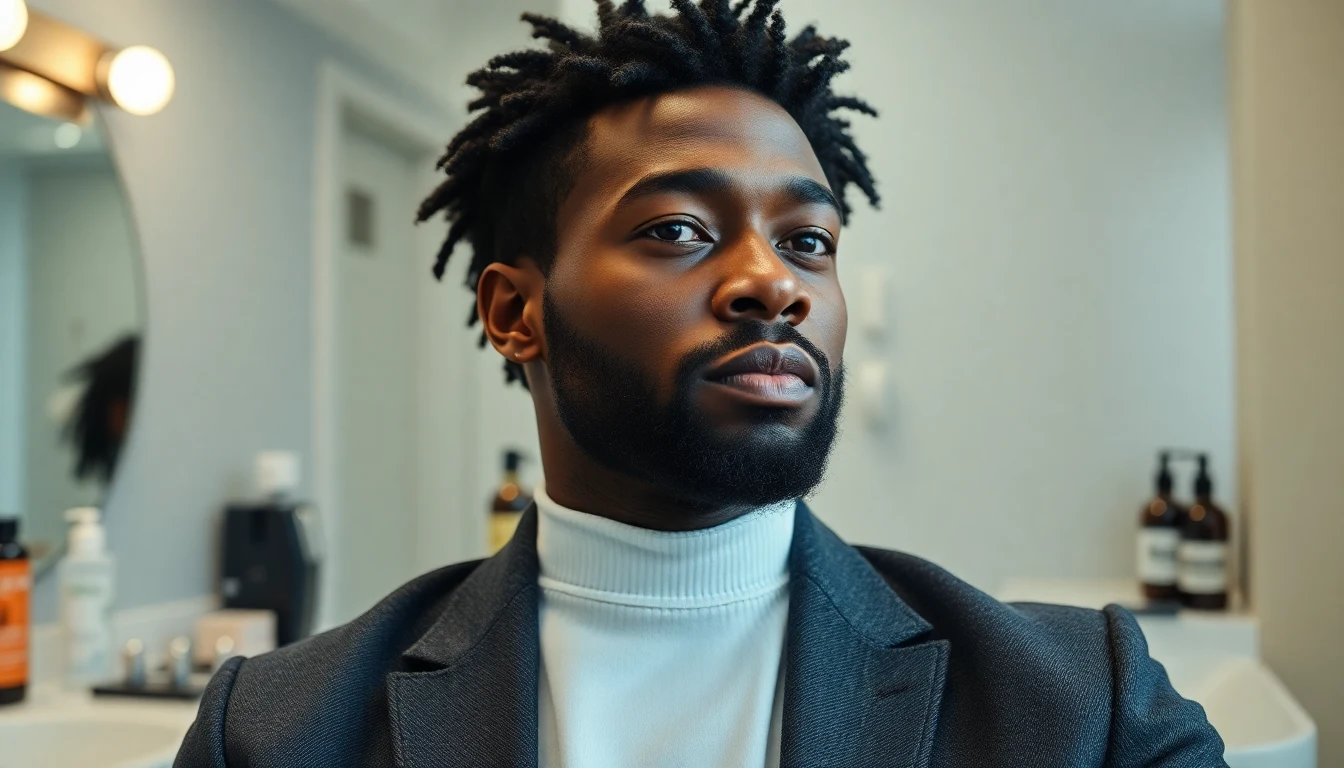
The ash blonde crop is a cooler, more muted alternative to platinum. Instead of bright white-yellow, ash blonde has a grayish, smoky quality that reads as sophisticated rather than loud. Pair it with a textured crop cut (1-2 inches on top, tapered or faded sides) for a modern, editorial look.
| Detail | Info |
|---|---|
| Maintenance Level | High. Ash tones fade fast and require purple shampoo and toner every 2-3 weeks. |
| Damage Risk | Moderate to high. You must lift to pale yellow before applying ash toner. |
| Salon vs. DIY | Salon recommended. Ash toning on textured hair is tricky to get right. |
| Cost Estimate | $120-$220 at a salon. $35-$50 DIY. |
Ash blonde is the hardest shade to maintain on this list. The cool tones wash out faster than warm tones, which means you need a toning routine between salon visits. Use Fanola No Yellow Shampoo once a week to neutralize brassiness. Leave it on for 5-10 minutes before rinsing. Your shower will look like a purple crime scene, but your hair will stay cool-toned.
This shade works best on guys with cooler undertones in their skin (blue-black, deep espresso). If your skin has strong golden or reddish undertones, ash blonde can look flat or washed out. Honey or dirty blonde will serve you better.
10. Two-Tone: Blonde and Black
Two-tone splits the head into two distinct color zones. The most common versions are blonde on top with black sides, blonde in the front with black in the back, or a vertical half-and-half split down the center. This is a statement look. It is loud, intentional, and not for the guy who wants to blend in.
| Detail | Info |
|---|---|
| Maintenance Level | Medium to high. Depends on the split placement and how fast your hair grows. |
| Damage Risk | Moderate. Only half the hair is processed, which cuts the overall risk. |
| Salon vs. DIY | Salon recommended for clean lines and even color. |
| Cost Estimate | $100-$250 at a salon. |
The top-blonde, sides-dark version is the most practical two-tone. It lines up naturally with a fade haircut, so the color transition and the length transition happen in the same zone. Your barber handles the fade, your colorist handles the blonde. Two appointments, one cohesive look.
If you go for the half-and-half split, know that the dividing line must be sharp. A blurry, uneven center line looks like a mistake. Ask your colorist to section the hair carefully and apply foils right up to the part line. This is not a DIY-friendly variation.
11. Golden Blonde Braids
Golden blonde braids combine color and protective styling in one look. You can either bleach your natural hair to golden blonde and then braid it, or braid your natural hair and weave in blonde extension hair for a non-chemical approach. Both methods look fire. The extension route is obviously less damaging.
| Detail | Info |
|---|---|
| Maintenance Level | Low to medium. Braids last 4-8 weeks with proper care. |
| Damage Risk | Low (extensions) to moderate (bleached natural hair). Extensions avoid chemical damage entirely. |
| Salon vs. DIY | Salon or professional braider for both methods. |
| Cost Estimate | $80-$200 for braids. Add $100-$200 if bleaching natural hair first. |
The extension route deserves its own mention because it gives you blonde braids with zero chemical damage. Buy 27 or 613 blonde braiding hair (Kanekalon or X-Pression brands are the standard), and your braider feeds it in alongside your natural hair. When you take the braids out, your hair is exactly the same as when you started. No bleach, no breakage, no recovery period.
If you bleach your natural hair first, follow the safety guidelines in the bleaching section below. Let the hair rest for at least a week after bleaching before braiding to avoid compounding chemical stress with physical tension.
12. Bleached Flat Top
The flat top is a legacy cut in Black barbershop culture. Adding platinum or golden blonde to it creates a look that references the late 1980s and early 1990s while feeling completely modern. The flat surface of the cut becomes a canvas for even, striking color.
| Detail | Info |
|---|---|
| Maintenance Level | High. Flat tops need shaping every 1-2 weeks. Color roots show quickly on the flat surface. |
| Damage Risk | Moderate to high. The hair is standing upright, which makes breakage more visible. |
| Salon vs. DIY | Salon for color. A skilled barber who knows flat tops for the cut. These are two different professionals. |
| Cost Estimate | $120-$250 for color. $30-$50 for flat top shaping every 1-2 weeks. |
The flat top requires hair that stands upright naturally, which is where 4B and 4C textures have a natural advantage. The tight coil pattern gives the hair structure and height without product in many cases. Bleaching can soften the coil pattern slightly, so you may need a stronger hold product after coloring. A light application of gel for 4C hair around the edges of the flat top helps maintain the sharp geometric shape.
This cut is not common anymore, which is exactly why it stands out. If you have a barber who can cut a proper flat top (and not every barber can), adding blonde to it is a conversation starter every single time.
Blonde Shade Comparison Chart
Use this chart to compare all 12 looks at a glance. The “lift level” tells you how much your natural hair needs to be lightened, which directly correlates with damage risk.
| Look | Shade | Lift Level | Maintenance | Damage Risk | Best For |
|---|---|---|---|---|---|
| Platinum Buzz Cut | Platinum | Very High | Medium | Moderate | Short hair, bold statement |
| Highlights on Twists | Varies | Medium-High | Low-Med | Low-Mod | First-timers, commitment-averse |
| Blonde Tips on Dreads | Golden/Platinum | Medium-High | Low | Low-Mod | Loc wearers wanting subtle color |
| Dirty Blonde Curls | Dirty Blonde | Medium | Medium | Moderate | Natural, warm look on curls |
| Honey Blonde Fade | Honey Blonde | Medium | High | Moderate | First-timers, versatile |
| Platinum Mohawk | Platinum | Very High | High | Mod-High | Bold, avant-garde style |
| Blonde Streak | Varies | Medium-High | Low | Low | Lowest commitment, any length |
| Strawberry Blonde Afro | Strawberry Blonde | Medium | Medium | Mod-High | Warm-toned, retro vibe |
| Ash Blonde Crop | Ash Blonde | High | High | Mod-High | Cool undertones, editorial look |
| Two-Tone | Blonde + Black | High | Med-High | Moderate | Statement, creative expression |
| Golden Blonde Braids | Golden Blonde | None-High* | Low-Med | Low-Mod | Protective styling, versatile |
| Bleached Flat Top | Platinum/Golden | High-V. High | High | Mod-High | Legacy cut, 4B/4C textures |
*Golden Blonde Braids can be done with extensions (no lift needed) or bleached natural hair (high lift).
Bleaching Safety Guide for Textured Hair
This is the section that matters most. I have seen guys walk out of salons with hair that felt like cotton candy because nobody told them how bleach interacts with textured hair. Coily and kinky hair types (3C through 4C) have a structural difference that changes everything about the bleaching process.
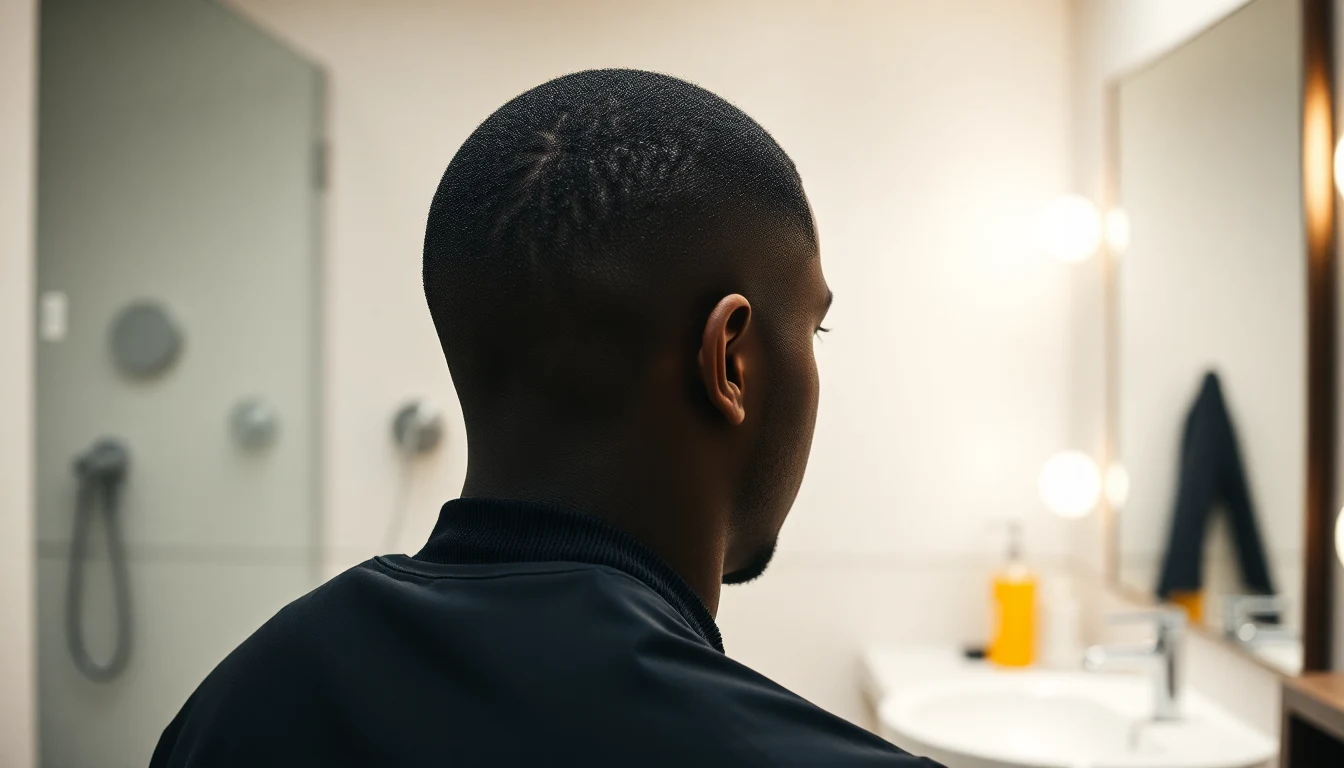
Here is the science, kept simple. Each hair strand has three layers: the cuticle (outer shell), the cortex (color and structure), and the medulla (core). On straight hair, the cuticle scales lie flat and overlap tightly. On textured hair, the cuticle is thinner and the scales are more raised, especially at the bends of each curl or coil. Those bends are weak points. Bleach penetrates faster at those weak points, which means textured hair lightens unevenly and breaks more easily than straight hair during the same process.
Before You Bleach: The Non-Negotiable Checklist
- Strand test first. Cut a small section of hair from an inconspicuous spot. Bleach it with the same products and timing you plan to use on your full head. Wait 24 hours. If the strand feels gummy, stretchy, or snaps when pulled, reduce your processing time or developer volume.
- Assess your hair’s current health. If you have been using heat tools regularly, your hair has existing damage. If you have a relaxer or texturizer in your hair, do not bleach over it without consulting a professional. Chemical overlap causes severe breakage.
- Deep condition for two weeks before bleaching. Load your hair with moisture using a leave-in conditioner and weekly deep conditioning treatments. You are building a moisture reserve that the bleach will draw down.
- Do not wash your hair the day of bleaching. Your scalp’s natural oils create a protective barrier. Shampooing strips that barrier and increases scalp irritation during processing.
- Choose the right developer volume. For most Black hair going blonde, 20 volume (6%) or 30 volume (9%) developer is appropriate. Never use 40 volume on textured hair. The extra strength is unnecessary and dramatically increases breakage risk.
During the Process
- Apply bleach from mid-shaft to ends first. Your roots process faster due to body heat. If you apply to roots first, they will over-process while the ends are still dark.
- Check every 10-15 minutes. Wipe a small section of bleach off and look at the underlying color. You are looking for even lifting. If some sections are lifting faster, they may need to be rinsed first.
- Do not exceed 45 minutes of processing time on textured hair. If you have not reached your target level in 45 minutes, rinse, condition, wait a week, and do a second session. Pushing past 45 minutes on coily hair risks irreversible damage.
- Rinse with cool water. Hot water opens the cuticle further. Cool water helps close it.
After Bleaching: Recovery Protocol
- Apply a bond-repairing treatment immediately. Olaplex No. 3 or a similar bond repair product should be applied to damp hair right after bleaching. Leave on for at least 10 minutes before shampooing.
- Deep condition weekly for the first month. Use a moisture-focused mask, not a protein-focused one, for the first two treatments. Then alternate moisture and protein. Mielle Babassu Oil Deep Conditioner is a solid moisture option.
- Reduce heat styling. Your hair is now more porous and more fragile. If you use a blow dryer, keep it on the lowest heat setting and use a heat protectant.
- Switch to a sulfate-free shampoo. Sulfates strip color and moisture. A gentle, sulfate-free shampoo will help your color last longer and your hair stay healthier.
- Sleep on satin. A satin pillowcase or bonnet reduces friction, which is critical for bleached textured hair that is more prone to breakage.
When to Walk Away
Not every head of hair can safely go blonde. If any of the following apply, reconsider or choose a lower-lift option like highlights or a money piece:
- You have an active relaxer or texturizer in your hair.
- Your hair is already damaged from heat or previous chemical treatments.
- You have scalp conditions like eczema, psoriasis, or open sores.
- Your strand test resulted in breakage or gummy texture.
- You are not willing to commit to the aftercare routine.
Blonde hair on Black men looks incredible when it is healthy. Blonde hair that is dry, breaking, and thin looks like damage, not a style choice. The aftercare is not optional.
Toner Schedule and Color Maintenance
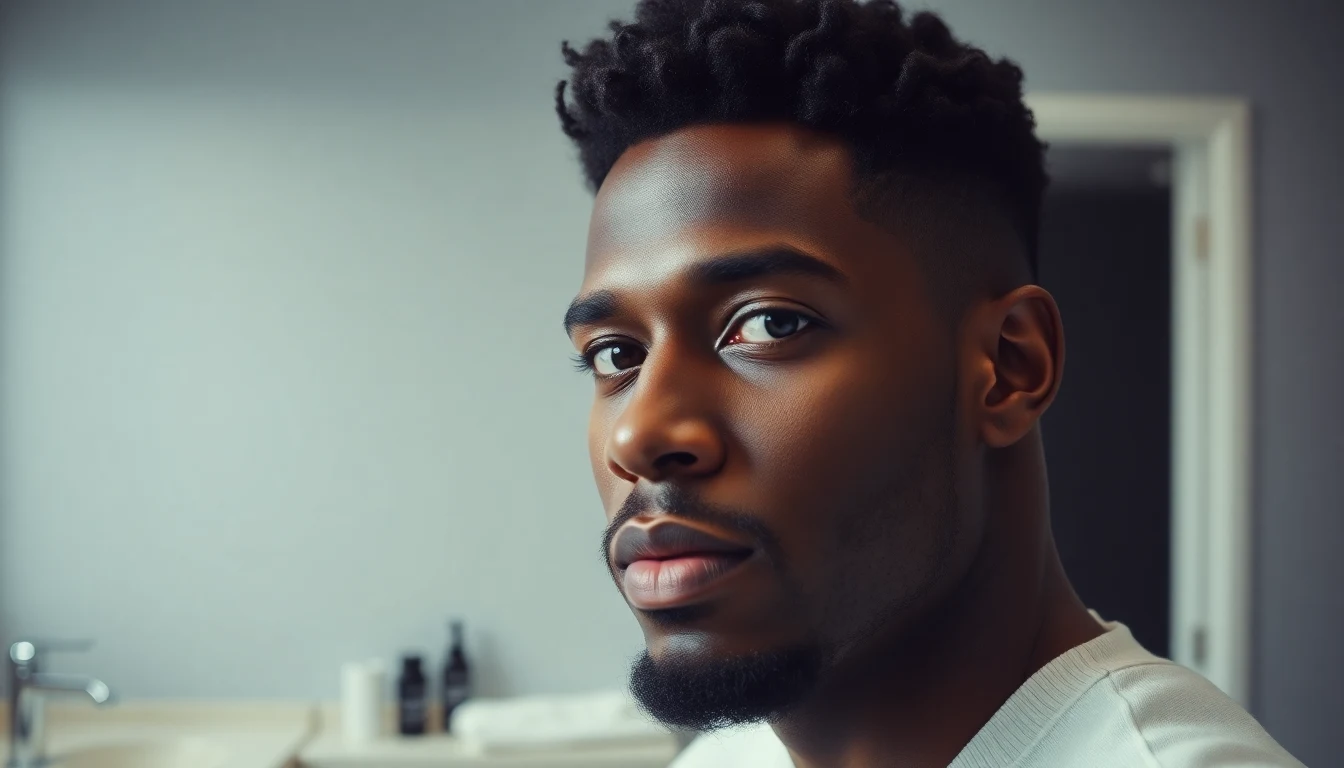
Bleaching gets you to blonde. Toner keeps you there. Without toner, bleached textured hair turns brassy (orange-yellow) within 2-4 weeks because the underlying warm pigments in dark hair start showing through. Here is how to maintain each shade.
Toner Recommendations by Shade
| Blonde Shade | Toner Type | Product Example | Frequency |
|---|---|---|---|
| Platinum | Purple/violet toner | Wella T18 | Every 2-3 weeks |
| Ash Blonde | Purple shampoo + ash toner | Fanola No Yellow | Weekly (shampoo) + every 3-4 weeks (toner) |
| Honey Blonde | Gold or caramel gloss | Semi-permanent gold gloss | Every 4-6 weeks |
| Dirty Blonde | Warm blonde toner | Demi-permanent warm blonde | Every 4-6 weeks |
| Strawberry Blonde | Copper or rose gold toner | Semi-permanent copper gloss | Every 3-4 weeks |
| Golden Blonde | Gold toner | Demi-permanent golden blonde | Every 4-6 weeks |
At-Home Toning Tips
- Purple shampoo is not a replacement for toner. It deposits pigment on the surface to neutralize yellow tones, but it does not penetrate like a proper toner. Use it between toner appointments, not instead of them.
- Do not leave purple shampoo on too long. Five to ten minutes maximum. Longer than that, and you risk a gray or violet cast that is difficult to correct.
- Semi-permanent color is your friend. For maintaining warm blondes (honey, golden, strawberry), a semi-permanent color in your target shade refreshes the tone without additional damage. It washes out gradually over 4-8 shampoos.
- Hard water affects toner longevity. If your water supply has high mineral content, install a shower filter. Minerals build up on bleached hair and accelerate color fading.
Cost Breakdown: Budget, Mid-Range, and Premium
Going blonde is not cheap, and pretending otherwise would be dishonest. Here is what you should budget depending on your approach and maintenance commitment.
| Tier | Initial Cost | Monthly Maintenance | What You Get |
|---|---|---|---|
| Budget (DIY) | $25-$50 | $15-$25 | Box bleach kit, drugstore toner, purple shampoo. Higher risk of uneven color. Works best for buzz cuts, money pieces, and loc tips. |
| Mid-Range (Salon) | $100-$200 | $40-$80 | Professional bleach and toner application. Salon-quality products. Strand test included. Recommended for most first-timers. |
| Premium (Specialist) | $200-$400+ | $60-$120 | Color specialist experienced with textured hair. Bond repair integrated into the process. Custom toner formula. For platinum, ash, and full-head transformations. |
Here is the honest truth: if your budget is tight, start with a money piece or blonde tips on locs. These are the most affordable options and the most forgiving if something goes wrong. Do not try to go full platinum on a $30 budget. The damage recovery will cost you more than the salon appointment would have.
How to Find a Colorist Who Knows Textured Hair
Not every hairstylist knows how to bleach 4B and 4C hair. I have heard too many stories of guys walking into a salon, sitting in a chair, and watching a stylist apply the same technique they use on straight hair. The result is breakage, uneven color, and money wasted.
Here is how to find the right person:
- Check Instagram portfolios. Search for colorists in your city and look specifically at their work on textured hair. Not just dark skin. Textured hair. If their portfolio is all straight-haired clients, keep looking.
- Ask directly. Call or DM the salon and ask: “Do you have a colorist experienced with 4B or 4C hair?” If they hesitate or say “we work on all hair types” without specifics, that is not confidence. That is uncertainty.
- Request a consultation before booking. A good colorist will want to see and touch your hair before committing to a plan. They will discuss your goals, assess your hair’s health, and give you an honest timeline. If someone promises you full platinum in one session starting from virgin 4C hair, find someone else.
- Ask about their developer and bleach brands. Professional colorists use professional products (Schwarzkopf, Wella, Redken, Joico). If someone is using a box bleach kit from the drugstore in a salon setting, that is a red flag.
- Read reviews from Black clients specifically. Google reviews, Yelp, and Facebook all allow you to search for keywords. Look for reviews that mention textured hair, natural hair, or 4C hair by name.
Your barber and your colorist are usually two different people. Your barber handles the cut and fade. Your colorist handles the bleach and tone. The best results come when they communicate with each other about the final look you want. Some shops have both services under one roof, which makes this easier.
Common Mistakes and How to Avoid Them
I have seen every mistake on this list in person. Some of them on my own head. Learn from the collective experience.
- Using 40 volume developer on textured hair. This is the most common damage mistake. Thirty volume is the maximum for most Black hair. Twenty volume is safer for fine or previously processed hair. Forty volume exists for stubborn straight hair, not for coils that already have vulnerable cuticle structure.
- Skipping the strand test. Takes 30 minutes. Saves your entire head of hair. There is no excuse for skipping it.
- Trying to go platinum in one session from natural black. Your hair needs to pass through red, orange, yellow, and pale yellow stages to reach platinum. Forcing that journey into one sitting causes severe damage. Budget two sessions minimum, three for 4C hair.
- Bleaching over a relaxer or texturizer. Chemical overlap is the fastest route to hair loss. If you have any chemical treatment in your hair, consult a professional before adding bleach.
- Neglecting aftercare. The bleaching session is 10% of the commitment. The other 90% is maintaining healthy, moisturized hair every single day after. If you are not willing to deep condition weekly and use bond repair products, choose a lower-maintenance look.
- Using regular shampoo on bleached hair. Sulfates strip color fast. Switch to sulfate-free immediately after bleaching. A good sulfate-free shampoo protects both your color and your hair’s structural integrity.
- Ignoring brassiness. Brassy blonde is not a style. It is a sign that your toner has faded. Stay on schedule with your toning routine, or the blonde you worked so hard for will turn into an unintentional copper.
Products You Need for Healthy Blonde Hair
Whether you go platinum or honey, the product stack for maintaining bleached textured hair is essentially the same. Here is what I recommend based on what actually works on 4B and 4C hair. When it comes to blonde hairstyles for black men, technique matters most.
Bond Repair
Olaplex No. 3 Hair Perfector ($30). Use before every wash. This is the single most important product for bleached textured hair. It reconnects broken disulfide bonds that bleach destroys. Your hair will feel stronger and more elastic within two uses. When it comes to blonde hairstyles for black men, technique matters most.
Deep Conditioner (Moisture)
SheaMoisture Manuka Honey & Mafura Oil Masque ($12-$15). Use weekly. Heavy moisture that penetrates porous, bleached hair. Leave on for 20-30 minutes under a plastic cap for best results.
Deep Conditioner (Protein)
Aphogee Two-Step Protein Treatment ($12-$15). Use every 2-3 weeks. Rebuilds protein structure in severely damaged hair. Your hair will feel hard and stiff during processing. That is normal. Follow with a moisturizing conditioner.
Purple Shampoo (Cool Blondes Only)
Fanola No Yellow Shampoo ($15-$18). Use weekly for platinum and ash blondes. The purple pigment neutralizes yellow and brassy tones. Five to ten minutes max. Do not overuse or you will end up with a violet tint.
Leave-In Conditioner
Cantu Shea Butter Leave-In Conditioning Repair Cream ($6-$8). Apply to damp hair after every wash. Provides moisture and light hold. Budget-friendly and effective on bleached 4B and 4C hair. A staple for a reason.
Toner
Wella T18 Lightest Ash Blonde Toner ($8-$12). The industry standard for achieving a clean platinum or ash blonde. Mix with 20 volume developer and apply after bleaching. Neutralizes yellow undertones completely when used on properly lifted hair.
Frequently Asked Questions
Does bleaching damage Black hair permanently?
Bleaching causes permanent structural changes to each strand it processes. The hair that grows from the root afterward is virgin and undamaged. The key is minimizing damage to existing hair through proper developer volume (20-30 volume max), processing time limits (45 minutes max per session), and consistent aftercare with bond repair and deep conditioning treatments.
Can I bleach my hair at home?
Simple looks like a money piece, buzz cut bleach, or loc tips are DIY-friendly with proper research and a strand test. Full-head platinum, ash blonde, and even color distribution on longer hair should be done by a professional colorist experienced with textured hair. The cost of fixing a botched home bleach job always exceeds the cost of doing it right in a salon.
How long does blonde hair last on Black men?
The bleached portion of your hair stays lightened permanently until it grows out or is cut off. The tone (platinum, honey, ash) fades and needs refreshing every 2-6 weeks depending on the shade. Roots grow in dark within 2-3 weeks. Most guys either touch up roots monthly or cut the hair short enough that roots are not visible.
What is the safest blonde look for Black men who have never colored their hair?
A blonde streak (money piece) or blonde highlights on twists are the safest entry points. Both options process only a small portion of your hair, limiting damage. Honey blonde is the safest full-head color because it requires less lifting than platinum or ash, meaning shorter processing time and less chemical exposure.
How much does it cost to go blonde as a Black man?
Initial salon costs range from $80 for a simple money piece to $350+ for a full-head platinum transformation on longer hair. DIY costs range from $15 to $50 for materials. Monthly maintenance adds $40-$120 depending on the shade and whether you maintain at home or in a salon. Budget blondes (money piece, buzz cut) run $25-$50 total. Premium transformations (platinum on long hair) can exceed $500 including aftercare products.
Will blonde hair affect my job prospects?
This depends on your industry and workplace culture. Honey blonde and dirty blonde are the most conservative options and rarely draw negative attention in professional settings. Platinum, two-tone, and bright shades are more common in creative industries, entertainment, and tech. Many corporate environments have relaxed significantly on grooming standards, but some conservative fields still have expectations. Subtle options like highlights or a money piece let you express style without committing to an all-over look.
Can I go blonde if I have a relaxer in my hair?
Bleaching over a relaxer or texturizer is extremely risky and can cause severe breakage or hair loss. The chemicals in relaxers (sodium hydroxide or calcium hydroxide) weaken the hair structure, and adding bleach compounds that damage. Consult a professional colorist experienced with chemically treated textured hair before attempting any color. Many colorists will recommend growing out the relaxer first or choosing a gentler coloring method.
What to Do Next
Here is the play-by-play:
- Pick your shade. Use the comparison chart above to match your skin undertone, budget, and maintenance tolerance.
- Get your hair ready. Deep condition for two weeks before your appointment. Build that moisture reserve.
- Find a colorist who knows textured hair. Check portfolios, ask questions, and request a consultation before you commit.
- Budget for aftercare. Bond repair, deep conditioner, purple shampoo (if going cool-toned), and sulfate-free shampoo are non-negotiable investments.
- Start small if you are unsure. The money piece and blonde tips on locs are low-commitment entry points that let you test the look without going all in.
If your hair health needs attention before you add color, start with the basics. Our guide on how to grow healthy 4C hair covers the foundation of moisture, protein balance, and protective styling that every blonde look depends on. Get the health right first. The color will follow.
Blonde on dark skin is one of the most powerful style moves in men’s grooming. But it is only powerful when the hair is healthy, the shade is right for your undertone, and the maintenance is locked in. Do the work, and you will turn heads for the right reasons.
Last updated: February 2026
Written by Darius Washington, Black Men’s Grooming Editor at CulturedGrooming.com