Last updated: February 2026 by Marcus Chen-Williams, Founder & Editor-in-Chief
A fresh fade looks incredible on day one. By day seven, the crispness starts slipping. By day 14, you are staring in the mirror wondering if you imagined the whole thing. That is the reality of how to maintain a fade: the sharper the cut, the faster it grows out, and the more work it takes to keep it looking right between barber visits.
I get a fade every two weeks. I have done this for over a decade. And somewhere around year three, I realized that what I did between those visits mattered almost as much as the cut itself. The right touch-up technique, the right products, and knowing exactly what NOT to try at home are the difference between a fade that looks good for three days and one that holds up for ten.
This guide covers all of it. If you want the quick version, jump to the DIY touch-up section and the guard number reference chart. If you want to understand why your fade dies so fast and what to do about it, start here.
How Long Does a Fade Actually Last?: How To Maintain A Fade
The honest answer: it depends on the type of fade, your hair growth rate, and your hair texture. But here are the general timelines based on what I have seen across years of testing and talking to barbers in four cities.

Fade Longevity by Type
| Fade Type | Looks Fresh | Still Acceptable | Needs a Refresh |
|---|---|---|---|
| Skin fade | Days 1 to 5 | Days 5 to 10 | Day 10+ |
| High fade | Days 1 to 5 | Days 5 to 10 | Day 10+ |
| Mid fade | Days 1 to 7 | Days 7 to 14 | Day 14+ |
| Low fade | Days 1 to 10 | Days 10 to 21 | Day 21+ |
| Taper fade | Days 1 to 10 | Days 10 to 21 | Day 21+ |
| Shadow fade | Days 1 to 7 | Days 7 to 14 | Day 14+ |
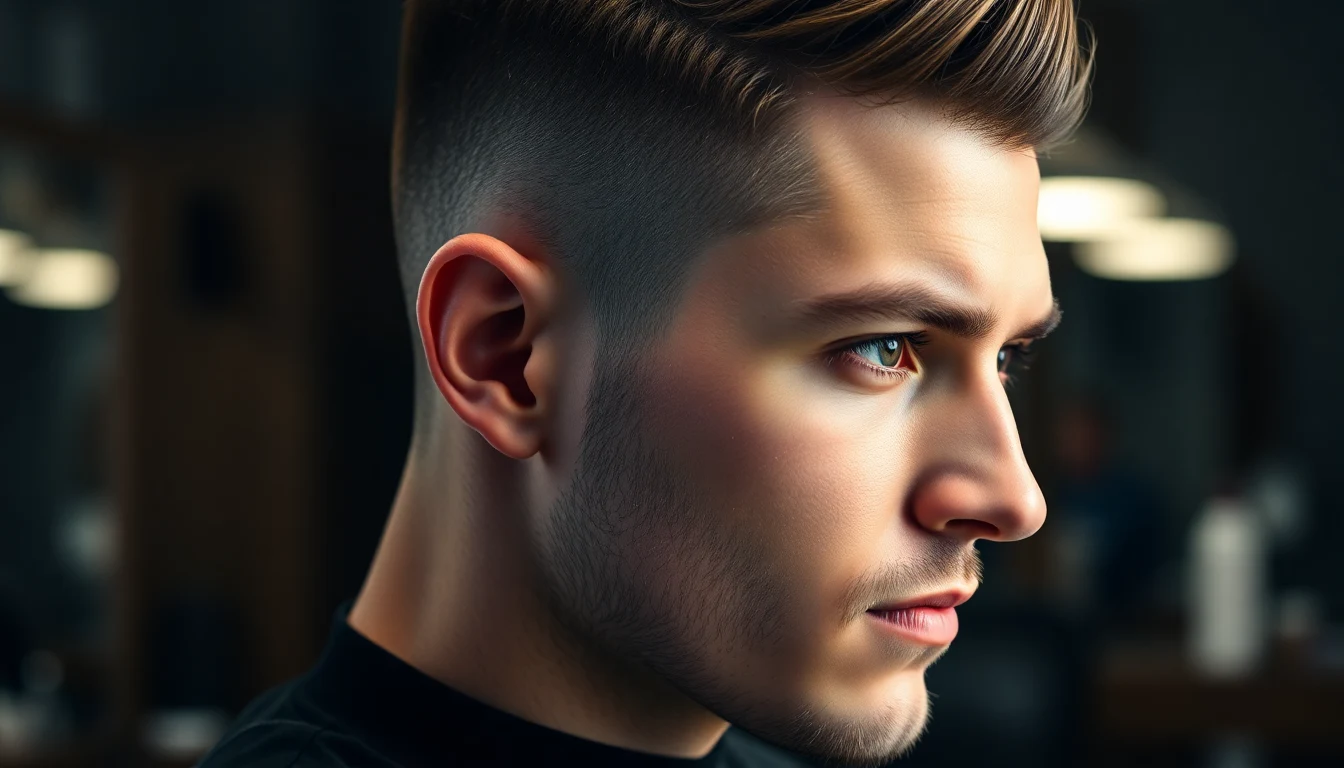
The rule of thumb: the more dramatic the contrast (skin to hair, short to long), the faster the fade loses its crispness. A skin fade creates maximum contrast and grows out the fastest. A low fade with a gradual taper has less contrast and holds its shape significantly longer.
Hair Type Affects Longevity
Your hair texture plays a major role in how quickly a fade loses definition:
- Straight, fine hair (Type 1A to 1B): Shows regrowth fastest. Even a millimeter of new growth is visible because the hair lies flat and there is no curl to disguise the transition. Average fade life: 7 to 10 days.
- Straight, thick hair (Type 1C to 2A): Slightly more forgiving. The added density provides some visual buffer. Average fade life: 10 to 14 days.
- Wavy hair (Type 2B to 2C): The wave pattern helps mask the grow-out line. Average fade life: 10 to 14 days.
- Curly hair (Type 3A to 3C): Curls create natural volume that disguises the transition zone. A curly hair fade can look acceptable for two weeks or more. Average fade life: 12 to 18 days.
- Coily hair (Type 4A to 4C): The tight curl pattern provides the most forgiveness. The texture hides regrowth well, especially on lower fades. Average fade life: 14 to 21 days. However, the line-up grows out visibly faster and needs attention sooner.
Growth Rate Matters Too
Human hair grows about half an inch per month on average, which works out to roughly 1/8 inch per week. But “average” is meaningless when your hair grows faster or slower than that. Some men see noticeable regrowth after five days. Others look decent for three weeks. Pay attention to your own pattern and schedule your barber visits accordingly, not based on some generic timeline from the internet.
DIY Touch-Up Techniques That Actually Work
Let me be very clear about something before we start: you are not re-creating your fade at home. You are maintaining it. There is a massive difference. Your barber spent years learning how to blend a gradient seamlessly. You are going to clean up the edges. That is it. If you try to re-blend the fade itself, you will almost certainly make it worse.
With that understanding, here are the touch-ups you can safely do at home.
Neckline Cleanup
This is the single most effective DIY maintenance technique. Your neckline is the first thing that grows out and the easiest to fix yourself.
What you are doing: Removing the stray hairs that grow below your barber’s original neckline. You are NOT changing the shape of the neckline or the fade. You are removing the fuzz beneath it.
Step-by-step:
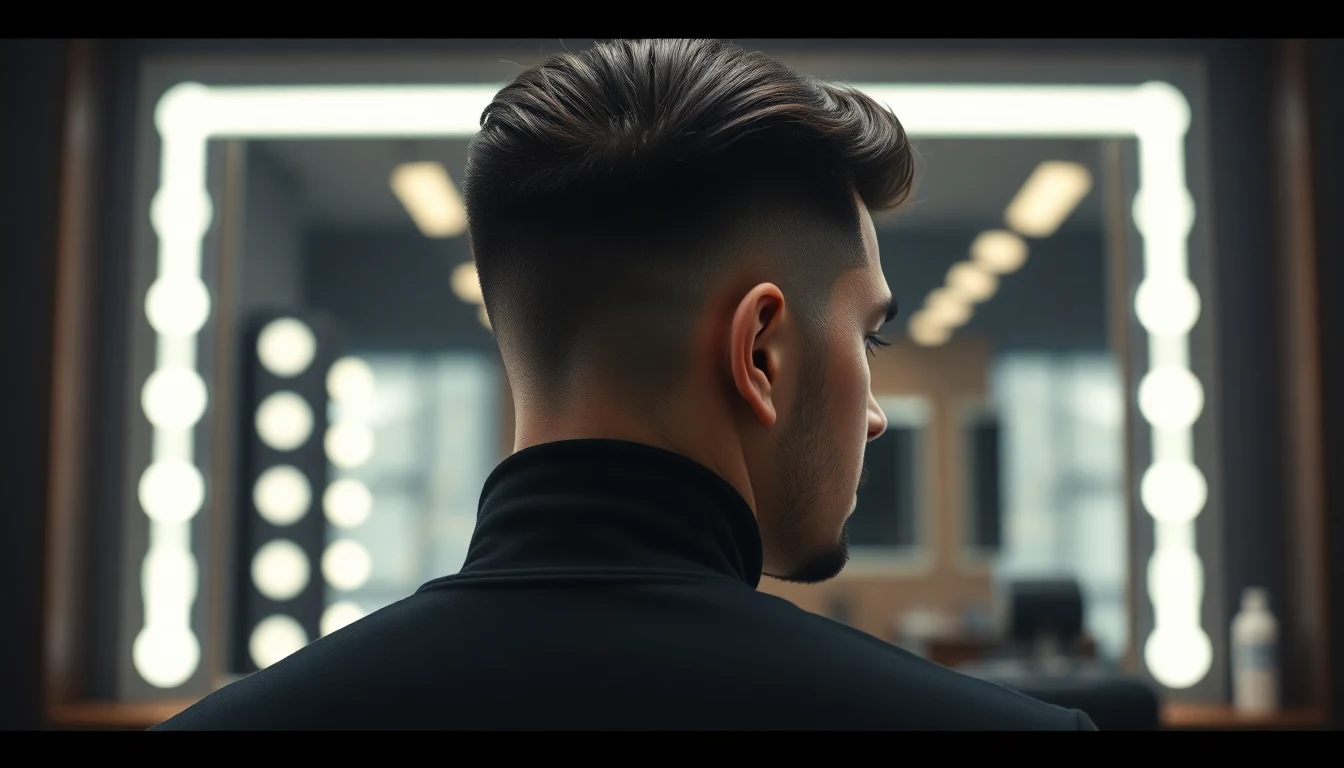
- Set up your mirrors. You need to see the back of your head clearly. A wall-mounted bathroom mirror plus a handheld mirror is the minimum setup. Hold the hand mirror at an angle so you can see the neckline in the wall mirror’s reflection. (More on mirror setup below.)
- Identify the line. Find where your barber originally cut the neckline. There should be a visible transition point where the hair stops and bare skin begins. That is your boundary. Do not go above it.
- Use your trimmer without a guard (or with a #0). Turn your trimmer on and carefully clean up any hair that has grown below that line. Move the trimmer upward, from neck to neckline, using short, controlled strokes.
- Work slowly. Go one stroke at a time and check in the mirror between each pass. It is much easier to take more off than to fix going too high.
- Clean up. Brush away loose hairs with a neck brush or damp towel. Done.
Frequency: Every 3 to 5 days, depending on how fast your neck hair grows.
Sideburn and Ear Cleanup
Stray hairs around the sideburns and ears are the second most visible sign of a fade growing out. This is another safe and easy cleanup.
- Trim the sideburn edge. Use your trimmer without a guard to maintain the line your barber created. If your sideburns are tapered, follow the existing taper downward. If they are squared off, maintain that horizontal line.
- Clean around the ears. Hair growing over the top of the ear looks messy. Use a detailing trimmer (or your regular trimmer without a guard) to carefully remove any hair creeping over the ear.
- Do not go higher than the sideburn. The fade above the sideburn is your barber’s territory. Cleaning below and around the ear is maintenance. Going above is a modification.
Edge-Up / Line-Up Touch-Up
This one is optional and comes with a warning. Maintaining a crisp line-up at home is possible, but it is the riskiest DIY touch-up because any mistake is immediately visible on your forehead.

If you choose to do this:
- Use a precision T-blade trimmer with a sharp, clean blade.
- Follow the EXISTING line your barber created. You are tracing, not creating.
- Start at the temple and work toward the center. Do one side, then the other.
- Make micro-adjustments. Move the trimmer a fraction of an inch at a time.
- If you do not feel confident, skip it. A slightly grown-in line-up looks better than a crooked one.
My honest recommendation: If you have never done your own line-up before, do not start on a day when you have somewhere important to go. Practice on a weekend when a mistake has time to grow back before Monday.
Tools You Need for Fade Maintenance
You do not need a full barber’s kit. You need a few quality tools that you keep clean and charged.
Essential Tools
| Tool | What It Does | What to Look For | Budget |
|---|---|---|---|
| Cordless hair trimmer | Neckline and ear cleanup, guard-number work | Adjustable blade or multiple guard attachments, strong motor, good battery life | $40 to $80 |
| Hand mirror | Seeing the back and sides of your head | Large enough to get a full view, comfortable handle, fog-resistant for bathroom use | $10 to $20 |
| Barber cape or towel | Catching hair clippings | Waterproof cape or dark-colored towel. Saves your shirt and makes cleanup easier. | $5 to $15 |
| Neck brush | Removing loose hairs after trimming | Soft bristles that will not irritate skin | $5 to $10 |
Optional But Helpful
| Tool | What It Does | When You Need It | Budget |
|---|---|---|---|
| Precision T-blade trimmer | Line-up and detail work | If you maintain your own edge-up | $30 to $60 |
| Spray bottle | Dampening hair before trimming | Makes hair easier to see and cut evenly | $3 to $5 |
| Blade oil | Keeps trimmer blades sharp and smooth | After every 2 to 3 uses | $5 to $8 |
| Styling mirror (tri-fold) | Three-panel mirror for full 360-degree view | If you do frequent at-home maintenance | $20 to $40 |
For specific product recommendations, check our guides to the best clippers for fades, best clippers for Black men, and best cordless hair clippers.
The Mirror Setup: How to See the Back of Your Head
This is the part most guys get wrong, and it is the reason most home touch-ups go sideways. You cannot fix what you cannot see.
Method 1: Wall mirror + hand mirror. Stand with your back to the bathroom mirror. Hold a hand mirror in front of you, angled so you can see the back of your head reflected in the wall mirror behind you. This takes practice. Your brain has to reverse the movements, so go slowly at first.
Method 2: Tri-fold mirror. A three-panel vanity mirror gives you a nearly 180-degree view. Set it on a counter at head height and you can see both sides and the back without holding anything. This is the best setup for regular maintenance.
Method 3: Phone camera on a timer. Set your phone on a shelf behind you, open the camera on a 3 to 5 second timer, and snap a photo of the back of your head. Check the photo, make adjustments, repeat. This is slower but gives you the clearest view of the neckline.
What NOT to Try at Home
This section might save you from a very bad day. Here is a list of things that seem like they would be easy but are actually the fastest routes to a hair emergency.
Do Not Re-Blend the Fade
I said it once and I will say it again. The fade gradient, the smooth transition from one guard length to the next, is the part that requires professional skill, the right sightlines, and years of practice. If you try to “touch up the blend,” you will almost certainly create a visible line, a bald spot, or an uneven transition that your barber has to fix (and they will know you tried).
Do Not Push the Fade Line Higher
Your high fade is at the two-week mark and the sides look thick. The temptation is to take the clippers up to where the fade used to be and knock down that growth. Do not do it. You will either go too high, create a line where there should not be one, or both. Let your barber handle the fade line.
Do Not Use a Straight Razor on Your Own Neck
Unless you have genuine experience with a straight razor, do not use one on the back of your own neck while looking in a mirror. The risk of cuts is high, and the difficulty of working in reverse (mirror image) on curved skin makes this a barber-only task.
Do Not Experiment With New Guard Lengths
If your barber uses a #1 on your neckline, do not decide to try a #0 at home to “get it a little shorter.” That small difference is very visible, especially on the neckline where it meets bare skin. Stick with the exact numbers your barber uses. When in doubt, go one guard LONGER, not shorter. You can always take more off, but you cannot put it back.
Do Not Cut Your Own Line-Up Drunk or Tired
This sounds like a joke, but barbers report this as one of the most common “fix my mess” requests. If your judgment or hand steadiness is compromised, step away from the trimmer.

Guard Number Reference Chart for Fade Maintenance
Keep this chart saved on your phone. It tells you exactly which guard numbers correspond to which lengths, so you never have to guess during a touch-up.
| Guard | Length (inches) | Length (mm) | Common Use in Fades |
|---|---|---|---|
| #0 (no guard) | 1/16″ | 1.5 mm | Skin fade starting point, razor-close cleanup |
| #0.5 | 1/16″ | 1.5 mm | Slightly softer than bare blade, tight fade base |
| #1 | 1/8″ | 3 mm | Standard tight fade starting point, neckline cleanup for skin fades |
| #1.5 | 3/16″ | 4.5 mm | Blending guard between #1 and #2, transition zone |
| #2 | 1/4″ | 6 mm | Most popular “sides” length, low fade starting point |
| #3 | 3/8″ | 10 mm | Conservative sides, taper fade starting point |
| #4 | 1/2″ | 13 mm | Upper transition zone, top-to-side blend area |
| #5 | 5/8″ | 16 mm | Longer fade transition, scissor-over-comb territory |
| #6 | 3/4″ | 19 mm | Long taper sides, minimal fade contrast |
| #7 | 7/8″ | 22 mm | Very long sides, nearly uniform length |
| #8 | 1″ | 25 mm | Maximum clipper guard, used for buzz cuts and uniform crops |
How to use this for maintenance: Ask your barber what guard numbers they use at each point of your fade. Write them down or save them in your phone. For example: “Neckline: #0. Bottom of fade: #1. Mid-fade: #2. Top of fade: #3.” When you do your home neckline cleanup, use the same guard your barber uses at the neckline (#0 in this example).
Products That Extend Your Fade’s Life
The right products will not make your hair stop growing, but they will make the grow-out process look more intentional and less messy. Here is what works.
For the Line-Up and Edges
Edge control gel or pomade. A small amount of edge control along your line-up, sideburns, and neckline keeps stray hairs laid down and maintains the appearance of sharp edges even as they grow in. This is especially effective for men with textured or curly hair where new growth tends to push outward.
How to apply: Use a fingertip amount. Warm it between your fingers, then smooth it along the hairline edges. Use a small brush or your finger to press the hairs flat against the skin. Reapply daily if needed.
For the Top Section
Matte clay or paste. As your fade grows out, the sides get thicker and the contrast with the top decreases. A matte clay or styling paste on the top section adds texture and definition, creating a visual separation that mimics the contrast of a fresh fade. It will not replace a barber visit, but it buys you an extra two to three days of looking put-together.

Pomade. For slicked or structured styles, a medium-hold pomade keeps the top shaped and controlled. When the sides grow in and the fade softens, a well-styled top draws the eye upward and away from the growing-out sides.
Dry shampoo. Between wash days, dry shampoo absorbs oil and adds volume to the top section. A flat, oily top makes a grown-out fade look worse because there is no contrast. Dry shampoo keeps the top lifted and textured.
For Textured and Curly Hair
Wave cap or durag. Worn at night, a wave cap compresses your hair and trains it to lay in a consistent pattern. For men with curly fades, this maintains the curl pattern and prevents the sides from puffing out as they grow. It is one of the most effective maintenance tools for textured hair and costs almost nothing.
Leave-in conditioner. A lightweight leave-in keeps textured hair moisturized and defined. Dry, frizzy curls make a grown-out fade look rougher than it is. Moisturized curls lay flatter and maintain their shape better.
Curl sponge. Running a curl sponge over the top section defines and tightens curls, creating more contrast with the shorter sides. This is a one-minute technique that makes a noticeable difference on days 7 through 14.
For All Hair Types
Sea salt spray. Adds texture and volume to the top section on days when you want a more relaxed, lived-in look. Useful for disguising a fade that is growing out by adding visual interest on top.
Heat protectant (if you blow-dry). Blow-drying the top section with a round brush adds volume and direction. If you do this, use a heat protectant. The added volume on top offsets the thickening sides and extends the visual life of the fade.
Scheduling Barber Visits: The Maintenance Calendar
The best fade maintenance strategy is not a product or a technique. It is a schedule. Knowing exactly when to go back to the barber takes the guesswork out of the equation.
Recommended Visit Frequency
| Your Fade Type | Maintenance Level | Recommended Visit Frequency | With Home Touch-Ups |
|---|---|---|---|
| Skin fade / bald fade | High | Every 1 to 2 weeks | Every 2 to 3 weeks |
| High fade | High | Every 1 to 2 weeks | Every 2 to 3 weeks |
| Mid fade | Medium | Every 2 to 3 weeks | Every 3 to 4 weeks |
| Low fade | Low | Every 3 to 4 weeks | Every 4 to 5 weeks |
| Taper fade | Low | Every 3 to 4 weeks | Every 4 to 5 weeks |
| Shadow fade | Medium | Every 2 to 3 weeks | Every 3 to 4 weeks |
The “With Home Touch-Ups” column assumes you are doing neckline cleanup and edge maintenance between visits. This stretches each visit by roughly one week, which saves you approximately two barber visits per month if you are on a high-maintenance fade.
The Cost Factor
Let me do the math. A typical fade costs $25 to $45 depending on your city. If you are on a weekly schedule, that is $100 to $180 per month. Switch to every two weeks with home maintenance, and you are at $50 to $90. Over a year, that is $600 to $1,080 in savings. A $50 cordless trimmer pays for itself in the first month.
Booking Strategically
If you have a big event (wedding, interview, photo shoot), schedule your barber visit for the day before or the morning of. Do not get a cut three days early and hope it holds. A fade looks its absolute best in the first 24 to 48 hours.
Most barbers allow advance booking. If you have a regular schedule (every other Thursday, for example), book your next appointment before you leave the chair. This also secures your spot with your preferred barber, who may book up during busy periods. For tips on building that relationship, see our guide on how to ask for a haircut.
Growing Out Your Fade Gracefully
Maybe you are growing your hair out. Maybe you want to try a longer style. Or maybe you are just tired of the maintenance cycle. Whatever the reason, there is a right way and a wrong way to grow out a fade.
The Awkward Phase Is Real
Between weeks three and six of growing out a fade, you will hit an awkward stage. The sides are too long to look faded but too short to lay flat. The top starts to lose its styled shape. This phase is unavoidable, but it is manageable.
Strategies for the Grow-Out
- Keep the neckline clean. Even when growing out, maintain your neckline. A grown-out fade with a clean neckline looks intentional. A grown-out fade with a fuzzy neckline looks neglected.
- Get “growth trims.” Visit your barber every 4 to 6 weeks for a shaping trim, not a full cut. Ask them to “even out the sides without cutting the length” or “blend the grow-out without going shorter.” This keeps the growth looking intentional.
- Use heavier products. As the sides get longer, switch from light hold products to medium or heavy hold. A cream pomade or grooming cream helps longer sides lay flat against your head instead of poofing outward.
- Consider a taper as a transition. If your current style is a high skin fade and you want to grow it out, ask your barber to do a low taper at your next visit. This softens the contrast and gives you a more balanced grow-out path.
- Headwear is your friend. A clean beanie, fitted cap, or bucket hat covers the awkward phase on days when the grow-out is not cooperating. This is not a failure. It is strategy.
The Timeline to a Full Grow-Out
From a standard mid fade to “sides long enough to style,” expect roughly 8 to 12 weeks depending on your hair growth rate. From a skin fade, add another 2 to 4 weeks. Patience is the primary tool here.
Five Signs Your Fade Needs a Barber Visit
Here is a simple checklist. If you spot two or more of these signs, it is time to book an appointment. When it comes to how to maintain a fade, technique matters most.
- Visible line between lengths. When you can see a distinct line where one guard length ends and the next begins, the blend has grown out. This is the hallmark of a fade that has lost its transition.
- Fuzzy neckline. Hair growing below your neckline in random directions. If you are not doing home neckline maintenance, this happens within a week.
- Sides puffing out. The sides of your head start to push outward instead of lying flat. This is especially common with thick, coarse, or curly hair types and usually means the sides are at that awkward in-between length.
- Line-up going soft. The crisp edges at your forehead and temples have rounded or grown fuzzy. What used to be a sharp line now looks like a suggestion.
- Top losing shape. If your styled top (pompadour, quiff, textured crop) no longer holds its shape because the proportions have shifted as the sides grew in, the balance is off and it is time for a reset.
Maintenance Tips by Fade Type
Not all fades grow out the same way. Here are specific tips based on which fade you are maintaining.
Skin Fade / Bald Fade Maintenance
The skin fade is the highest-maintenance cut. When it is fresh, the transition from bare skin to hair is seamless. Within a week, stubble appears where skin was, and the gradient compresses. When it comes to how to maintain a fade, technique matters most.

- Home cleanup: Use a #0 trimmer on the neckline every 3 to 4 days. Keep the skin area clean.
- Product tip: A light aftershave balm on the skin-area of the fade prevents razor bumps and ingrown hairs as the stubble grows back.
- Visit frequency: Every 1 to 2 weeks for best results.
High Fade Maintenance
The high fade shows regrowth quickly because so much of the head is faded short. The contrast between the long top and short sides diminishes rapidly.
- Home cleanup: Focus on the neckline and ears. Do not attempt to maintain the high fade line itself.
- Styling tip: Add extra volume on top with a blow dryer. The taller the top, the more the contrast with the sides is preserved even as they grow in.
- Visit frequency: Every 1 to 2 weeks.
Mid Fade Maintenance
The mid fade is the sweet spot for most men. It grows out more gracefully than a high fade and still provides noticeable contrast.
- Home cleanup: Neckline and ear cleanup every 4 to 5 days. Edge-up if you are comfortable.
- Styling tip: A matte clay or paste on the top section keeps the look structured as the sides fill in.
- Visit frequency: Every 2 to 3 weeks.
Low Fade and Taper Fade Maintenance
The low fade and taper fade are the most forgiving cuts. The gradual transition means regrowth is less obvious, and the overall shape holds longer.
- Home cleanup: Neckline only, every 5 to 7 days. These fades practically maintain themselves.
- Styling tip: Minimal product needed on the sides. Focus styling effort on the top.
- Visit frequency: Every 3 to 4 weeks. These are the budget-friendly fades.
Shadow Fade Maintenance
The shadow fade never goes fully to skin, so there is always a shadow of hair at the base. This means it grows out less dramatically than a skin fade but still needs regular attention to maintain the soft gradient.
- Home cleanup: Neckline cleanup every 4 to 5 days. The shadow area does not need home attention.
- Styling tip: The shadow fade works well with natural textures. Use a light cream or leave-in to enhance the hair’s natural pattern as it grows in.
- Visit frequency: Every 2 to 3 weeks.
Frequently Asked Questions
How long does a fade last before it needs a touch-up?
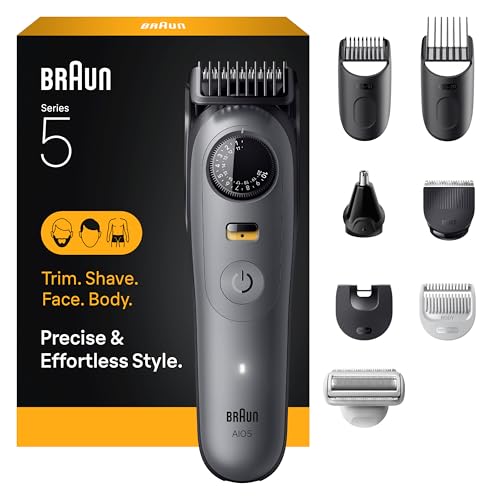
Most fades start losing their crispness after 7 to 10 days. A skin fade or high fade may look grown out within one week, while a low fade or taper fade can hold its shape for two to three weeks. Hair growth rate, texture, and the aggressiveness of the fade all affect longevity. Thick, fast-growing hair needs more frequent visits. (We recommend this Self Fade Haircut Kit | Fade.)
Can I maintain my fade at home between barber visits?
You can handle basic maintenance like neckline cleanup, sideburn trimming, and edge touch-ups at home. However, avoid trying to re-blend the actual fade transition. That requires the skill and sightlines of a professional. Stick to the outline work and leave the gradient to your barber.
What tools do I need to maintain a fade at home?
At minimum, you need a quality cordless trimmer with adjustable guards, a hand mirror (to see the back of your head), and a barber cape or towel. Optional but helpful: a small detailing trimmer for edge work, a spray bottle for dampening hair, and a neck brush for cleanup.
What guard number should I use to clean up my neckline?
Use the same guard number your barber uses at the bottom of your fade, or one guard higher to be safe. If your fade starts at a #0, use a #0 or #0.5 for neckline cleanup. If you are unsure, ask your barber what guard they use on your neckline at your next visit, then remember that number.
How often should I go to the barber for a fade?
For a skin fade or high fade, every 1 to 2 weeks is ideal. For a mid fade, every 2 to 3 weeks works for most men. A low fade or taper can last 3 to 4 weeks between visits. If you maintain your neckline and edges at home, you can stretch any of these by about a week.
What products help a fade last longer?
Edge control gel keeps your line-up looking sharp between visits. A light pomade or clay adds definition to the top section as the sides grow in. A wave cap or durag worn at night helps maintain shape for textured hair. Dry shampoo between washes keeps the top section from going flat. Avoid heavy products on the faded sides, as they can make growth look messy.
What should I NOT try to do at home with my fade?
Never attempt to re-blend the fade gradient yourself. Do not try to push the fade line higher or create a new line-up shape. Avoid using a straight razor on your own neckline unless you are very experienced. Do not experiment with a new guard length without knowing your current settings. These are the fastest ways to create a problem that only your barber can fix.
Keep Your Fade Sharp Without Living at the Barbershop
Here is the bottom line. Maintaining a fade is not about becoming your own barber. It is about smart, minimal maintenance that stretches the life of a professional cut.
Your action plan:
- Ask your barber for your numbers. At your next visit, ask what guard numbers they use at each point of your fade. Save them in your phone.
- Invest in one good trimmer. A $50 cordless trimmer and a hand mirror are all you need for basic maintenance.
- Clean up the neckline every 3 to 5 days. This single habit extends your fade’s life by a week.
- Use the right products. Edge control for the line-up, clay or paste for the top, leave-in for textured hair.
- Leave the blend to your barber. Touch up the edges, not the gradient.
- Schedule your next visit before you leave the chair. Good barbers fill up. Lock in your slot.
A fade is an investment in how you present yourself to the world. With the right maintenance habits, that investment pays off for twice as long. For more on choosing the right fade for your face shape and hair type, explore our complete guide to types of fades. And if you are still refining how you communicate with your barber, read our guide on how to ask for a haircut.
Your fade is only as good as the work you put in between visits. Now you know how to put in the work.