If you want to master skin fade haircut, this guide covers everything you need to know.
If you want to master skin fade haircut, this guide covers everything you need to know. Last updated: February 2026 by Marcus Chen-Williams, Editor-in-Chief
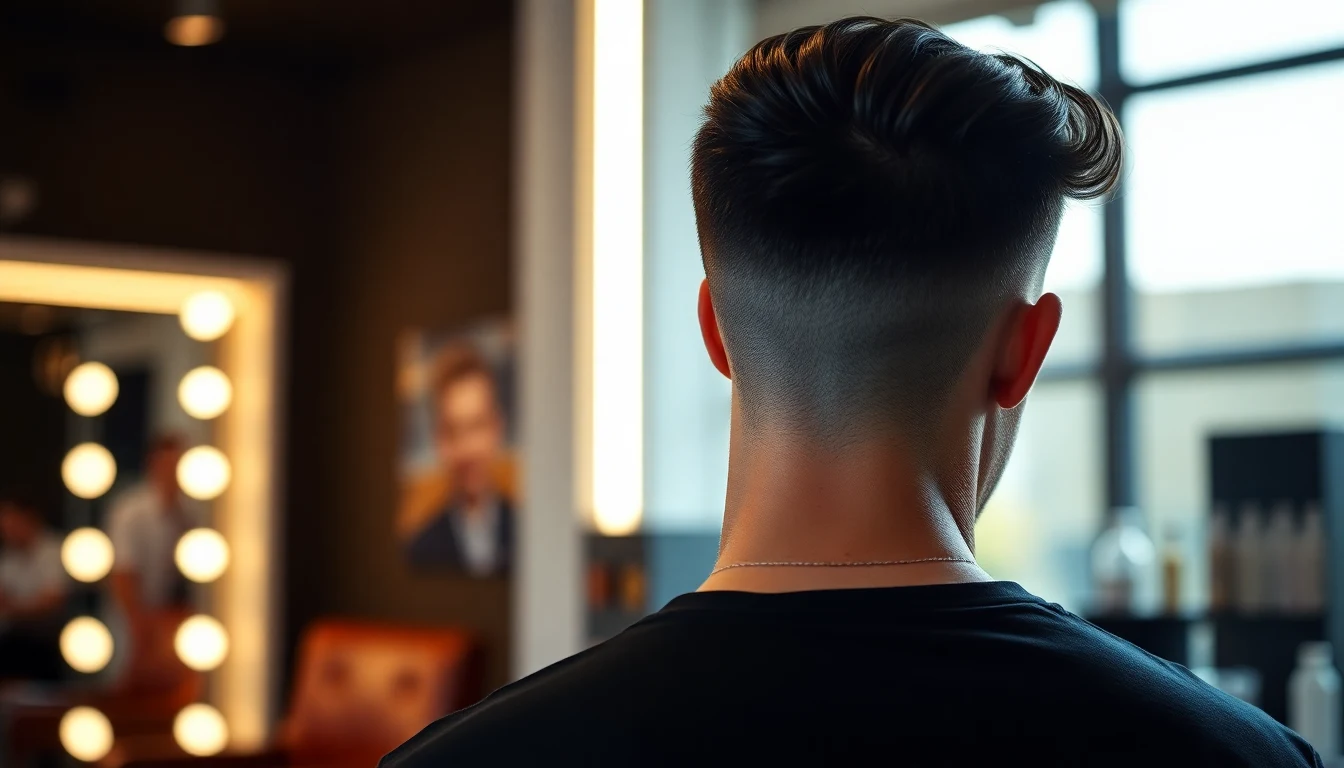
The skin fade haircut is the cleanest, most precise cut a barber can give you. It takes every hair on the sides and back of your head from full length down to bare skin in a seamless gradient with no visible lines, no harsh steps, just a smooth transition from hair to scalp. I have watched barbers execute this cut in shops from Tokyo to Lagos to East London, and while the style on top changes across cultures, the skin fade underneath has become universal.
This guide covers everything: the three main skin fade variations, which one works for your face shape, exactly what to tell your barber, how the cut is actually executed, and how to maintain it between visits. Whether you are considering your first skin fade or you have been getting them for years and want to refine your approach, the answers are here.
What Is a Skin Fade?: Skin Fade Haircut
A skin fade is a haircut where the hair on the sides and back is blended from your chosen length on top all the way down to the skin. The “skin” part is literal: at its lowest point, the hair is shaved completely to the scalp, typically with a foil shaver or the bare blade of a trimmer. The “fade” part describes the gradual, seamless transition between lengths. No lines. No steps. Just a smooth gradient.
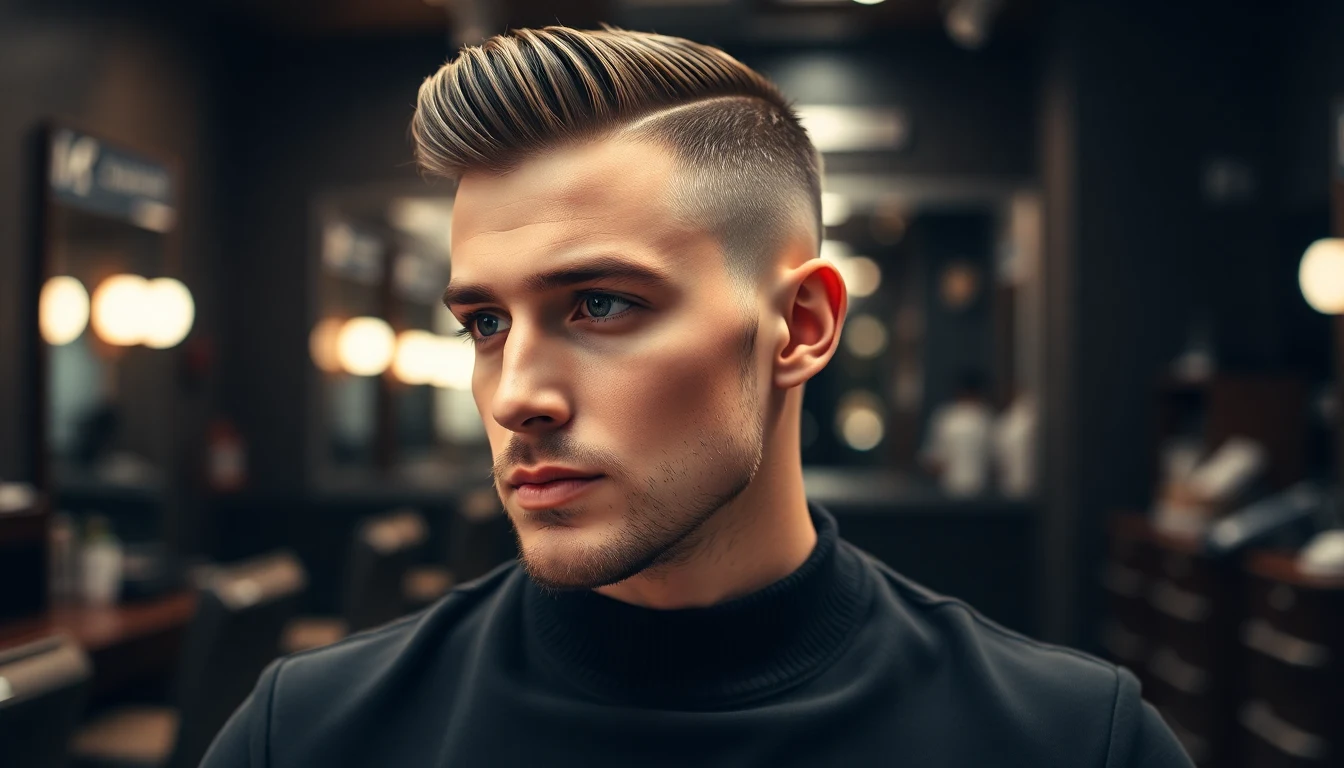
The difference between a skin fade and a regular fade comes down to how far the blend goes. A standard fade might take the hair from a #3 guard down to a #1 guard, leaving short stubble at the bottom. A skin fade pushes past #1, past #0.5, past the bare blade, and finishes on clean skin. That extra step creates a sharper, more dramatic contrast between the sides and the top.
Three factors define every skin fade:
- Starting point: Where the skin-to-hair transition begins (low, mid, or high on the head)
- Gradient speed: How quickly the blend moves from skin to full length (tight and compressed or stretched and gradual)
- Style on top: What sits above the fade (textured crop, pompadour, curls, waves, braids, or any other style)
The beauty of the skin fade is its versatility. The same fundamental technique works on straight, wavy, curly, and coily hair. It complements every face shape when matched to the right variation. And it pairs with virtually any hairstyle on top, from a conservative business cut to a bold mohawk.

The Three Skin Fade Variations
Every skin fade falls into one of three categories based on where the exposed skin begins. Choosing the right one depends on your face shape, hair texture, workplace, and personal style. Here is what each looks like and who it works best for.
Low Skin Fade
The low skin fade starts just above the ear and hugs the natural hairline. The exposed skin occupies roughly the bottom inch of the sides and back, with the blend stretching upward into the longer hair gradually. It is the most subtle and conservative of the three variations.
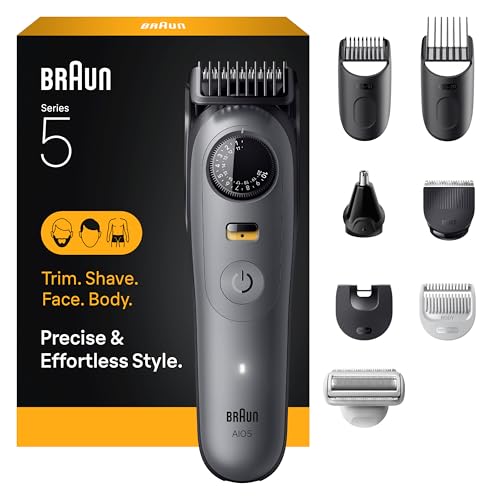
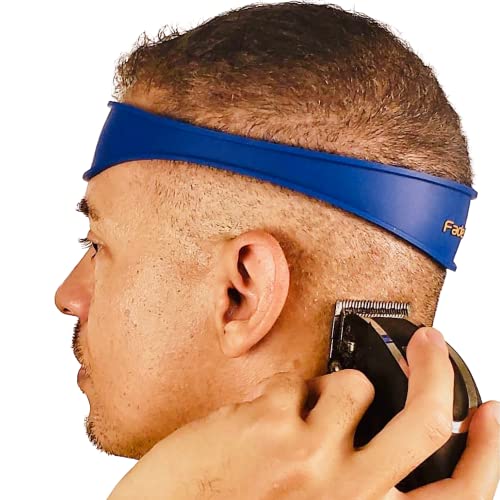
What it looks like: From the front, a low skin fade is barely noticeable. You see clean skin just around the ears and neckline, but the transition is so gradual that the sides still appear to have hair from a few feet away. The drama is in the details. Up close, the precision of the blend is unmistakable. (We recommend this Fade Guide X and Neckline Shaving.)
Who it works for:
- Men in corporate or conservative professional environments where bold haircuts raise eyebrows
- Oblong and rectangular face shapes (the low starting point avoids adding visual height)
- Anyone getting a skin fade for the first time who wants to ease into the look
- Men with fine or thin hair who want clean sides without exposing too much scalp
Best styles on top: Side part, taper fade with a comb-over, short textured crop, conservative business cut
Maintenance window: 10 to 14 days before the regrowth becomes noticeable. Low skin fades hold their shape slightly longer than higher variations because the transition zone is more compressed.
Mid Skin Fade
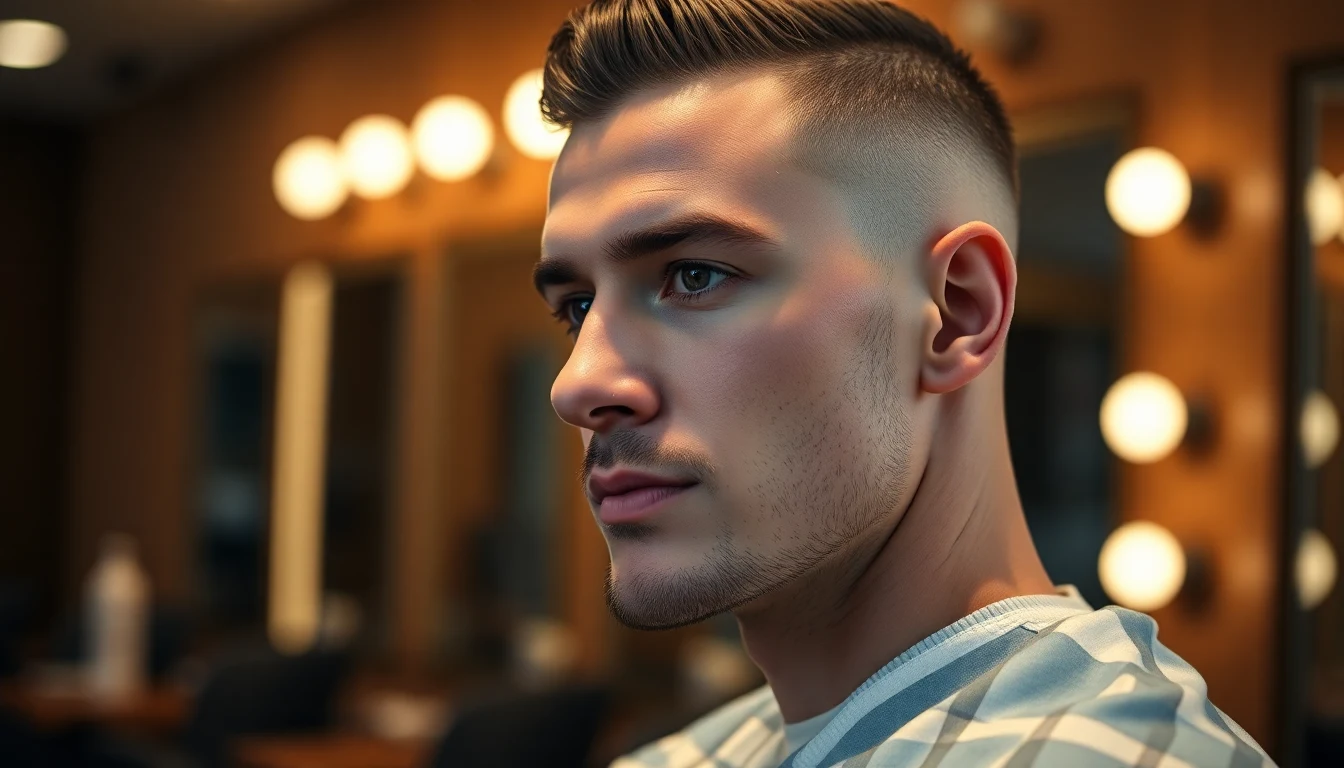
The mid skin fade hits the sweet spot. The exposed skin starts at roughly temple height, about halfway up the side of the head. It gives you noticeable contrast between the shaved sides and the hair on top without the boldness of a high fade. This is the variation I see most often in barbershops across every culture and country I visit.
What it looks like: The mid skin fade is visible from the front. You see the clean skin-to-hair transition line sitting at about eye level, which draws attention to the upper portion of your haircut and your face. The sides have a polished, structured appearance that reads as intentional and well-maintained.
Who it works for:
- Oval and diamond face shapes (the mid starting point complements balanced proportions)
- Men who want a modern, clean look without going full high fade
- Versatile professionals who move between casual and formal settings
- Most hair types, including curly and coily textures
Best styles on top: Textured crop, quiff, pompadour, curly top, Edgar cut, braids
Maintenance window: 7 to 10 days for a sharp look. The mid fade shows regrowth a bit faster than the low because the transition zone covers more area.
High Skin Fade
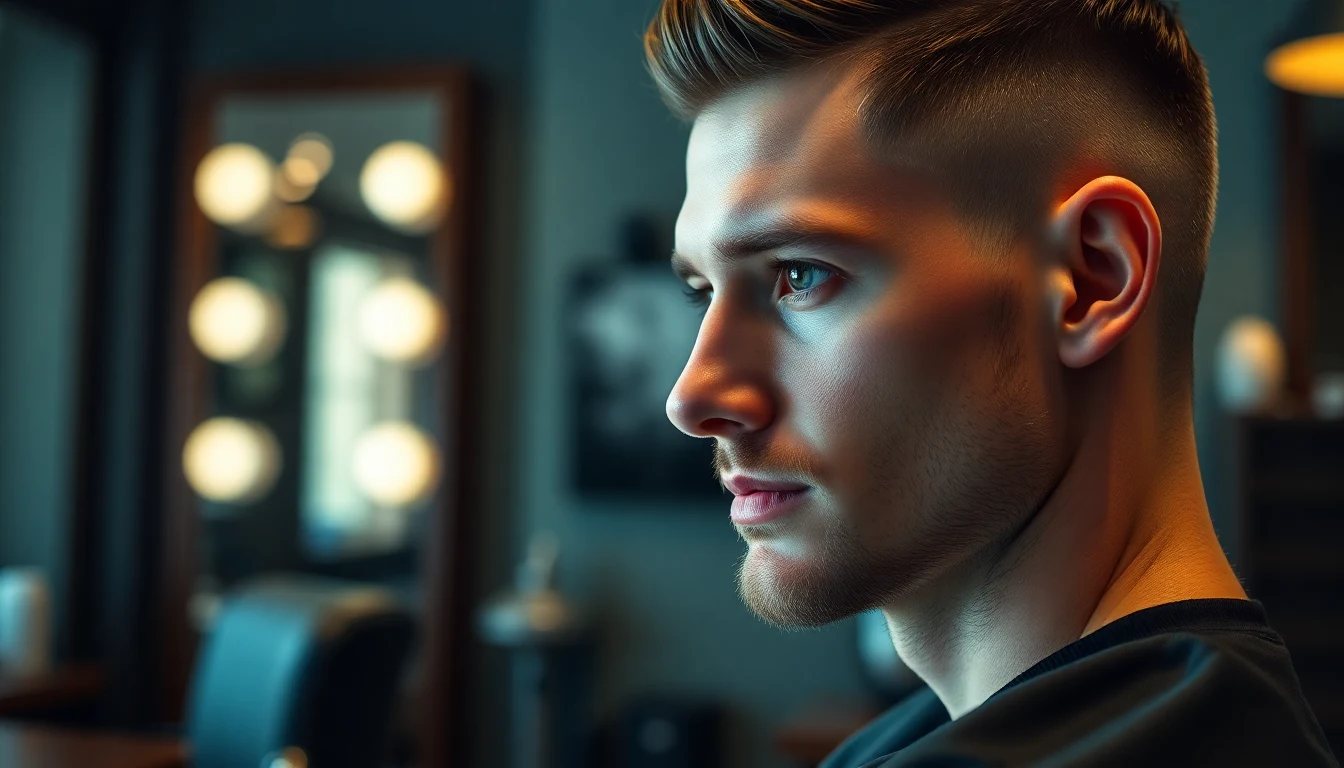
The high skin fade is the boldest variation. The exposed skin extends well above the temples, sometimes reaching as high as the parietal ridge (the widest point of the skull). This creates maximum contrast between the shaved sides and whatever length sits on top. It is a statement haircut.

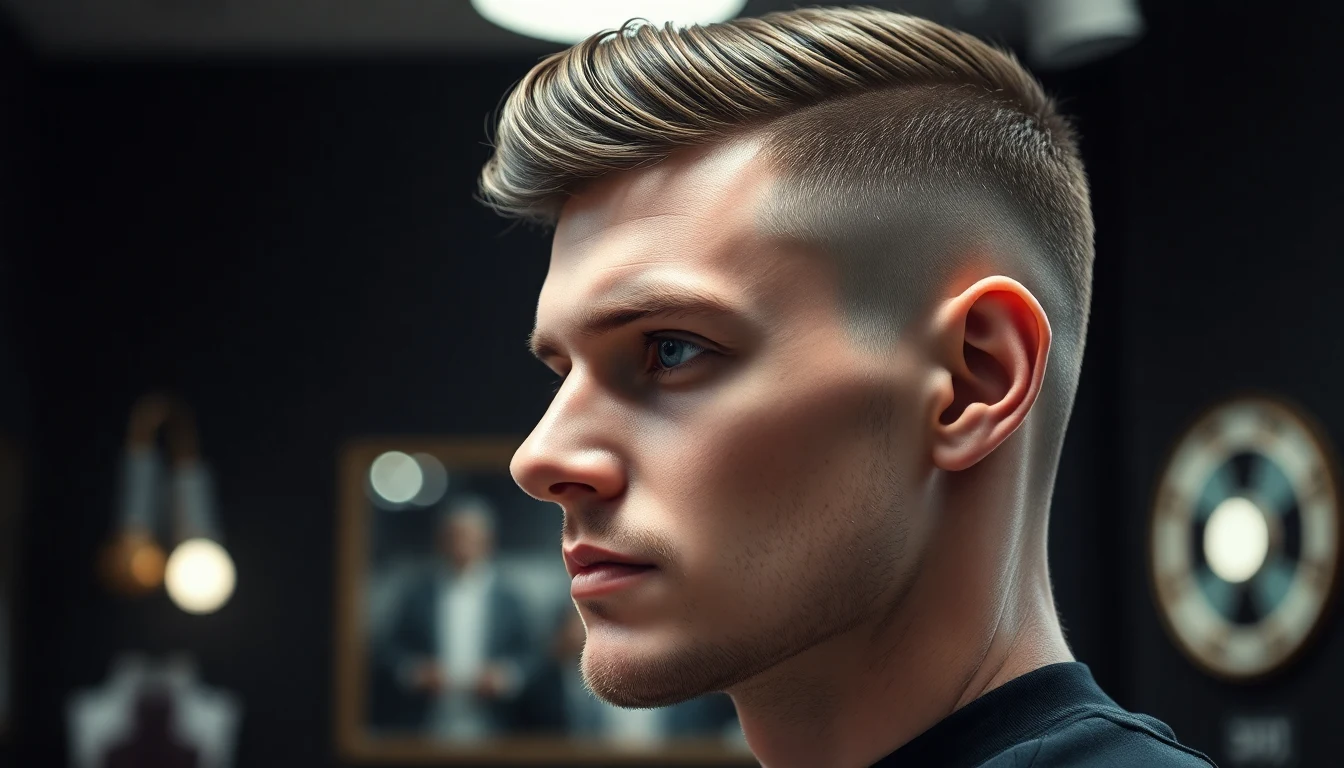
What it looks like: From any angle, the high skin fade is immediately striking. The shaved sides dominate the visual, and the hair on top appears to float. The silhouette changes dramatically, creating a tall, angular look that works particularly well on round and square face shapes.
Who it works for:
- Round and square face shapes (the high fade elongates the face and adds angularity)
- Men who want maximum visual impact and are comfortable with a bold look
- Athletic builds where the strong haircut matches the physique
- Thick, dense hair that provides good volume contrast against the shaved sides
Best styles on top: Pompadour, mohawk, tall flat top, high-volume curls, afro top, slick back
Maintenance window: 5 to 7 days for peak sharpness. The large shaved area means regrowth is visible sooner, and the contrast that makes a fresh high fade so clean fades faster than the other variations.
Specialized Skin Fade Variations
Beyond the three main starting points, barbers have developed variations that modify the shape and direction of the fade for specific aesthetic effects.
Drop Fade
A drop fade follows a curved line that “drops” behind the ear rather than running straight across. The fade line is higher near the temples and curves lower behind the ear and across the back of the head. This creates a natural, organic-looking transition that follows the contour of the skull.
The drop fade works exceptionally well on men with prominent occipital bones (the bump at the back of the skull). The curving fade line accommodates the skull’s natural shape rather than fighting against it, which produces a cleaner blend. I have seen this variation become the default choice in many Caribbean and West African barbershops where skull shape diversity is well understood.
Burst Fade
A burst fade radiates outward from the ear in a semicircular pattern, like a sunburst. Instead of running horizontally, the fade curves around the ear and opens up toward the back of the head. It is a distinctive look that draws attention to the ear area and pairs well with mohawks, mullets, and South of France cuts.
Temp Fade (Temple Fade)
The temp fade is the most minimal version of a skin fade. Only the temple area and sideburns are faded to skin, leaving the rest of the sides at a uniform short length. It cleans up the hairline without committing to a full skin fade. This is the variation I recommend for men testing the waters or working in strictly conservative environments like law firms and financial institutions.
Which Skin Fade Works for Your Face Shape
The right skin fade variation can make your face appear more balanced and proportional. The wrong one can emphasize features you might prefer to soften. Here is a face-shape-to-fade matching guide based on what I have observed across hundreds of barbershop visits and conversations with experienced barbers worldwide. (We recommend this Hands-Free Fade Guide for Men –.)
Round Face
Best option: High skin fade
Why: The high fade removes visual weight from the widest part of the head, making the face appear longer and more angular. Pair with height on top (pompadour, quiff, tall textured crop) to maximize the lengthening effect.
Avoid: Low skin fades, which keep volume at the sides and can make a round face appear wider.

Oval Face
Best option: Mid skin fade
Why: Oval faces are already well-proportioned, so the mid fade maintains that balance without over-correcting. Almost any style on top works with an oval face and mid fade combination.
Flexibility: Oval faces can pull off all three variations. The mid fade is just the safest starting point.
Oblong / Rectangular Face
Best option: Low skin fade
Why: A low fade keeps some visual width at the sides, which prevents an already long face from appearing even longer. Avoid excessive height on top. A textured crop or short side part works better than a tall pompadour.
Avoid: High skin fades with tall hair on top, which stretches the face vertically.
Square Face
Best option: High skin fade or drop fade
Why: A high fade softens the angular jawline by removing the bulk at the sides. The drop fade follows the natural skull curvature and avoids the boxy silhouette that a straight-line fade can create on square faces.
Styling tip: Add some texture and movement on top rather than a hard, structured style. The contrast between soft texture above and clean lines below is particularly flattering on square faces.
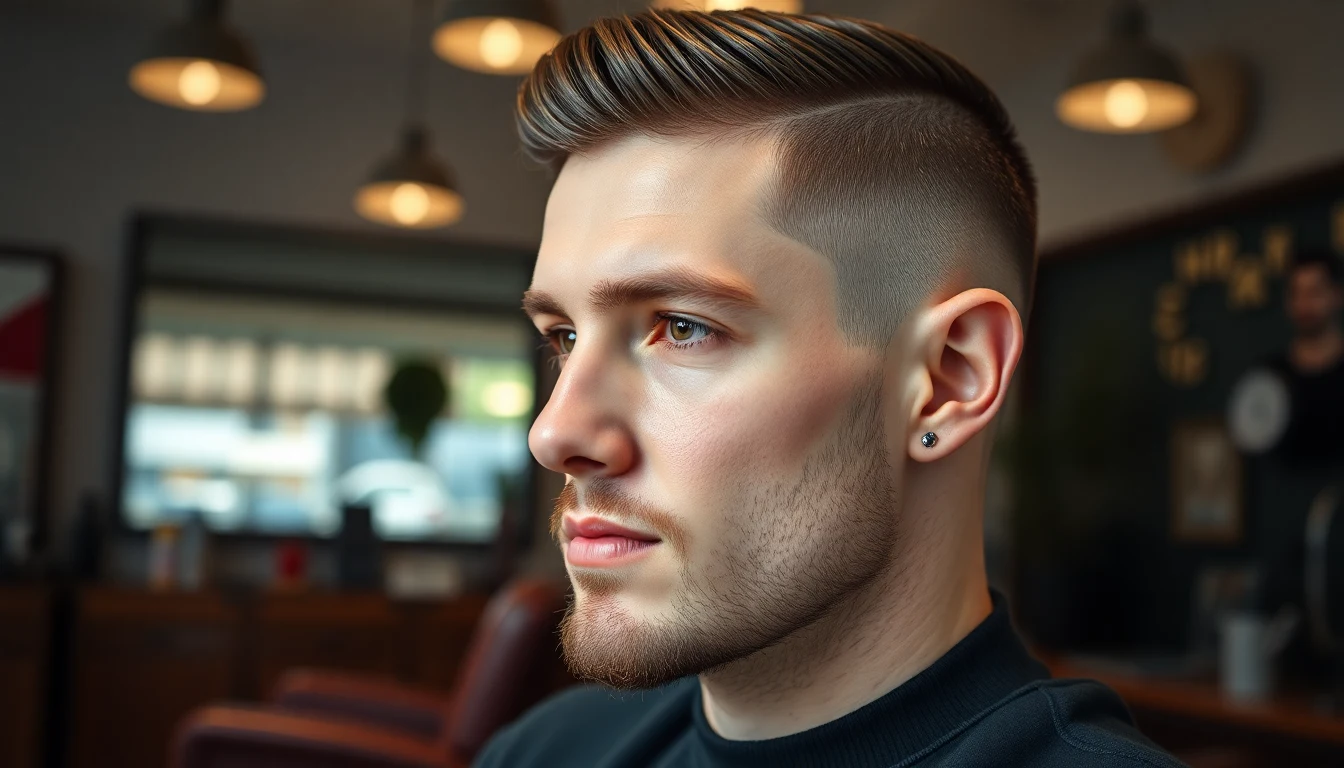
Heart / Triangle Face
Best option: Mid skin fade with medium length on top
Why: Heart-shaped faces are wider at the forehead and narrower at the jaw. A mid fade brings the sides in at forehead level while keeping some visual structure lower. Avoid too much height on top, which emphasizes the wider forehead.
Styling tip: A textured fringe or forward-styled crop helps balance the forehead width.
How a Skin Fade Is Actually Done: The Barber’s Process
Understanding how your barber builds a skin fade helps you communicate what you want and recognize quality work. Here is the step-by-step process that skilled barbers follow, explained in a way that demystifies the technique.
Step 1: Establishing the Guide Lines
Your barber starts by setting two invisible boundaries. The first is the “bald line,” the lowest point where the hair will be taken to skin. The second is the “ceiling line,” the highest point where the blend reaches full length. Everything between those two lines is the fade zone, and it is where all the skill lives.
Using a detachable blade clipper (typically something like the Andis Master or Wahl Magic Clip), the barber cuts a line at the ceiling, establishing where the longer hair begins. Then they go to the bottom and create the bald line with a bare blade or zero-gap trimmer.
Step 2: Rough Blending with Guards
Starting from the bottom, the barber works upward through progressively longer clipper guard sizes. A typical sequence might be: bare blade at the skin, #0.5 guard for the first half-inch, #1 guard for the next section, #1.5 through the middle, and #2 into the longer hair. Each guard creates a “shelf” that will be blended in the next step.
The barber uses a rocking or flicking motion at the top of each guard’s zone, lifting the clipper away from the head as they reach the next section. This motion starts the blending process even during the initial rough cut.
Step 3: Fine Blending
This is where good barbers separate from great ones. Using a lever clipper (like the Wahl 5 Star Senior), the barber adjusts the blade length incrementally by opening and closing the taper lever while working through the transition zone. The lever gives them access to lengths between the fixed guard sizes, which eliminates any remaining lines.
The barber will work the same section from multiple angles, checking for consistency under different lighting. Some barbers use a comb to lift the hair during blending, a technique called “clipper over comb,” which is especially useful in the upper portions of the fade where the hair is longer.

Step 4: Detailing with a Trimmer
A precision trimmer (the BaBylissPRO GoldFX is the current industry favorite) handles the fine details: cleaning up the hairline, sharpening the temple fade, defining the neckline, and refining the lowest portion of the blend where the skin meets the first shadow of hair.
Some barbers use a straight razor or shavette along the hairline for an ultra-crisp edge. This step takes the cut from “good fade” to “portfolio-worthy fade.”
Step 5: Foil Shaver Finish
For a true skin fade, the final step involves a foil shaver on the lowest section. The foil shaver removes any remaining shadow below the zero-guard trimmer line, creating a polished, completely bald finish at the bottom of the fade. Not every barber includes this step, and not every client wants it. If you want the cleanest possible skin fade, ask your barber to finish with the foil shaver.
Step 6: Styling the Top
With the fade complete, your barber moves to the hair on top. This is styled according to your preference, whether that is a textured crop, pompadour, brush back, natural curls, or any other look. The fade is the foundation. The style on top is the personality.
How to Ask Your Barber for a Skin Fade
The gap between what you envision and what you actually receive comes down to communication. I have sat in barbershop chairs on four continents, and the clients who get the best results are the ones who communicate clearly. Here is a framework that works.
The Three Things to Specify
- Fade starting point: “I want a low / mid / high skin fade.” If you are unsure, say “mid skin fade” and let the barber adjust based on your head shape.
- Length on top: Use inches or finger measurements. “About two inches on top” or “this much” (showing with your fingers) is clearer than “medium” or “not too short.”
- Style direction: “Textured and forward,” “pushed back,” “natural curl pattern,” or “side part on the left.”
Bring Reference Photos
This is the single most effective thing you can do. Save three to five photos on your phone showing the front, side, and back views of the cut you want. One photo is not enough. Your barber needs to see the haircut from multiple angles to understand the full picture. When choosing reference photos, look for men with a similar hair texture and face shape to yours. A skin fade on straight Asian hair looks very different from the same fade on 4C coils, and showing your barber a reference that matches your hair type sets realistic expectations.
What Not to Say
- “Just clean it up” is too vague. Every barber interprets “clean up” differently.
- “Do whatever you think looks good” shifts all responsibility to the barber. Collaborate instead.
- “Same as last time” only works if this is the same barber. Even then, be specific about what you liked and what you would change.
- “Make it look like [celebrity] but on me” without acknowledging that your hair texture and face shape may be completely different from that celebrity’s.
Sample Script
Here is exactly what I say when I sit in a new barber’s chair: “I would like a mid skin fade. Take the sides down to skin, start the blend at about temple height, and leave about two and a half inches on top. I want it textured and pushed forward with a slight fringe. Here are some photos of what I am going for.” Then I hand over my phone with the reference images. That takes 20 seconds and eliminates 90 percent of miscommunication.
Maintaining Your Skin Fade Between Visits
A skin fade has a shorter shelf life than most haircuts. The precision that makes a fresh fade look so clean is also what makes the regrowth obvious. Here is how to extend the life of your cut and keep it looking sharp for as long as possible.
Week 1: Peak Freshness (Days 1-7)
Your skin fade looks its best during this window. The skin-to-hair transition is crisp, the blend is seamless, and the lines are sharp. Focus on styling the top and maintaining whatever product routine works for your hair type.
Daily routine:

- Wash and condition the top per your normal schedule (every 1 to 3 days for most hair types)
- Apply product (pomade, clay, or cream depending on your style) to damp hair
- The fade sides need nothing beyond your normal face and scalp hygiene
Week 2: Managed Regrowth (Days 8-14)
This is where most skin fades start to lose their edge. The bottom of the fade, where the skin was shaved clean, now shows a shadow of stubble. The blend is still visible but less dramatic. The neckline starts to creep.
Touch-up options:
- Use a quality trimmer to clean up the neckline and around the ears. This is the area that gets sloppy fastest, and a 5-minute cleanup at home can buy you several extra days.
- If you have a foil shaver, run it over the lowest portion of the fade to maintain the skin-to-stubble contrast.
- Do not attempt to re-blend the actual fade. That is where things go wrong quickly.
Week 3+: Time for a Fresh Cut
By the third week, the fade has grown out enough that the gradient is no longer distinct. For most men, this is the point where a barbershop visit is necessary. Some men with slower hair growth can stretch to 3 weeks, but the standard is every 2 weeks for a maintained skin fade.
Budgeting for Maintenance
A skin fade at a quality barbershop runs $25 to $50 depending on your city and the barber’s experience level. At a two-week cadence, that is $50 to $100 per month. Factor this into your decision before committing to a skin fade. If the maintenance cost is not sustainable, a low fade that does not go down to skin will hold its shape longer and require less frequent visits.
Skin Fades Across Hair Textures
One of the things I appreciate most about the skin fade is how it translates across every hair texture. But the technique and outcome differ meaningfully depending on your hair type. Here is what to expect based on your texture.
Straight Hair (Type 1)
Straight hair lies flat against the scalp, which means every imperfection in the blend is visible. A skin fade on straight hair demands precision because there is no natural texture to mask transition lines. The upside is that the clean contrast between skin and hair reads as extremely polished. This is the standard in many East Asian and Southeast Asian barbershops, where the skin fade has been a staple for decades. When it comes to skin fade haircut, technique matters most.
My recommendation: find a barber who regularly works with straight hair. The clipper-over-comb technique is essential for smooth blending on flat-lying hair. When it comes to skin fade haircut, technique matters most.
Wavy Hair (Type 2)
Wavy hair offers a nice middle ground. The natural wave adds visual texture to the blend zone, which makes the transition from skin to hair appear more organic. The waves also create natural volume on top that contrasts well with the clean sides. Wavy-haired men have the widest range of style options on top because the wave pattern adds movement to almost any cut.
Curly Hair (Type 3)
Curly hair and skin fades are a natural pairing. The curl pattern creates a soft, gradual boundary between the faded sides and the longer top, which gives curly hair fades a distinct aesthetic. The texture acts as a natural diffuser, making the transition zone appear wider and more blended even as the fade grows out. This means curly-haired men can often go slightly longer between barbershop visits.
Coily Hair (Type 4)
Type 4 hair, the coily textures common among Black men and men of African descent, produces some of the most visually striking skin fades. The tight coil pattern creates a dramatic density contrast between the skin and the hair. A fresh skin fade on 4C hair has a sculptural quality that straight-haired fades simply cannot replicate.
The technique differs significantly. Barbers working with coily hair often use the Andis Master or Wahl Senior for the rough cut, then switch to trimmers with a zero-gap blade for the detailed blending. The natural volume of coily hair means the height difference between sides and top is more dramatic, which is why high skin fades are particularly popular among Black men.
For detailed clipper recommendations specific to coily hair textures, see our best clippers for fades guide.
Products for Maintaining a Skin Fade at Home
You cannot replicate what your barber does, but you can extend the life of your cut with the right tools and products.
For the Fade Sides
- Foil shaver: Run it over the lowest portion of your fade every 2 to 3 days to maintain the skin-to-stubble contrast. This is the single most effective at-home maintenance step.
- Trimmer for edges: A precision trimmer keeps your neckline and around-the-ear area clean. The BaBylissPRO GoldFX is the same tool most barbers use for detailing.
- Moisturizer: The exposed skin of a skin fade can get dry, especially in winter. Apply a lightweight, non-greasy moisturizer to the faded areas to prevent dryness and flaking.
For the Top
- Matte clay or paste: Best for textured crops and messy styles. Provides hold with a natural finish that does not look “product-heavy.”
- Pomade: Best for slick-back styles, side parts, and pompadours. Water-based pomades wash out easily and do not build up.
- Curl cream: For men with curly or coily hair on top. Defines the curl pattern and adds moisture without crunch or stiffness.
- Sea salt spray: Adds texture and volume to wavy hair. Spray on damp hair and let it air dry for a natural, tousled look.
The Cultural History of the Skin Fade
The skin fade did not emerge from one culture or one barbershop. It evolved independently across multiple traditions and converged into the global standard it is today. Understanding that history adds appreciation for what your barber is doing when they pick up those clippers.
In Black American barbershops, the fade has been a foundational technique since the 1950s and 1960s. Barbers in communities across the US developed increasingly precise blending methods as electric clippers improved. The skin fade, taking the blend all the way to bare skin, emerged as the gold standard of technical skill. A barber’s ability to execute a clean skin fade became a measure of their craft.
In Latin American barbering, particularly in Dominican and Puerto Rican communities, the skin fade evolved alongside the “bald fade” or “calvo” tradition. These barbershops developed their own blending techniques that emphasized sharp lines and dramatic contrast, which influenced the modern skin fade aesthetic significantly.
In East Asia, the skin fade became popular in the 2010s as Korean and Japanese streetwear culture embraced Western barbering techniques. The precision required for straight Asian hair pushed barbers to develop even finer blending methods, which then fed back into global technique standards.
Today, the skin fade sits at the intersection of all these traditions. A good barber draws on techniques from multiple cultural barbering lineages whether they know it or not. That is what makes this haircut remarkable. It is a genuinely global style with roots in every major barbering tradition on the planet.
Frequently Asked Questions
What is the difference between a skin fade and a regular fade?
A regular fade blends hair from longer to shorter, but the shortest guard length still leaves some visible hair at the bottom. A skin fade takes that blend all the way down to the scalp, typically using a foil shaver or bare trimmer blade to achieve a clean, bald finish at the lowest point. The skin-to-hair transition is what gives the skin fade its dramatic, polished look. Think of a regular fade as going from a #3 guard down to a #1. A skin fade goes from whatever length you want on top all the way down to zero, with every length in between blended seamlessly.
How often do I need to maintain a skin fade?
A skin fade looks its sharpest for about 7 to 10 days. By week two, the regrowth at the bottom starts to blur the clean skin line, and the blend loses its crispness. Most men who wear skin fades visit their barber every 1 to 2 weeks. If you want to stretch the time between visits, a low skin fade holds its shape slightly longer than a high skin fade because the transition area is smaller. You can also touch up the neckline and edges at home with a quality trimmer to extend your haircut by a few extra days. (We recommend this Bebeeco Fade Guide for Men Haircut,.)
Does a skin fade work on all hair types?
Skin fades work on every hair type, but the blending technique differs. Straight hair requires precise clipper-over-comb work because the hair lies flat and any inconsistency is immediately visible. Curly and coily hair is actually more forgiving in the blend zone because the natural texture helps disguise minor imperfections. Thick, dense hair needs more passes to achieve a smooth gradient. Fine, thin hair can sometimes expose the scalp too early, so barbers may recommend a slightly less aggressive fade. The key is finding a barber experienced with your specific hair texture. (We recommend this 3Pcs Fading Comb, Fade Comb for.)

Which skin fade is best for a round face?
A high skin fade is generally the most flattering for round faces. By removing more hair from the sides and creating strong vertical contrast, a high skin fade elongates the face visually. The dramatic difference between the shaved sides and the volume on top draws the eye upward and creates the illusion of a longer, more angular face shape. Pair the high skin fade with extra height on top, whether that is a pompadour, quiff, or textured crop, to maximize the lengthening effect. Avoid low skin fades on round faces because they keep the visual weight closer to the widest part of the head.
Can I do a skin fade at home?
Technically yes, but realistically it is one of the hardest haircuts to execute on yourself. The blend from skin to longer hair requires seeing angles that are impossible to see on your own head, even with multiple mirrors. Most at-home attempts result in visible lines where the blend should be seamless. If you insist on doing it yourself, invest in a quality clipper like the Wahl Magic Clip, get multiple guard sizes, and practice on the sides first. Start with a higher guard than you think you need because you can always go shorter but you cannot add hair back. For most men, the $25 to $40 cost of a professional skin fade every two weeks is money well spent.
What should I tell my barber when asking for a skin fade?
Be specific about three things: the starting point, the length on top, and any design details. Say something like “I want a mid skin fade, starting at the temples, with about 3 inches on top, textured and pushed forward.” Bring reference photos on your phone showing the front, side, and back views of the cut you want. Avoid vague requests like “just clean it up” or “do whatever looks good.” A good barber can work with clear direction. If it is your first visit with a new barber, ask to see their fade work on Instagram or in their portfolio before sitting in the chair.
Frequently Asked Questions
What is the difference between a skin fade haircut and a regular fade?
A skin fade haircut blends hair all the way down to the scalp using a foil shaver or bare blade, while a regular fade stops at a short guard length like a #1. The skin fade creates a more dramatic, polished look with a seamless transition from your desired top length down to bare skin.
How often do I need to get a skin fade touched up?
A skin fade looks sharpest for about 7 to 10 days before regrowth becomes visible. You’ll want to schedule maintenance every 2 to 3 weeks to keep the clean lines and blended look looking fresh.
What clippers should I use to cut a skin fade at home?
For professional results, invest in quality clippers like the Andis Master Cordless, Wahl 5 Star Senior, or Wahl Magic Clip, which provide precision and durability. You’ll also need a foil shaver or blade attachment to achieve the skin-to-hair blend that defines a proper skin fade.
Is a skin fade suitable for curly or textured hair?
Yes, skin fades work well with curly and textured hair, though the blending technique may differ slightly from straight hair. Check out guides specific to curly hair fades to learn the proper guard progression and techniques for your hair type.