If you want to master castor oil for beard growth, this guide covers everything you need to know. Last updated: February 2026 by Darius Washington, Black Men’s Grooming Editor
Every barbershop in Atlanta has that one client who swears castor oil for beard growth is the secret nobody talks about. He will pull up his phone, show you a before-and-after from six months apart, and credit the entire transformation to a $9 bottle of Jamaican black castor oil. I have heard this story dozens of times. I have also spent years looking for the clinical study that proves it works. That study does not exist.
Here is what I can tell you after testing castor oil on my own beard and researching every claim I could find. Castor oil is a genuinely good moisturizer. It coats hair shafts and makes thin beards look thicker. It contains ricinoleic acid, which has real anti-inflammatory properties. But if you are buying castor oil expecting it to grow new beard hair where none exists, you need to hear the honest answer before you waste months on false hope.
This guide gives you the full picture: what castor oil can actually do, what it cannot, the difference between regular and Jamaican black castor oil, how to use it correctly, realistic timelines, and the alternatives that have actual science behind them.
If you only read one section, jump to what castor oil can and cannot do for the honest assessment.
What Is Castor Oil?: Castor Oil For Beard Growth
Castor oil is a vegetable oil pressed from the seeds of the Ricinus communis plant, which is native to tropical regions of Africa and Asia. The oil has been used for centuries across cultures, from ancient Egyptian medicine to Caribbean hair care traditions. Its distinguishing feature is its chemical composition: approximately 90% ricinoleic acid, an unusual fatty acid that gives castor oil its thick, viscous texture and its biological activity.

Castor oil is substantially thicker than other carrier oils used in grooming. If jojoba oil feels like water, castor oil feels like honey. This viscosity is both its strength and its limitation. It coats hair shafts effectively and creates a moisture barrier, but it is difficult to spread evenly, slow to absorb, and hard to wash out.
Key Properties
| Property | Detail | Relevance to Beards |
|---|---|---|
| Primary compound | Ricinoleic acid (~90%) | Anti-inflammatory, humectant |
| Viscosity | Very high (thick, sticky) | Coats and protects hair, hard to apply alone |
| Comedogenic rating | 1 (low) | Low pore-clogging risk when used properly |
| Absorption speed | Slow | Best mixed with lighter carriers for daily use |
| Shelf life | 12 months (unopened), 6 months (opened) | Buy small bottles, store in cool dark place |
Does Castor Oil Actually Grow Your Beard? The Honest Answer
I am going to be direct because the internet is not. The answer, based on current science, is no. There are zero published clinical trials demonstrating that castor oil stimulates new hair follicle growth, increases hair growth rate, or activates dormant follicles in the beard area.
This is not a controversial take among dermatologists. It is the scientific consensus. Yet if you search “castor oil beard growth” online, you will find hundreds of articles treating it as established fact. Most are affiliate content designed to sell you a product. The anecdotes are real, the testimonials are sincere, but the mechanism they describe (castor oil making new hair grow) has never been demonstrated in a controlled study.
Why the Myth Persists
The castor oil growth myth persists for several legitimate reasons:
- The thickening illusion. Castor oil coats individual hair shafts, adding a thin layer that makes each hair look and feel thicker. If you have a sparse beard, this coating effect can make it appear denser without any actual new growth.
- Reduced breakage. Dry, brittle beard hair breaks at the tips and at weak points along the shaft. By moisturizing and strengthening existing hairs, castor oil allows them to reach their full potential length. The beard looks longer because it is not losing length to breakage, not because the growth rate increased.
- Confirmation bias. Men start using castor oil during a period when they are also growing out their beard, paying more attention to grooming, eating better, or simply aging into more facial hair (testosterone continues to increase beard coverage through the late 20s and early 30s). The castor oil gets credit for changes that would have happened anyway.
- Ricinoleic acid has real science behind it. Its anti-inflammatory properties (Vieira et al., 2000) create healthier conditions around the follicle. This can improve the appearance of existing growth but does not generate new follicles.
What Would Prove It Works
For castor oil to be considered a proven beard growth treatment, we would need a randomized, double-blind, placebo-controlled study that measures follicle density, hair diameter, and growth rate over time in participants using castor oil versus an inert control oil. That study has not been conducted. When someone tells you castor oil grows beards, ask for the study. They will not have one.
What Castor Oil Can Actually Do for Your Beard
The fact that castor oil does not grow new hair does not mean it is useless. It is a legitimately effective beard care ingredient when used for the right reasons. Here is what it actually does, backed by its known chemistry.
Deep Moisture for Coarse, Dry Beards
If you have 4B or 4C facial hair, you know dryness is the enemy. Tightly coiled hair has a harder time retaining moisture because the sebum produced at the follicle cannot travel easily along a coiled shaft the way it slides down straight hair. This is why Black men’s beards often feel dry and wiry even a few hours after oiling.
Castor oil addresses this with two mechanisms. First, ricinoleic acid acts as a humectant, drawing moisture from the environment into the hair shaft. Second, the thick viscosity creates a physical barrier that locks moisture in and slows evaporation. For men who have tried lighter oils like argan or grapeseed and found them insufficient, castor oil brings the heavy-duty moisture that coarse beards demand.

I notice the biggest difference on the driest parts of my beard: the chin and the sideburn transition zone. Those areas get more wind exposure and tend to dry out first. A castor oil blend applied to those spots before bed keeps them soft through the next day.
Reduces Breakage and Split Ends
Beard hair breaks when it gets dry and brittle. Each break shortens the hair, making the overall beard look thinner and less even. Castor oil’s coating action protects the outer cuticle layer of the hair shaft, reducing mechanical damage from brushing, rubbing against clothing, and environmental exposure.

A 2003 study published in the Journal of Cosmetic Science showed that oils with the ability to penetrate the hair shaft (due to their fatty acid profile) significantly reduced protein loss from hair, which is the primary mechanism behind breakage. While this study tested coconut oil specifically, the principle applies to castor oil’s ricinoleic acid, which has similar penetration characteristics.
For men growing their beards past the two-inch mark, breakage prevention is arguably more important than any growth serum. You cannot keep what keeps breaking off. If you are trying to grow a thicker beard, addressing breakage is step one.
Creates a Thicker Visual Appearance
This is castor oil’s most underrated benefit, and it is the one most people confuse with actual growth. When castor oil coats a beard hair, it adds a thin layer of viscous oil around the shaft. This makes each individual hair look and feel slightly thicker. Multiply that effect across thousands of facial hairs, and the overall beard appears noticeably fuller.
For men with patchy beards or thin coverage, this thickening effect provides immediate visual improvement. It will not fill in completely bare spots, but it makes areas with light coverage look denser. Think of it as contouring for your beard.
Anti-Inflammatory Properties (Ricinoleic Acid)
Ricinoleic acid has demonstrated anti-inflammatory and analgesic properties in published research. Vieira et al. (2000) showed that ricinoleic acid inhibited inflammatory responses comparable to capsaicin but with a different mechanism. For beard care, this translates to:
- Reduced redness and irritation under the beard
- Soothing effect on inflamed ingrown hairs (though it does not prevent them)
- Calming itchy skin during the beard growth phase
- Less inflammation around follicles, creating a healthier growth environment
This is particularly relevant for Black men dealing with pseudofolliculitis barbae (PFB). While castor oil is not a PFB treatment (that requires proper shaving technique and targeted products), its anti-inflammatory properties can reduce the background irritation that makes PFB worse.
Conditions and Softens Wiry Facial Hair
There is a reason so many beard oils include castor oil in their formulations. It is one of the most effective natural softeners for coarse hair. After two to three weeks of consistent use, most men notice their beard feels less wiry and more pliable. This makes styling easier, reduces the scratchy feeling that bothers partners, and makes the beard more comfortable to wear.

The conditioning effect is cumulative. Castor oil does not just sit on the surface. Over time, its fatty acids penetrate into the hair cortex, strengthening the internal structure while softening the outer cuticle. This is a genuine improvement in hair quality, not just a temporary coating.
Jamaican Black Castor Oil vs. Regular Castor Oil
Walk into any beauty supply store in Atlanta, and you will see both types on the shelf. The marketing will tell you Jamaican black castor oil (JBCO) is the superior choice for beard growth. Here is the reality.
How They Are Made
Regular (cold-pressed) castor oil: Castor beans are pressed without heat to extract the oil. The result is a pale yellow, clear oil with a mild scent. This process preserves the maximum ricinoleic acid content and produces the purest form of the oil.
Jamaican black castor oil (JBCO): The castor beans are first roasted over an open fire, then ground and boiled to extract the oil. The roasting process creates ash, which gives JBCO its dark color and slightly thinner consistency. The ash content makes the oil alkaline (higher pH).
The Claims vs. the Science
JBCO advocates claim the alkaline ash “opens the hair cuticle” and “stimulates follicles” for better growth. Neither claim has been tested in a published study. What we know:
- The roasting process partially breaks down some fatty acids, meaning JBCO may contain slightly less ricinoleic acid than cold-pressed castor oil.
- Alkaline substances do open the hair cuticle, which can improve penetration of other ingredients but also makes hair more vulnerable to damage over time.
- The ash content has no known mechanism for stimulating follicular activity.
Side-by-Side Comparison
| Feature | Regular Castor Oil | Jamaican Black Castor Oil |
|---|---|---|
| Processing | Cold-pressed, no heat | Roasted, boiled, includes ash |
| Color | Pale yellow, clear | Dark brown to black |
| Consistency | Very thick | Thick but slightly thinner |
| Scent | Mild, slightly nutty | Smoky, roasted |
| pH | Neutral to slightly acidic | Alkaline (from ash) |
| Ricinoleic acid content | ~90% | Slightly lower (heat degrades some) |
| Growth evidence | None | None |
| Moisturizing ability | Excellent | Excellent |
| Price (4 oz) | $6-12 | $8-15 |
| Cultural significance | General use | Deep roots in Caribbean and African diaspora hair care |
My Recommendation
Both types work well for beard conditioning. I personally use JBCO because it is slightly easier to spread through coarse facial hair due to its thinner consistency, and I grew up with it in the house. My grandmother kept a bottle in the kitchen for everything from hair care to sore joints. That cultural connection matters to me, even if the science does not show it is objectively better than cold-pressed. (We recommend this SheaMoisture Beard Conditioning Oil for a.)

Choose based on what feels better on your beard and what you can find at a good price. Do not pay a premium because a brand promises JBCO will grow your beard faster. That promise has no evidence behind it.

- 4oz Face Wash: Gently cleanse and refresh your face with this invigorating wash,
- 4oz Exfoliating Scrub: Exfoliate and renew your skin with this gentle scrub, rem
- 4oz Body Wash: Cleanse and refresh your skin with this invigorating wash, leavin
How to Use Castor Oil on Your Beard
Castor oil’s thickness is both its power and its challenge. Applied incorrectly, it leaves your beard looking and feeling like it was dipped in motor oil. Here is the method that works for me and the men I advise.

The Golden Rule: Never Use It Straight
Pure castor oil is too thick to distribute evenly through facial hair, especially coarse, tightly coiled textures. It clumps, it sits on the surface, and it is nearly impossible to wash out. Always mix castor oil with a lighter carrier oil. The ideal ratio is 25% to 30% castor oil blended with 70% to 75% lighter oil.
Recommended Blending Ratios
| Blend | Ratio | Best For |
|---|---|---|
| Castor + jojoba | 1 part castor : 3 parts jojoba | Daily use, all beard types, fast absorption |
| Castor + sweet almond | 1 part castor : 2 parts almond | Extra softening for very coarse 4C beards |
| Castor + argan | 1 part castor : 3 parts argan | Adding shine and reducing frizz |
| Castor + jojoba + argan | 1 : 2 : 1 | All-around conditioning and appearance boost |
Step-by-Step Application
- Start with a clean, damp beard. Wash your beard with a gentle cleanser or beard-appropriate shampoo. Pat dry so the hair is damp but not dripping. Castor oil blends distribute better on slightly wet hair.
- Dispense the blend into your palm. For a short beard (under one inch), use 3 to 4 drops. For a medium beard (one to two inches), use 5 to 7 drops. For a full beard (two inches or longer), use 8 to 10 drops. These amounts assume a properly diluted blend, not pure castor oil.
- Warm between your palms. Rub your hands together for five to ten seconds. This thins the oil slightly and makes application smoother.
- Work into the skin first. Use your fingertips to massage the oil into the skin underneath your beard. Move in small circles. The skin is where the anti-inflammatory benefits of ricinoleic acid do their work, and it is where dryness starts.
- Distribute through the beard. Run your hands along the length of your facial hair, root to tip. Follow with a wooden beard comb or boar bristle brush to ensure even distribution. The comb matters with castor oil blends because the thickness can cause uneven coverage without mechanical help.
- Style as usual. Castor oil blends provide light hold on their own, so you may not need additional styling product for shorter beards.
Overnight Treatment Method
For deep conditioning, apply your castor oil blend before bed. Use a slightly heavier hand than your daytime application (about 50% more product). Sleep on a silk or satin pillowcase to protect your bedding and reduce friction on the beard. Wash out in the morning with a gentle cleanser.
I do this once a week, usually on Sunday nights. By Monday morning, my beard is noticeably softer and the skin underneath feels calm. It is the beard equivalent of a deep conditioning mask for your hair.
How Often to Use
- Daily (diluted blend): Safe for most men. Use your castor oil blend as your regular beard oil.
- Every other day: Recommended if your skin is oily or acne-prone. Gives pores time to breathe.
- 2-3 times per week: Sufficient for maintenance once your beard is in good condition.
- Weekly deep treatment: Overnight application for intensive conditioning.
Realistic Expectations: What to Expect and When
I am going to lay this out clearly because managing expectations is the difference between a useful grooming product and a disappointment that ends up in the trash after two months.
Timeline of Castor Oil Effects
| Timeframe | What You Will Notice | What Is Actually Happening |
|---|---|---|
| Day 1 | Beard feels softer, slight sheen | Surface coating effect from the oil |
| Week 1-2 | Reduced dryness, less itch | Moisture barrier forming, anti-inflammatory action beginning |
| Month 1 | Beard looks slightly fuller, feels stronger | Thickening effect from consistent coating, reduced breakage |
| Month 2 | Noticeably softer texture, easier styling | Cumulative conditioning of hair cortex |
| Month 3 | Beard may appear longer and denser | Hairs reaching fuller length due to breakage prevention, not faster growth |
What You Will NOT See
- New hair growing in completely bare areas
- Faster growth rate (beard hair grows ~0.5 inches per month regardless of products)
- Patchy areas filling in (that requires follicle activation, not surface conditioning)
- Results comparable to minoxidil (completely different mechanism)
Who Benefits Most from Castor Oil
- Men with dry, brittle beard hair that breaks before reaching its full length
- Men with coarse 4B/4C facial hair that needs heavy moisture no lighter oil can provide
- Men who already have decent coverage but want it to look and feel thicker
- Men in the beard growth phase who need to retain every millimeter of length by preventing breakage
Who Should Look Elsewhere
- Men with significant bald spots in the beard area (castor oil cannot help where there are no follicles)
- Men specifically wanting to increase follicle density (you need minoxidil or derma rolling for that)
- Men with very oily skin (castor oil’s thickness may exacerbate oiliness and breakouts)
Better Alternatives for Actual Beard Growth
If you came to this article hoping castor oil would be the answer to growing a fuller beard, I owe you the alternatives that actually have evidence behind them. I am not against castor oil. I use it myself. But I use it for moisture, not for growth, and I think you should know what actually works if growth is your primary goal.

Minoxidil (The Only Proven Topical)
Minoxidil (brand name Rogaine) is the only FDA-approved over-the-counter topical for hair growth, though its approval is for scalp hair, not specifically for beards. Off-label use for beard growth has become widespread, and several studies support its effectiveness:
- A 2016 Thai study (Suwanchatchai et al.) tested 3% minoxidil on facial hair and found significant improvement in hair count and diameter compared to placebo over 16 weeks.
- A 2020 review in the Journal of the American Academy of Dermatology confirmed off-label minoxidil use for beard enhancement as “a reasonable option with emerging evidence.”
Minoxidil works by increasing blood flow to follicles and potentially extending the anagen (growth) phase of the hair cycle. It can activate dormant or vellus (peach fuzz) follicles to produce terminal (thick, pigmented) hair. This is the mechanism castor oil does not have.
Important caveats: Minoxidil can cause skin dryness and irritation (which is where castor oil as a complementary moisturizer actually makes sense). It requires 3 to 6 months of consistent daily use before results appear. Results may not be permanent if you stop using it. And most clinical trials have underrepresented Black men, so individual responses may vary. For our full breakdown, read the best beard growth products guide.
Derma Rolling (Microneedling)
Derma rolling involves using a small roller covered in tiny needles (0.25mm to 0.5mm) on the beard area. The micro-injuries stimulate collagen production and may trigger growth factors that encourage follicular activity. A 2013 study published in the International Journal of Trichology found that microneedling combined with minoxidil produced significantly better results than minoxidil alone for scalp hair.
For beard use, derma rolling is typically done once or twice a week, not on the same days as minoxidil application. The micro-channels created by the needles can increase absorption of topical products (both beneficial and potentially irritating), so timing matters.
Proper Nutrition and Hormonal Health
Beard growth is primarily determined by genetics and androgens (testosterone and DHT). No topical product, including castor oil, overrides genetic programming. However, ensuring your hormonal health and nutrition are optimized gives your existing follicles the best chance of producing their full potential:
- Biotin: A B-vitamin involved in keratin production. Deficiency causes hair thinning. Supplementation helps if you are deficient but has no proven effect if your levels are already normal.
- Zinc: Supports testosterone production. Deficiency is linked to hair loss.
- Vitamin D: Low levels are associated with reduced hair growth. Common deficiency in men with darker skin tones.
- Sleep and stress management: Chronic stress elevates cortisol, which can suppress testosterone and DHT. Sleep deprivation has similar effects.
Honest Comparison: Castor Oil vs. Growth Alternatives
| Method | Activates New Follicles? | Clinical Evidence | Cost (Monthly) | Risk Level |
|---|---|---|---|---|
| Castor oil | No | None for growth | $3-8 | Very low |
| Minoxidil (5%) | Yes | Strong (multiple studies) | $10-25 | Low to moderate |
| Derma rolling | Possibly (with minoxidil) | Moderate | $10-20 (one-time roller cost) | Low |
| Biotin supplement | No (unless deficient) | Weak (only helps deficiency) | $5-15 | Very low |
| Testosterone therapy | Yes (if low T is the issue) | Strong (requires diagnosis) | $50-200+ | Moderate to high |
The smartest approach for most men is a combination: minoxidil for actual follicle stimulation, castor oil blend for daily moisture and conditioning, and patience. The men with the best results I have seen use growth products for 6 to 12 months while maintaining the beard they have with quality oils and proper grooming.
Best Castor Oil and JBCO Products for Beards
If you are going to use castor oil for beard care, start with a quality product. The market ranges from pure pharmaceutical-grade castor oil to pre-blended beard formulas that include castor as one ingredient among many. Here are my recommendations.
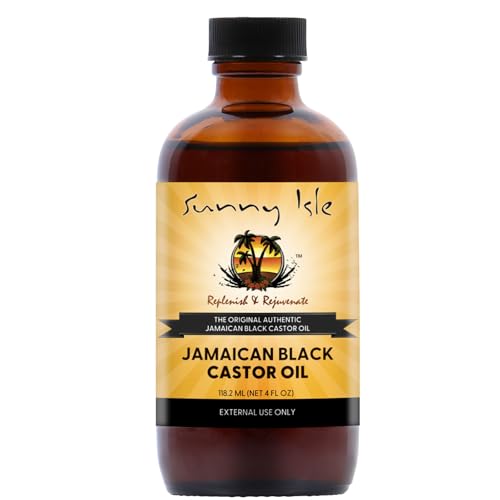
Best JBCO (Pure): Sunny Isle Jamaican Black Castor Oil
Sunny Isle is the gold standard for Jamaican black castor oil. It is traditionally processed in Jamaica, comes in the recognizable yellow-label bottle, and maintains consistent quality. The oil is dark, smoky, and thick, exactly what JBCO should be. Use it as the castor oil component of your beard blend (25% to 30% of total formula) mixed with jojoba or sweet almond oil.
Works for: Men who want a pure, authentic JBCO to mix their own blends. Those who already know they like the roasted scent.
Skip if: You want a ready-to-use beard oil. This is a raw ingredient, not a finished product.
Best JBCO (Pure): Tropic Isle Living JBCO
Tropic Isle Living is Sunny Isle’s main competitor, and some men prefer its slightly milder scent and marginally thinner consistency. Both brands are legitimate Jamaican-processed JBCO. Tropic Isle Living also offers specialty variations infused with rosemary, lavender, or coconut, which can save you the step of adding essential oils to your blend.

Works for: Men who find Sunny Isle too thick or too smoky. Those who want a JBCO with added essential oils already blended in.
Skip if: You do not like any JBCO scent. The flavored versions still have the characteristic roasted base note.

Best Pre-Made Beard Oil with Castor: Scotch Porter
Scotch Porter Beard Oil includes castor oil as part of a balanced carrier oil formula alongside argan, jojoba, and avocado. This is the approach I recommend for men who want castor oil’s benefits without mixing their own blends. The formula is designed for coarse, textured facial hair, and the castor content is proportioned correctly so it delivers moisture without leaving a heavy, sticky residue.
Scotch Porter is Black-owned and formulates specifically for our hair textures, which matters when you are looking at how a product performs on 4B and 4C facial hair. For a full comparison of options, see our best beard oils for Black men roundup.
Works for: Men who want an all-in-one beard oil with castor as one component. Anyone who values convenience over DIY.
Skip if: You specifically want a heavy castor oil treatment. Scotch Porter is balanced, not castor-forward.
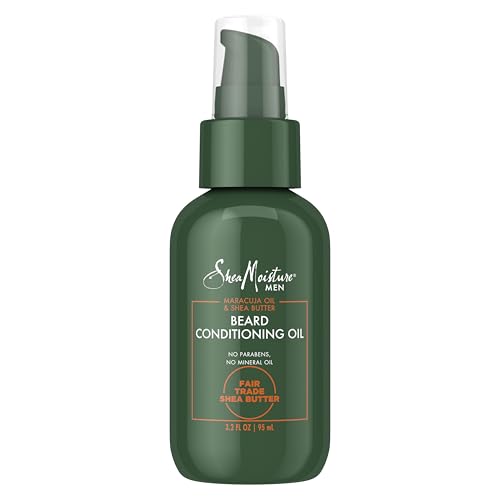
Best Budget Pre-Made: SheaMoisture Beard Conditioning Oil
SheaMoisture’s formula is available at Target and Walmart for under $12 and includes shea butter and maracuja oil alongside conditioning ingredients that complement castor oil’s benefits. While castor is not the headline ingredient, the overall formula delivers the moisture, softening, and protective coating that castor oil users are looking for.
Works for: Budget-conscious men, those who prefer shopping in-store, thick beards needing heavy moisture.
Skip if: You specifically want a castor-dominant formula.
Product Comparison
| Product | Type | Price | Castor Content | Best For |
|---|---|---|---|---|
| Sunny Isle JBCO | Pure oil | $8-12 (4 oz) | 100% JBCO | DIY blending, heavy conditioning |
| Tropic Isle Living JBCO | Pure oil | $9-14 (4 oz) | 100% JBCO | DIY blending, milder scent preference |
| Scotch Porter Beard Oil | Pre-made blend | $12-16 | Part of formula | All-in-one daily beard oil |
| Bevel Beard Oil | Pre-made blend | $14-18 | Castor as key carrier | Sensitive skin, ingrown-prone areas |
| SheaMoisture | Pre-made blend | $8-12 | Complementary | Budget moisture for thick beards |
DIY Castor Oil Beard Blend Recipe
If you want to make your own castor oil beard formula, here is the recipe I use. It takes two minutes to mix and lasts about a month.
Castor Oil Conditioning Beard Blend
| Ingredient | Amount | Purpose |
|---|---|---|
| Jojoba oil | 2 tablespoons (30 mL) | Primary carrier, fast absorption, sebum-mimicking |
| Castor oil (regular or JBCO) | 1 tablespoon (15 mL) | Deep moisture, thickening, anti-inflammatory |
| Argan oil | 1 teaspoon (5 mL) | Shine, softening, frizz control |
| Vitamin E oil | 3-4 drops | Antioxidant preservation, additional conditioning |
| Cedarwood essential oil (optional) | 3 drops | Warm masculine scent, mild antimicrobial |
Instructions
- Combine jojoba, castor, and argan oils in a 2 oz dark glass dropper bottle.
- Add vitamin E drops and cedarwood essential oil if using.
- Cap and roll between your palms for 30 seconds to blend.
- Let sit for 24 hours before first use.
- Shake gently before each use, as the castor oil can settle due to its heavier density.
Shelf life: 4 to 6 months stored in a cool, dark place.
Variations
- For maximum thickness: Increase castor oil to 1.5 tablespoons and reduce jojoba to 1.5 tablespoons. This makes a heavier blend best for overnight treatments.
- For beard itch and inflammation: Add 3 drops of tea tree essential oil for antimicrobial protection.
- For summer use: Replace argan with grapeseed oil for a lighter feel in hot, humid weather.
- For the roasted scent lovers: Use JBCO and skip the essential oil. The natural smoky scent is enough for many men.
Common Mistakes with Castor Oil for Beards
Mistake 1: Using It Undiluted
Pure castor oil is too thick to work through facial hair, especially coarse textures. It clumps, creates an uneven greasy appearance, and is extremely difficult to wash out. Always blend with a lighter carrier oil. The 1:3 ratio (castor to jojoba) is your baseline.

Mistake 2: Expecting Growth Where There Are No Follicles
If you have bare patches on your cheeks or jawline, castor oil will not fill them in. Those areas lack active follicles, and no topical oil can create new ones. Castor oil works on hair you already have. For filling in patches, read our guide on proven methods for fixing a patchy beard.
Mistake 3: Not Washing It Out Properly
Castor oil buildup is real. If you apply daily without thorough washing, the accumulated layers trap dead skin cells and bacteria against your face. Wash your beard with a gentle cleanser at least every other day. For castor oil blends, you may need to shampoo twice to remove all residue. When it comes to castor oil for beard growth, technique matters most.
Mistake 4: Buying Low-Quality or Adulterated Products
Cheap castor oil products are sometimes diluted with mineral oil or other fillers. For pure castor oil, check that the ingredient list says “100% Ricinus communis seed oil” with nothing else. For JBCO, buy from established Jamaican brands like Sunny Isle or Tropic Isle Living rather than generic bottles with no provenance. When it comes to castor oil for beard growth, technique matters most. When it comes to castor oil for beard growth, technique matters most.

Mistake 5: Giving Up Too Soon or Waiting Too Long
The moisture and conditioning benefits of castor oil appear within one to two weeks. If you are using it for those purposes and see no improvement after a month, the product or your application technique may be the problem. On the other hand, if you are waiting for growth results that never come after three, six, or twelve months, the issue is not patience. It is that castor oil does not stimulate growth. Know what you are using it for and set your timeline accordingly.
Castor Oil in Black Hair Care Tradition
I would be leaving out something important if I did not talk about castor oil’s cultural significance. In the Black community, castor oil is not just another product. It is generational knowledge. My grandmother used it. Her mother used it. It was in every kitchen cabinet and every bathroom in the neighborhood I grew up in.
Jamaican black castor oil specifically carries deep roots in Caribbean hair care traditions. The process of roasting and pressing the beans has been passed down through families in Jamaica for generations. When you buy a bottle of JBCO, you are participating in a tradition that predates the modern grooming industry by centuries. (We recommend this SFC Natural King Jamaican Black Castor.)
I respect that tradition, and I want to be clear that my skepticism about growth claims is not dismissal of cultural knowledge. Many traditional remedies have real benefits that science eventually validates. Castor oil’s anti-inflammatory and moisturizing properties are clinically confirmed. The growth claims specifically have not been. Both things can be true at the same time.
In the barbershop, I hear the growth claims repeated as gospel. Rather than arguing, I redirect. “It’s great for keeping what you’ve got healthy. For growing new hair, here’s what the studies show.” Most men appreciate the honest take, even if it is not what they hoped to hear.

For men exploring different beard styles, including styles that work with thinner coverage or beard styles for bald men, castor oil’s thickening effect can help you make the most of the beard you have while you decide whether to pursue actual growth methods.
Frequently Asked Questions
Does castor oil actually make your beard grow?
There are no clinical studies proving that castor oil stimulates new beard hair growth or activates dormant follicles. What castor oil does is moisturize existing facial hair, reduce breakage from dryness, and coat hairs to create a thicker visual appearance. These effects can make your beard look fuller over time, but the underlying follicle count does not change. For actual growth stimulation backed by science, minoxidil is the only over-the-counter option with published clinical evidence.
Is Jamaican black castor oil better than regular castor oil for beards?
Jamaican black castor oil (JBCO) is made by roasting castor beans before pressing, which produces a darker oil with ash content. Proponents claim the alkaline ash opens hair follicles and stimulates growth, but there is no published research supporting this. The practical differences are that JBCO is slightly thinner and easier to spread than cold-pressed castor oil, and it has a distinct roasted scent. Both types moisturize effectively. Choose based on texture preference and scent tolerance rather than growth claims. (We recommend this SFC Natural King Pro-Growth Hair &.)
How long does it take to see results from castor oil on a beard?
For moisture and softness improvements, you should notice a difference within one to two weeks of consistent use. Your beard will feel less brittle and look slightly fuller due to the coating effect. For any growth-related changes, you need to be realistic. Castor oil does not accelerate the hair growth cycle. Beard hair grows approximately half an inch per month regardless of what you apply topically. Any perceived growth improvement is likely from reduced breakage rather than faster follicle output.
Can I leave castor oil in my beard overnight?
Yes, overnight application is fine and allows the oil to penetrate deeply. Apply a small amount of diluted castor oil (mixed with a lighter carrier like jojoba) to your beard, cover with a silk or satin pillowcase to avoid staining, and wash out in the morning. Pure castor oil is very thick and can clog pores if left on facial skin for extended periods, so always mix it with a lighter oil and avoid applying heavily to acne-prone areas.
How do I wash castor oil out of my beard?
Castor oil is thick and viscous, making it harder to remove than lighter oils. Use a beard wash or gentle shampoo, lather thoroughly, and rinse with warm water. You may need to wash twice to remove all residue, especially if you used undiluted castor oil. This is why most men prefer using castor oil as part of a blend with jojoba or sweet almond oil rather than applying it straight. The lighter oils make the blend easier to distribute and wash out.
Will castor oil clog my pores and cause acne?
Castor oil has a comedogenic rating of 1 on a scale of 0 to 5, meaning it has a low likelihood of clogging pores. However, its thick consistency can trap dead skin cells and bacteria against the skin if applied too heavily or not washed out properly. If you are acne-prone, use castor oil in a blend (no more than 25% of the total formula) with non-comedogenic carrier oils like jojoba or grapeseed, and wash your beard thoroughly at least every other day. (We recommend this Ouiloe Beard Oil for Black Men.)
What is ricinoleic acid and why does it matter for beards?
Ricinoleic acid is a fatty acid that makes up approximately 90% of castor oil. It has documented anti-inflammatory properties, which may help soothe irritated skin under the beard and reduce redness around ingrown hairs. It also has humectant properties, drawing moisture into the hair shaft. While ricinoleic acid is a legitimate active compound with real benefits for skin and hair conditioning, its connection to hair growth specifically has not been proven in clinical trials.

The Bottom Line on Castor Oil for Beards
Castor oil is a genuinely useful beard care ingredient. It is just not the growth miracle the internet wants it to be. Let me leave you with the honest summary.
Here is what to remember:
- Castor oil does not grow new beard hair. No clinical study supports this claim, despite widespread belief.
- It excels at moisture, conditioning, and thickening appearance through coating and breakage prevention.
- JBCO and regular castor oil perform similarly. Choose based on consistency preference and scent, not growth marketing.
- Always dilute with a lighter carrier oil (1 part castor to 3 parts jojoba is the baseline ratio).
- For actual beard growth, look into minoxidil, derma rolling, and nutritional optimization. These have science behind them.
- The smartest approach combines both: growth products for follicle activation, castor oil blends for daily conditioning and retention.
If you want a pre-made formula, Scotch Porter delivers castor oil’s benefits in a balanced, ready-to-use blend designed for our hair texture. For pure JBCO, Sunny Isle and Tropic Isle Living are the standard bearers. And if you are serious about growing a fuller beard with methods that have clinical backing, our beard growth products guide and thicker beard guide cover everything you need to know.
Respect the oil for what it does. Stop asking it to do what it cannot. Your beard will be better for it.