If you want to master goatee vs beard, this guide covers everything you need to know. Last updated: February 2026 by Marcus Chen-Williams, Editor-in-Chief
The goatee vs beard decision is one of the first real crossroads in any man’s grooming journey. Both styles can look sharp, both have rich histories across cultures, and both come with trade-offs most guides skip over entirely. Whether you are growing your first facial hair or rethinking a style you have worn for years, this comparison will help you make the right call for your face shape, your lifestyle, and the amount of time you actually want to spend in front of a mirror.
If you only read one section, jump to the head-to-head comparison table. But if you want to understand why one style might work better than the other for your specific face, keep reading.
What Is the Actual Difference Between a Goatee and a Beard?
Let’s get the definitions straight, because the terms get misused constantly.
A goatee is facial hair concentrated on the chin, sometimes connected to a mustache, with the cheeks and sideburns shaved clean. The classic goatee is just the chin hair. The most common modern variation includes the mustache connected to the chin, which many barbers call a “circle beard” or “full goatee.”
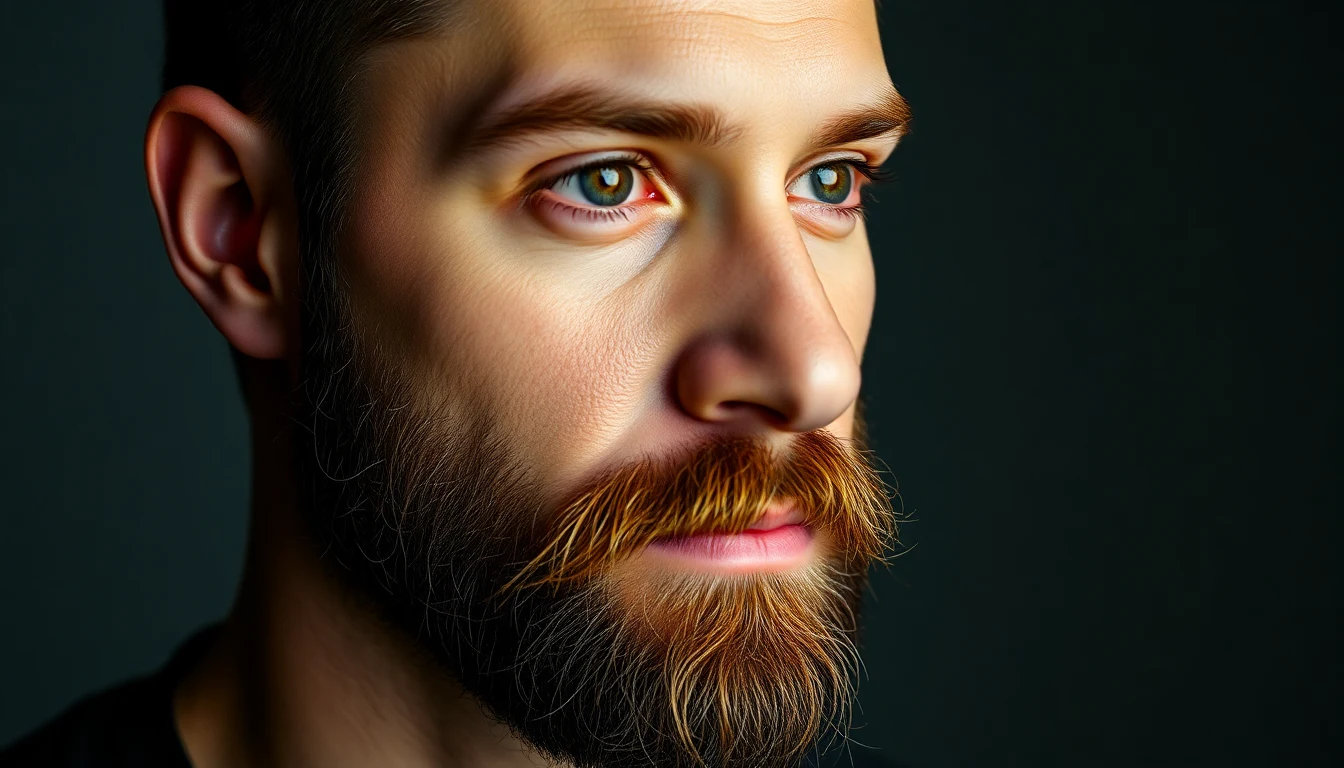
A full beard is facial hair that covers the cheeks, jawline, chin, mustache, and often the neck. It connects from the sideburns through the cheeks to the chin and mustache in one continuous area of growth.
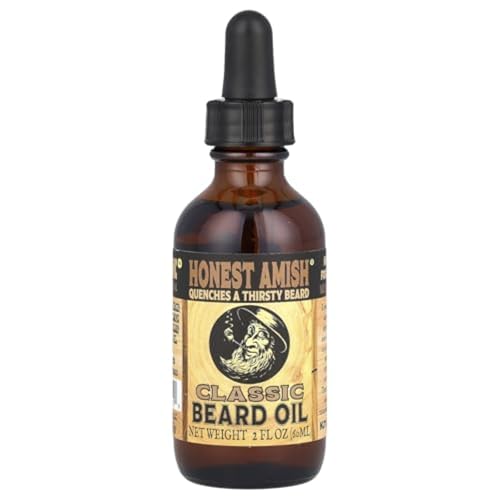
The distinction matters because each style requires different growth patterns, different maintenance routines, and different face shapes to look its best. A man with excellent chin and mustache growth but thin cheeks might look incredible with a goatee and mediocre with a full beard. The reverse can be true for a man with strong cheek growth but a sparse chin. (We recommend this Honest Amish – Classic Beard Oil.)
Goatee Variations: Five Styles Worth Knowing
The word “goatee” covers a lot more ground than most men realize. Here are five variations, each with a distinct look and maintenance level.
Classic Goatee
Chin hair only, no mustache connection. This is the purest form of the goatee, and it requires the least growth. If you can grow hair on your chin, you can pull off a classic goatee. It works best on men who want a minimal, low-maintenance accent of facial hair without committing to a larger style. The classic goatee adds a subtle definition to the chin and pairs well with a clean-shaven face.
Best for: Men with strong chin growth but thin mustache coverage. Also a solid choice for professional settings where subtle facial hair is preferred over bold statements.
Growth time: Two to three weeks for visible definition.
Van Dyke
A mustache and chin beard that are intentionally disconnected. Named after the 17th-century painter Anthony van Dyck, this style has the mustache and goatee as separate, distinct elements with clean-shaven skin between them. It looks more deliberate and artistic than a connected goatee, and it works well for men whose mustache and chin hair do not naturally connect. (We recommend this Viking Revolution Unscented Beard Oil for.)
Best for: Men who have a gap between their mustache and chin growth. Instead of fighting the gap, the Van Dyke makes the separation part of the design. It also suits men who want a slightly edgier, more distinctive look.
Growth time: Three to four weeks. The mustache and chin need enough length to be shaped independently.
Extended Goatee
A goatee that extends along the jawline toward the ears, sometimes called a “tailback” or “Hollywoodian.” The chin and mustache are connected, and the goatee widens past the corners of the mouth along the jawline. The cheeks above this line remain clean-shaven. This variation bridges the gap between a goatee and a full beard, giving you more coverage without the full commitment.
Best for: Men who want more facial hair presence than a standard goatee but cannot grow full cheek coverage. Also popular among men with bald or shaved heads because the extended line balances the bare scalp.
Growth time: Four to six weeks. The jawline extensions need time to fill in evenly.
Anchor Beard
A pointed chin beard with a thin line extending along the jawline, combined with a pencil mustache or disconnected mustache. The shape resembles a ship’s anchor, which is where the name comes from. This is one of the more sculpted goatee variations, and it requires precision trimming to maintain the defined lines.
Best for: Men with narrow or diamond-shaped faces who want to add width and structure to the chin area. The anchor is also a strong choice for men who enjoy precise grooming and do not mind spending an extra few minutes on maintenance. It looks polished in professional environments.
Growth time: Three to four weeks, plus initial shaping by a barber to get the lines right.
Circle Beard
The connected mustache-and-goatee combination that most people actually picture when they hear the word “goatee.” The mustache flows into the chin beard in a rounded shape with the cheeks shaved clean. This is the most popular goatee variation in 2026, and for good reason. It is versatile, relatively low-maintenance, and works across a wide range of face shapes and hair types.
Best for: Almost everyone. The circle beard is the most universally flattering goatee style. It adds facial definition without requiring full cheek growth, and it looks sharp from a clean three-day stubble to a quarter-inch length. If you are trying a goatee for the first time, start here.


Growth time: Two to four weeks for a clean circle shape.
Full Beard Variations: Three Lengths That Define the Category
Full beards exist on a spectrum from “I clearly groom this daily” to “I have been growing this for a year and have no plans to stop.” Here are the three most common lengths.
Short Box Beard
A full beard trimmed to a uniform length between 3mm and 10mm. The edges are sharp, the cheek line is defined, and the neckline is clean. This is the most popular full beard style in professional settings because it reads as intentional and well-maintained.
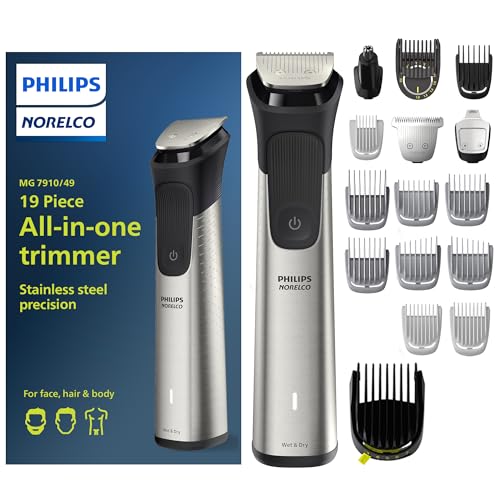
Best for: Men who want the presence of a full beard without the maintenance demands of a longer style. The short box works on every face shape because you can adjust the cheek line and neckline to create the proportions you want. It is also the easiest full beard to maintain at home with a quality trimmer like the Philips Norelco Multigroom 7000.
Growth time: Four to eight weeks for most men. You need enough length to see the full growth pattern before shaping.
Medium Beard
A full beard at roughly half an inch to two inches in length. At this stage, the beard has visible texture and movement. It requires regular brushing, conditioning with a quality beard oil, and deliberate shaping to maintain a clean appearance. The medium beard is where hair type starts to matter significantly. Straight facial hair hangs differently than wavy or curly facial hair at this length, and men with tightly coiled hair textures will see more compression and density than men with straight strands.
Best for: Men who have confirmed full facial coverage and want to make a statement. The medium beard works well on oval and oblong face shapes. Men with round faces should be careful here, as the added bulk can widen the appearance of the face. If that is a concern, keep the sides slightly shorter than the chin. Our guide on how to get a thicker beard covers strategies for building density at this length.
Growth time: Two to four months. This is the stage where patience matters most. Many men trim too early because the in-between phase looks unkempt.
Yeard (Year Beard)
Twelve months of continuous growth with minimal trimming, only shaping the neckline and cheek line. A yeard is a commitment. At this length, the beard requires daily maintenance: brushing, oiling, washing two to three times per week, and occasional trimming of split ends. The yeard is not for everyone, and it is not appropriate for every professional setting, but for men who can grow one, it makes a powerful visual statement.
Best for: Men with strong, even growth across the entire face who enjoy the grooming ritual. A yeard requires dense coverage. If your cheeks are thin at one inch, they will look thinner at six inches. Be honest about your growth pattern before committing to a year of patience.
Growth time: 12 months, by definition.
Face Shape Matching: Which Style Flatters Your Structure
Your face shape is the single most reliable indicator of whether a goatee or a full beard will look better on you. Here is the breakdown.
Round Face
A round face has soft angles with similar width and length. The cheeks are the widest point, and the jawline curves gently without a sharp angle.
Best choice: Goatee (circle beard or extended goatee). The vertical emphasis of a goatee adds length to a round face, creating the illusion of an oval shape. A circle beard is especially effective because the connected mustache-and-chin design draws the eye downward.
If you prefer a full beard: Keep the sides trimmed very short (3mm to 5mm) and let the chin grow slightly longer. This creates a tapered effect that elongates rather than widens. Avoid letting a full beard grow equally on all sides, as this adds width to an already wide face.

Oval Face
An oval face is slightly longer than it is wide, with balanced proportions and a gently rounded jawline. This is the most versatile face shape for facial hair.
Best choice: Either style works. Oval-faced men are the lucky ones. Both goatees and full beards complement the natural balance of this face shape. Choose based on your growth pattern, your lifestyle, and your maintenance preference rather than trying to correct a proportion issue that does not exist.
What to avoid: Styles that are excessively long or excessively wide. An oval face is already balanced, so extreme proportions in either direction can throw it off.
Square Face
A square face has a strong, angular jawline with the forehead and jaw roughly the same width. The face is nearly as wide as it is long.
Best choice: Full beard (short box or medium). A full beard softens the hard angles of a square jaw while adding length below the chin. The coverage along the jawline rounds out the angularity without hiding the strong bone structure entirely. A short box beard is especially effective because it balances the jaw without adding too much bulk.
If you prefer a goatee: Choose a rounded circle beard rather than a pointed or angular variation. A sharp, pointed goatee can exaggerate the squareness of the jaw. Softer lines work better here.
Diamond Face
A diamond face has wide cheekbones with a narrow forehead and a pointed chin. The cheekbones are the dominant feature.
Best choice: Goatee (anchor or circle beard) or a full beard with volume at the chin. Both styles add width and structure to the narrow chin area, balancing the wide cheekbones. An anchor beard is particularly effective for diamond faces because the chin definition counterbalances the prominent cheeks.

What to avoid: Styles that add volume to the sides of the face, as this makes the cheekbones look even wider. If wearing a full beard, keep the cheek line fairly low.
Oblong (Rectangle) Face
An oblong face is noticeably longer than it is wide, with a tall forehead and a long chin.
Best choice: Full beard with side volume. A full beard that is kept slightly wider on the sides adds visual width, which shortens the perceived length of the face. The short box beard is ideal here because the even coverage adds horizontal balance.
What to avoid: Long goatees, pointed goatees, or any style that adds even more vertical length. A goatee on an oblong face can make the face look narrow and stretched.
Face Shape Quick Reference
| Face Shape | Best Goatee Style | Best Beard Style | Avoid |
|---|---|---|---|
| Round | Circle beard, extended goatee | Short box (chin longer) | Wide, bushy full beards |
| Oval | Any variation | Any variation | Extreme lengths or widths |
| Square | Rounded circle beard | Short box, medium | Sharp, angular goatees |
| Diamond | Anchor, circle beard | Full with chin volume | Side-heavy full beards |
| Oblong | Use with caution | Short box with side volume | Long or pointed goatees |

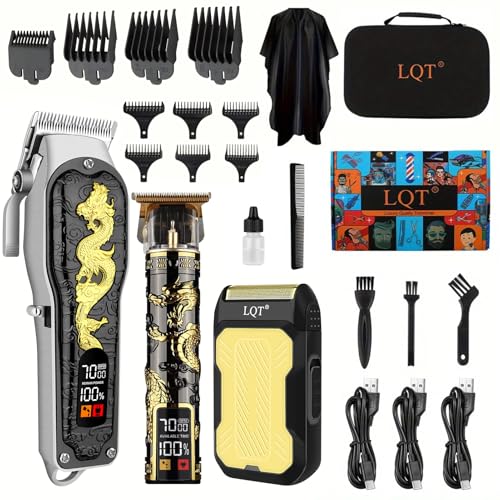
- 【PROFESSIONAL HAIR CLIPPERS SET】The LQT professional hair clipper set perfectly
- 【UPGRADE ACCESSORIES】 The LQT clippers for men equipped with 4 guide combs(,3,6,
- 【POWERFUL MOTOR & LARGR CAPACITY BATTERY】The LQT clippers for hair cutting conta
Goatee vs Beard: The Complete Head-to-Head Comparison
This is the section to bookmark. This table breaks down every factor that matters when deciding between a goatee and a full beard.
| Factor | Goatee | Full Beard |
|---|---|---|
| Growth Required | Chin and mustache only | Full cheeks, chin, jawline, mustache |
| Minimum Growth Time | 2-4 weeks | 6-10 weeks |
| Daily Maintenance | 5-10 minutes (shave cheeks, trim edges) | 10-20 minutes (brush, oil, shape, wash) |
| Products Needed | Trimmer, razor, occasional oil | Trimmer, oil, brush, comb, wash, balm |
| Monthly Cost (products) | $10-20 | $25-50 |
| Professional Perception | Conservative, safe, universally accepted | Accepted when well-groomed; varies by industry |
| Face Shape Versatility | Best for round, oval, diamond | Best for square, oval, oblong |
| Hides Weak Areas | Eliminates patchy cheeks as a concern | Requires full, even coverage to look intentional |
| Aging Effect | Adds definition; can look youthful | Adds maturity; can look distinguished |
| Hair Type Impact | Minimal; works with all textures | Significant; curly hair compresses, straight hair hangs differently |
| Barbershop Visits | Every 2-4 weeks for shaping | Every 3-6 weeks for shaping and trimming |
| Reversibility | Easy; clean-shaven in minutes | Significant; weeks or months of growth lost |
Maintenance Requirements: What Each Style Actually Demands
Let’s be honest about how much work each style takes, because this is where most comparisons fall short. They tell you a goatee is “low maintenance” without defining what that means in minutes per day.
Goatee Maintenance Routine
Daily (5-10 minutes):
- Check the goatee outline in the mirror. Clean up any stray hairs on the cheeks and neck with a precision trimmer or razor.
- Wash the goatee area during your normal face wash. A dedicated beard wash is not necessary for most goatees, though men with sensitive skin may benefit from using a gentle face wash specifically.
Weekly (10-15 minutes):
- Trim the goatee to your desired length using a trimmer with a guard. The Andis T-Outliner is excellent for precision work around goatee edges.
- Define the borders. Clean cheek lines and a sharp neckline are what separate a deliberate goatee from a “forgot to shave” situation.
- Apply a small amount of beard oil if the hair feels dry, especially in winter. A few drops are enough for a goatee.
Monthly:
- Optional barbershop visit for a professional shape-up. This is recommended when you first adopt a goatee style to establish the template you will maintain at home.
Full Beard Maintenance Routine
Daily (10-20 minutes):
- Brush the beard with a boar bristle brush or quality comb to distribute natural oils, remove tangles, and train the hair to lay flat. This step is especially important for men with curly or coiled beard hair.
- Apply beard oil after showering, while the hair is still slightly damp. Work three to five drops through the beard and into the skin underneath. For thicker beards, increase to five to eight drops. Our guide to the best beard oils covers what to look for by hair type.
- Shape the cheek line and neckline if any strays have appeared overnight.
Every 2-3 days:

- Wash the beard with a dedicated beard wash (not regular shampoo, which strips the natural oils your beard needs). A product like Viking Revolution Beard Wash is gentle enough for frequent use without drying out the hair.
Weekly (15-20 minutes):
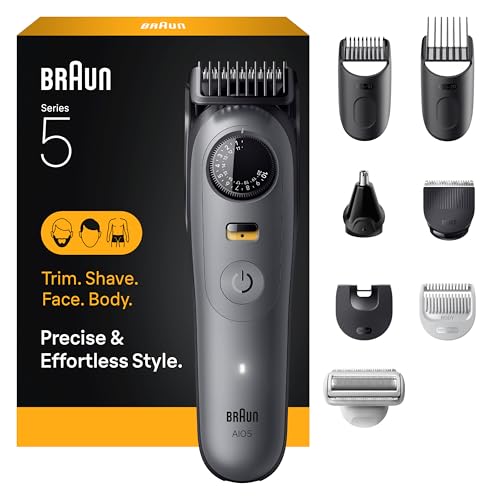
- Trim to maintain your desired shape. Invest in a quality trimmer; the Bevel Beard Trimmer handles all hair textures well and has the precision guards you need for even length.
- Check for split ends on medium and long beards. Trim them with small scissors.
- Apply a beard balm or butter if you need hold and shape control, especially for beards over one inch in length.
Monthly:
- Barbershop trim to maintain shape and address any uneven growth. A good barber can reshape a beard that has grown out of balance much more effectively than you can at home.
Growth Requirements: Can You Actually Pull It Off?
This is the section nobody wants to hear but everybody needs to. Not every man can grow every style, and that is perfectly fine. Here is a realistic assessment of what each style demands from your genetics.
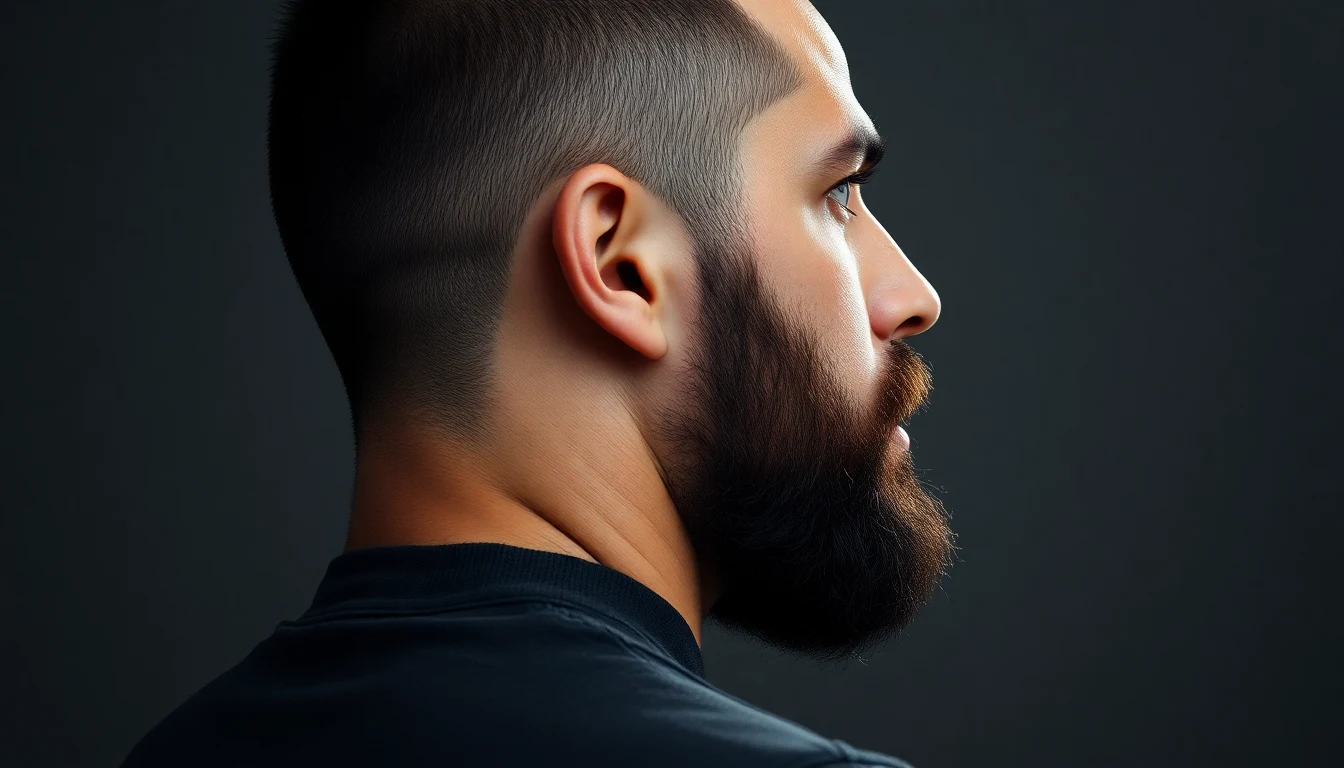
What a Goatee Requires
- Chin hair: Moderate to full coverage on the chin. This is the minimum. If your chin grows hair, you can wear a goatee.
- Mustache (for connected styles): Enough growth to visibly connect to the chin, or enough to stand alone as a disconnected Van Dyke.
- Cheek growth: Irrelevant. This is the goatee’s biggest advantage. Patchy cheeks? Thin sideburns? Neither matters.
If you struggle with overall facial hair density, our beard growth products guide covers options for improving what you have. But a goatee is often the simplest solution for men who cannot grow a full beard, because it works with the growth you already have rather than fighting against the growth you lack.
What a Full Beard Requires
- Even coverage: You need growth on the cheeks, jawline, chin, and mustache area. Gaps or patches become visible in a full beard, especially at shorter lengths where the skin shows through.
- Patience: A minimum of six to ten weeks of growth before you can judge whether your beard will fill in. Many men quit at week three because the growth looks uneven, not realizing that another month of growth would have filled the gaps.
- Connectivity: The sideburns need to connect to the cheek hair, which connects to the chin and mustache. Gaps in connectivity (especially the “connector” area between the mustache corners and the chin) are the most common reason men cannot pull off a full beard.
If you are dealing with patches, read our complete guide on how to fix a patchy beard. There are legitimate solutions, from minoxidil to strategic trimming, that can help. But the honest answer is that some men are better suited to a goatee, and there is zero shame in that.
Facial Hair in Professional Settings (2026 Reality Check)
The workplace beard stigma has faded significantly, but it has not disappeared entirely. Here is how both styles play in different professional environments in 2026.
Corporate and Finance
A neatly trimmed goatee is universally accepted. Full beards are increasingly common but still draw second glances in the most traditional firms. If you are interviewing at a conservative institution, a clean goatee or clean-shaven face is the safer bet. Once you are established and have read the room, a well-groomed short box beard is unlikely to be an issue.
Tech and Startups
Anything goes, within reason. Both goatees and full beards are common. The standard is “does it look like you groom yourself intentionally?” If yes, you are fine.
Creative Industries
Facial hair is often part of personal branding in creative fields. Full beards, distinctive goatees, and unusual variations are not just accepted but can be an advantage. The extended goatee and Van Dyke styles tend to be popular in these environments.
Healthcare and Food Service
Practical considerations apply. Some healthcare roles require respirator fit testing, which can eliminate full beards. Food service roles may require beard nets. A goatee is often easier to manage with PPE requirements. Check your specific workplace policies before committing to a style.

Law Enforcement and Military
Policies vary by department and branch. Historically, many required clean-shaven faces, but this is changing. Several military branches now allow beards for religious and medical accommodations. If facial hair policies apply to your workplace, a goatee or closely trimmed stubble often falls within acceptable guidelines when a full beard does not.
The bottom line: in 2026, both styles work in most professional environments. The variable is not the style; it is the maintenance. A sloppy goatee looks worse than a well-groomed full beard, and vice versa.
How Hair Type Changes the Equation
This is where most goatee vs beard guides drop the ball. They write as if everyone’s facial hair grows the same way. It does not. Hair texture changes everything about how a beard or goatee looks and behaves.
Straight Facial Hair (Type 1-2)
Straight facial hair grows outward and hangs downward. A full beard at medium length will have visible length and movement. A goatee will look clean and defined with minimal effort. The main challenge with straight facial hair is that it can look wispy or thin if the density is not high enough, because each strand is individually visible. When it comes to goatee vs beard, technique matters most.
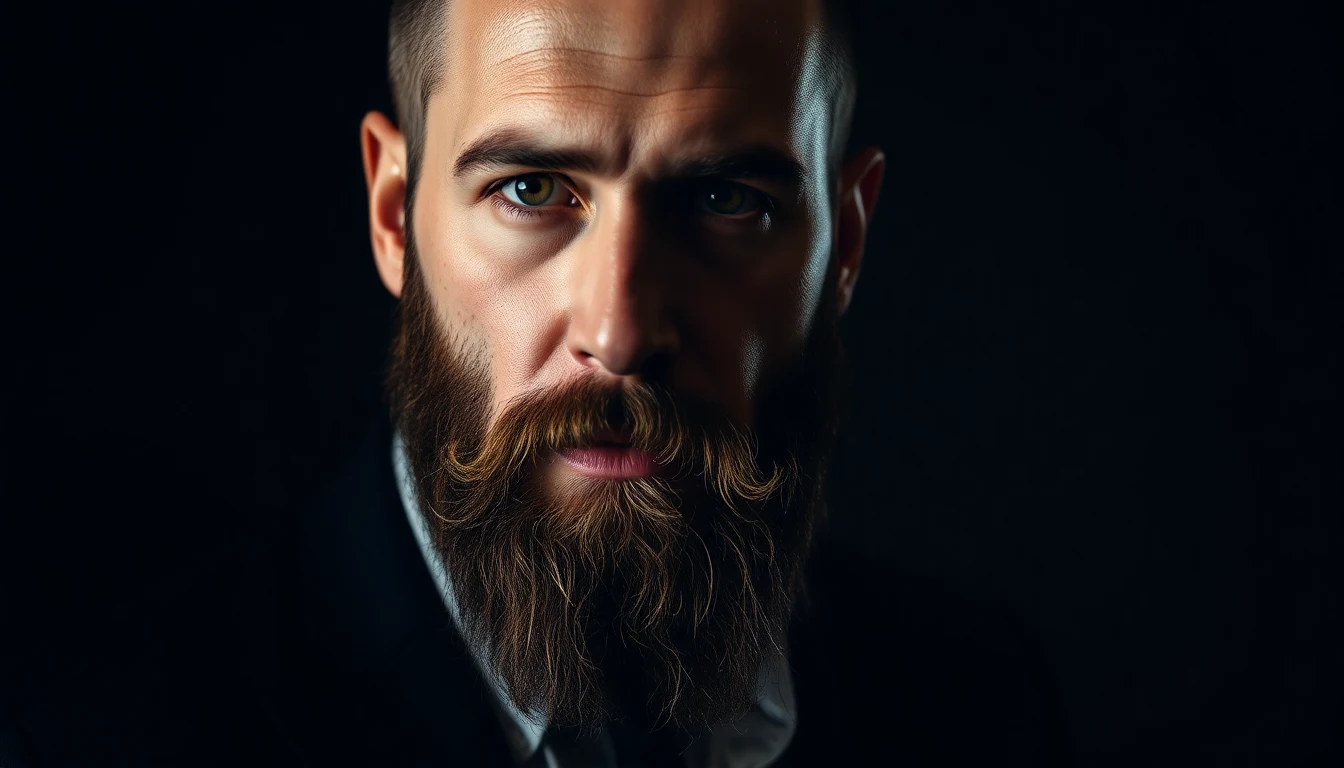
Goatee advantage: Easy to maintain sharp lines. The hair stays where you put it. When it comes to goatee vs beard, technique matters most.
Full beard advantage: At medium to long lengths, straight beards have a classic, smooth appearance. When it comes to goatee vs beard, technique matters most.
Wavy Facial Hair (Type 2-3)
Wavy facial hair adds natural texture and volume. Both goatees and full beards benefit from the added body. Wavy beards tend to look fuller than straight beards at the same length because the curves create visual density.
Goatee advantage: Natural texture gives the goatee character without any styling product.
Full beard advantage: Wavy beards look thick and substantial even at moderate lengths.
Curly and Coiled Facial Hair (Type 3-4)
Tightly curled and coiled facial hair compresses significantly. A beard that measures two inches when stretched may only appear half an inch long because the coils draw the hair close to the face. This means a full beard on a man with type 4 facial hair looks denser and more compact than the same length on a man with straight hair. For a detailed look at styling options, our Black men beard styles guide covers what works for coiled textures.
Goatee advantage: The compact coil gives goatees a naturally thick, defined look even with moderate growth. Less product needed to maintain shape.
Full beard advantage: Coiled beards create an impressive density that straight-haired men cannot achieve. The trade-off is that they require more moisture (beard oil is non-negotiable) and are more prone to ingrown hairs and razor bumps at the edges.
Men with curly or coiled facial hair should use a quality beard oil formulated for textured hair regardless of whether they choose a goatee or a full beard. Dryness is the number one enemy of coiled facial hair.
Best For: Matching Your Style to Your Lifestyle
Here are our specific recommendations.
Choose a Goatee If:
- You have patchy cheek growth. A goatee eliminates the cheeks from the equation entirely. No patches to hide, no sparse areas to worry about.
- You want low maintenance. A goatee takes roughly half the daily time of a full beard and requires fewer products.
- You have a round face. The vertical line of a goatee is the most effective way to add length to a round face without drastic changes.
- You work in a conservative environment. When in doubt, a goatee is the safer professional choice.
- You are growing facial hair for the first time. A goatee is easier to achieve, easier to maintain, and easier to experiment with. You can always grow it out into a full beard later.
- You live in a hot, humid climate. Less facial hair means less sweat, less itching, and less trapped heat. A goatee is significantly more comfortable than a full beard in summer.
- You are active or athletic. Less facial hair means less interference with helmets, masks, and gear. It also dries faster after workouts.
Choose a Full Beard If:
- You have even, full coverage. If your cheeks, chin, jawline, and mustache all grow in at similar density, you have the raw material for a great full beard.
- You have a square or oblong face. A full beard softens the angularity of a square face and adds width to a narrow, long face.
- You enjoy grooming as a ritual. A full beard demands daily attention. If you find the brushing, oiling, and shaping routine meditative rather than burdensome, a full beard is for you.
- You want to project maturity or authority. A full beard adds gravitas. There is a reason most “distinguished gentleman” imagery includes a full beard.
- You are a bald or shaved-head man. A full beard balances a bare scalp in a way that a goatee often cannot. The bald-plus-beard combination is one of the strongest looks in men’s grooming.
- You have the patience. A full beard requires months of disciplined growth through awkward phases. If you tend to get impatient and trim too early, be honest with yourself.
Consider a Hybrid If:
- You want the best of both worlds. The extended goatee and circle beard sit between a standard goatee and a full beard. They provide more coverage and presence than a classic goatee without requiring the full cheek growth of a complete beard.
- Your growth is strong in some areas and weak in others. Hybrid styles let you build around your strengths. Strong chin and mustache but thin cheeks? An extended goatee or circle beard makes the most of what you have.
Common Mistakes With Both Styles (And How to Avoid Them)
These errors are easy to fix once you know what to look for.

Goatee Mistakes
- Too narrow. A goatee that is thinner than the width of your mouth looks like a landing strip. The goatee should at least match the width of your mouth, and most men look better with it slightly wider.
- Ignoring the neckline. Even though a goatee is small, the area under the chin still needs a defined neckline. Let the hair grow to just above your Adam’s apple and shave everything below it.
- Uneven sides. Use your mouth corners as landmarks. The goatee should be symmetrical relative to the center of your chin, not relative to any single feature.
- Letting it grow too long without shaping. A goatee that extends past the chin without intentional shaping looks accidental, not stylish. If you want length, commit to a deliberate style like the Van Dyke or anchor, and maintain the shape.
Full Beard Mistakes
- Setting the neckline too high. The most common beard mistake in existence. Your neckline should follow the natural curve where your neck meets your jaw, roughly at or just above your Adam’s apple. A neckline set at the jawline creates the dreaded “chin strap” effect and makes the beard look thin from the side.
- Ignoring the cheek line. Let your natural cheek line grow in for the first month, then clean it up. A cheek line that is too low wastes coverage; a cheek line that is too high looks unnatural.
- Not using beard oil. Your face produces less sebum than your scalp. Without supplemental oil, beards become dry, itchy, and brittle. This is especially true for men with curly or coiled facial hair. Two to five drops of quality beard oil daily makes a visible difference.
- Trimming too early. The most common reason men fail at growing a full beard is that they trim or shape before the beard has reached its full potential. Give it at least six weeks before making any decisions about the final shape.
- Using regular shampoo on the beard. Regular shampoo is formulated for the scalp, which produces more oil than facial skin. It strips the natural oils from your beard and the skin underneath, causing dryness, flaking, and itching. Use a dedicated beard wash or co-wash instead.
How to Transition Between Styles
One of the best things about facial hair is that it grows back. Here is how to switch between styles without regret.
From Clean-Shaven to Goatee
- Let your entire face grow for one to two weeks without touching it. This lets you see your natural growth pattern.
- Identify your strongest growth areas. If the chin and mustache are your best zones, you are a good goatee candidate.
- Use a trimmer to remove all hair outside your chosen goatee shape. Start wider than you think you need. You can always trim narrower.
- Define the borders with a precision trimmer or razor. Clean cheeks and a sharp neckline are essential.
From Clean-Shaven to Full Beard
- Commit to four to six weeks of zero trimming. Do not touch it. The awkward phase is real and unavoidable.
- At week four, assess your coverage. Can you see the overall beard shape? Are there major gaps?
- If coverage is even, visit a barber to establish your neckline and cheek line. Do not do this yourself for the first time; a professional will set the template you maintain at home.
- Begin your daily oil and brush routine from week one, even when the beard is short. This trains the hair direction and conditions the skin.
From Full Beard to Goatee
- Trim the entire beard to a uniform short length (3mm to 5mm).
- Define the goatee shape. Use your mouth corners as width guides and your chin as the center point.
- Shave the cheeks and neck clean.
- Adjust the goatee width and length over the next week as you get used to the new look.
From Goatee to Full Beard
- Stop shaving the cheeks and neck. Let everything grow.
- Keep the goatee at its current length while the rest of the face catches up. The goatee area will be longer than the cheeks for several weeks; this is normal.
- Once the cheek growth reaches the goatee length, trim everything to a uniform length and begin shaping the full beard.
- This transition typically takes four to eight weeks depending on your growth rate.
Frequently Asked Questions
Is a goatee easier to maintain than a full beard?
Yes, in most cases. A goatee requires less daily grooming time because you are maintaining a smaller area of facial hair. You will need to shave the cheeks and neck regularly to keep the goatee defined, but that takes less time than brushing, oiling, and shaping a full beard. A goatee typically needs a trim every five to seven days, while a full beard may need daily attention to stay presentable.
Which facial hair style looks better on a round face?
A goatee generally works better for round faces. The vertical line created by a goatee adds visual length to the face, creating a slimming effect that balances the width of a round face shape. A full beard can add bulk to the sides, making a round face appear wider. If you prefer a full beard with a round face, keep the sides short and let the chin area grow slightly longer to mimic the elongating effect.
Can I grow a goatee if I have patchy cheek growth?
Absolutely. A goatee is one of the best facial hair strategies for men with patchy cheek growth. Since a goatee only requires hair on the chin and optionally the mustache area, thin or uneven cheeks become irrelevant. Many men who struggle with full beard coverage find that a goatee or one of its variations like a Van Dyke or circle beard gives them a sharp, intentional look without fighting their natural growth pattern. (We recommend this Viking Revolution Beard Oil for Men.)

How long does it take to grow a full beard?
Most men need two to four months of uninterrupted growth to achieve a short to medium full beard. The average facial hair growth rate is about half an inch per month, though this varies by genetics, age, and ethnicity. A presentable short box beard typically requires six to eight weeks of growth. A medium-length beard takes three to four months. Resist the urge to trim or shape during the first four to six weeks, as early growth often looks uneven before it fills in.
Which style is more professional, a goatee or a full beard?
Both styles are widely accepted in professional settings in 2026, provided they are well-maintained. A neatly trimmed goatee has traditionally been considered the more conservative option and remains a safe choice in finance, law, and corporate environments. Full beards have gained significant professional acceptance in the last decade, especially in tech, creative industries, and media. The deciding factor is grooming quality, not style. A messy goatee looks less professional than a well-maintained full beard.
Do goatees suit all face shapes?
Goatees are versatile, but they work best on round, oval, and diamond face shapes. Round faces benefit most because the goatee adds vertical length. Oval faces can wear almost any goatee variation well. Diamond faces benefit from a goatee that adds width to the chin. Square face shapes can wear a goatee, but a rounded or softer variation works better than a pointed one to avoid making the jawline look too angular. Men with long, narrow faces should generally avoid goatees because they add even more vertical length.
Can I transition from a full beard to a goatee without shaving everything off?
Yes, and this is actually the recommended approach. Start by trimming your full beard to a uniform short length, about 3mm to 5mm. Then use a precision trimmer to define the goatee outline on your chin and mustache area. Shave the cheeks and neck clean. This method lets you see the goatee shape in context before committing, and you can grow back the full beard if you do not like the result. Many barbers recommend trying the transition during a scheduled trim to get the initial shape right.
The Bottom Line: Goatee vs Beard
Here is the quick recap:
- Choose a goatee if you have patchy cheeks, want low maintenance, have a round or diamond face, or prefer a conservative professional look.
- Choose a full beard if you have even full-face coverage, enjoy the grooming ritual, have a square or oblong face, or want to balance a bald or shaved head.
- Consider a hybrid (extended goatee, circle beard) if your growth is strong in some areas and weak in others.
- Face shape is the best starting point for deciding, but growth pattern, lifestyle, and maintenance tolerance should all factor into the final call.
- Both styles are professional in 2026 when they are well-maintained. The variable is grooming quality, not the style itself.
Whatever you choose, invest in the right tools. A quality beard trimmer is the single most important purchase for maintaining either style. And remember, facial hair grows back. If you try a goatee and miss the beard, or vice versa, you are never more than a few months away from switching.
For more style inspiration, check out our guides on beard styles for bald men and Black men beard styles for 2026.