If you want to master how often should you wash, this guide covers everything you need to know.
If you want to master how often should you wash, this guide covers everything you need to know. Last updated: February 2026 by Darius Washington, Black Men’s Grooming Editor
I grew up watching my uncle wash his beard every single morning with the same bar soap he used on his hands. By noon, his chin was flaking like it was winter in January. He blamed the Atlanta humidity. He blamed his razor. He blamed genetics. He never blamed the soap. If you are searching for how often should I wash my beard, the short answer is two to three times per week. The longer answer, the one that will actually save your beard, involves understanding why that number matters, what happens when you get it wrong, and how to adjust for your specific skin type, hair texture, and lifestyle.
I have spent five years testing beard wash products, talking to dermatologists who specialize in skin of color, and observing hundreds of beards in my barber’s chair. This guide is everything I know about getting the washing frequency right.
The Short Answer: Two to Three Times Per Week: How Often Should You Wash
For most men, washing your beard two to three times per week with a dedicated beard wash is the right frequency. This number balances two competing needs: keeping the beard clean and keeping it moisturized.

Here is the breakdown by skin type:
| Skin Type | Washing Frequency | Notes |
|---|---|---|
| Normal | 2-3 times per week | The baseline for most men. Water rinse on non-wash days. |
| Oily | 3-4 times per week (up to daily with gentle wash) | Oily skin produces excess sebum that can trap dirt and cause acne under the beard. |
| Dry | 1-2 times per week | Less frequent washing preserves the limited natural oils your skin produces. |
| Sensitive | 2 times per week maximum | Use a fragrance-free, sulfate-free wash. Follow with oil immediately. |
| Combination | 2-3 times per week | Focus wash on oily zones (mustache area, chin). Co-wash dry areas. |
On non-wash days, rinse the beard with warm water during your shower and apply beard oil to keep the hair conditioned and the skin underneath moisturized. That water rinse removes surface sweat and dust without disturbing the natural oil balance.
What Happens When You Wash Your Beard Every Day
Let me be direct. Washing your beard every day is the single most common beard care mistake I see, and it is destroying beards that would otherwise look great.
Here is the science. Your facial skin produces sebum, a natural oil that coats each hair strand and protects the skin underneath. Sebum is the reason a healthy beard looks slightly glossy and feels soft to the touch. When you wash your beard with a cleanser, you remove that sebum. Your skin needs 24 to 48 hours to fully replenish its oil layer, depending on your skin type.
When you wash every day, you strip the sebum faster than your body can replace it. The result is a cascade of problems:
Dryness and Brittleness
Without sebum, the beard hair loses its protective coating. Each strand becomes rough, dry, and prone to breakage. For men with tightly coiled beard hair, which is common among Black men with 4B and 4C textures, this is especially damaging because coiled hair is already more fragile than straight hair. The curl pattern creates stress points along the strand where breakage is most likely, and dry, uncoated hair breaks at those points more easily.
Beardruff (Beard Dandruff)
The skin under your beard reacts to the oil loss by either flaking (dry beardruff) or overproducing sebum to compensate (oily beardruff). Both look the same on your collar: white or yellowish flakes that no amount of brushing seems to fix. If you are dealing with persistent beardruff, the first thing to check is your washing frequency. Reducing from daily to every other day solves the problem for a significant number of men without any other changes. For persistent scalp and beard flaking, our guide to the best dandruff shampoos for Black hair covers treatment options.
Itching
Dry, irritated skin itches. And when the skin under your beard itches, you scratch. Scratching damages the skin further, creates micro-tears that can become infected, and makes the itching worse. This cycle is the number one reason men shave off otherwise healthy beards. They assume the beard itself is the problem, when the actual culprit is overwashing.
Increased Ingrown Hairs
Dry, brittle beard hair is more likely to break off at the surface rather than growing outward. The broken stub can curl back into the skin, causing pseudofolliculitis barbae (PFB), the razor bump and ingrown hair condition that affects up to 80% of Black men who shave (Halder, 1983; Journal of the American Academy of Dermatology). Even if you are not shaving, overwashing creates conditions that increase ingrown hair risk in the beard area.

What Happens When You Do Not Wash Your Beard Enough
The opposite extreme is just as bad. Some men, after hearing that daily washing is harmful, swing to washing once a week or less. That creates its own set of problems.
Bacterial Buildup
Your beard traps food particles, sweat, dead skin cells, and environmental pollutants throughout the day. Without regular cleansing, bacteria multiply in this warm, moist environment. A 2015 study published in the European Journal of Clinical Microbiology and Infectious Diseases found that some men’s beards harbored bacteria comparable to what researchers found on toilet seats. The study’s methodology has been debated, but the core point is valid: beards that are not cleaned regularly become bacterial habitats.
Folliculitis
When bacteria build up at the base of the hair follicle, you can develop folliculitis, which looks like small red bumps or whiteheads within the beard. This is different from PFB (which is caused by ingrown hairs). Folliculitis is an infection, and it sometimes requires antibacterial treatment to resolve. Regular washing is the primary prevention.
Odor
A beard that has not been washed in several days starts to smell. The bacteria breaking down sweat and dead skin produce volatile compounds that are not pleasant. Your nose adapts to your own scent faster than anyone else’s, so you may not notice it before your partner, your barber, or your coworker does. If someone has ever told you your beard smells “musty,” infrequent washing is the likely cause.

Skin Irritation and Acne
The trapped debris and bacteria under an unwashed beard can clog pores, leading to acne breakouts underneath the facial hair. This is especially common in men with oily skin. For guidance on managing the skin under your beard, check our guide on the best face washes for Black men.
Beard Wash vs Regular Shampoo: Why the Difference Matters
I hear this question at least twice a week: “Can I just use my regular shampoo on my beard?” The answer is no, and here is why.
Different Skin, Different Needs
Your scalp produces significantly more sebum than the skin on your face. Shampoo is formulated to cut through that excess scalp oil, which means it uses stronger surfactants (the cleaning agents in the formula). When you apply those strong surfactants to your face, which produces less oil, you strip it far below healthy levels.
Think of it like using dish soap to wash your hands. It works, but it takes everything with it.
pH Balance
Your scalp and facial skin have slightly different pH levels. Facial skin is typically around pH 5.5. Many shampoos are formulated at a higher pH for the scalp. Using a product with the wrong pH on your face can disrupt the acid mantle, the thin protective film that keeps bacteria out and moisture in.
What to Look For in a Beard Wash
A good beard wash has these characteristics:
- Sulfate-free. Sulfates (sodium lauryl sulfate, sodium laureth sulfate) are the harsh surfactants that strip oils. Look for gentler alternatives like coco-glucoside, decyl glucoside, or cocamidopropyl betaine.
- pH balanced for facial skin. Around 5.0 to 5.5.
- Contains a conditioner or moisturizer. Ingredients like glycerin, aloe vera, shea butter, or argan oil help replace moisture that the cleaning process removes.
- Minimal fragrance. Synthetic fragrances can irritate facial skin, especially under a beard where the skin is already more sensitive due to less air exposure.
Beard Wash Recommendations by Skin Type
| Product | Best For | Key Ingredients | Price Range |
|---|---|---|---|
| Scotch Porter Beard Wash | All skin types, especially dry and coiled hair | Biotin, white willow bark, aloe | $11-14 |
| SheaMoisture Beard Wash | Dry skin and 4B/4C textures | Maracuja oil, shea butter | $8-12 |
| Bevel Beard Wash | Sensitive skin, PFB-prone | Aloe, glycerin, coconut-derived surfactants | $10-13 |
| Frederick Benjamin Beard Wash | Oily skin, acne-prone | Tea tree, jojoba, vitamin E | $12-15 |
| Viking Revolution Beard Wash | Budget-friendly, all types | Argan oil, jojoba, aloe | $8-10 |
I have tested every product on this list for at least four weeks. Scotch Porter and Bevel are my two daily drivers. Scotch Porter for days when my beard feels dry, Bevel for days when my skin feels irritated. Both are Black-owned brands that were formulated with our hair textures in mind.
The Co-Washing Method: When Conditioner Is Enough
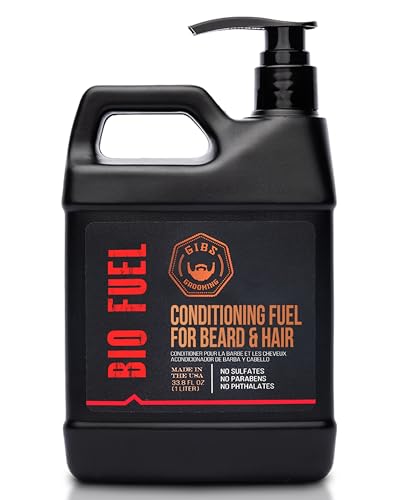
Co-washing (conditioner-only washing) is a technique borrowed from the natural hair community, and it works just as well for beards. Instead of using a beard wash, you apply a silicone-free conditioner to your damp beard, massage it through the hair and into the skin underneath, and rinse. The mild surfactants in conditioner remove surface dirt and sweat without stripping sebum. (We recommend this GIBS BioFuel Hair Conditioner For Men.)
When to Co-Wash
- On non-wash days when a water rinse is not enough. If you worked out or spent time in a dusty environment, co-washing cleans the beard gently without resetting the oil balance.
- If you have dry or very coiled beard hair. Men with 4B and 4C beard textures often find that co-washing three to four times per week with a traditional wash only once or twice per week keeps their beard in the best condition. The coil pattern makes it harder for sebum to travel down the hair shaft, so these textures need every bit of moisture they can get.
- In winter. Cold, dry air already strips moisture from your beard. Replacing some of your wash days with co-wash days during winter months can prevent the seasonal dryness that hits bearded men hardest between November and March.
How to Co-Wash Your Beard
- Wet your beard thoroughly with warm water.
- Apply a generous amount of silicone-free conditioner. Work it through the beard with your fingers, making sure it reaches the skin underneath.
- Massage gently for 60 to 90 seconds. This gives the conditioner time to lift dirt and deposit moisture.
- Rinse thoroughly with warm water, then finish with a cool rinse to close the hair cuticle.
- Pat dry with a clean towel. Never rub, as this creates frizz and breakage in coiled hair.
- Apply beard oil while the beard is still slightly damp to lock in moisture.
The Scotch Porter Beard Conditioner is my go-to for co-washing. It is thick enough to provide real slip and moisture without leaving a heavy residue.

The Complete Beard Washing Routine (Step by Step)
Here is the routine I use and recommend. It takes about five minutes from start to finish.
Step 1: Wet With Warm Water (Not Hot)
Warm water opens the hair cuticle and softens the beard, making it easier for the wash to penetrate. Hot water strips oils and irritates the skin. Lukewarm is ideal. Let the water run through your beard for 30 seconds before applying any product.
Step 2: Apply Beard Wash to Your Palms
Use about a nickel-sized amount for a short beard (under one inch) and a quarter-sized amount for a medium to long beard. Lather the product in your palms before applying it to the beard. This distributes the wash more evenly.
Step 3: Work From the Skin Outward
This is the step most men skip, and it is the most important. Your fingertips need to reach the skin under the beard. That skin is where the flaking, itching, and bacterial buildup happen. Start at the skin and work the lather outward through the hair. Massage in small circles for 60 seconds. For men with dense, coiled beards, part the hair with your fingers as you go to make sure the product reaches the skin.
Step 4: Rinse Thoroughly
Leftover product residue is a leading cause of beardruff and itching. Rinse for at least 30 seconds, running your fingers through the beard to ensure all the wash is out. Finish with a cool water rinse to close the cuticle and seal in moisture.
Step 5: Pat Dry (Never Rub)
Press a clean towel against your beard and gently squeeze the water out. Rubbing creates friction that causes frizz and breakage, especially in curly and coiled beard textures. A microfiber towel works best because it absorbs water faster without roughing up the hair surface.
Step 6: Apply Beard Oil Immediately
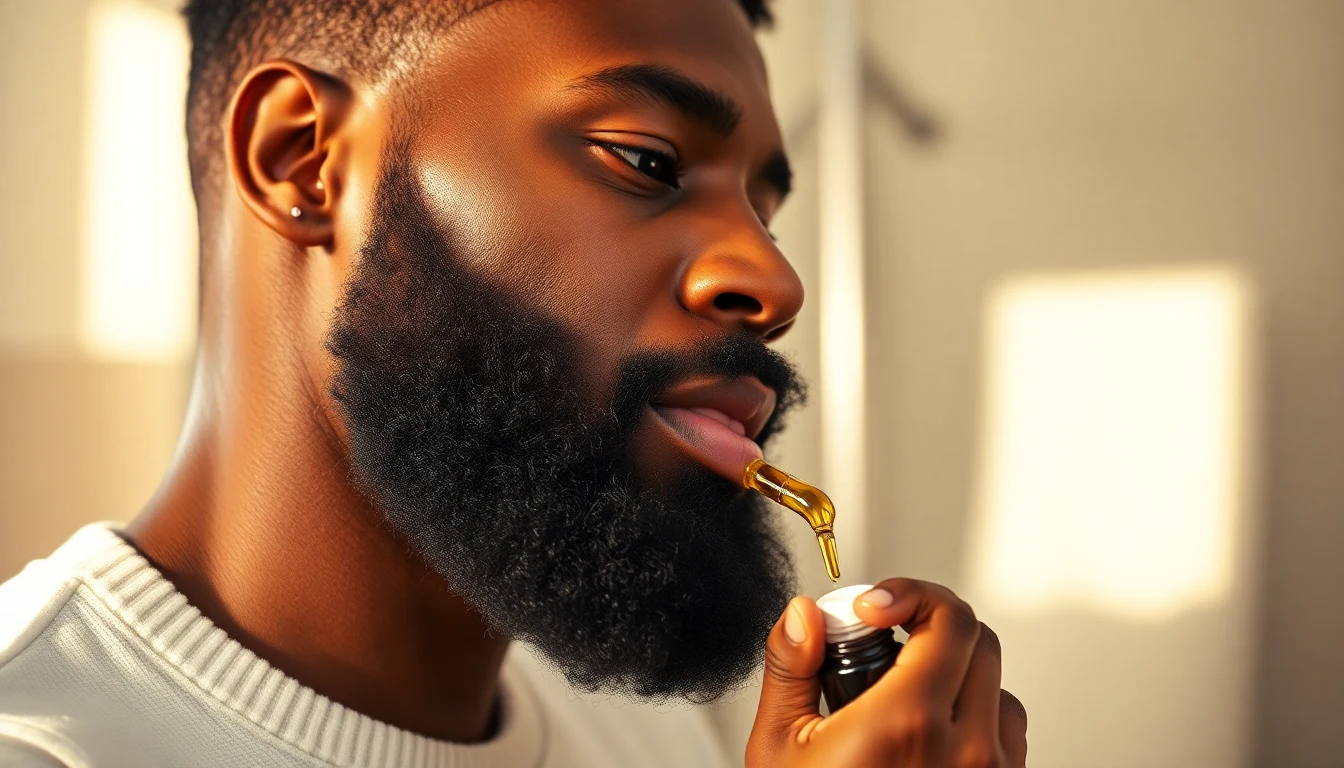
While the beard is still slightly damp (not soaking, not bone dry), apply three to eight drops of beard oil depending on your beard length. The damp hair absorbs the oil more effectively than dry hair. Work it into the skin first, then distribute through the length of the hair with your fingers or a comb. This step is non-negotiable. If you wash your beard without following up with oil, you are doing more harm than the washing corrected.
For product recommendations by hair type, check our guide on the best beard oils for Black men.
Step 7: Comb or Brush
After oiling, comb or brush the beard to distribute the oil evenly and detangle. For shorter beards, a wide-tooth comb works. For longer beards, start with a comb and follow with a boar bristle brush. Always start from the ends and work upward to avoid pulling knots through the hair.
Adjusting for Activity Level and Environment
The two-to-three-times-per-week baseline assumes a moderate activity level and a typical indoor work environment. Here is how to adjust.
Daily Exercise or Physical Labor
If you work out five or more days per week or work a physically demanding job, sweat is your primary concern. Sweat itself is not harmful to the beard, but the salt and minerals in sweat can dry out the hair if left to sit. After every workout, rinse your beard thoroughly with warm water. Use a beard wash only two to three times per week, timed to your hardest sessions. On lighter days, the water rinse plus post-workout beard oil is enough.
Outdoor and Dirty Environments
Construction workers, mechanics, chefs, and anyone who works in an environment with airborne particles, grease, or food splatter may need to wash more frequently. In these cases, daily washing with a very gentle, sulfate-free beard wash is acceptable. The key is to follow every wash with beard oil to replace what the cleanser removes. If you notice dryness even with daily oil application, switch some wash days to co-wash days.
Desk Job, Low Activity
If you work indoors and exercise moderately (three or fewer times per week), twice per week is enough. Your beard is not accumulating significant sweat, dirt, or environmental debris. Overwashing in this scenario is a common mistake. Men who shower twice daily and wash their beard each time are often the ones complaining about dryness and itching.

Swimming
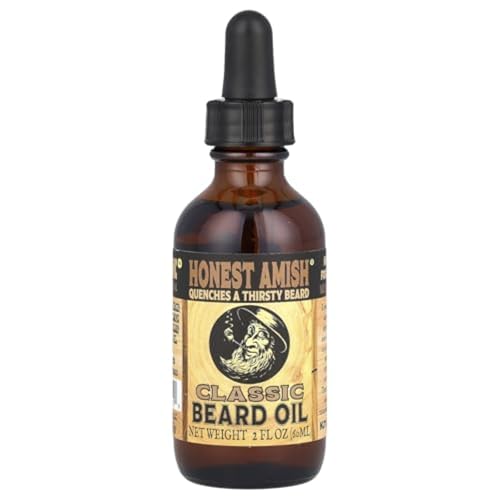
Chlorinated pool water is brutal on beard hair. It strips oils faster than any shampoo. If you swim regularly, wash your beard immediately after every pool session to remove chlorine, and follow with a deep-conditioning treatment or a heavy beard oil. The Honest Amish Classic Beard Oil is thick enough to serve as a post-swim recovery treatment. Saltwater from ocean swimming is less damaging but still drying. Rinse with fresh water after every ocean swim.
Seasonal Adjustments: Your Beard Does Not Need the Same Care Year-Round
This is something most beard guides completely ignore, and it costs men months of beard health every year.
Summer (Hot and Humid)
- Washing frequency: Increase to three times per week, or every other day if you are sweating heavily.
- Oil adjustment: Use a lighter beard oil (jojoba or argan-based). Heavy butter-based products can trap heat and sweat against the skin.
- Watch for: Folliculitis and breakouts under the beard. Increased humidity creates a warm, moist environment that bacteria love. If you notice bumps forming under your beard in summer, increase your washing frequency and switch to a beard wash with tea tree oil for its natural antibacterial properties.
Winter (Cold and Dry)
- Washing frequency: Reduce to twice per week, or once per week if your skin is very dry. Replace wash days with co-wash days.
- Oil adjustment: Switch to a heavier oil or butter-based beard balm. Shea butter, castor oil, and avocado oil provide a thicker moisture barrier against cold, dry air.
- Watch for: Beardruff and excessive dryness. If your beard is flaking in winter despite regular oiling, you are probably washing too often. Reduce your wash frequency first before adding new products.
- Indoor heating: Central heating drops indoor humidity to desert levels. A humidifier in your bedroom helps your beard (and your skin in general) survive winter. This is not a grooming hack; it is a dermatologist recommendation for anyone dealing with winter skin dryness.
Transitional Seasons (Spring and Fall)
- Gradually adjust your frequency as the weather changes. Do not jump from twice per week to four times per week overnight.
- Spring is a good time to reassess your products. If you were using a heavy winter balm, switch back to a lighter oil as the humidity increases.
- Fall is when men most often start noticing increased beardruff, because they are still washing at their summer frequency while the air is getting dryer. Back off the washing before the flaking starts.
Signs Your Washing Frequency Is Wrong
Your beard tells you when something is off. Here is what to listen for.
Signs You Are Washing Too Much
- Straw-like texture. The beard feels rough and dry even after applying oil. The hair resists softening because the cuticle is damaged from repeated stripping.
- Persistent flaking. Beardruff that does not improve with moisturizing products. The skin is losing moisture faster than you can replace it.
- Post-wash itching. Itching that appears within hours of washing and gets worse throughout the day. Healthy post-wash skin should feel calm, not irritated.
- Redness under the beard. Visible redness or irritation when you part the hair and look at the skin underneath.
- Split ends. If the tips of your beard hair are splitting or fraying, dryness from overwashing is a common cause. For overall beard health strategies, our guide on how to get a thicker beard covers hair strength and maintenance.
The fix: Reduce washing to twice per week for two weeks. Replace extra wash days with water rinses or co-washing. Apply beard oil twice daily (morning and night) until the dryness resolves.
Signs You Are Not Washing Enough
- Odor. Your beard smells musty, sour, or generally unpleasant by the end of the day. If your partner has mentioned it, take it seriously.
- Greasiness. The beard feels heavy, oily, and weighed down even without applying any products. Excess sebum and trapped dirt create this texture.
- Breakouts under the beard. Pimples, bumps, or clogged pores on the skin underneath the facial hair. Trapped bacteria and dead skin cells are the usual cause.
- Visible debris. Food crumbs, dust, or lint are consistently found in the beard. This is a hygiene issue that requires more frequent cleansing.
- Folliculitis. Small red bumps at the base of the hair follicles that may be tender or filled with pus. This is a bacterial or fungal infection that needs cleaner conditions to heal.
The fix: Increase washing to three times per week. If that does not resolve the issue within two weeks, see a dermatologist, preferably one experienced with skin of color, to rule out a fungal infection or other skin condition. For overall skin care, our guide on the best moisturizers for Black men covers the products that work under and around a beard.
How Beard Length Affects Washing Frequency
Beard length changes the equation in ways that most guides do not address.
Stubble (Under 5mm)
Stubble barely needs dedicated beard washing. Your regular face wash is usually sufficient. The hair is so short that sebum from the skin reaches the tips easily, and there is not enough surface area to trap significant dirt or bacteria. If you use a face wash with salicylic acid or glycolic acid for acne prevention, that same wash handles your stubble.
Short Beard (5mm to 1 Inch)
This is where you should transition to a dedicated beard wash. The hair is long enough to trap particles and divert sebum away from the skin surface. Wash two to three times per week and apply beard oil after every wash. At this length, a few drops of oil are enough.
Medium Beard (1 to 3 Inches)
A medium beard requires the full washing routine: dedicated beard wash two to three times per week, co-washing on alternate days, beard oil after every wash and every rinse, and regular conditioning. At this length, the skin underneath gets less air circulation, which makes it more prone to dryness, flaking, and bacterial issues. Be more attentive to the signs of overwashing and underwashing.
Long Beard (3 Inches and Beyond)
Long beards are a moisture management challenge. The hair furthest from the skin receives almost no natural sebum, so it relies entirely on the products you apply. Wash two to three times per week (never more), deep condition once per week, and apply beard oil daily. Work the oil from the tips upward toward the skin. Some men with long beards find that washing once per week with co-washing on other days produces the best results. The less you strip the natural oils from a long beard, the better it looks and feels.
Beard Washing Myths That Need to Die
I hear these in the barbershop constantly. Let me set the record straight.
Myth: Washing Your Beard Makes It Grow Faster
No. Washing keeps the beard and skin clean, which supports healthy growth conditions, but it does not increase your growth rate. Growth rate is determined by genetics, hormones, and overall health. A clean follicle may produce a slightly healthier strand, but the difference in speed is negligible. If you want to support growth, check our guide on the best beard growth products for evidence-based options.
Myth: Cold Water Closes Pores and Prevents Beard Loss
Pores are not doors. They do not open and close based on water temperature. Cold water can temporarily tighten the skin, which reduces the appearance of pore size, but it has no effect on beard hair growth or retention. That said, finishing with a cool rinse does close the hair cuticle, which makes the beard look smoother and shinier. That part is real.
Myth: Beard Wash Is Just a Marketing Gimmick
It is not. The formulation differences between beard wash and regular shampoo are real and measurable: lower surfactant strength, balanced pH for facial skin, and added moisturizers. You can get away with a gentle, sulfate-free shampoo in a pinch, but a dedicated beard wash is formulated specifically for the unique needs of facial hair and the more sensitive skin underneath it. The price difference is usually two to four dollars per bottle. That is a low price for a product that prevents the dryness, flaking, and irritation that lead men to shave off their beards.
Myth: You Should Wash Your Beard Every Time You Shower
If you shower daily, that is seven washes per week. More than double the recommended maximum for most skin types. Water exposure alone is fine; it is the cleanser that does the damage when used too frequently. Let the water run through your beard in the shower. Only apply wash product on your designated wash days.
Specific Considerations for Black Men’s Beards
I write from this perspective because it is my own, and because the specific challenges of Black men’s beard care are underrepresented in most grooming content. When it comes to how often should you wash, technique matters most.
Coiled Hair Needs More Moisture
Men with 4B and 4C beard textures face a structural challenge. The tight coil pattern creates multiple points along each hair strand where the cuticle can lift and lose moisture. Each bend in the coil is a potential weak point. This is why coiled beard hair is more prone to dryness, breakage, and frizz than straight or wavy beard hair. The practical implication: you probably need to wash less frequently and oil more heavily than guides written for straight-haired men suggest. When it comes to how often should you wash, technique matters most.

My personal routine is to wash twice per week with Scotch Porter Beard Wash, co-wash once or twice per week, and apply beard oil daily. On particularly dry days in winter, I oil morning and night. When it comes to how often should you wash, technique matters most.
Ingrown Hair Prevention
Washing frequency directly affects ingrown hair risk for Black men. Overwashing dries out the beard hair, making it more likely to break and curl back into the skin. Underwashing lets dead skin cells accumulate at the follicle opening, which can trap hairs as they try to emerge. The two-to-three-times-per-week frequency, combined with gentle exfoliation once a week, keeps both risks in check. Our guide on fixing a patchy beard covers PFB prevention in more detail.
The LOC Method for Beards
The LOC (Liquid, Oil, Cream) method is a layering technique from the natural hair community that works beautifully for coiled beards. After washing:
- Liquid: Leave the beard slightly damp (or spritz with water).
- Oil: Apply a light oil like jojoba or argan to seal in the water.
- Cream: Follow with a beard butter or balm for additional hold and moisture barrier.
This layering approach locks in significantly more moisture than oil alone. It is especially effective for men with 4C beard textures who struggle with persistent dryness despite regular oiling.
Choosing the Right Products
Not every beard wash is formulated for coiled textures. Products that work well on straight beards can leave coiled beards feeling stripped. Look for beard washes with added moisturizers like shea butter, mango butter, or coconut oil in the formula. Avoid anything with sulfates, alcohol (denatured alcohol or isopropyl alcohol; cetyl and cetearyl alcohol are fine and actually moisturizing), or heavy synthetic fragrances.
For a deep dive into products tested on our hair types, check our roundup of the best shampoos for Black men, which includes beard-safe options.
Sample Weekly Beard Washing Schedules
Here are three weekly schedules based on common lifestyles. Adapt these to your own routine.
Schedule A: Standard (Office Job, Moderate Exercise)
| Day | Beard Care |
|---|---|
| Monday | Water rinse + beard oil |
| Tuesday | Beard wash + oil + brush |
| Wednesday | Water rinse + beard oil |
| Thursday | Co-wash + oil + brush |
| Friday | Beard wash + oil + brush |
| Saturday | Water rinse + beard oil |
| Sunday | Co-wash or water rinse + oil + deep condition |
Schedule B: Active Lifestyle (Daily Workouts)
| Day | Beard Care |
|---|---|
| Monday | Post-workout water rinse + beard oil |
| Tuesday | Beard wash (after hard session) + oil + brush |
| Wednesday | Post-workout water rinse + beard oil |
| Thursday | Beard wash + oil + brush |
| Friday | Post-workout water rinse + co-wash + oil |
| Saturday | Beard wash + oil + deep condition |
| Sunday | Rest day: water rinse + beard oil |
Schedule C: Dry Skin / 4C Texture (Moisture Priority)
| Day | Beard Care |
|---|---|
| Monday | Co-wash + LOC method |
| Tuesday | Water rinse + beard oil (morning and night) |
| Wednesday | Beard wash + LOC method + brush |
| Thursday | Water rinse + beard oil |
| Friday | Co-wash + LOC method |
| Saturday | Beard wash + deep condition + LOC method |
| Sunday | Water rinse + beard butter |
Frequently Asked Questions
How often should I wash my beard?
Two to three times per week is the standard recommendation for most men. This frequency cleans the beard and the skin underneath without stripping the natural oils (sebum) that keep your facial hair soft and your skin moisturized. Men with oily skin may benefit from washing every other day or even daily with a very gentle cleanser. Men with dry or sensitive skin should stick to two washes per week and rinse with water only on the other days.
Can I use regular shampoo on my beard?
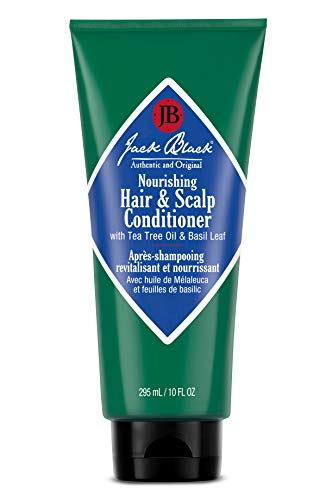
You can, but you should not. Regular shampoo is formulated for the scalp, which produces significantly more sebum than the skin on your face. Shampoo is designed to strip that excess oil, and when you use it on your beard, it removes the limited sebum your face produces, leaving the beard hair dry and the skin underneath flaky and irritated. Use a dedicated beard wash or a sulfate-free cleanser instead. The pH balance and surfactant strength of beard-specific products are calibrated for facial skin. (We recommend this Jack Black Nourishing Hair & Scalp.)
What is co-washing a beard?
Co-washing means using conditioner only, without any cleanser or shampoo, to clean and soften the beard. You apply a silicone-free conditioner to the damp beard, massage it through the hair and skin, and rinse. The light surfactants in conditioner remove surface dirt and sweat without stripping natural oils. Co-washing is especially beneficial for men with tightly coiled beard hair (4B and 4C textures) because these hair types are more prone to dryness. Many men alternate between co-washing and traditional beard washing throughout the week.
What causes beardruff?
Beardruff (beard dandruff) is caused by dry skin flaking off from underneath your beard. The most common triggers are overwashing (stripping natural oils), using regular shampoo on the beard, not moisturizing with beard oil after washing, cold or dry climates, and the fungus Malassezia, which feeds on skin oils and can cause seborrheic dermatitis. Beardruff is different from regular dandruff only in location; the underlying causes and treatments are similar. Consistent moisturizing with beard oil and washing at the right frequency are the two most effective preventive measures.
Should I wash my beard every day if I work out daily?
Not necessarily. If you exercise daily, rinse your beard thoroughly with warm water after every workout to remove sweat and salt. Use a dedicated beard wash only two to three times per week, ideally after your hardest training sessions. On lighter workout days, a water rinse followed by beard oil is sufficient. The exception is if you work in a physically dirty environment (construction, kitchen, workshop) where particulates build up in the beard. In those cases, daily washing with a gentle, sulfate-free beard wash is reasonable.
How do I know if I am washing my beard too much?
The most common signs of overwashing are persistent dryness and a straw-like texture even after applying beard oil, visible flaking or beardruff that does not improve with moisturizing, itching that intensifies after washing rather than before, and redness or irritation on the skin underneath the beard. If you are experiencing these symptoms and currently wash your beard daily, reduce to every other day for two weeks. If the symptoms improve, you were washing too frequently. If they persist, see a dermatologist to rule out seborrheic dermatitis or other skin conditions.
Is beard conditioner necessary?
For short beards under half an inch, conditioner is optional. The natural oils from your skin are usually sufficient to keep short facial hair soft. For beards over half an inch, conditioner becomes increasingly important. It replaces moisture that washing removes, reduces tangles and breakage, and makes the beard easier to comb and style. For men with tightly coiled beard hair, conditioner is non-negotiable at any length because the curl pattern makes it harder for natural oils to travel down the hair shaft. A leave-in conditioner or beard oil should follow every wash.
The Bottom Line: Build a Routine, Not a Habit
Here is the quick recap:
- Two to three times per week is the right washing frequency for most men. Adjust based on skin type, activity level, and season.
- Overwashing is the most common beard care mistake. It strips natural oils and causes dryness, beardruff, itching, and breakage.
- Underwashing is the second most common mistake. It leads to bacterial buildup, odor, folliculitis, and breakouts.
- Use a dedicated beard wash, not regular shampoo. The formulation difference is real and measurable.
- Co-washing is a legitimate strategy. It is especially valuable for men with coiled beard textures who need extra moisture.
- Always follow a wash with beard oil. This is non-negotiable. Washing without moisturizing does more harm than good.
Your beard is not your scalp. It does not need the same washing frequency, the same products, or the same approach. Treat it as its own ecosystem, which is exactly what it is, and it will look better, feel better, and stay healthier.
For more beard care guidance, explore our guides on the best beard oils for Black men, Black men beard styles for 2026, and the best beard trimmers for maintaining your style between washes.