If you want to master how to keep beard hairs, this guide covers everything you need to know. Last updated: February 2026 by Darius Washington, Black Men’s Grooming Editor
You spent 20 minutes shaping your beard this morning. It looked clean walking out the door. By lunch, you catch your reflection and there they are: random hairs sticking out at every angle, making your beard look unkempt no matter how sharp the lineup underneath is. I know this frustration personally. My 4C facial hair does not just stick out. It spirals, coils, and launches itself in directions I did not know existed. Learning how to keep beard hairs from sticking out took me from looking rough by noon to looking groomed all day.
The fix is not one product or one trick. It is a system: the right moisture, the right hold, the right tools, and consistent training over time. This guide covers everything from quick fixes you can use right now to long-term techniques that permanently tame your beard.
If you only read one section, jump to the oil and balm system. That single routine eliminates most flyaway problems. For on-the-go fixes, read the quick fixes section.
Why Your Beard Hairs Stick Out in the First Place: How To Keep Beard Hairs
Before we fix the problem, you need to understand what is causing it. Random flyaway hairs are not a sign that your beard is bad. They are a symptom of one or more specific issues that have straightforward solutions.

Dryness: The Number One Cause
Dry beard hair is stiff beard hair. When the hair shaft loses moisture, it becomes rigid, inflexible, and resistant to laying flat. Tightly coiled facial hair (4B and 4C textures) is especially vulnerable because the coil pattern makes it harder for your skin’s natural sebum to travel down the hair shaft. On straight hair, sebum slides from root to tip easily. On coiled hair, it gets stuck at every twist and turn.
If you are not using a beard oil daily, dryness is almost certainly your primary problem. Fix this first and half your flyaway issues will resolve on their own.
Split Ends
When a beard hair splits at the tip, the two halves splay apart and stick out in different directions. One healthy hair becomes two scraggly ones. Split ends compound over time. If you never trim them, the split can travel further down the hair shaft, making the problem worse week after week.
Split ends are caused by friction (pillowcases, touching your beard, mask-wearing), chemical damage (harsh cleansers, overwashing), heat damage (blow drying on high heat), and simple wear over time. Coarse beard hair splits more easily than fine hair because the wider diameter creates more stress points along the shaft.
Conflicting Growth Directions
Most men’s beards do not grow in one uniform direction. The hair on your chin grows downward. The hair on your cheeks may grow outward or slightly upward. The hair under your jaw often grows forward. Where these growth zones meet, hairs cross over each other and stick out at odd angles.
This is particularly pronounced on coarse, tightly coiled beards. Each coil wants to spring in its own direction. Without moisture, hold, and training, the result is a beard that looks fuller than it is but also wilder than you want.
Coarse Texture
Let me be direct. If you have 4B or 4C facial hair, your beard is going to resist laying flat more than a man with straight or wavy facial hair. This is not a defect. It is physics. Tightly coiled hair has more structural rigidity per strand. Each hair acts like a tiny spring. Without enough moisture to relax those coils and enough hold to keep them in place, those springs are going to do what springs do.
The good news is that the same coarseness that creates flyaways also gives your beard incredible density, texture, and presence. You are not fighting your beard. You are learning to direct it.
Inconsistent Grooming
If you oil your beard one day, skip two days, brush occasionally, and never use balm, your results will be inconsistent. Beard training is cumulative. The hairs respond to repeated directional pressure over time. Sporadic grooming gives sporadic results.
The Oil and Balm System (Your Foundation)
This is the single most effective approach for keeping beard hairs from sticking out. If you only change one thing about your routine, make it this.
Why You Need Both, Not Just One
Beard oil and beard balm do different jobs:
| Product | What It Does | What It Cannot Do |
|---|---|---|
| Beard Oil | Penetrates hair shaft, hydrates, softens, reduces brittleness | Does not provide hold or structure |
| Beard Balm | Provides light hold, seals moisture in, tames flyaways, shapes | Cannot penetrate hair shaft deeply enough to soften alone |
Using oil alone gives you soft hair that is still unstructured. Using balm alone gives you hold over hair that is still dry underneath. The combination gives you soft, hydrated hair that stays in place. This is not marketing. This is how the products are designed to work together.

The Exact Routine
- Start with a damp beard. Either after a shower or by splashing warm water on your face. Damp hair absorbs oil better than dry hair.
- Apply beard oil. For a beard under two inches, use three to four drops. For a beard two to four inches, use five to seven drops. For a longer beard, use eight to ten drops. Warm the oil between your palms and work it through from root to tip, making sure to get the skin underneath. For coarse 4C facial hair, I use closer to the higher end of each range because the tight coils absorb more product.
- Apply beard balm. Scrape a thumbnail-sized amount from the tin. Warm it between your palms until it melts into a smooth consistency. Work it through your beard in the direction you want the hair to lay. Focus on the areas where flyaways are worst, usually the cheeks and the chin edge.
- Brush with a boar bristle brush. Brush in your desired growth direction. Start at the neck and brush downward. Then the cheeks, brushing down and slightly inward. Then the chin, brushing downward. The brush distributes the oil and balm evenly while training the hairs to lay in one direction.
This takes about three minutes. Do it every morning. Within one week, you will see a noticeable reduction in flyaways. Within four weeks, your beard will start holding its shape naturally even before you apply product.

Product Recommendations
For the oil layer, I recommend Scotch Porter Beard Oil or Bevel Beard Oil. Both absorb well on coarse facial hair without leaving a greasy film. Check our full best beard oil for Black men guide for detailed reviews.
For the balm layer, Scotch Porter Beard Balm provides medium hold that works well on 4B and 4C textures. Honest Amish Beard Balm is another solid choice with a slightly stronger hold from its beeswax content, which is better for very coarse beards that resist laying flat.
For the brush, a boar bristle beard brush is essential. Synthetic brushes and combs do not distribute product as evenly, and they create more static, which actually makes flyaways worse. Boar bristle is the standard for a reason.
Blow Drying Your Beard (The Right Way)
A blow dryer is one of the most underused tools in beard grooming. Used correctly, it tames flyaways instantly and helps your beard hold its shape for hours longer than product alone.
The Technique
- Apply your oil and balm first. Never blow dry a bare, unprotected beard. The heat will dry out the hair and make flyaways worse.
- Set the dryer to low heat. Medium or high heat damages beard hair and causes the very dryness and brittleness you are trying to fix. Low heat is enough to relax the hair shaft without cooking it.
- Use a round brush or your boar bristle brush. Hold the brush underneath a section of beard and pull gently downward while directing the dryer’s airflow downward along the hair.
- Work in sections. Start with the neck area, then the cheeks, then the chin. Spend about 10 to 15 seconds per section.
- Finish with cool air. Switch to the cool setting and give your entire beard a final pass. Cool air closes the cuticle, locking in the shape you just created. This is the step most men skip, and it is the step that makes the biggest difference in all-day hold.
Why This Works on Coarse Hair
Tightly coiled beard hair has strong hydrogen bonds that create the coil pattern. Low heat temporarily breaks those bonds, allowing you to straighten and redirect the hair. The balm provides hold while the hair cools and the bonds reform in the new position. The cool air blast at the end accelerates this reformation.
This is not permanent straightening. The effect lasts until your next wash or until significant humidity disrupts the bonds. But combined with daily oil and balm, it gives you a full day of tamed, directional beard hair.
What Not to Do
- Do not use high heat. High heat on coarse facial hair causes heat damage that leads to more flyaways long-term. Low heat is sufficient.
- Do not blow dry a wet beard. Towel dry first until your beard is damp, not dripping. Blow drying soaking wet hair takes too long and exposes the hair to excessive heat.
- Do not skip the product. Blow drying without oil and balm strips moisture and creates static. Always apply product first.
- Do not hold the dryer too close. Keep it six to eight inches from your beard. Closer distances concentrate heat and cause damage.
My barber uses this technique on every client with a full beard. He spends about 90 seconds on the blow dry after shaping, and the difference is dramatic. Once I started doing it at home, my morning routine gained an extra four to five hours of hold before any hairs started escaping.
Trimming Split Ends and Stray Hairs
No amount of oil, balm, or blow drying will fix a split end. Once a hair splits, it stays split. The only cure is cutting it off. Regular, targeted trimming is essential for a clean-looking beard.
How to Identify Split Ends
Look at individual beard hairs in natural light. A healthy hair has a single, tapered tip. A split hair has a forked tip where the shaft has separated into two or more strands. On coarse 4C facial hair, split ends are sometimes harder to see because the coils obscure the tips. Stretch a few hairs gently between your fingers to examine the ends.

The Trimming Technique
You do not need to cut your entire beard shorter. You need to target specific problem hairs.
- Brush your beard into its natural shape. Apply oil and balm first so the healthy hairs lay flat. The hairs that still stick out after product and brushing are your targets.
- Use precision scissors, not clippers. Small, sharp barber scissors give you individual-hair control. Clippers take off too much.
- Cut only the hairs that extend beyond the silhouette. Hold your scissors parallel to the outer edge of your beard shape and snip the individual hairs that protrude past the line. Do not cut into the body of the beard.
- Check from multiple angles. Flyaway hairs hide when you look head-on but reveal themselves at 45-degree angles. Check both sides and your profile.
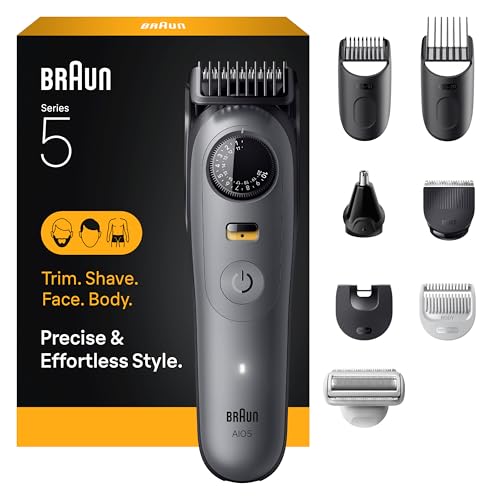
Do this every two to three weeks. Between trims, a quality beard trimmer on its longest guard setting can maintain your cheek line and neck line without disturbing the length.
When to See Your Barber
If your beard has been neglected for a while and split ends are widespread, a barber can do a “beard dusting.” This is a technique where they go through the beard with scissors and selectively cut split and damaged ends without reducing overall length. It is the beard equivalent of getting a trim at the salon. One session resets the health of your beard and makes home maintenance much easier going forward.
Ask your barber about this at your next visit. If they handle beard shaping, they can do a dusting at the same time.

- Deeply Hydrates & Softens – Infused with Shea Butter and natural oils to conditi
- Supports Natural Beard Growth – Strengthens and revitalizes facial hair for a fu
- Tames, Moisturizes & Styles – Lightweight, non-greasy formula helps control friz
Using a Boar Bristle Brush Correctly
The boar bristle brush is not optional equipment for men with coarse beards. It is a core tool. Here is why it works and how to use it for maximum effect.
Why Boar Bristle Specifically
Boar bristles are structurally similar to human hair. They flex, they distribute oil naturally, and they create minimal static. Synthetic bristles and plastic combs generate static electricity, which literally pushes hairs apart and creates more flyaways. A metal comb has no flexibility and can snag coarse coils, causing breakage.
Boar bristle brushes also train your beard over time. The gentle, consistent tension of daily brushing gradually redirects hair growth patterns. This is the same principle behind wave training with a wave brush, just applied to the full beard.
How to Brush
- Always brush a product-coated beard. Never brush a dry, bare beard. The friction will cause breakage and make the problem worse.
- Brush in your desired growth direction. For most beard shapes, this means downward on the cheeks, downward on the chin, and downward and slightly back on the neck.
- Use firm, even strokes. Do not scrub or saw back and forth. Each stroke should start near the skin and pull through to the tip in one smooth motion.
- Spend extra time on problem areas. If one side of your beard sticks out more than the other, give it a few more strokes. The hairs on that side need more directional training.
- Brush at least twice daily. Once in the morning after applying oil and balm. Once in the evening before bed. Evening brushing is especially important because it sets the direction before eight hours of pillow pressure.
Cleaning Your Brush
A dirty brush redistributes old product, dead skin, and debris back into your beard. Clean your boar bristle brush once a week. Remove trapped hairs with a comb, then wash the bristles with a mild soap, rinse, and let it air dry bristle-side down. A clean brush performs noticeably better than a gunked-up one.

Washing and Conditioning: The Prevention Layer
How you wash your beard directly affects how your hairs behave for the next two to three days. Getting this right prevents flyaways at the source.
Washing Rules for Coarse Beards
- Frequency: Two to three times per week maximum. Overwashing strips natural oils and causes the dryness that leads to stiff, unruly hairs. On non-wash days, rinse with water only.
- Product: Use a dedicated beard wash or a sulfate-free shampoo. Standard body wash and shampoo contain sulfates that strip oil aggressively. A gentle cleanser like the shampoos we recommend for Black men works well.
- Technique: Work the cleanser in with your fingertips, massaging the skin underneath. Rinse thoroughly. Any residue left behind creates a film that prevents oil from penetrating.
- Temperature: Lukewarm water opens the cuticle for cleaning. Finish with a cool rinse to close the cuticle and lock in moisture. Never use hot water on your beard.
Conditioning: The Missing Step
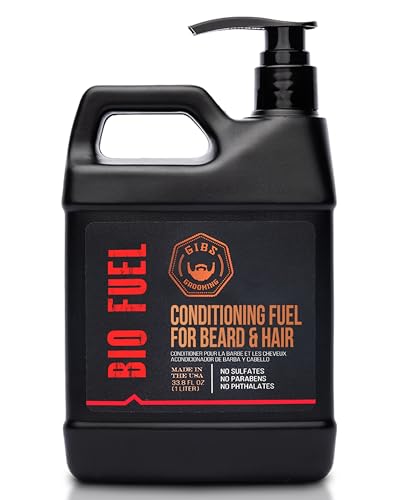
Most men skip conditioning entirely. This is a mistake, especially for coarse facial hair. A beard conditioner or a leave-in conditioner adds a layer of hydration that your oil builds on top of. The result is softer, more pliable hair that lays flat naturally. (We recommend this GIBS BioFuel Hair Conditioner For Men.)

Scotch Porter Beard Conditioner is formulated specifically for coarse facial hair. Apply after washing, leave it on for two to three minutes, then rinse. The difference in how your beard behaves for the next 48 hours is significant.
For an extra boost, try a deep conditioning treatment once a week. Apply a thick leave-in conditioner or natural oil blend (argan, jojoba, and a touch of castor) to your beard, cover with a warm damp towel for 10 minutes, then rinse. This is especially effective during dry winter months when cold air and indoor heating conspire to dehydrate your facial hair.
The LOC Method for Beards
If you are familiar with the LOC method for head hair care (Liquid, Oil, Cream), the same principle works on beards:
- L (Liquid): Start with a damp beard (water is the primary moisturizer)
- O (Oil): Apply beard oil to seal in the water and penetrate the hair shaft
- C (Cream): Apply beard balm as the final layer to seal everything in and provide hold
This layering approach keeps coarse facial hair hydrated from the inside out. Men who switch to the LOC method typically see a noticeable reduction in flyaways within the first week because the hair stays pliable longer between grooming sessions.
Beard Straightening: Light Heat for Stubborn Hairs
If your beard hairs resist every product and technique above, a heated beard straightener can be the final tool in your arsenal. Used carefully, it gives you salon-level smoothness at home.
Types of Beard Straighteners
| Tool | How It Works | Best For | Risk Level |
|---|---|---|---|
| Heated beard brush | Bristles heat to 300-400F, brush through beard | Daily taming, moderate coarseness | Low (harder to burn yourself) |
| Mini flat iron | Two heated plates clamp and straighten | Very coarse or long beards, maximum straightening | Moderate (direct contact with plates) |
| Blow dryer + brush | Low heat air with manual brushing | Light taming, everyday use | Lowest (no direct contact) |
Safe Heat Settings for Coarse Facial Hair
Coarse beard hair can tolerate slightly more heat than fine hair, but your facial skin cannot. The temperature guidelines:
- Heated beard brush: Start at 300F. Go up to 350F only if 300F does not relax the coils enough. Never exceed 400F.
- Mini flat iron: 300-325F maximum. Small sections, one pass per section. Do not go over the same spot repeatedly.
- Blow dryer: Low heat setting only. Keep the dryer six to eight inches away.
The Heat Protection Rule
Always apply beard oil before using any heat tool. The oil creates a thin barrier between the heat and the hair shaft, reducing direct thermal damage. On coarse hair, this is not optional. Dry coarse hair exposed to heat will become brittle, develop split ends faster, and ultimately create more flyaway problems than it solves.
Think of it this way: heat is a temporary fix. If the heat damages your hair in the process, you are trading today’s smoothness for tomorrow’s flyaways. The oil barrier prevents this trade-off.
My Honest Take on Beard Straightening
I use a heated beard brush about twice a week, usually before meetings or events where I want my beard looking its absolute sharpest. For daily use, the oil, balm, and blow dryer routine is sufficient and gentler on my hair. If you find yourself needing a straightener every day, that is a sign your moisture routine needs improvement. Fix the moisture first, then use heat as a finishing touch, not a crutch.
Quick Fixes for On-the-Go
You are at work, at a restaurant, or about to walk into an important meeting. Your beard is rebelling. Here are fast solutions that take less than 60 seconds.
The Wet-Hand Smooth
Wet your hands with water, shake off the excess, and smooth your beard downward with both palms. The water temporarily relaxes the hydrogen bonds in the hair and adds just enough weight to pull flyaways back into line. This lasts 30 to 60 minutes. It is not a permanent fix, but it works in a pinch.
Travel-Size Beard Balm
Keep a small tin of beard balm in your desk, car, or bag. A fingertip-sized amount applied to your palms and smoothed over the problem areas provides instant hold. This is my go-to fix during the workday. One quick application at lunch keeps my beard looking sharp through the afternoon.
The Pocket Comb Redirect
A small beard comb lets you redirect stray hairs without starting over. Comb the flyaway section in your desired direction. For best results, combine with a tiny amount of balm on your fingertip. The comb redirects and the balm holds.

Beard Wax for Extreme Cases
If you have specific hairs that refuse to cooperate no matter what, a small amount of beard wax applied directly to those hairs provides maximum hold. Beard wax has a stronger hold than balm due to higher beeswax content. Use it sparingly and only on the rebellious hairs, not the entire beard. Too much wax creates a stiff, waxy look that is worse than flyaways.
The Ice Water Trick
This one sounds strange but works well in warm weather. Splash cold water on your beard, smooth it into shape with your hands, and let it air dry for a minute. The cold water forces the cuticle shut and locks the hair in whatever position you smooth it into. It is essentially the same principle as the cool-air blast from a blow dryer, just more accessible when you are away from home.
Long-Term Beard Training Techniques
Quick fixes handle the symptom. Beard training addresses the cause. Over four to eight weeks of consistent training, your beard will naturally grow in a more uniform, manageable direction.
How Beard Training Works
Your beard hair follicles are responsive to tension. When you consistently brush or comb your beard in one direction, the follicle gradually shifts its angle to accommodate the persistent pressure. This is the same mechanism behind 360 wave training, where months of brushing redirect the natural curl pattern into a defined wave. Beard training is less dramatic but equally effective.

The 4-Week Training Protocol
Week 1-2: Establishing the Pattern
- Brush your beard in your desired direction at least twice daily (morning and evening)
- Always apply oil and balm before brushing (never brush dry hair)
- Use a boar bristle brush, not a comb (the bristles apply more even pressure)
- After evening brushing, apply a light layer of balm and sleep on a silk or satin pillowcase
- Expect minimal visible results during this phase. You are laying the groundwork.
Week 3-4: Building Momentum
- Continue the twice-daily routine
- Add a midday brush session if possible (after lunch, with a quick balm touchup)
- You should start seeing hairs laying more uniformly in the trained direction
- Problem areas (cheeks, sides) may take longer than the chin
- Do not get discouraged by setbacks after sleeping on one side or after washing
Week 5-8: Reinforcement
- By this point, your beard should hold its shape longer between grooming sessions
- You can reduce to one dedicated training session per day (morning)
- Continue the silk pillowcase (friction from cotton undoes training progress overnight)
- Occasional blow dry sessions reinforce the trained direction with heat-setting
The Silk Pillowcase Factor
Cotton pillowcases are your beard’s enemy. The rough texture creates friction that pulls hairs in random directions all night. Eight hours of friction undoes a lot of the directional training you accomplished during the day.
A silk or satin pillowcase reduces this friction dramatically. The smooth surface lets your beard slide rather than catch. This single change, which costs $10 to $20, accelerates your beard training timeline and preserves your grooming effort from morning to morning.
If you are also working on your hair, a silk pillowcase benefits both your beard and your head hair growth. It is one purchase that serves double duty.
Beard Bands and Wraps (Overnight Training)
Some men use a light beard band or bandana to hold their beard in the desired position overnight. This is the beard equivalent of a durag for waves. Wrap it loosely, just enough to keep the beard flat against your face without cutting off circulation or creating uncomfortable pressure.
I do not do this every night, but when my beard is being particularly rebellious after a wash day, one night with a loose wrap resets the direction significantly. It is an old-school technique that works.
Best Products for Taming Beard Flyaways
Here is a comparison of the products specifically designed to address flyaway beard hairs. I have used all of these on my 4C facial hair.
| Product Type | Hold Level | Moisture Level | Best For | Reapplication Needed |
|---|---|---|---|---|
| Beard Oil | None | High | Softening, hydration, preventing dryness | 1-2x daily |
| Beard Balm | Light to medium | Medium | Daily taming, shaping, all-day hold | 1-2x daily |
| Beard Butter | Light | High | Deep conditioning with slight hold | 1x daily |
| Beard Wax | Strong | Low | Stubborn flyaways, handlebar mustache shaping | Once (lasts all day) |
| Leave-in Conditioner | None | Very high | Extra hydration layer, winter dryness | After washing |
The Ideal Stack by Beard Texture
4A/3C facial hair (looser coils): Beard oil + light beard balm. This texture usually responds well to product alone without heat tools.
4B facial hair (tighter coils, some definition): Beard oil + medium-hold beard balm + boar bristle brush. Add blow drying on stubborn days.

4C facial hair (tightest coils, least defined): Beard oil + beard butter (for extra moisture) + medium-hold beard balm + boar bristle brush + low-heat blow dry most mornings. This is my personal stack and it keeps my beard under control all day. When it comes to how to keep beard hairs, technique matters most.
If you have a patchy beard, flyaway management is even more important because stray hairs make thin spots more visible. Keeping everything groomed and directional creates the illusion of fuller coverage.
When it comes to how to keep beard hairs, technique matters most. When it comes to how to keep beard hairs, technique matters most.
Common Mistakes That Make Flyaways Worse
Some of the things men do to fix flyaway hairs actually make the problem worse. Avoid these.
Overwashing
Washing your beard every day strips the natural oils that keep your facial hair soft and manageable. Every wash resets your beard to its driest, stiffest state. Two to three washes per week is enough for cleanliness. On other days, a water rinse and oil application keeps things fresh without stripping moisture.
Using Hair Gel on Your Beard
Hair gel dries into a stiff, crunchy cast that looks and feels terrible on a beard. It flakes. It makes your beard look plastic. When the hold breaks, the hairs snap back to their original position even more aggressively because the gel has dried out the hair shaft. Use products designed for beards.
Brushing a Dry Beard
Brushing dry coarse hair causes friction, static, and breakage. All three create more flyaways. Always apply oil or balm before brushing. The product acts as a lubricant that lets the brush glide through without pulling or snapping hairs.
Cutting Length to Fix Flyaways
Trimming your entire beard shorter because of flyaways is like shaving your head because of a bad hair day. You lose length you spent months growing. Target the problem hairs individually with scissors instead. A shorter beard does not automatically mean a neater beard. A well-maintained longer beard looks sharper than a freshly chopped but ungroomed shorter one.
Ignoring the Skin Underneath
The health of your beard starts at the follicle. If the skin under your beard is dry, flaky, or irritated, the hair growing from it will be compromised. Use a gentle face wash before applying oil, and make sure your moisturizer reaches the skin underneath, not just the surface of your beard.
Touching Your Beard Constantly
I get it. You are proud of your beard and you unconsciously stroke it throughout the day. But your hands pull hairs in random directions, transfer oils and dirt, and disrupt the shape you set in the morning. Train yourself to touch less. Set your beard in the morning and leave it alone until your midday touchup.
Seasonal Adjustments for Beard Flyaways
The environment plays a bigger role in beard behavior than most men realize. Your routine should adapt to the season.
Winter (Dry Air, Indoor Heating)
This is the worst season for flyaways. Cold air outside and heated air inside create extremely low humidity that sucks moisture from your beard. During winter:
- Increase your beard oil amount by 25 to 50 percent
- Add a beard butter to your stack for extra moisture
- Deep condition weekly
- Consider a humidifier in your bedroom (your beard and skin will thank you)
- The LOC method becomes essential rather than optional
Summer (Humidity, Sweat, Sun)
High humidity can actually help with flyaways because moisture in the air keeps your beard softer. But sweat and salt can be drying. During summer:
- Use a lighter beard oil (jojoba-based rather than castor-heavy)
- Beard balm remains important for hold, but you may need less
- Rinse your beard with water after heavy sweating
- If you swim, rinse with fresh water immediately and apply oil after
Transitional Months (Spring and Fall)
These are your easiest months for beard management. Moderate humidity and temperature mean your standard routine works well. Use this time to focus on beard training, as the hair will be more cooperative with consistent environmental conditions.
Frequently Asked Questions
Why do my beard hairs stick out even after brushing?
Brushing alone does not address the root cause. If your beard hair is dry, the individual strands become rigid and spring away from the rest of the beard. You need moisture first, then hold. Apply beard oil to soften the hair, follow with a beard balm for light hold, and then brush. On coarse, tightly coiled facial hair, a boar bristle brush works better than a comb because it distributes oil evenly and trains hairs to lay in one direction over time.
Does blow drying help with beard flyaways?
Yes, when done correctly. Use a blow dryer on low heat with a round brush or boar bristle brush. Direct the airflow downward along the growth direction of your beard while brushing simultaneously. The heat relaxes the hair shaft temporarily, and the brush guides it into position. Finish with a blast of cool air to set the shape. This technique works especially well on coarse 4B and 4C facial hair that tends to grow in multiple directions.
How often should I trim to prevent beard hairs from sticking out?
Trim stray hairs and split ends every two to three weeks with precision scissors or a quality beard trimmer. You do not need to take length off the entire beard. Focus on the hairs that extend beyond your beard’s natural silhouette. Split ends cause individual hairs to fray and stick out at odd angles, so regular light trims prevent the problem from compounding.
What is the best product to keep beard hairs from sticking out?
A beard balm with beeswax provides the best combination of moisture and hold for taming flyaways. The oil component softens the hair while the beeswax gives light hold that keeps strands in place throughout the day. For men with very coarse facial hair, layering beard oil underneath the balm gives even better results because the oil penetrates the hair shaft while the balm seals it and provides structure.
Can I train my beard to grow in one direction?
Yes. Beard training takes four to eight weeks of consistent effort. Brush your beard in your desired direction after every application of beard oil or balm. Over time, the hair follicles adjust to the tension pattern and begin growing in the trained direction. Sleeping with a silk or satin pillowcase reduces overnight friction that can undo your training progress.
Why is my beard worse on one side than the other?
Asymmetric beard growth is common and usually caused by sleeping position, habitual touching, and natural growth direction variation. The side you sleep on gets more friction and compression, which disrupts the hair pattern. The side you touch or stroke more often gets pulled in irregular directions. Address this by sleeping on a silk pillowcase, being conscious of face-touching habits, and giving the rougher side extra attention during your brushing and styling routine.
The Bottom Line
Beard hairs sticking out is not a grooming failure. It is a fixable problem with a clear system behind the solution. Here is what to take away:
- Moisture is the foundation. Daily beard oil is non-negotiable for coarse facial hair. Without it, every other technique fights an uphill battle.
- Oil + balm + brush is the three-step daily system that handles 80 percent of flyaway problems. Master this before adding anything else.
- Blow drying on low heat adds four to five hours of hold. Use it when you need your beard to perform all day.
- Trim split ends every two to three weeks. Prevention beats correction.
- Train your beard over four to eight weeks for permanent improvement. Silk pillowcase, consistent brushing direction, patience.
- Season matters. Increase moisture in winter, lighten up in summer.
Start with the oil and balm system tomorrow morning. It takes three minutes and you will see results within a week. For product recommendations, check our guide to the best beard oils for Black men and explore the sharpest beard styles for 2026 to find a shape worth training your beard toward.
Your beard has the density and texture to look incredible. It just needs direction. Give it that, and those flyaway hairs become a thing of the past.