If you want to master alternatives to relaxers for black, this guide covers everything you need to know. Last updated: February 2026 by Darius Washington, Black Men’s Grooming Editor
I got my first relaxer at 14. My mother took me to her stylist because I wanted “manageable” hair for high school. Nobody explained what the chemicals were doing to my hair. Nobody told me there were other options. The relaxer gave me the straight, easy-to-comb hair I asked for, and it also gave me a burned scalp, thinning edges, and five years of dependence on a product that was slowly destroying my hair from the inside out. When I finally stopped, I did not know how to deal with my own natural texture. That is the part nobody talks about: relaxers do not just change your hair; they disconnect you from understanding it.
This guide covers every viable alternative to relaxers for Black hair, from chemical-lite options like texturizers to completely natural methods like twist-outs, curl sponges, and blow-dry stretching. I will be honest about what each method can and cannot do, who it works best for, and what products actually deliver. If you are considering dropping the relaxer or you already have and need direction, this is the resource.
Why Black Men Are Moving Away From Relaxers: Alternatives To Relaxers For Black
The shift is real, and it is not just a trend. More Black men are choosing natural hair in 2026 than at any point in the last three decades. There are three driving forces behind this change.

The Chemical Damage Issue
Relaxers work by breaking the disulfide bonds in your hair shaft using strong alkaline chemicals, typically sodium hydroxide (lye) or calcium hydroxide (no-lye). This permanently alters the protein structure of your hair, making it straight but also making it weaker. Each relaxer application compounds the damage. Over months and years, this leads to:
- Thinning hair from weakened shafts that break under normal stress.
- Receding hairline and edges from chemical exposure at the most fragile areas.
- Scalp damage including chemical burns, scabbing, and chronic irritation.
- Dry, brittle texture that requires constant product layering to feel normal.
I watched my own edges thin over two years of relaxer use. My barber noticed before I did. He told me straight up: “Your hairline is not receding from genetics. It is receding from that box.” He was right.
The Health Conversation
In 2022, the National Institutes of Health published a study in the Journal of the National Cancer Institute that linked frequent chemical hair straightener use to increased uterine cancer risk in women. While that study focused on women, it opened a broader conversation about what these chemicals do to anyone who applies them regularly. A 2012 study in the American Journal of Epidemiology had already raised concerns about endocrine-disrupting chemicals found in many relaxer formulations.
Most of the research focuses on women because they are the primary consumer base. But the chemicals do not discriminate by gender. Sodium hydroxide on a man’s scalp does the same thing it does on a woman’s scalp. The growing body of research has pushed many men to ask whether the cosmetic convenience is worth the potential health trade-off. For a lot of guys I know, the answer has shifted to no.
The Cultural Shift and the CROWN Act
Historically, some Black men used relaxers not because they preferred straight hair, but because workplace grooming standards penalized natural Black hairstyles. Clean-shaven, straight-haired conformity was the unspoken rule in many corporate environments, law firms, and military settings.
The CROWN Act (Creating a Respectful and Open World for Natural Hair) has changed the legal landscape. As of 2026, over 25 states have passed CROWN Act legislation that prohibits discrimination based on natural hairstyles and hair textures in workplaces and schools. Federal legislation continues to advance. This means the professional pressure to chemically alter your hair is shrinking, and legal protections exist if you face pushback for wearing your natural texture.
I remember a guy in my uncle’s barbershop who got a relaxer every six weeks specifically for his job in finance. He hated the process. He hated the burns. But he felt like he had no choice. Laws like the CROWN Act are slowly eliminating that kind of coercion. You should not have to damage your hair to keep your job.
Texturizers: The Chemical-Lite Option
Let me be upfront: a texturizer is not a natural alternative. It uses the same active chemicals as a relaxer. The difference is in the application time and the result. A relaxer stays on until your curl is completely gone. A texturizer is removed before full straightening, leaving you with a looser, more manageable version of your natural curl pattern.
How Texturizers Work
The texturizer cream (sodium hydroxide or calcium hydroxide based) is applied to your hair and left on for a reduced period, typically five to 10 minutes instead of the 15 to 20 minutes a relaxer requires. The shorter exposure time means fewer disulfide bonds are broken, so your curl loosens rather than disappears. You go from a tight 4C coil to something closer to a 3C or 4A pattern, depending on your natural texture and how long the product is left on.
Who Texturizers Work For
Good fit: Men who want reduced shrinkage and easier detangling without completely losing their curl pattern. Texturizers are popular among guys who want to define their natural curls without the daily effort of twist-outs or product layering. If you are going for the curly hair look and your natural texture is very tight, a texturizer can bridge the gap.
Poor fit: Men who are trying to avoid chemicals entirely, anyone with a sensitive scalp that reacts to alkaline products, or men with already thinning hair. If your goal is zero chemical processing, skip this section and move to the natural alternatives below.
Products
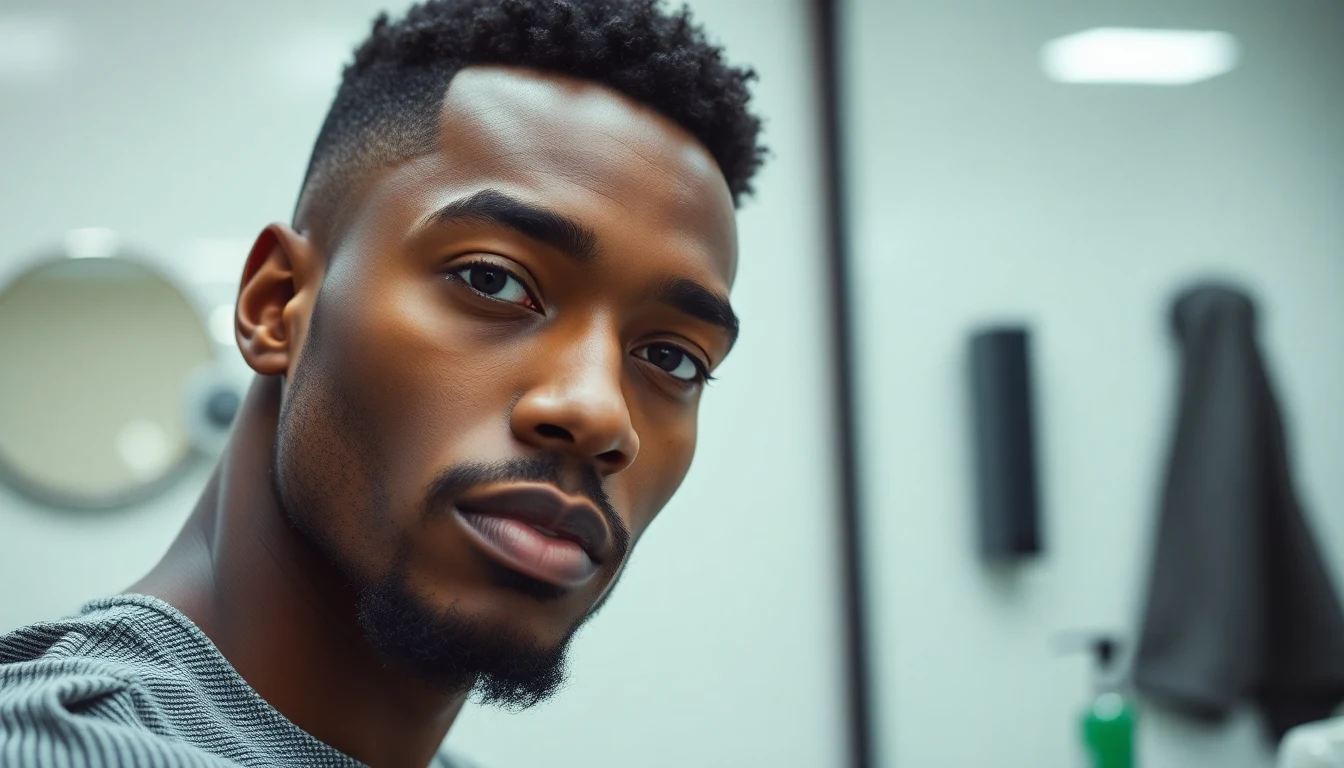
The S-Curl Texturizer Kit is the most widely used men’s texturizer on the market. It comes with the texturizer cream, neutralizing shampoo, and a moisturizing activator. The kit runs $8 to $12, and one box is enough for one full application on short to medium hair.
Pros and Cons
| Pros | Cons |
|---|---|
| Loosens curl for easier styling | Still uses chemical processing (alkaline) |
| Reduces shrinkage by 30-50% | Cumulative damage with repeated use |
| Results last until new growth appears | Requires touch-ups every 6-8 weeks |
| More affordable than salon treatments | Can over-process if left on too long |
| Quick application (under 30 minutes) | Scalp irritation and burns possible |
I used S-Curl for about a year after quitting relaxers. It was the halfway point that helped me psychologically, because going from bone-straight relaxed hair to full 4C overnight felt like too much. Looking back, I would have been better off going fully natural from the start. But I understand why texturizers appeal to men who want a gradual shift. Just know that you are still processing your hair. You are just processing it less.

The Curl Sponge Method
The curl sponge is one of the simplest, most accessible tools for creating defined texture on short natural hair. Zero chemicals, minimal product, and results in under five minutes.
How It Works
A curl sponge is a small foam pad with holes punched into one side. When you rub it across your hair in a circular motion, the holes grip and twist individual curl clusters, separating them into defined coils. The result is a textured, curly look that lasts until your next wash.
Best Hair Length and Type for Sponge
The curl sponge works best on hair between half an inch and two inches long. This is the sweet spot where the sponge has enough hair to grip but the coils are not so long that they lose definition from their own weight. Hair types 3C through 4C all respond well, though 4B and 4C may need a light curl cream applied first for the best definition.
Step-by-Step Method
- Start with damp hair. Spray your hair lightly with water or a water-based leave-in spray.
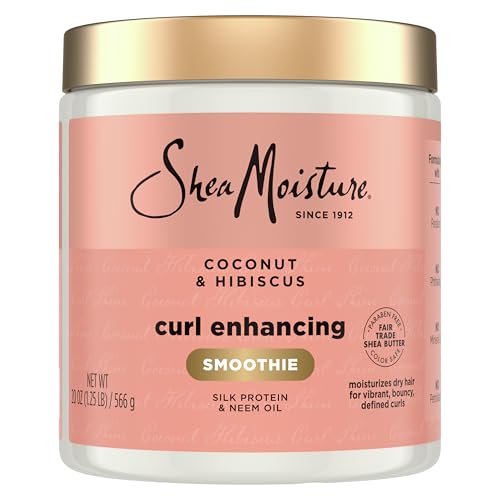
- Apply a small amount of curl cream or gel. A dime-sized amount of SheaMoisture Curl Enhancing Smoothie or Eco Styler Gel works well. Rub it between your palms and work it through your hair evenly.
- Rub the sponge in small circular motions across your head. Use light to medium pressure. The holes will catch and twist your curls.
- Work section by section from the front to the crown to the sides. Change the direction of your circles to avoid creating a uniform swirl pattern.
- Let your hair air dry or use a diffuser on low heat. The curls will set as they dry.
A quality curl sponge like the Twist King Curl Sponge costs $5 to $10 and lasts for months. This is one of the most cost-effective styling methods that exists.
Pros and Cons
| Pros | Cons |
|---|---|
| Zero chemicals | Only works on short hair (0.5-2 inches) |
| Takes under 5 minutes | Definition drops as hair grows longer |
| Costs under $10 for the tool | Results wash out (not permanent) |
| Works on all Type 4 textures | Can cause tangles if used on dry hair |
| Great starter method for natural newcomers | Not ideal for formal or sleek looks |
I recommend the curl sponge to every guy who just did the big chop. When your hair is short and you are still figuring out your texture, the sponge gives you a styled, intentional look with almost no effort. It is the method that showed me my 4C hair could look good without any processing.
Twist-Outs and Braid-Outs
If you want stretched, defined curls without any chemicals or heat, the twist-out is your best friend. It is also one of the most versatile natural styles for medium-length hair.
How Twist-Outs Work
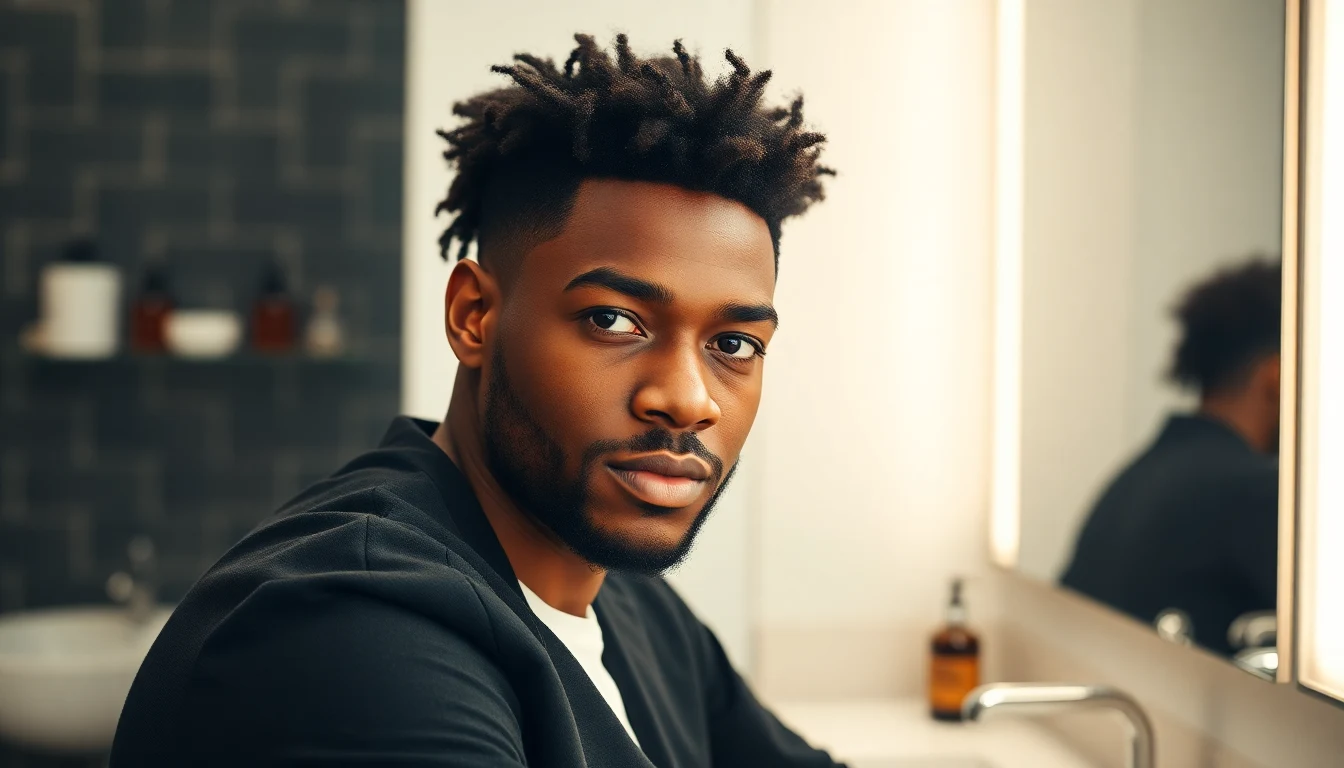
You section your hair, apply product, twist each section into a two-strand twist, let the twists set (usually overnight or for several hours), then unravel them. The twist pattern stretches your coils and creates a defined, elongated curl that can last three to five days with proper overnight care.
Step-by-Step Twist-Out
- Start with freshly washed, conditioned hair or hair that has been moisturized with a water-based spray. Your hair should be damp, not soaking wet.
- Apply a leave-in conditioner like Cantu Leave-In Conditioner throughout your hair. This provides the base moisture layer.
- Follow with a curl cream for hold and definition. As I Am Double Butter Cream gives medium hold. Scotch Porter Curl Defining Cream is another solid choice.
- Section your hair into small to medium sections. Smaller sections give tighter, more defined curls. Larger sections give a looser, more voluminous look.
- Two-strand twist each section from root to tip. Wrap the two strands around each other, maintaining consistent tension. Twist all the way to the ends and roll the tip between your fingers to secure it.
- Let the twists set for at least four to six hours. Overnight is ideal. Sleep with a satin durag or bonnet to protect the twists.
- Unravel each twist gently by pulling the two strands apart. Do not pull; just separate. Apply a tiny amount of oil to your fingertips to reduce frizz during unraveling.
- Shake your head gently or use your fingers to separate the twist-out curls for more volume. Do not use a comb or brush; that will destroy the definition.
The first few twist-outs you do may not look perfect, and that is normal. Your technique improves with practice, and you will learn how much product your hair needs, how tight to twist, and how many sections give you the best result. For a deeper look at curl methods, check out our guide on getting curly hair as a Black male.
Braid-Out Variation
A braid-out follows the same process, but you braid each section into a three-strand braid instead of a two-strand twist. Braid-outs tend to give a more crimped, wavy pattern rather than a defined curl. They also hold slightly better on hair that is longer or has more weight to it. The process is identical: apply product, braid, set, unravel.
Pros and Cons
| Pros | Cons |
|---|---|
| Zero chemicals, zero heat | Requires time to set (4-8 hours) |
| Shows natural hair’s real length | Definition fades over 3-5 days |
| Versatile look (casual to professional) | Learning curve for technique |
| Works on all Type 4 textures | Humidity can cause frizz and reversion |
| Costs only what you spend on products | Not ideal for very short hair (under 2 inches) |
Blow-Dry Stretching
Blow drying with a comb attachment is the most common way to temporarily elongate natural hair without chemicals. It is faster than a twist-out, gives you immediate results, and washes out completely.
How It Differs From Relaxing
A relaxer breaks chemical bonds permanently. A blow dryer uses heat to temporarily disrupt hydrogen bonds in the hair, which reform as soon as the hair gets wet again. This is a fundamentally different process. Heat damage is possible with excessive or improper blow drying, but a single session with controlled heat and a protectant causes negligible damage compared to chemical processing.
The Right Technique
- Start with clean, conditioned, towel-dried hair. Your hair should be damp, not dripping.
- Apply a heat protectant. This is non-negotiable. A heat protectant creates a barrier that reduces thermal damage to the hair cuticle. Spray it evenly throughout your hair.
- Attach the comb nozzle to your blow dryer. This attachment is what allows you to stretch the hair while drying rather than just blasting it with hot air.
- Set your dryer to medium heat. High heat on 4C hair is unnecessary and causes damage. Medium heat with medium airflow is sufficient.
- Work in sections. Start at the back of your head and work forward. Place the comb attachment at the root, pull gently through to the ends, and follow the comb with the airflow. This stretches and dries simultaneously.
- Once each section is dry and stretched, clip it out of the way and move to the next.
The result is hair that shows its true length, feels softer, and is significantly easier to comb, style, and manage. Most men find that blow-dried hair is 50 to 70 percent longer than its shrunken state. This is not permanent; the coils return fully after the next wash.
Pros and Cons
| Pros | Cons |
|---|---|
| Immediate results (30-45 minutes) | Temporary; reverts with water |
| Shows true hair length | Heat damage risk if overdone |
| No chemicals at all | Requires a heat protectant (added cost) |
| Makes detangling much easier | Not recommended more than once a week |
| Works as a base for other styles | Can feel less “natural” than air-dried texture |
I blow-dry my hair as a prep step before twist-outs because it gives me better stretch and more consistent results. It also makes wash day detangling much less painful. If you are maintaining longer 4C hair, the blow dryer becomes a weekly tool in your routine.
Keratin Treatments
Keratin treatments sit in the gray area between chemical processing and natural styling. They do not permanently alter your hair’s structure like relaxers do, but they are not chemical-free either.
How Keratin Treatments Work
A keratin treatment coats the hair shaft with a liquid keratin protein solution that is then sealed in with flat iron heat. The keratin fills gaps in the hair cuticle, smoothing the outer layer and reducing frizz, shrinkage, and curl tightness. The effect typically lasts eight to 12 weeks, fading gradually as you wash your hair.
Keratin treatments do not break disulfide bonds like relaxers. They work on the surface of the hair, not the internal structure. This is a key distinction. Your natural curl pattern remains intact underneath; it is temporarily coated and smoothed.
What to Expect on 4C Hair
A keratin treatment will not make 4C hair straight. What it does is reduce shrinkage by 30 to 50 percent, make your hair significantly easier to comb and detangle, cut drying time in half, and give you a looser, more elongated version of your natural curl pattern. Think of it as dialing your texture from a 4C to somewhere around a 4A temporarily.
The Formaldehyde Concern
Many traditional keratin treatment formulas contain formaldehyde or formaldehyde-releasing chemicals (like methylene glycol), which produce fumes when heated with a flat iron. The Occupational Safety and Health Administration (OSHA) has flagged formaldehyde in salon products as a health concern, citing respiratory irritation, eye irritation, and with prolonged exposure, potential carcinogenic effects.
Formaldehyde-free keratin treatments exist and are widely available in 2026. Brands like Cezanne, Goldwell Kerasilk, and Brazilian Blowout’s Zero formula use alternative binding agents. If you pursue this route, confirm with your stylist that the product is genuinely formaldehyde-free. Some products marketed as “formaldehyde-free” still contain releasing agents that produce formaldehyde when heated.

Pros and Cons
| Pros | Cons |
|---|---|
| No permanent chemical change to hair | Formaldehyde risk in some formulas |
| Reduces shrinkage and frizz for 8-12 weeks | Requires flat iron heat during application |
| Makes detangling dramatically easier | Salon cost: $150-350 per treatment |
| Washes out gradually; no harsh line of demarcation | Not a one-time solution; needs reapplication |
| Your natural curl returns fully | Over-treatment can cause buildup and stiffness |
I have had two keratin treatments. The first one was a game-changer for manageability. The second one, done too close to the first, left my hair feeling coated and heavy. My recommendation: space them at least four months apart and do not exceed three per year. The cumulative heat exposure from the flat iron step is the real risk, not the keratin itself.
Natural Styling Products That Replace Relaxer Results
The product market for natural textured hair has exploded over the last decade. What used to require a relaxer for “manageability” can now be achieved with the right product stack and technique.
The Product Stack for 4B/4C Hair
Here is the four-product system I use to keep my natural hair manageable, defined, and moisturized without any chemical processing.
| Step | Product Type | Recommendation | What It Does | Price |
|---|---|---|---|---|
| 1. Hydrate | Leave-in conditioner | Cantu Leave-In Conditioner | Base moisture layer, detangles | $5-8 |
| 2. Seal | Natural oil | Mielle Rosemary Mint Oil | Seals moisture into the shaft, stimulates scalp | $8-10 |
| 3. Define | Curl cream | SheaMoisture Curl Smoothie | Defines curls, reduces frizz, provides hold | $10-13 |
| 4. Hold | Gel or edge control | Eco Styler Olive Oil Gel | Locks the style in place, controls edges | $4-7 |
This four-step layering system (leave-in, oil, cream, gel) is a variation of the LOC method that I covered in detail in our 4C hair growth guide. The total cost for all four products is $27 to $38, and each one lasts six to eight weeks of regular use. Compare that to $15 to $25 for a relaxer kit that you need every six to eight weeks, and the ongoing cost is similar, but the products build your hair up instead of breaking it down.
Black-Owned Product Alternatives
If you want to support Black-owned brands while managing your natural hair, these are the products I trust:
- Frederick Benjamin Curl Reviver ($12-15): Lightweight curl cream designed specifically for Black men. Great for defined curls without heaviness.
- Scotch Porter Curl Defining Cream ($11-14): Medium hold, natural ingredients, works on 3C through 4C. The brand’s entire line is built for Black men.
- Carol’s Daughter Hair Milk ($10-13): Lightweight daily moisturizer for guys who find heavy creams too much. Good for 4A and 4B hair that needs moisture without weight.
The natural hair product market is deep enough now that “I need a relaxer to manage my hair” is no longer true for any hair type. The right product combination, applied consistently, gives you the manageability that relaxers promised without the structural damage.
How to Transition From Relaxed to Natural Hair
If you are currently relaxed and want to go natural, you have two paths. Both work. Neither is easy.
Option 1: The Gradual Transition (6-18 Months)
Stop getting relaxer touch-ups and let your natural hair grow in from the root. Over time, you will have two textures on your head: natural new growth at the root and relaxed hair at the ends. The point where these two textures meet is called the line of demarcation, and it is the weakest point on your hair. Almost all breakage during a transition happens here.
Managing the transition:
- Increase moisture dramatically. Your natural new growth needs far more hydration than your relaxed ends. Use the LOC method on your entire head, focusing extra product at the new growth.
- Protective styles are essential. Braids, twists, and cornrows protect the line of demarcation from manipulation breakage. This is why box braids are a popular transition style.
- Trim relaxed ends gradually. Every six to eight weeks, trim half an inch to an inch of relaxed ends. This gradually shifts the balance toward natural hair.
- Avoid heat at the line of demarcation. Flat ironing over the transition point weakens it further. If you must use heat, stick to blow drying with a comb attachment on low heat.
- Use protein treatments monthly. The line of demarcation responds well to strengthening treatments that reinforce the weakened structure.
The gradual transition requires patience. You will spend months with hair that does not quite look relaxed and does not quite look natural. This is the phase where a lot of men give up and get another relaxer. Push through it. The awkward stage is temporary.
Option 2: The Big Chop
Cut off all the relaxed hair at once. If you have been relaxed for years, this means cutting your hair very short, sometimes down to less than an inch of natural growth. The big chop eliminates the line of demarcation entirely, gives you a clean slate of healthy natural hair, and lets you start building length from scratch.
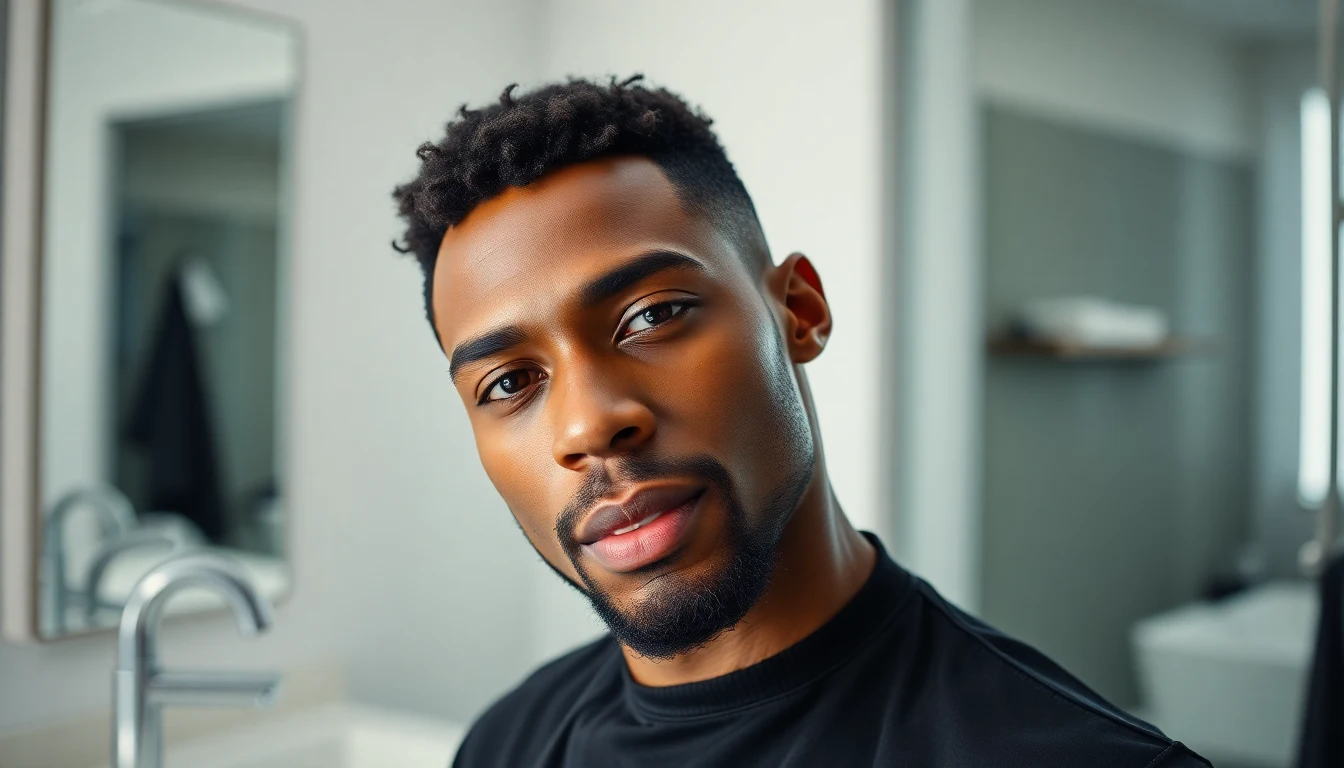
Who the big chop works for: Men who are comfortable with very short hair, guys who want to restart their hair journey immediately, and anyone who does not want to deal with two textures for months. If you already keep a low cut or a fade, the big chop is practically invisible. Your barber lines you up, and you walk out looking clean with your natural texture showing.
Who should avoid the big chop: Men who are psychologically attached to their current length and will be stressed by having very short hair. There is no shame in the gradual route. Mental readiness matters.
I did the big chop after my last relaxer grew out about two inches. My barber faded the sides and left the natural top. Honestly, it was one of the most liberating decisions I have made. Seeing my real texture for the first time since I was 14 changed how I thought about my hair entirely. But that is my experience. Choose the path that you can commit to.
Being Honest: When a Texturizer Still Makes Sense
I am not going to pretend that going fully natural is the right choice for every man in every situation. There are scenarios where a texturizer is a reasonable decision. When it comes to alternatives to relaxers for black, technique matters most.
- You genuinely prefer a looser curl pattern and you understand the chemical trade-off. Preference is valid.
- You have a lifestyle that does not allow for daily styling time and you need wash-and-go simplicity that your natural texture does not provide. Some men’s work schedules genuinely do not accommodate a 20-minute morning routine.
- You are using it as a transition tool, moving from a full relaxer to a texturizer to eventually going natural. Stepping down gradually is a legitimate approach.
- You have tried multiple natural methods and honestly find that none give you the look or manageability you want. After giving natural a fair trial (at least six months), making an informed choice to texturize is different from never trying alternatives at all.
The key word is informed. If you are getting a texturizer because you do not know what else to do with your hair, that is a problem this guide exists to solve. If you are getting a texturizer after exploring your options and deciding it is the best fit for your life, that is a personal decision I respect. When it comes to alternatives to relaxers for black, technique matters most.
Complete Alternatives Comparison
Here is every method side by side so you can make an informed choice. When it comes to alternatives to relaxers for black, technique matters most.
| Method | Chemicals | Heat | Duration | Cost per Use | Daily Effort | Best For |
|---|---|---|---|---|---|---|
| Texturizer | Yes (reduced) | None | 6-8 weeks | $8-15 | Low | Men who want a looser curl permanently |
| Curl sponge | None | None | Until next wash | $5-10 (tool) | Very low (5 min) | Short natural hair, daily styling |
| Twist-out | None | None | 3-5 days | $5-10 (products) | Medium (20 min setup) | Medium-length hair, defined curls |
| Braid-out | None | None | 3-5 days | $5-10 (products) | Medium (25 min setup) | Wavy/crimped look, longer hair |
| Blow-dry stretching | None | Medium | Until next wash | $10-15 (protectant) | Medium (30-45 min) | Showing true length, detangling prep |
| Keratin treatment | Some (varies) | High (flat iron) | 8-12 weeks | $150-350 | Very low | Maximum manageability without permanent change |
| Natural product stack | None | None | Daily/weekly | $27-38 (lasts 6-8 weeks) | Medium (10-15 min) | Daily moisture and definition |
Building Your Post-Relaxer Routine
If you have decided to leave relaxers behind, here is the weekly routine that replaced my chemical processing.
Weekly Wash Day (Every 7-10 Days)
- Pre-poo with oil. Apply Mielle Rosemary Mint Oil to your hair 20 minutes before washing. This protects the hair from the stripping effect of shampoo.
- Shampoo with a sulfate-free formula. Use a shampoo designed for 4C hair and focus on your scalp, not the lengths. Your ends do not need shampoo; they get clean from the rinse water.
- Deep condition for 20-30 minutes. Apply a thick conditioner, cover with a plastic cap, and let it sit. This is the most important step of the week. Your natural hair needs this moisture to stay flexible and resist breakage.
- Detangle in the shower with conditioner still in your hair. Use a wide-tooth comb or your fingers. Start at the ends, work toward the roots. Never rush this step.
- Rinse, apply leave-in, and style. Apply your leave-in conditioner, seal with oil, and either twist for a twist-out, blow dry for stretch, or sponge for defined curls.
Daily Maintenance (2-3 Minutes)
- Spritz hair lightly with water or a leave-in spray to refresh moisture.
- Fluff or reshape your style with your fingers. Do not comb daily.
- Apply a small amount of oil to any areas that feel dry.
- Sleep with a satin durag or on a satin pillowcase every night. This is the single most impactful daily habit. Cotton pillowcases cause friction that dries out and damages natural hair.
This routine takes about 45 minutes on wash day and two to three minutes daily. Compare that to the time, cost, and damage of relaxer appointments every six to eight weeks. The math favors going natural once you have the system down.
Scalp Health After Chemical Processing
If you are coming off years of relaxer use, your scalp may need time to recover. Chemical processing strips natural oils, disrupts the scalp’s pH balance, and can cause chronic dryness or irritation.
Recovery Signs
- Increased shedding in the first month. Your scalp is adjusting. This is normal and temporary as long as it does not persist past six to eight weeks.
- Flaking and dryness. Your scalp has been relying on chemical products for moisture regulation. It needs time to recalibrate its natural oil production. Use a gentle, sulfate-free anti-dandruff shampoo if flaking is significant.
- Sensitivity. Areas that were regularly exposed to relaxer chemicals may be tender. Avoid tight styles and heavy products at these spots for the first two to three months.
Most scalp recovery takes three to six months. If you experience persistent irritation, excessive shedding beyond the initial adjustment period, or visible scarring, see a dermatologist experienced with skin of color. Chemical damage to the scalp can sometimes require professional treatment to resolve.
Frequently Asked Questions
Are texturizers safer than relaxers?
Texturizers use the same active chemicals as relaxers but are left on for a shorter time. The reduced processing causes less damage per application, but it is not damage-free. Texturizers still break disulfide bonds in the hair shaft. They are a lighter version of the same chemical process. If you are moving away from relaxers because of chemical concerns, a texturizer is a step in the right direction but not a chemical-free solution.
How do I transition from relaxed to natural hair?
Two approaches. The gradual transition means you stop touch-ups and let natural hair grow in while trimming relaxed ends over six to 18 months. The big chop cuts all relaxed hair at once. Either way, increase your moisture routine significantly. Protective styles like braids and twists help manage the two-texture phase during a gradual transition. The point where natural meets relaxed hair is the weakest spot, so handle it gently and use protein treatments monthly.
What is the least damaging way to straighten Black hair?
Blow drying on low to medium heat with a comb attachment and heat protectant is the safest temporary method. It does not break chemical bonds and washes out completely. For a sleeker result, a professional silk press with controlled flat iron heat on properly conditioned hair is the next safest option. Keep heat styling to once a week maximum and always use a thermal protectant.
Do curl sponges work on 4C hair?
Yes. Curl sponges work well on 4C hair between half an inch and two inches long. The holes grip short coils and separate them into defined clusters as you rub in circular motions. Apply a light curl cream or water first for the best results. On very short hair (under half an inch), there may not be enough for the sponge to grip. On hair longer than two inches, the curls may drop within hours.
Can I get a keratin treatment on natural Black hair?
Yes. Keratin treatments reduce frizz, increase manageability, and loosen the curl pattern for eight to 12 weeks. On 4C hair, expect reduced shrinkage and easier detangling rather than straight hair. The treatment coats the shaft rather than breaking bonds, so your natural texture returns fully once the keratin washes out. Look for formaldehyde-free formulas and space treatments at least four months apart.
Is it bad to use a relaxer on men’s hair?
Relaxers permanently weaken hair by breaking disulfide bonds with alkaline chemicals. Regular use over months and years causes thinning, breakage, scalp irritation, and chemical burns. Research published in the American Journal of Epidemiology has linked long-term chemical straightener use to health concerns. A single professional application is not catastrophic, but cumulative use carries real risks to both hair health and potentially broader health.
What is the CROWN Act and why does it matter for natural hair?
The CROWN Act (Creating a Respectful and Open World for Natural Hair) prohibits workplace and school discrimination based on natural hairstyles and hair textures. Over 25 states have passed CROWN Act legislation as of 2026. This matters because some men historically used relaxers to conform to workplace grooming standards that penalized natural Black hair. The CROWN Act means you have legal protections for wearing your natural texture, growing an afro, locs, braids, or twists professionally.
The Bottom Line
Here is what to take away:
- Relaxers are not the only path to manageable hair. In 2026, the product market, styling techniques, and cultural acceptance of natural hair have made chemical processing optional, not mandatory.
- Curl sponges and twist-outs are the easiest chemical-free starting points. Both are affordable, accessible, and require no professional help.
- Blow-dry stretching shows your true length without permanent chemical damage. Use a heat protectant and keep it to once a week.
- Keratin treatments offer maximum manageability without permanent structural change, but watch for formaldehyde and limit frequency.
- Texturizers are a compromise, not a solution. They use the same chemicals as relaxers in reduced amounts. If chemicals are the concern, look elsewhere.
- Transitioning takes time and patience. Whether you choose the gradual route or the big chop, your natural texture is worth getting to know.
I spent five years with a relaxer, one year with a texturizer, and the last four years fully natural. Every phase taught me something. But the natural phase is where I finally understood my own hair. The right moisture routine and a satin durag replaced everything my relaxer used to do, without the damage and without the dependence.
For your next step, explore our guide to getting curly hair as a Black male for more styling techniques, or check out the best shampoos for 4C hair to build your wash day routine from the ground up.