If you want to master how to moisturize your scalp, this guide covers everything you need to know.
If you want to master how to moisturize your scalp, this guide covers everything you need to know. Last updated: February 2026 by Darius Washington, Black Men’s Grooming Editor
Dry scalp under locs is not a minor inconvenience. It is the problem I hear about more than any other from men in the chair and in my DMs. Your scalp is itching. It is flaking. You are scratching through your locs in public and hating every second of it. And the worst part is that your locs are literally blocking you from reaching the skin that needs help. Learning how to moisturize your scalp with dreads is not optional. It is the difference between a healthy loc journey and one that ends with thinning roots and a medicine cabinet full of products that did not work.
Here is the reality. Locs create a barrier between your scalp and the outside world. The natural oils your scalp produces cannot travel down the hair shaft the way they do with loose hair, because the strands are matted together. That means your scalp gets drier faster, and the methods you used before locs will not work anymore. You need new techniques. Specific products. A real routine.
This guide gives you all of it: the spray bottle method, applicator tip bottles, the right scalp oils, steam treatments, rose water, scalp massagers, a seasonal adjustment plan, and how to tell the difference between dry scalp and buildup (because they are not the same thing, and confusing them makes everything worse). If you are starting your loc journey, our complete guide on how to get dreads covers the foundation. This article covers what happens after.
Why Your Scalp Needs Different Care Under Locs: How To Moisturize Your Scalp
With loose hair, your scalp has a built-in moisture system. Sebaceous glands produce sebum, and every time you brush, touch, or style your hair, that oil distributes along the strand. It is not a perfect system, but it works well enough for most men to never think about it.

Locs break that system. When hair is matted and coiled together into locs, sebum cannot travel. It sits at the root, sometimes creating an oily base while the rest of the scalp between parts stays dry. This imbalance is why many men with locs experience both oiliness at the loc root and dryness between the locs at the same time. (We recommend this Black Wolf Mens Shampoo for Oily.)
Then there is the washing factor. If you are following a proper loc care routine (and you should be; read our guide on how to wash dreads if you are not), you are using residue-free shampoo. These shampoos are excellent at removing buildup, but they are also aggressive at stripping natural oils. Every wash day leaves your scalp a little drier than it was before.
Add environmental factors on top of that. Cold winter air, indoor heating, summer sun, hard water, air conditioning. Your scalp under those locs is absorbing all of it with no natural defense mechanism working properly.
The result is predictable. Dryness leads to itching. Itching leads to scratching. Scratching leads to irritation and micro-abrasions on the scalp. Those abrasions can become entry points for fungal or bacterial issues. And the itching cycle continues.
Moisturizing your scalp is not a luxury step in your loc routine. It is the foundation of everything. Healthy scalp, healthy roots. Healthy roots, healthy locs. That is the chain, and it starts with moisture.
Dry Scalp vs. Product Buildup: Know the Difference
Before I give you a single product recommendation or technique, you need to diagnose your problem correctly. I have seen too many men treat dry scalp with heavier oils when the real issue was product buildup. And I have seen men strip their scalp with clarifying washes when what they actually needed was moisture. These are opposite problems with opposite solutions.
Signs of Dry Scalp
- Small, thin, white flakes that fall off easily when you scratch or part your locs
- Tight, itchy feeling across the scalp, especially after wash day or in cold weather
- Redness or slight irritation visible on the scalp between parts
- Flaking that gets worse after washing (because shampoo stripped the remaining oils)
- Scalp feels rough and papery when you touch it directly
The fix: Add moisture. Lightweight oils, spray methods, steam treatments. Everything in this guide.
Signs of Product Buildup
- Thick, waxy, yellowish or grayish flakes that cling to the scalp and hair
- A greasy or coated texture on the scalp surface, even though it feels dry underneath
- Visible white residue at the base of your locs or between parts
- Locs feel stiff or heavy near the roots
- Flaking improves after washing but returns as you apply products
The fix: Stop adding moisture. Do an apple cider vinegar (ACV) rinse. Switch to residue-free products. Then reassess after two weeks.
The Quick Test
If you are not sure, do an ACV rinse (one part raw apple cider vinegar, three parts warm water, soak for five to 10 minutes, then wash). If the flaking stops after the rinse, it was buildup. If the flaking continues or gets worse, your scalp is genuinely dry and needs moisture.
This distinction matters because most of the techniques I am about to teach you add product to your scalp. If your problem is buildup, adding more product makes it worse. Diagnose first, then treat.
Method 1: The Spray Bottle Method (Daily Maintenance)
This is the foundation of scalp moisture for men with locs. It is simple, it is cheap, and it works for every loc stage from starter locs to mature ones. If you take one thing from this entire guide, take this.
What You Need
- A fine mist spray bottle (the kind with an adjustable nozzle; you want the lightest mist possible)
- Distilled water (tap water contains minerals that leave deposits on your locs over time)
- A lightweight oil: jojoba, sweet almond, or grapeseed
- Optional: three to five drops of essential oil (tea tree for dandruff, peppermint for scalp stimulation, lavender for soothing)
The Recipe
| Ingredient | Amount | Purpose |
|---|---|---|
| Distilled water | 8 oz (one cup) | Primary hydration |
| Jojoba oil | 1 tablespoon | Seals in moisture, mimics natural sebum |
| Tea tree essential oil | 3-5 drops | Antimicrobial, fights dandruff |
| Peppermint essential oil | 2-3 drops | Stimulates circulation, cooling sensation |
Shake the bottle before every use. Oil and water separate, so shaking is not optional.
How to Apply
-
Part your locs to expose the scalp. Work in sections from front to back. Use your fingers or a tail comb to separate the locs along natural parts.

How to Moisturize Your Scalp with Dreads: The Complete Guide — grooming guide image. -
Hold the bottle six to eight inches from your scalp. Closer than that and you will saturate your locs. The goal is a light mist on the skin, not wet hair.
-
Mist along each part. Two to three quick sprays per section. Move to the next section. Work from the front hairline to the nape.
-
Massage gently with your fingertips. After misting each section, use your fingertips to rub the moisture into the scalp with small circular motions. This distributes the product and stimulates blood flow.
-
Let it absorb. Do not cover your locs with a durag or bonnet immediately after spraying. Give the moisture five to 10 minutes to absorb before putting anything on your head.

When to Use It
Every morning or every other morning, depending on your scalp’s needs. Start with every other day and increase to daily if your scalp still feels dry. Decrease to every three days if your locs start feeling damp at the roots. It takes about a week to find your rhythm.
This is also excellent as a post-workout refresher. After the gym, mist your scalp to counteract the drying effect of dried sweat.
Method 2: The Applicator Tip Bottle (Targeted Oil Application)
The spray bottle handles general moisture. The applicator tip bottle handles targeted oil delivery. If you have specific dry spots, tightness after retwisting, or visible flaking in certain areas, this is the method that gets product exactly where it needs to go without touching the body of your locs.
What Is an Applicator Tip Bottle?
It is a squeeze bottle with a long, narrow pointed tip. The same type of bottle locticians use to apply retwisting gel. You can find them at any beauty supply store for two to three dollars. Some come with a bent tip that makes it easier to reach the scalp at an angle.
Best Oils to Use
| Oil | Best For | Weight | Notes |
|---|---|---|---|
| Jojoba oil | Daily moisture, all scalp types | Lightweight | Closest to natural sebum. Absorbs fast. No residue. |
| Sweet almond oil | Dry, flaky scalps | Lightweight | Rich in vitamin E. Softens dry patches. |
| Grapeseed oil | Oily scalps that still need moisture | Very light | Absorbs quickly. Will not clog follicles. |
| Jamaican Black Castor Oil | Very dry scalps, thinning areas | Heavy | Use sparingly. Great for targeted spots, not full scalp. |
| Mielle Rosemary Mint Oil | Scalp stimulation, growth support | Medium | Rosemary and mint stimulate circulation. Popular for a reason. |
How to Apply
-
Part your locs to expose the scalp. Same sectioning as the spray method. Front to back, working along natural parts.
-
Place the applicator tip directly on the scalp. Gently squeeze the bottle while moving the tip along the part in a thin line. You want a thin ribbon of oil on the skin, not a puddle.
-
Massage immediately. Use your fingertips to work the oil into the scalp along that section before moving to the next one. This prevents oil from sitting on the surface and dripping onto your locs.
-
Work every major part. Cover the front hairline, the center part, the side parts, and the nape. For most men, this means eight to 12 parts across the entire head.
-
Use less than you think you need. With the applicator method, a little goes far. If your scalp looks shiny or your locs feel oily at the roots, you used too much. Start with half a squeeze per section and adjust up if needed.
I tell every man in my chair who has locs the same thing: the applicator bottle is the single best investment under five dollars you will make for your scalp. My barber puts it this way: “If you have locs and you do not own an applicator bottle, you are fighting with one hand behind your back.”
The Best Scalp Oils for Men with Locs
Not every oil belongs on your scalp. Some oils are too heavy for loc care, some leave residue, and some actually make dryness worse by creating a barrier that prevents water-based moisture from reaching the skin. Here is what works and what to avoid.
Oils That Work
Tea tree oil. This is the workhorse of scalp health. Tea tree oil has antimicrobial and antifungal properties that fight dandruff, seborrheic dermatitis, and the general funk that can develop under locs. A 2002 study published in the Journal of the American Academy of Dermatology found that 5% tea tree oil shampoo significantly improved dandruff symptoms compared to placebo. Never apply tea tree oil directly to the scalp undiluted. Mix five to seven drops into one ounce of a carrier oil (jojoba or sweet almond) and use that blend in your applicator bottle.
Peppermint oil. Peppermint provides that cooling, tingling sensation that feels incredible on a tight, dry scalp, especially after retwisting. Beyond the feel, a 2014 study in Toxicological Research found that peppermint oil promoted hair growth by stimulating dermal papilla cells and increasing blood circulation to the scalp. Like tea tree, dilute it. Three to five drops per ounce of carrier oil.
Jojoba oil. I already mentioned it, but it deserves its own spotlight. Jojoba is technically a liquid wax, not an oil, and its molecular structure is remarkably similar to the sebum your scalp naturally produces. This means your skin absorbs it without confusion. It moisturizes without clogging. It does not go rancid quickly. And it does not leave the heavy residue that thicker oils leave on your locs. If you only buy one oil, buy jojoba.
Rosemary oil. Rosemary has gained significant attention for scalp health and hair growth support. A 2015 study in SKINmed compared rosemary oil to 2% minoxidil over six months and found comparable results for hair growth with fewer side effects. Mielle Rosemary Mint Scalp and Hair Strengthening Oil is a popular pre-mixed option that combines rosemary with peppermint in a coconut oil base. Use it two to three times per week on your scalp, not daily, because the coconut base is heavier than jojoba.
Oils to Avoid on Your Scalp with Locs
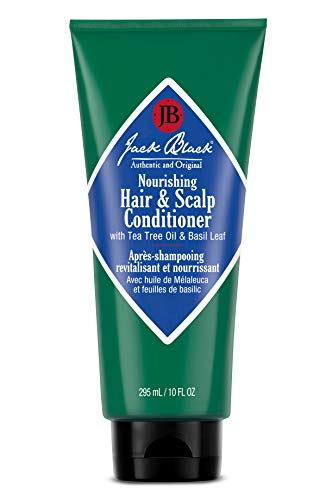
Coconut oil (as a primary scalp oil). I know this is controversial. Coconut oil is a staple in Black hair care and I respect its history. But for loc wearers specifically, coconut oil has a problem: it solidifies at temperatures below 76 degrees Fahrenheit. When it solidifies inside or at the base of your locs, it creates waxy buildup that is difficult to wash out. If you love coconut oil, use it as a pre-shampoo treatment on wash day, not as a daily scalp moisturizer. (We recommend this Jack Black Nourishing Hair & Scalp.)
Olive oil. Too heavy for regular scalp application with locs. It sits on the surface, collects dust and lint, and contributes to buildup. Fine for a hot oil treatment once a month. Not fine for daily or every-other-day use.
Castor oil (undiluted, full scalp). Jamaican Black Castor Oil is excellent for targeted application on thinning areas or very dry spots. But applying undiluted castor oil across your entire scalp two to three times a week will leave heavy buildup in your locs. Use it sparingly. A drop or two on specific areas, not a full-scalp application. (We recommend this SFC Natural King Jamaican Black Castor.)
Mineral oil and petroleum. These are in many commercial hair products marketed toward Black men. They sit on top of the scalp, creating a seal that traps what is underneath, whether that is moisture or dryness. They do not penetrate. They do not moisturize. They coat. And in locs, that coating builds up into visible residue that only an ACV soak can remove. Check ingredient labels. If you see “mineral oil,” “petrolatum,” or “petroleum” in the first five ingredients, skip it.
Method 3: Rose Water Spritz (Lightweight Daily Refresh)
Rose water is the unsung hero of loc scalp care. It is lighter than any oil, it adds moisture without weight, and it has mild anti-inflammatory properties that calm an irritated scalp. I started recommending it two years ago and it has become a staple for men who find oil-based methods too heavy for daily use.
Why Rose Water Works
- Hydrates without residue. Rose water is water-based, so it adds moisture without coating the hair or scalp.
- Anti-inflammatory. Traditionally used to soothe irritated skin. Helps calm post-retwist tightness and itching.
- pH balancing. Rose water has a pH of approximately 5.5, which is close to the scalp’s natural pH. Products that match your scalp’s pH cause less disruption.
- Smells clean. No heavy fragrance. No competing scents with your cologne. Just a light, clean floral note that fades within minutes.
How to Use It
Buy a bottle of pure rose water spray (Heritage Store is widely available and affordable) or make your own by steeping dried rose petals in distilled water and straining.
Spray it directly onto your scalp between parts, the same way you would with the water and oil spray bottle. You can use it every morning as a scalp refresher. It is especially useful in the summer when you want moisture without the weight and heat of oil sitting on your scalp.
For an enhanced version, mix equal parts rose water and distilled water with three drops of peppermint essential oil. This gives you hydration, cooling, and circulation stimulation in one spray. Shake before every use.
Method 4: Steam Treatments (Deep Weekly Moisture)
Every method I have covered so far delivers moisture to the surface of the scalp. Steam goes deeper. It opens pores, softens dead skin, and allows moisturizers to penetrate more effectively. Think of it as deep conditioning for your scalp.
The Hot Towel Method (No Equipment Needed)
-
Apply your scalp oil first. Use the applicator tip method to put jojoba or your preferred oil along every major part. Do not skip this step. Steam without oil just opens your pores with nothing to absorb.
-
Wet a towel with hot water. Run a clean towel under the hottest water your faucet produces. Wring it out so it is damp, not dripping.
-
Wrap the towel around your head. Cover your locs and scalp completely. Tuck the ends so the towel stays in place.
-
Leave it for 15 to 20 minutes. The steam opens your pores and drives the oil deeper into the scalp. You will feel the warmth gradually fade as the towel cools.
-
Remove the towel and massage your scalp. Spend two to three minutes massaging with your fingertips to distribute the oil and stimulate circulation.
The Shower Steam Method
If you do not want to deal with a towel, use your shower. Apply your scalp oil, step into a hot shower, and let the steam fill the bathroom while you stand in the warm water for 10 to 15 minutes. The ambient steam opens your pores while the oil does its work. This is my preferred method because it requires zero extra effort. I apply my oil, take my shower, and let the steam handle the rest.
When to Steam
Once a week is enough for most men. If your scalp is extremely dry or you are dealing with persistent flaking, you can steam twice a week for the first two weeks and then drop back to once a week. Do your steam treatment the day before wash day. That way the oil has time to work overnight, and you wash out any excess the next morning.

The Scalp Massager Tool: Your New Best Friend
A handheld silicone scalp massager costs about five dollars and changes your entire moisturizing routine. Here is why it matters and how to use it with locs.
What It Does
- Increases blood circulation. The gentle pressure from the silicone bristles stimulates blood flow to the scalp, which supports nutrient delivery to hair follicles.
- Distributes oils more evenly. Fingertips can miss spots. The massager’s bristles contact a wider area of scalp with each pass.
- Loosens dead skin. Gentle exfoliation removes dead skin cells that contribute to flaking, without the harshness of scratching with your nails.
- Feels incredible. I am not going to pretend the medical benefits are the only reason to use one. The sensation is genuinely relaxing. Five minutes with a scalp massager after a long day is a real stress reliever.
How to Use It with Locs
This is the critical part. With loose hair, you just press the massager against your head and move it around. With locs, you need to be more strategic.
-
Part your locs to expose the scalp in sections. The massager cannot reach your scalp through the locs.
-
Place the massager directly on the exposed scalp. Use gentle, circular motions along the part. Do not press hard. The silicone bristles do the work.
-
Move to the next section. Part, massage, repeat. Cover every section from the front hairline to the nape.
-
Use it after applying oil or spray. The massager helps work the product into the skin rather than letting it sit on the surface.

Use the massager three to four times per week. It pairs perfectly with both the spray bottle method and the applicator tip oil method. Apply your product, then follow with the massager for 30 seconds per section.
Your Complete Scalp Moisturizing Routine
Individual methods are useful. A system is what actually fixes your scalp. Here is the routine I recommend to every man with locs. It takes less than 10 minutes per day once you have it down.
Daily Routine (2-3 Minutes)
| Step | Product/Method | Time |
|---|---|---|
| 1. Spray | Water/jojoba/essential oil spray bottle, mist along parts | 1 minute |
| 2. Massage | Fingertips or scalp massager along each section | 1-2 minutes |
Every Other Day (Add Oil for Dry Scalps)
| Step | Product/Method | Time |
|---|---|---|
| 1. Oil | Applicator tip bottle with jojoba oil along major parts | 2-3 minutes |
| 2. Massage | Scalp massager on each section | 2-3 minutes |
Weekly (Steam Day, Day Before Wash Day)
| Step | Product/Method | Time |
|---|---|---|
| 1. Oil | Applicator tip bottle with jojoba or rosemary mint oil, full scalp | 3 minutes |
| 2. Steam | Hot towel wrap or shower steam | 15-20 minutes |
| 3. Massage | Scalp massager or fingertips after removing towel | 2-3 minutes |
Monthly (Deep Clarifying)
| Step | Product/Method | Time |
|---|---|---|
| 1. ACV Rinse | 1 part apple cider vinegar, 3 parts warm water, soak 5-10 min | 10-15 minutes |
| 2. Wash | Residue-free shampoo (Dr. Bronner’s or similar) | 10 minutes |
| 3. Dry completely | Microfiber towel squeeze, then hooded dryer or full air dry | 30-60+ minutes |
| 4. Moisturize | Full applicator tip oil treatment | 5 minutes |
This routine is a framework. Adjust it based on your scalp type, your loc stage, and your climate. The next section covers exactly how to make those adjustments.
Seasonal Adjustments: Your Scalp Needs Change with the Weather
Your scalp is not the same in January as it is in July. If you are using the same products at the same frequency year round, you are either over-moisturizing in summer or under-moisturizing in winter. Probably both.
Winter (Cold, Dry Air)
This is the hardest season for scalp moisture under locs. Cold air outside holds less moisture. Heated air inside holds even less. Your scalp is being attacked from both directions.
- Increase spray frequency to daily. Do not skip days in winter.
- Switch to a slightly heavier oil blend. Add a few drops of Jamaican Black Castor Oil to your jojoba blend for extra protection.
- Steam twice a week instead of once. Your scalp needs the extra penetration boost.
- Use a satin-lined cap or beanie. Wool and cotton wick moisture from your locs and scalp. A satin lining prevents that moisture theft.
- Consider a humidifier. If you sleep in a room with dry heated air, a bedside humidifier makes a measurable difference in scalp and skin health overnight.
Summer (Hot, Humid Air)
Humidity puts moisture in the air, which helps your scalp. But heat makes you sweat, which introduces salt and creates an environment where bacteria thrive.
- Switch to rose water as your daily spray. Lighter than the oil-water mix. Does not add heat or weight.
- Reduce oil application to two to three times per week. Your scalp is producing more sebum in warm weather.
- Rinse your scalp with plain water after sweating. This removes salt without requiring a full wash. Pat dry thoroughly afterward.
- Increase ACV rinse frequency to every three weeks. Summer sweat and sunscreen residue build up faster.
Transitional Seasons (Spring and Fall)
These are adjustment periods. In early spring, your scalp is still recovering from winter dryness. In fall, it is preparing for the coming cold. Use these months to dial in your routine.
- If you notice your scalp is less flaky than it was in winter, start pulling back to every-other-day spraying.
- If fall temperatures drop and your scalp starts feeling tight again, increase before the full winter protocol kicks in.
- The key is being proactive. Do not wait until your scalp is screaming at you to adjust.
Products I Trust for Scalp Moisture with Locs
I have tested dozens of products over the years, and these are the ones that earned a permanent spot in my rotation. Every product listed here is specifically chosen for men with locs. No buildup risk. No heavy residue. No gimmicks.
| Product | Type | Best For | Price | Key Feature |
|---|---|---|---|---|
| Dr. Locs Jinan Leave-In Conditioner | Spray | All loc stages, daily moisture | $14-18 | Lightweight, residue-free, made specifically for locs. Rose water base. |
| Jamaican Mango & Lime No More Itch Spray | Spray | Itchy, dry scalps | $5-8 | Medicated formula soothes itching on contact. Tea tree and menthol. |
| Mielle Rosemary Mint Scalp Oil | Oil | Scalp stimulation, growth support | $9-13 | Rosemary and peppermint for circulation. Light enough for regular use. |
| Jamaican Black Castor Oil | Oil | Very dry spots, thinning areas | $8-12 | Thick and nutrient-rich. Use targeted, not full scalp. |
| Design Essentials Oat Protein & Henna Treatment | Treatment | Deep conditioning on wash day | $10-15 | Monthly deep treatment for scalp and loc hydration. Protein strengthens locs. |
| SheaMoisture JBCO Leave-In | Cream | Mature locs, very dry scalps | $10-14 | Heavier formula for severe dryness. Use sparingly to avoid buildup. |
| Heritage Store Rosewater | Spray | Daily lightweight moisture | $8-12 | Pure rose water. Hydrates, soothes, balances pH. No residue. |
A Note on Black-Owned Brands
Several products on this list come from Black-owned companies. Mielle Organics was founded by Monique Rodriguez. SheaMoisture has deep roots in the Black hair care community through Sundial Brands, founded by Richelieu Dennis. Jamaican Mango & Lime was built on Caribbean hair care traditions. When the quality is equal, I prioritize brands that were built by and for our community. That is not performative. That is where the best formulations for our hair have always come from.
Moisturizing by Loc Stage: What Changes as Your Locs Mature
Your locs at six months are fundamentally different from your locs at three years. The moisturizing approach should evolve with them.
Starter Locs (0-6 Months)
- Be extremely gentle. Starter locs are fragile. Aggressive manipulation can unravel them.
- Use spray methods only. No heavy oils. No applicator bottles pressing against the scalp near fragile new locs.
- Keep it light. Water-based spray with a few drops of jojoba. Nothing heavier.
- Avoid touching the locs themselves. Direct your moisture at the scalp. Do not run product along the loc body.
- Skip the scalp massager. Fingertips only, with very gentle pressure.
Budding Locs (6-12 Months)
- You can start using the applicator tip bottle. Your locs are firming up and can handle a bit more contact.
- Introduce the scalp massager. Use gentle pressure. Your locs are stronger but not fully mature.
- Start weekly steam treatments. Your locs can handle the moisture without unraveling at this stage.
- Watch for buildup. Budding locs are developing their internal structure. Products that get trapped inside now become permanent.
Teenage Locs (1-2 Years)
- Full routine is now appropriate. Spray, oil, steam, massager. Your locs are durable enough for everything.
- Pay attention to the mid-length. Teenage locs often have a firm tip and a firm root with a softer, less locked section in the middle. This middle section is prone to absorbing product. Keep oils on the scalp, not the locs.
- Retwisting frequency matters here. Over-retwisting teenage locs causes thinning at the roots. If your loctician is retwisting every two weeks, ask about extending to every four to six weeks. The tension from frequent retwisting dries out the scalp at the base of each loc.
Mature Locs (2+ Years)
- Your locs are dense. They hold more moisture inside, which means they take longer to dry. Make sure your moisturizing routine does not leave your locs damp.
- You can use slightly heavier oils. Mature locs are fully locked. A touch of Jamaican Black Castor Oil on dry spots will not cause the same buildup risk as it would in younger locs, because the interior structure is already set.
- Monthly ACV rinses are non-negotiable. Mature locs have years of product exposure. Even residue-free products leave trace amounts that accumulate over time.
- Thinning roots deserve extra attention. If you notice thinning where the loc meets the scalp, apply oil directly to that area and massage gently. Consider reducing retwisting to every six to eight weeks. If thinning persists, see a dermatologist experienced with locs. Some men benefit from growth-supporting treatments at the root level.
Common Mistakes That Make Scalp Dryness Worse
I see these mistakes constantly. Every single one makes the dryness problem worse while the person thinks they are helping.
Mistake 1: Using Products with Petroleum or Mineral Oil
This is the most common mistake. Products like certain hair greases, some popular loc butters, and many drugstore “moisturizers” marketed toward Black men contain petroleum or mineral oil as a primary ingredient. These do not moisturize. They seal. They create a waterproof barrier on your scalp that traps whatever is underneath, whether that is moisture or dryness. They also build up inside locs and are nearly impossible to remove without aggressive washing or an extended ACV soak. When it comes to how to moisturize your scalp, technique matters most.
Check every product you use. If petroleum, petrolatum, or mineral oil is in the first five ingredients, replace it. When it comes to how to moisturize your scalp, technique matters most.
Mistake 2: Overwashing
Some men respond to dry scalp by washing more frequently, thinking they need to “clean” the flakes away. The flakes are dead skin from dryness. Washing more strips more oil. Stripping more oil creates more dryness. More dryness creates more flakes. It is a cycle. The solution is moisturizing, not washing more. Follow the wash frequencies in our how to wash dreads guide and address dryness with the methods in this article. When it comes to how to moisturize your scalp, technique matters most.
Mistake 3: Scratching Instead of Treating
I understand the urge. The itch is maddening. But scratching your scalp with your nails through your locs causes micro-tears in the skin. Those tears get irritated, sometimes infected, and the inflammation makes the itching worse. Use the Jamaican Mango & Lime No More Itch Spray for immediate relief. Then address the underlying dryness with your routine. If the itching is persistent and severe, see a dermatologist. It may be seborrheic dermatitis or a fungal issue that requires medical treatment.
Mistake 4: Applying Product to the Locs Instead of the Scalp
Your locs do not need moisturizer. Your scalp does. When you apply oil, cream, or spray to the body of the loc instead of the skin underneath, you are doing two things wrong. First, you are missing the target. The skin is where dryness lives. Second, you are adding product to your locs that will sit there, attract lint, and contribute to buildup. Always direct your product at the exposed scalp between parts. The locs get enough ambient moisture from the process.
Mistake 5: Skipping Moisture After Retwisting
Retwisting pulls the loc tight against the scalp. This tension restricts blood flow to the scalp at the base of each loc, which reduces the scalp’s natural oil production in those areas. Many men leave the salon with freshly retwisted locs and do not touch their scalp for days because they do not want to disturb the style. By day three, the scalp is dry, tight, and itching.
Wait 24 hours after retwisting (to let the style set), then start your spray routine. Gentle mist only. No heavy oil application for the first three days after a retwist. After three days, resume your full routine.
Mistake 6: Covering Damp Locs
After moisturizing, some men immediately put on a durag, bonnet, or hat. If your scalp is still damp from the spray or oil, covering it creates a warm, moist environment where bacteria and mildew thrive. Always wait five to 10 minutes after spraying before putting on any head covering. And never sleep with freshly oiled or sprayed locs under a bonnet without giving the product time to absorb first.
When Dryness Is More Than Dryness: Knowing When to See a Dermatologist
Most scalp dryness under locs responds to the methods in this guide within two to three weeks. If yours does not, it may be a medical condition that requires professional treatment.
See a Dermatologist If:
- Your scalp is persistently flaking despite consistent moisturizing for three or more weeks
- You see red, raised patches on the scalp (possible psoriasis or eczema)
- The flakes are large, thick, and yellowish (possible seborrheic dermatitis)
- You experience hair loss or noticeable thinning at the loc roots
- There is any bleeding, crusting, or oozing from the scalp
- The itching is so severe that it disrupts your sleep or concentration
When you go, look for a dermatologist experienced with skin of color and natural hair. Not every dermatologist understands locs. You want someone who will examine your scalp without telling you to cut off your locs as a first recommendation. The CROWN Act may not cover your locs at the doctor’s office, but you deserve a provider who respects your choice to wear them. If you are looking for broader skincare advice tailored to Black men, our dedicated guide covers moisturizers, ingredients, and routines for every concern.
Frequently Asked Questions
How often should you moisturize your scalp with dreads?
Every two to three days for most men. Daily if your scalp is very dry or you are in a cold climate. Every three to four days if your scalp runs oily. The spray bottle method works best for frequent application because it delivers light moisture without saturating your locs.
What is the best oil for moisturizing scalp under locs?
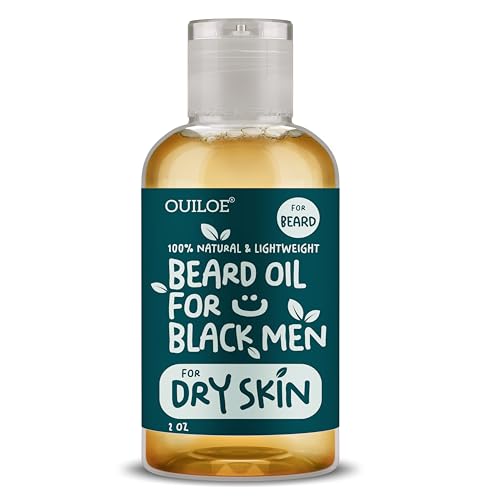
Jojoba oil is the gold standard. It absorbs fast, mimics your natural sebum, and does not leave residue. For dandruff or itching, add tea tree oil (diluted). For circulation and that cooling feeling, add peppermint oil. For dry spots and thinning areas, Jamaican Black Castor Oil applied sparingly to specific areas. (We recommend this Ouiloe Beard Oil for Black Men.)
Can you use regular lotion to moisturize your scalp with dreads?
No. Body lotions contain petroleum, mineral oil, and silicones that create buildup inside your locs. Use lightweight oils or water-based sprays formulated for natural hair or specifically for locs.
How do you moisturize your scalp without making your locs wet?
Use an applicator tip bottle with oil. The pointed tip lets you place oil directly on your scalp without touching the loc body. Massage immediately so the oil absorbs into the skin rather than spreading to the hair.
What causes dry scalp under dreads?
Locs prevent natural oil distribution from the scalp along the hair shaft. Residue-free shampoos strip oils during washing. Environmental factors, hot water, and tight retwisting all make it worse.
Is rose water good for locs and scalp?
Absolutely. Rose water hydrates without residue, soothes inflammation, and balances scalp pH. Use it as a daily spray for lightweight moisture, especially in summer when heavier oils feel too warm.
How do you know if your scalp is dry or if you have product buildup?
Dry scalp has thin, white, loose flakes with tight, itchy skin. Buildup has thick, waxy, yellowish flakes with a greasy texture. Do an ACV rinse to test. If flaking stops, it was buildup. If it continues, moisturize.
A Quick Note on the CROWN Act and Loc Care Access
I want to mention this because it matters. The CROWN Act (Creating a Respectful and Open World for Natural Hair) has been passed in 26 states as of early 2026. It prohibits discrimination based on natural hairstyles, including locs. But the conversation about loc care access goes beyond employment law.
Many men with locs avoid seeking dermatological help for scalp issues because they have had experiences where medical providers suggested cutting their locs as a “solution.” That is not a solution. It is dismissal. If you are dealing with persistent scalp issues under your locs, you deserve a provider who will treat the scalp without questioning the hairstyle. Organizations like the Skin of Color Society maintain directories of dermatologists with experience in textured hair and skin of color concerns. Use them.
Your locs are not the problem. Dryness is the problem. This guide is the solution.
Your Scalp, Your System
Scalp moisture under locs is not about finding one miracle product. It is about building a system that addresses your specific scalp type, your loc stage, and your environment. Here is the recap.
- Diagnose first. Know whether you are dealing with dry scalp or product buildup before adding any products.
- Use the spray bottle daily for light, consistent moisture. Water, jojoba, and a few drops of essential oil.
- Use the applicator tip bottle for targeted oil delivery to dry spots and along parts.
- Steam once a week to open pores and drive moisture deeper.
- Adjust seasonally. Winter needs more. Summer needs less. Do not run the same routine year round.
- Avoid petroleum, mineral oil, and regular lotion. These create the problem, not solve it.
Start with the daily spray and the every-other-day oil application. Give it two to three weeks. Your scalp will tell you whether it needs more or less. Listen to it.
If you are building your loc care routine from the ground up, pair this scalp guide with our complete loc washing guide and our guide to starting dreads. And for your overall skincare routine beyond the scalp, check out our best moisturizer for Black men roundup for full body and face hydration.
Your locs are a commitment. Treat the scalp underneath them with the same respect you give the locs on top. That is the whole game.