By Daniel Park, Asian Hair Editor.
The Mullet’s Comeback: Why Asian Men Are Leading It
Let me be clear about something before we go further: the Asian mullet has nothing to do with the 1980s hockey mullet your dad wore. The modern mullet that is dominating K-indie music scenes, Japanese street fashion, and LA barbershops right now is a completely different animal. It is layered, textured, intentional, and closer in spirit to a structured shag than to anything Billy Ray Cyrus ever had.
Asian men are leading this revival for a practical reason. Thick, straight East Asian hair holds layered shapes beautifully. The natural density creates volume at the top without product, and the back section falls cleanly instead of frizzing out. On thinner hair textures, the mullet can look sparse at the tail. On thick Asian hair, the tail has substance. It looks like a design choice, not a grow-out accident.
Demand for modern mullets has not slowed down. The asian mullet men trend is not a flash. It has staying power because the style is genuinely versatile. There are conservative versions for office environments and dramatic versions for fashion-forward clients. This guide covers five variations, who each works for, and how to get there.
Modern Asian Mullet vs. Classic Mullet
The differences are structural, not just aesthetic. Understanding them will help you communicate with your barber and avoid ending up with the wrong cut.
| Feature | Classic 1980s Mullet | Modern Asian Mullet |
|---|---|---|
| Top section | Flat, no layers, often permed | Textured, heavily layered, natural movement |
| Length difference (front to back) | 6+ inches | 2 to 4 inches |
| Sides | Feathered or left natural | Tapered, faded, or layered into the top |
| Transition | Abrupt “business in front, party in back” | Gradual, layered transition |
| Silhouette | Flat on top, long straight tail | Volume on top, textured tail |
| Styling | Blow dry and hairspray | Texturizing products, minimal effort |
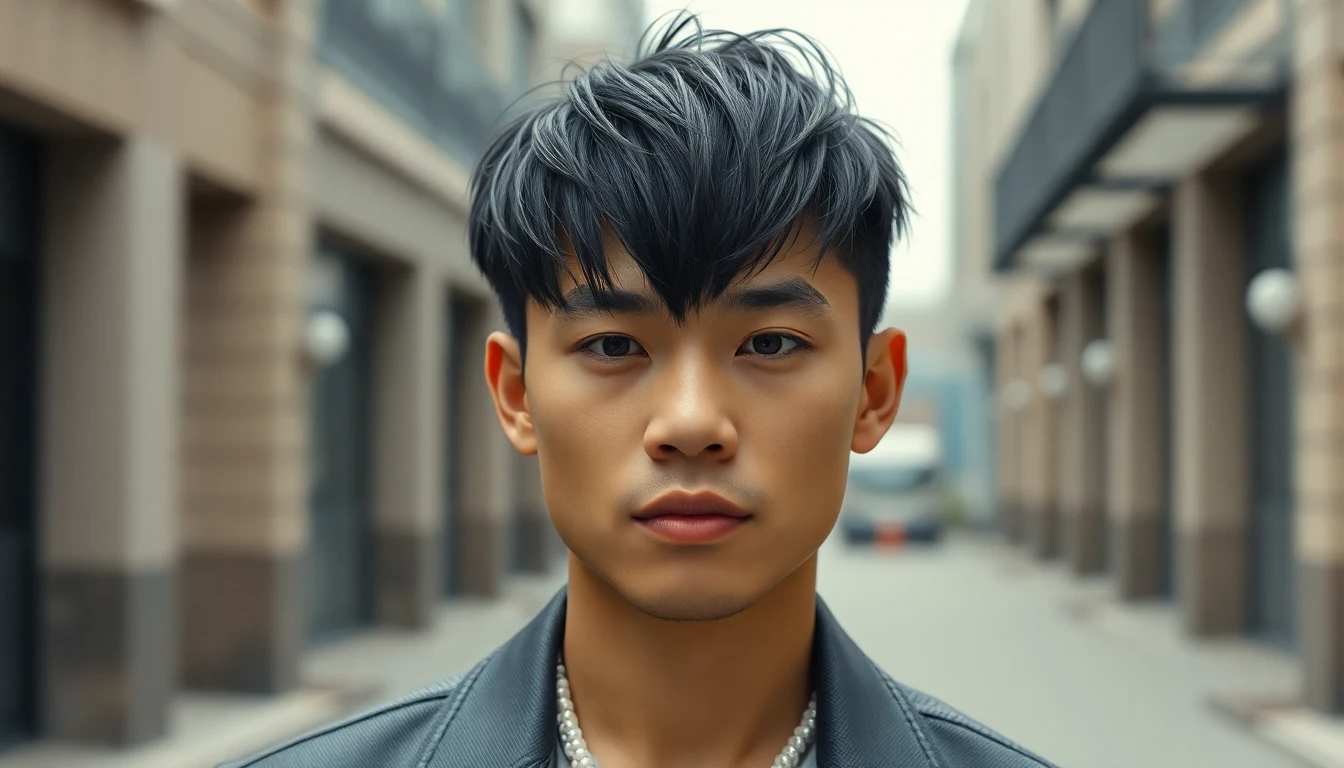
The key word is architecture. The modern Asian mullet is built with intentional layering and proportion. The classic mullet was a length choice. The modern version is a structure choice. When it is cut well, people recognize it as a deliberate style. When it is cut badly, it looks like you missed your last haircut appointment.
Is the Mullet Right for Your Face Shape?
Not every face shape handles the mullet equally. The longer back section adds visual length below the jawline, which flatters some proportions and fights others.
Oval face: The mullet works in every variation. Your proportions are balanced enough to handle the asymmetric front-to-back length without distortion. Start with any version that appeals to you.

Oblong face: Excellent fit. The mullet’s layered top adds width at the temples, which counterbalances a longer face. Avoid extremely long back sections that extend the face even further. The subtle shullet or Korean mullet are your best options.
Square face: Good fit with modifications. The textured layers soften angular jawlines, and the longer back balances the face nicely. Ask for soft, rounded layering on top rather than sharp, geometric lines.
Round face: Proceed with caution. A mullet with added height at the crown and a tapered (not wide) tail works. Avoid versions where the back flares outward at the sides, which adds width you do not want. The fade mullet is your best friend here because the clean sides create vertical emphasis. Also consider pairing this with a taper fade for maximum slimming effect.
Heart/diamond face: Works well. The longer back adds visual weight below the jawline, balancing a wider forehead. The Korean mullet and subtle shullet are particularly flattering.
5 Asian Mullet Variations
1. The Subtle Shullet
The gateway mullet. The “shullet” (shag + mullet) keeps the back only 1 to 2 inches longer than the sides and layers the entire cut so heavily that the length difference almost disappears into the texture. If someone has to squint to notice your hair is longer in the back, you have nailed it.
Who it suits: Everyone, including men in conservative work environments. This is the most office-friendly mullet variation. It reads as a “layered cut” to anyone who is not paying close attention.
The cut: 3 to 4 inches on top, 4 to 5 inches at the back, with heavy layering throughout. The sides are scissor-tapered, not clipper-faded. The transition from top to back should feel seamless. The “mullet” element is there, but it whispers instead of shouting.
Styling: Minimal. A fingertip of matte clay like Lipps L08 Matt Hard Wax through the top for separation, and let the back fall naturally. The less you style a shullet, the better it looks. Over-styling makes it look like you are trying too hard.
Maintenance: Trim every 4 weeks. The subtle proportional difference is the first thing you lose when it grows out. If the back catches up to the front, you just have a shag, not a shullet.

2. The Korean Mullet
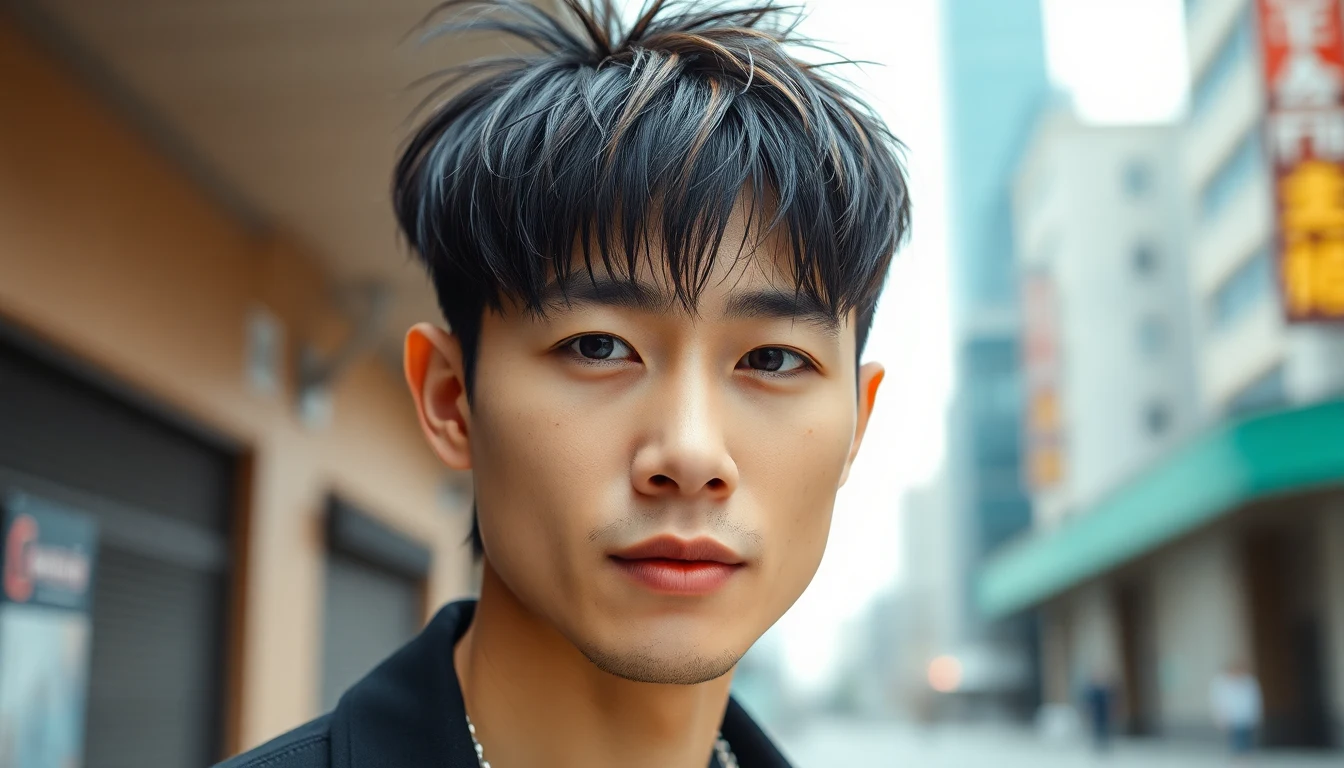
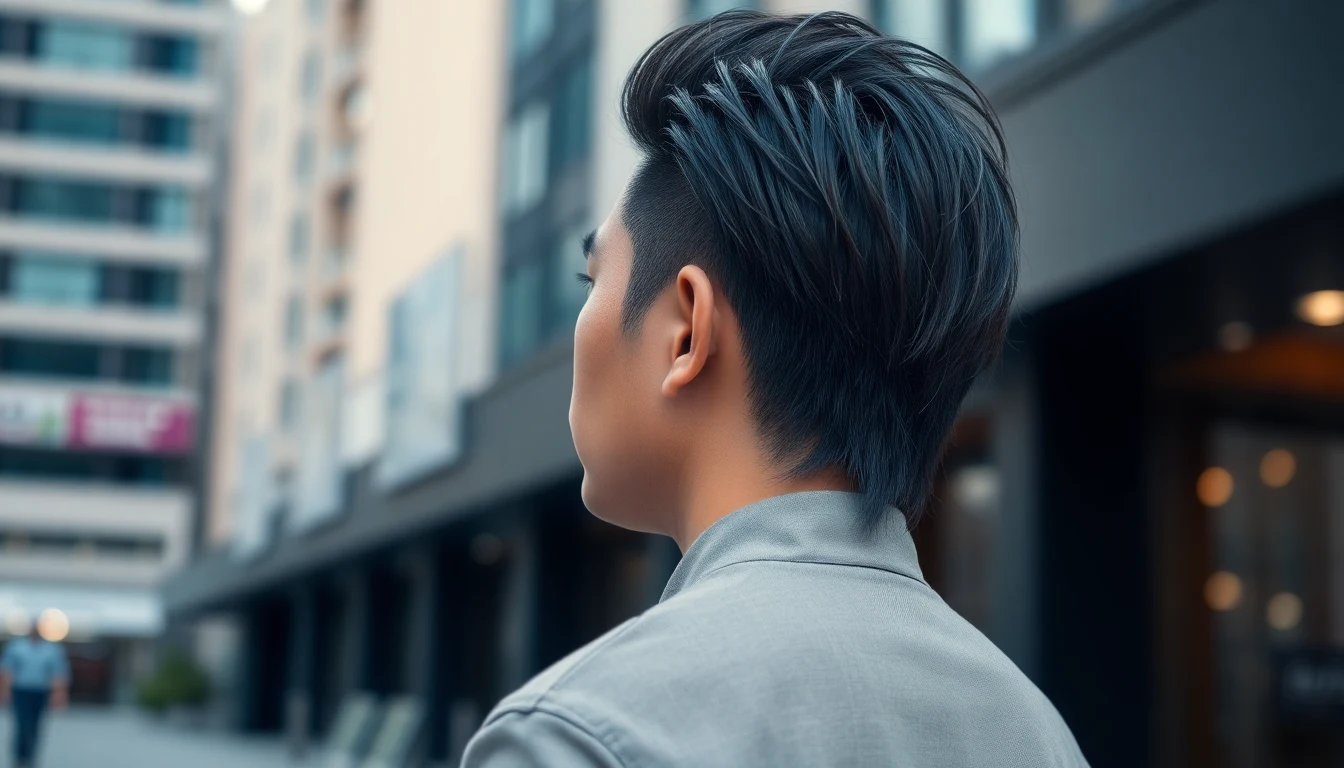
This is the version you see on Korean indie musicians, K-drama supporting characters, and the Korean hairstyle trend boards. The K-mullet takes the shullet concept and pushes the back 2 to 3 inches longer. It is clearly a mullet, but it is refined. The top is textured and voluminous, the sides are clean, and the back has enough length to hit the nape of the neck or just past it.
Who it suits: Oval, oblong, and heart-shaped faces. This is the sweet spot for length. Enough to make a statement, not so much that it overwhelms smaller features.
The cut: 3 to 4 inches on top with point-cutting for texture. The back extends 5 to 7 inches and is layered to taper toward the ends. Sides are either scissor-tapered or a low fade. The hallmark of the Korean mullet is the clean side-to-back transition. There should be a clear distinction between the shorter sides and the longer back, but the layers make it flow.
Styling: Blow dry the top for volume, lifting at the roots with a round brush. Apply Gatsby Moving Rubber (grey tin) through the top for texture and separation. Leave the back alone or use a small amount of Mise en Scene Perfect Serum to keep it smooth and prevent flyaways.
Maintenance: Every 3 to 4 weeks. The sides and top need consistent trimming to maintain the proportional balance with the growing back.
3. The Japanese Fashion Mullet
Harajuku, Shimokitazawa, and Japanese street fashion magazines have pushed the mullet further than any other fashion scene. The Japanese fashion mullet is the most dramatic version on this list: heavily layered throughout, often with face-framing pieces that sit at cheekbone level, a voluminous crown, and a tail that can extend past the collar. It sits closer to the wolf cut on the shaggy spectrum but with a more defined back section.
Who it suits: Men who treat hair as fashion. This is not a subtle style. It works best on men with strong features that can hold their own against a dramatic silhouette. Oval and oblong faces carry it well. Round faces need to be careful with the width the layers add.
The cut: Layers everywhere. The shortest pieces frame the face at cheekbone level. The crown is cut for maximum volume. The back is the longest section, 6 to 8 inches, with internal layering to prevent it from looking like a single sheet of hair. The sides are typically layered (not faded) to maintain the overall shaggy aesthetic.
Styling: This is a high-effort style. Blow dry with a diffuser for volume. Apply texturizing spray throughout. Use Hanz de Fuko Claymation to define individual layer sections. Scrunch and piece out the face-framing layers. The Japanese fashion mullet should look like every section of hair is doing something different.
Maintenance: Every 3 weeks. The layers lose their definition quickly on thick hair that wants to grow into a unified mass. This is not a low-maintenance cut.

4. The Fade Mullet
A hybrid that borrows the clean sides of an undercut and adds the rebel back of a mullet. The fade mullet is the most structured variation. The sides are clipped with a low or mid fade, the top is textured, and the back extends beyond the fade line with a distinct tail. It is the mullet for guys who want edge without chaos.
Who it suits: Round and square faces benefit the most. The faded sides create vertical emphasis and slim the silhouette, while the back adds dimension without adding width. This is also the best variation for men who want a mullet but need to keep the sides sharp for professional reasons.
The cut: Low or mid fade on the sides (#1 to #2 guard tapering to skin). The top is 3 to 4 inches with texturizing. The back starts at the fade line and extends 4 to 6 inches, layered to prevent bulk. The critical detail is how the fade transitions to the longer back. A skilled barber will taper the fade into the back length gradually, not create a shelf.
Styling: Style the top as you would any faded undercut: blow dry for volume, apply a medium-hold wax. The back needs minimal styling. A light serum keeps it smooth. If your back section has enough length, you can tuck it behind your ears for a more polished look. You can clean up the fade yourself between appointments with quality clippers.
Maintenance: Every 2 to 3 weeks for the fade. The back can grow for 4 to 5 weeks between trims. This split maintenance schedule is the only downside; the sides need attention more frequently than the rest of the cut.
5. The Long Mullet
The full commitment. The long mullet extends the back to shoulder length or near it, while the top and sides stay medium-length with heavy layering. This is the version you see on Asian rock musicians, fashion-forward creatives, and men who have been growing their hair for 6 to 12 months with this specific shape in mind.
Who it suits: Oblong and oval faces with strong jawlines. The long back section adds significant visual weight below the face, so your features need to anchor it. Men with rounder or softer faces should think carefully before going this long; the tail can overwhelm the face.
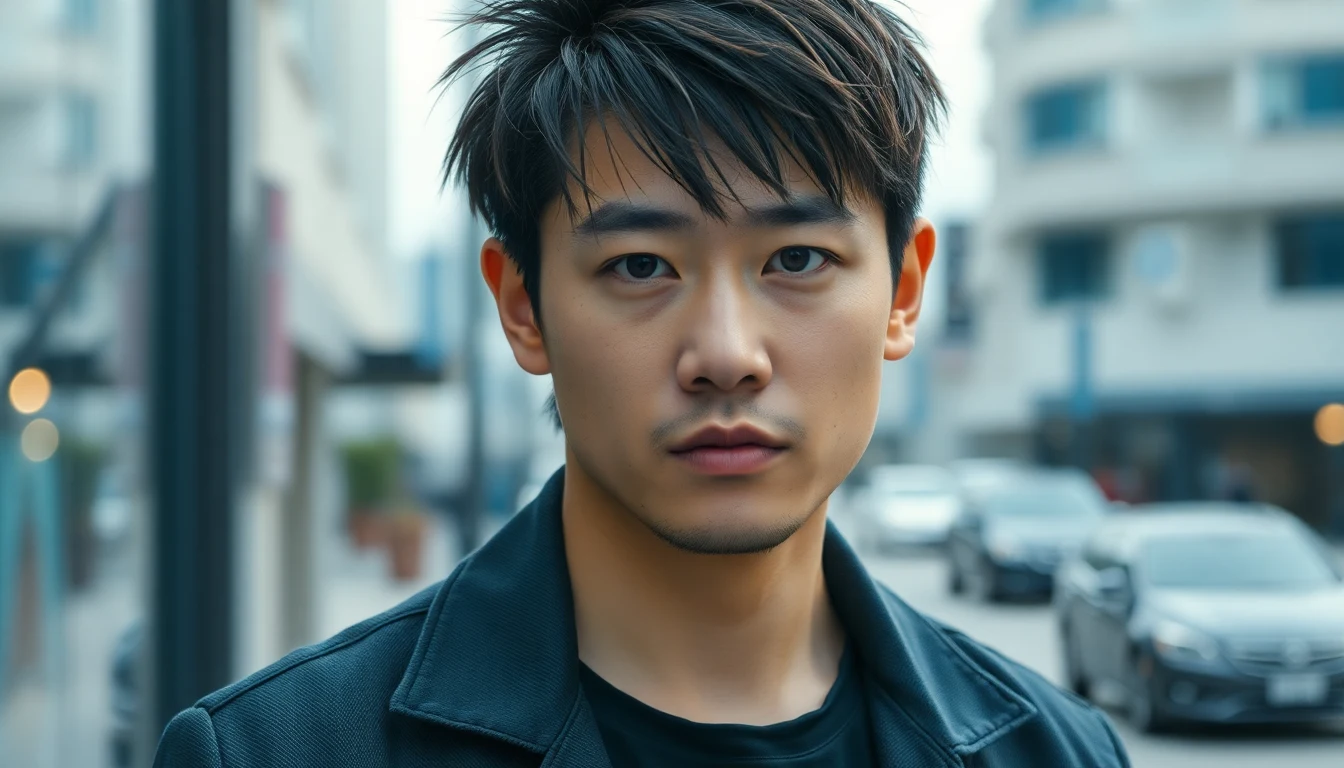
The cut: 4 to 5 inches on top with layers for volume. The back extends 8 to 12 inches and is layered throughout to prevent the flat, curtain-like appearance. The sides are either layered to mid-ear length or faded for a sharper contrast. The key to the long mullet on Asian hair is interior layering. Without it, the thick, straight strands form a single heavy sheet that looks like a drape.
Styling: This requires the most daily attention of any variation. Blow dry the top for volume. Apply a lightweight wax or clay to the top for texture. The back needs a detangling serum or lightweight oil to prevent tangling. On thick Asian hair, the back can get knotted at the nape if left unstyled. A wide-tooth comb and a few drops of Mise en Scene Perfect Serum through the back section each morning keeps it manageable.

Maintenance: Trim every 4 to 5 weeks. Focus on maintaining the layering, not the length. The biggest mistake with the long mullet is letting the layers grow out until the cut loses its shape. You can gain length without losing structure, but only with consistent trims.
How to Grow Into a Mullet
You cannot get a mullet in one haircut if your hair is currently short all around. Here is the realistic timeline.
Month 1 (starting from a short cut): Stop trimming the back entirely. Continue maintaining the top and sides at their current length. You will not see a meaningful length difference yet. Be patient.
Month 2: The back should be about 1 inch longer than the sides. You are in the awkward phase. The back is not long enough to look intentional, but it is long enough to look uneven. This is when most guys abandon the plan. Push through it. Wear a cap if you need to. Ask your barber to clean up the top and sides while leaving the back completely alone.
Month 3: The back has 2 to 3 inches of extra length. You are entering shullet territory. Your barber can now start shaping the cut into a proper mullet silhouette by adding layers to the top and tapering the sides. This is your first real mullet appointment.
Month 4+: The shape is established. From here, you are refining the proportions and growing into your target variation. For a Korean mullet, you are close to done. For a long mullet, you have another 4 to 6 months of growing the back.
Interim style tip: During the grow-out phase, ask your barber to style the top as a textured crop or wolf cut. Both styles disguise the uneven growth while the back catches up.
How to Style the Modern Asian Mullet
The styling approach changes based on variation, but the core process is the same. Here is the step-by-step.
Step 1: Wash and towel dry. Get your hair to about 80% dry. Damp, not dripping.
Step 2: Apply heat protectant. A lightweight serum on the back section prevents heat damage from the blow dryer and keeps the tail smooth.

Step 3: Blow dry the top. Use a round brush and lift at the roots while directing air from below. The goal is volume and direction. Point the hair where you want it to sit. For the back, blow dry downward and slightly inward to prevent the tail from flaring outward.
Step 4: Apply product to the top. A matte clay or wax for texture and separation. Work a small amount (fingertip, not a glob) between your palms and pinch sections of the top, pulling upward and outward for definition. Uevo Design Cube (dry wax) works well for this.
Step 5: Style the back. For the subtle shullet and Korean mullet, do nothing. Let it fall naturally. For the Japanese fashion mullet, scrunch with texturizing spray. For the fade mullet, smooth with a light serum. For the long mullet, comb through with a wide-tooth comb and apply a few drops of lightweight oil.
Step 6: Final check. Look at the silhouette from the side. The top should have volume and texture. The back should have direction and intentionality. If the back looks limp or shapeless, a single spritz of texturizing spray at the roots of the back section adds life.
What to Tell Your Barber
Many barbers, especially those trained in Western cutting traditions, will try to talk you out of a mullet. They associate the word with the 1980s version and assume you are making a mistake. Here is how to communicate clearly.
| Variation | What to Say | What to Avoid Saying |
|---|---|---|
| Subtle Shullet | “Layered shag with the back 1 to 2 inches longer than the sides. Heavy texture throughout.” | “Give me a mullet.” (Too vague, triggers the wrong mental image.) |
| Korean Mullet | “Modern Korean mullet. Textured top, clean tapered sides, back to the nape. I want the K-indie look.” | “Business in the front, party in the back.” (This is a joke to your barber, not an instruction.) |
| Japanese Fashion Mullet | “Layered fashion mullet. Face-framing pieces at the cheekbones, volume at the crown, back past the collar.” | “Go crazy with it.” (You need to be specific about lengths and layering.) |
| Fade Mullet | “Low fade on the sides, textured top, but leave the back 4 to 6 inches longer than the fade line.” | “Short sides, long back.” (This could mean anything.) |
| Long Mullet | “Keep growing the back, layer the top for volume, maintain the front-to-back ratio. I want defined layers, not one length.” | “Just let it grow.” (Without shaping, it will look unkempt, not styled.) |
Pro tip: Bring a reference photo from a real person, not a drawing or an overly filtered Instagram shot. Korean or Japanese street style blogs and K-indie musician photos are your best sources. Show your barber the side profile, not just the front. The mullet’s defining feature is the silhouette from the side, and that is the angle your barber needs to see. For terminology on the fade portion, our types of fades guide covers everything.
FAQ
Is the Asian mullet the same as a regular mullet?
No. The modern Asian mullet is structurally different. It features textured, layered top sections instead of a flat front, a subtler length difference between front and back (2 to 4 inches rather than 6+), and is often combined with a taper or low fade on the sides. The overall silhouette is closer to a shag than to the classic party-in-the-back.
Will a mullet look good on a round face?
It can, but you need the right variation. The fade mullet works best because the clean, faded sides create vertical emphasis that slims a round face. Add height at the crown and keep the tail tapered, not wide. Avoid the long mullet or any variation where the back flares outward at the ears, which adds width.
How long does it take to grow an Asian mullet from short hair?
About 3 to 4 months from a standard short cut to a workable mullet shape. Asian hair grows approximately 6 inches per year (half an inch per month). You need 2 to 3 inches of extra length at the back. The awkward in-between phase lasts 6 to 8 weeks. Use a textured crop or wolf cut as an interim style while the back grows out.

Will this look weird at work?
The subtle shullet and Korean mullet are office-appropriate in most environments. The length difference is slight enough that they read as layered cuts, not mullets, to people who are not looking closely. The Japanese fashion mullet and long mullet are statement styles and will draw attention in conservative workplaces. Know your environment and choose accordingly.
How do I maintain a mullet without it looking messy?
Three things: regular trims (every 3 to 4 weeks), daily styling of at least the top section, and the right products. Without trims, the front catches up to the back and you lose the proportional difference that defines the mullet. Without styling, thick Asian hair defaults to a shapeless mass. A minute of blow-drying and a fingertip of matte clay on the top is the minimum daily investment to keep it looking intentional.
What’s the difference between a shullet and a traditional mullet for Asian hair?
A shullet is the subtle entry-level version of an Asian mullet where the back is only slightly longer than the sides, barely noticeable at first glance. Traditional mullets have more dramatic length contrast, while the shullet works well if you want a modern look without committing to a full party-in-the-back aesthetic.
Is the Korean mullet different from other Asian mullet styles?
Yes, the Korean mullet sits at the intersection of indie music and high fashion, featuring mid-length styling with textured layers and a back that reaches the nape of the neck. It’s designed to work with streetwear and contemporary fashion, making it ideal if you want a trendy look that feels current rather than retro.
How do I style a Japanese fashion mullet if I have thick Asian hair?
The Japanese fashion mullet embraces heavy layering and treats your hair like a textile, so thick Asian hair is actually an advantage for creating dimension. Ask your barber for face-framing pieces and a longer tail at the back, and consider subtle color highlights at the tips to enhance the layered effect.
Can I get an Asian mullet with a fade if I want clean sides?
Absolutely, the fade mullet combines the tapered structure of an undercut with mullet length, giving you clean, sharp sides that transition smoothly to a longer textured back. This style works especially well for Asian hair types because the fade keeps things polished while the back gives you that modern edge.