Quick answer: the Filipino haircuts men ask for most are the clean fade, the undercut with volume on top, the textured crop and the Filipino take on the two block. Wavy textured styles, the classic short barbershop cut, the modern pompadour, the slicked-back side part, buzz cut variations and medium layers round out the list. Which one suits you depends mostly on how thick and how straight your hair is, so the texture guide comes first.
Filipino hair covers a wider range than most Asian hair advice admits, so this guide starts with why your hair does what it does and then matches cuts and products to it.
Filipino Barbershop Culture: Where Precision Meets Community
Let me be direct about something: Filipino barbers are among the best fade artists in the world. That is not flattery. It is an observation backed by competition results, industry reputation, and the line out the door at every Fil-Am barbershop in Los Angeles, San Diego, and Honolulu. The Philippines has a barbershop tradition, the barberia, that treats precision clipper work as a genuine craft, passed from master barber to apprentice over years of practice.
Many of the best skin fades in the country come from Filipino barbers, who were doing them well before the term was trending on Instagram. The level of attention to the gradient, the lineup, the razor-clean edges. That standard is embedded in Filipino grooming culture, and it shows in every chair.
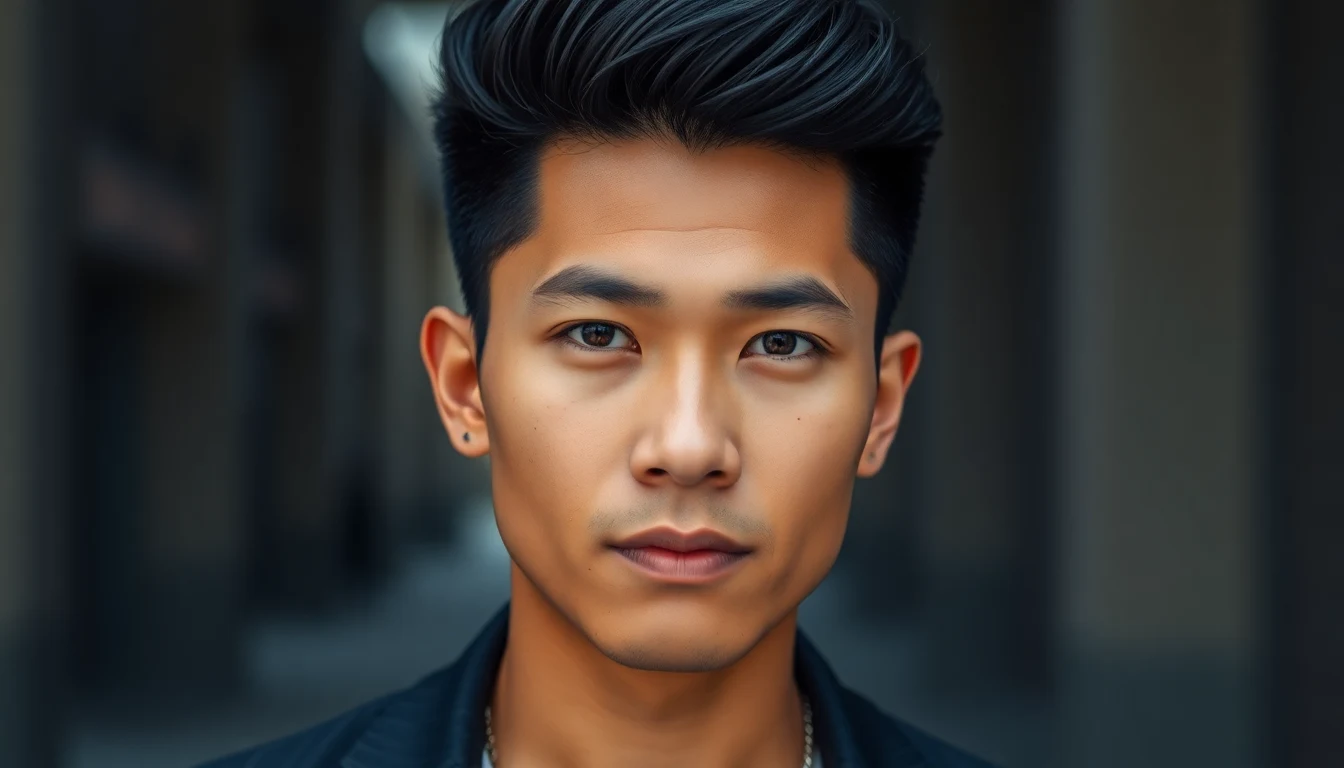
This guide covers filipino hairstyles men actually wear and request, from the barbershop staples to modern variations. But it also addresses something most hairstyle guides ignore entirely: Filipino hair is not the same as Korean, Japanese, or Chinese hair. The texture, the behavior, the product response. All different. If you are a Filipino man who has been following East Asian hair advice and wondering why it does not quite work, this article explains why and gives you recommendations built specifically for your hair type.
Filipino Hair Texture Guide: More Range Than People Realize
The biggest mistake in any Asian hairstyle guide is treating “Asian hair” as one thing. Filipino hair breaks that assumption immediately. While Korean and Japanese hair is almost universally straight, thick, and coarse, Filipino hair covers a much wider spectrum.
The straight-fine type (common in lowland Tagalog regions):
- Straight or mostly straight with a fine to medium strand diameter.
- Closest to East Asian hair in behavior, but generally with less thickness per strand.
- Can go flat easily, especially in humidity. Benefits from volumizing products.
- Holds side parts and slick backs well but may need product support for styles that require height or volume.
The wavy-thick type (common in Visayan and southern island regions):
- Natural wave, sometimes bordering on curl, with thicker, coarser strands.
- More in common with Southeast Asian or Pacific Islander hair than Northeast Asian hair.
- Natural texture and body that makes textured and volumized styles easier to achieve without product.
- Can get frizzy in humidity if not properly conditioned. Responds well to leave-in conditioners and anti-frizz serums.
The mixed type (very common among Filipino-Americans):
- Filipino heritage blended with other ethnicities creates even more variety.
- Many Fil-Am men have hair that sits between the two types: some wave, moderate thickness, and enough natural texture to hold styles without heavy product.
The practical takeaway: a product or technique that works perfectly for one Filipino man may not work for another. The recommendations below specify which hair type each style and product suits best.
10 Filipino Hairstyles for Men: Barbershop Staples to Modern Cuts
These styles are organized from the most quintessentially Filipino (the fade) to versatile modern cuts that work with the range of Filipino hair textures. Every style includes specific barber instructions, product recommendations, and notes on which Filipino hair type it suits best.
1. The Clean Fade
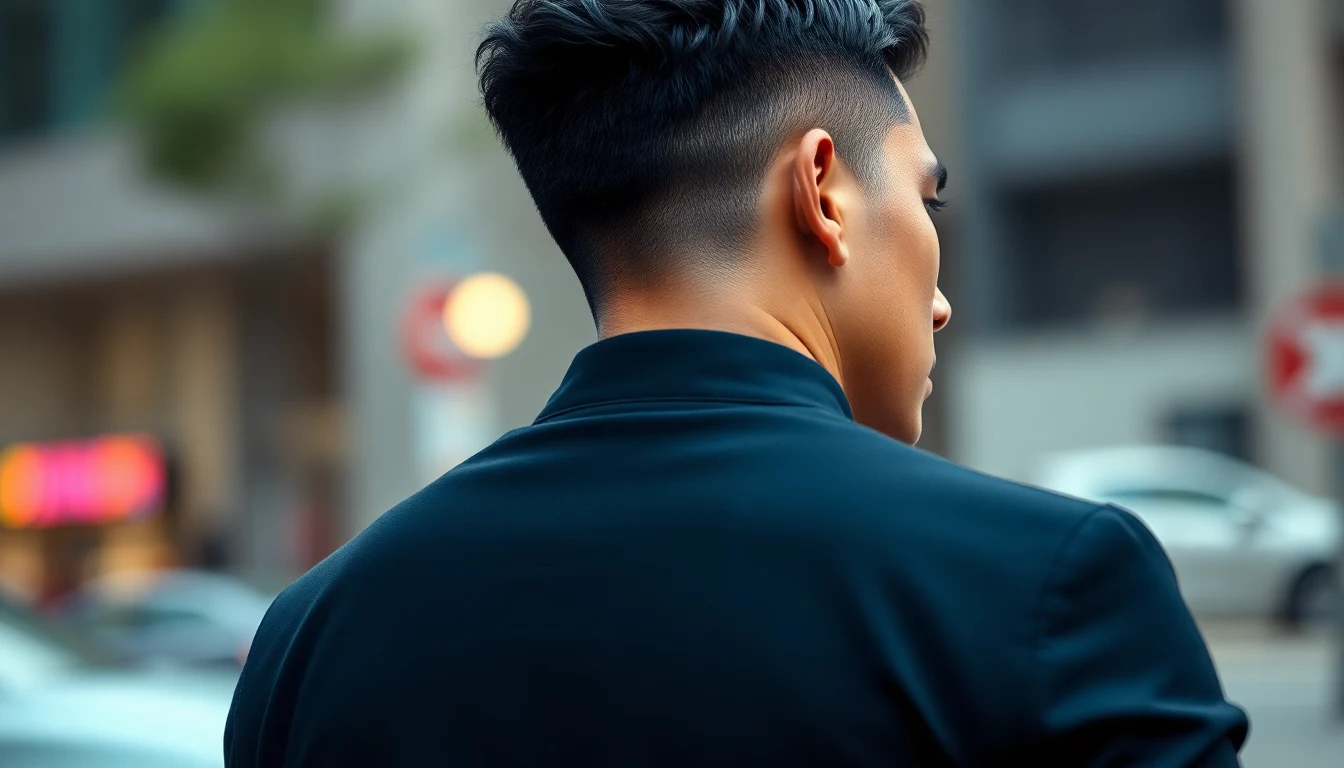
If there is a single cut that defines filipino barber styles, it is the clean fade. Filipino barbers have elevated the fade from a basic haircut to a precision art form. We are talking about a seamless skin-to-hair gradient with razor-sharp edges, zero visible lines, and a lineup so clean it looks drawn on. The Philippines exported this standard to barbershops worldwide, and it remains the most requested pinoy hairstyle in Fil-Am barbershops.
Best face shapes: All face shapes. The fade is a technique, not a shape, so it adapts to any facial structure. Adjust the height of the fade (low, mid, or high) based on your proportions.

What to tell your barber: “Skin fade, zero at the bottom, blended up. Sharp lineup around the forehead and temples. Leave 2 to 3 inches on top for some texture.”
Hair type: Works with every Filipino hair type. Thick, wavy hair creates a particularly striking contrast between the faded skin and the dense, textured top.
Maintenance: Trim every 2 weeks to maintain the precision. The fade grows out fast on thick Filipino hair, and the skin-to-hair contrast softens noticeably by week three.
Product: For the top section, a matte clay or paste for texture. The fade itself needs no product, just regular barber visits to stay sharp.
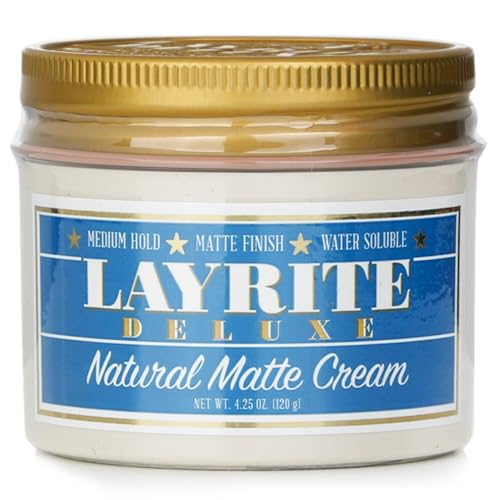
Water-based matte cream, medium hold, natural finish. Ideal for the clean fade top section: texture without grease, no buildup, washes out clean.
Check Price on Amazon →2. Undercut with Volume
A disconnected undercut with the sides buzzed short and the top left 4 to 5 inches long, styled with height and volume. Filipino men with thicker hair have a natural advantage here: the density on top creates effortless volume that men with finer hair spend 20 minutes blow drying to achieve. The contrast between the buzzed sides and the full, styled top is sharp and modern.
Best face shapes: Round and square faces. The vertical height elongates the face, and the tight sides create a slimming frame.
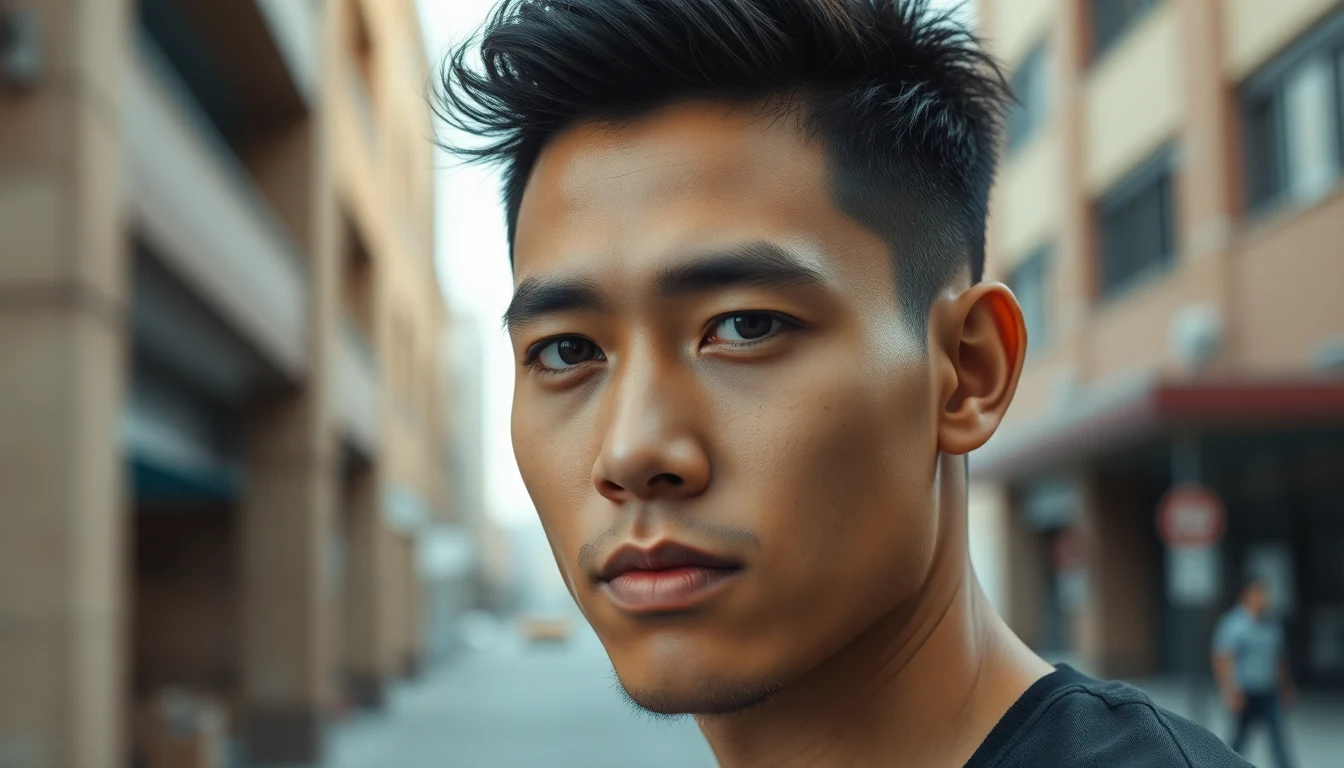
What to tell your barber: “Disconnected undercut. #1 on the sides, keep 4 to 5 inches on top. I want volume on top, not flat.”
Hair type: Best for wavy-thick and mixed Filipino hair. The natural texture holds height and volume without excessive product. Men with straight-fine Filipino hair will need a blow dryer and volumizing spray to achieve the same effect.
Maintenance: Trim every 2 to 3 weeks. Blow dry the top daily with a concentrator nozzle for best results.
Product: Matte clay or fiber paste for hold without shine. For thicker Filipino hair, Gatsby Moving Rubber grey tin provides strong hold. For finer types, a volumizing spray at the roots before blow drying makes the biggest difference.
3. Textured Crop
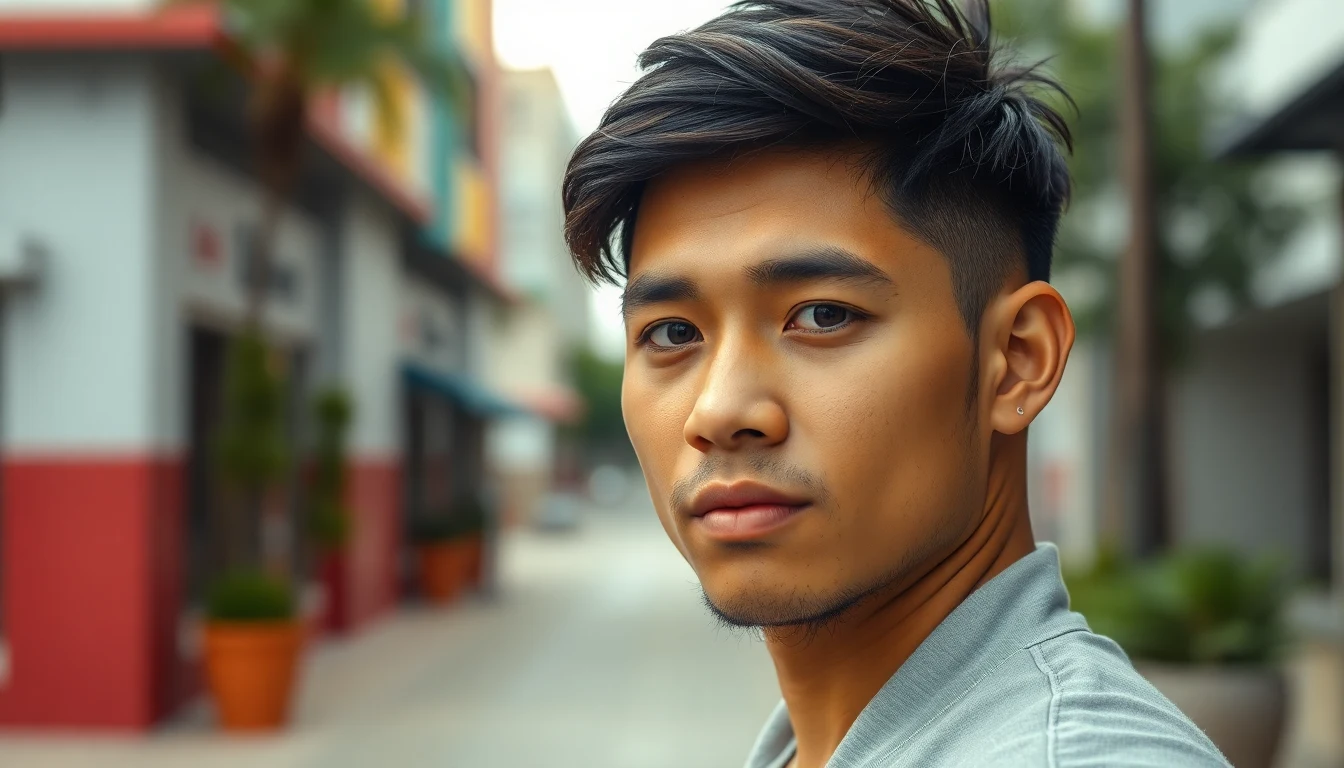
Short, choppy layers on top with a tapered or faded back and sides. The textured crop is one of the most versatile filipino men hair styles because it works across the entire Filipino hair texture spectrum. Straight-fine hair gets visual interest from the choppy layers. Wavy-thick hair gets controlled chaos that looks intentional. Both look good on day one and day three.
Best face shapes: Round, square, and wide foreheads. The forward-falling textured fringe visually shortens the face.
What to tell your barber: “Textured crop. Tapered sides, point-cut the top for texture, fringe slightly longer than the crown. I want it to look textured, not messy.”
Hair type: All Filipino hair types. This is the rare cut that improves with natural texture rather than fighting it.
Maintenance: Trim every 3 to 4 weeks. Styling takes 2 minutes. Work a small amount of matte clay through towel-dried hair and push the fringe forward.
Product: Matte clay or paste for all hair types. Avoid pomade or anything with shine; the crop looks best with a dry, natural finish.
4. Two Block, Filipino Variation
The Korean two block has been adopted across Southeast Asia, and Filipino men have put their own stamp on it. The Filipino variation keeps the two block structure (short sides, longer top falling over) but adds a fade transition at the temples and neckline rather than the hard disconnect of the classic Korean version. This blends the Korean structure with Filipino fade precision, resulting in a style that is both modern and clean.
Best face shapes: All face shapes. The versatile structure adapts to any proportions.
What to tell your barber: “Two block cut, but I want a faded transition at the temples instead of a hard disconnect. Keep 3 to 4 inches on top, and blend the sides with a low fade.”
Hair type: Works best with straight-fine to mixed Filipino hair. Very wavy-thick hair may resist the top section falling smoothly over the sides; in that case, a touch of styling cream helps.
Maintenance: Trim every 3 weeks. The faded transition requires more frequent touch-ups than a hard disconnect.
Product: Lightweight wax or styling cream. Gatsby Moving Rubber green tin (light hold, natural finish) suits this style well.
5. Wavy Textured Style
This is the style that celebrates what many Filipino men already have naturally: wave. Rather than straightening or fighting the natural texture, the wavy textured style works with it. Medium length on top (3 to 4 inches), tapered sides, and natural wave left to do its thing. It is the “I woke up like this” cut, except it actually looks intentional because the cut provides structure for the wave to follow.
Best face shapes: Oval, oblong, and angular faces. The soft, wavy texture adds visual width and movement that balances narrow or long face shapes.
What to tell your barber: “Leave the natural wave on top. Medium length, 3 to 4 inches, layered so the wave has room to move. Taper the sides clean.”
Hair type: Specifically designed for wavy-thick Filipino hair. If you have straight-fine Filipino hair, you will need a texturizing spray or a perm to achieve this look.
Maintenance: Trim every 4 to 5 weeks. This is a wash-and-go style for men with natural wave. Apply product to damp hair, scrunch, and let it air-dry.
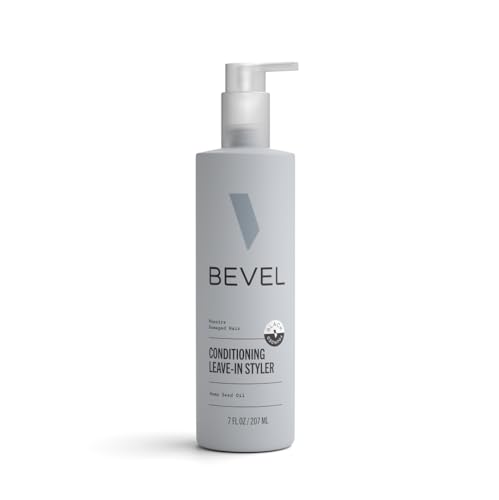
Product: Curl-enhancing cream or a light leave-in conditioner on damp hair. Avoid heavy waxes that flatten the natural wave pattern. Sea salt spray adds grit and definition on second-day hair.

6. Classic Short Barbershop Cut
The traditional Filipino barbershop cut. Short all around, scissor-cut or clippered, with a clean neckline and a no-nonsense shape. This is the standard at neighborhood barberya across the Philippines and the default pinoy hairstyle for working men who need to look clean without spending time or money on styling. It is simple. It is functional. And when executed by a skilled Filipino barber, the precision of the edges and the cleanness of the neckline elevate it well above “basic.”
Best face shapes: All face shapes. The proportional balance of the classic cut flatters universally.
What to tell your barber: “Classic short cut. #3 on the sides, 1 to 2 inches on top. Clean neckline, sharp edges.”
Hair type: All Filipino hair types. The short length neutralizes texture differences.
Maintenance: Trim every 2 to 3 weeks. Zero daily styling. Shower, towel dry, done.
Product: None needed. If the top tends to stick up, a single swipe of lightweight cream controls it.
7. Modern Pompadour
The pompadour with a Filipino twist: paired with a precision fade on the sides (because Filipino barbers are going to fade it perfectly regardless) and built with the natural volume that thick Filipino hair provides. The pompadour requires 4 to 5 inches of length on top, swept up and back from the forehead with controlled height. On thick, dark Filipino hair, the contrast between the voluminous top and the tight, faded sides creates a dramatic, head-turning silhouette.
Best face shapes: Round and oval faces. The height of the pompadour elongates round faces, and the volume balances oval proportions.
What to tell your barber: “Pompadour. Mid fade on the sides, leave 4 to 5 inches on top. I need enough length to sweep it up and back.”
Hair type: Best for wavy-thick and mixed Filipino hair. Natural thickness gives the pompadour its structure without requiring four different products. Straight-fine Filipino hair can achieve this with a blow dryer, volumizing spray, and a strong-hold matte wax.
Maintenance: Trim every 2 to 3 weeks (the fade grows out fast). Daily styling takes 5 to 10 minutes: blow dry up and back from the forehead, then set with product.
Product: Strong-hold matte wax or clay for the top. Volumizing spray at the roots before blow drying. For all-day hold in humidity, a light hairspray finish.
8. Side Part with Slick Back
A sharp side part transitioning into a slick back, with tapered or faded sides. This is the dressed-up Filipino cut for formal occasions, job interviews, and anyone who wants a polished, mature look. Filipino hair’s natural shine makes this style look expensive with minimal product. The clean part line, achieved with a razor or comb, creates a strong visual anchor that frames the face.
Best face shapes: Oval, diamond, and angular faces. The defined part line and swept-back top add structure to soft features and complement strong bone structure.
What to tell your barber: “Hard side part with a razor line. Low taper fade on the sides. I want to slick the top back and to the side with a clean separation.”
Hair type: Works with all Filipino hair types. Straight-fine hair holds the slick back naturally. Wavy-thick hair may need a blow dry in the desired direction before applying product to train the wave into the slick shape.
Maintenance: Trim every 3 weeks. Daily styling takes 5 minutes. Blow dry in the direction of the part, apply pomade, comb into place.
Product: Water-based pomade for a clean, polished finish with moderate shine. Work it through damp hair from front to back, then use a fine-tooth comb to create the part.
9. Buzz Cut Variation
The Filipino buzz cut is not just a #2 guard all over. The Filipino variation typically includes a skin fade at the temples, a precise lineup, and a slightly longer top (a #3 or #4 guard) for subtle shape and dimension. Filipino barbers treat even the simplest cut as an opportunity for precision work, so the buzz cut becomes a showcase of clean lines and perfect symmetry.
Best face shapes: Oval and proportionate skulls. Like all buzz cuts, your head shape and facial features become the focal point.
What to tell your barber: “Buzz cut, #3 on top, skin fade at the temples. Sharp lineup. Keep it clean.”
Hair type: All Filipino hair types. The dark, thick strands at short length create a clean, uniform shadow.
Maintenance: Touch up every 1 to 2 weeks. This is the ultimate low-maintenance cut. You can maintain it at home with a quality set of clippers, though the skin fade at the temples is best done by a barber.
Product: None. Sunscreen on the scalp if you are spending time outdoors.
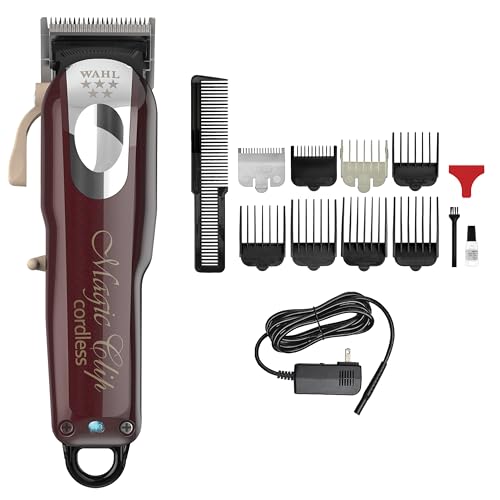
Wahl 5 Star Cordless Magic Clip
Professional cordless clipper for between-visit touch-ups. Keeps your buzz cut tight and your fade clean without a barber trip every week.
Check Price on Amazon →10. Medium Layered
For Filipino men with thicker, wavier hair who want to grow it past the short-cut default. Medium length (4 to 6 inches) with strategic layers that manage the volume and give the hair movement rather than letting it become a dense, shapeless mass. This is the style that acknowledges Filipino hair has natural body and texture, and uses layering to shape it rather than fighting it with product or clippers.
Best face shapes: Oval, heart, and diamond. The added length and movement soften angular features and add visual interest around the face.
What to tell your barber: “Medium length, layered throughout for movement and shape. Taper the back and sides. I want it to look styled, not like I am just growing it out.”
Hair type: Best for wavy-thick Filipino hair. The natural texture and body give the layers shape and movement without daily blow drying. Straight-fine Filipino hair at this length may look flat and heavy without regular heat styling.
Maintenance: Trim every 4 to 5 weeks. The layers need reshaping to prevent a formless grow-out, but this is one of the more forgiving styles between appointments.

Product: Lightweight styling cream or leave-in conditioner on damp hair for definition. A few drops of argan oil or hair serum tames frizz on wavy-thick hair. Finish with a light matte wax for piece-y definition if desired.
Filipino Hairstyles at a Glance
| Style | Length on Top | Best Hair Type | Daily Styling | Trim Frequency | Best Face Shapes |
|---|---|---|---|---|---|
| Clean Fade | 2-3 in | All | 2-3 min | 2 weeks | All |
| Undercut with Volume | 4-5 in | Wavy-thick, mixed | 5-10 min | 2-3 weeks | Round, square |
| Textured Crop | 2-3 in | All | 2 min | 3-4 weeks | Round, square |
| Two Block Filipino | 3-4 in | Straight-fine, mixed | 3-5 min | 3 weeks | All |
| Wavy Textured | 3-4 in | Wavy-thick | 2 min | 4-5 weeks | Oval, oblong |
| Classic Barbershop | 1-2 in | All | 0 min | 2-3 weeks | All |
| Modern Pompadour | 4-5 in | Wavy-thick, mixed | 5-10 min | 2-3 weeks | Round, oval |
| Side Part Slick Back | 3-5 in | All | 5 min | 3 weeks | Oval, diamond |
| Buzz Cut | <0.5 in | All | 0 min | 1-2 weeks | Oval |
| Medium Layered | 4-6 in | Wavy-thick | 5 min | 4-5 weeks | Oval, heart, diamond |
The Filipino Barber Advantage
Finding a Filipino barber is one of the best grooming decisions you can make, and not just if you are Filipino. The barberia tradition in the Philippines emphasizes precision fade work, clean lineups, and attention to the smallest details of the hairline and neckline. This is not a recent trend. Filipino barbers have been building this reputation for decades, and the Fil-Am barbershop community in cities like Los Angeles, San Diego, Las Vegas, and Honolulu has carried that standard into American barbering culture.
If you are looking for a Filipino barbershop near you, search for “Filipino barber” or “Pinoy barbershop” on Google Maps. In areas with large Fil-Am populations (California, Hawaii, Nevada, Washington, Virginia), you will find multiple options. Many do not have online booking. Walk in, put your name on the list, and trust the process.
When you sit in the chair, Filipino barbers appreciate clients who know what they want. Show reference photos from the front, side, and back. Specify the fade height (low, mid, or high). Mention if you want a hard part or a natural transition. Filipino barbers are detail-oriented by nature, so the more precise your instructions, the better they can deliver.
Products for Filipino Hair
Filipino hair’s texture range means there is no single product recommendation that works for everyone. Here is the breakdown by hair type.
For Straight-Fine Filipino Hair
- Volumizing spray or powder: Apply at the roots before blow drying. This is the single most impactful product for adding body and lift.
- Lightweight matte clay: Provides hold and texture without the weight that flattens fine strands. Use a pea-sized amount.
- Sea salt spray: Creates grit and texture in otherwise smooth hair. Spray on damp hair before air-drying for a natural, tousled finish.
- Dry shampoo: On day two, a light application at the roots absorbs oil and restores volume that fine hair loses overnight.
For Wavy-Thick Filipino Hair
- Curl-enhancing cream or leave-in conditioner: Defines natural wave patterns without frizz. Apply to damp hair after showering.
- Anti-frizz serum or argan oil: 2 to 3 drops through mid-lengths and ends controls humidity-induced frizz without weighing down the wave.
- Medium-hold styling cream: Provides shape and definition with a natural finish. Avoid strong-hold waxes that stiffen the natural movement.
- Conditioner (daily): Thick, wavy Filipino hair tends toward dryness. Condition every time you shower, even on shampoo-free days.
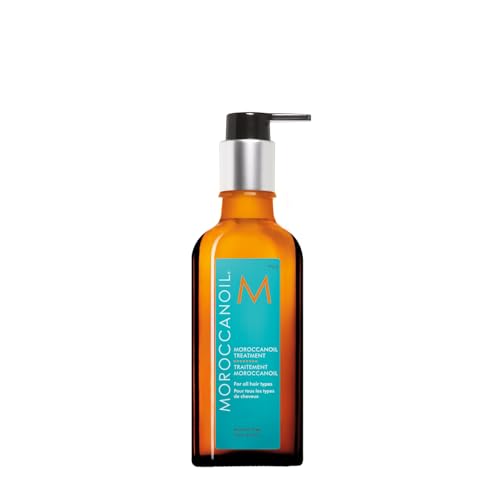
Argan oil treatment that controls frizz and adds shine to wavy, thick Filipino hair. 2-3 drops through damp mid-lengths and ends before styling.
Check Price on Amazon →For All Filipino Hair Types
- Gatsby Moving Rubber (grey tin): The all-purpose option. Strong matte hold that works across textures.
- Water-based pomade: For side parts and slick backs. Washes out easily and provides clean, moderate shine.
- Avoid: Heavy gel (creates stiff, crunchy hold that looks dated), oil-based pomades (too heavy for most Filipino hair), and any product labeled “maximum hold” unless you have the thickest, most resistant texture.
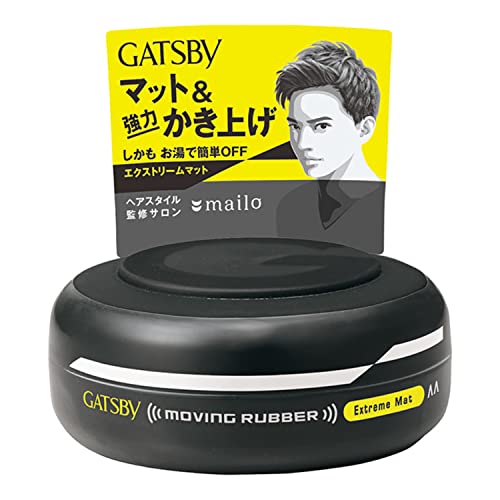
Gatsby Moving Rubber Extreme Mat
The grey tin. Strong matte hold that works across straight-fine to wavy-thick Filipino hair. The product Filipino barbers and their clients actually use.
Check Price on Amazon →What to Tell Your Barber
Whether you are visiting a traditional Filipino barberia or communicating your desired style to any barber, these terms help. A few Tagalog and Taglish (Tagalog-English) terms are included where they are commonly used in Filipino barbershops.
| What You Want | English Phrase | Tagalog / Taglish |
|---|---|---|
| A haircut | “I want a haircut” | Gusto ko magpagupit |
| Skin fade | “Skin fade, zero at the bottom” | Pa-skin fade, bro |
| Short on the sides | “Short on the sides, longer on top” | Ikli sa gilid, haba sa taas |
| Clean neckline | “Clean up the neckline and edges” | Linisin mo yung linya sa baba |
| Keep some length | “Not too short on top” | Huwag masyadong ikli sa taas |
| Thin it out | “Thin it out, remove the bulk” | Pa-entresalas (thinning shears) |
| Hard part line | “Razor part on the left/right side” | Pa-linya sa kaliwa/kanan |
| I have a reference photo | “I have a photo of what I want” | May picture ako ng gusto ko |
Pro tip: Filipino barbers communicate in a mix of English and Tagalog (Taglish). If you walk into a Fil-Am barbershop, you can use English for all technical terms and be fully understood. The Tagalog phrases above are optional but appreciated. And like all barbers, a reference photo on your phone beats any verbal description.
Frequently Asked Questions
What is the best hairstyle for Filipino men?
The clean fade is the most universally flattering filipino hairstyles men option. Filipino barbers are known worldwide for their precision fade work, and this cut showcases that skill while working with virtually every Filipino hair type. Beyond the fade, the textured crop and undercut with volume are excellent choices that leverage the natural density and texture of Filipino hair.

Is Filipino hair the same as other Asian hair?
No. Filipino hair is distinct from East Asian hair types like Korean, Japanese, or Chinese hair. While those tend to be uniformly straight with a round cross-section, Filipino hair ranges from straight-fine to wavy-thick depending on regional background. Filipino hair often has more natural texture, body, and wave than Northeast Asian hair, which means it responds differently to products and styling techniques.
How often should Filipino men get haircuts?
Every 2 to 3 weeks for fades and skin fades, which are the most popular category of Filipino men’s cuts. The sharp lines of a fresh fade start to soften noticeably after two weeks, especially with thick Filipino hair that grows quickly. For longer styles like the medium layered cut or wavy textured style, you can stretch to 4 to 5 weeks between appointments.
What hair products work best for Filipino men?
It depends on your specific hair type. For straight-fine Filipino hair, lightweight volumizing products like sea salt spray and matte clay add body without weighing hair down. For wavy-thick Filipino hair, medium-hold creams and curl-enhancing products define natural texture rather than fighting it. Most Filipino men should avoid heavy gels, which create a stiff, crunchy finish that looks dated and contradicts the natural movement of these styles.
Why are Filipino barbers so good at fades?
Filipino barbershop culture places exceptional emphasis on fade precision and clean lines. In the Philippines, barbershops are community institutions where master barbers train apprentices through years of hands-on practice. The cultural standard for a razor-sharp, seamless skin-to-hair gradient is extremely high. This tradition carried over to Fil-Am barber communities, particularly in California, Hawaii, and the Pacific Northwest, where Filipino barbers became recognized for their fade technique across the industry.
What are the best Filipino hairstyles for men with thick, dark hair?
Filipino hairstyles for men work best with styles that embrace your natural hair texture, such as clean fades, undercuts with volume, or wavy textured styles. These cuts take advantage of the thickness and wave pattern common in Filipino hair while keeping maintenance manageable with regular barbershop visits every 3-4 weeks.
How do I communicate with my barber about the cut I want?
Bring reference photos of the specific style you’re interested in, such as a clean fade or undercut, and explain your hair type and daily styling commitment. Use terms like “fade,” “line up,” and “texture” to give your barber clear direction, and don’t hesitate to ask about which styles work best for Filipino hair texture.
What products should I use to style and maintain my Filipino haircut?
Look for lightweight pomades, matte clays, or water-based products that won’t weigh down your hair or leave greasy residue. Products designed for thick or textured hair work best, and you should apply them to damp hair, then blow dry or air dry depending on whether you want a sleek or more textured finish.
How often should I get a haircut to maintain a Filipino hairstyle?
You should visit your barber every 3 to 4 weeks to maintain crisp fades, clean lineups, and proper proportions. More frequent trims keep the style sharp and prevent the undercut or fade from growing out unevenly, which is especially important for maintaining the polished look of Filipino men’s cuts.
Your Next Step
Here is the breakdown:
- Most Filipino cut: The clean fade. Find a Filipino barber and let them do what they do best.
- Most versatile: Textured crop. Works across all Filipino hair types with minimal maintenance.
- Best for natural wave: Wavy textured style. Stop fighting your texture and start working with it.
- Lowest maintenance: Buzz cut or classic barbershop cut. Zero daily styling.
- Most polished: Side part with slick back. The formal Filipino cut for occasions that demand it.
The most important thing: know your hair type first. Figure out whether you have straight-fine, wavy-thick, or mixed Filipino hair, then choose your style and products accordingly. One approach does not fit all Filipino men, and that variety is an advantage, not a limitation.
For the full picture on Asian men’s hair across ethnicities, read our complete Asian hairstyle guide. If fades are your priority (and for many Filipino men, they should be), our types of fades guide, high fade, and low fade breakdowns cover every variation in detail.
Written by Daniel Park, Asian Hair Editor
What is a typical Filipino haircut?
There is no single “Filipino haircut”, Filipino hair texture ranges from straight to wavy to coily (see the Hair Texture Guide above), so barbershop-standard cuts vary by texture and personal style. The most consistently popular options across Filipino barbershops are clean fades, textured crops, and pompadour-adjacent styles that work with thicker, denser hair, covered in detail in the 10 Filipino Hairstyles section above.