Daniel Park is the pen name Cultured Grooming uses for its Asian hair guides. Guides are written from manufacturer specifications, dermatology and barbering sources, and published research; the site does not test products.
What Is the Wolf Cut?
The wolf cut is a layered, shag-inspired hairstyle that blends a mullet’s length at the back with choppy layers throughout the top and sides. It first gained mainstream attention through stars like Miley Cyrus around 2020, but the style found its real home in East Asian fashion circles. K-pop idols, J-rock musicians, and Korean actors adopted it quickly, and it has since become one of the most requested cuts at barbershops across Seoul, Tokyo, and beyond.
What makes the wolf cut especially effective on Asian hair is the texture contrast it creates. Straight, thick Asian hair tends to lay flat and resist natural volume. The aggressive layering of a wolf cut solves that problem by removing weight from the interior, letting the hair separate into pieces that move independently. Most standard Asian men’s cuts rely on products to create movement. The wolf cut builds movement directly into the structure of the haircut itself.
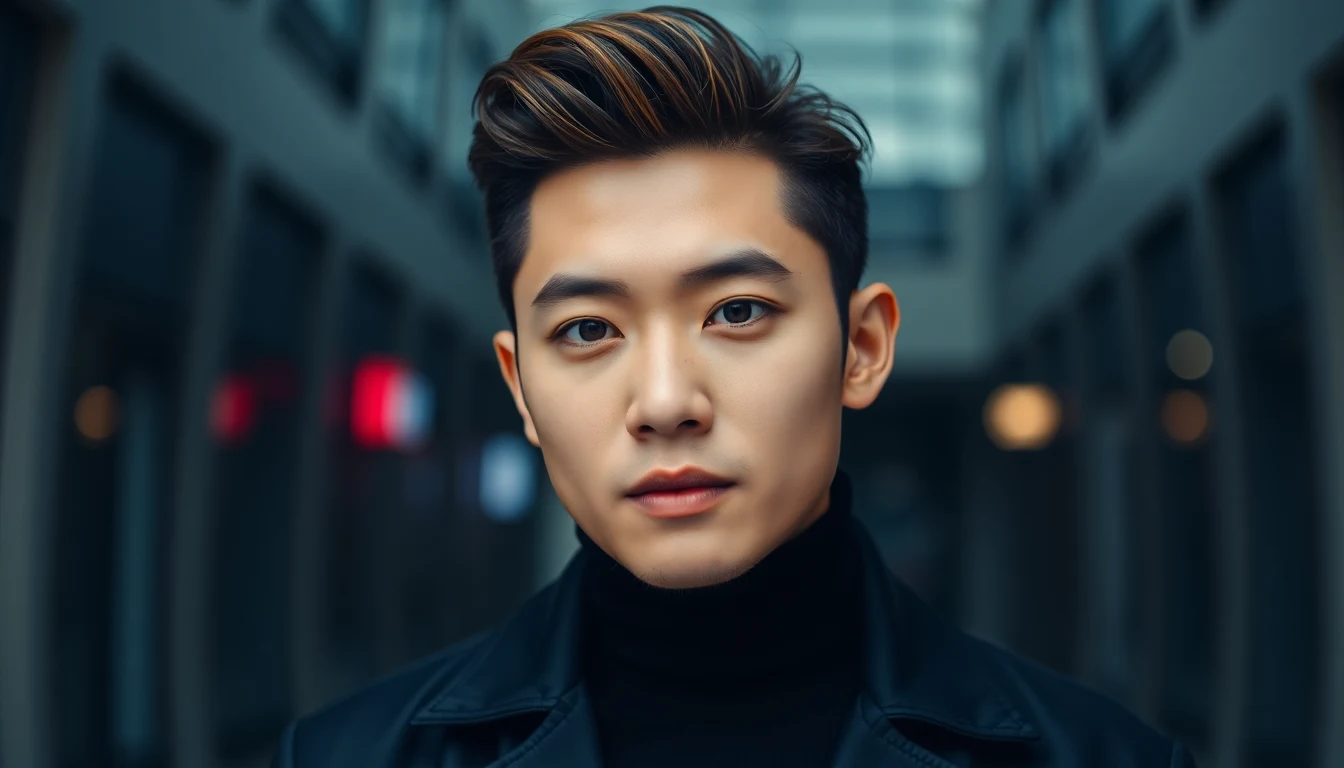
The result is a cut that looks effortlessly messy and full of life. Instead of fighting your hair’s natural tendencies, the wolf cut works with them. The layers create volume at the crown, movement through the midlengths, and a soft, wispy frame around the face. It is one of the few cuts that can make straight Asian hair look textured without a perm.
The name comes from the wild, untamed look the layers create. When the wind catches the hair, it separates and moves in a way that suggests a natural, rugged quality. That combination of structured cutting technique and unstructured styling result is what makes the wolf cut so appealing.
If you have been looking at Asian men’s hairstyles and want something with more edge than a standard two block, the wolf cut is worth serious consideration.
Wolf Cut for Different Asian Hair Types
Not all Asian hair is identical, and understanding your specific texture determines how the wolf cut will look and feel on you.
Medium-thick hair is the sweet spot. This is the most common Asian hair type, and it holds layers beautifully. The natural density gives the wolf cut its signature fullness without extra styling effort. If your hair falls into this category, almost any wolf cut variation will work for you.
Fine hair needs more layers and shorter spacing between them. Ask your barber to use point cutting and razor cutting to maximize movement. You will also want to rely on texturizing products like sea salt spray and volumizing powder to prevent the layers from falling flat against each other.
Very coarse hair requires the opposite approach. Too many layers can make coarse hair puff out in unwanted directions. Your barber should use texturizing shears to thin out the bulk within each layer, keeping the shape controlled. A lightweight styling cream or serum helps weigh down flyaways without making the hair look greasy.
Regardless of your specific hair type, communicate your texture clearly to your barber before they start cutting. The layering technique and spacing between layers should be adjusted based on your density and coarseness. A good barber will feel your hair and adjust, but telling them upfront saves both of you from surprises.
5 Wolf Cut Variations for Asian Men
1. Classic Wolf Cut (Full Shag)
The classic wolf cut goes all in on the shaggy, layered aesthetic. Heavy layering starts at the crown and continues through the sides and back, with the longest pieces reaching the nape of the neck or just below it. The bangs are typically curtain-style, parted in the center and feathered to frame the forehead.
This version delivers maximum volume and movement. It looks best on medium-thick hair that can support the layers without going limp. The vibe is rock-influenced and intentionally undone.
Face shape: Oval, heart, and diamond faces. The curtain bangs and overall volume balance narrow chins and wider foreheads.
Products needed: Sea salt spray for texture, a lightweight matte clay for separation, and optional hairspray for hold.
The classic wolf cut is the closest to the original Korean and Japanese salon versions. If a barber has never cut a wolf cut before, this is the variation where reference photos will be most helpful, since it defines the baseline that all other variations branch from.
2. Subtle Wolf Cut (Business-Appropriate)
The subtle wolf cut tones everything down. The layers are longer and less aggressive, the back does not extend past the collar, and the overall silhouette reads more like a layered medium-length cut than a full shag. The transition from short to long is gradual rather than dramatic.
This is the version for men who work in professional environments but still want the wolf cut’s texture and movement. It looks intentional and polished when styled with a blow dryer and a small amount of product.
Face shape: Works on all face shapes. The conservative proportions avoid extremes that could emphasize any particular facial feature.
Products needed: Volumizing tonic, a light-hold wax, and a blow dryer with a concentrator nozzle.

3. Wolf Cut with Fade
This variation merges the wolf cut’s layered top with a fade on the sides and back. Instead of the traditional shaggy sides, the hair graduates from very short at the temples to longer as it reaches the layered top section. It is a modern hybrid that has become hugely popular in Korean hairstyle culture.
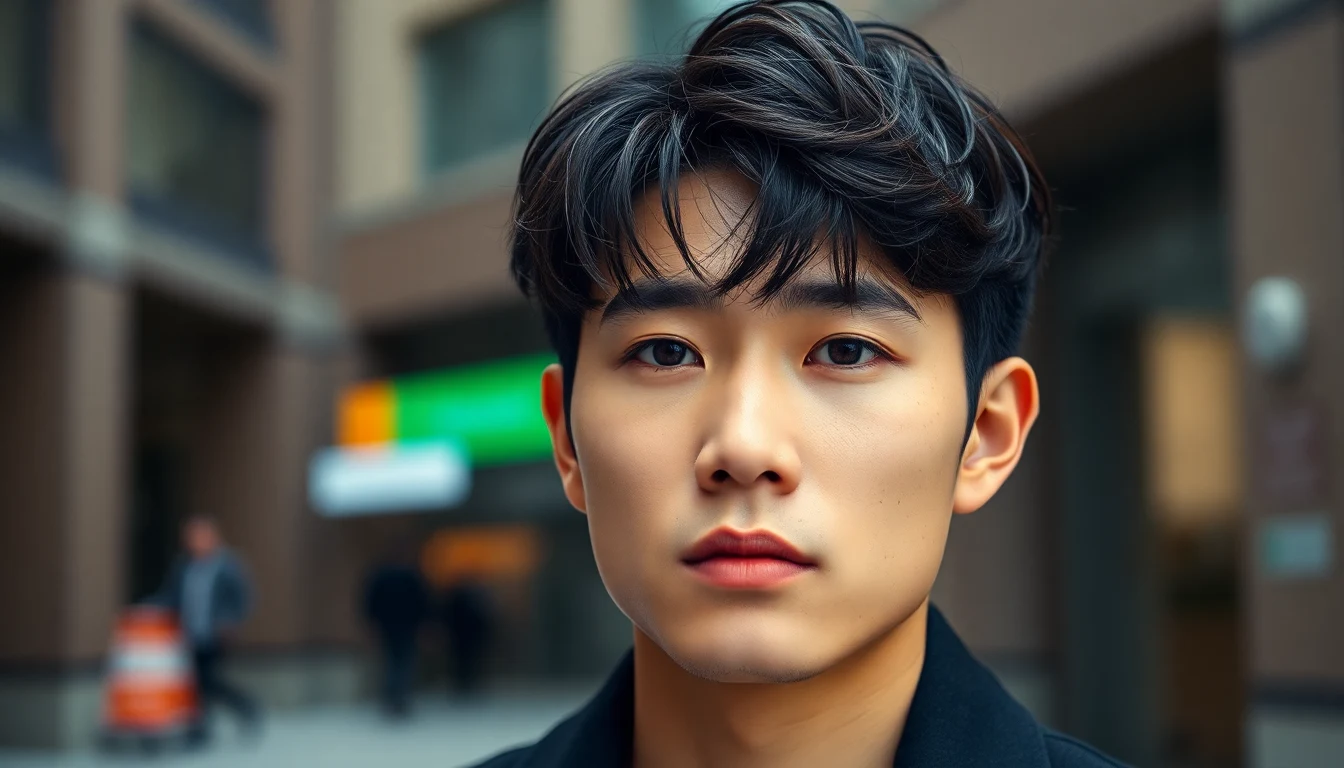
A low fade keeps the contrast subtle. A mid fade creates a cleaner, more defined look. A high fade maximizes the contrast between the tight sides and the voluminous top.
Face shape: Round and square faces benefit most. The fade adds vertical emphasis and slims the sides of the head.
Products needed: Matte clay or fiber wax for the top, plus regular clipper maintenance on the sides every 2 to 3 weeks.
4. Textured Wolf Cut (Matte Finish)
The textured wolf cut prioritizes a dry, matte finish over any kind of shine. The layers are cut with razor cutting and point cutting techniques to create maximum separation between individual strands. The styling is deliberately messy, with pieces going in multiple directions.
This variation is inspired by Japanese street fashion and the “effortless” aesthetic that dominates Tokyo’s Harajuku district. It works particularly well on Asian hair because the natural straightness of the hair makes each textured piece stand out clearly.
Face shape: Oblong and oval faces. The horizontal spread of textured pieces adds width, which balances longer face proportions.
Products needed: Texturizing spray or dry shampoo for grip, matte clay (like Gatsby Moving Rubber Wild Shake), and zero hairspray to keep the matte effect.
5. Long Wolf Cut (Medium-Length)
The long wolf cut extends the overall length to chin level or slightly beyond. The layers start higher on the head and cascade down, creating a dramatic waterfall effect. The bangs can be curtain-style, side-swept, or grown out to blend with the longer layers.
This version requires commitment. You need at least 6 to 8 inches of length on top, which means several months of growing if you are starting from a standard short cut. The payoff is a head-turning look that sits somewhere between K-pop idol and rock musician.
Face shape: Square and round faces benefit from the vertical length. Avoid this if you have a very long or narrow face, as it exaggerates length.
Products needed: Leave-in conditioner for moisture, a lightweight styling cream for control, and a diffuser attachment for your blow dryer to enhance natural movement.
Growing the long wolf cut takes patience. Use the growing-out months to experiment with shorter variations first, then transition into the full length once you have enough hair to work with. Your barber can reshape the layers as you grow, so the cut looks intentional at every stage.
How to Style a Wolf Cut on Asian Hair
Styling a wolf cut on straight Asian hair is different from styling it on naturally wavy or curly textures. Here is the process that works best.
Step 1: Start with damp, towel-dried hair. About 70 to 80 percent dry is ideal.
Step 2: Apply a texturizing spray or sea salt spray from roots to ends. This gives straight Asian hair the grip it needs to hold the layered shape.
Step 3: Blow-dry with a diffuser attachment on medium heat. Scrunch sections of hair upward while drying to create volume and separation. If you do not have a diffuser, use a concentrator nozzle and direct air upward at the roots from below.
Step 4: Once 90 percent dry, take a small amount of matte clay or fiber wax and work it between your palms. Apply by twisting and pinching individual sections to define the layers and create piece-y separation.
Step 5: Arrange the bangs. For curtain bangs, use a round brush and blow dryer to sweep each side away from the center part. For messier bangs, just push them forward and let them fall naturally.
Step 6: Finish with a light mist of flexible-hold hairspray only if you need extra staying power. For a matte textured look, skip the spray entirely.
What to Tell Your Barber
| Detail | What to Say |
|---|---|
| Style name | “I want a wolf cut with heavy layering through the top and sides.” |
| Length on top | “Keep 4 to 6 inches on top, with layers starting at the crown.” |
| Sides | “Layer the sides to blend into the top, not buzzed” (or specify a fade if you want that variation). |
| Back | “Let the back taper naturally to the nape, longer than the sides.” |
| Bangs | “Curtain bangs, parted in the center, hitting just above my eyebrows.” |
| Texture | “Use point cutting or razor cutting to maximize texture in the layers.” |
| Reference | Bring 2 to 3 photos from multiple angles. Search “wolf cut Asian men” on Pinterest or Instagram. |
Best Products for Wolf Cut on Asian Hair
Asian hair’s natural straightness and density mean you need products that create texture without adding weight. These categories matter most.
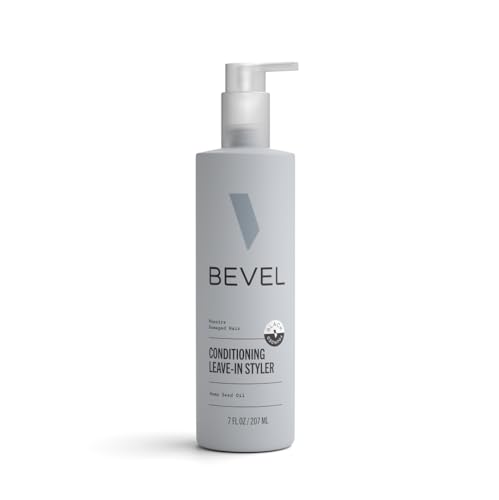
Texturizing spray is your daily essential. Brands like Bumble and Bumble Surf Spray or Shiseido Stage Works Powder Shake add instant grip and separation to straight hair.
Matte clay or fiber wax provides hold without shine. Gatsby Moving Rubber (Wild Shake or Grunge Mat) and Arimino Peace are go-to options formulated for Asian hair textures.
Sea salt spray builds natural-looking texture. Use before blow-drying for best results. Avoid overuse, as it can dry out hair with daily application. Two to three times per week is sufficient.
Skip heavy pomades, gels, and anything with high shine. These products weigh down wolf cut layers and defeat the purpose of the style. The wolf cut is built for movement, and heavy products kill movement. Think light, dry, and matte when choosing anything for this haircut.
Maintenance Schedule
A wolf cut on Asian hair needs a trim every 6 to 8 weeks to keep the layers defined. Without regular maintenance, the layers grow out and blend together, losing the choppy separation that makes the style work.
Between trims, use a taper cleanup on the neckline if needed, and refresh the texture daily with product. Wash your hair 2 to 3 times per week; daily washing strips oils that help with natural texture. On non-wash days, dry shampoo at the roots keeps things fresh.
Layering is what gives the wolf cut its shape, and cutting length off the ends alone flattens it over time. So at each trim, ask your barber to re-layer rather than just shorten, so the graduated layers are re-established from crown to nape.
Frequently Asked Questions
Does the wolf cut work on all Asian hair textures?
Yes, but the approach differs. Medium-thick hair is ideal with standard layering. Fine hair needs more layers and texturizing products. Coarse hair needs thinning shears to prevent puffiness. Any skilled barber can adjust the technique for your specific texture.
How long does my hair need to be for a wolf cut?
You need at least 4 inches on top for a basic wolf cut, and 6 to 8 inches for the longer variations. If you are growing from a short cut, expect to wait 3 to 5 months depending on your growth rate. Asian hair typically grows about half an inch per month.
Is the wolf cut high maintenance?
It depends on the variation. The subtle and textured versions need minimal daily effort, just product and a quick blow-dry. The classic full shag and the long version require more styling time, around 10 to 15 minutes each morning. All variations need professional trims every 6 to 8 weeks.
Can I get a wolf cut at any barbershop?
Most barbers can execute a wolf cut with good reference photos. However, a stylist experienced with Asian hair will understand how to layer straight, dense hair for maximum effect. Korean and Japanese salons are particularly skilled with this cut. Bring clear photos from multiple angles regardless of where you go.
How is a wolf cut different from a mullet?
A mullet has a clear division: short on top and sides, long in the back. The wolf cut layers hair throughout the entire head, creating a gradual transition from short to long. The wolf cut also emphasizes volume at the crown and texture through the midlengths, while a mullet focuses length only at the back. The wolf cut is closer to a shag than a mullet in its overall construction.
Will the wolf cut make my face look rounder?
It depends on the variation. The classic and long wolf cuts add volume on the sides, which can emphasize a round face. If you have a round face, choose the wolf cut with fade variation. The tight sides slim the head, while the layered top provides the wolf cut’s signature texture and movement above. This gives you the best of both worlds: wolf cut texture on top with the face-slimming benefit of a fade on the sides.
What is a wolf cut for Asian men and how is it different from a regular mullet?
A wolf cut is a layered, shag-inspired hairstyle that blends the length of a mullet at the back with choppy layers throughout the top and sides, creating more texture and movement overall. Unlike a traditional mullet, the wolf cut features blended layers that work across the entire head rather than a stark contrast between short and long sections. This makes it a more modern and versatile option for Asian hair textures.
How should I ask my barber for a wolf cut if I have Asian hair?
Bring reference photos showing the specific wolf cut variation you want, whether it’s subtle or full shag, and clearly communicate your hair type and texture to your barber. Mention that you want layered, choppy texture throughout with length maintained at the back, and ask your barber if they have experience with Korean or Japanese cutting techniques. This helps ensure they understand the style and can adapt it properly for your hair type.
Is a wolf cut high maintenance and what products do I need to style it?
The wolf cut requires regular styling with a blow dryer and texturizing products like clay or matte pomade to achieve its signature layered look, making it moderately high maintenance. You’ll need to schedule trims every 4-6 weeks to maintain the layers and shape, and daily styling takes about 5-10 minutes depending on your hair type. Using a lightweight, texture-building product works best for Asian hair textures to avoid looking flat or greasy.
Does the wolf cut work on all Asian hair textures, including straight and thick hair?
Yes, the wolf cut can work on most Asian hair textures, but the results vary based on whether you have straight, wavy, or curly hair. Straight and thick Asian hair typically shows off the layers and movement beautifully with proper styling, while naturally wavy hair may enhance the shag effect even more. Your barber should adjust the layering technique and recommend styling products tailored to your specific texture for the best results.