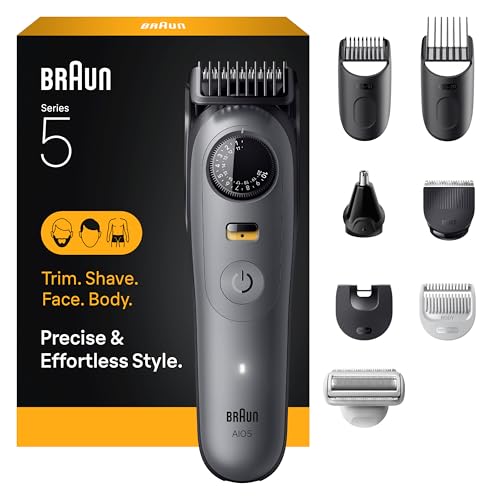
This question has started more arguments in barbershops than politics. Wet or dry? Every guy has an opinion, most of them based on whatever they tried first and never questioned. The real answer isn’t one or the other. It depends on your skin, your razor, your schedule, and what you actually care about in a shave.

I’ve shaved thousands of faces both ways. Here’s what actually matters, stripped of marketing nonsense.
What “Wet Shaving” Actually Means: Is It Better To Shave
Let’s clear up the definitions first, because they’re fuzzier than most guys realize.
Wet shaving means shaving with water, cream, gel, foam, or oil involved. This includes:
- Manual blade razors (safety razors, cartridge razors, straight razors) with shaving cream or soap. This is the classic version.
- Electric razors used with water. Many modern electric shavers, both foil and rotary, are waterproof and designed to work with shaving cream or gel in the shower.
The key element is lubrication between the blade and your skin. Water alone counts, but cream or gel does a much better job reducing friction.
What “Dry Shaving” Actually Means
Dry shaving means no water, no cream, nothing between the shaver and your skin except maybe a pre-electric lotion (which evaporates and leaves skin dry).
In practice, dry shaving is an electric-only game. You would never drag a manual blade across dry skin unless you enjoy pain and bleeding. Electric shavers have a protective foil or guard between the blade and your skin, which is what makes dry shaving possible without destroying your face.
So when someone asks is it better to shave wet or dry, they’re really asking one of two things: Should I use a manual razor (always wet) or an electric (can go either way)? Or, if I already have an electric, should I use it with cream or without?
Both are valid questions. Let’s answer them.

Closeness: Who Actually Wins?
A fresh manual blade with proper shaving cream will give you the closest shave possible. Period. The blade sits directly against your skin with zero barrier, cutting hair at or slightly below the skin surface. Nothing beats that for pure closeness.
But here’s what the manual-razor crowd doesn’t tell you: the gap is smaller than they claim.
A quality electric shaver, foil or rotary, with fresh cutting heads will get you about 90 to 95% as close as a manual blade. Run your hand across your face after either method and yes, the manual shave feels marginally smoother. But look in the mirror? Most people can’t tell the difference.
Within electric shaving, wet slightly beats dry for closeness. The cream softens hair, making it easier for the foil or rotary head to capture and cut. If you want to learn the technique that maximizes an electric shaver’s closeness, read our guide on how to shave with an electric razor.
Closeness Rankings
- Manual blade, wet (closest)
- Electric, wet with cream
- Electric, wet with water only
- Electric, dry with pre-shave lotion
- Electric, completely dry (least close)
Skin Sensitivity: Where Dry Shaving Surprises You
Here’s where the conversation gets interesting. You’d think wet shaving would always be gentler, right? Warm water, nice cream, everything slick and cushioned. And for manual blades, that’s true. Dry manual shaving would shred your face.
But for electric shavers, the relationship flips for some guys.
Dry electric shaving can actually cause less irritation for certain skin types. Why? Because water softens skin along with hair. Softer skin is more prone to being pulled into the foil holes or pushed against the cutting mechanism. Dry, slightly firm skin stays flat against the foil, and hairs poke through more cleanly.
That said, other guys find the opposite. Their skin gets red and irritated from dry shaving and calms down when they add cream. There’s no universal answer here. It depends on your specific skin.
Who Does Better With Dry Shaving
- Guys with normal, non-sensitive skin
- Men who shave daily (shorter stubble = less friction)
- Anyone in a rush who needs results in 3 minutes
- Guys who find wet shaving makes their electric “tug” more
Who Does Better With Wet Shaving
- Men with sensitive or easily irritated skin
- Guys who shave every 2 to 3 days (longer stubble needs lubrication)
- Anyone prone to razor burn on the neck
- Men with thick, coarse facial hair
- Guys who’ve had irritation issues that might benefit from a quality shaving cream and aftershave routine
Speed: Dry Wins, No Contest
If time matters, dry shaving is the clear winner. Here’s the realistic time breakdown.
Dry Electric Shave
- Quick face wash: 30 seconds
- Pre-shave lotion (optional): 15 seconds
- Shaving: 3 to 5 minutes
- Quick rinse of shaver: 30 seconds
- Total: 4 to 6 minutes
Wet Electric Shave
- Shower or warm towel: 2 to 5 minutes
- Apply cream or gel: 30 seconds
- Shaving: 4 to 6 minutes
- Rinse face and shaver: 1 minute
- Apply aftershave/moisturizer: 30 seconds
- Total: 8 to 13 minutes
Wet Manual Shave
- Shower or warm towel: 2 to 5 minutes
- Lather up: 1 to 2 minutes
- First pass (with grain): 3 to 4 minutes
- Re-lather + second pass (against grain): 3 to 4 minutes
- Rinse and aftershave: 1 to 2 minutes
- Total: 10 to 17 minutes
A dry electric shave takes a third of the time. On a Monday morning when you overslept, that math wins the argument.

Cost: The Long Game Favors Dry
Here’s something nobody talks about enough: the ongoing cost difference.
Dry Electric Shaving Costs (Annual)
- Pre-electric lotion: $20 to $30/year
- Replacement foils/blades: $30 to $50/year
- Cleaning solution (if auto-clean model): $25 to $40/year
- Annual total: $75 to $120
Wet Electric Shaving Costs (Annual)
- Shaving cream or gel: $40 to $60/year
- Replacement foils/blades: $30 to $50/year
- Aftershave/moisturizer: $20 to $40/year
- Annual total: $90 to $150
Wet Manual Shaving Costs (Annual)
- Cartridge refills or safety razor blades: $30 to $120/year
- Shaving cream or soap: $30 to $60/year
- Aftershave/moisturizer: $20 to $40/year
- Annual total: $80 to $220
Dry electric is the cheapest over time, mainly because you skip consumable cream costs. If you’re watching your budget, our guide to the best budget electric shavers breaks down which models give you the most value.
The Best Scenarios for Each Method
Forget the wet-versus-dry debate for a second. Think about when each method actually makes sense in your life.
Choose Dry Electric When:
- You shave every morning and need it done fast
- You travel often and want the simplest possible routine
- Your skin handles dry shaving without irritation
- You’re shaving at the office before an afternoon meeting
- You want to shave in the car (stuck in traffic, not while driving)
Choose Wet Electric When:
- You shave in the shower and want to combine steps
- Dry shaving irritates your skin
- You skip days between shaves and need lubrication for longer stubble
- You enjoy the ritual of a proper shave
Choose Wet Manual When:
- You want the absolute closest shave possible
- Shaving is a ritual you enjoy, not a chore
- You have time on weekends for a proper, leisurely shave
- You like the craftsmanship of safety razors and shave soap
Here’s a secret most guys miss: you don’t have to pick one. I know guys who dry-shave with an electric Monday through Friday and do a wet manual shave on Saturday morning with a coffee and some good music. Best of both worlds.
Electric Shavers Designed for Both
If you want flexibility, look for shavers specifically built for dual use. These are sealed against water ingress and designed to work with cream without clogging.
The best dual-use electric shavers share these features:
- IPX7 waterproof rating (fully submersible)
- Rubber grip panels so the shaver doesn’t slip with wet hands
- Easy-rinse foil heads that flush clean under running water
- Sealed battery compartment
Brands like Braun and Panasonic make foil shavers with excellent wet/dry versatility. The foil vs. rotary comparison matters here too. Foil shavers generally perform better in wet conditions because the flat foil head creates a more consistent surface for cream to lubricate against.
If you’re still weighing whether an electric shaver or a manual trimmer fits your needs better, the trimmer vs. shaver breakdown covers the practical differences.
Which Skin Types Do Better With Each Method
Your skin type matters more than any product recommendation. Here’s a breakdown.

Normal Skin
Lucky you. Both methods work well. Choose based on convenience and preference. You’ll probably end up dry shaving on weekdays and wet shaving when you have time.
Oily Skin
Dry shaving often works better for oily skin. The natural oil on your face actually provides some lubrication, making additional cream unnecessary. Plus, shaving cream on already-oily skin can clog pores. If you go wet, use a gel-based product instead of cream.
Dry Skin
Wet shaving is your friend. The cream and water add moisture that your skin desperately needs. Follow up with a good moisturizer immediately after shaving. Dry shaving on dry skin is a recipe for flaking and tightness.
Sensitive Skin
This is case-by-case. Some sensitive-skin guys do better with dry electric shaving because the foil barrier protects their skin from direct blade contact. Others need the lubrication of wet shaving to prevent irritation. Test both methods for two weeks each and let your skin decide.
Acne-Prone Skin
Electric dry shaving is generally safer. Manual blades can nick pimples and spread bacteria. An electric shaver glides over acne without opening lesions. If you must shave wet with acne, use a clean razor and antibacterial shaving cream.
Skin Prone to Ingrown Hairs
This is particularly relevant for guys with curly facial hair. Wet manual shaving cuts hair shorter, which increases the chance of it curling back into the skin. Electric dry shaving leaves hair slightly longer, reducing ingrown risk. For targeted advice, the best electric shavers for Black men guide addresses this in detail.
The Transition Period Nobody Warns You About
Switching from wet manual to dry electric (or vice versa) comes with a two-to-four-week adjustment period. Your skin has adapted to whatever you’ve been doing. Change the method and your skin temporarily protests.
During this transition: When it comes to is it better to shave, technique matters most.
- Expect more irritation than usual. This is normal and temporary.
- Don’t judge the new method in the first week. Your skin hasn’t adjusted yet.
- Stick with it for at least three weeks before deciding it doesn’t work for you.
- Shave every day during the transition. Skipping days means your skin resets and the adjustment takes longer.
Most guys who “tried electric and hated it” gave up after three days. That’s not a fair test. Your skin needs time to adapt to the different cutting mechanism and friction pattern. When it comes to is it better to shave, technique matters most.

My Honest Take
After years in the chair and behind the counter, here’s what I tell guys who ask me this question.
For daily shaving, dry electric wins on practicality. It’s fast, cheap, and good enough for 95% of situations. Nobody at your office, your date, or your in-laws’ dinner table can tell the difference between a dry electric shave and a wet manual shave.
For the best possible shave when time isn’t a factor, wet manual wins on quality. A fresh blade, good cream, warm water, and proper technique produces a result that electric can’t quite match.
For guys with sensitive skin or irritation issues, it’s genuinely a toss-up. You have to test both. Anyone who tells you one method is definitively better for sensitive skin without knowing your specific skin is guessing.
The smartest move? Own both. A quality electric for the weekday grind, a good manual setup for when you want the premium experience. It costs less than you think and covers every scenario. If you’re looking at building your shaving kit without overspending, our budget shaver guide is a good starting point for the electric side.
Frequently Asked Questions
Can you switch between wet and dry shaving regularly?
Yes, but give your skin a buffer. Switching daily between methods can cause irritation because your skin never adapts to either one. A better approach is wet shaving on weekends and dry shaving on weekdays. That gives your skin a consistent weekday routine while still letting you enjoy the wet shave experience. After a few weeks, your skin adjusts to the alternating pattern.
Is wet or dry shaving better for razor bumps?
Dry electric shaving is generally better for preventing razor bumps. Manual wet shaving cuts hair closer to or below the skin surface, which gives curly hair a chance to curl back into the follicle. Electric shavers leave a tiny bit of stubble above the skin, reducing that risk. If you’re specifically fighting razor bumps, use a foil shaver on its lowest closeness setting and shave with the grain only. Skip the against-the-grain pass entirely.
Should you use an electric razor wet or dry?
Start dry. It’s simpler, faster, and works well for most guys. If after two weeks you’re getting irritation, redness, or the shave feels rough, try switching to wet with a thin layer of shaving gel. The cream reduces friction and can solve irritation problems. Some guys end up preferring wet electric not for closeness, but because it’s more comfortable on their particular skin.
Is daily wet shaving bad for your skin?
Not if you’re doing it correctly. The keys are a sharp blade (replace cartridges every 5 to 7 shaves), proper lather, light pressure, and good aftershave care. Daily wet shaving only damages skin when guys use dull blades, press too hard, skip lubrication, or skip moisturizer afterward. With proper technique and products, daily wet shaving is perfectly fine for healthy skin.
What’s the best shaving method for travel?
Dry electric, hands down. No liquids to pack (or violate TSA rules), no water needed, quick results anywhere. A cordless foil shaver with a travel lock is the ultimate road warrior’s grooming tool. You can shave in a hotel room, an airport bathroom, or the back seat of an Uber. Try doing that with a safety razor and shave soap.

Frequently Asked Questions
Can you switch between wet and dry shaving regularly without damaging your skin?
Yes, you can alternate between wet and dry shaving methods, but switching frequently may cause irritation as your skin adapts to different techniques. For best results, give your skin at least a few days to adjust when changing methods, especially if you have sensitive or acne-prone skin.
Is wet or dry shaving better for razor bumps and ingrown hairs?
Wet shaving is generally better for preventing razor bumps and ingrown hairs because the moisture softens your beard and allows for a closer, more controlled cut that reduces irritation. Dry shaving can be more abrasive on skin prone to these issues, though the right electric razor designed for sensitive skin may help minimize problems.
What’s the best shaving method for travel when you have limited space and time?
Dry electric shaving is your best option for travel since it requires no water, prep products, or cleanup, making it quick and convenient in any situation. If you prefer wet shaving, consider a waterproof electric razor that works both wet and dry, giving you flexibility without extra luggage.
Is daily wet shaving bad for your skin, especially for men with darker complexions prone to irritation?
Daily wet shaving itself isn’t inherently bad, but it can cause irritation if you use dull blades, skip proper prep, or don’t moisturize afterward. Men with curly or coarse hair textures should ensure they’re using quality blades and soothing aftercare products to prevent bumps and razor burn from daily shaving.