Every morning a Sikh man wraps his dastar (turban), and for many people that is where the story seems to end. The care that matters happens underneath: the scalp environment, the tension on the hairline, and the relationship between fabric and follicle that plays out over twelve to sixteen hours every single day.
The dastar is a visible declaration of Sikh identity. It is worn with pride and deep spiritual significance. But it also creates a unique set of challenges for the scalp and hair beneath it. Heat builds up. Moisture gets trapped. Pressure accumulates at the hairline and temples. And most grooming resources have absolutely nothing to say about any of it, because most grooming resources are written by people who have never worn a turban.
This guide is for the men who have. Whether you are managing scalp irritation, watching your hairline, or simply looking to optimize the daily routine that begins when the dastar comes off and ends when it goes back on, this is for you.
The Scalp Environment Under a Dastar
To care for your scalp properly, you need to understand what happens to it during the 12 to 16 hours a day it spends under fabric.

Heat Accumulation
The dastar creates an insulating layer around the head. In warm weather, scalp temperature under the turban can be several degrees higher than ambient temperature. This heat:
- Increases sebum (oil) production
- Accelerates sweat production
- Creates a warm environment where bacteria and fungi can thrive if hygiene is not maintained
- Can cause general discomfort and headaches on particularly hot days
Moisture Trapping
Sweat that evaporates freely from an uncovered head has nowhere to go under a dastar. It is absorbed by the turban fabric and partially reabsorbed by the scalp and hair. This trapped moisture cycle creates humidity against the scalp that, without proper management, can lead to:
- Fungal scalp conditions: Malassezia (the yeast responsible for seborrheic dermatitis) thrives in warm, moist environments. The under-dastar environment is ideal for it.
- Bacterial folliculitis: Sweat and bacteria trapped against the scalp can inflame hair follicles.
- Odor: Bacterial breakdown of sweat produces odor that can be noticeable when the dastar is removed.
Pressure Distribution
The dastar applies pressure across the head, but not evenly. The areas of greatest pressure depend on your wrapping style, but common high-pressure zones include:
- The forehead hairline (where the first wrap sits)
- The temples (where fabric layers overlap)
- The crown (where the joora, or topknot, sits under the fabric)
- Behind the ears (where fabric tension is often highest)
Over years, this sustained pressure on the follicles in these areas can lead to traction alopecia, which we will address in detail below.
The Critical Rule: Never Wrap Damp Hair
This deserves its own section because it is the single most important practical rule in turban hair care, and it is the rule most often broken when men are in a hurry.
Never tie the joora or wrap the dastar over damp or wet hair.
Here is why:
- Fungal risk: Wrapping damp hair creates a warm, moist, dark environment directly against your scalp for the entire day. This is the ideal growth medium for fungal infections. Tinea capitis (scalp ringworm) and seborrheic dermatitis both thrive in exactly these conditions.
- Bacterial risk: Warm moisture against the scalp for extended periods allows bacteria to multiply, increasing the risk of folliculitis and scalp infections.
- Hair damage: Wet hair is more elastic and more fragile than dry hair. Tying it into a joora while wet means the hair is stretched in a weakened state, increasing the risk of breakage, especially at the tension points around the joora and hairline.
- Odor: Hair that dries slowly under fabric develops a musty smell that is difficult to eliminate without rewashing.
If you wash your hair in the morning and need to wrap the dastar for work or school, either wash the night before and let your hair dry overnight, or use a cool-air dryer on the lowest setting to speed drying. The extra twenty minutes is worth it.
Lightweight Oils That Will Not Stain Your Dastar
Oil is essential for maintaining long kesh (uncut hair, one of the Panj Kakar, the five articles of Sikh faith), but the wrong oil will leave marks on your turban fabric, create an unpleasant greasy feeling under the dastar, and build up on the scalp over time. For a full product breakdown, see our companion guide: Best Hair Oils for Long Kesh: Lightweight, Turban-Safe Formulas Ranked.
The key distinction is between penetrating oils (which absorb into the hair shaft) and sealing oils (which coat the outside of the hair). For daytime use under the dastar, you want penetrating oils that absorb fully.
Dastar-Safe Oils
| Oil | Weight | Absorption Time | Stain Risk | Best Use |
|---|---|---|---|---|
| Kukui nut oil | Very light | 5-10 minutes | Very low | Daily daytime use |
| Argan oil | Light | 10-15 minutes | Low | Daily ends treatment |
| Grapeseed oil | Light | 10-15 minutes | Low | Scalp and lengths |
| Sweet almond oil | Medium-light | 15-20 minutes | Moderate | Apply 30 min before dastar |
| Jojoba oil | Light | 10-15 minutes | Low | Scalp treatment |
Oils to Use Only at Night or Pre-Wash
| Oil | Weight | Why Not Under Dastar | Best Use |
|---|---|---|---|
| Coconut oil (virgin) | Medium-heavy | Slow absorption, stain risk | Pre-wash treatment |
| Mustard oil | Heavy | Strong scent, heavy, stains | Deep winter conditioning |
| Castor oil | Very heavy | Extremely thick, stains | Nighttime scalp treatment |
| Olive oil | Heavy | Slow absorption, stains fabric | Pre-wash only |
Application Timing
If you are using a daytime oil, apply it at least 15 to 20 minutes before wrapping the dastar. This gives the oil time to absorb. After applying, lightly blot your hair with a clean cloth to remove any excess that has not absorbed. Your hair should feel conditioned but not slick when you begin tying the joora.
Scalp Massage: The Five-Minute Investment That Matters
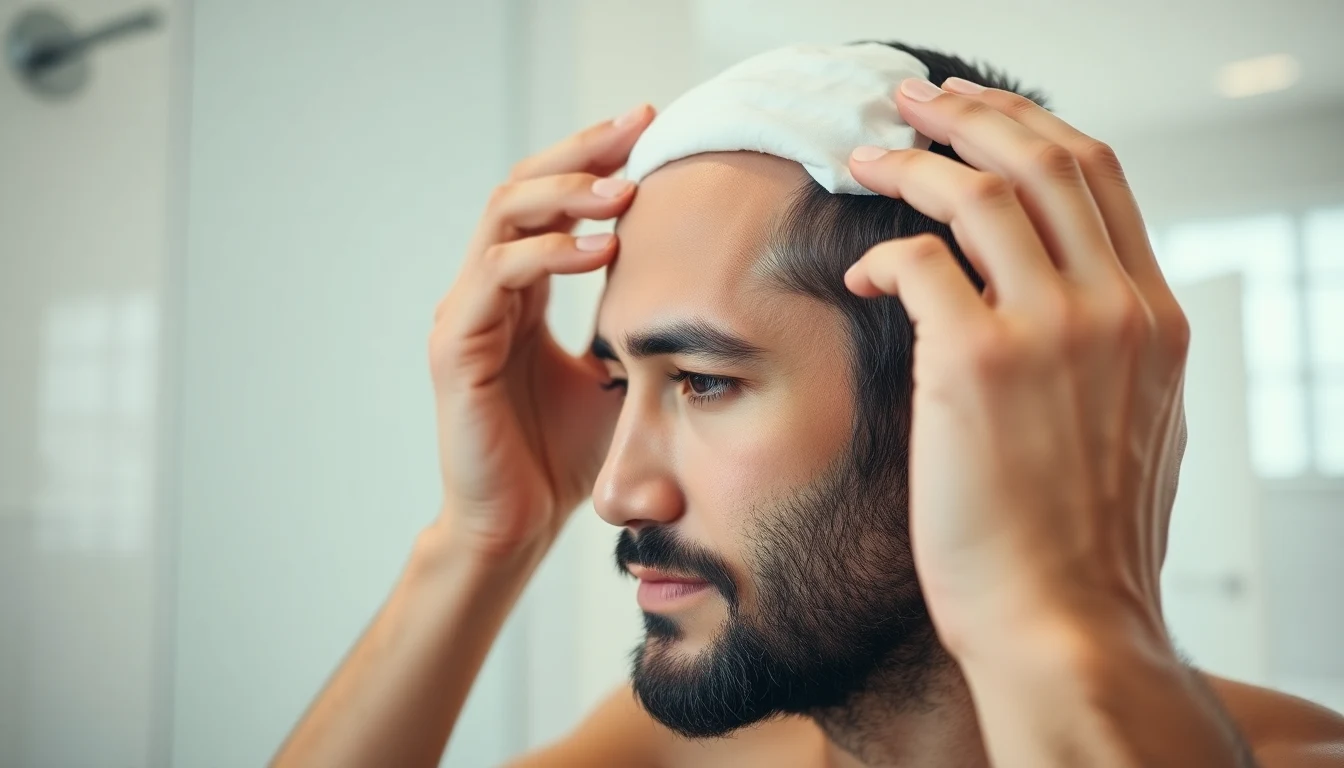
Scalp massage is one of the simplest and most effective practices for maintaining healthy hair under a dastar. After a full day of compression and restricted blood flow, the scalp needs stimulation to maintain follicle health.
When to Massage
- Evening (after dastar removal): This is the most important time. Your scalp has been under pressure all day. A 3 to 5 minute massage increases blood flow to the follicles and relieves tension.
- Morning (before dastar wrapping): A brief 1 to 2 minute massage prepares the scalp for the day ahead.
- During oil application: Combine your massage with your oil treatment for efficiency.
Technique
- Use your fingertips, not your nails. Place all ten fingertips on your scalp.
- Apply moderate pressure and move the skin in small circles. You are moving the scalp itself, not just sliding fingers over the surface.
- Focus on high-tension areas: temples, hairline, crown (where the joora sits), and behind the ears.
- Work from the front hairline backward toward the nape, then out toward the ears.
- Finish with light pressure at the nape, where tension from the dastar’s rear fold accumulates.
Research published in dermatological journals suggests that regular scalp massage can increase hair thickness by stretching the cells of hair follicles, stimulating them to produce thicker hair. For men managing the daily compression of a dastar, this simple practice is worth the time.
Traction Alopecia Prevention
Traction alopecia is the gradual loss of hair caused by repeated pulling or tension on the hair follicles. In the Sikh community, it typically presents at the temples, the front hairline, and around the crown where the joora sits. It is slow, progressive, and often unnoticed until significant thinning has occurred.
For a deeper dive into overall kesh health and the complete care routine, see our guide: Kesh Care: The Complete Hair Health Guide for Sikh Men.
The Mechanism
Constant tension on a hair follicle triggers an inflammatory response. Over time, this inflammation damages the follicle. Initially, the damage is reversible: if tension is reduced, the follicle recovers and hair regrows. But if tension continues for years without intervention, the follicle scars (fibroses) and becomes permanently unable to produce hair.
Risk Factors Specific to Dastar Wearers
- Tight joora: The single biggest risk factor. A tightly wound joora pulls constantly on the follicles at the crown.
- Tight dastar wrapping: Wrapping the dastar too tightly, especially across the forehead, creates sustained pressure on the hairline follicles.
- Heavy hair: The sheer weight of long, thick kesh creates downward pull on the scalp, especially when gathered into the joora.
- Same wrapping pattern daily: If you always start your dastar wrap from the same side and position, the same follicles bear the peak pressure every day.
- Years of cumulative tension: Traction alopecia is a long-term condition. It is rarely noticeable before several years of daily dastar wearing.
Prevention Protocol
- Loose joora, always. This bears repeating. If your joora gives you a headache, it is too tight.
- Vary your joora position. Shift it slightly each day. Half an inch in any direction distributes tension across different follicles.
- Alternate dastar wrapping direction. If you start from the left today, start from the right tomorrow.
- Use a patka underneath. A patka (under-turban) made from soft cotton creates a buffer layer between the dastar and the scalp, reducing direct friction.
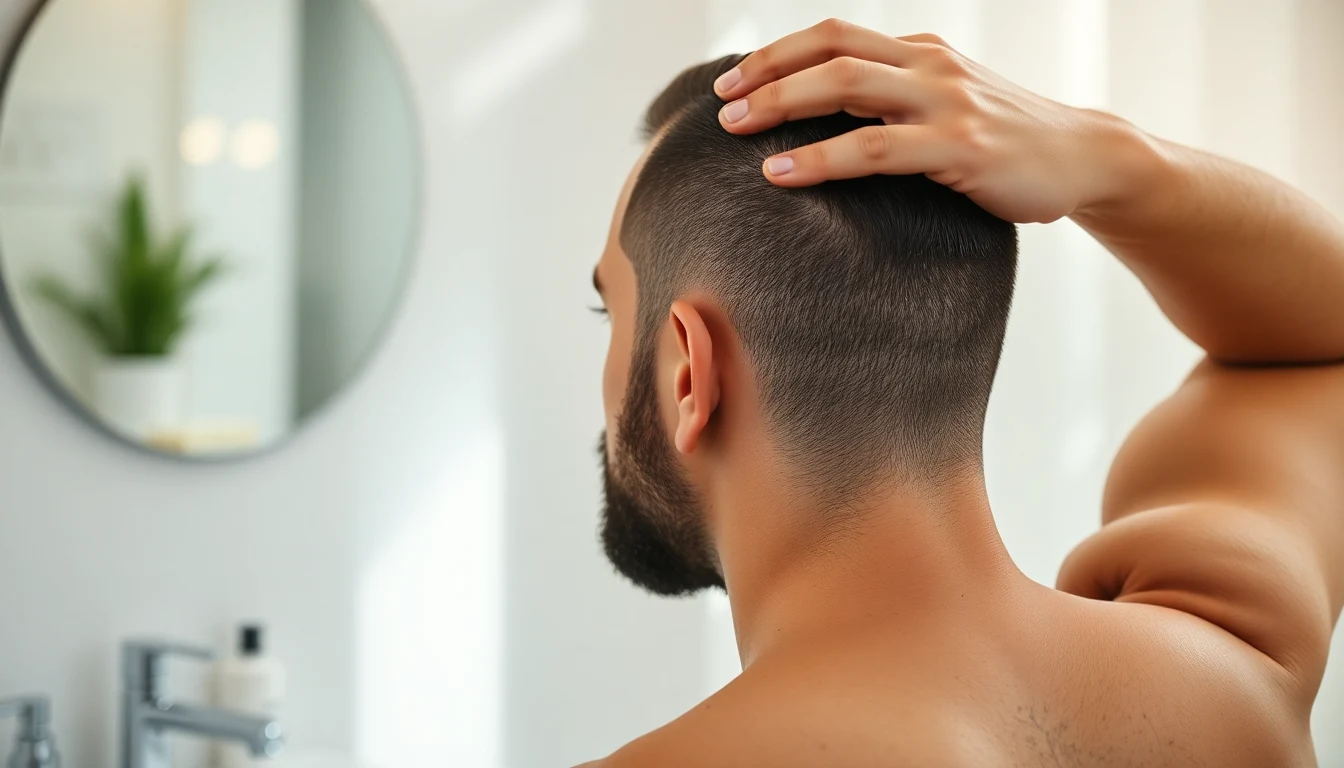
- Monitor your hairline monthly. Take a photo of your hairline and temples once a month in the same lighting. Compare over time. Gradual change is hard to notice in real-time but obvious in side-by-side photos.
- Nighttime recovery. Let your hair down completely every night. No braids, no clips, no ties. The follicles need 8 hours of zero tension to recover from 16 hours of compression.
When to Seek Medical Help
If you notice:
- A receding hairline that your father and grandfather did not have at your age
- Visible scalp at the temples where hair used to be dense
- Broken hairs consistently appearing around the joora area
- Scalp tenderness that does not resolve with looser wrapping
See a dermatologist, preferably one who understands traction alopecia. Early treatment (which may include topical minoxidil, anti-inflammatory treatments, or adjustments to your wrapping technique) can prevent permanent follicle loss. The longer you wait, the more follicles scar beyond recovery.

Anti-Fungal Scalp Care
The warm, moist environment under the dastar makes fungal scalp conditions more common among turban wearers than in the general population. The two most common conditions are seborrheic dermatitis (dandruff) and tinea capitis (scalp ringworm).
Prevention
- Complete drying before wrapping: The most important prevention measure. Fungi need moisture. Remove the moisture, and you remove their growth medium.
- Regular dastar washing: Your turban fabric absorbs sweat, oil, and dead skin cells. Wash your dastar regularly (frequency depends on climate and activity level, but at least weekly in warm weather).
- Scalp-appropriate shampoo: If you are prone to dandruff, use a shampoo containing zinc pyrithione (Head & Shoulders), ketoconazole (Nizoral), or selenium sulfide once a week alongside your regular sulfate-free shampoo.
- Apple cider vinegar rinse: One part ACV to four parts water, applied after shampooing and rinsed out. This restores the scalp’s natural acidic pH, which inhibits fungal growth.
Tea Tree Oil: A Caution
Tea tree oil is frequently recommended for anti-fungal scalp care, and it does have antifungal properties. However, it is also a common irritant for sensitive scalps. If your scalp is already inflamed from heat, sweat, and tension, adding tea tree oil can make things worse.
If you want to try it, dilute heavily (2 to 3 drops in a tablespoon of carrier oil) and test on a small area first. If you experience burning, itching, or increased redness, discontinue immediately. Gentler alternatives include chamomile extract, aloe vera, and neem oil (though neem has a strong odor).

The Nighttime Routine: When the Dastar Comes Off
The evening routine is not afterthought time. It is recovery time. What you do when the dastar comes off directly affects the health of your scalp and hair the next day and the next decade.
Step-by-Step Evening Routine
- Remove dastar carefully. Unwrap slowly. Do not pull or tug at the fabric.
- Remove joora gently. Undo the tie and let the hair fall naturally. Do not yank the kangha out.
- Kangha session. With the kangha (wooden comb, one of the Panj Kakar), gently detangle from tips to roots. This is your evening kangha practice, and it also distributes the day’s natural oils along the hair shaft.
- Scalp massage. 3 to 5 minutes, focusing on tension areas (temples, crown, hairline, behind ears). If applying nighttime oil (castor, coconut, or a rosemary blend), combine it with the massage.
- Inspect. Look at your hairline and temples. Feel for any areas of tenderness or small bumps (folliculitis). Monitoring consistently is how you catch traction issues early.
- Leave hair down. Sleep with hair loose, spread across the pillow. Use a satin or silk pillowcase to reduce friction. Cotton pillowcases absorb moisture from your hair and create friction that causes tangles and breakage.
On Non-Wash Nights
If your hair feels oily or your scalp feels grimy but it is not a wash day, you can do a dry scalp refresh:
- Spritz the scalp (not the lengths) with a mixture of water and a few drops of tea tree or peppermint oil
- Massage gently
- Blot with a clean towel
- Follow with kangha
This refreshes the scalp without a full wash, extending the time between wash days while maintaining comfort.
Choosing the Right Dastar Fabric for Scalp Health
Not all turban fabrics are created equal when it comes to scalp health. The fabric you choose affects breathability, moisture management, and the amount of pressure on your scalp.
| Fabric | Breathability | Weight | Best Season | Notes |
|---|---|---|---|---|
| Voile (mal mal) | Excellent | Very light | Summer | Most breathable option; reduces heat buildup |
| Rubia (rumal) | Good | Light-medium | All seasons | Versatile; good balance of structure and comfort |
| Cotton | Good | Medium | All seasons | Absorbs sweat well; wash frequently |
| Silk | Moderate | Medium | Special occasions | Less breathable; beautiful but not ideal for daily wear in heat |
| Polyester blend | Poor | Variable | Avoid in summer | Traps heat and moisture; not recommended for scalp health |
For everyday wear, especially in warm climates or during physical activity, voile and rubia are the best choices for scalp health. They allow more air circulation, reduce heat buildup, and dry faster when they absorb sweat.
Questions from the Community
I work a physical job and sweat heavily under my dastar. What can I do?
Three strategies: First, switch to voile fabric for work days. It breathes significantly better than heavier fabrics. Second, consider wearing a thin cotton patka underneath the dastar to absorb sweat and create a barrier between the fabric and your scalp. You can swap the patka at lunch if needed. Third, wash your hair more frequently during heavy work periods (every 2 days) and wash your dastar fabric weekly. Sweat itself is not the enemy, but sweat sitting against your scalp for hours is.
My scalp itches terribly by the end of the day. What is going on?
Several possibilities: dry scalp from over-washing, fungal activity from moisture trapping, product buildup from oils that are not absorbing fully, or contact irritation from detergent residue in your dastar fabric. Start by switching to a fragrance-free, gentle detergent for washing your turban fabrics. If itching persists, try an anti-fungal shampoo once a week. If it still continues, see a dermatologist. Persistent scalp itching under a turban should not be ignored, as it can indicate conditions that worsen without treatment.
How often should I wash my dastar fabric?
More often than most men do. In summer or during heavy physical activity, weekly is ideal. In cooler weather with lighter activity, every 10 to 14 days is reasonable. The fabric absorbs sweat, sebum, dead skin cells, and product residue. All of that sits against your scalp the next time you wrap. Use a gentle, fragrance-free detergent and rinse thoroughly. Air dry rather than machine dry when possible to preserve fabric quality.
Is there a way to reduce dastar pressure without making it look loose?
Yes. The key is technique, not tightness. A well-wrapped dastar can look structured and sharp without being compressed against the scalp. Start with a slightly looser first wrap (the one that sits against your forehead) and build structure with subsequent layers. Some men also find that using a slightly longer fabric allows them to achieve the same visual volume with less compression per layer. Practice the wrapping technique rather than relying on tightness for structure.
My son complains that his turban gives him headaches at school. Is this a wrapping issue?
Almost certainly. Headaches from a dastar are a sign that it is wrapped too tightly or that the joora is pulling too hard at one point. Work with him on loosening both the joora and the wrap. A patka underneath can also help distribute pressure more evenly. If he is young and his hair is not yet very long, a patka alone may be appropriate for school days, with the full dastar reserved for gurdwara and special occasions. Consult your granthi for guidance on age-appropriate practices within your community’s tradition.
The Long View: Decades of Dastar, Decades of Care
A man who has worn his dastar daily for decades can keep a healthy scalp, strong hair and a hairline that holds, but that does not happen by accident. It happens when the evening routine gets the same discipline as the morning wrapping: massaging the scalp every night, oiling the hair before every wash, inspecting the hairline regularly, and varying the wrapping direction.
The dastar is a lifetime commitment. So is the scalp care that supports it. The practices in this guide are not one-time fixes. They are daily, weekly, and seasonal rhythms that protect your scalp and hair over the decades they spend under fabric.
For the complete kesh care routine including washing, conditioning, and seasonal adjustments, see Kesh Care: The Complete Hair Health Guide for Sikh Men. For beard care within the Sikh tradition, visit Sikh Beard Care: Maintaining a Healthy, Well-Groomed Beard Within Tradition.
Honor the practice. Protect what is underneath.
Arjun Singh-Goldstein
Frequently Asked Questions
What are the main scalp health challenges caused by wearing a turban daily?
Wearing a turban creates three primary scalp challenges: heat accumulation that traps warmth against your skin, moisture buildup from reduced air circulation, and pressure distribution that concentrates tension at your hairline and temples. These conditions intensify over the 12 to 16 hours you wear your turban daily, making proper scalp care essential.
Can I wrap my turban with wet hair, and what happens if I do?
No, you should never wrap your turban with damp hair, as this is a critical rule for turban hair care. Wrapping damp hair traps excessive moisture against your scalp, creating an environment that promotes irritation, fungal growth, and accelerates hair damage at the roots.
What oils are safe to use if you wear a turban without staining the fabric?
The guide recommends using lightweight oils specifically chosen to not stain your turban, while heavier oils should only be applied at night or before washing. Selecting dastar-safe oils prevents visible marks on your fabric while still nourishing your scalp and hair.
How can I prevent traction alopecia from developing due to turban pressure?
A five-minute daily scalp massage using proper technique helps counteract the constant pressure and tension from your turban, improving blood flow and reducing strain on hair follicles. This simple routine, performed at the right time of day, is a critical preventive measure against traction alopecia for men who wear turbans regularly.