The sunnah has always encouraged grooming. The Prophet Muhammad (peace be upon him) was known for maintaining his beard with oil and a comb. Modern ingredient science just gives Muslim men better tools. But here is the problem: most beard oils on the market are not designed for brothers who perform wudu five times a day, and very few brands bother to disclose whether their ingredients are halal. This guide reviews ingredient lists and sourcing information to find oils suited to Muslim men. This is the honest breakdown.
What Actually Makes a Beard Oil “Halal”?
Let me be blunt: slapping a “halal” label on a product does not make it halal. There is no universal halal certification body for cosmetics the way there is for food. Different certifiers check different things, and some barely check at all. The word “natural” on a label means nothing legally. So what should you actually look for?
The INCI List Is Your Best Friend
INCI stands for International Nomenclature of Cosmetic Ingredients. It is the standardized ingredient list on the back of every product. Every single ingredient in the product is listed here, in descending order of concentration. If you learn to read INCI lists, you can evaluate any product yourself, no certification needed.
For a detailed breakdown of how certification actually works (and where it falls short), check our full guide on halal vs. halal-certified grooming products.
Ingredients That Raise Red Flags
| Ingredient | Concern | What to Do |
|---|---|---|
| Glycerin (unspecified) | May be animal-derived (porcine) | Look for “vegetable glycerin” or contact manufacturer |
| Collagen | Often porcine or bovine | Verify source. Marine collagen is generally safer. |
| Keratin | Can be derived from animal hooves/hair | Check for plant-based or synthetic keratin |
| Stearic acid | May be from animal tallow | Plant-derived (palm, coconut) versions exist. Ask. |
| Ethanol / alcohol denat. | Intoxicating alcohol | Many scholars permit in topical cosmetics (not consumed). Personal choice. |
| Musk (natural) | Traditionally from musk deer | Most modern products use synthetic musk. Verify if labeled “natural.” |
The Fatty Alcohol Confusion
This trips up a lot of brothers, so let me be clear. Cetyl alcohol, cetearyl alcohol, and stearyl alcohol are fatty alcohols. They are derived from coconut oil or palm oil. They are emollients, meaning they soften and smooth. They are NOT the same as ethanol (the intoxicating alcohol in drinks). Fatty alcohols are permissible. It is common for brothers to reject perfectly good products because they see “alcohol” on the label without understanding the chemistry. Do not make that mistake.
Wudu Compatibility: Oils That Absorb vs. Oils That Coat
This is where beard oil gets tricky for Muslim men. You need the oil to nourish your beard and the skin beneath it. But you also need water to reach the skin during wudu. An oil that sits on top of the beard hairs like a slick coating will potentially interfere with that.
The key distinction is between oils that absorb and oils that coat. For a broader look at how this applies to your whole skincare routine, see our wudu-friendly skincare guide.
Absorbing Oils (Best for Wudu Compatibility)
Jojoba oil is the gold standard. It is technically a liquid wax ester that mimics your skin’s natural sebum. It absorbs into both the hair shaft and the skin within 15 to 20 minutes, leaving minimal residue. Water flows through a jojoba-oiled beard without issue.
Argan oil is another excellent choice. Rich in vitamin E and essential fatty acids, it absorbs within 20 minutes and softens coarse beard hair without creating a heavy coating.

Grapeseed oil is very lightweight and absorbs quickly. It is a good option for brothers with oily skin who want beard conditioning without added heaviness.
Sweet almond oil absorbs at a moderate pace (20 to 30 minutes) and provides good conditioning. It is also very affordable, making it a solid budget pick.
Coating Oils (Use After Isha or With Timing Awareness)
Castor oil is thick and sticky. It sits on the beard and creates a visible sheen. Great for overnight treatments after isha, not ideal for daytime use between prayers.
Coconut oil (solid below 76 degrees) can coat rather than absorb, especially in cooler environments. It is better as an overnight treatment than a daytime beard oil for wudu-practicing men.
Mineral oil sits on the surface and does not absorb. Avoid in daytime beard oils if wudu compatibility matters to you.
Top Halal Beard Oils: Ranked and Analyzed
Each oil is considered on its ingredient list (INCI analysis) and value (cost per ml). Here are the oils.
Best Overall: Argan and Jojoba Blend Oils
The best performing halal beard oils consistently feature an argan and jojoba base. This combination gives you fast absorption (wudu-friendly within 20 minutes), excellent conditioning for coarse beard hair, skin nourishment beneath the beard, and a lightweight feel that does not weigh down your beard.
Look for products where argan oil and jojoba oil are the first two ingredients on the INCI list. If they are listed after dimethicone or mineral oil, you are getting a silicone or petroleum product with a splash of the good stuff. Read the list from top to bottom.
Best Budget Pick: Pure Jojoba Oil
You do not always need a fancy blend. A bottle of 100% organic cold-pressed jojoba oil is one of the most effective beard oils you can buy. It is a single ingredient, so halal verification is straightforward: jojoba is a plant. No animal derivatives, no ambiguous sourcing, no certification gymnastics.
Cold-pressed matters because heat processing can degrade the beneficial compounds. Look for “cold-pressed” or “unrefined” on the label. A 4 oz bottle typically costs $8 to $15 and lasts two to three months with daily use.
Best for Dry, Coarse Beards: Argan-Heavy Blends
If your beard is particularly coarse or dry (common with thicker, curlier beard textures), you want a higher proportion of argan oil. Argan is richer in vitamin E and oleic acid than jojoba, giving it more conditioning power. Look for formulas where argan is the first ingredient, followed by jojoba or sweet almond as a secondary carrier.
Best for Sensitive Skin: Fragrance-Free Formulas
Fragrance is the most common irritant in beard oils. If you have sensitive skin, especially skin that is already stressed from five daily wudu sessions, go fragrance-free. The base oils (jojoba, argan, sweet almond) have a mild, pleasant nutty scent on their own. Essential oil fragrances, while natural, can still trigger irritation, redness, or contact dermatitis.
Best Scented: Oud and Sandalwood Blends
For brothers who want their beard oil to double as a subtle fragrance, look for blends scented with oud (agarwood), sandalwood, or amber essential oils. These are culturally significant scents in Muslim communities and pair beautifully with traditional attars. Just verify that the fragrance comes from essential oils or fragrance oils, not from ethanol-based perfume compounds, if that is your preference. For more on halal fragrances, see our guide to alcohol-free colognes and attars.
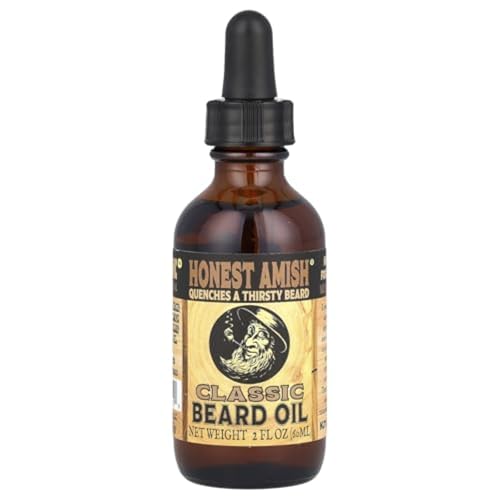
Editor’s Top Halal Beard Oil Picks
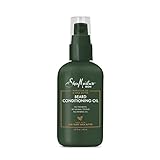

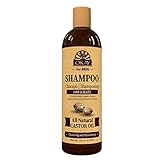
As an Amazon Associate, CulturedGrooming earns from qualifying purchases.
How to Apply Beard Oil for Maximum Benefit
The Right Amount
Most brothers use too much. Start with 3 to 5 drops for a short beard (under 1 inch), 5 to 8 drops for a medium beard (1 to 3 inches), and 8 to 12 drops for a long beard (3+ inches). Rub the oil between your palms, then work it through the beard from the roots outward. Make sure to reach the skin beneath. Use your fingertips to massage the oil into the skin under the beard for 30 seconds.
The Best Time to Apply
Apply immediately after wudu, when your beard is still slightly damp. The moisture in your beard helps distribute the oil more evenly and improves absorption. Pat your beard mostly dry with a towel (do not rub aggressively, that causes frizz and breakage), then apply the oil while there is still some dampness.
For wudu compatibility, the ideal rhythm is: complete wudu, pat dry, apply oil, then allow 15 to 20 minutes for absorption before the next wudu. A practical pattern is applying after fajr, dhuhr, and isha, which provides enough coverage without overdoing it.
Combing and Distribution
After applying oil, comb your beard with a wide-toothed wooden comb or a boar bristle brush. This distributes the oil from root to tip, detangles, and trains the beard to grow in a consistent direction. Combing the beard is also a sunnah practice that keeps the beard neat and presentable.
DIY Halal Beard Oil: Make Your Own
If you want absolute certainty about every ingredient, make your own blend. It is surprisingly simple and much cheaper than buying pre-made products.
Basic Recipe (Everyday Use)
Combine 15 ml jojoba oil (base), 10 ml argan oil (conditioning), and 5 ml sweet almond oil (softening). Mix in a 1 oz amber glass dropper bottle. This blend is 100% plant-derived, no ambiguous ingredients, and absorbs within 20 minutes. Total cost: roughly $5 to $8 for a one-month supply.

Scented Recipe (Jumu’ah/Special Occasions)
To the basic recipe, add 3 drops of oud essential oil, 2 drops of sandalwood essential oil, and 1 drop of cedarwood essential oil. This gives you a warm, woody scent that lasts 2 to 3 hours. Perfect for Eid preparation or Jumu’ah (Friday prayer).
Winter Repair Recipe
Combine 10 ml argan oil, 10 ml jojoba oil, 5 ml avocado oil (deeply nourishing), and 5 ml vitamin E oil (antioxidant and healing). This richer blend works well for overnight application after isha during winter months when beards get particularly dry and brittle.
Beard Oil and Sunnah Beard Maintenance
Maintaining a beard is a practice rooted in the sunnah. How you maintain it, the length, the shape, the care routine, varies by madhab (school of Islamic jurisprudence) and personal observance. What is universal across all scholarly opinions is that the beard should be clean, well-kept, and presentable.
Regular oiling serves this purpose directly. It prevents the scraggly, unkempt look that gives bearded men a bad reputation in professional settings. It keeps the beard soft, which makes it more comfortable for you and everyone around you. And it nourishes the skin beneath, preventing the itchiness and flaking that plagues many bearded brothers. For a deeper look at sunnah-aligned beard care, read our complete sunnah beard care guide.
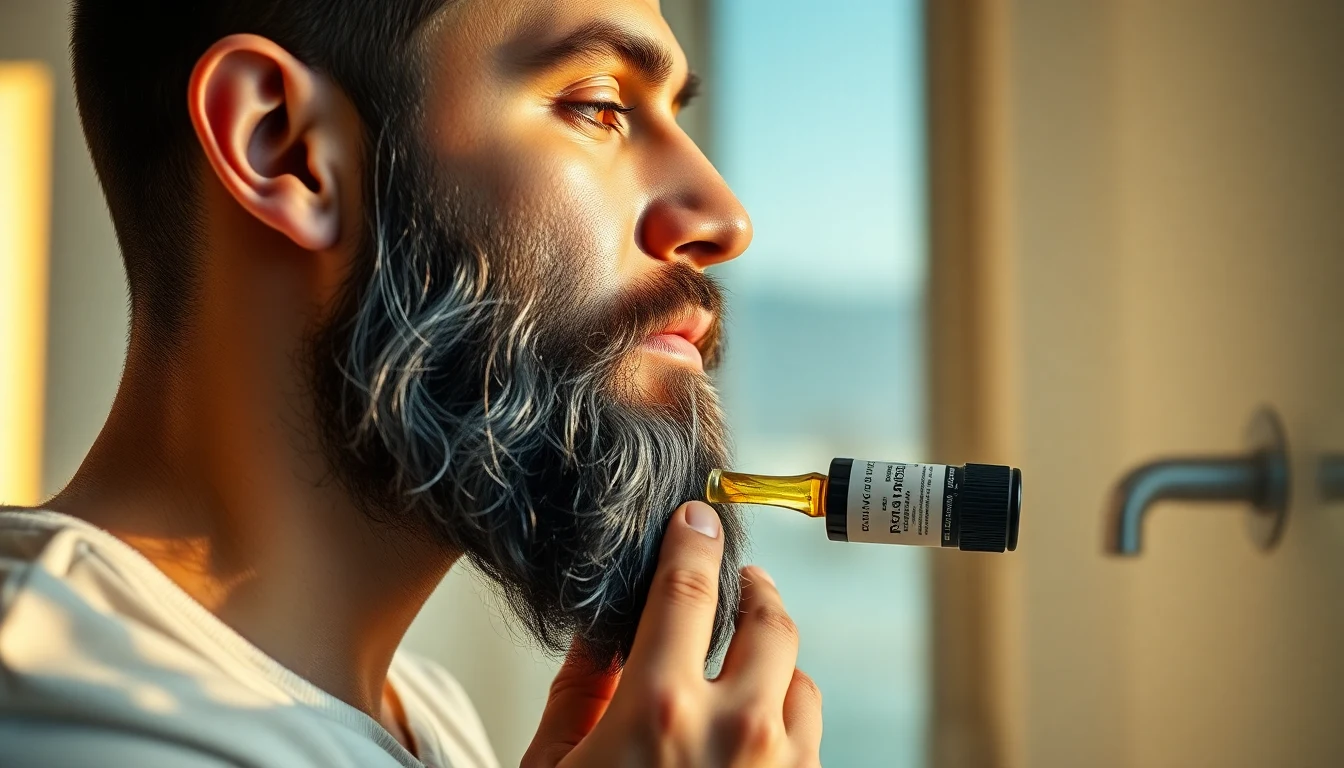
Beard Oil Mistakes That Muslim Men Make
Applying oil to a dry beard. This is the most common mistake. Oil locks in moisture, but if there is no moisture to lock in, the oil just sits on dry hair. Always apply to a damp beard (after wudu is the perfect time). The residual water in your beard helps the oil distribute evenly and absorb into both the hair and skin.
Using too much oil. More is not better. Excess oil weighs down the beard, attracts dust and dirt, and creates the greasy look that gives beard oil a bad reputation. Start with fewer drops than you think you need. You can always add a drop or two more. You cannot un-grease a saturated beard without washing it.
Ignoring the skin beneath. Many brothers apply oil only to the beard hair, missing the skin underneath entirely. The skin is where dryness, flaking, and itching originate. Use your fingertips to work the oil through the beard all the way to the skin surface. Massage for 30 seconds to stimulate blood flow and ensure the oil penetrates.
Using hair oil on the beard. Head hair and beard hair are different. Beard hair is thicker, coarser, and more similar to body hair than scalp hair. Products designed for scalp hair often contain silicones (dimethicone, cyclomethicone) that coat rather than nourish. These sit on the beard surface and can interfere with wudu. Use oils specifically formulated for facial hair, or use pure carrier oils that you know absorb properly.
Skipping oil in summer. Some brothers stop using beard oil in warm weather because they feel oily already. Summer heat and humidity do increase sebum production, but your beard still needs conditioning. Switch to a lighter oil (pure grapeseed or jojoba) and use fewer drops rather than skipping entirely. A dry, frizzy summer beard is not a good look.
Reading Beard Oil Labels: A Quick Guide
When evaluating any beard oil, look at the ingredient list in this order.

First 3 ingredients: These make up the bulk of the product. They should be recognizable carrier oils (jojoba, argan, sweet almond, grapeseed). If the first ingredient is mineral oil or dimethicone, the product is mostly filler.
Essential oils (near the bottom): These provide fragrance and minor therapeutic benefits. They should appear at the end of the list because they are used in small concentrations. If essential oils are listed before carrier oils, the formula is likely irritating.
Preservatives and additives: Simple beard oils (just carrier oils and essential oils) often do not need preservatives because oils do not support microbial growth. If you see a long list of preservatives, the product may contain water-based ingredients that require preservation. This is not necessarily bad, but it means you need to check what those water-based ingredients are.
Fragrance vs. essential oils: “Fragrance” or “parfum” on a label is a catch-all term that can hide dozens of undisclosed chemicals. Essential oils are specific and identifiable (lavandula angustifolia oil, citrus bergamia oil). For halal transparency, products that list specific essential oils are easier to evaluate than those hiding behind “fragrance.”
Common Questions About Beard Oil Ingredients
Vitamin E in Beard Oils: Is It Halal?
Vitamin E (tocopherol) in cosmetics is almost always synthetic or plant-derived (from sunflower or soybean oil). It is a powerful antioxidant that protects both your beard hair and skin. Generally permissible with no sourcing concerns.
What About Beeswax in Beard Balms?
Beeswax is an animal product but is generally considered halal by most scholars because it comes from bees and does not involve slaughter. Beard balms containing beeswax provide more hold than oils. The trade-off is that beeswax does not absorb like oils; it sits on the hair. This means beard balms are less wudu-friendly than oils. Use balms for styling after your last prayer session, not throughout the day.
Frequently Asked Questions
How often should I apply beard oil?
Two to three times daily is ideal for most Muslim men. Apply after fajr wudu, after dhuhr or asr (whichever is most convenient), and after isha. If your beard is very dry, you can apply after every wudu, but use fewer drops to avoid buildup.
Does beard oil expire?
Yes. Most beard oils last 12 to 18 months if stored in a cool, dark place (amber glass bottles help). If the oil smells rancid (sharp, unpleasant, or “off”), discard it. Rancid oils can irritate skin and provide no conditioning benefit. DIY blends without preservatives may expire faster; make small batches.
Can I use beard oil during Ramadan fasting hours?
External application of beard oil does not invalidate the fast. Fasting restricts what enters the body through the mouth or nose. Topical application to the beard is external use. That said, if your oil has a very strong scent and you are concerned about inhaling it deeply, apply conservatively during fasting hours. See our Ramadan grooming guide for more fasting-specific tips.
Is there a difference between halal beard oil and vegan beard oil?
There is significant overlap, but they are not identical. Vegan products contain no animal-derived ingredients, which eliminates most halal concerns (no porcine glycerin, no animal collagen). However, vegan products may contain ethanol (intoxicating alcohol), which some brothers prefer to avoid in grooming products. A product can be vegan but not halal if it contains ethanol. Conversely, a product using halal-slaughtered animal derivatives (like lanolin from sheep) would be halal but not vegan.
Should I oil my beard before or after wudu?
After. Always after. Applying oil before wudu means the oil may prevent water from reaching the skin beneath your beard. Apply oil after your wudu is complete and your beard is patted mostly dry. This way, the oil does its work between prayers without interfering with your worship.
Omar Al-Rashid
What makes a beard oil halal, and how can I check if a product is actually halal?
A halal beard oil contains ingredients that are permissible under Islamic law, with no alcohol derivatives or haram substances. You can verify this by checking the INCI (International Nomenclature of Cosmetic Ingredients) list on the product label and confirming the sourcing of key ingredients like argan, jojoba, or carrier oils from halal-certified suppliers.
Can I use beard oil if I perform wudu five times a day?
Yes, but you’ll want to choose absorbing oils like jojoba or lighter argan blends rather than heavy coating oils that can interfere with wudu. The article specifically addresses wudu compatibility, recommending oils that absorb quickly into the beard without creating a water-resistant barrier on your skin.
Are there budget-friendly halal beard oils that actually work?
Pure jojoba oil is identified as the best budget pick in this guide, offering excellent results for Muslim men without the premium price tag of blended oils. It’s lightweight, wudu-compatible, and provides conditioning benefits while remaining affordable and easy to verify as halal.
What’s the difference between fatty alcohols and problematic alcohols in beard oil ingredients?
Fatty alcohols like cetyl alcohol and stearyl alcohol are plant-derived, non-intoxicating, and generally considered halal, while ethanol and other volatile alcohols are prohibited in Islam. Understanding this distinction through the INCI list helps you avoid unnecessarily rejecting products that actually comply with halal standards.