Fasting from dawn to sunset for 12 to 16 hours changes what your body needs, and the grooming routine has to change with it. By the second week the signs are familiar: skin that looks dull, lips that crack, a beard that feels like straw, and no thought given to grooming since the first taraweeh (the extended nightly Ramadan prayers). This guide covers what a month of fasting does to your skin, beard, and body, and what to change in response.
What Fasting Actually Does to Your Skin
Let us talk science for a minute. During fasting hours, you are consuming zero water. Your body prioritizes hydration for vital organs (heart, brain, kidneys), and your skin, the largest organ but the least vital for survival, gets what is left over. Here is what happens.
Transepidermal water loss (TEWL) increases. Your skin loses moisture faster when your body is in a dehydration state. The outermost layer of skin (stratum corneum) becomes less plump and more prone to cracking.
Cell turnover slows. Your body conserves energy during fasting, which can slow the rate at which new skin cells replace old ones. This contributes to the dull, ashy appearance many brothers notice mid-Ramadan.
Sebum production may change. Some men experience oilier skin during Ramadan (the body overcompensates for dehydration), while others experience drier skin. It depends on your baseline skin type and the climate.
The lips take the worst hit. Your lips have no oil glands and almost no protective barrier. Sixteen hours without water makes them the first casualty. Cracked, peeling lips are nearly universal during Ramadan.
The Compressed Grooming Window
Here is the practical challenge. During Ramadan, your active grooming window compresses dramatically. You have the suhoor window (roughly 4:00 to 5:00 AM, depending on location and time of year) and the iftar-to-sleep window (roughly 7:30 PM to midnight). That is it. Between those windows, you are fasting, working, praying, and conserving energy.
Your grooming routine needs to fit into these compressed windows without adding stress to an already demanding schedule. Simplicity wins during Ramadan. This is not the month to experiment with a 10-step skincare routine. Focus on the essentials: hydration, barrier protection, and beard maintenance.
Suhoor Skincare (Pre-Dawn Window)
Hydrate From the Inside
This is more important than any product. Drink at least 500 ml of water at suhoor, on top of whatever you drink with your meal. Add electrolytes if you are in a warm climate or have long fasting hours. A pinch of salt in your water or an electrolyte tablet makes a measurable difference in how your skin looks by asr (the late afternoon prayer).
Foods high in water content also help: watermelon, cucumber, yogurt, and soups. Avoid heavy salt at suhoor; it accelerates dehydration.
The Suhoor Skincare Routine (5 Minutes)
Keep it fast. Splash face with water during fajr wudu (no separate cleanser needed). Apply a hydrating serum with hyaluronic acid to damp skin. Follow with a ceramide-rich moisturizer. Apply SPF if you will be outdoors before dhuhr (midday prayer). Apply lip balm generously.

That is it. Five products, five minutes, and your skin is as protected as it can be for the fasting day ahead. For product recommendations that work with wudu, see our wudu-friendly skincare guide.
Daytime Fasting: Minimal Intervention Strategy
During fasting hours, your grooming should be minimal. You are still performing wudu up to five times during daylight, which provides natural skin hydration through water contact. After each wudu, apply a light moisturizer to damp skin. Keep a lip balm in your pocket and reapply every 2 to 3 hours.
There is a common question about lip balm during fasting: is it permissible? Most scholars permit the external application of lip balm as long as you do not lick it off or swallow any of it. Apply it carefully to the outer lip surface, avoiding the inner lip where it could be inadvertently tasted. If you are uncertain, consult your imam.
What to Avoid During Fasting Hours
Strong-scented products applied near the nose or mouth. While topical application does not break the fast, strong fragrances inhaled deeply could be a concern for some scholars. Save the attar and cologne for after iftar.
Mouthwash or oral care products during fasting hours are a concern if they might be swallowed. Stick to dry brushing or miswak during the day. We will cover this in detail below.
Iftar Skincare (Evening Window)
Rehydrate Aggressively
At iftar, your first priority is water. Drink at least 500 ml within the first hour, then continue sipping throughout the evening. Your skin will not recover from the day’s dehydration unless you replenish internally first.
The Iftar Skincare Routine (10 Minutes)
After maghrib (sunset) prayer wudu, use a gentle cleanser to remove the day’s buildup. Apply a hydrating toner or essence with hyaluronic acid. Follow with a richer moisturizer than your daytime formula; your skin needs the extra nourishment. Apply any treatment products (retinol, vitamin C serum, or niacinamide) that you have been avoiding during the day.
If you are heading to taraweeh prayers, skip anything heavy or greasy. Taraweeh involves standing, bowing, and prostrating for an extended period, and you will sweat. Lightweight, fast-absorbing products are best before taraweeh.
Post-Taraweeh Night Routine
After taraweeh and isha, this is your repair window. Apply a rich night cream or sleeping mask. Use an overnight beard oil treatment. Apply a thick layer of lip balm or a dedicated lip sleeping mask. If you have been neglecting your hands and forearms (they take a beating from wudu plus fasting dehydration), apply a heavy hand cream now.
Beard Care During Ramadan
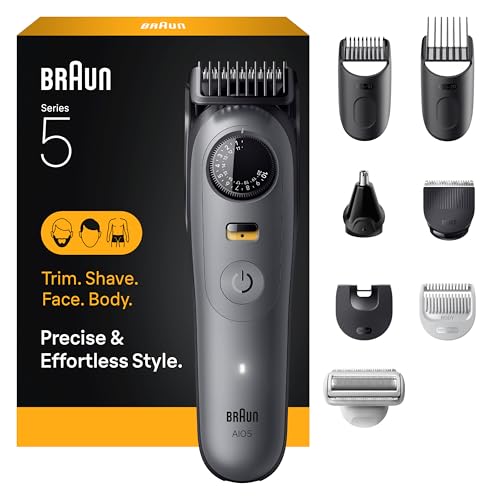
Your beard responds to dehydration just like your skin: it gets dry, brittle, and frizzy. The keratin proteins in your beard hair need moisture to maintain flexibility. When internal hydration drops, the hair becomes stiff and prone to breakage.
Daily Beard Routine During Ramadan
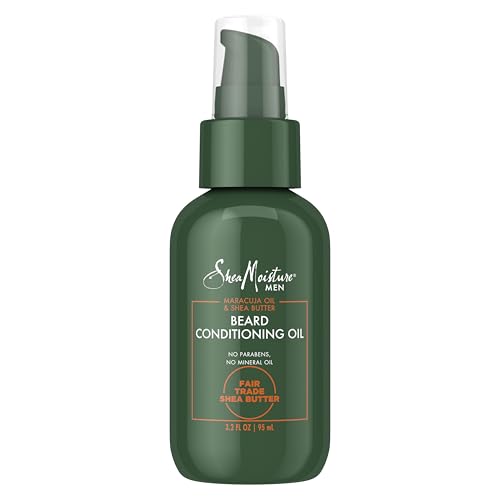
Apply a lightweight halal beard oil after every other wudu (2 to 3 times daily). Use jojoba or argan-based oils that absorb quickly. After isha/taraweeh, apply a heavier overnight beard treatment. Comb daily to distribute oils and prevent tangles. Trim split ends if you notice them; do not wait until Eid.
The Taraweeh Sweat Factor
Taraweeh prayers can last 1 to 2 hours. If the masjid (mosque) is warm, you are sweating. Sweat contains salt, which dries out your beard. After taraweeh, rinse your beard with cool water (or during your isha wudu), pat dry, and apply beard oil. This simple post-taraweeh step prevents a lot of the dryness that accumulates over the month.

Oral Care During Ramadan: The Miswak Solution
Oral hygiene during fasting is one of the most common concerns. Your mouth produces less saliva during fasting, which creates a drier oral environment. Bacteria thrive. The result: fasting breath, which is a common and well-known challenge during Ramadan.
Miswak (Siwak): The Sunnah Solution
Miswak (the natural tooth-cleaning twig from the Salvadora persica tree) is sunnah and explicitly permitted during fasting by the majority of scholars. The Prophet (peace be upon him) used miswak regularly, and its use during fasting is supported by hadith.
Miswak contains natural antibacterial compounds (salvadorine, trimethylamine), natural fluoride, and silica for gentle abrasion. It freshens breath without any liquid or paste that could be swallowed. For a full scientific breakdown, see our dedicated miswak guide.
Practical Miswak Tips During Ramadan
Keep a miswak in your pocket or desk. Use it after every prayer (5 times daily minimum). Chew the tip to expose fresh fibers every 2 to 3 days. Store it in a ventilated case, not sealed plastic (which breeds bacteria). Replace every 1 to 2 weeks.
Toothbrush and Toothpaste During Fasting
Opinions vary by school of thought. Many scholars permit brushing with toothpaste during fasting as long as you are careful not to swallow any. Others prefer to limit toothpaste use to suhoor and iftar windows. If you use toothpaste during fasting hours, use a small amount, lean forward while brushing to prevent accidental swallowing, and rinse thoroughly. Dry brushing (toothbrush with water only, no paste) is a middle ground that most scholars accept without reservation.
Ramadan Fragrance: Timing and Selection
Fragrance is part of the sunnah, and there is no restriction on wearing fragrance during Ramadan fasting hours (it is external application, not consumption). That said, practical adjustments help.
Oil-based attars are preferable during Ramadan because they do not have the sharp alcohol-based opening that could be unpleasant to inhale during fasting. A dab of oud or sandalwood attar on the wrists and behind the ears provides a subtle, long-lasting scent without any concerns about inhalation.
Save your stronger colognes for iftar gatherings and taraweeh. The evening is when you are socializing, visiting family, and praying in congregation. That is when fragrance has the most purpose. For our full guide on halal fragrance options, see alcohol-free colognes and attars for Muslim men.
The 7-Day Eid Prep Countdown (During the Last Week of Ramadan)
Eid al-Fitr is one of the biggest grooming moments of the year. You want to look your absolute best for the Eid prayer and the celebrations that follow. Start your preparation during the last week of Ramadan. For the detailed version, see our full Eid grooming preparation guide.
Day 7: Assessment
Look at your beard shape, skin condition, and hair. Note what needs work. Book a haircut appointment for Day 2 or Day 1 (Eid barbers get booked fast).
Day 6: Deep Beard Treatment
Apply a heavy overnight beard oil or beard mask. Wrap in a warm towel for 15 minutes before bed. This deep-conditions beard hair that has been stressed all month.
Day 5: Skin Recovery
Use a gentle exfoliating treatment (a mild AHA or BHA) to remove the accumulated dead skin cells from a month of reduced cell turnover. Follow with a hydrating mask.
Day 4: Beard Shaping
Trim and shape your beard at home (if you are not going to a barber). Clean the neckline. Trim any wild hairs. This gives you 4 days for any mistakes to grow back slightly before Eid.
Day 3: Fragrance Selection
Choose your Eid fragrance. This is traditionally a special attar or cologne reserved for Eid. Test it on your skin to make sure it agrees with your body chemistry. Layer with a matching beard oil if available.
Day 2: Haircut Day
Get your fresh haircut. If your barber offers beard shaping, let them refine what you trimmed on Day 4.
Day 1 (Eid Eve): Final Prep
Overnight: heavy moisturizer, lip mask, beard oil treatment. Lay out your Eid outfit. Prepare your attar. Set your alarm for the Eid prayer. Tomorrow, you show up looking and feeling your best.
Week-by-Week Ramadan Skincare Adjustments
| Week | What Happens | What to Do |
|---|---|---|
| Week 1 | Body adjusts to fasting. Mild dehydration. Possible breakouts from dietary changes. | Establish simplified routine. Increase water at suhoor/iftar. Be gentle with skin. |
| Week 2 | Skin starts to look dull. Lips are consistently dry. Beard feels coarser. | Add hydrating serum if not already using. Start overnight treatments. Increase beard oil frequency. |
| Week 3 | Cumulative dehydration is visible. Dark circles may appear. Skin can feel tight all day. | Maximum hydration strategy. Sleeping masks nightly. Consider a humidifier. Electrolytes at every meal. |
| Week 4 | Peak skin stress. But also Eid prep begins. | 7-day Eid countdown (see above). Exfoliate gently. Deep condition beard. Recovery mode. |
Ramadan Skincare for Different Skin Types
Oily Skin During Ramadan
If your skin is naturally oily, Ramadan can go one of two ways. Some brothers find their skin becomes even oilier (the body overcompensates for internal dehydration by ramping up sebum production). Others find their oily skin normalizes during fasting. If your skin gets oilier, switch to a gel-based moisturizer, use niacinamide serum (it regulates sebum production), and wash your face with a gentle cleanser at iftar to remove the day’s excess oil. Blotting papers between prayers are your best friend during oily Ramadan stretches.
Dry Skin During Ramadan
Dry skin takes the hardest hit during fasting. The already-compromised barrier gets even less internal hydration support. Layer your hydration: hyaluronic acid serum under a ceramide-rich moisturizer under a light facial oil (jojoba or squalane). Apply this stack after every wudu. At night, use a sleeping mask or occlusive cream to prevent overnight moisture loss. Consider adding a humidifier to your bedroom.
Combination Skin During Ramadan
Combination skin (oily T-zone, dry cheeks) becomes more pronounced during fasting. The oily areas may get oilier while the dry areas get drier. The solution: use a lightweight gel moisturizer on the T-zone and a richer cream on the cheeks. This takes an extra 30 seconds compared to using one product everywhere, but the results are worth it.
Ramadan-Specific Product Considerations
Lip products: Your lip balm should contain beeswax, shea butter, and/or lanolin for maximum protection. Apply to the outer lip, not the inner lip. Keep one at your bedside, one in your pocket, one at your desk.
Eye cream: Dark circles worsen during Ramadan due to disrupted sleep (late taraweeh, early suhoor). A caffeine-based eye cream can help with puffiness. Look for one with niacinamide for the dark circles themselves.
Hand cream: Your hands take the most abuse during Ramadan: wudu dehydration plus fasting dehydration. A thick hand cream applied after every wudu makes a noticeable difference.
Frequently Asked Questions
Does using skincare products break the fast?
Applying products to the skin (moisturizer, sunscreen, beard oil, lip balm) does not break the fast. The fast is broken by things that enter the body through the mouth, nose, or other body openings. External skin application is topical and does not invalidate the fast according to the vast majority of scholars.
Can I use miswak throughout the entire fasting day?
Yes. The majority of scholars, including the Hanafi, Maliki, and Hanbali schools, permit miswak use at all times during fasting. The Shafi’i school prefers to limit it to the morning hours, but this is a preference, not a prohibition. The sunnah supports miswak use throughout the day.

My skin always breaks out during Ramadan. Why?
Several factors contribute. Dietary changes (heavier iftar meals, more fried foods, more sweets) can trigger breakouts. Dehydration causes the skin to overproduce oil as a compensatory mechanism, which can clog pores. Sleep disruption (late taraweeh, early suhoor) affects skin cell regeneration. To minimize breakouts, keep your iftar meals balanced, wash your pillowcase weekly, and stick to non-comedogenic (non-pore-clogging) products.
Should I change my beard oil during Ramadan?
If you normally use a heavier blend, consider switching to a lighter oil (pure jojoba) during the day and saving the richer blends for overnight treatment after isha. Your beard needs more frequent oiling during Ramadan because of the dehydration, but lighter applications more often are better than one heavy application that does not absorb properly between wudu sessions.
When should I start my Eid grooming prep?
At minimum, start 7 days before Eid. Ideally, you have been maintaining your basic routine throughout Ramadan, and the last week is just about refinement: haircut, beard shaping, deep conditioning treatments, and selecting your Eid fragrance. If you have neglected grooming all month, start the recovery process as soon as possible; some of the cumulative skin damage takes days to reverse.
Omar Al-Rashid
Can I use my regular skincare routine during Ramadan fasting hours?
No, you should switch to a minimal intervention strategy during fasting hours to avoid irritating your skin and triggering thirst. Save your full skincare routine for your compressed grooming windows at suhoor (pre-dawn) and iftar (evening), when you can properly hydrate your skin.
What should I do about my beard during Ramadan fasting?
Follow a daily beard routine during your eating windows to combat the dryness and brittleness that fasting causes. Focus on rehydrating your beard at iftar and use beard oils or treatments, especially after taraweeh prayers when you’ve been sweating.
Is toothpaste allowed during Ramadan fasting?
Scholars have varying opinions on this, so you should consult your imam or sheikh about what aligns with your specific Islamic practice. The article recommends using a miswak (siwak) as a sunnah-aligned alternative during fasting hours, with traditional toothpaste reserved for after you break your fast.
How can I prepare my appearance for Eid after a month of fasting?
The Ramadan grooming guide includes a 7-day Eid prep countdown during the last week of Ramadan, which involves assessment of your skin and beard condition, deep treatments, and recovery routines. This gives you time to restore your skin and beard to their best state before Eid celebrations begin.