For a Sikh man who keeps kesh (uncut hair, one of the Panj Kakar, the five articles of Sikh faith) throughout life, the beard is never trimmed, shaped, or reduced. It is full, dense, and often well past the chest. And it can look magnificent, not because of hours of work, but because of a simple, consistent care routine kept up over decades.
In the Sikh tradition, the beard is part of kesh. It is a gift from Waheguru (the Sikh understanding of the divine), and it is maintained with the same reverence as the hair on the head. You do not trim it. You do not shape its boundaries. You care for it in its natural fullness. But “natural fullness” does not mean “unattended.” A well-cared-for Sikh beard is clean, soft, conditioned, and managed with intention. It requires specific techniques and products suited to long, dense facial hair that will only grow longer with time.
This guide covers everything from daily washing to professional settings, all within the framework of the tradition. It is written with attention to the thickness and density of Punjabi beard growth.

The Role of the Beard in Sikh Faith
The beard, like all body hair, is part of kesh. Guru Gobind Singh Ji established the keeping of kesh as one of the Panj Kakar, and the Sikh Rehat Maryada (the code of conduct for Khalsa Sikhs) is clear that hair should not be cut from any part of the body. The beard is not separate from this commitment. It is central to it.
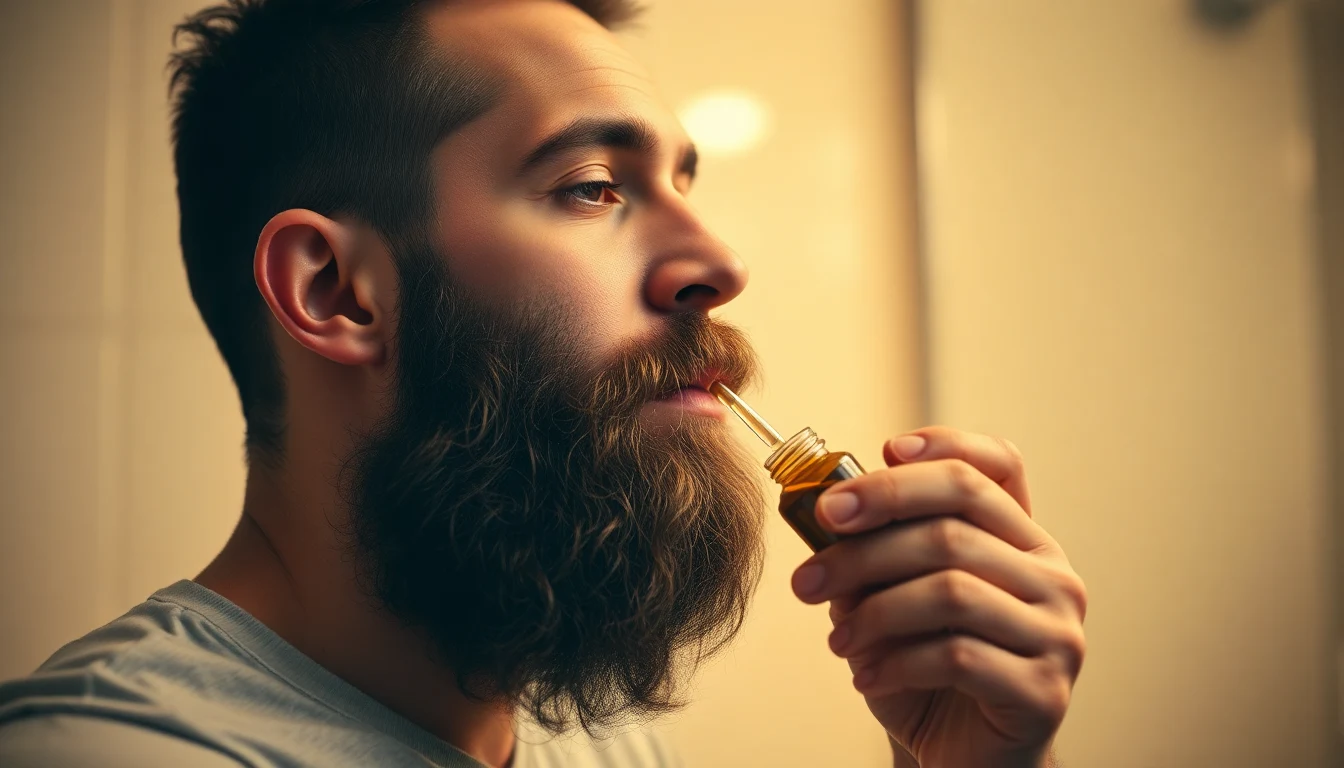
For many Sikh men, the beard is not a fashion statement and not a cultural marker alone. It is an expression of a relationship with Waheguru. When a man combs it, oils it, and wraps it neatly under his dastar or lets it flow freely, he does so with awareness that he is tending something sacred.
For younger Sikh men who may face questions or comments about their beards in school, at work, or in social settings, this context matters. Understanding why you maintain your beard provides the foundation for the how. When someone asks, “Why don’t you just trim it?” you have an answer rooted in faith, identity, and generations of practice. The grooming that follows is in service of that commitment.
Understanding Punjabi Beard Growth
Men of Punjabi heritage frequently have dense, coarse, fast-growing facial hair. This is a generalization (genetics vary within any population), but it is relevant because the products and techniques that work for finer or sparser beard growth often fail for thick Punjabi beards. Here is what makes this beard type distinct:
- Density: More hair follicles per square inch than many other beard types. This means more hair, more volume, and more potential for tangles.
- Coarseness: Individual strands tend to be thick and strong. This is good for fullness but means the beard can feel wiry or rough without proper conditioning.
- Growth rate: Many Punjabi men experience faster-than-average beard growth, meaning the beard reaches significant length quickly and continues growing.
- Curl pattern: Ranges from straight to wavy. Wavy or curly Punjabi beards are prone to tangles and require more frequent combing.
- Color: Typically black or very dark brown, which shows lint, flakes, and product residue more visibly than lighter beards.
These characteristics mean that lightweight, easily absorbed products work better than heavy butters or waxes. Products that work for a three-inch hipster beard in Brooklyn may not be appropriate for a twelve-inch Sikh beard in Richmond Hill.
Daily Beard Care Routine
Morning Routine (10 to 15 Minutes)
- Rinse with water. You do not need to shampoo your beard every day. Rinse with lukewarm water to remove overnight residue and refresh the hair. Shampooing daily strips essential oils and dries the beard out.
- Comb with kangha. Use your kangha (wooden comb, one of the Panj Kakar) to gently detangle, starting at the tips and working upward. The kangha distributes natural oils from the skin through the beard.
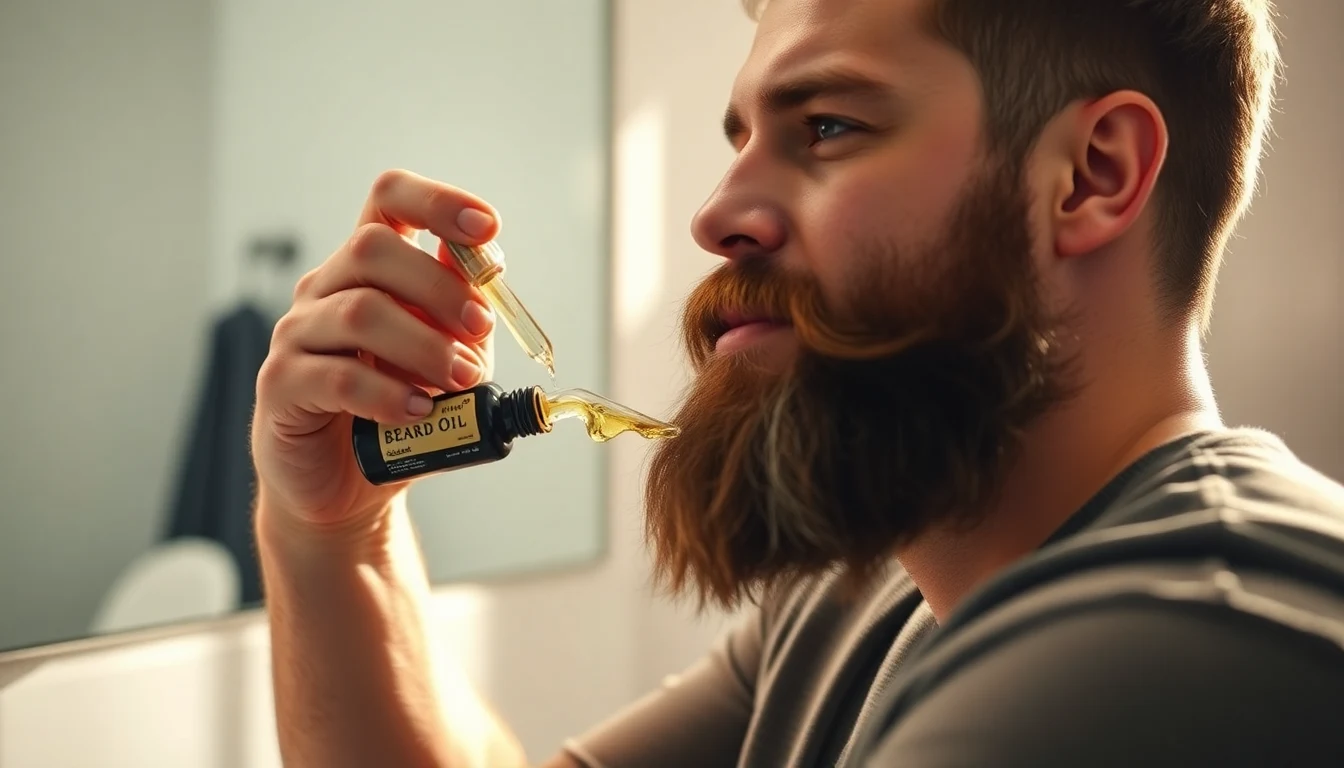
- Apply a light beard oil. 3 to 5 drops of a lightweight oil (argan, jojoba, or a blend) worked through the beard from roots to tips. Focus on the skin underneath, where dryness and itching originate. For men who wear their beard wrapped under the dastar, ensure the oil is fully absorbed before wrapping (allow 10 to 15 minutes).
- Shape and settle. Use your hands or a wide-tooth comb to arrange the beard into its natural shape. For beards worn under the dastar (rolled and tucked beneath the chin), apply a very light beard balm for hold without stiffness.
Wash Day Routine (Every 2 to 3 Days, 15 to 20 Minutes)
- Wet the beard thoroughly. Lukewarm water, working through the full length with your fingers to ensure water penetrates the dense growth.
- Apply beard shampoo (not regular shampoo). Regular hair shampoo is formulated for the scalp and is often too harsh for facial hair. Beard-specific shampoos are gentler and formulated for coarser hair. Work the shampoo into the skin underneath the beard first, then through the hair itself.
- Rinse thoroughly. Residual shampoo trapped in a dense beard causes itching, flaking, and a dull appearance. Take extra time to rinse completely.
- Condition. Apply a beard conditioner from mid-length to tips. For very long beards (past the chest), focus on the bottom half, where the hair is oldest and driest. Leave the conditioner on for 2 to 3 minutes.
- Rinse with cool water. This closes the cuticle and adds softness and shine.
- Pat dry gently. Do not rub. Press the beard between a towel and squeeze moisture out. Rubbing creates friction, tangles, and frizz.
- Apply beard oil while slightly damp. This is the best time for oil application. The slightly damp hair absorbs oil more readily, and the oil seals in moisture from the wash.
Beard Oils: What Works for Dense Sikh Beards
The right beard oil for a long, dense Sikh beard is different from what works for a short, styled beard. You need an oil that:
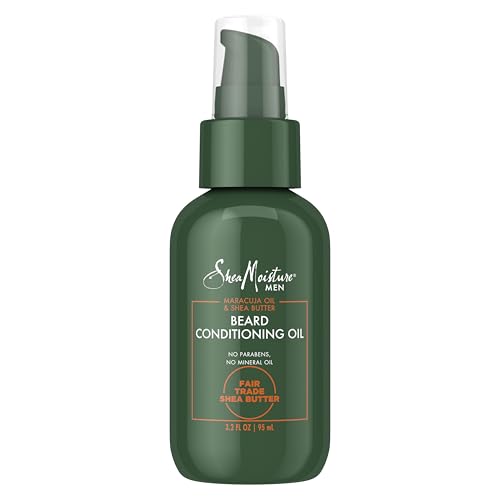
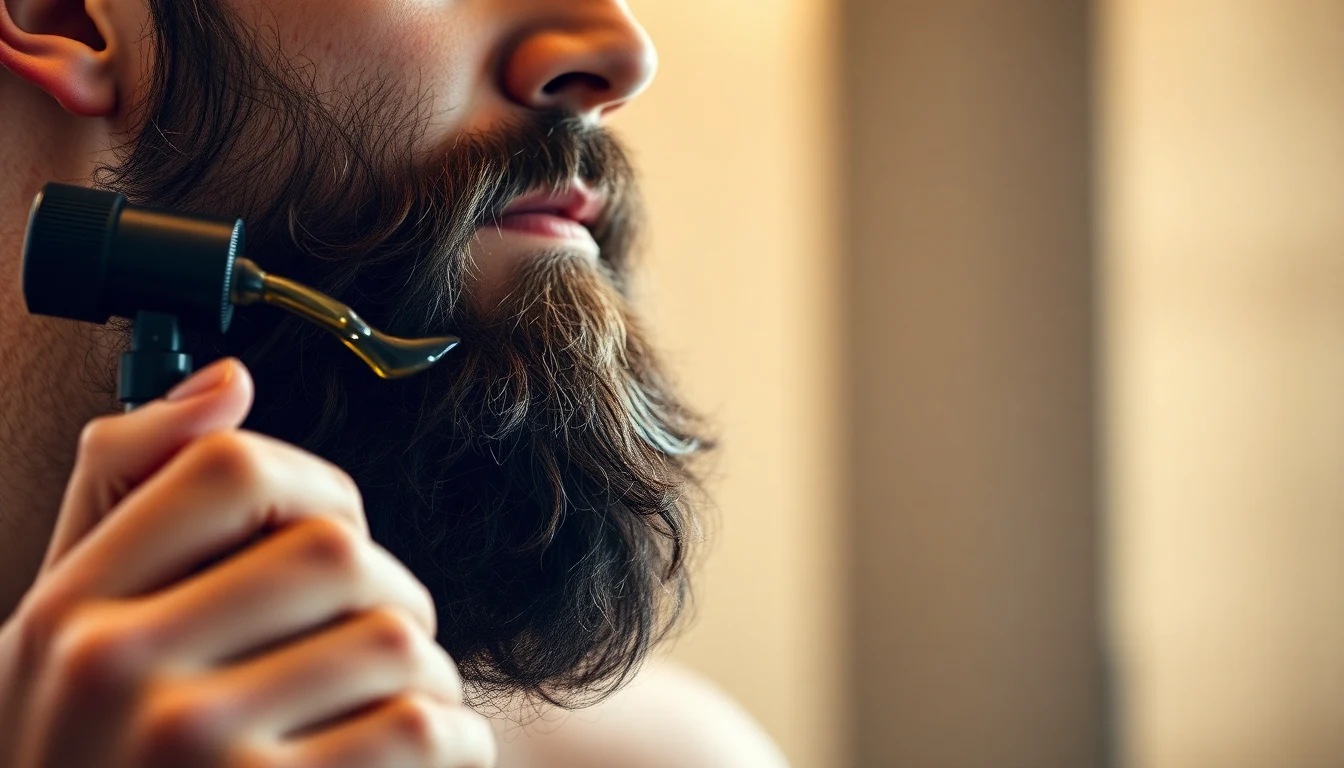
- Absorbs without leaving a greasy film (especially important if the beard is worn under the dastar)
- Conditions effectively at depth, reaching the skin underneath
- Does not weigh the beard down or make it look slick
- Has a subtle scent or no scent (strong fragrance trapped under fabric becomes overwhelming)
Oil Comparison Table
| Oil | Weight | Absorption | Conditioning | Scent | Best For |
|---|---|---|---|---|---|
| Jojoba oil | Light | Fast | Excellent | Minimal | Daily use, under-dastar beards |
| Argan oil | Light-medium | Moderate | Very good | Subtle nutty | Daily use, adds shine |
| Sweet almond oil | Medium | Moderate | Good | Mild sweet | Dry beards, winter care |
| Grapeseed oil | Very light | Fast | Moderate | None | Oily skin types, summer |
| Coconut oil (fractionated) | Light | Fast | Good | Very mild | Year-round, versatile |
| Castor oil | Heavy | Slow | Excellent | Mild | Nighttime deep treatment only |
| Mustard oil | Heavy | Slow | Excellent | Strong, pungent | Traditional deep conditioning (pre-wash) |
For daily use, jojoba and argan are the best options. Jojoba is particularly well-suited because it closely mimics the skin’s natural sebum, absorbs quickly, and leaves no greasy residue. For a more detailed breakdown of oils that work under the dastar, see Best Hair Oils for Long Kesh: Lightweight, Turban-Safe Formulas Ranked.
Beard Balm: Shape Without Trimming
Beard balm is a conditioning and styling product that provides light hold. For Sikh men who do not trim, shape, or sculpt their beards, balm serves a different purpose than it does in mainstream grooming. You are not defining edges or creating sharp lines. You are managing the natural shape of a full, untrimmed beard so that it looks intentional and cared for.
When to Use Beard Balm
- Professional settings: When you want the beard to sit neatly against your shirt and jacket without flyaways.
- Windy days: Balm provides enough hold to keep a long beard from blowing across your face or getting caught in things.
- Under the dastar: A tiny amount of balm can help the beard stay in place when rolled and tucked beneath the chin.
Choosing a Balm
Look for:
- Beeswax-based for natural hold (not synthetic polymers or silicones)
- Shea butter or cocoa butter for conditioning
- Carrier oils (jojoba, argan) for moisture
- Light or no fragrance
- Soft to medium hold (not a stiff wax)
To apply: warm a pea-sized amount between your palms until it melts, then work through the beard from roots to tips, using your palms to smooth and shape. Follow with a comb to distribute evenly.
Keeping a Long Beard Professional in Western Environments
This is a practical reality that many Sikh men navigate daily. A long, full, untrimmed beard in a corporate, medical, legal, or tech environment can draw attention, questions, and sometimes assumptions. While this should not be the case (and increasingly is not, as workplaces become more inclusive), the practical question remains: how do you present a long Sikh beard with confidence and professionalism?
Strategies
- Cleanliness is everything. A clean, well-oiled, combed beard looks professional at any length. A beard that looks unwashed or tangled does not. The care is the presentation.
- Control flyaways. A light beard balm applied in the morning keeps stray hairs in place. This makes the difference between a beard that looks managed and one that looks neglected.
- Keep food out of it. This is practical, not dignifying stereotypes. Long beards and eating require awareness. Tuck or hold the beard during meals. Keep a small comb or brush in your desk drawer for after lunch.
- Match grooming quality to clothing quality. When your beard is as well-maintained as your suit, the overall impression is polished. When one element is significantly less maintained than the other, it stands out.
- Confidence communicates. How you carry your beard matters as much as how you groom it. A man who is visibly comfortable and confident with his beard projects professionalism. That confidence comes from knowing the grooming is handled.
Seasonal Beard Care
Summer
- Sweat management: The skin under a dense beard sweats more in heat. Wash your beard more frequently in summer (every other day) and use a lighter oil (grapeseed or fractionated coconut) that will not add heaviness to an already warm beard.
- Humidity and frizz: Dense, coarse beard hair tends to frizz in humidity. A light anti-frizz serum designed for curly hair can work on beards too. Apply sparingly.
- Sun exposure: UV rays damage beard hair just like head hair. If your beard is exposed to direct sun for extended periods, the hair can become dry and brittle. A leave-in conditioner with UV protection helps.
- Swimming: Chlorinated pool water is extremely drying. If you swim regularly, rinse your beard with fresh water immediately after the pool and apply conditioner.
Winter
- Dryness: Cold air outside and heated air inside both strip moisture. Switch to a slightly heavier oil (sweet almond or a blend with coconut) and apply more generously.
- Static: Long beards in winter develop significant static, especially when removing or putting on sweaters and scarves. The kangha helps. A very small amount of argan oil on the outer layer of the beard reduces static.
- Skin underneath: “Beard druff” (flaky skin under the beard) is worst in winter. If regular oiling and washing do not resolve it, use a beard wash containing zinc pyrithione or tea tree oil once a week to address the fungal component.
- Deep conditioning: Do a weekly deep treatment with warm coconut oil or mustard oil (traditional in Punjabi households). Apply generously, leave on for at least an hour (or overnight), then wash out. This keeps the beard soft and resilient through the driest months.
Common Beard Issues and Solutions
| Issue | Cause | Solution |
|---|---|---|
| Beard itch | Dry skin underneath, product buildup | Oil the skin under the beard daily; exfoliate gently once a week |
| Beardruff (flakes) | Dry skin or fungal overgrowth | Moisturize daily; use zinc pyrithione wash weekly if persistent |
| Tangles and knots | Insufficient combing, dryness | Comb with kangha twice daily; condition on every wash day |
| Dull appearance | Product buildup, hard water | Clarifying wash monthly; finish with cool water rinse |
| Wiry/rough texture | Insufficient conditioning | Deep oil treatment weekly; use conditioner every wash |
| Staining on white dastar | Oil residue from beard on fabric | Allow oil to absorb fully (15 min); use lighter oils |
Questions from the Community
My beard is long but looks thin and scraggly. What can I do without trimming?
A beard that looks thin or scraggly usually needs better conditioning, not trimming. Start with weekly deep oil treatments (warm coconut oil, left on for at least an hour). Use conditioner on every wash day. Apply beard balm for volume and shape after combing. A well-conditioned beard with balanced moisture looks fuller because the hair is softer, sits more naturally, and reflects light better than dry, wiry hair. The fullness comes from health, not from shaping.
My beard catches food and smells after meals. How do I handle this respectfully?
This is a practical concern that many men with long beards share. During meals, you can tuck the beard inside your shirt or hold it to one side with your hand. After eating, a quick rinse with water and a pass with the kangha resolves any residue. Keeping a small travel-size beard oil in your bag for a midday refresh helps with both scent and appearance. The goal is simple maintenance throughout the day, not a complex ritual after every meal.
Is mustard oil really necessary? It has such a strong smell.
Mustard oil is traditional in many Punjabi households and is an excellent deep conditioner. Its warming properties stimulate circulation in the skin underneath the beard, and it softens coarse hair effectively. However, it is not the only option. If the scent bothers you, use coconut oil for your deep treatments instead. Coconut oil provides similar penetrating and conditioning benefits without the strong odor. The tradition of mustard oil is cultural, not religious. Use what works best for you.
How do I handle comments about my beard at work?
With calm confidence. Most questions come from curiosity, not hostility. A simple response like “It is part of my Sikh faith” is usually sufficient. If the question is more detailed (“But why?”), you can share as much or as little as you are comfortable with. Your workplace should be accommodating of religious grooming practices, and in most jurisdictions, they are legally required to be. If you face actual discrimination or pressure to modify your beard, document it and seek guidance from both your HR department and, if needed, organizations like the Sikh Coalition that specialize in workplace religious accommodation.
My teenage son is growing his first beard and it looks patchy. Should we be concerned?
Patchiness in early beard growth is completely normal and not a sign of any problem. Many men do not achieve full, even beard coverage until their mid-twenties. Encourage your son to maintain regular washing, oiling, and combing. The routine matters more than the result at this stage. He is building habits that will serve him for a lifetime. And the beard will fill in with time. Patience is part of the practice.

The Beard as Practice
Beard care can be thought of in the same way as morning prayer: it is a daily discipline that connects the physical to the spiritual. Ten minutes of oiling, combing, and arranging. Not rushing. Not treating it as a chore. Treating it as care for something that matters.
For Sikh men, the beard is not separate from the rest of kesh care. It is an extension of the same commitment, the same gift from Waheguru. The techniques and products in this guide are tools, but the motivation is deeper than grooming. It is about showing up fully, beard and all, as the person your faith asks you to be.
For the complete head-hair routine, see Kesh Care: The Complete Hair Health Guide for Sikh Men. For turban-specific scalp care, visit Turban Hair Care: Scalp Health, Traction Prevention, and Daily Routine. And for the broader interfaith perspective on why grooming and faith are inseparable, see Faith and Grooming: How Religious Practice Shapes Men’s Grooming Routines.
Arjun Singh-Goldstein
More Faith Grooming Guides

- Traditional Sikh Grooming Products: From Sarson ka Tel to Modern Alternatives
- Best Hair Oils for Long Kesh: Lightweight, Turban-Safe Formulas Ranked
- Sikh Wedding Grooming Guide for Men: Looking Your Best for Anand Karaj
- Sikh Men's Skincare Routine: Caring for Your Skin While Honoring Your Practice
- Promoting Healthy Kesh Growth: How Sikh Men Can Support Long, Thick, Strong Hair
Frequently Asked Questions
Is it against Sikh faith to trim or shape your beard?
In Sikh tradition, the beard is part of kesh (uncut hair), one of the five articles of faith, and trimming or shaping it goes against religious practice. Instead, Sikh men maintain their beards in their natural fullness while keeping them clean, soft, and well-conditioned. For specific guidance on your personal observance, it’s best to consult with your granthi or trusted religious authority.
What is the best Sikh beard care routine for long, thick facial hair?
A consistent Sikh beard care routine should include washing every 2 to 3 days with appropriate products suited for dense, long facial hair, daily conditioning, and gentle combing to manage tangles. The key is developing a simple routine you can maintain over decades rather than spending hours on intensive treatments. This approach keeps your beard clean, soft, and healthy as it grows longer over time.
How often should you wash a Sikh beard?
You should wash your Sikh beard every 2 to 3 days using products specifically suited for thick, long facial hair to maintain cleanliness without stripping natural oils. Daily maintenance between wash days can include light conditioning and gentle combing to prevent tangles and keep the beard manageable. The frequency may vary based on your lifestyle and hair type, but consistency is more important than intensity.
Why does my long Sikh beard feel dry and tangled?
Long, dense Sikh beards require regular conditioning and intentional management because they’re prone to dryness and tangles as they grow longer. You should use conditioners designed for thick facial hair and gently comb through your beard regularly to prevent matting and maintain softness. Without proper conditioning and care, even naturally healthy beards can become difficult to manage over time.