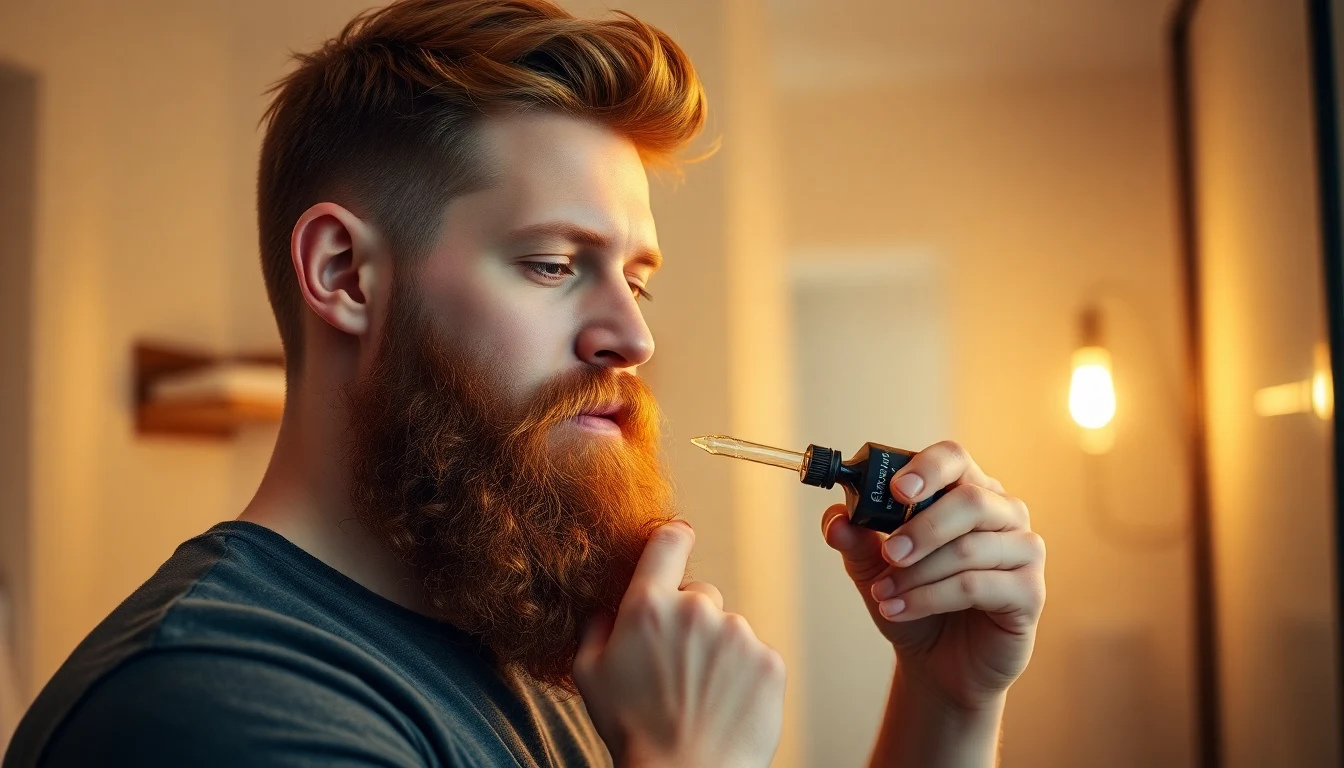
A first beard on a redhead can go wrong fast: it can look like a copper Brillo pad glued to your face by a prankster with a grudge. The thing about ginger beards is that nobody tells you they play by completely different rules. Your brown-bearded friends can slap on any grocery store beard oil and call it a day. You do that, and three weeks later your beard looks like a faded traffic cone. Here is what to know about caring for copper facial hair.
The MC1R gene variant that gives people red hair also affects their beard hair in ways most grooming guides completely ignore. Your beard produces pheomelanin instead of eumelanin, which means the pigment structure is fundamentally different from darker beards. This isn’t just trivia. It changes which products work, how sun exposure affects your color, and why certain oils can slowly shift your copper tone toward muddy brown.
Why Ginger Beards Are Biologically Different
Let’s start with the science, because understanding why your beard behaves the way it does will save you from throwing money at products designed for someone else’s face.
Pheomelanin, the pigment responsible for red and yellow tones in hair, is structurally less stable than eumelanin (the brown and black pigment). This instability means your beard color is more susceptible to environmental damage, particularly from UV radiation. When a brown beard gets sun exposure, the eumelanin absorbs and dissipates UV energy relatively efficiently. When your ginger beard gets that same exposure, the pheomelanin breaks down more readily, leading to that washed-out, brassy look that makes your beard look like it’s been left out in the rain for a month.
Here’s something most people don’t realize: beard hair often has a different ratio of pheomelanin to eumelanin than the hair on your head. That’s why plenty of guys have auburn scalp hair but a beard that’s practically orange. Plenty of redheads end up with what could be called a “calico beard,” a mix of red, blond, copper, and even a few brown hairs all growing in different directions with different textures. This is completely normal for MC1R carriers. It’s not a defect. It’s genetics doing its thing.
The hair shaft itself also tends to be slightly coarser in ginger beards compared to darker facial hair. This coarseness affects how products absorb, how the beard lays, and how it responds to heat and humidity. If you’ve ever wondered why your beard gets wirier in winter while your dark-bearded friend’s stays soft, now you know.
The Brassiness Problem (And How to Actually Fix It)
Brassiness is one of the most common complaints gingers have about their beards. That unwanted yellow-orange undertone that makes your beard look faded and uneven. Let me be clear about what causes it, because most advice online gets this wrong.
UV exposure is the primary culprit. Every time your beard gets direct sun, the pheomelanin degrades slightly. Over weeks and months, this accumulated damage shifts your copper tone toward a flat, brassy yellow. Think of it like a sunset photograph left on a windowsill. The reds fade first.
Chlorine and hard water are the second biggest offenders. If you swim regularly or live in an area with mineral-heavy tap water, those minerals deposit on your beard hair and create a dull, greenish-yellow cast over the red pigment. Hard water can leave a beard looking like it has a nicotine stain, and it is easy to blame the wrong product before checking the water.
Heat styling without protection accelerates pigment breakdown. If you’re using a heated beard straightener, you’re essentially cooking the pheomelanin. Use a heat protectant or accept the brassiness. There’s no middle ground.
Fixing Existing Brassiness
If your beard is already brassy, here’s the realistic timeline. You can’t restore degraded pheomelanin. The damaged hair needs to grow out. What you can do is protect new growth while gradually trimming the brassy ends. Most ginger beards grow about half an inch per month, so expect a 2-3 month transition period for a medium-length beard.

A purple or blue-tinted beard wash used once per week can neutralize some of the yellow tones in the interim. Don’t overdo it. Using purple shampoo more than once a week on a ginger beard can shift the tone toward an ashy, muted color that looks unnatural. Once a week, leave it on for 2-3 minutes, rinse thoroughly.
The Best Oils for Copper Tone Preservation
This is where most ginger beard care guides fail spectacularly. They recommend the same oils they recommend for everyone. But oil selection matters more for us because certain carrier oils can gradually darken red hair over time.
Oils That Preserve Copper Tone (Safe List)
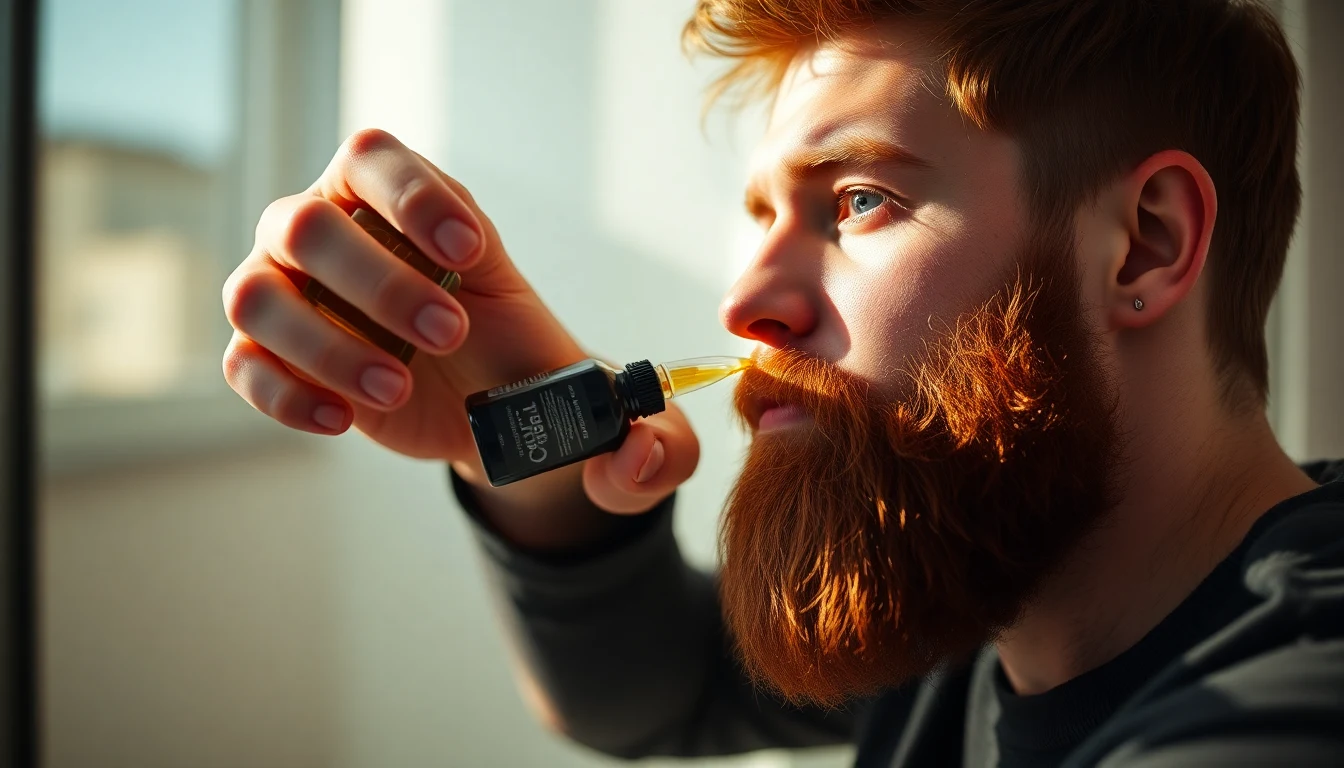
Jojoba oil is the gold standard for ginger beards. Its molecular structure closely mimics your skin’s natural sebum, so it absorbs cleanly without leaving residue. More importantly, it’s completely color-neutral. It won’t darken, shift, or alter your beard tone over time. Use it as your daily base oil without hesitation.
Argan oil is the second-best option. Rich in vitamin E and fatty acids, it conditions coarse ginger beard hair beautifully without any color impact. It also adds a subtle sheen that enhances copper tones rather than muting them. The slight golden color of pure argan oil actually complements red hair rather than fighting it.
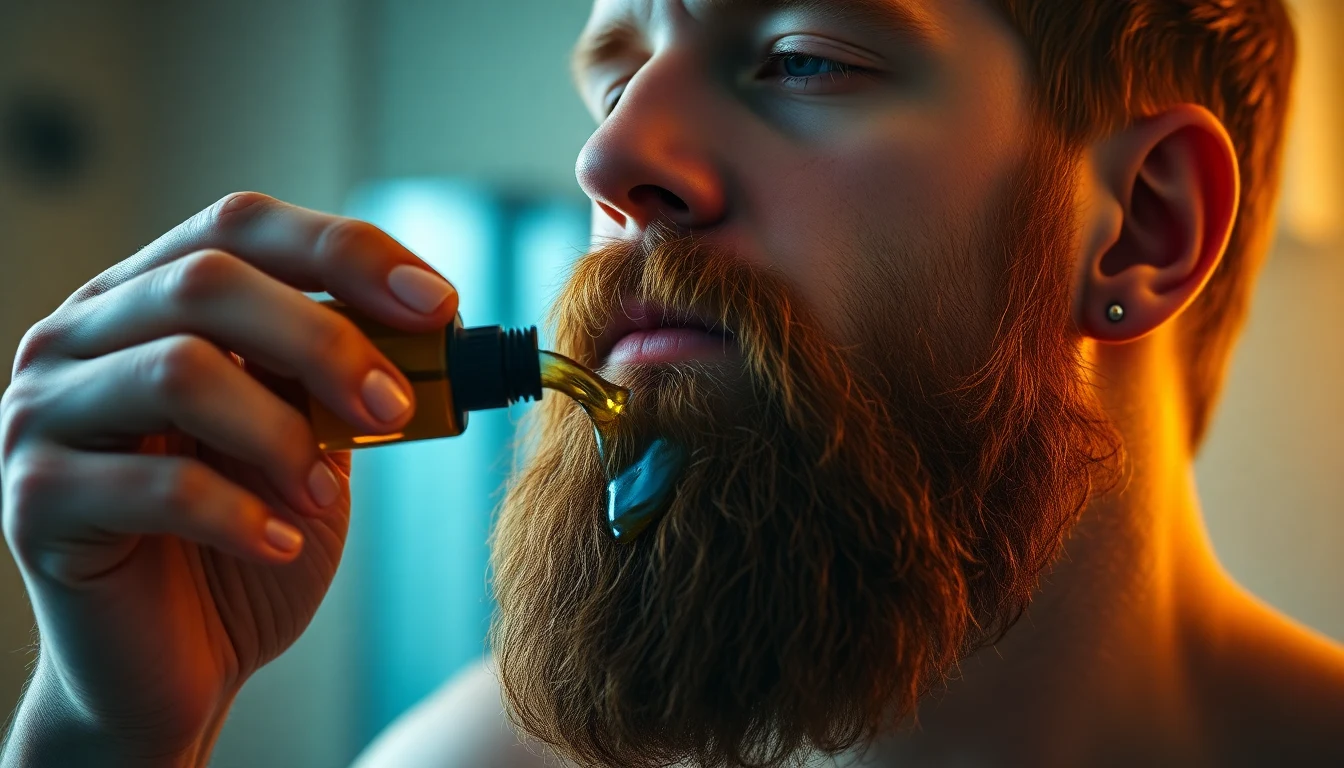
Sweet almond oil is lightweight and absorbs quickly. Color-neutral, good for warmer months when you want moisture without heaviness. It won’t clog pores on fair, rosacea-prone skin either, which is a major plus for most of us.
Grapeseed oil is another color-safe option that works well as a lighter alternative to jojoba. It has mild astringent properties that can help if your skin under the beard tends toward oiliness.

Oils to Avoid or Use Cautiously
Castor oil: proceed with extreme caution. I know it’s in every “beard growth” article on the internet. Castor oil is thick, sticky, and has a documented tendency to darken hair over extended use. On a brown beard, this might not matter. On a ginger beard, six months of regular castor oil application can shift your copper toward a muddy auburn. If you want the thickness benefits, use it sparingly (once a week at most) mixed with jojoba as the primary carrier.
Coconut oil is problematic for two reasons. First, it can coat the hair shaft in a way that makes copper tones look muted and dull. Second, it’s comedogenic, meaning it can clog pores and trigger breakouts on fair, sensitive skin. If you’re one of the many MC1R carriers with rosacea-prone skin, coconut oil on your beard area is asking for trouble.
Olive oil has a slight greenish tint that, over time, can create a muddy undertone on lighter red beards. Fine for darker auburn beards, risky for bright copper or strawberry blond.
Beard Wash: The Overlooked Essential
Regular shampoo strips pheomelanin faster than a proper beard wash. This isn’t marketing hype. The sulfates in most shampoos are designed to cut through scalp oil aggressively. Your beard hair, with its coarser texture and different pigment profile, gets hammered by that same formula.
Look for a beard wash with these characteristics:
- Sulfate-free formula. Sodium lauryl sulfate and sodium laureth sulfate are the main culprits in color stripping. Avoid both.
- No artificial fragrance. Synthetic fragrances are rosacea triggers for many fair-skinned men. Unscented or naturally scented (essential oils in low concentrations) is the way to go.
- Gentle surfactants. Cocamidopropyl betaine or decyl glucoside are mild cleansers that remove dirt without destroying your color.
- Color-protecting ingredients. Look for sunflower seed extract, quinoa protein, or vitamin E, all of which help preserve pigment integrity.
Wash your beard 2-3 times per week, not daily. Over-washing accelerates color fade. On non-wash days, a simple water rinse and conditioner application is enough to keep things fresh without stripping pigment.


- ☀️ Meet Your Dream Sunscreen: Serving SPF 30 with a smooth, skin-like finish tha
- 🌟 Protects and Primes: Superlight zinc oxide physically blocks UVA/UVB rays to p
- 🙌 Fits Any Skin Routine: Makes sun protection a breeze with a makeup-gripping fo
Beard Balm and Butter for Ginger Beards
Balms serve two purposes for ginger beards: conditioning and UV barrier. A good beard balm with beeswax creates a light physical barrier that reduces direct UV exposure to your beard hair. Think of it as SPF for your facial hair. It won’t replace actual sunscreen on the skin beneath, but it adds a layer of protection for the hair itself.
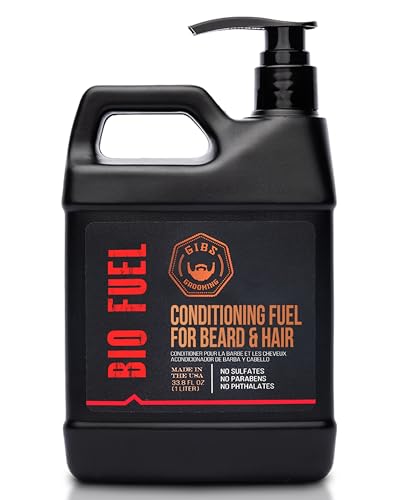
When selecting a balm, the same oil rules apply. Check the ingredients for castor oil content. Many popular beard balms use castor oil as a primary ingredient for hold. If it’s listed in the first three ingredients, it’s too much for daily use on a ginger beard. Look for balms where beeswax and jojoba or shea butter are the primary ingredients instead.
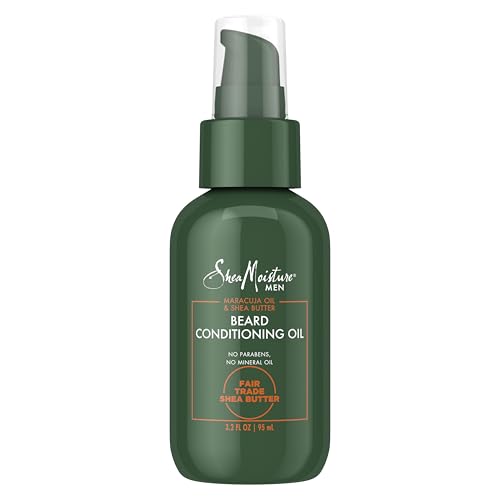
Shea butter is an excellent ingredient for ginger beards. It’s color-neutral, deeply moisturizing, and provides a soft hold that tames the coarseness common in red facial hair without making it look greasy or weighed down.
The Multicolor Ginger Beard: Embrace It
A lot of redheads try to “even out” their beard color, and it is a losing fight against genetics.
If your beard has multiple shades of red, copper, blond, strawberry, and even some brown or clear (white-looking) hairs mixed in, that is normal MC1R expression. The gene doesn’t flip a single switch that makes all your hair the same shade. Different follicles express different ratios of pheomelanin and eumelanin, creating a natural color variation that is genuinely one of the most distinctive features of a ginger beard.

Stop trying to dye it uniform. Stop using color-depositing products to “correct” it. The multicolor ginger beard is having its moment in men’s grooming precisely because it looks unique and natural. Embrace the variation. Keep the overall tone consistent by protecting against brassiness (the actual problem), but let the natural range of your red do its thing.
Seasonal Beard Care for Gingers
Summer
Summer is the danger season for ginger beards. UV exposure is at its peak, and your beard is getting hit with direct sunlight every time you step outside. Here’s your summer protocol:
- Apply a jojoba-based beard oil with vitamin E every morning before sun exposure
- Use a beard balm with beeswax as a UV barrier layer
- Wear a hat when possible (yes, it helps your beard too by reducing reflected UV from your jaw area)
- Rinse with cool water after swimming, always. Chlorine and salt water are both color killers
- Purple beard wash once a week to counteract any accumulated brassiness
Winter
Winter brings different challenges. Cold, dry air saps moisture from coarse ginger beard hair, making it brittle and prone to breakage. Indoor heating makes this worse by dropping humidity to desert levels.
- Switch to a heavier beard oil (argan-based) or a beard butter for more moisture
- Reduce wash frequency to 1-2 times per week
- Apply beard oil to a slightly damp beard after showering to lock in moisture
- Use a humidifier in your bedroom. Your beard (and your fair skin) will thank you
- Don’t neglect the skin under your beard. Moisturize the underlying skin to prevent flaking and beardruff
Rosacea-Safe Beard Care
A significant percentage of natural redheads deal with rosacea, and the beard area is a common trigger zone. If your cheeks and jaw flush easily, or if you see persistent redness under your beard, every product you put on your beard is also going on rosacea-prone skin.
The non-negotiable rules:
- No artificial fragrance. Period. Not “low fragrance.” None.
- No menthol, camphor, or peppermint oil. These feel “cooling” but trigger vasodilation, which means more redness and flushing.
- No denatured alcohol (SD alcohol, alcohol denat). Destroys your moisture barrier.
- No witch hazel. Despite its “natural” reputation, it’s a rosacea trigger for most fair-skinned men.
- Patch test everything. Apply new products to a small area inside your wrist first. Wait 24 hours. If no reaction, try a small area on your jaw. Wait another 24 hours. Then use normally.
Trimming and Shaping Tips for Ginger Beards
Ginger beards catch light differently than darker beards. This affects how your beard shape reads visually. A slightly longer neckline looks better on most ginger beards because the lighter color creates less contrast with your skin, meaning a tight neckline can make your beard look patchy even when it’s not.
For the same reason, ginger beards often look thinner than they actually are. The lighter color and multicolor variation create visual gaps that darker beards don’t have. If you think your beard looks sparse, try growing it out for another 2-3 weeks before giving up. The density might surprise you once it has enough length to lay properly.
Use scissors rather than a trimmer for fine-tuning. Trimmers can catch and pull on the coarser hair common in ginger beards, creating uneven cuts and split ends that accelerate brassiness by exposing more of the hair’s interior to oxidation.
Frequently Asked Questions
Will beard oil change the color of my ginger beard?
It depends entirely on the oil. Jojoba, argan, and sweet almond oils are color-neutral and safe for daily use. Castor oil can darken red hair over time with regular use. Always check the carrier oil base of any beard product before committing to daily use. If castor oil is in the first three ingredients, limit use to once or twice a week.
Why is my ginger beard turning yellow/brassy?
UV damage is the most common cause. Pheomelanin (the red pigment in your beard) breaks down faster under sun exposure than eumelanin in darker beards. Chlorine, hard water, and heat styling also contribute. The fix is UV protection going forward plus a gentle purple beard wash once a week to neutralize existing brassiness while the damaged hair grows out.
Is it normal for my beard to be a different shade of red than my head hair?
Completely normal. Beard follicles and scalp follicles often express different ratios of pheomelanin and eumelanin. Having auburn head hair with an orange-copper beard, or brown head hair with red-tinted facial hair, is one of the most common expressions of the MC1R gene variant. It’s not a mismatch. It’s your genetics being thorough.
How do I deal with a patchy ginger beard?
Ginger beards often look patchier than they are because the lighter color creates less visual density. Give it more time than you think you need (at least 8-10 weeks of growth) before judging. The multicolor variation in ginger beards fills in differently than uniform dark beards. If genuine patchiness persists, a slightly longer overall length and a quality beard balm for hold can cover most gaps effectively.

Can I use regular hair products on my ginger beard?
Generally no. Regular shampoos contain sulfates that strip pheomelanin aggressively. Regular conditioners are formulated for scalp hair texture, not the coarser structure of beard hair. Use products specifically designed for beards, and check every ingredient list for rosacea triggers if you have fair, reactive skin.
Why does my ginger beard look different in color than my head hair?
Your beard and head hair can differ in shade because they’re affected differently by the MC1R gene variant and may have varying levels of pheomelanin pigment. Factors like texture, thickness, and sun exposure can also make your beard appear lighter or darker than the hair on your scalp, which is completely normal for redheads.
What causes my ginger beard to turn yellow or brassy?
Brassiness in ginger beards typically results from sun exposure, chlorine, hard water minerals, or using the wrong beard oils that oxidize the pheomelanin pigment. Certain products can chemically shift your copper tone toward muddy brown or yellow, which is why ginger beard care requires specifically selected products designed for red facial hair.
Can I use regular beard oil on my copper beard without damaging the color?
Not all regular beard oils are safe for ginger beards, as some can slowly oxidize and fade your copper tone over time. You’ll need to choose oils specifically formulated to preserve red tones and avoid those that contain ingredients prone to causing brassiness or color shifting in pheomelanin-based hair.
How often should I wash my ginger beard to keep it looking vibrant?
Regular beard washing is essential for ginger beard care, but you should use a specialized beard wash rather than regular shampoo to avoid stripping color and natural oils. The article emphasizes that proper beard wash is an overlooked essential step that directly impacts how well your copper tone is preserved over time.
The Bottom Line
Beard care for redheads is simpler than the internet makes it sound once you understand the underlying biology. Protect from UV, choose color-neutral oils, avoid harsh sulfates, and respect the unique properties of pheomelanin. Your copper beard is distinctive, eye-catching, and increasingly celebrated in men’s grooming. Treat it like the asset it is, not like a darker beard that happens to be orange.
If you’re new to the MC1R skincare world, check out my MC1R Skincare Guide for the full rundown on how the redhead gene affects your entire grooming routine. And if rosacea is part of your picture, my Rosacea Routine for Men has you covered.
Finn O’Sullivan
More Redhead Grooming Guides
- Fragrance for Redhead Men: How Your Skin Chemistry Affects the Way Cologne Smells
- Celtic and Irish Grooming Traditions: How Scotland, Ireland, and Wales Shaped Modern Men's Grooming
- Best Mineral Sunscreens for Redheaded Men (2026 White Cast Rankings)
- Acne and Sensitive Skin Routine for Redhead Men: Clearing Breakouts Without Irritation
- Best Hair Products for Natural Red Hair: Styling Gels, Pomades, and Creams That Don't Dull Color