Plenty of men hear “you have rosacea” and respond, “Isn’t that what older women get?” which tells you how little is commonly known. The reality is that rosacea affects an estimated 16 million Americans, disproportionately targets people of Northern European descent with fair skin, and is significantly more common in MC1R carriers than the general population. The biggest lesson is that rosacea management is mostly about what you stop doing to your face, not what you start.
This guide is specifically for men, because men’s rosacea gets almost no attention in the skincare world. Most rosacea content is written for women, features women’s products, and assumes a baseline skincare knowledge that most guys don’t have. Men also face unique factors: shaving over rosacea-affected skin, beard care on reactive skin, and a general cultural reluctance to admit that the face is doing something weird. Let’s fix all of that.
What Rosacea Actually Is (And Isn’t)
Rosacea is not acne. This cannot be emphasized enough. If you treat rosacea like acne, you will make it dramatically worse. Acne treatments (benzoyl peroxide, salicylic acid at high concentrations, alcohol-based toners) are designed to dry out and kill bacteria. Rosacea involves chronic inflammation, vascular reactivity, and a compromised skin barrier. Drying it out is the worst thing you can do.
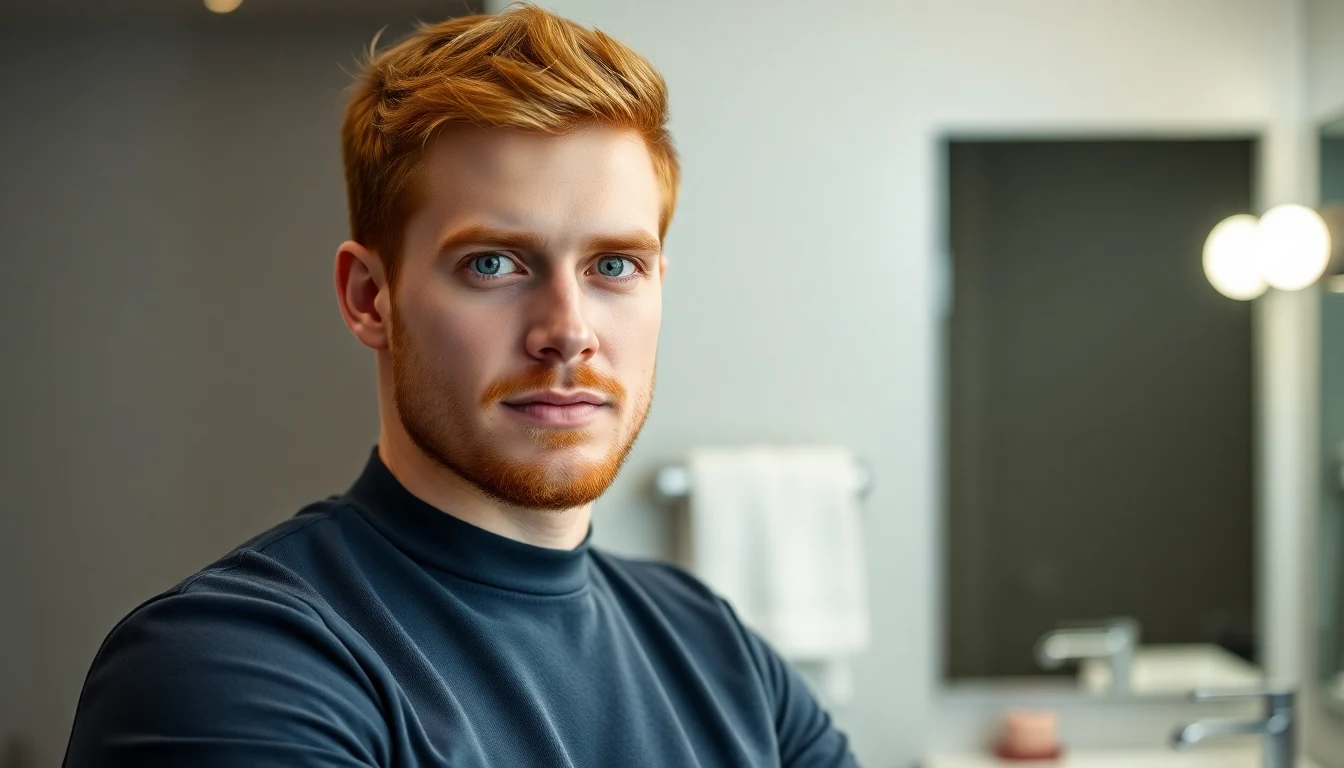
Rosacea is a chronic inflammatory condition that primarily affects the central face: cheeks, nose, chin, and forehead. It manifests as persistent redness, visible blood vessels (telangiectasia), and sometimes papules and pustules that look like acne but have a different underlying cause.
There are four subtypes, and men commonly experience:
- Subtype 1 (Erythematotelangiectatic): Persistent facial redness and visible blood vessels. Flushing episodes triggered by specific stimuli. This is the most common type in redheaded men.
- Subtype 2 (Papulopustular): Redness plus acne-like bumps. This is the subtype most often misdiagnosed as acne in men, leading to harmful treatment with acne products.
- Subtype 3 (Phymatous): Skin thickening, particularly of the nose (rhinophyma). More common in men than women.
- Subtype 4 (Ocular): Affects the eyes, causing dryness, irritation, and bloodshot appearance.
Many people experience features of multiple subtypes simultaneously. Many people deal with Subtype 1 primarily, with occasional Subtype 2 flares during winter.
Identifying Your Specific Triggers
Rosacea triggers are individual. What sends a person’s face into a flare might not affect you at all, and vice versa. However, certain triggers are extremely common among fair-skinned, MC1R-carrying men:
Near-Universal Triggers
- Sun exposure without adequate SPF. UV radiation is the single most common rosacea trigger across all studies. For MC1R carriers with minimal natural UV protection, even brief unprotected exposure can trigger a flare.
- Temperature extremes and rapid temperature changes. Walking from a heated building into cold winter air, or the reverse, triggers vasodilation and flushing. The blood vessels in rosacea-affected skin are already hyperreactive, and temperature swings push them over the edge.
- Hot beverages. The steam rising from your coffee hits your face and raises skin temperature. Try drinking through a lid or letting beverages cool slightly. Yes, this sounds ridiculous. It works.
- Alcohol, especially red wine. Alcohol is a vasodilator. Red wine contains additional histamine and tyramine that compound the flushing effect. I’m not telling you to stop drinking. I’m telling you to recognize the connection and plan accordingly.
Skincare Product Triggers
This is where most men go wrong, because they don’t realize their products are causing the problem:
- Denatured alcohol (SD alcohol, alcohol denat): Destroys the moisture barrier. Found in many “mattifying” products and aftershaves.
- Synthetic fragrance: The most common contact irritant in skincare. Any product listing “fragrance” or “parfum” is a risk.
- Menthol, camphor, peppermint: These feel “cooling” but actually trigger vasodilation (blood vessel expansion), which means more redness.
- Witch hazel: Despite being marketed as “natural” and “soothing,” witch hazel contains tannins and volatile compounds that irritate rosacea-prone skin.
- Eucalyptus and tea tree oil (at high concentrations): Commonly found in “men’s” grooming products for that “fresh” feel. Both are irritants for reactive skin.
- Physical scrub exfoliants: Walnut shell, apricot kernel, microbeads. Mechanical scrubbing on rosacea skin causes micro-tears and triggers inflammation.
How to Build Your Trigger Map
Keep a simple log for two weeks. Note:

- What you ate and drank
- Skincare products used
- Weather and temperature
- Exercise
- Stress level (honest 1-5)
- Redness level at end of day (1-5)
After two weeks, patterns emerge. Common triggers include aftershave splash (alcohol), spicy food, and the transition from a heated car to cold air. Yours will be different. The log is the only way to find out.
The Golden Rule: Stop Attacking Your Skin
Before I give you a routine, I need you to internalize this principle: rosacea skin is injured skin. The moisture barrier is compromised. The blood vessels are hyperreactive. The inflammatory response is heightened. Every product and every action should be evaluated by a single question: “Am I helping my skin heal, or am I giving it something else to fight?”
Most men with undiagnosed rosacea are using 3-5 products that actively worsen their condition. The first step isn’t adding new products. It’s eliminating the damaging ones. Go through every product that touches your face (cleanser, moisturizer, aftershave, beard oil, sunscreen) and check for the trigger ingredients listed above. Remove every product that contains them.
Yes, this might mean replacing everything. Yes, it’s worth it.
The Simplified Morning Routine
Step 1: Lukewarm water rinse. Not hot. Not cold. Lukewarm. Temperature extremes trigger flushing. Don’t use cleanser in the morning unless your skin is visibly oily. Over-cleansing strips the already-compromised moisture barrier. Splash lukewarm water, pat (don’t rub) with a soft towel.
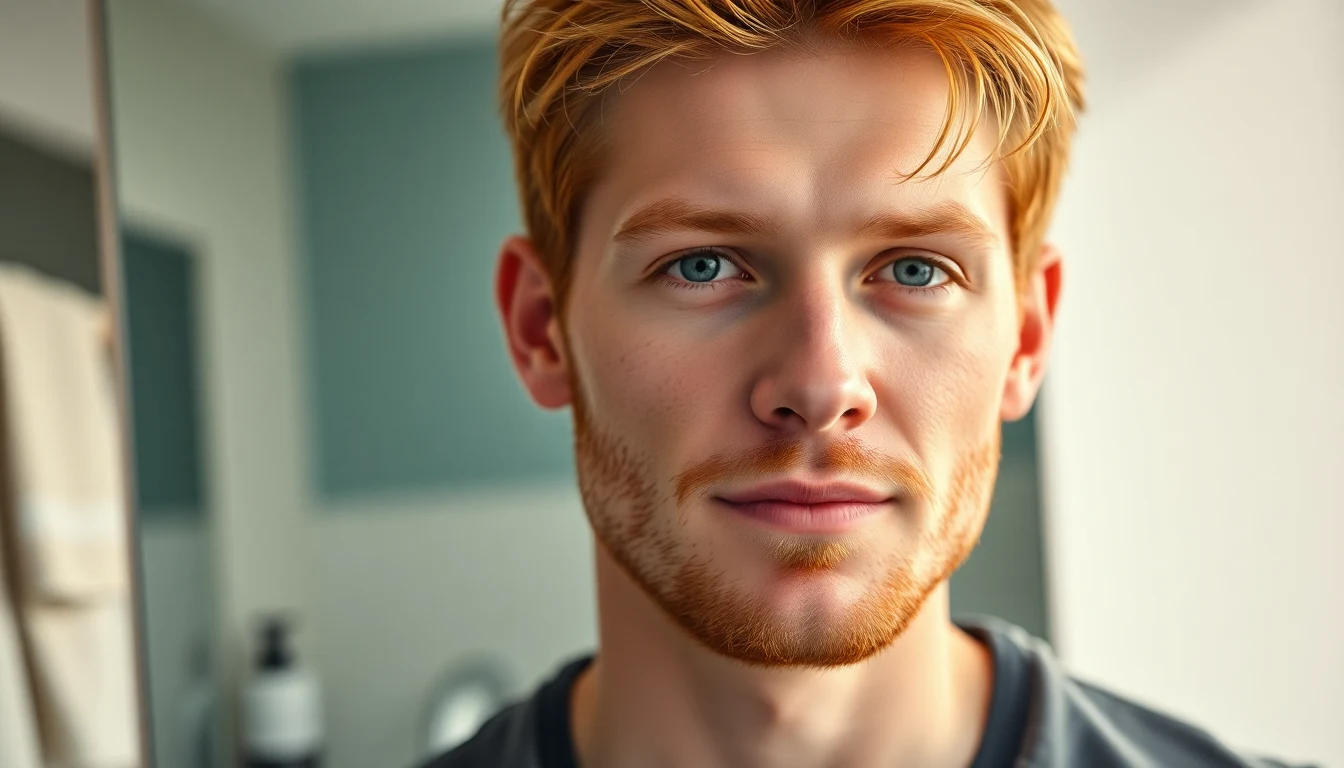
Step 2: Niacinamide serum (2-5%). Niacinamide is the single best ingredient for rosacea management that doesn’t require a prescription. It strengthens the moisture barrier, reduces redness, regulates oil production, and has anti-inflammatory properties. Apply 3-4 drops to damp skin. Let it absorb for 60 seconds.
Step 3: Fragrance-free moisturizer with ceramides. Ceramides are the building blocks of your moisture barrier, and in rosacea, that barrier is compromised. Replenishing ceramides externally is like patching a damaged wall before painting it. Look for ceramides 1, 3, and 6-II (also labeled as ceramide NP, AP, and EOP). CeraVe Moisturizing Cream and Vanicream Moisturizing Cream are both solid, affordable options that are rosacea-safe.
Step 4: Mineral sunscreen SPF 50+. Non-negotiable. UV is your biggest trigger. Zinc oxide is both a UV blocker and a mild anti-inflammatory, making mineral sunscreen doubly beneficial for rosacea. See my Mineral Sunscreen Rankings for specific product picks.
That’s it. Four steps. Five minutes. Do not add more steps until this baseline is stable and your skin is calm for at least a month.
The Simplified Evening Routine
Step 1: Gentle cream cleanser. This is when you actually cleanse. Use a fragrance-free cream or milky cleanser (not foaming). Apply with fingertips only, no washcloth, no brush, no sponge. Mechanical friction triggers rosacea. Rinse with lukewarm water. Pat dry.
Step 2: Azelaic acid 10%. Azelaic acid is a quiet superstar for rosacea. It reduces redness, fights papules and pustules (Subtype 2), and has mild exfoliating properties that don’t trigger the inflammatory response that AHAs and BHAs cause. 10% is available over the counter. 15-20% requires a prescription and is significantly more effective, so mention it to your dermatologist. Apply a thin layer to affected areas.
Step 3: Same ceramide moisturizer as morning. Seal everything in. If your skin is particularly dry (common in winter), layer a thin coat of plain squalane oil over the moisturizer. Squalane is lipid-identical to your skin’s natural oil, making it one of the safest occlusive options for rosacea.
That’s it. Three steps. Three minutes. The evening routine is intentionally simpler because your skin does its repair work overnight and doesn’t need to fight UV.
Shaving with Rosacea
Shaving is the rosacea minefield that nobody talks about in men’s skincare. Every shave is mechanical friction across inflamed skin, followed by the application of products (many of which contain triggers). Here’s how to minimize the damage:
Electric over manual, if possible. A quality electric razor causes less direct skin trauma than a blade. If you must use a manual razor, use a single-blade safety razor. Multi-blade cartridges pass over the same skin multiple times, compounding irritation.
Shave with the grain, always. Against-the-grain gives a closer shave and much more irritation. For rosacea skin, the closer shave isn’t worth the 48-hour flare that follows.
Shaving cream matters. Use a fragrance-free, alcohol-free shaving cream or gel. Avoid anything that “tingles” or feels “cooling” since those sensations are inflammation in disguise. A plain, unscented shaving oil underneath the cream adds a protective layer.
Post-shave: no aftershave splash. Traditional aftershaves are alcohol bombs. They sting because they’re damaging your skin, not “closing pores” (pores don’t open and close). Instead, rinse with cool water, pat dry, and apply your niacinamide serum followed by moisturizer. If you need a post-shave product, aloe vera gel (fragrance-free, without added alcohol) is the safest option.
Products That Helped vs. Made It Worse
Products That Helped
- CeraVe Hydrating Facial Cleanser: Cream formula, fragrance-free, contains ceramides.
- The Ordinary Niacinamide 10% + Zinc 1%: Affordable, effective, no frills. The zinc adds mild anti-inflammatory benefit. Occasionally pills under sunscreen so apply thin and let dry fully.
- Vanicream Moisturizing Cream: The plainest moisturizer on earth. No fragrance, no dyes, no lanolin. Just moisture. Exactly what rosacea skin needs.
- Azelaic acid 15% (prescription): A topical for Subtype 1 redness. Ask your dermatologist specifically about this.
- EltaMD UV Clear SPF 50+: Mineral sunscreen with niacinamide. Protects and treats simultaneously.
Products That Made It Worse
- Neutrogena Men Razor Defense Face Scrub: Physical exfoliant designed for “tough men’s skin.”
- Nivea Men Sensitive Post Shave Balm: Contains fragrance despite the “sensitive” label. Read your ingredients, always.
- The Ordinary Glycolic Acid 7% Toning Solution: Too strong for rosacea skin. Even weekly use caused stinging and persistent redness.
- Any “cooling” aftershave: Menthol, camphor, and peppermint are vasodilators. “Cooling” is your blood vessels expanding, which is the opposite of what rosacea needs.
- Tea tree oil-based face wash: Marketed for men with “problem skin.” Tea tree at most commercial concentrations is irritating to rosacea.
Winter Rosacea vs. Summer Rosacea
Your rosacea likely behaves differently by season. Understanding why helps you adapt.
Winter Rosacea
Cold air has low humidity, which accelerates moisture loss from your already-compromised barrier. Indoor heating drops humidity even further. The constant cycle of cold outdoor air to warm indoor air triggers vascular flushing. Winter is often worse for Subtype 1 (redness and flushing) because of these temperature swings.
Winter adjustments:

- Switch to a heavier moisturizer or add a squalane layer
- Use a humidifier in your bedroom (40-60% humidity target)
- Wrap a scarf loosely over your lower face in cold wind (direct cold air on cheeks triggers flushing)
- Reduce cleansing to once daily (evening only)
- Continue sunscreen since UV reflects off snow
For a complete winter protocol, see my Winter Skincare for Redheaded Men guide.
Summer Rosacea
UV exposure is the primary trigger. Heat and humidity can cause flushing. Sweat can irritate compromised skin. However, the higher humidity actually helps your moisture barrier, so summer rosacea is often more about flushing episodes than the chronic baseline redness of winter.
Summer adjustments:
- Reapply sunscreen religiously (every 2 hours in sun)
- Use a lighter moisturizer or skip to just sunscreen if humid enough
- Stay in shade during peak UV hours (10am-4pm)
- Blot sweat gently with a soft cloth rather than wiping
- Keep thermal water spray in your bag for cooling without triggering flushing
When to See a Dermatologist
This guide covers lifestyle management and over-the-counter solutions. See a dermatologist if:
- Your redness is persistent and doesn’t respond to trigger avoidance after 6-8 weeks
- You develop papules or pustules (bumps that look like acne)
- You notice skin thickening, especially on the nose
- Your eyes are frequently red, dry, or irritated (ocular rosacea)
- Over-the-counter azelaic acid isn’t sufficient
- You want to discuss prescription options (metronidazole, ivermectin, low-dose doxycycline)
A dermatologist can also confirm that what you have is actually rosacea and not another condition. Seborrheic dermatitis, lupus, and contact dermatitis can all mimic rosacea. Self-diagnosis is a starting point, not a conclusion.
Sunscreen is essential but not a substitute for regular skin checks. See a dermatologist annually, especially if you’re fair-skinned.
Frequently Asked Questions
Will rosacea ever go away completely?
Rosacea is a chronic condition. It doesn’t “go away,” but it can be managed to the point where flares are rare and baseline redness is minimal. Flares can become rare, with weeks at a time without noticeable ones, even if that seems impossible during the worst period. The key is consistent trigger avoidance and a gentle routine, not chasing a cure.
Can I still grow a beard with rosacea?
Yes, and a beard can actually help by providing a physical barrier against wind, cold, and some UV exposure. The challenge is product selection: every oil and balm you put on your beard also contacts rosacea-prone skin. Use only fragrance-free, rosacea-safe beard products. See my Ginger Beard Care guide for specific product recommendations.
Is rosacea related to my red hair?
There’s a strong correlation. MC1R variants that produce red hair are associated with increased rosacea prevalence. The exact mechanism isn’t fully understood, but the same gene that affects your pigment production also influences inflammatory pathways in the skin. It’s not that red hair causes rosacea, but the same genetic variations predispose you to both.
Does diet affect rosacea?
For some people, significantly. Common dietary triggers include spicy food, hot beverages, alcohol (especially red wine), histamine-rich foods (aged cheese, fermented foods), and cinnamaldehyde-containing foods (tomatoes, citrus, chocolate). Individual variation is huge. The two-week trigger log is the only reliable way to identify your personal dietary triggers.
Can exercise make rosacea worse?
Intense exercise raises core body temperature and causes flushing, which can trigger a rosacea flare. This doesn’t mean you should stop exercising. Adapt by exercising in cooler environments, using a fan directed at your face during workouts, choosing lower-intensity options during flare-ups, and splashing cool water on your face post-exercise. The long-term health benefits of exercise outweigh the temporary flushing.

What is rosacea and why does it affect redheaded men more than others?
Rosacea is a chronic skin condition characterized by facial redness and reactive skin, and it disproportionately affects people of Northern European descent with fair skin, particularly those who are MC1R carriers (a genetic trait common in redheads). An estimated 16 million Americans have rosacea, but most grooming content ignores how it specifically impacts men.
How do I build a rosacea routine for men without complicated skincare steps?
The key to managing rosacea is stopping behaviors that irritate your skin rather than adding more products. Focus on identifying your personal triggers, using a simplified morning and evening routine with gentle products, and following the golden rule of not attacking your skin with harsh treatments or over-exfoliation.
Can I shave and grow a beard if I have rosacea?
Yes, you can do both, but shaving requires special care since razors can irritate rosacea-affected skin. If you struggle with shaving triggers, growing a beard is a viable alternative that removes the irritation from daily shaving while still allowing you to maintain your appearance.
Does diet and exercise affect rosacea flare-ups?
Both diet and exercise can be personal triggers for rosacea, though they vary significantly from person to person. The article recommends mapping your individual triggers rather than following generic rules, since what causes flare-ups for one man may not affect another.
The Bottom Line
Rosacea management is a subtraction game. Remove triggers, remove harsh products, remove aggressive routines. What’s left is a simple, gentle protocol that lets your skin stop fighting and start healing. It’s not glamorous. It’s not complicated.
For the full context on how MC1R affects your skin beyond rosacea, read my MC1R Skincare Guide. For product-specific sunscreen picks that are rosacea-safe, check my Mineral Sunscreen Rankings.
Finn O’Sullivan