Castor oil can darken a ginger beard over time, shifting bright copper toward a muddy auburn. Most “best beard oil” articles do not account for this, because a slight darkening is invisible on brown and black beards. On a ginger beard, it’s a different story entirely, and beard oil advice for redheads looks nothing like the standard one. This guide exists so you avoid the mistake.
Beard oil selection for ginger beards comes down to two factors that barely matter for darker beards: color preservation and rosacea safety. The MC1R gene that gives you copper facial hair also gives many redheads reactive, rosacea-prone skin. Every oil you put on your beard is also going on your face. Choose wrong, and you’re dulling your color while inflaming your skin. Choose right, and you’re conditioning your beard while actually helping your complexion.
How Oils Affect Ginger Beard Color
Understanding why certain oils darken red hair requires a quick look at hair chemistry. Pheomelanin, the red-yellow pigment in your beard, sits within the hair cortex (the middle layer of the hair shaft). The cuticle (outer layer) controls what gets in and out. When you apply oil to your beard, it coats the cuticle and, depending on molecular size, can penetrate into the cortex.
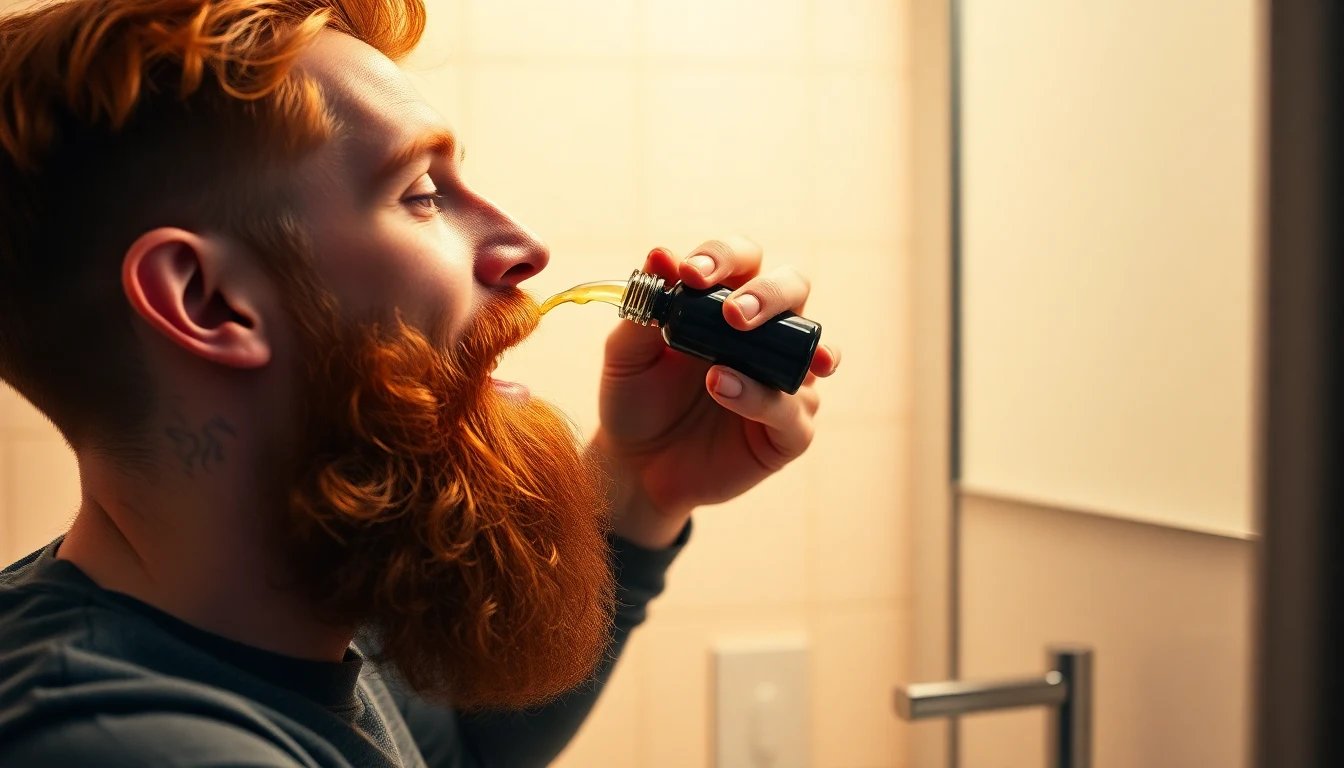
Heavier oils with larger molecules (like castor oil) tend to build up on the cuticle over time, creating a coating that dims the light reflecting off the pheomelanin beneath. Think of it like putting increasingly thick varnish over a bright painting. The color underneath hasn’t changed, but the coating mutes how it reads to the eye.
Some oils also contain compounds that interact with hair proteins, particularly at the alkaline pH that some beard products create. Over months, these interactions can subtly shift the undertone of red hair from bright copper toward duller, warmer tones.
Lighter oils with smaller molecules (like jojoba and argan) absorb into the hair shaft without leaving heavy surface buildup. They condition from within without creating the dimming effect. This is why oil weight and molecular size matter more for ginger beards than for any other beard color.
The Color Preservation Rankings
Tier 1: Color-Neutral (Daily Use Safe)
1. Jojoba Oil
Color Impact: None. Jojoba is the gold standard for ginger beards.
Jojoba oil is technically a liquid wax ester, not a true oil, and its molecular structure is the closest match to human sebum of any plant-derived product. This means it absorbs cleanly into both the hair shaft and the skin beneath without leaving residue that could dull copper tones.
Rosacea Safety: Excellent. Non-comedogenic, anti-inflammatory, and naturally free of common irritants. Jojoba actually helps regulate oil production, which benefits the rosacea-prone skin under your beard.
Best for: All ginger beard types, year-round use, sensitive and rosacea-prone skin.

Application: 4-6 drops for a medium beard, worked through from roots to tips. Apply to a slightly damp beard after showering for best absorption.
2. Argan Oil
Color Impact: None to negligible. The subtle golden color of pure argan oil actually complements copper tones rather than muting them.
Argan is rich in vitamin E, fatty acids (oleic and linoleic), and antioxidants. The antioxidant content is particularly valuable for ginger beards because it helps protect pheomelanin from oxidative degradation. In other words, argan oil doesn’t just avoid dulling your color. It actively helps preserve it.
Rosacea Safety: Good. Naturally anti-inflammatory. Pure, unscented argan oil is well-tolerated by most rosacea-prone skin. Avoid argan products with added fragrance.
Best for: Dry, coarse ginger beards that need deep conditioning. Winter use when extra moisture is needed.
3. Sweet Almond Oil
Color Impact: None. Completely neutral on red hair pigment.
Sweet almond oil is lightweight, absorbs quickly, and provides good conditioning without heaviness. It’s an excellent summer oil when you want moisture without weighing down your beard or creating a greasy look.
Rosacea Safety: Good for most. Contains no known rosacea triggers. However, if you have a nut allergy, avoid it entirely.
Best for: Lighter or shorter ginger beards, warm weather use, men who prefer a non-greasy feel.
4. Grapeseed Oil
Color Impact: None. Very lightweight, leaves no visible residue on any beard color.
Grapeseed is the lightest option on this list. It has mild astringent properties that can help if the skin under your beard is oily or acne-prone. It absorbs almost instantly, making it ideal for men who dislike the “oily beard” look.
Rosacea Safety: Good. The light texture means minimal pore-clogging risk. The astringent properties are mild enough that most rosacea-prone skin tolerates it, but patch test if you’re particularly reactive.
Best for: Oily skin under the beard, very short beards, men who dislike any shine.
Tier 2: Conditionally Safe (Use with Awareness)
5. Squalane Oil
Color Impact: None. Squalane is perfectly color-neutral.
Squalane deserves special mention because it’s lipid-identical to your skin’s natural sebum. It’s one of the safest options for rosacea-prone skin and provides excellent conditioning. The reason it’s in Tier 2 instead of Tier 1 is availability and price. Pure squalane is more expensive than jojoba and less commonly found in beard-specific products.
Rosacea Safety: Excellent. Possibly the single most rosacea-safe oil available.
6. Hempseed Oil
Color Impact: Minimal. The greenish tint of hempseed oil can theoretically create a subtle shift on very light strawberry blond beards, but it’s negligible on typical copper ginger beards.
Hempseed has an excellent omega-6 to omega-3 ratio and strong anti-inflammatory properties. It absorbs well and doesn’t leave a heavy coating.
Rosacea Safety: Good. The anti-inflammatory properties are beneficial. Avoid if you react to any cannabis-family plant products.


Tier 3: Use Sparingly (Color Risk)
7. Castor Oil
Color Impact: Moderate to significant over time.
Castor oil is extremely thick (12 times the viscosity of olive oil) and builds up on the hair cuticle aggressively. Over weeks and months, this buildup creates a visible darkening effect on light-colored hair. On a ginger beard, the shift is from bright copper toward muddy auburn or dark reddish-brown.
The “beard growth” claims around castor oil are largely anecdotal and not supported by clinical research. The thickening effect people attribute to castor oil is more likely the visual effect of the heavy oil coating each hair strand, making the beard appear denser.
If you still want the thickening effect: use castor oil once per week maximum, mixed 1:3 with jojoba oil. Never use it as a daily oil on a ginger beard.
8. Coconut Oil
Color Impact: Moderate. Coconut oil coats the cuticle and creates a muting effect on copper tones over time. Not as dramatic as castor oil, but noticeable after consistent use.
The bigger problem with coconut oil for ginger-bearded men is its comedogenic rating. It’s one of the most pore-clogging oils available, and if you have rosacea-prone fair skin under your beard, coconut oil is practically guaranteed to cause breakouts or flares.
Rosacea Safety: Poor. Highly comedogenic and can trigger inflammatory responses.
9. Olive Oil
Color Impact: Mild but real. Olive oil has a greenish undertone that can create a muddy cast on lighter red beards. On darker auburn beards, the effect is less noticeable.
Rosacea Safety: Moderate. Contains oleic acid at high concentrations, which can disrupt the skin barrier in some individuals.

Evaluating “Copper Tone Enhancement” Claims
Several beard oil brands market products specifically for “enhancing” or “boosting” red beard color. Let me give you the honest assessment.
No topical oil can increase pheomelanin production or make your beard more red than your genetics dictate. What these products can do is:
- Remove dullness caused by buildup. If you’ve been using heavy oils that have coated your beard, switching to a lighter oil with clarifying properties will make your natural copper look brighter. That’s restoration, not enhancement.
- Add shine that enhances color perception. A well-conditioned, slightly glossy beard reflects light in a way that makes copper tones appear more vibrant. This is a real visual effect, just not a chemical color change.
- Include mild color-depositing ingredients. Some specialty beard oils contain henna extract or other plant-based color compounds that deposit a subtle red-warm tint. This is essentially a very mild, temporary dye. It works, but understand what you’re using.
My recommendation: save your money on “color enhancing” oils. Use a color-neutral Tier 1 oil daily, protect your beard from UV, and your natural copper will be as vibrant as your genetics allow.
Application Technique for Ginger Beards
How you apply oil matters as much as which oil you choose, especially for even color appearance.
Step 1: Start with a damp beard. After showering, towel-dry your beard until it’s damp but not dripping. Oil applied to a damp beard distributes more evenly and absorbs into the hair shaft better than oil applied to a dry beard.
Step 2: Warm the oil. Place 4-6 drops (medium beard) or 8-10 drops (long beard) in your palm. Rub palms together for 10 seconds. This warms the oil and ensures even distribution across your hands.
Step 3: Apply from underneath first. Run your oiled hands upward from under your chin, working through the underside of the beard. This ensures the skin beneath (where rosacea and dryness hit hardest) gets direct oil contact.
Step 4: Work through the length. Gently run your fingers through the beard from root to tip. Don’t pull or tug, as coarse ginger beard hair is more prone to breakage when wet.
Step 5: Shape and finish. Use a wide-tooth wooden comb (not plastic, which creates static) to distribute oil evenly and style. The comb pass also ensures no areas are oversaturated, which prevents the “greasy spots” that show up as darker patches on ginger beards.
Seasonal Oil Adjustments
Summer Protocol
Switch to lighter oils (grapeseed or sweet almond) during warm months. Humidity provides natural moisture, so you need less from your oil. Heavy oils in summer create a sweaty, greasy look that’s both uncomfortable and unflattering. Reduce application to 3-4 drops. Consider skipping oil on very humid days and using only a light beard balm for hold.
Winter Protocol
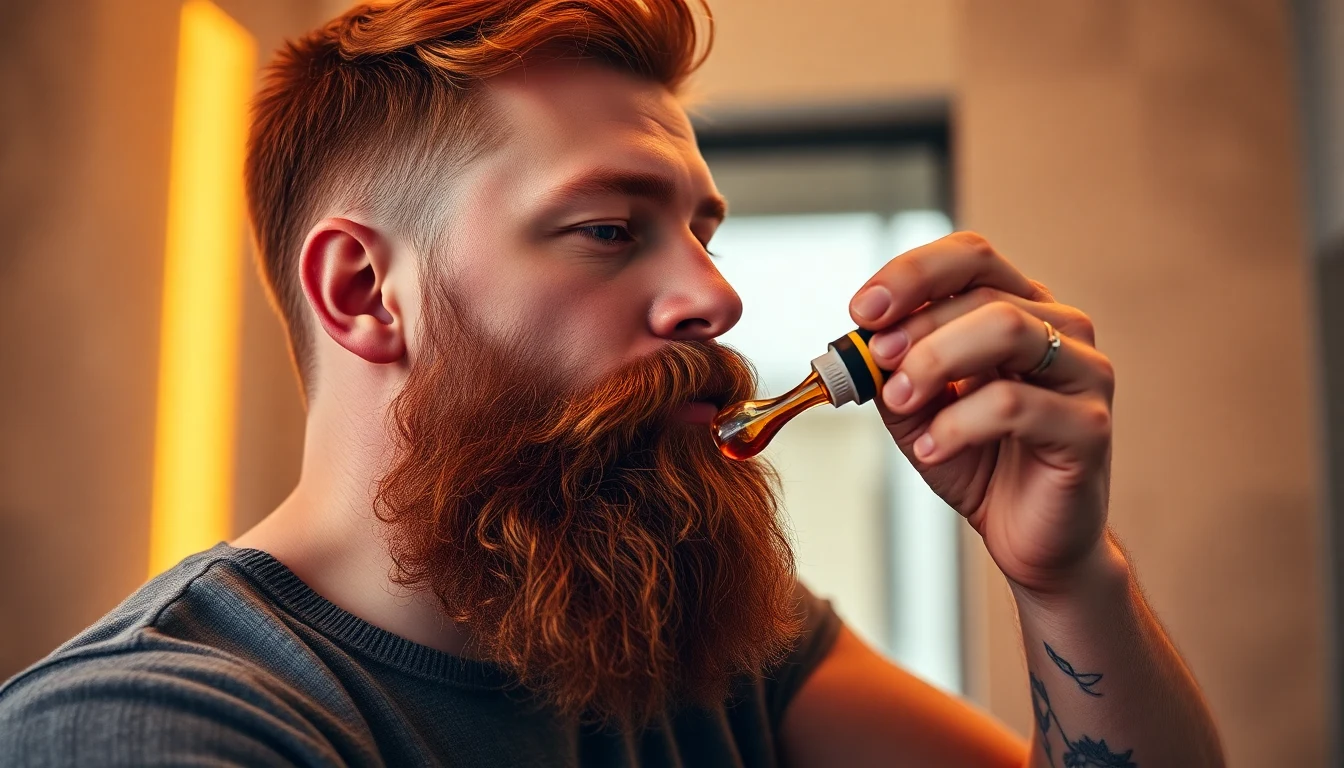
This is when your ginger beard needs the most help. Cold, dry air saps moisture from coarse beard hair faster than from scalp hair. Switch to argan oil or a jojoba-argan blend for heavier conditioning. Increase application to 6-8 drops. Apply twice daily if your beard gets particularly dry or brittle. The evening application before bed gives the oil hours to absorb without environmental interference.
DIY Beard Oil for Ginger Beards
If you want complete control over what goes on your beard (and your rosacea-prone skin), making your own oil takes 5 minutes and costs a fraction of branded products.

The Copper Preservation Blend:
- 70% jojoba oil (base, color-neutral, sebum-mimicking)
- 20% argan oil (deep conditioning, antioxidant protection)
- 10% grapeseed oil (lightweight balance, mild astringent)
- Optional: 2-3 drops vitamin E oil per ounce (antioxidant, extends shelf life)
Mix in a dark glass dropper bottle. Store away from direct light and heat. Shelf life is approximately 6 months. No fragrance needed, and frankly, no fragrance is better for your rosacea-prone skin.
If you want a subtle scent, add 1-2 drops of cedarwood essential oil per ounce. Cedarwood is one of the few essential oils generally tolerated by rosacea-prone skin. Avoid peppermint, eucalyptus, cinnamon, and tea tree at all costs.
Reading Beard Oil Labels: What to Look For
The beard oil market is full of marketing language designed to sound impressive while telling you nothing useful. Here’s how to read a label as a ginger-bearded man with rosacea-prone skin.
Ingredient order matters. Ingredients are listed by concentration, highest first. If castor oil is listed first or second, that’s a castor-heavy formula that will affect your color over time. If jojoba is first and castor is fifth or sixth, the castor content is low enough to be a non-issue.
“Natural” means nothing. Poison ivy is natural. So is cobra venom. The word “natural” on a beard oil label has no regulatory definition and provides zero useful information about the product’s suitability for your skin or beard color. Read the actual ingredient list.
“Essential oil blend” is a fragrance red flag. When the label says “proprietary essential oil blend” without listing specific oils and their concentrations, you have no way to evaluate rosacea safety. Essential oils vary enormously in their irritation potential. Cedarwood is generally safe. Peppermint and cinnamon will light your face on fire. If the blend isn’t disclosed, assume it’s a risk.
Vitamin E (tocopherol) is a positive sign. It extends shelf life naturally and provides antioxidant protection for your beard’s pheomelanin. Look for it in the ingredient list, usually toward the end (low concentration is sufficient).
“For all beard types” is a meaningless claim. A ginger beard and a black beard have fundamentally different pigment structures, oil absorption rates, and care requirements. Products marketed as universal are formulated for the majority (darker beards) and may not suit your specific needs. Products specifically mentioning red, ginger, or copper beards are at least acknowledging that your beard is different, even if the formulation isn’t always optimal.
Frequently Asked Questions
How often should I oil my ginger beard?
Once daily is the baseline. Apply after your morning shower when the beard is still damp. In winter, or if your beard is particularly coarse and dry, add a lighter evening application. Over-oiling (more than twice daily) can actually create buildup that dulls your color, even with Tier 1 oils. More is not better.
Will beard oil help with beard dandruff (beardruff)?
Often, yes. Beardruff is usually caused by dry skin under the beard, and proper oiling addresses this directly by moisturizing both the hair and the skin beneath. If beardruff persists despite regular oiling, the cause may be seborrheic dermatitis, which requires a different treatment (an antifungal like ketoconazole). See a dermatologist if basic oiling doesn’t resolve it within 2-3 weeks.
Can I use beard oil on a stubble-length ginger beard?
Yes, but use less (2-3 drops) and focus on the skin rather than the hair. At stubble length, the primary benefit is moisturizing the skin to prevent itching and irritation. A lighter oil like grapeseed or sweet almond works best for stubble because heavier oils on short hair can look greasy.
My beard oil is making my rosacea worse. What should I do?
Stop using it immediately and check the ingredients against the rosacea trigger list: fragrance, essential oils (especially peppermint, eucalyptus, tea tree), and comedogenic carrier oils (coconut, olive). Switch to pure, unscented jojoba oil for two weeks. If the jojoba alone causes issues, the problem may be application technique (rubbing too aggressively) rather than the oil itself.
Should I apply beard oil before or after sunscreen?
Before. Apply beard oil to your damp beard first, then apply mineral sunscreen to the exposed skin around and beneath your beard. The oil creates a light barrier on the hair, and the sunscreen protects the skin. If you’re concerned about UV damage to the beard hair itself (which causes brassiness), a beard balm with beeswax applied after the oil provides an additional physical UV barrier. See my Ginger Beard Care guide for the full routine.
Why do regular beard oils darken ginger beards differently than darker beard types?
Oils like castor oil can cause visible darkening on red and copper beards within months, while the same darkening is nearly invisible on brown or black beards. The MC1R gene that gives you your distinctive ginger color also makes your beard more susceptible to color shifts, which is why general beard oil recommendations often fail for redheads.
What’s the connection between ginger beard care and rosacea-prone skin?
The same MC1R gene responsible for your copper facial hair typically makes you prone to reactive, rosacea-prone skin. Since beard oil goes directly on your face, choosing the wrong oil can both dull your color and inflame your complexion, making it essential to select oils specifically evaluated for sensitivity.
How often should you apply beard oils for ginger beards to maintain color while staying healthy?
The frequency depends on your specific oil choice and skin sensitivity, but daily application is generally safe only with color-neutral oils from Tier 1 recommendations. You should monitor how your skin and beard color respond, adjusting frequency if you notice either darkening or irritation developing.
What should you do if your beard oil is making your rosacea worse?
Stop using that particular oil immediately and switch to a color-neutral option specifically formulated for sensitive skin. You may need to test different oils gradually to find one that conditions your beard without triggering inflammation, and consider consulting the article’s tier rankings to avoid oils with known irritants for rosacea-prone skin.
The Bottom Line
Oil selection is the single highest-impact decision in ginger beard care. The wrong oil silently dulls your color over months while you wonder why your beard looks different. The right oil preserves your copper tone, conditions coarse hair, and supports the rosacea-prone skin underneath. Stick with Tier 1 oils for daily use, reserve Tier 3 oils for occasional and diluted use at most, and let your natural color be the feature it deserves to be.
For the complete ginger beard care system, check my Ginger Beard Care guide. For the skincare foundation that supports your beard routine, start with my MC1R Skincare Guide.
Finn O’Sullivan