Some men start shaving at 14 and carry a five o’clock shadow before lunch by 16. Thick, dense, fast-growing facial hair is a genetic gift, and it comes with its own demands. Advice written for fine or moderate beards falls short here: the hair is thicker in diameter, grows faster, and curls back into the skin at the slightest provocation. This guide covers managing a thick beard, from the right tools and oils to shaping techniques and ingrown prevention. If your beard breaks cheap trimmers, start here.
Why Thick Beards Need Different Care
Thick beard hair is structurally different from fine or medium facial hair. Each individual strand has a wider shaft diameter, a denser medulla (the core of the hair), and often a natural curl or wave pattern. These differences create specific challenges:
- Standard trimmers stall or pull. Most consumer trimmers are designed for average hair density. When they encounter thick beard hair, the motor lacks the torque to cut cleanly, resulting in pulling, snagging, and uneven results.
- Beard oils sit on top instead of absorbing. Dense beards create a canopy effect where product coats the outer hairs but never reaches the skin underneath. This leads to dry, flaky skin beneath an oily-looking beard.
- Ingrown hairs are more common. Curly thick hair is more likely to curve back into the follicle after shaving or trimming, causing painful ingrown hairs. This is especially common on the neck and jawline for men with olive and brown skin.
- Shape is harder to maintain. Thick beards grow out of shape quickly. What looks perfectly lined up on Monday is a different beard by Wednesday.
- Drying takes longer. A dense beard holds water like a sponge. Air drying can take 30+ minutes, and a wet beard breeds bacteria and odor if not managed.
Essential Tools for Thick Beards
Trimmers: Power Is Everything
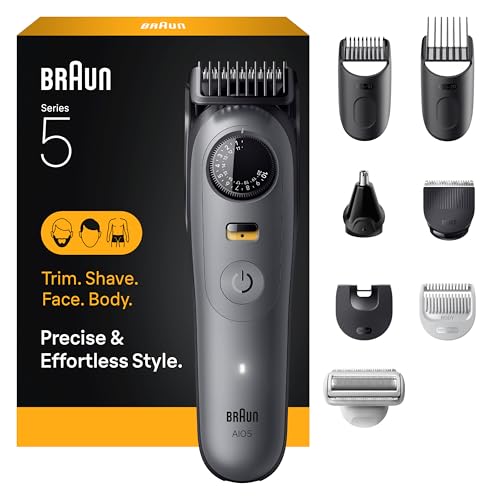
The single most important factor in a thick-beard trimmer is motor power. You need a minimum of 7,000 RPM to cut through dense facial hair without pulling. For a full breakdown of the best options, check out our beard trimmer guide for thick hair. Here is the quick summary:
| Trimmer Type | RPM Range | Best For | Thick Beard Rating |
|---|---|---|---|
| Standard rotary | 5,000 to 6,000 | Fine to medium hair | Poor |
| Mid-range linear | 6,500 to 7,500 | Medium to thick hair | Adequate |
| Professional linear | 7,500 to 10,000+ | Thick and coarse hair | Excellent |
| Corded clipper | 8,000 to 14,000 | Very thick, barbershop use | Best |
A top pick for thick beards is the BaBylissPRO GoldFX. It runs a brushless motor at 7,200+ RPM, has a zero-gap T-blade for clean lines, and does not struggle with density. For budget-conscious buyers, the Wahl Stainless Steel Lithium Ion+ at around $60 is the best value trimmer that can actually handle thick hair.
Combs and Brushes
Skip plastic combs entirely. They create static, snag on thick hair, and eventually break. Invest in:
- Wide-tooth wooden comb: For daily detangling. The wide spacing prevents pulling, and wood reduces static. Sandalwood and peachwood are the traditional choices in Middle Eastern grooming.
- Boar bristle brush: The natural bristles distribute oil from root to tip and help train your beard to lie flat. Look for medium to firm bristle stiffness for thick beards. Soft boar bristle brushes designed for fine beards will not penetrate dense hair.
- Kent comb (handmade): If you want a single comb that lasts a decade, Kent’s hand-finished cellulose acetate combs glide through thick hair like nothing else. The teeth are rounded and polished so they never snag.
Scissors
Even if you use a trimmer for overall length, you need a pair of sharp beard scissors for detail work. Stray hairs that poke out at odd angles, mustache hairs that curl over your lip, and the occasional asymmetry that a trimmer cannot fix. Look for 5 to 6 inch stainless steel barber scissors with a micro-serrated edge, which grips the hair instead of letting it slide.
Beard Oils That Actually Work for Thick Beards
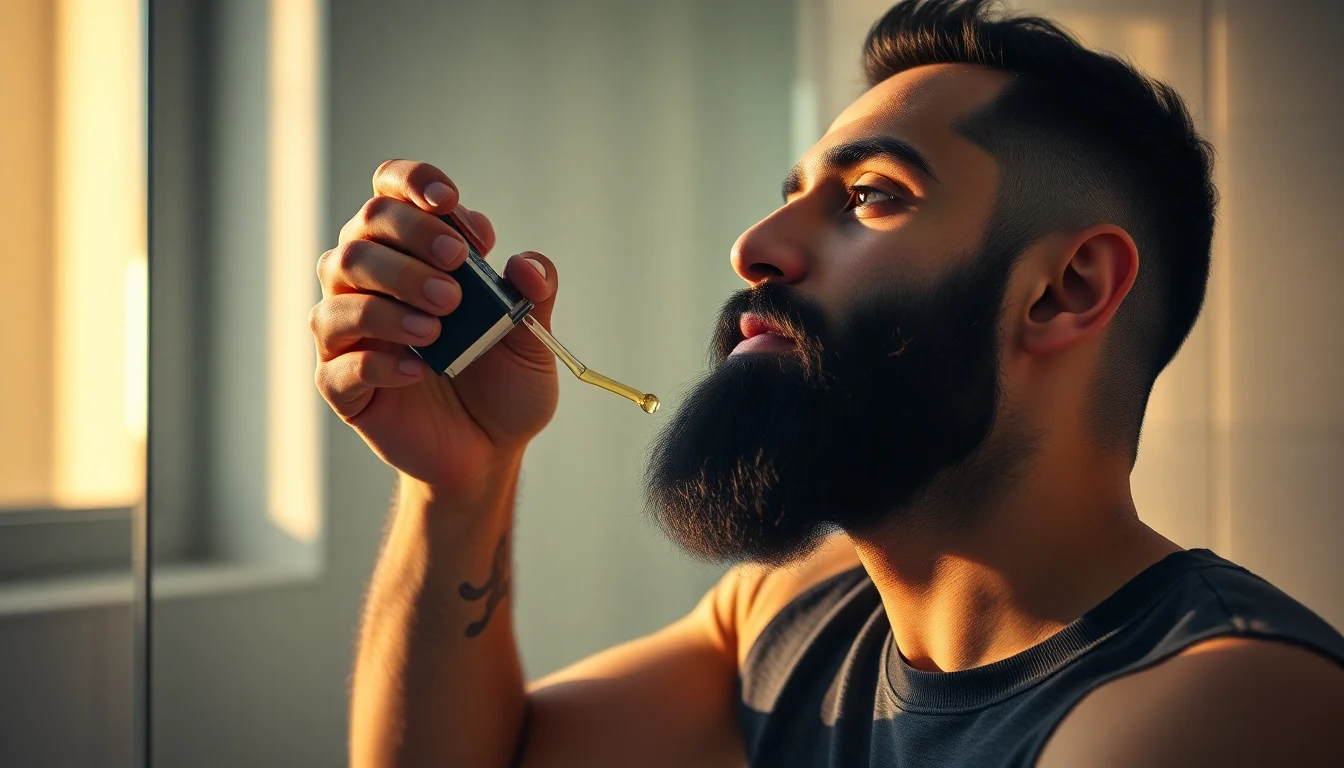
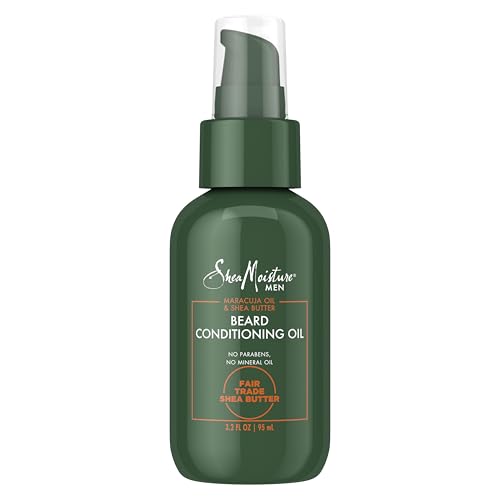
Most beard oils fail thick beards because they are formulated for light to medium density. They use heavy carrier oils like coconut or castor that sit on top of dense hair and make it look greasy without nourishing the skin beneath. For thick beards, you need oils that penetrate:
Best Carrier Oils for Thick Beards
| Oil | Absorption | Weight | Benefits |
|---|---|---|---|
| Jojoba oil | Fast | Light | Closest to natural sebum, non-greasy, excellent skin penetration |
| Argan oil | Medium | Medium-light | Rich in vitamin E, softens coarse hair, Moroccan grooming staple |
| Grapeseed oil | Fast | Very light | Non-comedogenic, absorbs quickly, good for acne-prone skin under beard |
| Sweet almond oil | Medium | Medium | Emollient, reduces itchiness, pleasant mild scent |
Oils to Avoid (or Use Sparingly)
- Coconut oil: Sits on top of thick beards, clogs pores for many skin types, and hardens in cool temperatures.
- Castor oil: Extremely thick and sticky. Fine as 10% of a blend, terrible as a primary carrier.
- Mineral oil: Petroleum-derived, creates a barrier rather than nourishing. Avoid in quality beard care.
Application Method for Dense Beards
The standard “put oil in palm and rub on beard” method does not work for thick beards. Instead:
- Warm 4 to 6 drops of oil between your palms for 10 seconds.
- Start from underneath. Flip your beard up with one hand and massage oil into the skin and the underside of your beard with the other.
- Work through the sides, again starting at the skin level.
- Finish by running your oiled palms over the top and front of the beard to smooth flyaways.
- Comb through with a wide-tooth wooden comb to distribute evenly.
This underneath-first approach ensures the skin gets moisturized instead of just the outer layer of visible hair.
Beard Shaping: Defining Your Lines
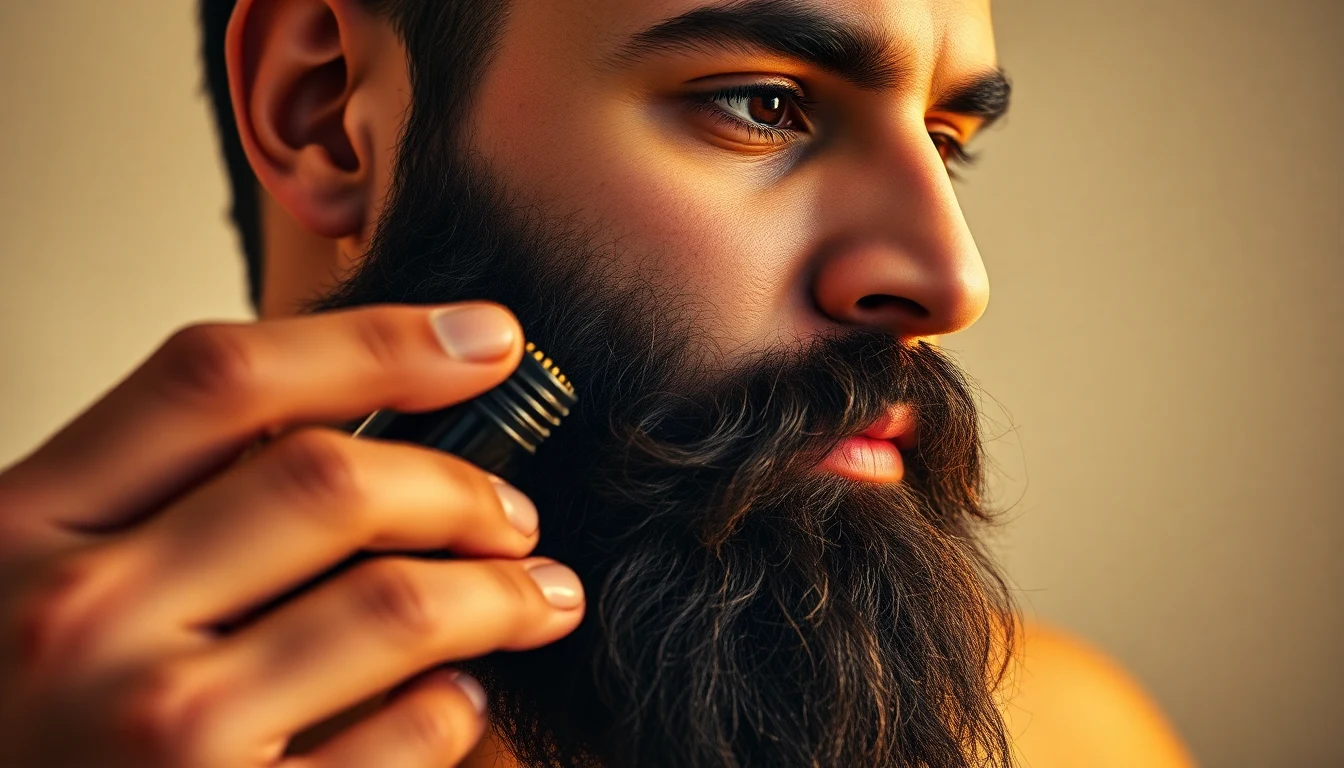
A thick beard without defined lines looks unkempt regardless of how healthy the hair is. The three critical lines are the cheek line, the neckline, and the lip line.
Cheek Line
The cheek line is where your beard transitions to bare skin on your cheeks. For thick beards, I recommend a natural cheek line rather than a sharp, carved one. Here is why: thick hair grows back fast and visibly. A sharp cheek line that looks clean at 8 AM will show stubble by 2 PM. A natural cheek line blends more gracefully and requires less daily maintenance.
To find your natural cheek line: let your beard grow untouched for a week. Where the growth naturally thins and stops on your cheeks, that is your natural line. Clean up only the sparse strays above that line.
Neckline
The neckline is where most men with thick beards struggle the most. The rules are simple:
- Place two fingers above your Adam’s apple. That is where your neckline should be.
- Trace a U-shape from behind one ear, down to that two-finger point, and back up to the other ear.
- Everything below that U-shape gets shaved or trimmed to zero.
For thick beards, you will need to clean up this neckline every 2 to 3 days. No exceptions. A neglected neckline is the fastest way to make a great beard look sloppy. For more shaping techniques, see our Middle Eastern barbershop techniques guide.

Lip Line
Your mustache should not hang over your lip line into your mouth. Use scissors (not a trimmer) to trim any hairs that cross the vermilion border (the line where lip skin meets regular skin). Comb the mustache downward first, then trim along the lip line. This is a twice-weekly task for thick-beard growers.
Ingrown Hair Prevention for Olive and Brown Skin
Ingrown hairs are not just annoying. On olive and brown skin, they frequently lead to post-inflammatory hyperpigmentation (PIH), the dark spots that linger for weeks or months after the ingrown heals. Prevention is far easier than treatment.
Prevention Protocol
- Never shave against the grain on your neck. With the grain or across the grain only. Against-the-grain passes on curly, thick hair almost guarantee ingrowns.
- Exfoliate twice weekly. Use a gentle chemical exfoliant with salicylic acid (BHA) or glycolic acid (AHA) on shaved areas. This prevents dead skin from trapping hairs beneath the surface.
- Use a single-blade razor if you wet shave. Multi-blade razors lift the hair and cut it below the skin surface, which is exactly how ingrowns form. A safety razor or straight razor cuts at the surface.
- Apply a post-shave product with witch hazel or tea tree oil. Both are anti-inflammatory and antiseptic. They reduce the swelling that traps hairs.
- Do not pick at ingrowns. Use a sterile needle or pointed tweezer to gently lift the trapped hair free. Then leave it alone. Squeezing causes PIH.
Treatment for Active Ingrowns
If you already have ingrown hairs:
- Apply a warm, damp washcloth to the area for 5 minutes to soften the skin.
- Use a sterile needle or fine-point tweezer to carefully free the trapped hair. Do not pluck it out, just release it from under the skin.
- Apply a benzoyl peroxide spot treatment (2.5% is enough) or a salicylic acid pad to prevent infection.
- Do not shave over active ingrowns. Let them heal first.
For related skin concerns, our guide on dark circles on olive skin covers other hyperpigmentation issues common to men with olive skin.
Daily vs. Weekly Maintenance Schedule
Daily (5 Minutes)
- Wash beard with lukewarm water (no shampoo daily, it strips natural oils)
- Apply beard oil using the underneath-first method
- Comb through with wide-tooth wooden comb
- Check neckline and clean up with trimmer if needed
- Trim any mustache hairs that have crossed the lip line
Every 2 to 3 Days
- Full neckline cleanup (below the U-shape)
- Cheek line maintenance (remove strays above natural line)
- Check beard symmetry in mirror and trim any uneven spots
Weekly
- Wash with a dedicated beard shampoo (sulfate-free)
- Apply beard conditioner or a deep-conditioning mask (leave on 3 to 5 minutes)
- Exfoliate the skin under your beard with a gentle scrub or chemical exfoliant
- Brush with boar bristle brush to train hair direction
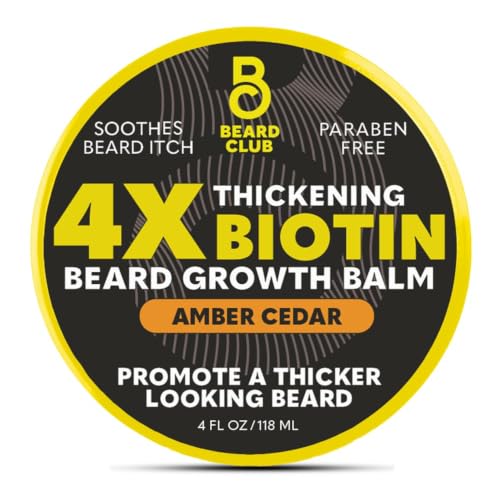
- Apply beard balm for hold and shape if your beard is longer than 1 inch
Monthly
- Trim overall length to maintain shape (or visit your barber)
- Oil and clean your trimmer blades
- Inspect your tools: replace worn comb teeth, check scissor sharpness
- Consider a full hammam session for deep skin and beard exfoliation
Common Thick Beard Mistakes
Here are the pitfalls that come up most often with thick beards:

- Using a trimmer that is too weak. If your trimmer pulls or snags, it is the tool’s fault, not yours. Upgrade to something with 7,000+ RPM.
- Over-washing. Shampooing your beard daily strips the natural oils that keep it soft and manageable. Two to three times per week is enough.
- Ignoring the skin underneath. Your beard is only as healthy as the skin it grows from. If the skin is dry, flaky, or irritated, the beard will look dull and feel brittle.
- Applying oil to the surface only. Use the underneath-first method. Every time.
- Skipping the neckline. A clean neckline is the difference between “intentional beard” and “forgot to shave.” Three minutes every other day saves you.
- Shaving against the grain on the neck. Especially dangerous for curly, thick hair. Go with or across the grain.
- Using the wrong products. Beard products designed for fine hair will not cut it. Look for products that specifically mention thick, coarse, or dense hair on the label.
Beard Butter vs. Beard Balm vs. Beard Oil: Which Do You Need?
| Product | Hold | Moisture | Best For | Thick Beard Use |
|---|---|---|---|---|
| Beard oil | None | High | Skin nourishment, short to medium beards | Daily essential |
| Beard balm | Light to medium | Medium | Shaping, taming flyaways, medium to long beards | Daily for beards 1 inch+ |
| Beard butter | None to light | Very high | Deep conditioning, very dry or coarse beards | 2 to 3 times per week |
For thick beards, I recommend using beard oil daily as your base, adding beard balm on days when you need hold and shape, and using beard butter as a weekly deep treatment. You do not need all three every day.
Washing Your Thick Beard: The Right Way
Your beard is not the hair on your head. Using regular shampoo on a thick beard strips the natural oils (sebum) that keep the hair soft and the skin underneath healthy. The result is a brittle, wiry beard that feels like steel wool and a face covered in flakes.

A dedicated beard wash or beard shampoo is formulated differently: lower surfactant concentration, pH balanced for facial skin, and often containing natural oils like argan or jojoba to replace what the cleaning agents remove. Look for sulfate-free formulas specifically. Sodium lauryl sulfate (SLS) and sodium laureth sulfate (SLES) are the primary stripping agents in regular shampoos, and they are far too harsh for facial hair and the thinner skin beneath your beard.
Washing Schedule for Thick Beards
- With beard wash: 2 to 3 times per week
- With conditioner: Every wash day
- With water only: Every other day (to rinse sweat and loose debris)
- Deep conditioning mask: Once per week (leave on 3 to 5 minutes under a warm towel)
After washing, never rub your beard dry with a towel. Pat it dry, squeeze gently, and then apply oil while still slightly damp. The moisture helps the oil absorb deeper into both the hair and the skin.
Frequently Asked Questions
How often should I trim a thick beard?
For maintaining a specific length, trim every 1 to 2 weeks. For neckline and cheek line maintenance, every 2 to 3 days is necessary because thick hair grows fast enough to blur your lines within 48 hours.
My beard is thick but patchy in spots. What can I do?
Thick and patchy is more common than people realize. The dense areas make the thin spots more obvious. Options: grow the beard longer so dense areas cover patches naturally, use a boar bristle brush to train hair over thin areas, or keep a shorter beard length where patchiness is less visible. Minoxidil (5%) applied to patchy areas has clinical support but takes 3 to 6 months and results vary.
Why does my beard itch so much in the first few weeks?
When you trim or shave, the cut ends of thick hair are sharp and blunt. As the hair grows, those sharp ends poke the surrounding skin, causing itchiness. This phase typically lasts 2 to 4 weeks. Using beard oil daily from day one and exfoliating weekly significantly reduces the itch.
Should I blow-dry my thick beard?
Yes, a blow dryer on low heat with a round brush is one of the best tools for taming a thick beard. It reduces drying time (important because wet thick beards breed bacteria), helps train the hair to lie flat, and adds volume control. Always use low heat and keep the dryer moving to avoid heat damage.
What causes beard dandruff (beardruff)?
Beardruff is caused by dry skin under the beard, often worsened by over-washing or not moisturizing the skin beneath your facial hair. The fix: wash less frequently, apply oil to the skin (not just the hair), and exfoliate weekly to remove dead skin cells before they flake.
Karim Haddad
How often should I trim a thick beard to keep it looking sharp?
For thick, fast-growing beards, you should trim every 2 to 3 weeks to maintain your shape and prevent split ends. If you’re growing it out, you can extend this to monthly trims, but weekly edging of your cheek and neckline will keep your appearance clean between full trims.
What’s the best approach for thick beard care if my beard causes ingrown hairs?
Thick, curly facial hair is prone to ingrown hairs, especially on olive and brown skin, so prevention is key. Use a gentle exfoliating routine 2 to 3 times weekly, keep your beard moisturized with quality oils, and avoid cutting too close to the skin when shaping your neckline and cheek lines.
Why does my thick beard itch so much when I’m growing it out?
Itching in the first few weeks happens because your hair is sharp and newly growing, plus the skin underneath is dry and irritated. Combat this by washing with a gentle beard cleanser, applying beard oil daily, and using a soft brush to train the hair to lay smoothly and reduce prickling against your skin.
Should I blow-dry my thick beard or let it air dry?
For thick beards, blow-drying is recommended because it helps you style and shape your beard while preventing moisture from getting trapped close to the skin. Use a low heat setting and a beard brush to guide the hair in your desired direction, which also helps reduce curling and ingrown hair issues.