If you want to master arabic fragrance notes for men, this guide covers everything you need to know. Last updated: February 2026 by Karim Haddad, Levantine Grooming Expert
Walk through any souk in the Arab world and your nose will tell you exactly where you are. The thick, resinous warmth of oud drifting from a perfume stall. The clean sharpness of rose water splashed across a barber’s hands. The sweet haze of bukhoor smoke curling from a doorway. These scents are not just pleasant aromas. They are the olfactory language of Middle Eastern culture, a vocabulary of fragrance that has been spoken, refined, and passed down for over a thousand years.
I grew up surrounded by this language without fully understanding it. My father wore oud to every family gathering, my uncle kept a collection of small perfume bottles arranged like trophies on his dresser, and my grandmother burned bukhoor before guests arrived as naturally as she brewed coffee. It was only when I moved to the West for university that I realized how different our fragrance world is from the one most men experience. Western perfumery builds on fresh, citrus, and aquatic notes. Arabic perfumery builds on oud, rose, amber, musk, saffron, and incense. Two entirely different traditions, each with its own logic and beauty. For expert guidance on this topic, consult Healthline’s expert men’s grooming guidance.
This guide is a deep exploration of the notes that define Arabic perfumery for men. Whether you are a lifelong oud wearer looking to deepen your knowledge or a newcomer curious about Middle Eastern fragrance traditions, understanding these core notes will transform how you choose, wear, and appreciate perfume.
The Arabic Fragrance Pyramid: How Middle Eastern Perfumes Are Built
Before diving into individual notes, it helps to understand how Arabic fragrances are structured. Like Western perfumes, Arabic fragrances use a pyramid model with top, heart (middle), and base notes. However, the balance and emphasis within this pyramid differ significantly from Western conventions.

Western perfumery typically emphasizes the top notes. The first spray of a Western cologne is designed to make an immediate impression, with bright citrus, aquatic, or aromatic notes that grab attention quickly. These fade within 15 to 30 minutes, giving way to the heart and then the base. Arabic perfumery, by contrast, emphasizes the base and heart. The first impression of an Arabic fragrance may be subtle or even challenging, but the true character emerges over hours as the deeper notes come forward.

This structural difference reflects a cultural difference in how fragrance is experienced. In Arabic tradition, perfume is worn throughout the day, not just for a brief social impression. A fragrance that rewards patience, that evolves from morning to evening, is valued far more highly than one that makes a strong first impression and then disappears. This is why Arabic fragrances tend to feature heavy, long-lasting base notes like oud, amber, and musk as their foundation, with rose, saffron, and spices providing the heart, and only minimal top notes.
Oud (Agarwood): The King of Arabic Perfumery
Oud, also known as agarwood, is the single most important note in Arabic fragrance. It is to Middle Eastern perfumery what leather is to Western masculinity: the foundational scent that defines the tradition. Understanding oud is essential to understanding Arabic fragrance culture.
What Is Oud?
Oud comes from the heartwood of Aquilaria trees, primarily found in Southeast Asia. When these trees become infected with a specific type of mold (Phialophora parasitica), they produce a dark, aromatic resin as a defense mechanism. This resin-saturated wood is what we know as agarwood or oud. The process takes years, and only a small percentage of Aquilaria trees in the wild develop the infection naturally, making genuine oud one of the most expensive raw materials on earth, often exceeding the price of gold by weight.
The scent of oud is complex and varies dramatically based on its origin. Cambodian oud tends to be sweet, fruity, and relatively approachable. Indian oud (Hindi) is deep, animalic, earthy, and intensely potent. Malaysian oud offers a balance between the two. Indonesian oud is often described as smoky and herbal. Vietnamese oud is considered among the finest, with a sweet, honeyed quality that oud connoisseurs prize above all others.
How Oud Is Used in Arabic Perfumery
In Arabic fragrance, oud appears in three forms. First, as raw wood chips (bukhoor) that are burned on charcoal to scent rooms and clothing. Second, as pure distilled oud oil (dehn al oud), which is the concentrated essence applied directly to skin. Third, as a component in blended perfumes, where oud is combined with other notes to create a complete fragrance composition.

For men new to oud, blended fragrances are the best starting point. Pure oud oil can be overwhelming at first exposure, particularly the Indian varieties. A well-crafted oud blend, like Al Haramain Amber Oud, balances the intensity of oud with complementary notes that make the scent more approachable while still delivering the unmistakable oud character.
Rose: The Masculine Floral of the Middle East
In Western culture, rose is associated with femininity, romance, and floral bouquets. In Arabic culture, rose is one of the most masculine fragrance notes available. This cultural disconnect surprises many Western observers, but in the Middle East, a man wearing rose is projecting refinement, tradition, and cultural sophistication.
Taif Rose vs. Bulgarian Rose
The two most important varieties in perfumery are the Taif rose (Rosa damascena, grown in the mountains near Taif, Saudi Arabia) and the Bulgarian rose (Rosa damascena, grown in Bulgaria’s Rose Valley). Despite being the same species, the terroir creates dramatically different scent profiles.
Taif rose is honeyed, slightly spicy, and has a warm, almost ambery quality. It is complex, nuanced, and considered among the most precious rose varieties in the world. Production is extremely limited because the roses must be harvested at dawn during a brief spring season. Bulgarian rose, while also beautiful, tends to be fresher, greener, and more classically “rosy.” In Arabic perfumery, Taif rose is the premium choice, while Bulgarian rose is used more commonly in accessible blends.
Rose and Oud: The Perfect Marriage
The combination of rose and oud is perhaps the most iconic pairing in Arabic perfumery. The sweetness and elegance of rose softens oud’s intensity, while the oud gives the rose depth and longevity. This combination works in virtually every context, from daily wear to formal occasions, and it is a staple of Gulf fragrance culture. If you own one Arabic fragrance, a rose oud is the most versatile choice you can make.


Amber: Warmth and Depth
Amber in perfumery is not derived from the fossilized tree resin you might be imagining. Perfumery amber is a carefully blended accord, typically combining labdanum resin, benzoin, vanilla, and sometimes tonka bean and musk. The result is a warm, sweet, slightly powdery scent that evokes cozy interiors, warm evenings, and comfort.
In Arabic perfumery, amber serves as both a standalone note family and a supporting player that enriches other notes. Amber oud fragrances are among the most popular in the Gulf market because the amber smooths out oud’s rougher edges and creates an enveloping warmth that projects beautifully in air-conditioned environments. Amber also blends naturally with musk, creating the classic “amber musk” profile that is one of the most universally appealing scent combinations in the world.
For men who find pure oud too intense, an amber-forward Arabic fragrance is an excellent alternative that still reads as unmistakably Middle Eastern. The warmth and sweetness of amber code as “Arabic” to most noses, even without oud present.

- Long Lasting & Made to Get Compliments: Forget other colognes that fade after ju
- Smells Exactly Like the Original: Skeptical at first? You’re not alone, one spra
- A Fragrance that Tells a Story: This fragrance starts with top notes of Benzoin,
Musk: The Clean Masculine Foundation
Musk holds a special place in Arabic fragrance culture, particularly in Islamic tradition. The Prophet Muhammad (peace be upon him) is narrated to have said that musk is the finest of perfumes, and this hadith has cemented musk’s position as the most culturally significant fragrance note in the Muslim world.
Types of Musk in Modern Perfumery
Natural musk was historically derived from the musk deer (Moschus moschiferus), but ethical concerns and CITES regulations have made natural musk extremely rare and expensive. Modern musk in perfumery comes from three sources: plant-based musks (such as ambrette seed), synthetic musks (white musk, galaxolide, muscone), and occasionally ethical natural musk from farmed sources.
White musk is the most commonly encountered type, offering a clean, slightly sweet, skin-like scent that sits close to the body. It is the most universally wearable musk and works in every setting from the office to the mosque. Black musk is deeper, more animalic, and more sensual, better suited for evening and intimate occasions. Deer musk (Kasturi), when available from ethical sources, is the richest and most complex of all, with an almost indescribable warmth and depth that no synthetic can fully replicate.

Musk as a Layering Base
Musk is the ideal foundation for fragrance layering because its scent profile is subtle enough to complement other notes without competing with them. Applying a white musk oil to your pulse points before adding your primary fragrance extends longevity and creates a seamless scent base. This layering technique is practiced throughout the Gulf states and is one of the simplest ways to elevate your fragrance game.
Saffron: Liquid Gold in Fragrance
Saffron, the world’s most expensive spice, also plays a significant role in Arabic perfumery. The scent of saffron in fragrance is warm, slightly metallic, honeyed, and intensely rich. It adds a luminous quality to fragrances, almost like liquid gold woven through the composition.
In Arabic perfumery, saffron frequently appears alongside oud and rose, where it acts as a bridge note that connects the floral and woody elements. A saffron-oud fragrance has a regal, opulent quality that is perfect for special occasions and cold weather wear. The note is particularly popular in Gulf perfumery, where saffron’s associations with luxury and hospitality (saffron-infused Arabic coffee is served to honored guests) carry cultural weight beyond just the scent itself.
Saffron also works beautifully with leather and amber, creating the dark, sophisticated “night-out” fragrances that many Middle Eastern men gravitate toward. If you enjoy wearing fragrance in the evening and want something that commands attention without aggression, look for a composition that features saffron as a prominent note.
Incense and Resinous Notes: Bakhoor, Frankincense, and Myrrh
The smoky, sacred quality of incense is one of the most distinctive characteristics of Arabic perfumery. While Western fragrances occasionally feature incense as an accent, Arabic fragrances embrace it as a central element, reflecting the deep cultural practice of burning bukhoor and frankincense in homes, mosques, and gathering spaces.
Frankincense (Luban)
Frankincense resin, harvested from Boswellia trees primarily in Oman, Yemen, and Somalia, has been a cornerstone of Arabian culture for millennia. The Dhofar region of Oman produces what many consider the finest frankincense in the world. In fragrance, frankincense provides a bright, citrusy, slightly peppery top note that evolves into a warm, resinous base. It is one of the few notes that works equally well as a top note and a base note.


Omani frankincense fragrances, such as those produced by Amouage, showcase frankincense in its most refined form. These fragrances are deeply Middle Eastern in character while being remarkably wearable in any global context.
Myrrh
Myrrh is darker, heavier, and more balsamic than frankincense. It provides a bitter, slightly medicinal warmth that grounds fragrance compositions and adds an element of ancient mystery. Myrrh pairs exceptionally well with oud, and myrrh-oud combinations are among the oldest fragrance pairings in the Arabian tradition.
Bukhoor Accord
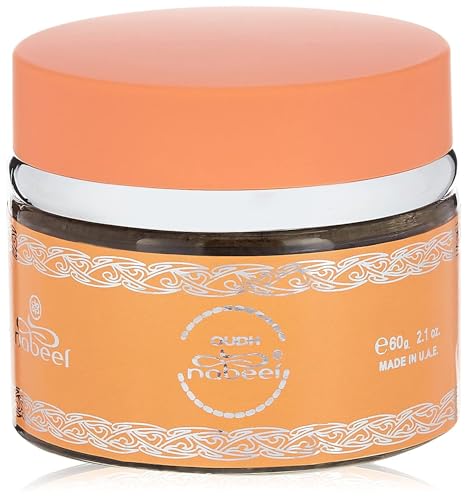
Some Arabic fragrances attempt to capture the scent of bukhoor smoke in a wearable form. These fragrances combine smoky, woody, and resinous notes to evoke the experience of freshly burned incense. The result is evocative and distinctly Arabian, immediately transporting the wearer (and those around them) to a traditional majlis or a family gathering. Quality bukhoor chips can also be burned and wafted over clothing before applying your primary fragrance, adding a genuine smoke layer that no spray fragrance can perfectly replicate.
Sandalwood: The Ancient Base
Sandalwood has been intertwined with Middle Eastern perfumery since the ancient incense trade routes connected Arabia with India. Indian sandalwood (Santalum album), particularly from the Mysore region, is considered the gold standard, offering a creamy, warm, slightly sweet woody note that is almost universally pleasant.
In Arabic perfumery, sandalwood serves primarily as a base note and carrier for other more prominent notes. It provides a smooth, elegant foundation that extends the longevity of an entire composition. Sandalwood is also the traditional base oil for attars, with the finest Indian attars using pure Mysore sandalwood oil as their carrier. The scarcity and expense of genuine Indian sandalwood have led many perfumers to use Australian sandalwood (Santalum spicatum) as an alternative, which offers a similar but slightly drier profile.

Building an Arabic Fragrance Wardrobe: A Practical Guide
Now that you understand the core notes, here is how to build a fragrance wardrobe that covers all occasions and seasons using Arabic fragrance principles.
The Essential Four
Start with four fragrances that cover the key situations in a man’s life. First, a light musk-based fragrance for daily professional wear. Something clean and inoffensive that creates a pleasant personal aura without announcing itself across the room. Second, a rose oud for elevated social occasions, Friday prayers, and family gatherings. This is your workhorse Arabic fragrance that signals cultural pride and sophistication. Third, an amber saffron for cold weather and evening events. The warmth and richness of this profile command attention in the right settings. Fourth, a pure oud or oud-heavy composition for special occasions, weddings, and celebrations. This is your statement fragrance, worn when you want to make an impression.
Layering Strategy
With four base fragrances, layering multiplies your options exponentially. Apply musk as a base under any of the other three for extended longevity. Layer rose oud with amber for a complex evening scent. Add a touch of pure oud to your daily musk for days when you want a bit more presence. The beauty of Arabic fragrance notes is their natural compatibility. Unlike some Western fragrance families that clash when combined, oud, rose, amber, musk, and saffron are all part of the same olfactory ecosystem and blend naturally together.
Affordable Entry Points
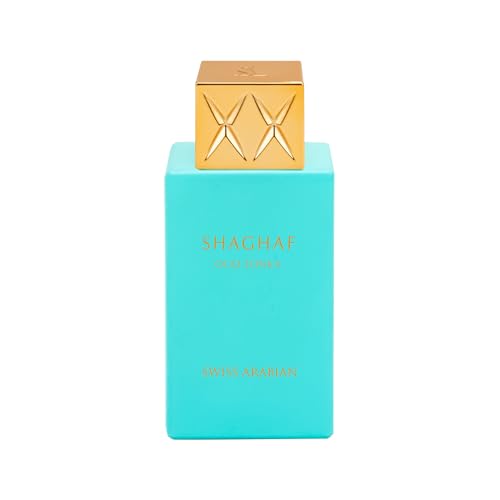
You do not need to spend hundreds of dollars to experience authentic Arabic fragrance notes. Swiss Arabian offers excellent oud-based fragrances at accessible prices. Al Haramain’s concentrated perfume oil range provides genuine Arabic fragrance profiles for under twenty dollars per bottle. Lattafa, a newer brand, has gained a cult following for producing fragrances that rival much more expensive offerings. Start with affordable options, learn your preferences, and invest in premium offerings once you know exactly what profiles you love.
Seasonal Fragrance Rotation
Arabic fragrance notes respond differently to temperature and humidity, making seasonal rotation an important consideration. When it comes to arabic fragrance notes for men, technique matters most.
In warm weather (summer or tropical climates), lighter compositions work best. Sandalwood, white musk, light rose, and frankincense all perform beautifully in heat without becoming overwhelming. Oud in warm weather should be used sparingly, as heat amplifies its projection dramatically. A single dab of oud on a hot day in Dubai can fill an entire room.
In cold weather (winter or air-conditioned environments), rich, heavy compositions come into their own. This is the season for amber, saffron, deep oud, and resinous blends. The cold air prevents these heavier notes from becoming oppressive and instead creates a warm, inviting aura. Many Gulf men wear their heaviest oud fragrances during winter specifically because the cooler temperatures allow for generous application without over-projection.
In transitional seasons (spring and autumn), balanced compositions that combine lighter and heavier elements work best. Rose oud with a touch of citrus, amber musk with a green note, or frankincense with light woods all bridge the gap between summer lightness and winter richness.
Frequently Asked Questions
Why do Arabic fragrances last so much longer than Western colognes?
Arabic fragrances are typically formulated at higher concentrations (extrait de parfum or concentrated perfume oil) compared to the eau de toilette concentration common in Western men’s fragrance. Additionally, the notes favored in Arabic perfumery, particularly oud, amber, and musk, are inherently long-lasting base notes. Western fragrances emphasize volatile top notes (citrus, fresh notes) that evaporate quickly. The combination of higher concentration and heavier note selection gives Arabic fragrances their legendary longevity.
Can I wear Arabic fragrances in Western environments?
Absolutely. The global fragrance market has embraced oud and Arabic notes extensively over the past decade. Major Western houses like Tom Ford, Dior, and Guerlain all offer oud-based fragrances. The key in Western environments is moderation in application. Arabic fragrances are potent, and what constitutes normal application in a Gulf gathering may be excessive in a Western office. Start with one spray or dab and let the fragrance speak at a conversational distance.
What is the difference between oud and bukhoor?
Oud refers to both the raw agarwood and the distilled oil derived from it. Bukhoor refers to scented wood chips or bricks that are burned as incense. Bukhoor can contain oud, but it also includes other aromatic ingredients like sandalwood, resins, essential oils, and binding agents. Oud is worn on the skin; bukhoor scents a room and clothing. Both are integral to Arabic fragrance culture, and the most complete fragrance experience involves using both: bukhoor to scent your clothing and personal space, and oud (or an oud-based fragrance) applied directly to your skin.
Is synthetic oud worth buying?
Synthetic oud notes vary enormously in quality. The best synthetic ouds, used by skilled perfumers, can capture elements of the oud experience at a fraction of the cost of genuine oud oil. However, they cannot fully replicate the complexity and evolution of natural oud. Think of it like comparing a high-quality photograph to seeing a sunset in person. Both are beautiful, but the experience is different. For daily wear and accessible fragrances, synthetic oud-based compositions offer excellent value. For special occasions and connoisseur experiences, natural oud is worth the investment.
How do I learn to appreciate oud if I find it overwhelming?
Start with oud blends rather than pure oud. Rose oud, amber oud, or oud with vanilla and tonka bean are much more approachable than pure oud oil. Apply a small amount and live with it for a full day, noting how it evolves. Many men who initially dislike oud find they appreciate it after the initial intensity settles into the drydown. Give yourself three to five separate exposures before deciding. Oud is an acquired taste, like espresso or dark chocolate, that often becomes addictive once your nose adjusts.
Conclusion: Wearing the Language of Your Culture
Arabic fragrance notes are more than ingredients in a perfume. They are cultural markers, historical connections, and personal expressions of identity. When you wear oud, you carry the same scent that sultans, scholars, and traders wore centuries before you. When you apply rose, you participate in a tradition that considers the flower sacred and masculine. When you burn bukhoor, you fill your home with the same aromatic welcome that has greeted guests across the Arab world for generations.
Understanding these notes gives you the vocabulary to navigate the rich world of Arabic perfumery with confidence. You can walk into any perfume souk, any specialty fragrance store, and know exactly what you are smelling, why it matters, and whether it belongs in your collection. That knowledge transforms fragrance from a passive accessory into an active expression of who you are and where you come from.
Start exploring. Layer with intention. And wear your heritage with pride.
More Middle Eastern Grooming Guides

- How to Create a Hammam Experience at Home
- Gulf-Style Beard Trimming Guide: How to Get the Full, Defined Beard Look from Saudi Arabia and UAE
- Kohl and Traditional Eyeliner for Men: The Middle Eastern Practice of Eye Enhancement
- Middle Eastern Men's Hairstyle Guide: From Lebanese Waves to Gulf Slick-Backs
- Attar Perfume Guide for Middle Eastern Men: Understanding Traditional Oil-Based Fragrances
Frequently Asked Questions
What is oud and why is it so important in Arabic fragrance traditions?
Oud, also known as agarwood, is a resinous wood that forms in agarwood trees and has been the cornerstone of Middle Eastern perfumery for over a thousand years. It’s prized for its deep, complex warmth and is considered the king of Arabic fragrance notes, making it a signature element in traditional men’s scents across the Arab world.
How do Arabic perfumes differ from Western fragrance traditions?
Western perfumery typically emphasizes fresh, citrus, and aquatic notes, while Arabic perfumery is built on oud, rose, amber, musk, saffron, and incense. These two traditions follow entirely different logic and have distinct cultural histories, so understanding Arabic fragrance notes requires appreciating a completely different approach to scent composition.
Can someone new to oud and other Arabic scents learn to appreciate them?
Yes, whether you’re a lifelong oud wearer or completely new to Middle Eastern fragrance traditions, learning about core notes like rose, amber, and musk will transform how you choose and appreciate these perfumes. The guide is designed for both experienced enthusiasts and newcomers curious about understanding this rich olfactory language.
What role does bukhoor play in Arabic fragrance culture?
Bukhoor is incense traditionally burned in Middle Eastern homes before guests arrive, functioning as both a fragrance and a cultural practice woven into daily life. Like other Arabic fragrance elements, it represents the broader olfactory language of Middle Eastern culture that extends beyond personal perfume to encompass home and hospitality.