By Daniel Park
Most Asian men’s hair care routines consist of one step: shampoo. Maybe conditioner if they are feeling generous. Then they wonder why their hair is stiff, flat, hard to style, and looks lifeless by 2 PM. The truth is that thick, straight Asian hair responds dramatically to a proper care routine, and the difference between one step and four steps is the difference between hair that fights you every morning and hair that cooperates.
Korean men approach hair care as a system, not a single product. The same attention to detail that drives the K-beauty skincare revolution applies to hair. This guide gives you the complete Asian hair care routine for men, from the shampoo you choose to the way you blow dry, with product recommendations for this hair type.
Understanding Asian Hair Structure
Before building a routine, understand what you are working with. Asian hair has specific properties that determine which products and techniques work.
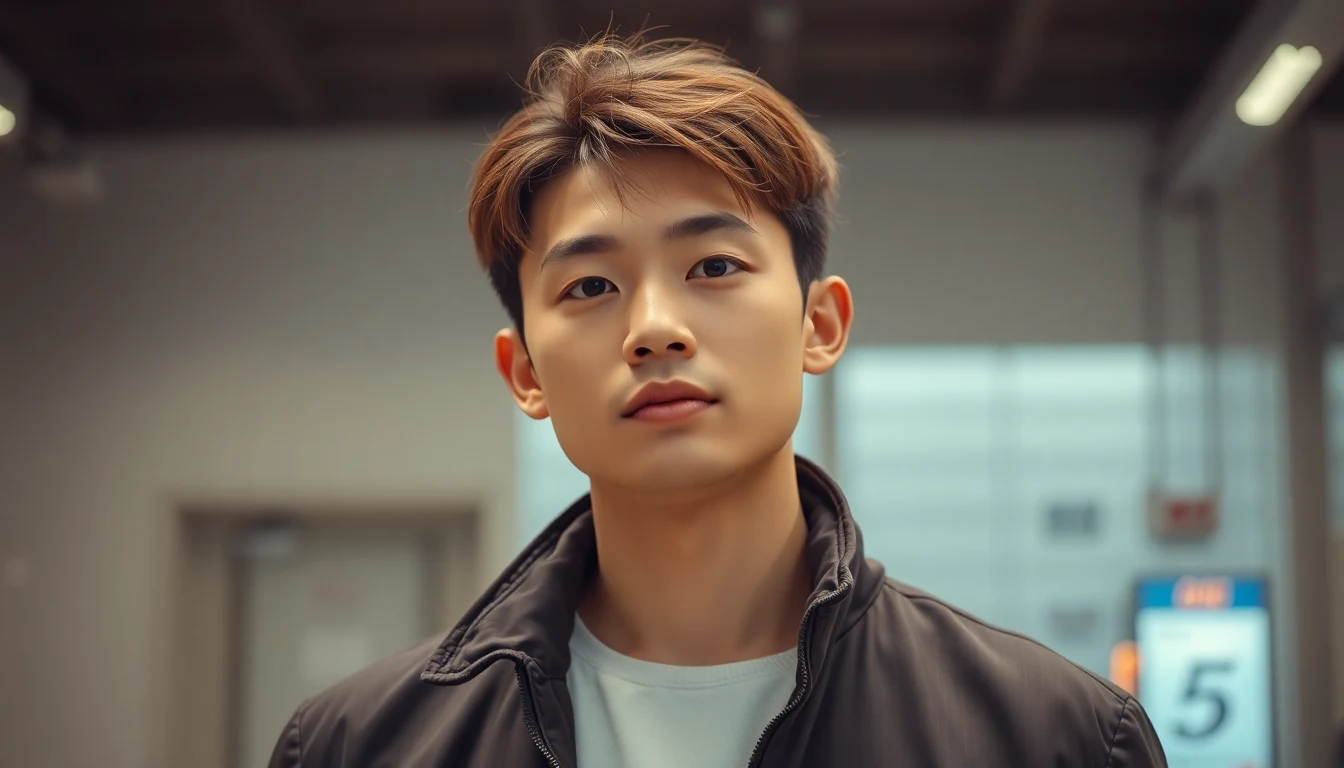
Strand diameter: The thickest of any ethnicity (80-120 micrometers versus 50-70 for European hair). This means each strand is stronger but also heavier, which is why Asian hair lays flat and resists styling.
Cross-section: Perfectly round, which produces straight growth. European hair is oval (wavy); African hair is elliptical (curly). The round cross-section means no natural wave pattern to work with.
Growth rate: Asian hair grows the fastest of any ethnicity, averaging 6 inches per year. This means you will need haircuts more frequently and new growth affects style quickly.
Cuticle: Asian hair has a tight, dense cuticle layer that makes it resistant to chemical processing and moisture absorption. Products need time to penetrate, and harsh chemicals can cause more visible damage because the damage affects the entire strand uniformly.
Sebum production: Many Asian men have oily scalps paired with dry hair ends. This combination requires a strategic approach to cleansing, where the focus is on scalp health without stripping the hair shaft.
The Complete Routine: Step by Step
Step 1: Pre-Wash Scalp Treatment (2x Per Week)
Korean salons always start with a scalp treatment, and there is good reason. A healthy scalp produces healthy hair. If your scalp is oily, flaky, or irritated, your hair will look lifeless regardless of what products you use on the strands themselves.
Twice a week, before shampooing, apply a scalp scrub or tonic to your dry scalp. Massage it in with your fingertips (not nails) in circular motions for two minutes. This removes sebum buildup, dead skin cells, and product residue that regular shampoo misses. Rinse, then proceed to shampoo.
Step 2: Shampoo (Every Other Day)
Daily shampooing strips the natural oils that keep Asian hair manageable. Every other day is the sweet spot for most men. On non-shampoo days, rinse with water only or use a co-wash (conditioner-only wash).

How to shampoo correctly:
- Wet hair thoroughly with warm (not hot) water for 30 seconds
- Dispense a quarter-sized amount of shampoo into your palm
- Lather in your palms first, then apply to the scalp
- Massage the scalp with fingertips for 60 seconds, focusing on the temples, crown, and hairline
- Let the shampoo suds run through the lengths; do not scrub the hair shaft
- Rinse thoroughly for at least 30 seconds
Shampoo selection: Use a sulfate-free shampoo. Sulfates (sodium lauryl sulfate, sodium laureth sulfate) are effective cleansers but too harsh for Asian hair. They strip the cuticle and make the hair stiff and harder to style. Sulfate-free formulas clean adequately while preserving the hair’s natural oils.
Step 3: Condition (Every Wash)
Conditioning is the step most Asian men skip, and it is the one that makes the biggest difference in manageability and styling ease. Conditioner smooths the cuticle layer, adds moisture, and reduces the stiffness that makes Asian hair hard to work with.
How to condition correctly:
- After shampooing, squeeze excess water from hair
- Apply conditioner from mid-shaft to tips (avoid the scalp; conditioner on the scalp can make oily roots worse)
- Leave on for 2-3 minutes
- Rinse with cool water (cool water seals the cuticle for added shine)
For additional moisture, Mise en Scene Perfect Serum applied to damp hair after conditioning acts as a leave-in treatment that makes blow drying easier and adds shine throughout the day.
Step 4: Towel Dry (Correctly)
Do not rub your hair with a towel. Rubbing creates friction that roughens the cuticle and causes frizz, even on straight Asian hair. Instead, gently squeeze the hair with the towel, or wrap the towel around your head for two minutes to absorb moisture. A microfiber towel is ideal because it absorbs water faster with less friction.

After towel drying, your hair should be about 70-80% dry before the next step.
Step 5: Blow Dry (The Critical Step)
This is the step that separates good-looking Asian hair from average-looking Asian hair. The blow dry creates volume, direction, and the foundation for any style. Without it, product alone cannot overcome the flat, heavy nature of straight Asian hair.
The Korean blow dry technique:
- Apply heat protectant to damp hair before turning on the dryer
- Dry the roots first. Lift the hair at the roots with your fingers and direct the blow dryer at the base. Dry against the direction of fall (if hair falls to the right, blow dry it to the left). This creates root volume that lasts all day.
- Use medium heat, high speed. High heat damages the cuticle. Medium heat with high airflow dries efficiently without damage.
- Move the dryer constantly. Do not hold it in one spot. Keep it moving to distribute heat evenly.
- Finish with a cool blast. After the hair is 90% dry, switch to cool air for the final pass. Cool air sets the style and adds shine by sealing the cuticle.
Step 6: Style with Product
With your hair blow-dried into shape, apply your styling product. The blow dry has done 70% of the work; the product locks it in and adds definition.
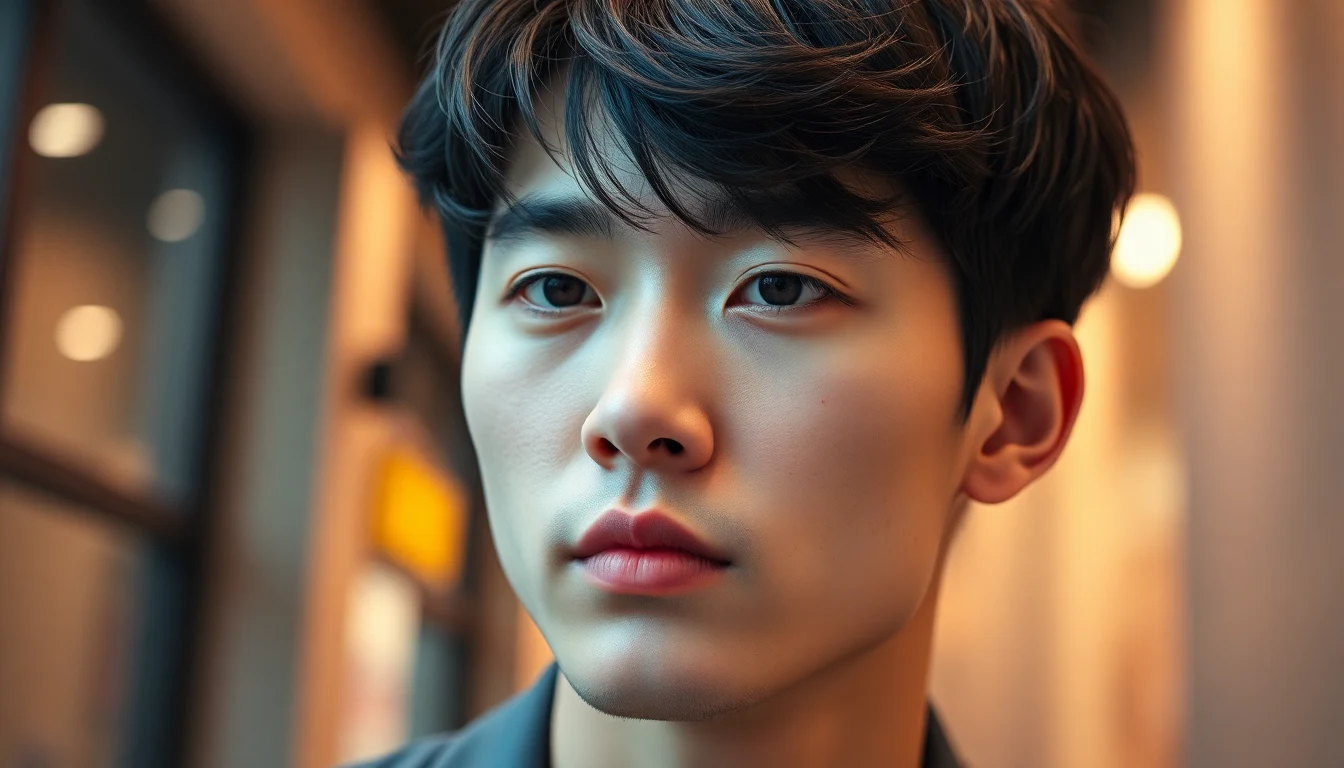
Product choices depend on your style. Our best pomade for Asian hair guide covers every option in detail. Quick reference:
- Textured, messy styles: Uevo Design Cube or Shiseido Uno Fiber Neo
- Strong hold, structured styles: Lipps L08 Matt Hard Wax
- Natural, casual styles: Arimino Peace Wax
- Everyday versatility: Gatsby Moving Rubber
Weekly Routine
| Day | Wash | Condition | Special Treatment | Style |
|---|---|---|---|---|
| Monday | Shampoo | Conditioner | Scalp treatment | Blow dry + product |
| Tuesday | Water rinse only | No | None | Quick blow dry + product |
| Wednesday | Shampoo | Conditioner | None | Blow dry + product |
| Thursday | Water rinse only | No | Scalp treatment | Quick blow dry + product |
| Friday | Shampoo | Conditioner | None | Blow dry + product |
| Saturday | Clarifying shampoo | Deep conditioner (5 min) | Hair mask | As desired |
| Sunday | Water rinse only | Leave-in serum | Rest day | Minimal |

- ALL-DAY HOLD – We wanted people to stop worrying about having to add multiple la
- WATER SOLUBLE & EASY TO WASH OUT – We believe pomade should hold strong and wash
- WHAT TO EXPECT – Say goodbye to dark and grimy pomades that leave your hair feel
Common Asian Hair Problems and Solutions
Hair Sticks Out at the Sides
This is the most common complaint from Asian men with thick hair. The sides grow outward instead of downward, creating a mushroom or helmet shape within days of a haircut.

Solutions: Get a two-block haircut where the sides are cut shorter. Use a down perm on the sides to control growth direction. Blow dry the sides downward with a round brush while the hair is damp. Apply a strong-hold wax to the sides to keep them flat.
Flat, Lifeless Hair
Heavy, straight Asian hair lays flat naturally. Without intervention, it looks lifeless and shapeless.
Solutions: Master the blow dry technique described above. Consider a volume perm (body perm or setting perm) from our perm guide. Use volumizing products like sea salt spray before blow drying. Ask your stylist for layers, which reduce weight and allow movement.
Oily Scalp, Dry Ends
A common combination for Asian men. The scalp overproduces oil while the hair shaft is dry and stiff.
Solutions: Shampoo only the scalp; let suds run through the ends. Condition only the ends; avoid the scalp. Use a balancing shampoo formulated for oily scalps. Apply a lightweight serum (Mise en Scene) to the ends only.
Dandruff and Flaking
The dense hair growth of Asian scalps can trap dead skin and oil, creating a breeding ground for the fungus that causes dandruff.
Solutions: Use a zinc pyrithione or ketoconazole shampoo twice a week. Alternate with your regular shampoo. Make sure you rinse thoroughly because residual shampoo on the scalp can mimic dandruff. A scalp scrub once a week helps prevent buildup.

Products for the Complete Routine
| Step | Product | Purpose |
|---|---|---|
| Pre-wash | Scalp scrub or tonic | Removes buildup, promotes scalp health |
| Shampoo | Sulfate-free shampoo | Gentle cleansing without stripping |
| Conditioner | Hydrating conditioner | Softens, smooths cuticle |
| Treatment | Mise en Scene Perfect Serum | Leave-in moisture, heat protection, shine |
| Styling | Uevo Design Cube or chosen wax | Hold and definition |
| Finishing | Light hairspray | Locks style in place |
Seasonal Adjustments
Your routine should shift with the seasons because temperature and humidity affect Asian hair significantly.
Summer: Hair gets oilier faster due to sweat and humidity. Shampoo more frequently (daily if needed) but use a milder formula. Use lighter styling products. Consider shorter hairstyles that dry faster.
Winter: Cold, dry air makes hair static and brittle. Condition more frequently. Use a richer styling product. Add a leave-in treatment. Avoid over-washing because cold air already strips moisture.
Humidity: High humidity causes Asian hair to absorb moisture from the air, which can disrupt styles. Use anti-humidity products or finish with a light hairspray that seals the hair shaft.
Frequently Asked Questions
How often should Asian men wash their hair?
Every other day is ideal for most Asian men. If your scalp is very oily, daily washing with a mild, sulfate-free shampoo is acceptable. If your scalp is normal to dry, every two to three days is sufficient. The key is washing the scalp thoroughly while being gentle with the hair strands.
Do Asian men need conditioner?
Absolutely. The perception that conditioner is unnecessary for straight hair is wrong. Conditioner smooths the cuticle, adds moisture, reduces stiffness, and makes the hair significantly easier to style. Asian men who start conditioning consistently notice an immediate improvement in manageability within the first week.

Why does my hair fall flat by midday?
Three reasons: insufficient blow drying (the style was not set properly), product is too weak for your hair thickness (switch to a stronger hold), or too much product is weighing the hair down (use less). The blow dry is the most critical factor. If you are not blow drying before applying product, start there. It will transform your results.
Is it true that cold water rinses make Asian hair shinier?
Yes, there is truth to this. Cold water seals the hair cuticle, which makes the surface smoother and more reflective. Asian hair, with its round cross-section and smooth surface, reflects light well when the cuticle is flat. Finishing your wash with 30 seconds of cold water provides a noticeable shine boost.
Can diet affect Asian hair health?
Diet plays a significant role. Protein is essential since hair is made of keratin (a protein). Iron deficiency can cause hair thinning. Biotin supports hair strength. Omega-3 fatty acids (found in fish, a staple in many Asian diets) contribute to scalp health and hair shine. A balanced diet with adequate protein, iron, and healthy fats provides the building blocks for strong hair growth.
How often should I wash my hair if I have thick, straight Asian hair?
You should wash your hair every other day to maintain the right balance of natural oils without stripping your scalp. Washing too frequently can make your hair dry and brittle, while washing too infrequently can lead to buildup and an oily scalp by midday.
Do I really need conditioner as part of an Asian hair care routine for men?
Yes, conditioner is essential for Asian hair because your thick, straight hair type tends to be naturally drier at the ends while oily at the scalp. Conditioning every wash helps prevent stiffness, improves styling ability, and keeps your hair from looking lifeless by afternoon.
Why does my Asian hair fall flat even after I style it in the morning?
Your hair likely falls flat because you’re skipping the blow-dry step, which is critical for Asian hair to hold volume and shape. Without proper blow-drying technique and product application, your hair’s weight pulls it down naturally, regardless of how you style it initially.
Can using cold water rinses actually make my hair shinier?
Yes, cold water rinses can help seal your hair cuticles and create a shinier appearance, similar to the K-beauty approach to hair care. A final cold water rinse after conditioning and styling can enhance shine and help your hair hold its style longer throughout the day.
Final Thoughts
An Asian hair care routine for men does not need to be complex, but it does need to be consistent. The four-step foundation (shampoo, condition, blow dry, style) takes less than fifteen minutes and transforms the way your hair looks, feels, and responds to styling. Add the weekly deep treatment and scalp care, and you have a complete system that keeps your hair in peak condition.
The blow dry is the step most men skip and the one that makes the biggest difference. Master it. The product is the second most impactful choice, and Japanese and Korean formulations beat Western alternatives for thick Asian hair. Everything else is optimization.
Invest fifteen minutes a day in your hair, and it will repay you with styles that hold, texture that cooperates, and a look that stands out. For style inspiration, explore our Korean hairstyles guide, Japanese hairstyles guide, and best pomade for Asian hair.