By Daniel Park
Asian men beard grooming requires a fundamentally different approach than the advice you find in most grooming guides. Most beard content assumes thick, full facial hair growth as the starting point. For the majority of East Asian men, that is not reality. Facial hair in East Asian men tends to be sparser, patchier, and slower-growing than in other groups. This is genetics, not a failing, and it does not mean facial hair is off the table for Asian men.
What it means is that the strategies, styles, and products need to be tailored to these specific growth patterns. Asian men range in facial hair from those who can barely grow a mustache to the rare few with full beards. This guide provides honest, practical advice for every growth level.
Understanding Asian Facial Hair Growth
East Asian men (Chinese, Japanese, Korean, Vietnamese, Thai, and others) typically have lower facial hair density than men of European, Middle Eastern, or African descent. This is driven by genetics, specifically lower levels of the androgen receptors in facial follicles and different patterns of 5-alpha reductase enzyme activity.
Common growth patterns for Asian men:
- Mustache only: The upper lip grows first and strongest for most Asian men. Many can achieve a decent mustache by their mid-twenties.
- Chin and soul patch: The area directly below the lower lip and the chin are the second strongest growth zones.
- Patchy cheeks: Cheek growth is where most Asian men have the least density. Full cheek coverage is uncommon before the late twenties or early thirties, and some men never achieve it.
- Jawline growth: Variable. Some Asian men develop jawline growth in their thirties; others do not.
Growth rate: Asian facial hair often grows slower than head hair, averaging about 0.3 inches per month versus 0.5 inches for head hair. This means growing a noticeable beard takes patience.
Texture: When Asian facial hair does grow, it tends to be straighter and coarser than head hair. The individual strands are often thicker but more widely spaced, which makes patchiness more visible.
Beard Styles That Work for Asian Men
Choosing the right style based on your actual growth pattern is the most important decision. Here are styles ranked by how much facial hair they require.

1. The Clean Stubble (Minimum Growth Needed)
Three to five days of growth, trimmed to a uniform 2-3mm length. On Asian faces, even sparse stubble creates a mature, masculine look. The short length means gaps and patches are less noticeable because every visible hair is the same length. This is the safest choice for men with light or uneven growth.
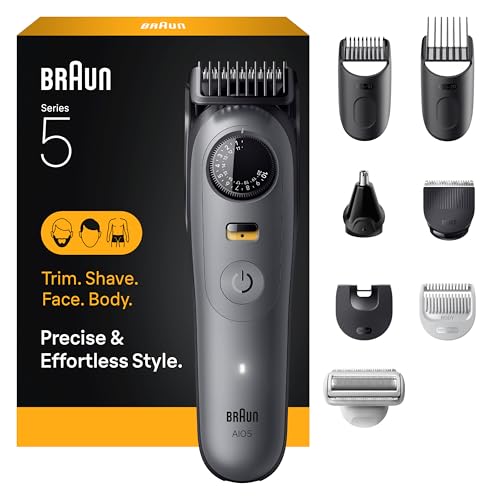
Maintenance: Trim every 2-3 days with a trimmer set to 3mm. Clean the neckline and cheek line with a razor.
2. The Mustache (Mustache Growth Only)
Since the mustache is the strongest growth zone for most Asian men, leaning into it makes sense. The standalone mustache is having a cultural moment, and on Asian men, it adds character without requiring full facial hair coverage. Keep it trimmed above the lip line, defined at the corners, and clean everywhere else.
Maintenance: Trim the lip line every 3-4 days. Shape the corners with precision scissors.
3. The Goatee (Mustache + Chin Growth)
If you have mustache growth and chin growth but not much on the cheeks, the goatee is your style. It concentrates facial hair where you have it and keeps the cheeks clean. On Asian faces, the goatee creates a focal point on the lower face that adds definition, particularly for men with softer or rounder jawlines.
Maintenance: Trim to maintain uniform length. Keep the chin area shaped; do not let it grow wild. Shave cheeks and neck clean.
4. The Anchor Beard (Chin + Jawline)
The anchor beard follows the jawline and chin without requiring cheek coverage. If your facial hair grows along the jaw but not the cheeks, this style turns a limitation into a feature. It creates a sculpted, defined jawline that enhances facial structure.
5. The Short Full Beard (Full Coverage Required)
For the minority of Asian men with full facial hair coverage (often those with South Asian or mixed ancestry), a short, well-maintained beard is an option. Keep it under half an inch to maintain a clean appearance, and shape the cheek line and neckline professionally.
Style Selection Based on Your Growth
| Your Growth Pattern | Best Style | Avoid |
|---|---|---|
| Sparse everywhere | Clean stubble or clean-shaven | Anything longer than 3mm |
| Mustache only | Standalone mustache | Goatee (if chin is bare) |
| Mustache + chin | Goatee or circle beard | Full beard attempts |
| Mustache + chin + jawline | Anchor beard, extended goatee | Full beard (if cheeks are empty) |
| Full coverage (rare) | Short boxed beard | Very long beards (maintenance is intensive) |
Growing Facial Hair: What Actually Works
Let me be direct about what helps and what does not, based on the evidence available.
What Works
Patience: Asian facial hair continues developing into the thirties. Many men who have sparse growth at 20 have noticeably better coverage at 30. Time is the most powerful growth factor.
Minoxidil (off-label): Some Asian men have reported improved facial hair growth using minoxidil (5%) applied to the face. This is an off-label use (it is designed for scalp hair loss), and results vary significantly. Some men see noticeable improvement after 3-6 months; others see nothing. Side effects can include dry skin and initial shedding. Consult a dermatologist before trying.
General health: Adequate sleep, regular exercise (especially resistance training), balanced nutrition with sufficient protein and zinc, and stress management all support testosterone production, which influences facial hair growth.
What Does Not Work
Shaving to stimulate growth: This is a myth. Shaving does not increase the number of follicles, the growth rate, or the thickness of facial hair. The stubble feels coarser because it is cut at a blunt angle, not because it is actually thicker.
Most “beard growth” supplements: Biotin and other supplements are only effective if you have a deficiency. For men with adequate nutrition, supplements will not stimulate new facial hair growth. Save your money.
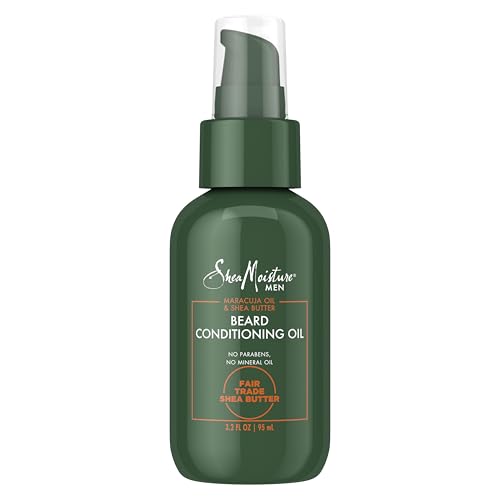
Beard oils for growth: Beard oils moisturize existing facial hair and the skin beneath, making the beard look fuller and healthier. They do not cause new hair to grow.
Grooming and Maintenance
Daily Routine
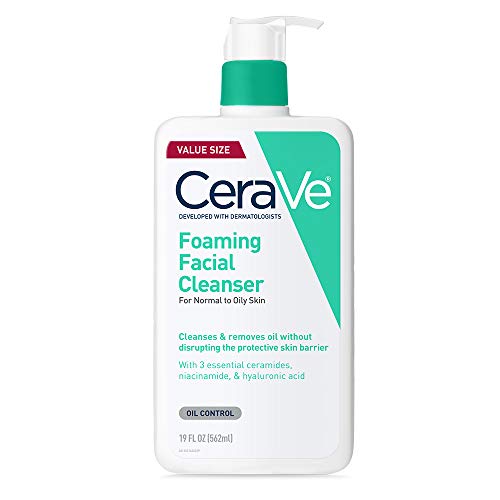
- Cleanse: Wash your face including the facial hair area with a gentle cleanser (CeraVe works well). This prevents the clogged pores and irritation that can develop under facial hair.
- Moisturize: Apply a lightweight moisturizer (CeraVe Moisturizing Cream) to the skin and facial hair. Healthy, hydrated skin supports healthier hair growth.
- Check shape: A quick 30-second check with a trimmer to clean any stray hairs outside your defined lines. On Asian facial hair, stray hairs are more noticeable because they grow in isolation rather than among dense neighbors.
Weekly Routine
- Full trim: Trim all facial hair to your chosen length using a trimmer with an appropriate guard.
- Edge definition: Clean the neckline and cheek line. For Asian men with sparse growth, defined borders are critical because they signal that the facial hair is intentional, not neglected.
- Exfoliate: Use a gentle exfoliant on the facial hair area once a week to remove dead skin cells and prevent ingrown hairs.
Products for Asian Men’s Facial Hair
| Product | Purpose | For Whom |
|---|---|---|
| Precision trimmer | Maintaining length and edges | All facial hair styles |
| Beard oil (lightweight) | Moisturize, reduce itch, add sheen | Goatee, beard wearers |
| CeraVe Cleanser | Gentle cleansing under facial hair | All styles |
| CeraVe Moisturizer | Skin hydration | All styles |
| Tweezers | Removing stray hairs in unwanted areas | Sparse growers who need clean borders |
Facial Hair and Hairstyle Combinations
Facial hair changes the visual balance of your face, so your hairstyle should adjust accordingly.

| Facial Hair Style | Best Haircut Pairing | Why |
|---|---|---|
| Clean stubble | Soft taper, two-block | Subtle facial hair matches subtle taper |
| Mustache | Middle part, slick back | Clean hairstyle balances the mustache focus |
| Goatee | Shorter styles, buzz cut | Draws attention to the face rather than the hair |
| Short beard | Curtain bangs, undercut | Longer top hair creates visual flow with the beard |
When to Stay Clean-Shaven
There is no shame in being clean-shaven. If your facial hair growth is very sparse (fewer than 20-30 visible hairs on each cheek after a month of growth), a clean-shaven look is almost always more polished than attempting a style with insufficient density. A perfectly clean-shaven face with a great hairstyle and solid skincare routine outperforms a patchy, struggling beard every time.
Clean-shaven is a legitimate, respected look in East Asian culture. Korean and Japanese men’s fashion frequently features clean-shaven models. There is no cultural expectation that you must have facial hair to look masculine or put-together.
Frequently Asked Questions
At what age do Asian men typically grow facial hair?
Most East Asian men begin developing noticeable facial hair in their early to mid-twenties, significantly later than men of other ethnicities. Facial hair growth continues to increase through the thirties. If you are in your early twenties with minimal growth, it is too early to make permanent judgments about your beard potential.
Does minoxidil work for Asian men’s beard growth?
Anecdotal reports suggest it helps some men, but clinical studies specifically on Asian facial hair growth with minoxidil are limited. If you want to try it, apply 5% minoxidil to clean, dry facial skin twice daily for at least 6 months before evaluating results. Be aware of potential side effects: dry skin, flaking, initial shedding, and unwanted hair growth in adjacent areas. Consult a dermatologist first.
How do I make sparse facial hair look intentional?
Three strategies: keep it very short (stubble length hides patchiness), maintain crisp edges (defined borders signal intention), and keep the surrounding skin impeccable (clean-shaven neck and cheeks, good skincare). The difference between “cannot grow a beard” and “chose a stylish stubble” is entirely about the precision of the edges and the uniformity of the length.
Should I use beard oil if my facial hair is sparse?
Yes, but sparingly. Even sparse facial hair benefits from the moisturizing effect of beard oil, and the oil keeps the skin beneath healthy. Use one to two drops maximum. On sparse growth, excess oil is visible on the skin and looks greasy. A lightweight, matte-finish oil is preferable to thick, shiny formulations.
Can laser hair removal help shape a patchy beard?
Laser removal is effective at permanently removing unwanted hair, so it can be used to clean up stray hairs outside your desired beard shape. However, it cannot add hair where there is none. If you want to permanently define your neckline or cheek line, laser removal eliminates the need for daily shaving in those areas. It works particularly well on Asian men because the contrast between dark hair and lighter skin is ideal for laser targeting.
Why is Asian men’s beard grooming different from standard grooming advice?
Most beard guides assume thick, full facial hair as the starting point, but East Asian men typically experience sparser, patchier, and slower-growing facial hair due to genetics. This means you need tailored strategies, styles, and products specifically designed for your growth patterns rather than generic advice.
What beard styles work best if I have sparse or patchy facial hair?
Styles like clean stubble, mustache-only, goatee, and anchor beard are designed to work with minimal growth and can help you maximize the hair you do have. The key is choosing a style that matches your specific growth pattern rather than forcing a full beard that won’t come in completely.
Does minoxidil actually work for increasing beard growth in Asian men?
The article mentions minoxidil as a topic but notes that it’s important to understand what actually works versus what doesn’t for your specific genetics. Consulting with a dermatologist is recommended to determine if minoxidil is appropriate for your individual situation and expected results.
Final Thoughts
Asian men beard grooming is about working with reality, not fighting it. Assess your growth honestly, choose a style that matches your actual pattern, maintain it with precision, and own it with confidence. A well-maintained mustache or clean stubble looks infinitely better than a patchy, unkempt attempt at a full beard.
If you are young and your growth is not where you want it, patience is your ally. If you are older and your growth is what it is, the right style and maintenance make all the difference. And if facial hair is simply not in the cards for you, a clean-shaven face paired with a sharp hairstyle and solid skincare is a winning combination that never goes out of style.
For complete grooming guidance, explore our Korean skincare routine, hair care routine, styling product guide, and soft taper haircut guide.