If you want to master soft taper haircut for asian, this guide covers everything you need to know. Last updated: February 2026 by Daniel Park, Licensed Cosmetologist
The soft taper has quietly become the most requested haircut for Asian men who want something cleaner than grown-out hair but less aggressive than a skin fade. While fades dominate Western barbershop culture, the soft taper aligns more naturally with Asian hair’s properties and the understated aesthetic many East Asian men prefer. It is the haircut that says “I care about how I look” without shouting it.
A soft taper gradually reduces the hair length from top to bottom with no harsh lines, no skin showing, and no dramatic contrast. The transition is so seamless that it is difficult to tell where the taper begins and ends. On thick Asian hair, this creates a natural, flowing silhouette that works in boardrooms, classrooms, and everywhere in between. Here is everything you need to know about getting and maintaining the soft taper. For expert guidance on this topic, consult Healthline’s dermatologist-reviewed hair care guide.
Why the Soft Taper Suits Asian Hair : Soft Taper Haircut For Asian
Asian hair’s thickness and straight growth pattern actually make the soft taper look better on us than on many other hair types. The dense, uniform growth creates a smooth gradient when tapered, without the patchiness or thinness that can appear on finer hair. The taper looks full, intentional, and clean.
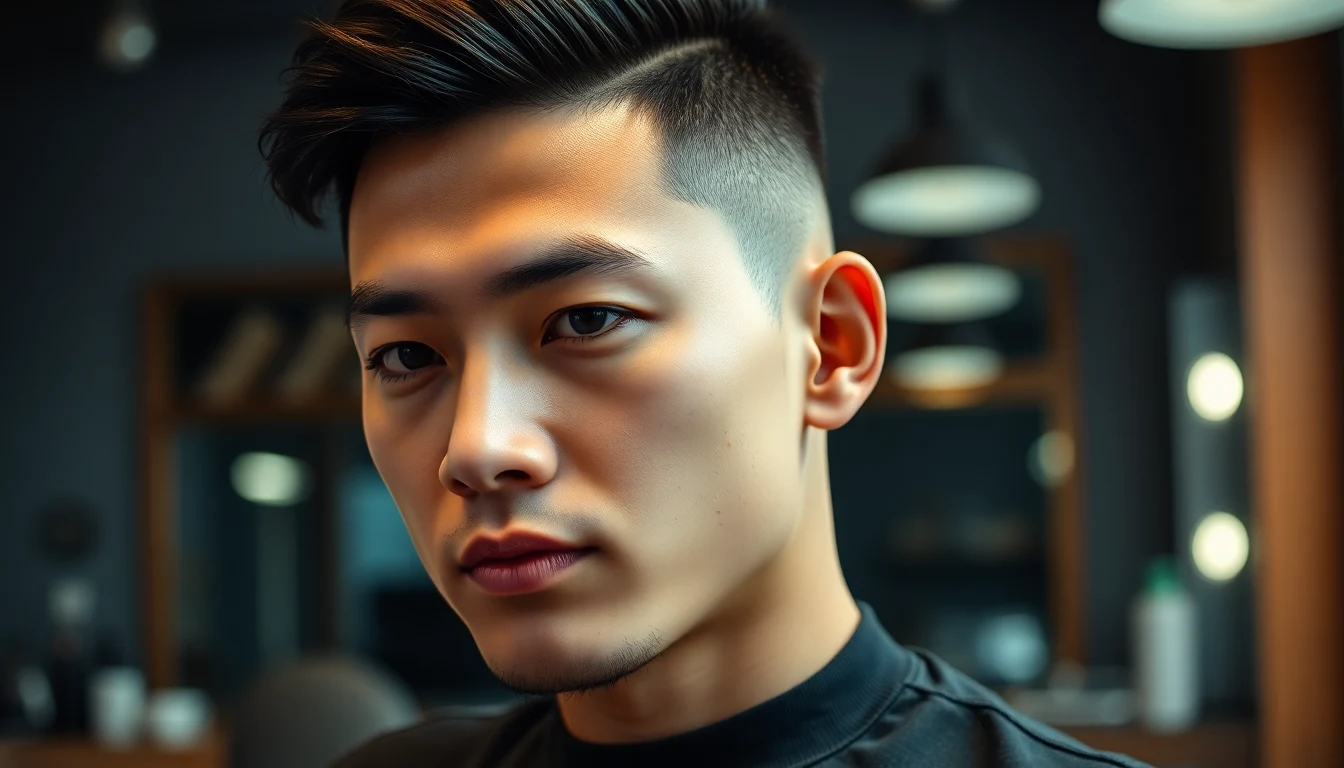
Fades, while popular, can look harsh on Asian men because our thick hair creates a stark line between the faded section and the longer top. The soft taper avoids this by keeping the transition gradual and continuous. There is no “line” to maintain, which also means the haircut grows out more gracefully and requires less frequent barber visits.
In Korean and Japanese barbering, the taper (not the fade) is the traditional standard. Fades were imported from Western barbershop culture. If you prefer a more traditionally East Asian aesthetic, the soft taper is the authentic choice.

Soft Taper Variations
1. Classic Soft Taper
Hair gradually reduces from 3-5 inches on top to about half an inch at the nape and ears. The transition is scissor-cut (not clipper-cut), creating the softest possible gradient. This is the most natural-looking version and the easiest to maintain. Mastering soft taper haircut for asian takes practice but delivers great results.
2. Soft Taper with Textured Top
The same gradual taper on the sides, but the top section is layered and textured with point cutting or razor cutting. This adds movement and dimension to the top while the sides remain smooth and tapered. Use Uevo Design Cube to define the texture.
3. Soft Taper with Fringe
Pairs the tapered sides with a longer fringe section that can be styled as curtain bangs or swept to one side. The fringe adds a fashion element to the conservative taper. Popular with younger Asian men who want style without boldness.
4. Soft Taper with Perm
Adding a body perm to a soft taper creates gentle waves throughout the top section. The combination of the natural taper and soft waves is one of the most flattering looks for Asian men in 2026. The perm adds the texture that straight Asian hair lacks, while the taper keeps the overall shape clean.
Soft Taper vs. Fade: Key Differences
| Factor | Soft Taper | Fade |
|---|---|---|
| Shortest length | 0.5-1 inch | Skin (0 inches) |
| Transition speed | Very gradual | Can be sharp or gradual |
| Tools used | Primarily scissors | Clippers + scissors |
| Maintenance frequency | Every 4-6 weeks | Every 2-3 weeks |
| Grow-out appearance | Graceful | Noticeable within 10 days |
| Aesthetic | Natural, understated | Clean, defined |
| Cultural origin | East Asian/European | Western/Black barbering |
How to Ask for a Soft Taper
Barber Script
“I want a soft taper on the sides and back. No skin showing. Gradual transition from the top length down to about half an inch at the bottom. Use scissors for the blend, not clippers. On top, leave me [X inches]. I want the overall shape to be [rounded/squared/natural]. Texture the top with point cutting.” For more guidance, GQ provides expert resources on men’s grooming.
Key phrases: “No skin,” “scissor taper,” “gradual blend,” “natural shape.”

Bring reference photos from Korean or Japanese hair stylists. Western barbers may default to a fade unless you specifically communicate that you want a taper without skin. East Asian salons understand this request naturally.
Styling the Soft Taper
The beauty of the soft taper is its versatility. The same cut can be styled multiple ways depending on how you blow dry and what product you use.
Style 1: Natural and Relaxed
Blow dry with fingers, letting the hair fall in its natural direction. Apply a tiny amount of Arimino Peace Wax for light control. The result looks like you did nothing but have naturally great hair. Understanding soft taper haircut for asian is key to a great grooming routine.
Style 2: Textured and Defined
Blow dry with a round brush for volume. Apply Uevo Design Cube or Shiseido Uno Fiber Neo and use your fingers to create separated, textured pieces. Finish with a light hairspray.
Style 3: Swept to the Side
Blow dry the top to one side. Apply a medium-hold product and comb into a side-swept position. The soft taper keeps the sides smooth while the top creates a directional flow.
Style 4: Center Part
Create a center part, blow dry each side outward, and apply light product. The tapered sides create a clean frame for the parted top.

Product Recommendations
| Style Goal | Product | Amount |
|---|---|---|
| Natural, barely-there look | Arimino Peace Wax | Pea-sized |
| Textured, defined | Uevo Design Cube | Pea-sized |
| Volume and movement | Sea Salt Spray | 3-4 sprays |
| Smooth, polished | Mise en Scene Serum | 2-3 drops |
| All-day hold | Lipps L08 | Pea-sized |
Maintenance and Grow-Out
One of the soft taper’s greatest advantages is its grow-out. While a fade looks noticeably grown out within ten days, a soft taper maintains its shape for four to six weeks. The gradual transition simply becomes slightly longer overall, which still looks intentional and styled.
To extend the life of your soft taper, ask your barber to cut the sides slightly shorter than your target length on haircut day. As it grows, it will reach your ideal length around week two and maintain it through week four.
Schedule barber visits every four to six weeks. Between visits, you do not need to do anything to the cut itself; just focus on daily styling. This makes the soft taper one of the lowest-maintenance cuts available for Asian men.
Soft Taper by Face Shape
| Face Shape | Taper Recommendation | Top Styling |
|---|---|---|
| Oval | Standard soft taper | Any style works |
| Round | Slightly more reduction at the temples | Volume on top to elongate |
| Square | Standard, slightly rounded shape | Textured to soften angles |
| Oblong | Keep sides slightly fuller | Avoid excessive height on top |
| Heart | Standard soft taper | Fringe to balance forehead |
Frequently Asked Questions
Is a soft taper the same as a regular taper?
A soft taper is a type of taper with an emphasis on the gradual, seamless transition. A “regular” taper can vary in how dramatic the length change is. The “soft” designation specifically means the transition is as gradual and natural-looking as possible, with no visible lines or harsh contrasts.
Can I get a soft taper at a Western barbershop?
Yes, but communicate clearly. Many Western barbers default to fades because that is the dominant request. Say “taper, not fade” and “no skin showing” explicitly. Better yet, find a barber or stylist experienced with Asian hair. Korean and Japanese salons understand the soft taper natively since it is their default approach to the sides. When it comes to soft taper haircut for asian, technique matters most.

How is the soft taper cut differently from a fade?
The main difference is tools and technique. A fade uses clippers with guard adjustments and a taper lever to create the gradient. A soft taper is primarily cut with scissors, using a comb-over-fingers or comb-and-cut technique. Scissors create a softer, more natural gradient than clippers. Some barbers use clippers for the lower section and scissors for the upper blend, which is an acceptable hybrid approach.
Does the soft taper work on thick Asian hair that sticks out?
Yes, with an important caveat. If your hair grows outward at the sides (a common issue), the barber needs to thin the sides and use a technique called “notching” or “slithering” to remove internal bulk. This allows the tapered hair to lay flat against the head rather than sticking out. A down perm on the sides can also help. Without addressing the outward growth, even a well-cut taper will puff out within days.
How often should I get a soft taper haircut?
Every four to six weeks for most Asian men. The gradual nature of the taper means it grows out gracefully, so you have more flexibility than with a fade. If you have very fast-growing hair (common for Asian men), lean toward four weeks. If your growth is average, six weeks is fine.
Final Thoughts
The soft taper for Asian men is the thinking man’s haircut. It is understated, versatile, low-maintenance, and flattering on every face shape. It respects the natural properties of Asian hair rather than fighting them, and it grows out gracefully rather than demanding biweekly barber visits.
If you have been defaulting to fades because “everyone gets them,” consider trying a soft taper on your next visit. You may find that the natural, seamless look suits you better than you expected. Pair it with quality products like Arimino Peace Wax or Uevo Design Cube, master the blow dry technique from our hair care routine guide, and you have a complete system that keeps you looking sharp with minimal effort.
For more style options, explore our Korean hairstyles guide, curtain bangs guide, and product recommendations.

Frequently Asked Questions
How often should I get a soft taper haircut for Asian men to maintain the look?
You should visit your barber every 3-4 weeks to maintain the soft taper’s clean appearance and seamless gradation. This timing prevents the cut from growing out unevenly while keeping the understated aesthetic intact without looking overgrown.
Can I get a soft taper at a regular Western barbershop, or do I need a specialized barber?
While many Western barbershops can execute a soft taper, you’ll have better results at a barber experienced with Asian hair textures and cuts. Look for barbers who specifically advertise experience with Asian men’s grooming, as they understand how to work with thicker hair and the cultural preference for subtle, refined styles.
What’s the main difference between a soft taper and a fade for Asian hair?
A soft taper gradually reduces length with no harsh lines or skin exposure, while a fade typically shows skin and creates dramatic contrast. The soft taper is more versatile for professional settings and complements Asian hair’s natural thickness without the aggressive look of a fade.
How do I ask my barber for a soft taper if I’ve never had one before?
You can use the phrase ‘soft taper with no skin showing’ and explain you want a gradual transition from longer hair on top to shorter on the sides. Bringing a photo of the style you like to your barber ensures you’re both on the same page about the subtle, refined look you’re after.