By Finn O’Sullivan, Redhead Grooming Editor
Red hair pays for a careless shampoo routine, the kind where it is whatever bar soap or drugstore shampoo happens to be in the shower. Bright copper slides into a dull, brassy version of itself, the red that looks washed out rather than striking.
Red hair fades faster than any other natural color. The pigment responsible for red hair, pheomelanin, is chemically less stable than the eumelanin found in brown and black hair. This means every wash with a harsh shampoo, every swim in a chlorinated pool, every hour in direct sunlight is stripping color from your strands. Finding the best shampoo for red hair is not about vanity. It is about preserving the natural color that makes your hair distinctive.
This guide breaks down the science behind red hair color loss, identifies which shampoo ingredients to seek out and which to avoid, and recommends specific products for men with natural red hair ranging from strawberry blonde to deep auburn.
Why Red Hair Fades: The Science of Pheomelanin
To understand why shampoo matters so much for red hair, you need to understand what gives your hair its color in the first place. All human hair gets its color from two types of melanin: eumelanin (brown/black pigment) and pheomelanin (red/yellow pigment). Redheads have high concentrations of pheomelanin and low concentrations of eumelanin, thanks to a variant in the MC1R gene.

Pheomelanin has a different chemical structure than eumelanin. It contains sulfur-based bonds that are more susceptible to oxidative damage. When exposed to UV light, harsh detergents, or high heat, these bonds break more readily, causing the pigment to degrade. This is why a redhead who spends a summer outdoors without hair protection can go from deep copper to a washed-out strawberry by September.
Shampoo accelerates this process when it contains sulfates, specifically sodium lauryl sulfate (SLS) and sodium laureth sulfate (SLES). These are powerful detergents that create the foaming lather most men associate with a “good” shampoo. But that lather comes at a cost. Sulfates strip not only dirt and oil from the hair shaft but also the natural lipids that protect the cuticle layer. When the cuticle is lifted and damaged, the pheomelanin underneath is exposed to further degradation with every subsequent wash.

For men with brown or black hair, this pigment loss is barely noticeable because eumelanin is more resilient. For redheads, each wash with a sulfate shampoo is measurably dimming your color. Over months, the cumulative effect transforms vibrant red into a muddy, flat tone that looks nothing like your natural shade.
Ingredients to Look For in Red Hair Shampoo
The best shampoos for red hair men share several key characteristics. Here is what to look for on the label.
Sulfate-free surfactants: Look for shampoos that use gentle cleansers like cocamidopropyl betaine, decyl glucoside, or sodium cocoyl isethionate. These clean effectively without the aggressive stripping action of SLS/SLES. Your hair will still get clean. It just will not get stripped.
UV filters: Some shampoos and conditioners include UV-absorbing ingredients like ethylhexyl methoxycinnamate or butyl methoxydibenzoylmethane. While these will not replace sun protection (wear a hat), they add a layer of defense against photodegradation of pheomelanin between washes.
Antioxidants: Vitamin E (tocopherol), vitamin C (ascorbic acid), and green tea extract neutralize free radicals that attack pheomelanin. Shampoos containing these ingredients help slow the oxidative process that fades red pigment.
Hydrolyzed proteins: Hydrolyzed keratin, silk, or wheat protein fills in gaps in the hair cuticle, creating a smoother surface that reflects light better. For red hair, this translates to more vibrant color because the smooth cuticle allows pheomelanin to show through clearly rather than scattering light in all directions (which creates a dull, flat appearance).
Natural oils: Argan oil, jojoba oil, and coconut oil (in small amounts) help maintain the lipid layer on the hair shaft, which serves as a natural barrier against environmental damage. They also add a healthy sheen that makes red tones pop.
Ingredients to Avoid
Sodium lauryl sulfate (SLS) and sodium laureth sulfate (SLES): The primary color-stripping culprits. Non-negotiable. Avoid these in every wash.

Parabens: Methylparaben, propylparaben, and butylparaben are preservatives that can disrupt the scalp’s natural microbiome. For redheads with sensitive scalps (which is common due to the MC1R gene also affecting skin sensitivity), parabens can trigger irritation and flaking.
Alcohol (high concentrations): Denatured alcohol, isopropyl alcohol, and SD alcohol 40 are drying agents that strip moisture from fine red hair. Some products list cetearyl alcohol or stearyl alcohol, which are fatty alcohols and actually beneficial. Learn the difference. Drying alcohols are bad. Fatty alcohols are fine.
Artificial colorants: Shampoos with synthetic dyes (listed as FD&C or D&C colors) can deposit unwanted tones on light red and strawberry blonde hair. They are also unnecessary in a product designed to clean your hair.
Silicones (heavy buildup types): Dimethicone and cyclomethicone coat the hair shaft. While this can make hair feel smooth initially, the buildup requires clarifying shampoos to remove, creating a cycle of stripping and coating that damages red hair over time. Water-soluble silicones like dimethicone copolyol are acceptable in moderation.
Best Shampoos for Red-Haired Men: Our Top Picks
Each one meets the criteria above and is widely available online or in grooming stores.
1. Pureology Hydrate Shampoo
Pureology Hydrate Shampoo is the gold standard for color-safe cleansing. It is 100% sulfate-free, vegan, and formulated with jojoba, green tea, and sage to strengthen and protect the hair shaft.
Best for: All shades of red hair, particularly copper and bright ginger that are prone to fading.

Pros: Excellent color protection, concentrated formula lasts a long time.
Cons: Higher price point than drugstore options.
2. Redken Color Extend Magnetics Shampoo
Redken Color Extend Magnetics Shampoo uses a charge-neutralizing technology that attracts and binds color-protecting ingredients to the hair strand. For redheads, this means the protective layer stays on the hair longer between washes, providing ongoing defense against color fade. It is sulfate-free and contains an amino acid complex that strengthens fine red hair without weighing it down.
Best for: Men who wash their hair frequently (every day or every other day) and need extra protection from repeated washing.
Pros: Strong color retention, lightweight formula.
Cons: Needs to be paired with the Magnetics conditioner for best results.
3. Aveda Color Conserve Shampoo
Aveda Color Conserve Shampoo is a plant-based option that uses wintergreen-derived salicylic acid and organic sunflower to protect hair from UV damage and environmental fading. It is particularly good for redheads who spend time outdoors because the botanical UV protection adds a layer of defense beyond what most color-safe shampoos offer.
Best for: Active, outdoor redheaded men who need UV protection built into their hair care.

Pros: UV protection, plant-based formula, distinctive Aveda scent.
Cons: Can leave fine hair slightly limp if over-conditioned. Use sparingly.
4. Jack Black True Volume Thickening Shampoo
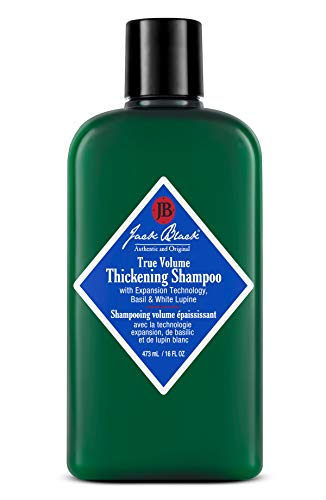
Jack Black True Volume Thickening Shampoo is a strong option for redhead men with fine, thin hair who need volume as well as color protection. It is sulfate-free and uses white lupine proteins and creatine to expand the hair shaft diameter, giving the appearance of thicker, fuller hair. For redheads with the classic fine-strand-fewer-strand combination, this adds the body and density that red hair often lacks.
Best for: Redhead men with fine, thin hair who want volume and thickness in addition to color protection.
Pros: Adds noticeable volume, sulfate-free, creatine-based thickening is gentle on color.
Cons: Not as strong on pure color protection as Pureology or Redken. Better as a supplementary shampoo.
5. Brickell Men’s Daily Strengthening Shampoo
Brickell Men’s Daily Strengthening Shampoo is a men-focused option that uses tea tree oil, peppermint, and vitamin E in a sulfate-free base. It is marketed toward men specifically, which means the scent is clean and masculine rather than floral. For redheads who want a no-fuss, one-bottle solution that does not fade their hair, this is a solid daily driver.
Best for: Redhead men who want a straightforward men’s grooming product without the salon branding.
Pros: Men-focused branding and scent, natural ingredients, travel-friendly size available.
Cons: Tea tree oil can be irritating for men with very sensitive scalps. Patch test first if you have a history of scalp reactions.

- SPF 30 MINERAL SUNSCREEN SERUM: This sheer, lightweight tinted mineral sunscreen
- UNIVERSAL TINT, NATURAL FINISH: Formulated with a universal tint that blends sea
- SKINCARE-INFUSED DAILY DEFENSE: Enriched with Vitamin C, Hyaluronic Acid, Cerami
Shampoo Comparison Table
| Shampoo | Sulfate-Free | UV Protection | Best Red Shade | Hair Type | Price Range |
|---|---|---|---|---|---|
| Pureology Hydrate | Yes | Moderate | All shades | Normal to dry | $$ |
| Redken Magnetics | Yes | Low | All shades | Normal, frequent wash | $$ |
| Aveda Color Conserve | Yes | High | Copper, ginger | Normal to oily | $$ |
| Jack Black True Volume | Yes | Low | Strawberry blonde | Fine, thin | $$ |
| Brickell Strengthening | Yes | Low | Auburn, rust | All types | $$ |
How Often Should Redhead Men Wash Their Hair?
This is one of the most common questions redheaded men ask, and the answer depends on your scalp type and lifestyle. However, the general rule for redheads is less often than you think.
Normal scalp, office job: Every other day, or every two days. Use conditioner-only rinses on non-shampoo days. This preserves the natural oils that protect pheomelanin while keeping hair fresh.
Oily scalp: Daily washing may be necessary, but use the gentlest sulfate-free shampoo you can find and focus application on the scalp only, not the hair strands. Let the suds rinse through the length of the hair rather than scrubbing the full strand.
Dry scalp: Twice a week maximum. Red hair combined with a dry scalp is a recipe for visible flaking (white flakes show up dramatically against red hair). Use a hydrating shampoo and follow with a rich conditioner every time.
Active lifestyle (gym, sports, outdoors): Rinse with water after exercise and shampoo every other day. The temptation is to shampoo after every workout, but sweat alone does not require detergent to remove. Water rinses handle sweat. Shampoo handles oil and product buildup.
The Complete Red Hair Washing Routine
Here is the step-by-step process I recommend for redhead men who want to maintain vibrant, healthy hair.
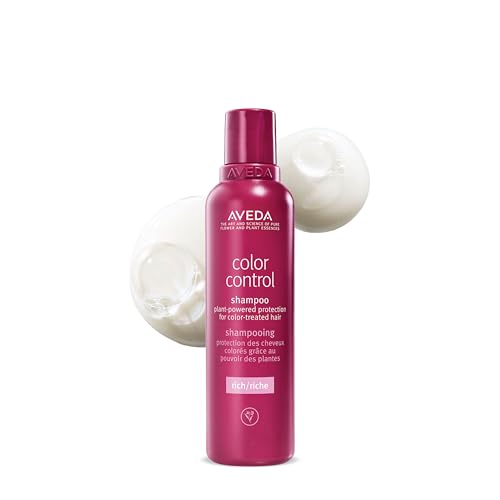
Step 1: Wet hair thoroughly with lukewarm water. Hot water opens the cuticle and allows pigment to escape more easily. Lukewarm water cleanses without causing unnecessary cuticle damage.
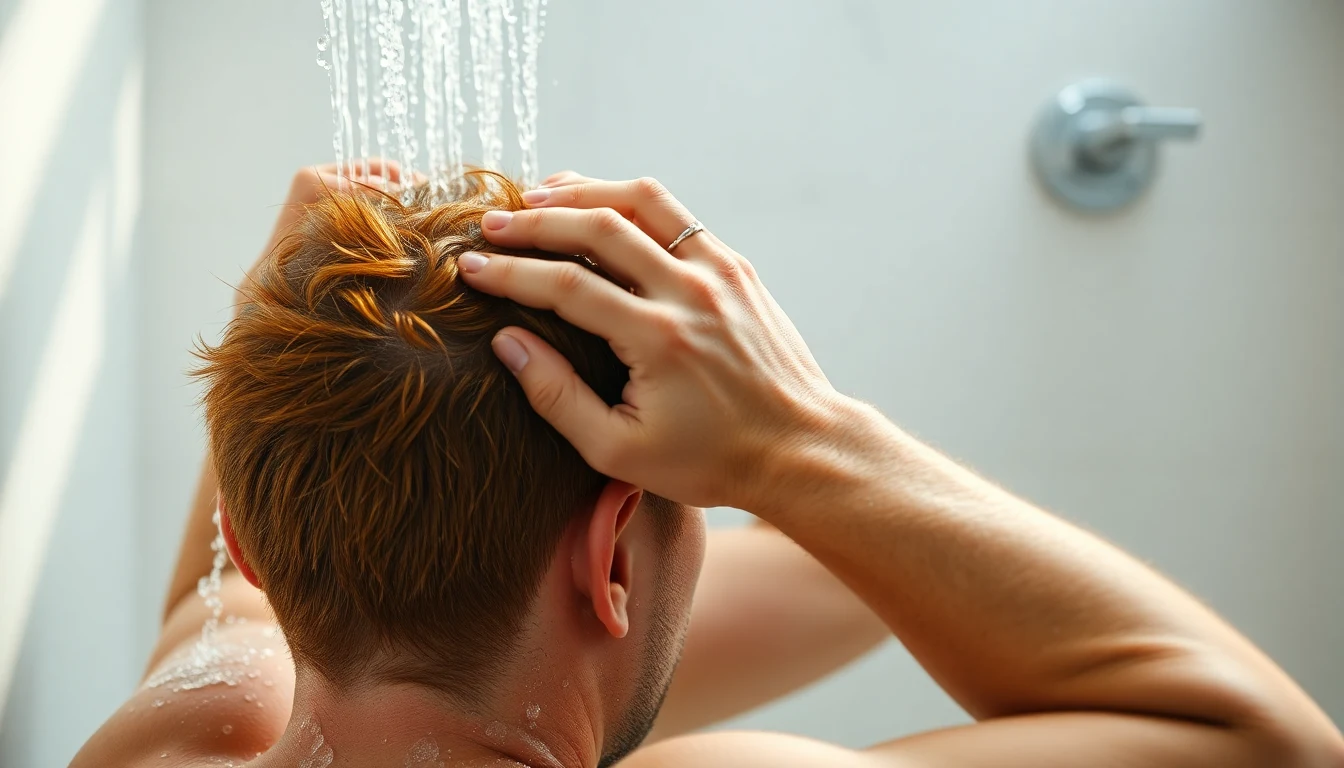
Step 2: Apply a coin-sized amount of sulfate-free shampoo to your palms. Rub your hands together to distribute the product, then massage it into your scalp using your fingertips (not nails). Focus on the scalp, where oil and product buildup accumulate. Let the suds run through the length of your hair as you rinse. Do not scrub the strands themselves.
Step 3: Rinse thoroughly. Leftover shampoo residue dulls red hair and can cause scalp irritation. Rinse until the water runs clear and your hair feels squeaky at the roots but not at the ends.
Step 4: Apply conditioner from the mid-lengths to the ends. Avoid applying conditioner to the roots, as this can weigh down fine red hair and make it look flat. Let the conditioner sit for 1 to 2 minutes, then rinse with cool water. The cool water closes the cuticle, locking in moisture and sealing the pheomelanin inside the strand.
Step 5: Gently blot with a towel. Do not rub vigorously. Wet hair is more fragile than dry hair, and rough towel drying can cause breakage and frizz, both of which are more visible on fine red hair. Blot or squeeze gently, then let your hair air dry or use a blow dryer on a low heat setting.
Color-Depositing Shampoos: Are They Worth It?
Color-depositing shampoos contain small amounts of pigment that deposit onto the hair strand with each wash. For redheads, these products use copper, auburn, or warm-toned pigments to boost faded color without the commitment or damage of a full dye job.
How they work: The pigment molecules in color-depositing shampoos are small enough to adhere to the outer cuticle layer of the hair. They do not penetrate the cortex like permanent dye. This means the color washes out gradually over 4 to 8 washes, depending on the product and your washing frequency.
Who should use them: Redhead men whose natural color has faded from sun exposure, aging, or years of harsh shampoo use. Also useful for men with mixed-color hair (red beard, darker head hair) who want to unify the tones slightly.
Who should skip them: Men with very bright, vibrant natural red who do not need any color enhancement. Adding pigment to already-vibrant hair can make it look artificially saturated.
Application tip: Use a color-depositing shampoo once or twice a week, alternating with your regular sulfate-free shampoo. Leave it on the hair for 3 to 5 minutes before rinsing to allow the pigment time to adhere. Wear gloves during application, as the pigment can stain hands and nails temporarily.
Fine vs Thick Red Hair: Different Shampoo Strategies
Not all red hair has the same texture. Your shampoo strategy should match your specific hair type within the red spectrum.
Fine red hair (most common): This is the classic redhead texture. Individual strands are thin, and the overall density can feel sparse. Fine red hair needs a lightweight, volumizing shampoo that cleanses without weighing the hair down. Avoid heavy, creamy shampoos designed for thick or coarse hair, as these will make fine red hair look limp and oily. Jack Black True Volume is an excellent choice for fine red hair because it adds body without residue.
Medium red hair: You have the most flexibility. Most sulfate-free color-safe shampoos will work well. Focus on color protection rather than volume or weight, and alternate between a hydrating shampoo and a lighter, clarifying one every couple of weeks to prevent buildup.
Thick, coarse red hair (less common but exists): Some redheads, particularly those with Celtic or Scottish heritage, have surprisingly thick, coarse, wavy red hair. This texture needs more moisture than fine red hair and benefits from richer, creamier shampoos. Pureology Hydrate is the best option here because it delivers deep moisture without the sulfates that would strip your color.

Dealing With Hard Water
If you live in an area with hard water (high mineral content), your red hair is fighting an uphill battle regardless of which shampoo you use. The calcium and magnesium in hard water deposit on the hair shaft, creating a mineral buildup that dulls color and makes hair feel coarse and straw-like.
Shower filter: The most effective solution is installing a shower head filter that removes minerals and chlorine from the water. These cost between $20 and $60 and are easy to install. For redheads in hard water areas, this single change can make more difference than switching to an expensive shampoo.
Chelating shampoo: Use a chelating shampoo (also called a demineralizing shampoo) once every 2 to 4 weeks to strip mineral buildup. This is different from a clarifying shampoo, which removes product buildup. Chelating agents specifically target and dissolve mineral deposits. Use it sparingly because it can strip color along with the minerals.
Apple cider vinegar rinse: A DIY alternative to chelating shampoo. Mix one part apple cider vinegar with four parts water and pour it through your hair after shampooing. Let it sit for 2 minutes, then rinse with cool water. The acidity dissolves mineral deposits and closes the cuticle. Some redheads report a noticeable brightening of color after regular ACV rinses.
Frequently Asked Questions
Can regular shampoo turn red hair orange or brassy?
Yes. Harsh shampoos strip the deeper, cooler red pigments first, leaving behind the warmest, most yellow-orange tones. This is why faded red hair often looks brassy rather than simply lighter. Sulfate-free shampoos prevent this by preserving the full spectrum of pheomelanin rather than selectively stripping the most vulnerable pigments.
Is 2-in-1 shampoo and conditioner okay for red hair?
Generally, no. Most 2-in-1 products use stronger surfactants to compensate for the conditioning agents, which defeats the purpose of using a gentle shampoo. Separate products allow you to target the scalp with shampoo and the hair length with conditioner, which is the optimal approach for preserving red hair color.
Do I need a different shampoo for my red beard?
Beard hair is coarser and drier than head hair, so it benefits from a dedicated beard wash or at minimum the same sulfate-free shampoo you use on your head. Avoid using body wash or bar soap on your beard, as these are typically too harsh and will dry out both the beard and the skin underneath, causing beardruff and irritation.

How long does it take to see results from switching to sulfate-free shampoo?
Most redheads notice a difference within 2 to 4 weeks. There is often a transition period in the first week where hair feels different (less squeaky-clean, which some men interpret as not getting clean). This passes as your scalp adjusts. By week 3 or 4, the color vibrancy improvement is typically visible to other people, not just you in the mirror.
Should I use purple shampoo on red hair?
No. Purple shampoo is designed to neutralize yellow and brassy tones in blonde and gray hair. On red hair, purple shampoo can cancel out the warm tones that give your hair its character, leaving it looking muddy or brownish. If you need to correct brassiness in red hair, use a shampoo with blue or copper-toned pigments specifically designed for red shades, not purple.
Why does red hair fade faster than other hair colors?
Red hair contains pheomelanin, a pigment that is chemically less stable than the eumelanin found in brown and black hair. This means your red hair loses color more quickly with each wash, sun exposure, and environmental stressor, which is why choosing the right shampoo is essential for maintaining your natural shade.
What ingredients should I avoid in shampoos for red hair?
You should avoid harsh sulfates, clarifying agents, and alkaline formulas that strip color and natural oils from your strands. Look for shampoos labeled as sulfate-free and color-safe, as these are gentler on red hair and help preserve your natural pigment between washes.
What are the best shampoos for red-haired men that protect color?
Top options include Pureology Hydrate Shampoo, Redken Color Extend Magnetics Shampoo, Aveda Color Conserve Shampoo, and Jack Black True Volume Thickening Shampoo, all of which are specifically formulated to maintain red hair color while managing fine hair texture.
Can harsh shampoo really damage the brightness of my red hair?
Yes, drugstore shampoos with harsh ingredients can strip color from red hair just as effectively as bleach would. A single switch to a color-safe, sulfate-free formula designed for red hair can help restore brightness and prevent the dull, brassy tone that comes from using the wrong products.
Building Your Shampoo Routine: A Summary
Here is a quick-reference routine for redhead men who want to maintain their natural color.
Primary shampoo (every other day): Sulfate-free, color-safe shampoo. Pureology Hydrate or Redken Color Extend Magnetics.
Color boost (1-2x per week, optional): Color-depositing shampoo with copper or red tones. Replace your regular shampoo on these days.
Deep clean (every 2-4 weeks): Chelating or gentle clarifying shampoo to remove mineral and product buildup. Follow immediately with a deep conditioner to replenish moisture.
Conditioner (every wash): Apply from mid-lengths to ends. Rinse with cool water.
Non-wash days: Rinse with water only, or use a conditioner-only co-wash to freshen up without stripping.

The effort of switching to the right shampoo pays off within weeks. Your red hair is too distinctive to wash with generic products that were designed for brown hair. Treat it with the care it deserves, and it will reward you with the kind of vibrant, head-turning color that makes being a redhead something to be proud of.