By Jaylen Torres, Curly Hair Editor
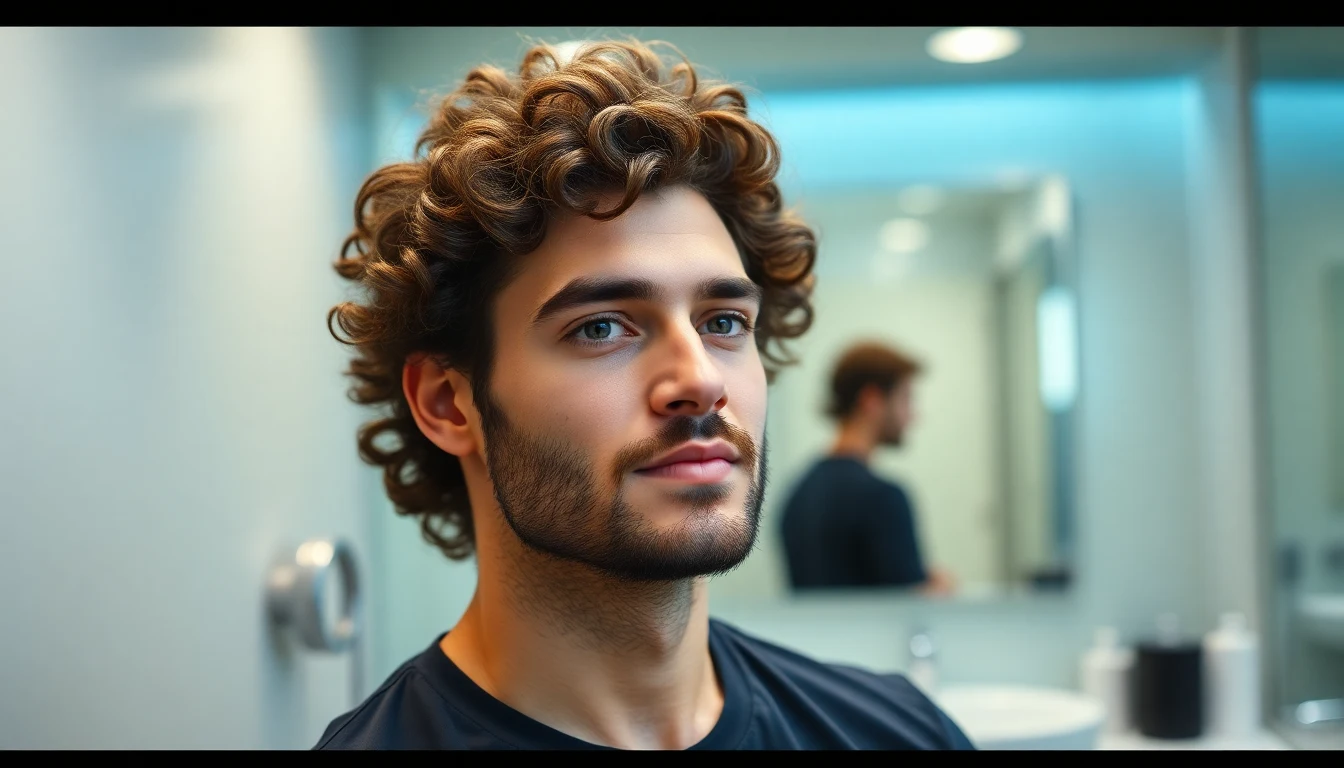
Picture a curly undercut: 3A curls flowing on top, the sides buzzed to a #1. The contrast is immediate and dramatic. It looks like two completely different haircuts merged into one, and somehow it works perfectly.
The curly hair undercut for men is the bolder alternative to a curly fade. Where a fade blends gradually, an undercut disconnects sharply. The short sides make a statement, and the curly top gets to be the entire show. This guide covers every variation (disconnected, tapered hybrid, faded undercut), who each one works best for, barber instructions, and the styling routine that makes the curly top look its best against those clean buzzed sides.
If you want the blended alternative instead, our curly hair fade styles guide covers every fade variation.
Undercut vs. Fade: Understanding the Difference
Before we get into variations, let me clear up the confusion that exists between undercuts and fades. They are different cuts with different aesthetics.
| Feature | Undercut | Fade |
|---|---|---|
| Transition | Sharp disconnection, no blend | Gradual blend from short to long |
| Side length | Uniform short (usually #1-#2) | Gradient from skin/0 to longer |
| Visual effect | Dramatic, modern, bold | Classic, clean, versatile |
| Grow-out | Looks intentional for ~3-4 weeks | Loses shape after 2-4 weeks |
| Maintenance | Buzz sides every 2-3 weeks | Barber visit every 2-4 weeks |
| Complexity | Easy to DIY (just buzz the sides) | Requires skilled barber for the blend |
The curly advantage: Curly hair is actually ideal for undercuts because the natural volume and texture on top creates instant contrast with the buzzed sides. Straight hair undercuts can look flat on top. Curly undercuts have built-in volume and visual interest. For general fade information, check our types of fades guide.
Curly Undercut Variations
1. Classic Disconnected Undercut
The purest form. Sides and back buzzed to one length (#1 or #2), top left 4-6+ inches with natural curls. A visible line separates the two zones with zero blending.

| Attribute | Details |
|---|---|
| Best curl type | 3A-3C (enough volume to create contrast) |
| Side guard | #1 (1/8″) or #2 (1/4″) |
| Top length | 4-6 inches minimum |
| Vibe | Bold, editorial, high-contrast |
| Maintenance | Buzz sides every 2-3 weeks, DIY-friendly |
Who this is for: Guys who want a strong style statement and are comfortable with the maintenance. This is the most dramatic version and gets the most attention (and compliments). It works especially well on mixed-race men whose curl definition creates a striking visual against the bare sides.
2. Tapered Undercut
A softer version. The sides are still significantly shorter than the top, but instead of a sharp disconnection, there is a slight taper (1-2 guard sizes of gradient) at the transition point. The overall effect is still “undercut” but with a more wearable, less stark contrast.
| Attribute | Details |
|---|---|
| Best curl type | 2C-3B |
| Side guard | #2 bottom, #3 at transition |
| Top length | 3-5 inches |
| Vibe | Modern but professional-friendly |
| Maintenance | Barber every 3-4 weeks |
Who this is for: Guys who like the undercut aesthetic but work in professional settings where a sharp disconnect might be too bold. The tapered version reads as “stylish” rather than “edgy.”
3. Faded Undercut (Hybrid)
The best of both worlds. The lower portion of the sides has a skin or low fade, transitioning into a short length (#2-3) at the undercut line. The top still has the distinct longer-than-sides undercut look, but the fade at the bottom adds polish.
| Attribute | Details |
|---|---|
| Best curl type | 3A-4A |
| Side setup | Skin to #2 fade on lower sides, #2-3 undercut on upper sides |
| Top length | 4-6 inches |
| Vibe | Polished and dramatic |
| Maintenance | Barber every 2-3 weeks (the fade portion grows out faster) |
Who this is for: Guys who want the undercut’s drama with the fade’s refinement. This is currently one of the most popular men’s curly hairstyles because it combines the visual impact of both styles.
4. Long Top Curly Undercut
Maximum contrast. The top is grown to 6-10 inches (accounting for shrinkage), creating full, flowing curls that cascade over or near the undercut line. The sides are buzzed short. This is the most dramatic and statement-making variation.
| Attribute | Details |
|---|---|
| Best curl type | 3A-3B (where shrinkage is moderate enough for curls to fall visibly) |
| Side guard | #1-#2 |
| Top length | 6-10 inches |
| Vibe | Artistic, high-fashion, creative |
| Maintenance | Sides every 2-3 weeks, top trim every 8-12 weeks |
What to Tell Your Barber
Here is the exact script for getting the curly undercut you want.

- “I want an undercut, not a fade.” This is the most important distinction. Many barbers default to a fade when they hear “short sides.” Specify that you want a disconnection, not a blend.
- “Buzz the sides to a [#1/#2/#3].” The lower the number, the more dramatic the contrast. #1 is close to skin. #2 is a subtle shadow. #3 starts looking like a very short crop rather than a buzz.
- “The disconnection line should be at [ear level/temple level/above the temple].” Where the undercut line sits determines how much of your head is buzzed. Higher = more dramatic.
- “Leave the top at [X inches] and cut it dry.” Dry cutting is essential for curly hair to account for shrinkage.
- “No thinning on top.” Thinning shears on curly hair destroy curl clumps and create frizz.
Bring photos. The disconnect point is the most variable aspect of an undercut. Photos eliminate guesswork. Show your barber exactly where you want the line to sit.
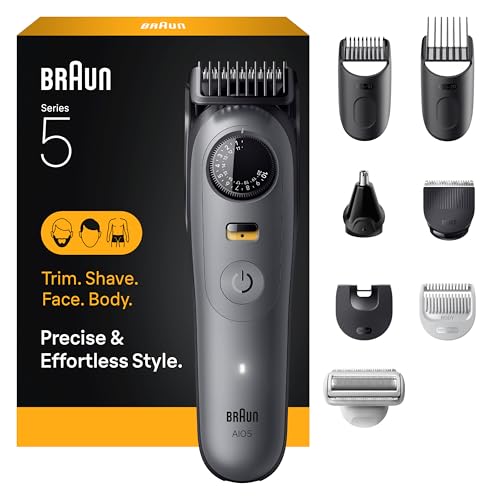
Can You DIY a Curly Undercut?
Yes, and it is one of the easier styles to do yourself because the sides are a uniform buzz (no blending required). Here is the basic process.
- Tie or clip the top hair up and out of the way. Secure everything above your desired undercut line.
- Attach your guard (#1 or #2) to your clippers.
- Buzz everything below the line. Move the clippers upward, following the shape of your head. Go against the grain for a closer cut.
- Clean up the back using a mirror or ask someone to check it for you.
- Release the top. Style as normal.
The tricky part: Getting the undercut line even on both sides without a second mirror. If you are doing this solo, go conservative with the line height (lower than you think) and raise it gradually on subsequent cuts once you see how it sits.
Styling the Curly Top
The top of your undercut gets your full curl routine. The sides get nothing.
| Step | Product | Application Zone |
|---|---|---|
| Shampoo | SheaMoisture Coconut & Hibiscus | Entire head (scalp needs cleansing everywhere) |
| Conditioner | Match to shampoo | Top section only |
| Leave-In | Aunt Jackie’s Quench | Top section only |
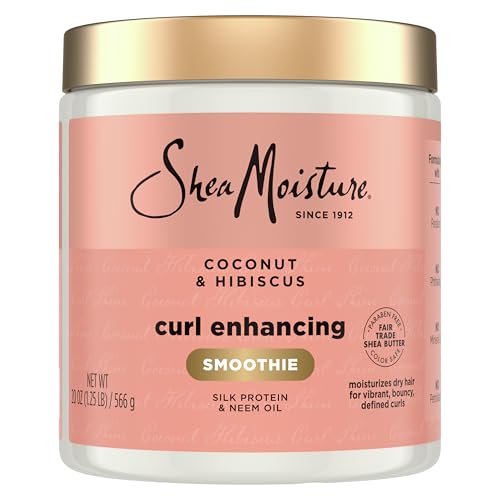
| Curl Cream | SheaMoisture Curl Enhancing Smoothie | Top section only (3A+ types) |
| Gel | Eco Styler Olive Oil Gel | Top section only |
Styling direction matters on an undercut. With a fade, curls generally sit wherever they want. With an undercut, you can push your curls forward (creating a curly fringe that falls over the forehead), to one side, or straight up for maximum volume. Experiment with different directions while your hair is wet and product-laden to find what suits your face shape. For technique details, see our curl definition guide.
Maintaining Your Curly Undercut
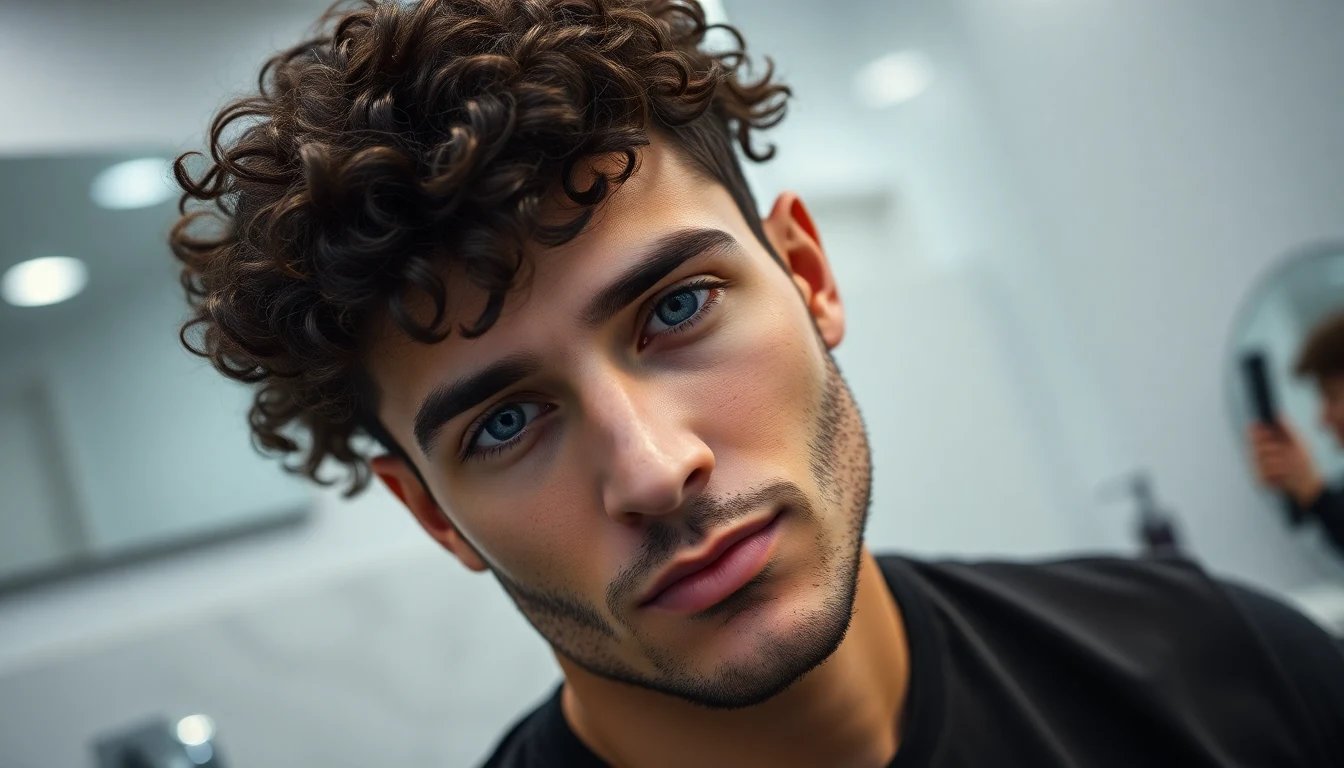
| Timeline | What Happens | Action |
|---|---|---|
| Fresh cut | Sharp disconnection, maximum contrast | Enjoy. Regular curl routine on top. |
| Week 1-2 | Sides start showing slight growth but still read as undercut | Optional: buzz sides at home to reset |
| Week 3-4 | Sides are visibly longer, disconnection is softer | Time to buzz sides. If you like the softer look, let it ride another week. |
| Week 5-6 | Sides are long enough to start looking like a grown-out cut rather than an intentional undercut | Definitely buzz or visit barber. Or transition to a different style. |
DIY maintenance advantage: Unlike a fade, which requires a skilled barber to blend, you can maintain an undercut at home with clippers. Clip the top up, buzz the sides every 2-3 weeks, done. This saves money compared to biweekly barber visits for a fade. For general maintenance tips, see how to maintain a fade.
Who Should Avoid the Curly Undercut
- Types 2A-2B. Wavy hair usually does not have enough volume on top to create the contrast an undercut needs. The top lies flat, making the disconnection look awkward rather than intentional.
- Very thin hair density. The undercut depends on a visible mass of curls on top. Thin hair on top with buzzed sides can look sparse.
- Conservative workplaces. Some corporate environments consider the disconnected undercut too “edgy.” The tapered undercut or a classic fade may be safer options.
- Guys who hate maintenance. If you do not want to buzz your sides every 2-3 weeks, a low fade grows out more gracefully.
Transitioning from Undercut to Fade (and Vice Versa)
Undercut to fade: Let the sides grow for 4-6 weeks without buzzing. Once there is enough length variation on the sides, a barber can blend the regrowth into a fade. The top does not change.
Fade to undercut: Ask your barber to buzz the sides to one uniform length instead of blending. The transition is instant, as one visit converts a fade into an undercut. Keep your curly top length the same.
Either way the curly top stays put and only the sides change, so you can swap between undercut and fade whenever you like without a long-term commitment.
Best Undercut Height by Face Shape
| Face Shape | Best Undercut Line | Why |
|---|---|---|
| Oval | Any height (you lucked out) | Oval faces are proportional and suit almost every style |
| Round | Higher undercut, more volume on top | Height on top and short sides elongate a round face |
| Square | Mid-height undercut | Balances the strong jawline without adding too much height |
| Long/Rectangular | Lower undercut, moderate top height | Avoid adding too much height on top, which exaggerates length |
| Heart | Mid to low undercut | Keeps width at the sides to balance a narrower jaw |
Frequently Asked Questions
What is a curly hair undercut?
A curly hair undercut is a hairstyle where the sides and back are buzzed very short (usually a #1 or #2 guard) while the top is left significantly longer to showcase the natural curl pattern. Unlike a fade, which gradually transitions from short to long, an undercut has a sharp disconnection between the short sides and the longer top. This creates a dramatic contrast that highlights curly texture on top.
What is the difference between a curly undercut and a curly fade?
The main difference is the transition. A fade gradually blends from short at the bottom to longer at the top, creating a smooth gradient. An undercut has a sharp, abrupt change from the short sides to the long top with no blending. Fades look more natural and traditional. Undercuts look more dramatic and modern. Both work well with curly hair, but the undercut makes a bolder style statement.
How long should the top be for a curly undercut?
At least 3 inches to show clear curl definition and create enough contrast with the buzzed sides. The most popular length range is 4 to 6 inches, which allows full curl spirals to form. For types 3C and tighter, factor in shrinkage: you may need 6 to 8 inches of actual length to get 3 to 4 inches of visible curls when dry. The longer the top, the more dramatic the contrast with the undercut.
How do I maintain a curly undercut?
The sides need buzzing every 2 to 3 weeks to maintain the sharp disconnection. The top grows naturally between cuts. Style the top with your regular curl routine (leave-in, cream, gel) and ignore the buzzed sides for product purposes. The grow-out can look intentional for about 4 weeks before the undercut starts losing its shape. At that point, either re-buzz the sides or let it transition into a tapered style.

Does an undercut work for all curl types?
An undercut works for types 2C and tighter. Types 2A to 2B usually do not have enough volume or definition on top to create the necessary contrast with the buzzed sides. Types 3A to 3C are the sweet spot because the curls have visible definition and enough volume to make the style dramatic. Types 3C to 4A work well too, but the shrinkage means you need significantly more length on top for the curls to hang visibly above the undercut line.
What’s the main difference between a curly hair undercut and a curly fade?
An undercut features sharp, disconnected lines between the buzzed sides and curly top, while a fade blends gradually from short to long. The undercut creates a bolder, more dramatic contrast that lets your curls be the statement, whereas a fade offers a more blended, subtle look.
How often do I need to get a curly undercut trimmed to maintain the sharp lines?
You should visit your barber every 2 to 3 weeks to keep the undercut lines crisp and prevent the sides from growing out. Regular maintenance ensures the disconnected look stays defined and the contrast between your buzzed sides and curly top remains sharp.
Will a curly undercut work well with my hair type if I have very loose or very tight curls?
Yes, a curly undercut works across most curl types from loose waves to tight coils, though the visual impact varies. Looser curls (2A-3A) show more defined curl patterns on top, while tighter curls (4A-4C) create fuller volume, so discuss your specific curl type with your barber to choose the best variation.
What products should I use to style and maintain my curly undercut between barber visits?
Use a curl-defining cream or gel on damp curls to enhance definition, followed by a light oil or leave-in conditioner to lock in moisture. Keep your curls hydrated and defined with products suited to your curl pattern, and consider a silk pillowcase at night to prevent frizz and maintain your curl shape.