By Avi Feldman, Jewish Grooming Editor
Nobody wants to read this article in advance. You find it when you need it, during one of the hardest periods of your life, when a close family member has passed away and you are suddenly navigating a world of halachic mourning practices while dealing with profound grief. Many people in this position have a hundred questions about what they can and cannot do with their beard and grooming, and asking them can feel absurdly trivial next to the grief. But the questions still need answers.
This guide is written with compassion and practicality. It covers the halachic framework for grooming during avel (mourning), the practical reality of maintaining a beard that suddenly grows without trimming, and the emotional dimension that nobody talks about: what it feels like to see your changing appearance as a visible marker of loss.
Religious Note: Jewish grooming law (halacha) varies by community, tradition, and scholarly opinion. Always consult with your rabbi or posek (halachic authority) to confirm that any grooming practices described here are appropriate for your level of observance and family tradition.
Understanding the Mourning Periods
Jewish mourning follows a structured progression through several distinct periods, each with its own grooming restrictions. The restrictions ease as time passes, reflecting the gradual return to normal life.
Shiva (7 Days)
The first seven days after burial. During shiva, an avel (mourner) does not cut hair, shave, or perform any grooming beyond basic hygiene. Bathing for pleasure is restricted; washing for cleanliness is permitted but should be kept minimal. You sit low, cover mirrors, and focus entirely on mourning and receiving comforters.
Practically speaking, you will look increasingly unkempt as shiva progresses. This is intentional. The physical neglect mirrors the internal disruption of grief. Your appearance communicates to visitors that you are in mourning, which is part of the halachic purpose of these restrictions.

Shloshim (30 Days)
The thirty-day period from burial (which includes shiva). After shiva ends, you return to work and resume most normal activities, but haircuts and shaving remain restricted. The Shulchan Aruch (Code of Jewish Law) states that an avel does not take a haircut during shloshim.
The exact parameters depend on your community and posek:
- Ashkenazi practice: Generally no shaving or haircutting for the full 30 days. After shloshim, grooming restrictions are lifted for most relatives (siblings, children, spouse). For a parent, restrictions continue (see below).
- Sephardic practice: Some Sephardic poskim permit trimming after shiva if the beard causes genuine distress or affects the mourner’s livelihood. The specifics vary by community; consult your rabbi.
Twelve-Month Period (for a Parent)
Mourning for a parent (father or mother) extends to twelve months from the date of death. During this period, the avel cannot take a haircut until “his friends rebuke him,” meaning others notice his unkempt appearance and tell him he should groom. The practical interpretation varies:
- Some communities interpret “rebuke” literally: the mourner waits until someone actually comments on his appearance, then he may trim.
- Other communities have a set timeline (often around three months) after which trimming is permitted.
- The Rema (Rabbi Moshe Isserles, the primary Ashkenazi authority) permits trimming after shloshim if the mourner’s appearance becomes genuinely distressing.
This is one of the areas where you truly need your own rabbi’s guidance, as the practical application varies significantly by community and individual circumstance.
Practical Beard Care During Shiva
During shiva, you cannot trim, shape, or cut your beard. But basic hygiene is not only permitted, it is required. Here is what you can and should do.
Washing
You may wash your beard with water and, according to most poskim, with soap or cleanser for hygiene purposes. The prohibition is on grooming for pleasure, not on basic cleanliness. If your beard gets food or other debris in it during the meals of consolation, you may and should clean it.
Combing
Most poskim prohibit combing hair during shiva, as it may pull out hairs (which is a form of haircutting). You may gently run your fingers through your beard to remove tangles, but avoid using a comb or brush. If the beard becomes significantly matted, gently detangle with wet fingers rather than a tool.

Products
The use of moisturizers and oils during shiva is debated. Anointing with oil is one of the traditional signs of joy that mourners abstain from. However, many modern poskim distinguish between fragrant oils used for pleasure and functional products used for skin and hair health. If your beard skin is becoming painfully dry or irritated, consult your rabbi about using a basic, unscented moisturizer or unscented beard oil.
Beard Care During Shloshim
After shiva ends, you return to more normal daily life, but the grooming restrictions continue. This is when the practical challenges intensify, because you are going back to work, attending social functions, and resuming daily activities while your beard grows unchecked.
What You Can Do
- Wash regularly: Full beard washing with a beard-specific cleanser is permitted and recommended. Two to three times per week keeps the growing beard clean and manageable.
- Condition: Using beard conditioner is permitted by most poskim. The growing beard will become increasingly wiry and uncomfortable without conditioning.
- Oil and balm: Apply beard oil and unscented beard balm to keep the hair soft and the skin underneath healthy. Choose unscented products out of respect for the mourning period’s austerity.
- Gentle combing: After shiva, most poskim permit gentle combing with a wide-tooth comb, as long as the intent is grooming for hygiene rather than vanity. Be gentle to avoid pulling out hairs.
What You Cannot Do
- Trim or shape: No trimming, shaving, or shaping of the beard during shloshim.
- Cut head hair: No haircuts during shloshim.
- Use an electric shaver: Even for the mustache. The restriction covers all facial hair removal.
The Workplace Challenge
Going back to work during shloshim with an untrimmed, growing beard can feel awkward, especially if you were previously clean-shaven or wore a closely trimmed beard. Most colleagues will understand, especially if they know you are in a mourning period. A simple “I am observing a mourning period” is sufficient explanation for anyone who asks.
In the meantime, keeping the beard clean, conditioned, and neatly combed makes a significant difference in how it looks during the growth period. An unkempt-looking beard and a well-maintained-but-untrimmed beard are very different things. The latter looks intentional even when it is technically mandated.
Managing the Transition: Clean-Shaven to Bearded
For men who were clean-shaven or kept only stubble before the mourning period, the shloshim beard is a dramatic change. Here is what to expect and how to manage it.
Week 1-2: The Stubble Phase
Heavy stubble that may itch. The itching is caused by the cut ends of previously shaved hairs as they grow and curl against the skin. Apply beard oil to reduce irritation. If the itching is severe, a gentle moisturizer on the skin beneath the stubble helps.
Week 3-4: The Awkward Phase
The beard is visible but not yet long enough to look intentional. Growth may appear patchy or uneven. This is the phase where many men are most self-conscious. Remember: this phase is temporary, and anyone who knows you are in mourning will understand. Focus on keeping the growth clean and conditioned.

Month 2-3: Establishing Shape
By the end of shloshim, most men have enough growth for the beard to take on a natural shape. Some men discover they actually like having a beard. If you are mourning a parent and the restrictions continue past shloshim, you will enter a phase where the beard becomes genuinely established. This is when a quality beard comb and regular oiling become essential daily tools.
When You Can Resume Grooming
After Shloshim (Non-Parent Mourning)
When mourning for a sibling, child, or spouse, grooming restrictions lift after shloshim (30 days from burial). You may resume shaving, haircutting, and all normal grooming activities. Some men shave immediately; others find they have grown accustomed to the beard and decide to keep it. There is no halachic obligation either way after shloshim for non-parent mourning.
During the 12-Month Period (Parent Mourning)
The “friends rebuke him” standard for parent mourning creates ambiguity. In practice:
- Many poskim permit grooming once the appearance becomes noticeably unkempt and others comment on it.
- Some communities set a standard period (often after two or three months) after which trimming is permitted.
- The Mishna Berura suggests that if the mourner’s beard reaches a state where it would cause him embarrassment in professional or social settings, this itself constitutes “rebuke.”
When you do resume grooming, you do not need to do a dramatic transformation all at once. Many men trim gradually, bringing the beard to a maintained length rather than shaving it off entirely. This gentler transition can feel more natural emotionally as well.
The Emotional Dimension
Nobody writes about this, but it matters. The growing beard during avel is not just a halachic requirement. It becomes a visible marker of your loss. Every time you look in the mirror, you see a face that looks different from the one your loved one knew. It is a constant, physical reminder that the world has changed.
Some men find this comforting: the beard is an outward expression of an inward reality, a way of carrying the grief visibly. Others find it difficult, a daily confrontation with the loss they are trying to process. Both responses are normal and valid.
When the time comes to trim or shave, many men experience a surprising reluctance, even if they never wanted a beard in the first place. The act of removing the mourning beard can feel like closing a chapter, and some men are not ready for that. Take your time. Discuss the timing with your rabbi, your spouse, and yourself. There is no rush.
Shabbos and Yom Tov During Avel
Shabbos and Yom Tov (holidays) present unique intersections with mourning grooming restrictions.
Shabbos During Shiva
Public mourning practices are suspended on Shabbos, but grooming restrictions generally continue. You cannot shave or cut hair on Shabbos regardless of mourning, so this point is largely theoretical. However, you may bathe for Shabbos during shiva, which provides an opportunity to clean and condition the growing beard.
Yom Tov (Major Holidays)
The three pilgrimage festivals (Pesach, Shavuot, Sukkot) have the power to end shloshim early if they fall within the thirty-day period. If Yom Tov arrives during shloshim, the mourning of shloshim is considered complete, and you may resume grooming in honor of the holiday (erev Yom Tov).
For parent mourning extending beyond shloshim, Yom Tov does not end the twelve-month period but does permit grooming in honor of the holiday, according to most poskim. This means you can shave or trim erev Yom Tov (the day before the holiday begins), then resume the mourning grooming restrictions after the holiday.
Products for the Mourning Beard
During the mourning period, choose unscented, functional products that focus on hygiene and comfort rather than styling or fragrance. Here are the essentials:
- Beard wash: A gentle, unscented beard cleanser for 2-3 washes per week.
- Beard oil: Unscented beard oil for daily moisture and itch prevention.
- Beard balm: Unscented beard balm for light hold and taming unruly growth.
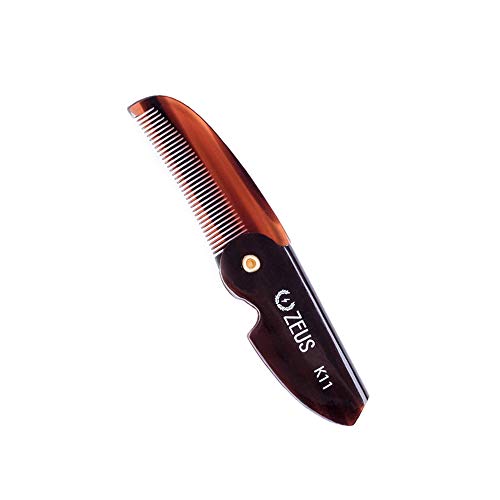
- Beard comb: A wide-tooth beard comb for gentle detangling after shiva.
- Moisturizer: A basic, unscented face moisturizer for the skin around and beneath the beard.
For those who decide to keep the beard after the mourning period, our Jewish beard care guide covers the full maintenance routine, and our beard growth guide discusses maximizing growth and fullness.
FAQ
Can I trim my mustache during shloshim?
The mustache is included in the haircutting prohibition during shloshim. However, some poskim permit trimming the mustache if it interferes with eating. If the mustache hair hangs into your mouth while eating, this functional concern may be grounds for minimal trimming. Ask your rabbi.

What if my job requires me to be clean-shaven?
This is a genuine concern for some mourners, particularly those in fields with strict grooming standards (military, food service, some corporate environments). Many poskim will make leniencies based on potential loss of livelihood (hefsed parnasa). Consult your rabbi, explain the specific workplace requirement, and ask for guidance. Some poskim permit shaving during shloshim if the mourner’s job is genuinely at risk.
Does the beard restriction apply to body hair?
The primary restriction applies to head hair and facial hair. Body hair grooming for hygiene purposes is generally more lenient. However, grooming that is purely for aesthetic reasons (such as manscaping) should be avoided during the mourning period. Consult your posek for specifics.
I started growing a beard during avel and now I want to keep it. Is that okay?
Yes. Many Jewish men discover a connection to wearing a beard during the mourning period and choose to maintain it afterward. This is perfectly fine and, in many communities, even seen positively. If you decide to keep it, transition from mourning-mode maintenance to regular beard care: add shaping, try beard growth serum for fullness, and develop a proper grooming routine. Our Jewish beard care guide is a good starting point.
My parent passed away and I am getting married during the 12-month period. Can I groom?
Yes. A wedding (simcha) is grounds for grooming even during the twelve-month mourning period for a parent, according to most poskim. You may shave and cut your hair for your own wedding. The specifics of timing (how far before the wedding you can begin grooming) should be discussed with your rabbi.
What am I allowed to do with my beard during shiva if I normally keep it trimmed?
During the seven-day shiva period, Jewish law prohibits trimming, shaving, or grooming your beard as a sign of mourning. You can gently wash your beard with water and use a wide-tooth comb to manage tangles, but you cannot use scissors, razors, or electric trimmers regardless of how unkempt it becomes.
How long do I need to stop shaving my beard during avel mourning?
The beard grooming restrictions depend on your relationship to the deceased: for a parent, you typically refrain from shaving for twelve months, while for other close relatives like siblings or children, the restriction lasts through the thirty-day shloshim period. Your rabbi can clarify the exact duration based on your specific family relationship and community tradition.
Can I wash my beard with products during the mourning period?
During shiva, you can rinse your beard with water, but most halachic authorities recommend avoiding grooming products and special shampoos as part of the mourning practice. After shiva ends and you enter shloshim, some communities permit gentle cleansing, but you should consult your rabbi about what products are appropriate for your level of observance.
What should I expect when my beard transitions from clean-shaven to growing out during mourning?
Expect an awkward stubble phase in weeks one to two, followed by an uncomfortable itchy period around weeks three to four as your beard grows unevenly. By month two to three, your beard will begin establishing its natural shape and texture, though the psychological weight of seeing this visible marker of grief can be emotionally challenging during an already difficult time.
Final Thoughts
Mourning is a deeply personal process, and the halachic framework provides structure during a time when everything feels unstructured. The grooming restrictions are not punishment; they are a form of expression, a physical manifestation of an internal reality. Your growing beard during avel says what words often cannot: I have lost someone irreplaceable, and I am changed by it.
Take care of the beard as best you can within the halachic boundaries. Keep it clean, keep it conditioned, and let it do what it needs to do. And when the time comes to groom again, whether at the end of shloshim or when your friends finally tell you it is time, approach that transition with the same intentionality that characterized the growth period. The beard you grew in grief may become a permanent part of who you are, or it may come off on the first permitted day. Either way, it served its purpose.
HaMakom yenachem etchem b’toch she’ar avlei Tziyon v’Yerushalayim. May the Omnipresent comfort you among the mourners of Zion and Jerusalem.

For continued beard care guidance, explore our Jewish beard care guide, Sefirat HaOmer beard care guide, and beard growth tips for Jewish men.