By Avi Feldman
Every year during Sefirat HaOmer, the same thing happens in shuls. Men who normally keep trimmed, professional beards are suddenly growing them out for 33 (or 49) days. Some emerge from the Omer looking like they belong on the cover of a grooming magazine: full, thick, well-shaped beards that make their wives say, “Maybe you should keep it.” Others come out looking like they lost a bet. Same time period, same no-trimming rule, drastically different results. What is the difference? It is not just genetics (though genetics matter). It is also what you do during the growing period to support, nourish, and care for the beard that is coming in.
I am not going to pretend there is a magic formula that gives every man a Rebbe-worthy beard. Genetics set the ceiling. But most men are operating well below their genetic potential because they are not doing the basics of beard growth support. This guide covers the science of beard growth, the practical strategies that actually work, and the specific considerations for Jewish men who grow beards during halachic periods or as a permanent expression of their observance.
Religious Note: Jewish grooming law (halacha) varies by community, tradition, and scholarly opinion. Always consult with your rabbi or posek (halachic authority) to confirm that any grooming practices described here are appropriate for your level of observance and family tradition.
The Science of Beard Growth
Before we talk about strategies, let us understand what is actually happening when your beard grows. Beard hair is androgenic hair, meaning its growth is driven by androgens (primarily testosterone and its derivative, dihydrotestosterone or DHT). This is different from the hair on your head, which is why some men have thick beards and thin scalps, or vice versa.
The Growth Cycle
Each beard hair follicle goes through three phases:
- Anagen (growth phase): This is when the hair is actively growing. For beard hair, the anagen phase lasts 2-6 years, which is why beards can grow quite long if left untrimmed. The length of your anagen phase is genetically determined and is the primary factor in your beard’s maximum potential length.
- Catagen (transition phase): A brief period (2-3 weeks) when the follicle shrinks and the hair stops growing. About 1-2% of your beard hairs are in this phase at any given time.
- Telogen (resting phase): The hair sits dormant for 2-4 months before falling out and being replaced by a new anagen hair. This is why you find beard hairs on your pillow or in the sink; it is normal shedding, not a sign of problems.
The reason your beard seems patchy during the first few weeks of growth (like the beginning of Sefirah) is that not all follicles are in the anagen phase simultaneously. Some areas are actively growing while others are in telogen, waiting to kick in. This is why beards look significantly better at 6-8 weeks than at 2-3 weeks: more follicles have entered the growth phase, filling in the gaps.
Genetics: The Honest Truth
Your genetics determine several key factors: the density of hair follicles on your face (how many follicles per square centimeter), the thickness of each individual hair, the growth rate, the anagen phase length, and the color and texture. No product or supplement can add follicles that your genetics did not provide. If your father and grandfathers had sparse beards, your ceiling is lower than someone from a family of robust beard growers.

That said, most men do not reach their genetic potential. Poor nutrition, stress, inadequate sleep, and neglecting the beard all work against what your genetics are trying to do. The goal of this guide is to help you close the gap between where you are and where your genetics can take you.
Age and Beard Development
Beard growth continues to develop well into a man’s thirties. If you are in your early twenties and your beard is patchy, there is a good chance it will fill in over the next decade. Many men report significant improvement in beard density between ages 25 and 35. The androgens responsible for beard growth continue to activate dormant follicles throughout this period. So if your Sefirah beard at 22 is disappointing, do not assume it will always be that way.
Nutrition for Beard Growth
What you eat directly affects how your beard grows. Hair is built from keratin, a protein, and the production of keratin requires specific nutrients. A deficiency in any of them can slow growth or reduce hair quality.
Essential Nutrients
Protein: The building block of hair. Aim for 0.8-1.0 grams of protein per kilogram of body weight daily. Chicken, fish, eggs, beans, and dairy are all excellent sources. During Pesach, when your diet shifts, make sure you are still getting adequate protein despite the dietary restrictions.
Biotin (Vitamin B7): The most-cited vitamin for hair growth, and the science supports it. Biotin deficiency leads to hair thinning and loss. Good sources include eggs (especially yolks), nuts, salmon, and avocado. Most men get sufficient biotin from diet, but if you suspect a deficiency, a supplement (2,500-5,000 mcg daily) is safe and inexpensive.
Zinc: Essential for hair tissue growth and repair. Zinc deficiency is linked to hair loss. Oysters are the richest source, but beef, pumpkin seeds, chickpeas, and lentils are more practical options for daily intake. Zinc is also important for testosterone production, which drives beard growth.
Vitamin D: Stimulates new and old hair follicles. Sunlight is the primary source, but supplementation (1,000-2,000 IU daily) is common, especially in northern latitudes where sun exposure is limited during fall and winter. If you are growing a beard during the winter months, vitamin D supplementation is worth considering.
Iron: Carries oxygen to hair follicles. Iron deficiency is one of the most common nutritional causes of poor hair growth. Red meat, spinach, and fortified cereals are good sources. If you are vegetarian or vegan, pay special attention to your iron intake.

Omega-3 fatty acids: Reduce inflammation and support healthy hair follicles. Fatty fish (salmon, mackerel, sardines), walnuts, and flaxseeds are excellent sources.
Foods That Support Beard Growth
Rather than thinking about individual nutrients, focus on a diet that naturally includes all of them:
- Eggs: Biotin, protein, and vitamin D in one package. Arguably the single best food for beard growth.
- Salmon: Omega-3s, protein, vitamin D, and biotin.
- Sweet potatoes: Beta-carotene, which the body converts to vitamin A. Vitamin A helps produce sebum, the natural oil that keeps beard hair moisturized.
- Spinach: Iron, zinc, and folate.
- Nuts (especially almonds and walnuts): Biotin, zinc, vitamin E, and healthy fats.
Lifestyle Factors
Sleep
Your body does most of its repair and growth work during sleep. Growth hormone, which affects hair growth, is primarily released during deep sleep. Consistently getting less than 7 hours reduces testosterone levels and impairs cellular repair, both of which negatively impact beard growth. If you are in a period of beard growth (Sefirah, the Three Weeks), prioritizing sleep is one of the simplest and most effective things you can do.
Exercise
Resistance training (weight lifting, bodyweight exercises) has been shown to temporarily boost testosterone levels. Cardiovascular exercise improves blood circulation, including to the face, which delivers more nutrients and oxygen to beard follicles. You do not need to become a gym rat, but regular physical activity (3-4 times per week) supports beard growth alongside its many other health benefits.
Stress Management
Chronic stress increases cortisol, which can inhibit testosterone and push hair follicles into the telogen (resting) phase prematurely. This is why men under severe stress sometimes notice their beard becoming thinner. The irony is that the Jewish calendar periods when we are growing beards (Sefirah, the Three Weeks) can be stressful for other reasons: Pesach preparation, work deadlines, summer planning. Being mindful of stress management during these periods indirectly supports your beard growth.
External Beard Growth Support
Beyond nutrition and lifestyle, what you apply to your beard externally makes a measurable difference in growth quality, if not growth speed.
Beard Oil
Quality beard oil does not make your beard grow faster. But it creates the conditions for optimal growth by keeping the skin underneath moisturized (dry, flaky skin impedes healthy follicle function), reducing inflammation that can slow growth, and preventing breakage that makes the beard appear thinner. Apply 3-5 drops daily, working the oil into the skin beneath the beard, not just onto the hair.
Beard Butter and Balm
Beard butter and beard balm provide heavier moisture than oil alone. They are particularly important during the growth phase because new beard growth tends to be drier and more brittle than established hair. Applying butter or balm daily, especially in the first 2-3 weeks of growth, reduces itchiness (the number one reason men give up on growing a beard) and protects the new hair from breaking.

Derma Rolling (Microneedling)
This is the one external method that has scientific evidence for actually stimulating new beard growth. Derma rolling involves using a small roller covered in tiny needles (0.25-0.5mm) across the beard area. The micro-injuries stimulate collagen production and increase blood flow to the follicles. Several studies have shown that derma rolling combined with minoxidil produces better results than minoxidil alone. Even without minoxidil, the increased blood flow from derma rolling can support healthier follicle function.
If you try derma rolling: use a clean roller, roll 1-2 times per week (not daily), and apply beard oil afterward to soothe the skin. Do not derma roll on days when you have active breakouts or skin irritation.
Minoxidil (Rogaine): The Nuclear Option
Minoxidil is an FDA-approved hair growth treatment (originally for scalp hair) that many men use off-label on their beards with significant results. It works by increasing blood flow to hair follicles and extending the anagen (growth) phase. The evidence from both studies and anecdotal reports is compelling: many men report noticeable beard improvement within 3-6 months of consistent use.
However, minoxidil is a medication with potential side effects (dry skin, increased heart rate in rare cases, unwanted hair growth in unintended areas). It should be used under medical supervision. If you are considering it, consult a dermatologist first. It is also worth noting that results from minoxidil may not be permanent; some men report thinning when they stop using it, while others retain the gains.
Growing During Sefirat HaOmer
The Omer period is the most common time Jewish men grow their beards beyond their usual length. Here is a week-by-week guide to managing the growth. Our Sefirat HaOmer beard care guide covers the full grooming protocol for this period.
Week 1 (Days 1-7): The Foundation
The beard is barely visible. If you normally maintain stubble, you just look like you skipped a day of shaving. Resist the urge to judge your beard potential at this stage; virtually every beard looks underwhelming in week one.
Care focus: Keep the skin clean and moisturized. Wash your face twice daily. Apply beard oil once daily even though there is barely visible hair. The oil is for the skin underneath, preparing the foundation for what is coming.
Week 2 (Days 8-14): The Itch
This is the make-or-break week. The beard is long enough to curl back and irritate the skin, causing itchiness that makes many first-time growers give up. The itch is caused by the sharp ends of newly grown hair poking the skin, combined with dry skin underneath the emerging beard.

Care focus: Beard butter is your best friend this week. Apply generously morning and night to soften the hair tips and moisturize the skin. A tea tree beard wash helps with any irritation or ingrown hairs forming. Comb through daily with a fine-tooth comb to train the hairs downward rather than letting them curl into the skin.
Week 3 (Days 15-21): The Awkward Phase
The beard is clearly growing but does not yet have a defined shape. Some areas are denser than others. The neckline is shaggy. This is the phase where the beard looks the worst, and where patience is most required.
Care focus: Continue daily washing, oiling, and combing. The combing becomes more important now as it trains the hair direction and distributes oil evenly. Beard balm helps control the shape and gives a more groomed appearance even without trimming.
Weeks 4-5 (Days 22-33/49): The Reward
The beard starts to look intentional. The patchy areas have filled in as dormant follicles activated. The hair is long enough to comb into a deliberate shape. This is when men start getting compliments (or at least stop getting concerned looks).
Care focus: Full daily routine of wash, oil, butter/balm, and comb. If your minhag ends at Lag BaOmer (day 33), you have a decision: trim back to your usual length, or keep the new growth. Many men discover during this period that they look better with a longer beard than they thought. For those who continue through day 49, the beard will be in full bloom by Shavuot.
Growing During the Three Weeks
The Three Weeks (17 Tammuz to 9 Av) present different beard growth conditions than the Omer because they fall in summer. Heat and humidity affect beard growth and maintenance significantly. Our Tisha B’Av grooming guide covers the halachic restrictions in detail; here we focus on the growth optimization.
Summer advantages: Increased blood flow from heat can slightly boost growth. More sun exposure means more vitamin D. Longer days may support the body’s growth cycles.
Summer challenges: Sweat accumulates in the beard, causing irritation and odor. Humidity makes the beard frizzy and harder to manage. UV exposure can dry out and damage beard hair. Increased itchiness from heat and sweat makes the growing phase more uncomfortable.
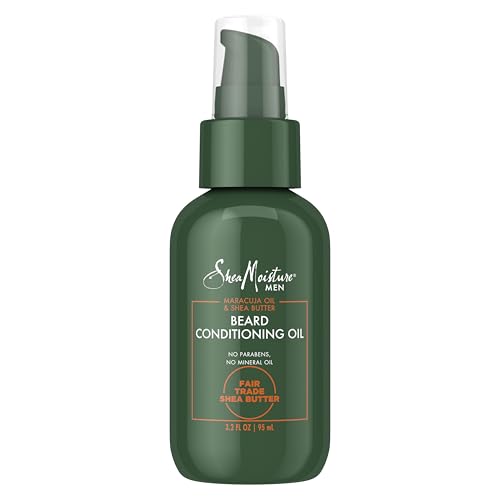
Summer strategy: Wash the beard more frequently (morning and evening if sweating heavily). Use lighter products (oil rather than heavy butter) to avoid trapping heat against the skin. Stay hydrated; dehydration directly impacts hair growth. Apply oil immediately after washing to seal in moisture before the heat evaporates it.
Common Beard Growth Myths
The beard growth space is full of misinformation. Let us clear up the most common myths that circulate in Jewish communities (and everywhere else).
Myth: Shaving Makes Your Beard Grow Back Thicker
This is the most persistent beard myth and it is definitively false. Shaving cuts the hair at its thickest point (the shaft near the skin), which makes the regrowth feel coarse and look darker because of the blunt edge. But no new follicles are created, the hair does not grow faster, and the diameter of each hair does not change. If shaving caused thicker beards, every man who ever shaved would eventually have an enormously thick beard, which is clearly not the case.
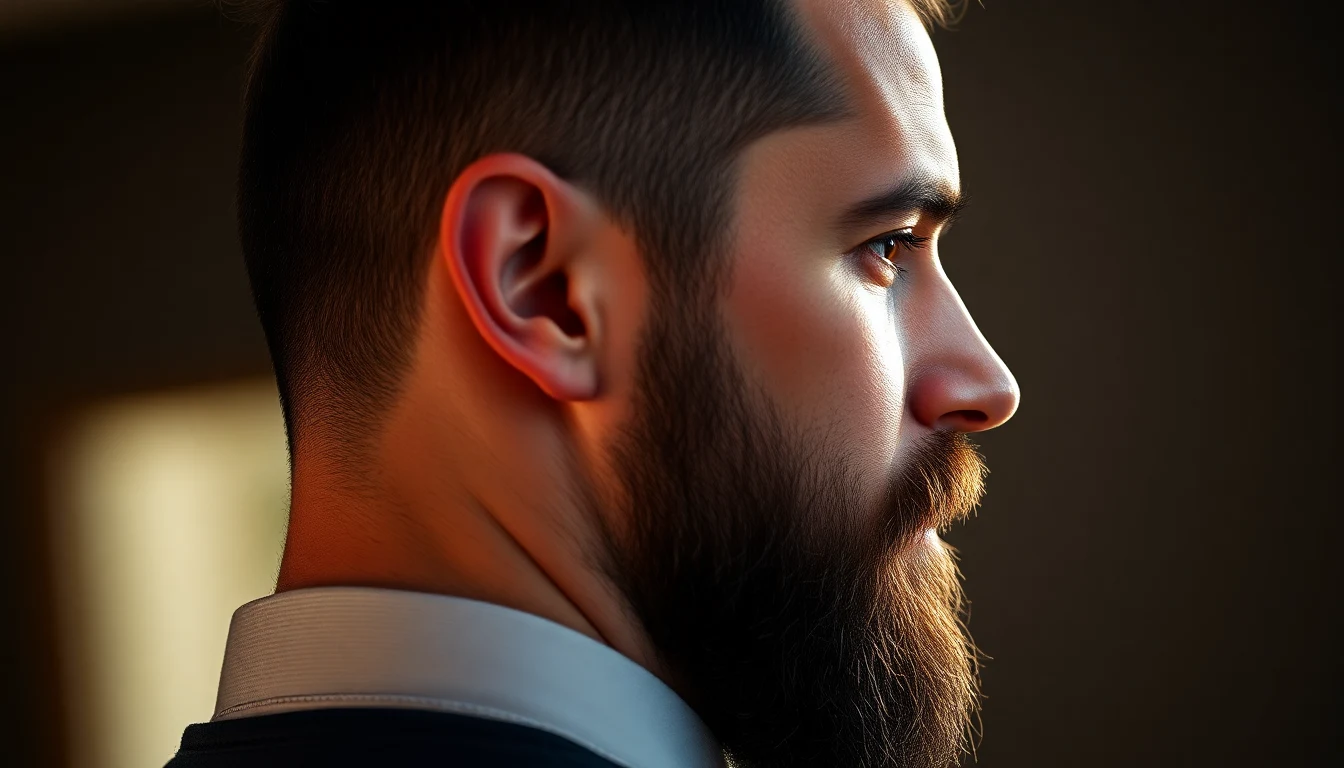
Myth: Beard Oils Make Your Beard Grow Faster
Beard oil does not accelerate growth rate. It supports healthy growth by maintaining the skin and hair in optimal condition, preventing breakage, and reducing itchiness that causes men to quit growing. A well-oiled beard looks thicker because the hairs are healthier and more visible (less breakage, less split ends curling up), but the actual growth speed is determined by your biology, not your product shelf.
Myth: You Can Fill in Patchy Areas with Supplements
Supplements can help if you have a genuine nutritional deficiency that is limiting your hair growth. But if your diet is adequate, adding biotin or multivitamins will not create beard growth in areas where you do not have active follicles. Patchiness is primarily a follicle density issue (genetic), not a nutrition issue. The exception is if you are experiencing patchiness due to alopecia barbae (autoimmune beard hair loss), which is a medical condition requiring dermatological treatment.
When to See a Dermatologist
Most beard growth concerns are cosmetic rather than medical. But certain signs warrant professional evaluation:
- Sudden patchy loss: If areas of your beard that previously had hair suddenly lose it (especially in circular patches), this may be alopecia barbae, an autoimmune condition that is treatable.
- Persistent skin problems: Severe acne, folliculitis (infected hair follicles), or recurring ingrown hairs under the beard may require medical treatment to resolve before growth can improve.
- No beard growth by mid-twenties: While beard development continues into the thirties, very minimal growth by age 25 may indicate a hormonal issue worth investigating.
- Beard hair falling out in clumps: Normal shedding is a few hairs per day. Clumps or handfuls indicate a problem.
For general skin health under your beard, see our Jewish men’s skincare routine which covers caring for the skin beneath your beard.
The Jewish Beard: Beyond Growth
In Jewish tradition, the beard carries significance that goes beyond aesthetics. The Zohar speaks of the 13 attributes of the divine beard (tikkunei dikna), and kabbalistic tradition holds that the beard is a channel for divine mercy. For many observant men, growing a beard is not just a grooming choice but a spiritual practice.

This deeper significance can change your relationship with the growth process. The frustration of a patchy Sefirah beard feels different when you understand that the tradition values the effort and intention, not just the aesthetic result. Whether your beard is thick or thin, long or short, the commitment to growing and maintaining it is what matters in the halachic and spiritual context.
Different communities approach the beard with different emphases. Our Sephardic beard traditions guide and Mizrahi grooming traditions guide explore how various Jewish communities understand and practice beard-keeping within their specific cultural and halachic frameworks.
FAQ
At what age do Jewish men typically grow full beards?
There is no “Jewish men’s beard timeline” that differs from other men. Genetics determine when and how fully the beard develops. Most men begin seeing significant beard growth in their late teens to early twenties, with full development often not completing until the late twenties or thirties. Ashkenazi, Sephardic, and Mizrachi men may have different average growth patterns due to different genetic backgrounds, but individual variation within each group is enormous.
Does wearing a mask or face covering affect beard growth?
Wearing a mask does not directly affect beard growth. However, the friction from a mask can cause beard hair breakage and skin irritation (known as “maskne”), which can make the beard appear thinner and less healthy. If you wear a mask regularly, pay extra attention to washing the beard area and applying beard oil to counteract the friction effects. Choose masks made of smooth, breathable fabric when possible.
Can I grow a beard if my father could not?
Beard genetics are complex and involve multiple genes inherited from both parents. While your father’s beard pattern is a strong predictor, it is not definitive. Look at your maternal grandfather and uncles as well, as beard genetics can come from the mother’s side. Some men grow beards that exceed both parents’ patterns. Give it an honest 3-month trial before concluding that your genetics do not support a beard.
Is it worth trying beard growth supplements?
If your diet is reasonably balanced, most beard growth supplements will not produce dramatic results because you are not deficient in the nutrients they provide. However, if your diet is limited (restrictive eating, dietary restrictions during certain periods like Pesach), a basic multivitamin or specific supplements (biotin, zinc, vitamin D) may help fill nutritional gaps. The most cost-effective approach is to improve your diet first and add targeted supplements only if specific deficiencies are suspected.
How long should I grow before deciding my beard is too patchy?
Give it at least 8-12 weeks before making a judgment. The first 3-4 weeks are always the worst because not all follicles are active simultaneously. Many beards that look hopelessly patchy at week 2 fill in substantially by week 8. The Sefirah period (33-49 days) is actually an excellent natural timeline for this evaluation. If after 7-8 weeks the patchiness is still significant, you may want to consider a shorter, trimmed style that works with your growth pattern rather than against it.
What’s the difference between beard growth for Jewish men during Omer versus other times of the year?
During Sefirat HaOmer, Jewish men follow a tradition of not trimming their beards for 33 or 49 days, depending on their community’s custom. While the no-trimming rule is the same for everyone, the key difference lies in actively supporting your beard during this growth period through proper nutrition, care, and maintenance to reach your genetic potential.
Can genetics alone determine how full my beard will be during the Omer period?
Genetics set the ceiling for beard thickness and growth potential, but most men don’t reach their genetic ceiling because they neglect the basics of beard care during growth. You can significantly improve your results by providing proper nourishment, support, and care to your beard during the Omer, even if your genetics are average.
How does age affect beard growth for Jewish men keeping halachic traditions?
Age plays a role in beard development, with most men experiencing fuller beard growth as they mature into their 20s and beyond. The article addresses age-specific considerations for beard growth, so understanding where you are in your beard development timeline helps you set realistic expectations during observance periods like Omer.
Should I consult with my rabbi before starting a beard growth routine during Omer?
Yes, you should consult with your rabbi or posek (halachic authority) since Jewish grooming laws vary by community, tradition, and scholarly opinion. Your rabbi can confirm that any grooming practices align with your level of observance and family tradition before you begin your beard growth journey.
Final Thoughts
Beard growth for Jewish men is a topic that intersects biology, nutrition, halacha, and personal identity. The men who get the best results are the ones who approach it with patience, consistency, and realistic expectations. Your beard will not look like the next man’s beard, because your genetics are different, your diet is different, and your life is different. But your beard, properly nourished and cared for, will be the best version of what your genetics can produce.
Whether you are growing during Sefirah, the Three Weeks, or simply deciding to keep a longer beard year-round, the principles are the same: feed it from the inside (nutrition and sleep), support it from the outside (oil, butter, and gentle care), and give it time. Beard growing is an exercise in patience, which, come to think of it, is not such a bad midah to develop alongside the beard itself.
For more on maintaining your beard once it is grown, see our beard care essentials, Sefirat HaOmer beard care, pre-Shabbat grooming routine, and Sephardic beard traditions.