By Avi Feldman
Here is a sentence you will never hear anyone say out loud in shul: “My peyot are giving me trouble.” It just does not get talked about. But every man who keeps peyot (sidelocks) of any meaningful length has dealt with tangles, frizz, weird curling patterns, post-mikvah disaster peyot, and the deeply specific frustration of trying to get them to behave the same way on both sides of your head. It is one of those daily grooming challenges that affects thousands of observant Jewish men, yet barely gets discussed because, well, who are you going to ask? Your chavrusa?
Peyot come in various styles: short and tucked behind the ears, longer and curled, or a medium length that works in a professional setting. Whatever the length, a system helps keep them clean, manageable, and looking intentional rather than neglected. This guide covers everything from daily washing to long-term maintenance, organized by peyot length so you can find the advice that actually applies to you.
Religious Note: Jewish grooming law (halacha) varies by community, tradition, and scholarly opinion. Always consult with your rabbi or posek (halachic authority) to confirm that any grooming practices described here are appropriate for your level of observance and family tradition.
Why Peyot Need Special Care
Peyot are not just sideburns that grew out. They occupy a unique zone on your head where several factors converge to make grooming complicated. The hair in the temple area tends to have a different texture than the hair on top of your head. It is often finer, more prone to curling, and grows at a different rate. Add to that the fact that peyot are constantly being handled (tucked behind ears, curled around fingers during davening, pulled by small children), and you have hair that takes more abuse than any other section of your head.

Then there are the environmental factors. Peyot sit right against the skin of your temples and cheeks, where they absorb facial oils and sweat throughout the day. If you wear a hat, the friction from the brim compounds the problem. And unlike the hair on top of your head, which gets natural ventilation, peyot are often pressed flat against your skin or tucked behind your ears, creating a warm, moist environment that can lead to buildup, odor, and skin irritation if not properly managed.
Understanding Your Peyot Type
Before diving into care routines, it helps to identify what kind of peyot you are working with. This is not about halachic classification or community minhag (though those matter for styling). It is about the physical characteristics that determine what your peyot need.
By Length
Short peyot (ear-length or shorter): Common among Modern Orthodox and many Litvish men. These are trimmed to blend with the rest of the hair or extend just past the ear. Maintenance is relatively simple, but they still need attention because the short length makes them prone to sticking out at odd angles.
Medium peyot (ear to jaw): Often seen in Chabad, some Litvish, and various Chassidic communities. Long enough to curl or tuck, short enough to manage without specialized techniques. This is the “goldilocks zone” where most grooming challenges begin, because the hair is long enough to tangle but not long enough to hang freely and detangle under its own weight.
Long peyot (below jaw): Typical of many Chassidic communities, particularly Satmar, Bobov, Belz, and others. These require the most care and are the most susceptible to tangling, splitting, and damage. Long peyot are also the most visible, meaning that neglected maintenance is immediately obvious.
By Texture
Straight peyot: Easier to comb and dry but tend to look thin. They show split ends more readily and can appear limp without some product assistance.
Wavy peyot: The most common texture. These have natural body but are prone to frizz, especially in humidity. The wave pattern can make one side curl differently than the other, which is the source of the “asymmetrical peyot” frustration.
Curly peyot: Dramatic and full-looking but require the most detangling work. Curly peyot are prone to matting if not washed and combed regularly. They also take longest to dry, which matters on busy mornings.
Daily Washing: The Foundation of Peyot Care
The single most important thing you can do for your peyot is wash them properly. Not just running water over them in the shower, but actually washing them with intention. Here is a method that works regardless of peyot length.

Step 1: Pre-Wet Detangling
Before you even get in the shower, use a fine-tooth comb to gently work through your peyot while they are dry. Start from the tips and work upward toward the roots. This removes the major tangles before water makes them worse. Water causes hair to swell, which actually tightens tangles rather than loosening them. Combing dry peyot first (gently, without pulling) saves you significant detangling time in the shower.
For long peyot, hold the hair about midway down with one hand while you comb below that point with the other. This prevents the comb from pulling directly at the roots, which can cause breakage at the temple where the hair is finest.
Step 2: Washing
When you wash your hair in the shower, give your peyot separate attention. The hair on your head might need volumizing shampoo, but your peyot almost always benefit from something gentler and more moisturizing. Use your regular shampoo on your head, but apply a small amount of beard wash specifically to the peyot. Beard wash is formulated for facial hair, which is closer in texture to peyot than scalp hair. It cleans without stripping the natural oils that keep peyot soft and manageable.
Work the wash through the peyot using your fingers, not bunching or scrubbing but running your fingers along the length of the hair in one direction. This cleans the hair while maintaining the natural alignment of the strands, which reduces post-wash tangling.
Step 3: Conditioning
This step is where most men skip ahead, and it is the step that makes the biggest difference. Apply a small amount of conditioner (about the size of a chickpea for medium peyot, more for longer) and work it through from mid-length to tips. Do not apply conditioner to the roots, as it can weigh down the hair at the temple and create a flat, greasy look.

Let the conditioner sit for one to two minutes while you wash the rest of your body. Then rinse with cool water. Cool water closes the hair cuticle, which reduces frizz and adds a bit of shine. Warm water opens the cuticle and makes hair more prone to frizzing as it dries.
Step 4: Post-Wash Combing
While your peyot are still damp (not dripping wet), apply 1-2 drops of beard oil to each side and comb through gently. Damp hair is more flexible than dry hair but more fragile than you might think, so use a wide-tooth comb for this stage and switch to a finer comb only after the hair is mostly dry.
Comb in the direction you want the peyot to hang or curl. If you curl your peyot, wrap them around your finger now while the oil is making them pliable. The oil provides just enough hold to set the curl pattern as the hair dries.

Drying Peyot: Methods and Mistakes
How you dry your peyot matters more than you might expect. The drying method largely determines how they will look for the rest of the day.
Air Drying (Recommended)
The best option for peyot health. After applying oil and combing, simply let your peyot hang naturally and dry on their own. This takes 15-30 minutes depending on length and thickness, so plan your morning accordingly. Air-dried peyot retain their natural texture and do not develop the frizz that heat drying can cause.
The drawback is time. If you are rushing to shacharis (morning prayers) and your peyot are still damp, they will get pressed flat under your hat and dry in whatever position they end up in, which is usually not the position you want.
Towel Drying
If you need to speed things up, pat your peyot dry with a soft towel. Do not rub. Rubbing creates friction that roughens the hair cuticle and causes frizz. Just press the towel gently around the peyot, squeezing out excess water. A microfiber towel works significantly better than a regular cotton towel because it absorbs more water without the friction.
Blow Drying (Use Caution)
Some men use a hair dryer on their peyot, particularly when going for a specific curl pattern. If you do this, use the lowest heat setting and hold the dryer at least six inches from the hair. High heat damages the fine hair at the temples faster than it damages thicker scalp hair. A diffuser attachment helps distribute the airflow evenly and reduces the direct heat impact.
For curled peyot, wrap the peyot around your finger while directing warm (not hot) air at them. This sets the curl while it dries. Remove your finger carefully once the hair is dry to avoid pulling the curl apart.
Length-Specific Maintenance
Short Peyot Care (Ear-Length)
Short peyot are the lowest maintenance, but they still need attention. The main challenge with short peyot is that they tend to stick out at awkward angles, especially if the hair is thick or wiry. A small amount of beard balm applied after washing helps them lie flat against the side of your head or behind your ears.

When trimming short peyot (according to your minhag and rav’s guidance on what length to maintain), use scissors rather than an electric trimmer. Scissors give you more control and create a softer edge that blends naturally with your sideburns and the rest of your hair. For guidance on maintaining your haircut alongside your peyot, see our Jewish men’s hair styling guide.
Product needs: Minimal. A drop of beard oil after washing and a touch of balm for hold on days when they are misbehaving.
Medium Peyot Care (Ear to Jaw)
Medium peyot are the most versatile but also the most likely to look unkempt if neglected. At this length, the hair is heavy enough to tangle but not heavy enough to hang straight under its own weight. Daily washing and conditioning become important rather than optional.
The key challenge at medium length is the “transition zone.” As peyot grow from short to medium, there is an awkward phase where they flip outward rather than hanging down. This typically happens when peyot are between one and three inches below the ear. You can manage this by training them to curl inward (toward your face) using a bit of balm and finger-wrapping after each wash.
If you tuck your medium peyot behind your ears, apply a small amount of beard butter before tucking. This provides enough hold to keep them in place without making them stiff or crunchy. It also prevents the tucking friction from creating split ends at the point where the hair bends behind the ear.
Product needs: Daily oil, regular balm or butter application, weekly deep conditioning treatment.
Long Peyot Care (Below Jaw)
Long peyot are a commitment. They need daily maintenance, and skipping even one day of care can result in tangles that take twenty minutes to work through. But well-maintained long peyot have a presence that is unmistakable, and the investment in care is worth it.

Detangling protocol: Use a wide-tooth comb and always start from the bottom. Work in small sections, holding the hair above where you are combing to prevent pulling at the roots. For severe tangles, apply a few drops of beard oil directly to the tangle and let it sit for a minute before working through it with the comb. Forcing a comb through a dry tangle will break the hair.
Sleep protection: Long peyot can become a tangled mess overnight. Some men loosely braid their peyot before bed. Others use a silk or satin pillowcase, which creates less friction than cotton and dramatically reduces morning tangles. If you tend to roll in your sleep, loosely tying the peyot with a soft cloth or placing them inside a light silk wrap can prevent the worst tangles.
Curl maintenance: If your community’s minhag involves curled peyot, you know the daily ritual: dampen, oil, wrap around finger, let dry. The key to consistent curls is consistency of method. Use the same number of oil drops, wrap in the same direction, and use the same tension every day. Your hair will develop a “memory” for the curl pattern over time, making the process faster as weeks go by.
Product needs: Daily oil and conditioner, regular butter or balm for styling, weekly deep conditioning, occasional leave-in conditioner for extra dry environments.
Peyot and the Mikvah
Going to the mikvah (ritual bath) is a regular part of life for many observant men, whether daily, weekly before Shabbos, or before holidays. And the mikvah is where many peyot-related grooming disasters originate.
The problem is straightforward: mikvah water is warm and often chlorinated (or treated with other chemicals to meet health codes). The warm water opens the hair cuticle, the chemicals strip natural oils, and the dunking process tangles the hair. Add to that the fact that many men do not properly dry or treat their peyot after the mikvah, rushing straight to davening, and you get dry, brittle, tangled peyot over time.
Pre-Mikvah Preparation
Before immersing, comb your peyot thoroughly. This is actually a halachic requirement in many communities (removing chatzitzos, barriers to the water touching the hair), but it is also good grooming practice. Apply a small amount of conditioner to the peyot before dunking. Some might wonder whether this constitutes a chatzitzah; ask your rav, but the general consensus is that conditioner that is absorbed into the hair is not a barrier.
Post-Mikvah Care
This is the critical step most men skip. After the mikvah, rinse your peyot with fresh water if possible (most mikvahs have a shower area). Apply 2-3 drops of beard oil immediately while the hair is still damp. This replaces the oils stripped by the mikvah water and seals the cuticle before the hair dries. Comb through gently and style as usual.
If you skip this step regularly, you will notice your peyot becoming progressively drier and more brittle over weeks and months. The mikvah is cleansing for the soul, but it can be harsh on the hair if you do not compensate with proper post-immersion care.
Common Peyot Problems and Solutions
Asymmetrical Peyot
Every man who keeps peyot has experienced this: one side hangs beautifully while the other curls outward, sticks up, or generally refuses to cooperate. This is usually caused by natural hair growth patterns. Just like the hair on your head has a cowlick or directional grain, the hair at your temples grows in slightly different directions on each side.
The fix is to treat each side individually rather than applying the same technique to both. The “difficult” side may need more product, a different wrapping direction when curling, or a different combing technique. Apply beard balm to the stubborn side and finger-curl it in the direction you want while still damp. Over time, consistent training will encourage the hair to follow the pattern you set.
Frizzy Peyot
Frizz is the enemy of well-groomed peyot. It is caused by the hair cuticle opening and the individual strands separating from each other. Humidity makes it worse, cold dry air makes it worse in a different way (static), and improper drying techniques make it worst of all.
To combat frizz, apply oil after every wash, rinse with cool water instead of hot, avoid rubbing with towels, and use a beard butter that provides a light seal over the hair surface. In humid weather, a light-hold balm creates a barrier that prevents moisture in the air from infiltrating the hair shaft and causing puffiness.
Thinning Peyot
The temple area is one of the first places men notice hair thinning. If your peyot are becoming thinner over time, it may be part of a general male pattern thinning that starts at the temples. While you cannot regrow hair that is gone, you can preserve what remains by being gentler with your peyot: less pulling, less tight wrapping, no aggressive combing, and consistent conditioning to keep the remaining hair strong.

If thinning is significant, consult with a dermatologist. There are treatments (topical minoxidil, for example) that can slow temple hair loss. Our beard growth guide for Jewish men covers growth strategies that can also apply to the peyot area.
Peyot That Smell
This is the problem nobody wants to admit they have. Peyot sit against the skin of your face, absorb sweat and oil all day, and if you wear a hat, they get limited airflow. Without regular washing, they develop an odor. The solution is simple but requires consistency: wash your peyot daily (or at minimum every other day), and make sure they dry completely after washing. Damp peyot trapped under a hat are a recipe for bacterial growth and odor.
If you are dealing with persistent odor even with regular washing, try adding a drop of tea tree beard wash to your routine. Tea tree oil has natural antibacterial properties that help eliminate odor-causing bacteria.
Peyot Styling by Community
Different communities have different minhagim (customs) regarding how peyot should be worn. While this is primarily a matter of mesorah (tradition) rather than grooming, the styling choice affects what products and techniques you need.
Tucked Behind the Ears
Common in Modern Orthodox, many Litvish, and some Sephardic communities. The goal is neat peyot that do not draw attention. Keep them trimmed to a manageable length (your rav can advise on minimum length requirements per your community’s standard). A touch of beard balm helps them stay tucked without springing free. If your peyot are fine and slippery, a very small amount of light-hold styling wax can help them grip behind the ear.
Hanging Straight
Some Chassidic communities wear peyot hanging freely alongside the face. The challenge is keeping them straight and untangled throughout the day. Daily oiling and combing are essential. A quality comb with smooth, rounded teeth prevents snagging and splitting. After washing, comb the peyot straight down while damp and let them air dry in that position.
Curled (Pekelach)
The spiral curl is iconic and takes the most daily effort. After washing and applying oil, wrap each peyah (singular of peyot) tightly around your finger, starting from the base near the temple and spiraling downward. Hold for 30 seconds, then carefully slide your finger out. The oil provides enough hold to set the curl as the hair dries. For a tighter curl, wrap around a pencil or thin rod instead of your finger.

Some men wet their peyot and re-curl throughout the day as the curls loosen. Carrying a small bottle of water or a leave-in conditioner spray for midday touch-ups is not uncommon in communities where curled peyot are the standard.
Twisted
A twist (rather than a curl) involves rolling the peyot between your fingers to create a rope-like strand. This style is common in several Chassidic groups and among Yemenite Jews. Apply a small amount of beard butter for grip, then twist the peyot between your thumb and forefinger from root to tip. Twists hold better than curls in humid weather and require less maintenance throughout the day.
Weekly Deep Conditioning
Beyond daily washing, peyot benefit from a weekly deep conditioning treatment. This is especially important for medium and long peyot, which are exposed to more environmental stress and handling.
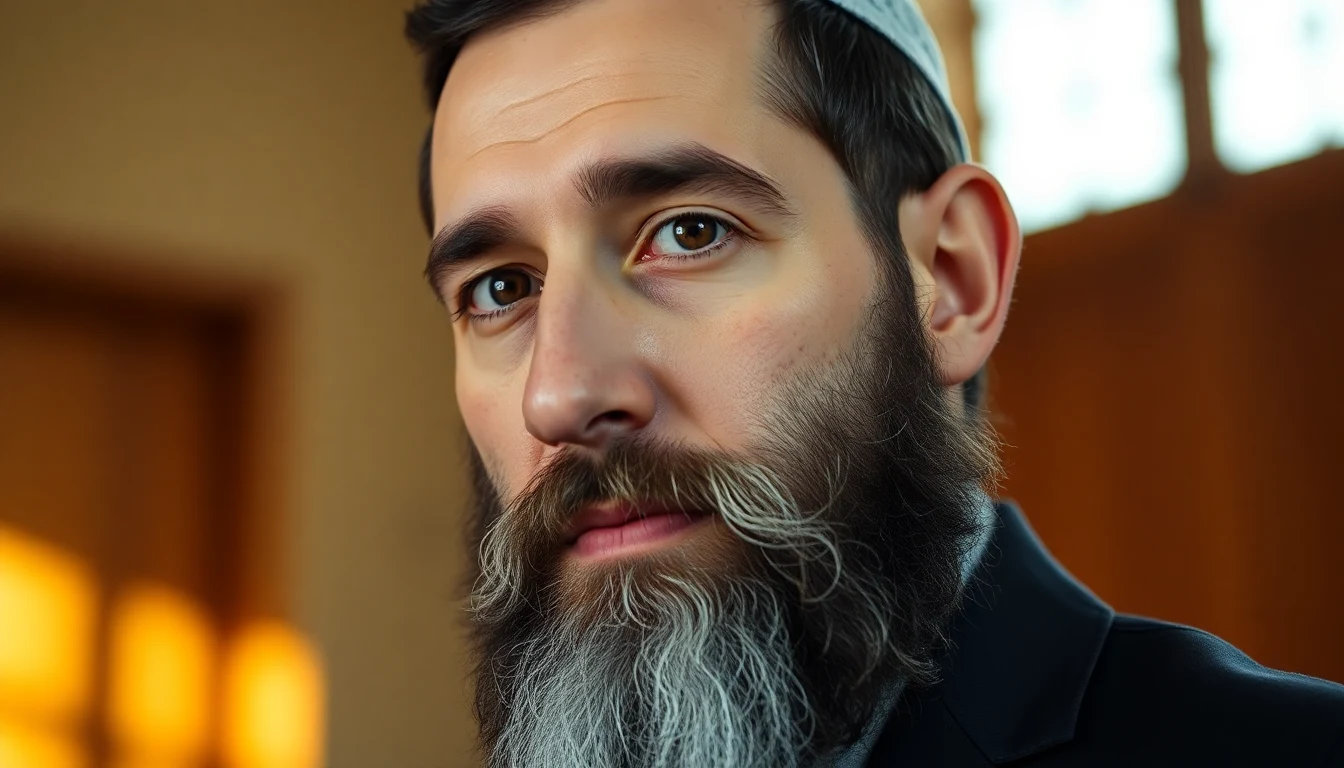
Erev Shabbos (Friday afternoon) is the natural time for this, since you are already showering and grooming for Shabbat. Here is the process:
- Comb through peyot dry to remove tangles.
- Apply a generous amount of beard butter or coconut oil to the peyot, working it through from roots to tips.
- Let it sit for 10-15 minutes while you prepare for Shabbos (set timers, check food, etc.).
- Wash out with beard wash and rinse with cool water.
- Apply 2-3 drops of beard oil to damp peyot.
- Comb through and style as desired for Shabbos.
This weekly treatment replenishes moisture, repairs minor damage from the week, and gives your peyot the kind of reset that daily washing alone cannot achieve. You will notice a significant difference in softness and manageability on Shabbos morning compared to a regular weekday. For the full pre-Shabbat grooming routine including beard and skin care, see our pre-Shabbat grooming guide.
Product Recommendations for Peyot Care
You do not need a cabinet full of products for peyot care. Here is the essential kit, plus a few optional additions for specific needs.
Essential Products
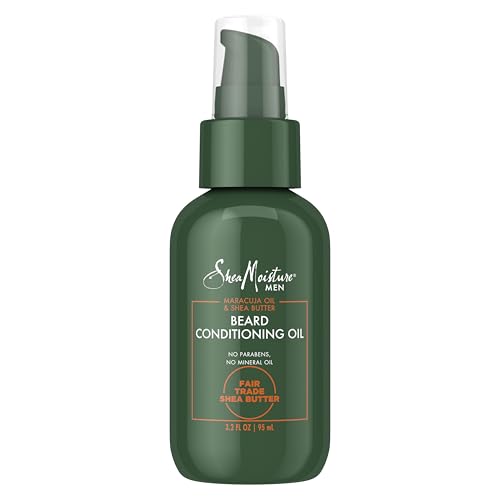
- Beard oil (unscented): The single most important peyot product. Use daily after washing to keep hair soft, reduce frizz, and prevent dryness. Unscented is ideal since peyot sit right next to your nose, and a strong scent becomes overwhelming.
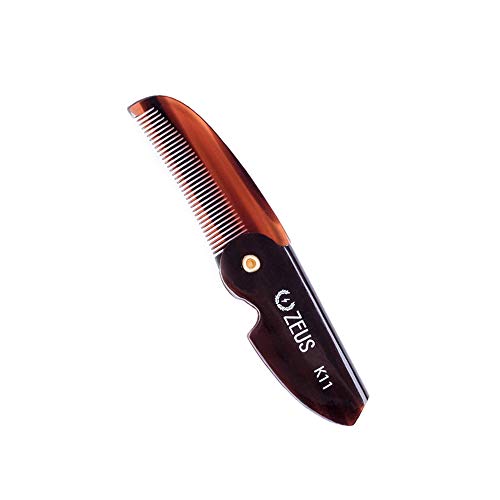
- Fine-tooth comb: Essential for daily detangling and styling. Handmade combs with smooth, rounded teeth are worth the investment because they do not snag or split the hair like stamped plastic combs.
- Beard wash: Gentler than regular shampoo, better suited to the fine hair at the temples.
Recommended Additions
- Beard balm: Provides light hold for tucked or curled peyot. Keeps fly-aways under control.
- Beard butter: Deeper moisture than oil alone. Ideal for weekly deep conditioning and for men in dry or cold climates.
- Silk or satin pillowcase: Reduces overnight tangling for medium and long peyot. Not a grooming product per se, but it makes a noticeable difference.
Peyot Care During Halachic Periods
Several periods in the Jewish calendar affect grooming, and peyot care needs to be adjusted accordingly.
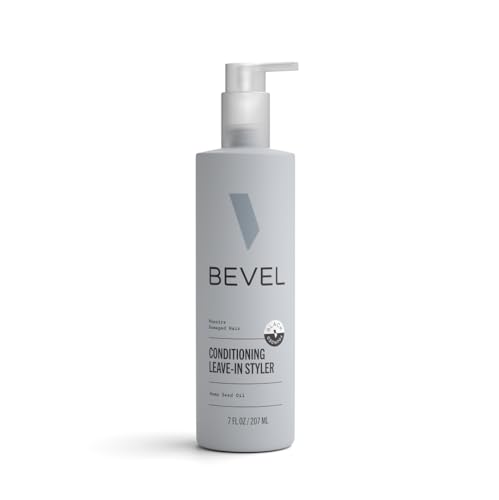
Sefirat HaOmer
During the Omer period, many communities restrict haircutting, which means your peyot will grow without trimming for 33 to 49 days. If you normally trim your peyot to maintain a specific length, this is the time to invest extra effort in conditioning and detangling as the length increases. Our Sefirat HaOmer beard care guide covers the full range of grooming adjustments for this period.
The Three Weeks and Tisha B’Av
Similar haircutting restrictions apply during the Three Weeks leading up to Tisha B’Av. The restrictions on bathing during the Nine Days (the last nine days before Tisha B’Av) vary by community, but most authorities permit washing for cleanliness. Washing your peyot to keep them clean and odor-free would generally fall under this category. See our Tisha B’Av grooming guide for the complete breakdown.
Aveilus (Mourning)
During the shloshim (30-day mourning period), haircutting is prohibited. Your peyot will grow untrimmed during this time. The same care principles apply: increased conditioning, gentle detangling, and patience with the growing length. Washing and basic grooming are permitted and encouraged even during mourning. Our mourning grooming guide addresses the full scope of grooming during aveilus.
Teaching Children Peyot Care
If you have sons with peyot, teaching them proper care early saves years of morning battles. Here are age-appropriate guidelines:
Ages 3-5 (upsherin onward): You are doing all the care. Keep peyot short and manageable. Use a gentle, tear-free wash. Comb daily after bath time, making it part of the routine so it becomes habit. A small reward for sitting still during combing goes a long way.
Ages 6-8: Begin teaching them to comb their own peyot. Supervised at first, with you checking their work. Introduce the concept of applying oil: let them squeeze the drops and rub them into the peyot. Children who participate in the process take more ownership of their grooming.
Ages 9-12: By this age, they should be managing their own peyot with occasional supervision. Provide them with their own comb and oil. Teach the full wash-condition-oil-comb sequence. This is also the age where peer pressure about appearance starts mattering, so good peyot care helps their confidence. Our bar mitzvah grooming guide covers the full grooming transition for this age group.
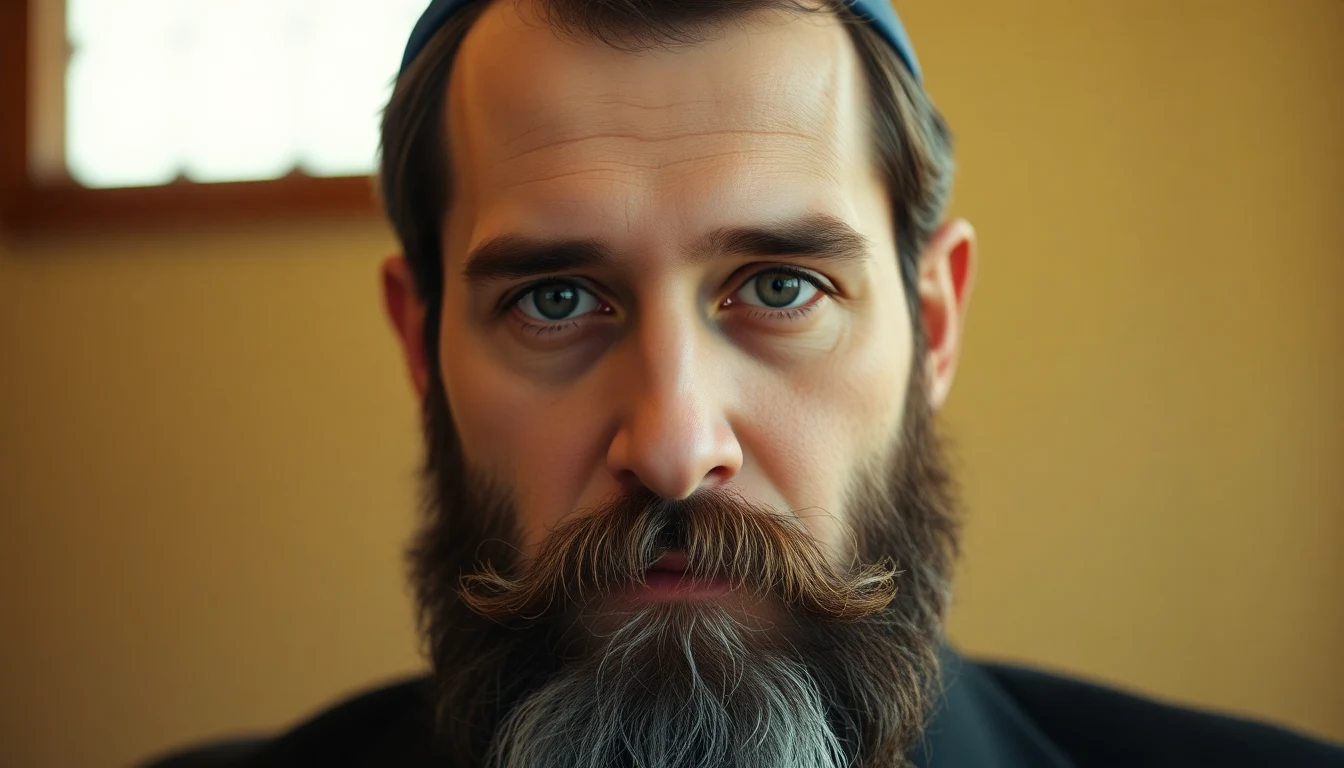
Ages 13+: Post-bar mitzvah, they are responsible for their own grooming. Make sure they have the right products and know the routine. Check in periodically, but respect their growing autonomy.

FAQ
How often should I wash my peyot?
Daily is ideal, especially if you wear a hat or exercise regularly. At minimum, wash them every other day. The temple area produces oil and sweat that accumulates in the peyot, and going more than two days without washing leads to buildup, odor, and tangling. On days you do not fully wash, at least rinse with water and apply a drop of oil.
Can I use regular shampoo on my peyot?
You can, but it is not ideal. Regular shampoo is formulated for scalp hair, which is thicker and oilier than the fine hair at the temples. Shampoo tends to strip too much oil from peyot, leaving them dry and frizzy. A beard wash or gentle sulfate-free shampoo is a better choice. If you do use regular shampoo, always follow with conditioner.
My peyot curl differently on each side. Is this normal?
Completely normal. Hair growth patterns at the temples are rarely symmetrical. Most men have one side that cooperates and one that fights them. The solution is to treat each side individually: the stubborn side may need more product, a different wrapping direction, or extra time spent training the curl. Over weeks of consistent styling, both sides will become more uniform, though perfect symmetry is rare.
What causes peyot to develop split ends?
The same things that cause split ends in any hair: friction (from tucking behind ears, hat brims, or rough pillowcases), heat damage (from aggressive blow drying), chemical damage (from chlorinated mikvah water), and mechanical damage (from aggressive combing, especially through tangles). Prevention through conditioning, gentle handling, and proper drying technique is more effective than any repair product. If split ends are severe, the only real fix is trimming them off (when halachically permitted).
Is there a halachic minimum length for peyot?
The Torah prohibition (Vayikra 19:27) forbids “destroying” the pe’ot (corners) of the head. What constitutes the minimum length to satisfy this prohibition is debated among poskim. Most authorities agree that the hair should be long enough to be grasped between two fingers (about 1-2 centimeters), but many communities maintain much longer peyot as a minhag or chumra (stringency). The question of minimum length is one to discuss with your rav, as standards vary significantly between Ashkenazi, Sephardic, Chassidic, and Yemenite communities.
What’s the best way to wash and maintain peyot without causing frizz and tangles?
The key is using a gentle, sulfate-free shampoo and conditioning from mid-length downward, avoiding the roots. Daily washing may dry them out, so most men benefit from washing 2-3 times weekly while rinsing with cool water to reduce frizz and help them lay in your preferred style.
How do I keep my peyot looking even on both sides of my head?
This requires consistent styling and sectioning on both sides using the same technique and products. Many men find that curling or tucking their peyot the same way each day, combined with regular conditioning, helps train them to behave symmetrically.
Can I use regular hair products on my peyot, or do I need something special?
You should avoid products with harsh chemicals or heavy silicones that build up over time. Look for sulfate-free shampoos, leave-in conditioners, and lightweight styling products specifically designed for textured or curly hair, which work better for maintaining healthy, manageable peyot.
What should I do if my peyot get tangled or messy after using the mikvah?
After mikvah, gently detangle while your hair is still damp using a wide-tooth comb and a leave-in conditioner to ease the process. Once detangled, style them into your preferred position while they dry, and consider using a light hold product to keep them in place as they set.
Final Thoughts
Peyot are one of the most visible expressions of Jewish observance. They deserve the same care and attention you would give any other part of your grooming routine. The basics are simple: wash regularly, condition generously, oil daily, and comb gently. Everything else is refinement based on your specific peyot length, texture, and community styling standards.
The most important point in peyot care is that consistency matters more than products. A simple routine followed daily will always produce better results than an elaborate system applied sporadically. Find what works for your peyot, do it every morning, and let the results build over time.

For more on Jewish grooming practices, explore our peyot styling guide, Jewish men’s skincare routine, Sephardic beard traditions, and beard care essentials for Jewish men.