By Arjun Singh-Goldstein, Faith Grooming Editor
The joora is the most intimate part of a Sikh man’s daily grooming. It is the moment between the morning combing and the turban tying when your kesh, loose and flowing, gets gathered, twisted, and set on the crown of your head. Nobody sees this step. It happens in the privacy of your bathroom, before the dastar covers everything. But the joora is the foundation of your entire look for the day. A well-tied joora supports a crisp turban. A sloppy joora guarantees a turban that shifts, sags, and frustrates you all afternoon.
Tying a good joora is different from simply tying one, and the difference comes down to understanding hair health, tension management, and the relationship between the joora and scalp health. If you tie your joora too tight, you risk traction alopecia. If you tie it too loose, your turban will not sit properly. Finding the balance requires knowledge, practice, and attention to your body’s signals. This guide covers everything that is worth knowing when starting out.
Religious Note: Grooming practices within the Sikh faith are deeply personal and connected to each individual’s level of observance. Always consult with your Granthi, Panj Pyare, or trusted community elders to confirm that any grooming suggestions mentioned here align with your personal practice and the Rehat Maryada (Sikh code of conduct).
What Is a Joora and Why It Matters
A joora (also spelled “jura” or “joorha”) is the topknot that Sikh men create by gathering their uncut kesh (hair) and tying it in a bun on the crown of the head. The joora serves as the base over which the dastar (turban) is wrapped. Without a properly formed joora, the turban has no anchor point and will not sit correctly.
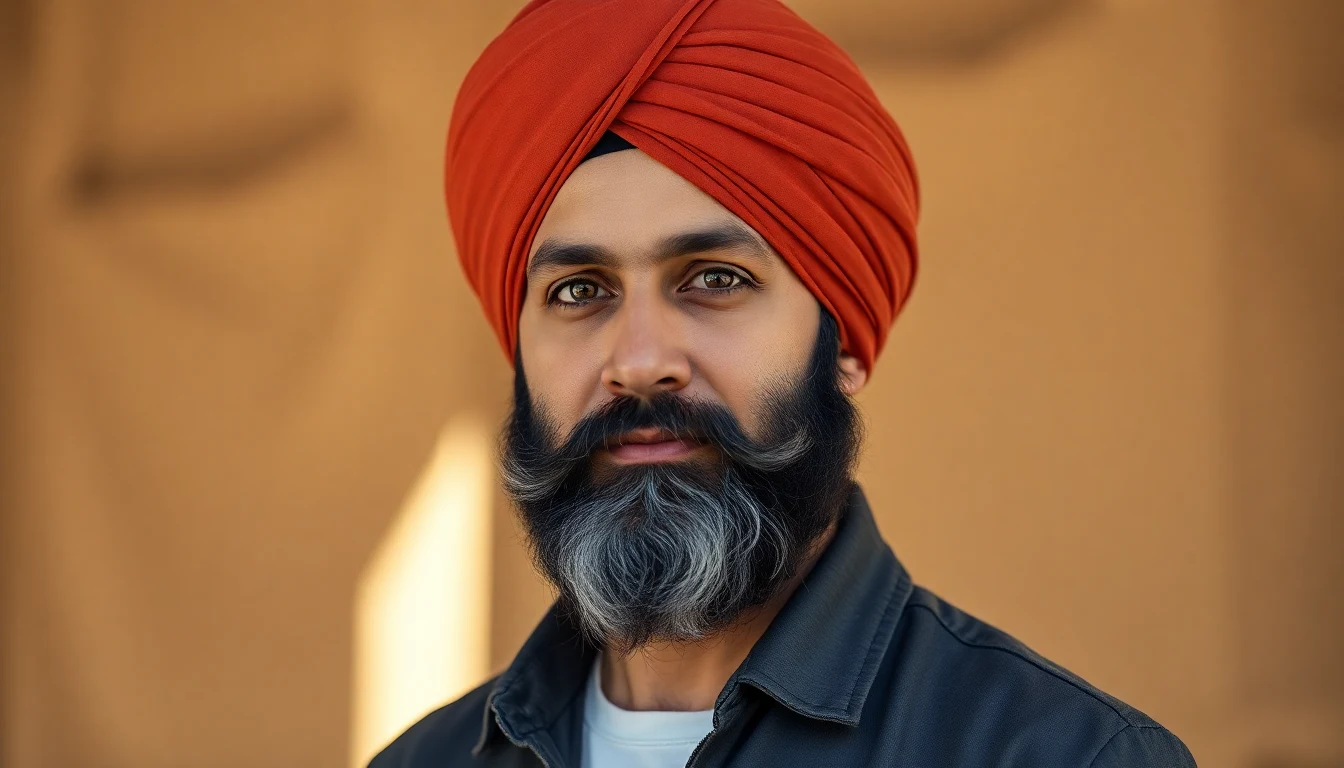
The joora is not just a practical hair management technique. It has spiritual significance in the Sikh tradition. By gathering the kesh, which represents acceptance of God’s will, into a neat topknot on the crown of the head, which in many spiritual traditions represents the highest energy center of the body, the joora becomes a physical expression of spiritual discipline. It transforms loose hair into an intentional form, just as spiritual practice transforms unfocused energy into purpose.
For young Sikh boys, the joora is often the first step in their journey toward wearing a full dastar. Before a boy is old enough for a turban, his joora is typically covered with a patka (a small head covering). As he grows, he graduates to a full dastar. The joora remains constant throughout this progression, evolving as his kesh grows longer and thicker.
How to Tie a Proper Joora: Step by Step
Tying a good joora is a skill that improves with practice. Here is a detailed breakdown of the technique that works best for most Sikh men.

Step 1: Prepare Your Kesh
Start with clean, combed, and lightly oiled kesh. Use your kanga to work through any tangles, starting from the ends and working upward to the roots. Apply a small amount of coconut oil or almond oil to your palms and run them through the length of your hair. The oil reduces friction during the twisting process and prevents breakage. Your kesh should feel smooth, pliable, and manageable.
Step 2: Gather All Your Kesh
Tilt your head forward slightly and gather all your kesh, including the hair at the nape of your neck and around your ears, into a single ponytail at the crown of your head. The crown is the natural high point of your skull. You can find it by placing your hand on top of your head and feeling for the slight dome at the center. This is where the joora should sit.
Make sure you have gathered all stray hairs. Hairs left out of the joora will poke out from under the patka or turban, creating a messy appearance. Use your kanga to sweep any loose hairs at the hairline upward into the gathered ponytail.
Step 3: Twist the Hair
Hold the gathered ponytail with one hand and begin twisting it with the other. Twist in one consistent direction (clockwise or counterclockwise, whichever feels natural). The twist should be firm but not extremely tight. You are creating a rope-like strand that will coil into the bun. If the twist is too loose, the joora will be floppy and will not support the turban. If it is too tight, it will pull on the roots and contribute to traction alopecia over time.
Step 4: Coil Into a Bun
Once the hair is twisted, begin coiling it around the base of the ponytail, wrapping the twisted strand in a spiral to create a compact bun. The first coil should be tight against the scalp. Subsequent coils wrap around the first, building outward. For most men, the joora will be three to four coils in diameter, depending on hair length and thickness.
Step 5: Secure the End
Tuck the end of the twisted hair under the bun, threading it through the coils so it holds itself in place. If your kesh is not long enough to tuck effectively, use a small elastic band (specifically designed for hair, not a rubber band, which can damage hair) to hold the joora in position. As your kesh grows longer, you will eventually be able to secure the joora without any elastic.
Step 6: Insert the Kanga
Place your kanga into the joora. The kanga can be inserted horizontally or vertically, depending on what feels most secure. It should sit snugly in the coils of the joora, held in place by the tension of the twisted hair. Check that it is secure by gently shaking your head. The kanga should not shift or fall.
Step 7: Cover with Patka
Place a patka over the joora to hold everything in place and create a smooth base for the turban. The patka should cover the joora completely, sit flat against the head around the joora, and tuck securely at the back. A well-fitted patka prevents the joora from loosening during the day and protects your kesh from direct contact with the starched turban fabric.

How Tight Is Too Tight: Avoiding Traction Alopecia
Traction alopecia is hair loss caused by sustained pulling on the hair follicles. For Sikh men, it is one of the most significant hair health concerns, and the joora is often the primary source of traction. Understanding and preventing this condition is critical for maintaining healthy kesh throughout your life.
What Traction Alopecia Looks Like
Traction alopecia typically presents as hair thinning or receding along the hairline, particularly at the temples and the forehead. In Sikh men, it can also appear around the crown where the joora sits. Early signs include soreness or tenderness at the scalp after tying the joora, small bumps along the hairline, and hairs that break easily at the roots. If you notice any of these signs, your joora is too tight.
The Right Amount of Tension
Your joora should feel secure on your head but should not cause any pulling sensation, headache, or tenderness. A good test: after tying your joora, stand in front of a mirror and raise your eyebrows. If you feel the joora pulling when you move your brow, it is too tight. The joora should sit on your head like a hat, gently held in place by the natural coiling of the hair, not like a clamp gripping your scalp.
Prevention Strategies
Vary the position: If you always tie your joora in exactly the same spot, the follicles in that area bear constant stress. Try shifting the position slightly, even by half an inch, from day to day. This distributes the tension across a larger area and gives individual follicles periodic rest.
Loosen at home: When you are at home and remove your turban, consider leaving your kesh loose or in a very loose ponytail rather than maintaining a tight joora. Give your scalp hours of zero-tension time every day.
Scalp massage: After removing your joora, massage your scalp with your fingertips for two to three minutes. Focus on the areas where the joora was positioned. This restores circulation to follicles that have been compressed all day and can help mitigate the effects of tension.
Monitor your hairline: Take periodic photographs of your hairline, particularly at the temples and forehead. Compare them every few months. If you notice recession or thinning in these areas, it may be related to your joora tension, and you should adjust your technique.
Hair Accessories That Work with a Joora
The right accessories can make your joora more comfortable, more secure, and less damaging to your hair.
Fabric-covered elastics: If you use an elastic to secure your joora, choose ones that are covered in fabric (silk or satin is ideal). Bare rubber bands grip hair too aggressively and can cause breakage when removed. Fabric-covered elastics provide enough hold without the damaging grip. Use the thinnest elastic that will hold your joora; thicker elastics create more tension.
Silk or satin patka lining: Some Sikh men sew a small piece of silk or satin fabric into the inside of their patka, creating a smooth lining that rests against the joora. This reduces friction between the patka fabric and the hair, minimizing breakage. This is a small modification that can make a meaningful difference over months and years of daily wear.
Spiral hair ties: These are coil-shaped hair ties (often called “telephone cord” ties) that grip hair without creasing or pulling. They distribute tension more evenly than flat elastics and are easier to remove without snagging. For Sikh men with very thick kesh, spiral ties can be more comfortable than traditional elastics.
Sleeping with Your Joora vs. Leaving Hair Down
How you manage your kesh while sleeping significantly affects its health and the ease of your morning routine. There are two main approaches, and each has its merits.
Sleeping with Kesh Loose
Leaving your kesh completely loose while sleeping gives your scalp a full break from the tension of the joora. This is the best option for scalp health and for preventing traction alopecia. However, loose kesh can tangle badly during sleep, especially if you toss and turn. To mitigate this, braid your kesh loosely before bed (a single, loose braid down the back) and sleep on a satin or silk pillowcase. The smooth fabric reduces friction and tangling compared to cotton.
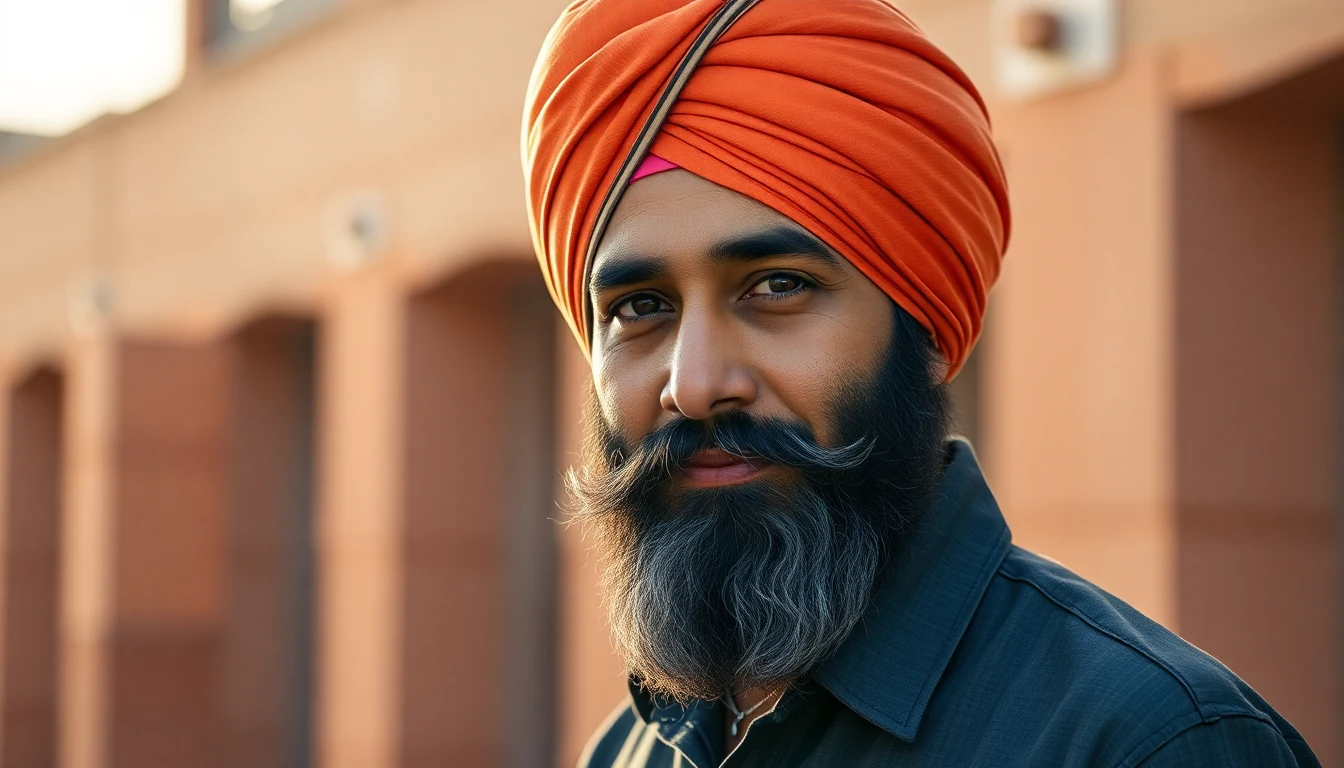
Sleeping with a Loose Joora
Some Sikh men prefer to maintain a joora while sleeping, covered by a soft patka or headscarf. If you choose this approach, the sleeping joora should be significantly looser than your daytime joora. Use a gentle twist, minimal coiling, and a soft fabric tie rather than an elastic. The purpose is to keep your kesh somewhat contained, not to create a secure base for a turban. Think of it as a holding position, not a finished style.
Protecting Kesh During Sleep
Regardless of whether you sleep with your kesh loose or in a joora, protect it with a satin or silk covering. A satin pillowcase is the simplest solution. Satin creates minimal friction against hair, reducing tangling and breakage. Cotton pillowcases, by contrast, have a rougher texture that catches and pulls on hair strands throughout the night. Some Sikh men use a satin bonnet or a soft silk patka as a sleep covering, which provides even more protection than a satin pillowcase alone.
Hair Care Before Tying the Joora
The quality of your joora depends heavily on how you prepare your kesh before tying. Here is the ideal pre-joora routine.

Morning Wash (Optional)
If you wash your kesh in the morning (not everyone does daily), use a gentle shampoo and condition thoroughly. Rinse the conditioner completely, as residue can make hair slippery and cause the joora to loosen. Towel-dry your kesh until it is damp but not dripping. You do not want to tie your joora with soaking wet hair, as the excess moisture will be trapped under your turban and can cause scalp issues.
Oiling
Apply a light coating of hair oil to your kesh while it is still slightly damp. Kama Ayurveda Bringha Hair Oil is an excellent choice for its combination of nourishing and therapeutic ingredients. Work the oil from mid-length to ends, then lightly through the roots. This protects the hair from friction damage during the twisting and coiling process.
Combing
Comb your kesh thoroughly with a wide-tooth comb first, then finish with your kanga. All tangles should be completely resolved before you begin tying the joora. Attempting to twist tangled hair into a joora will cause breakage, create an uneven bun, and make the turban-tying process frustrating.
Detangling Stubborn Knots
If you encounter a stubborn knot, do not force it. Apply a small amount of additional oil directly to the knot and work it apart gently with your fingers before using the comb. Patience at this stage prevents hair loss. A knot that is forced through a comb will take healthy hairs with it.
Joora Variations for Different Hair Lengths
Your kesh length affects how you can tie your joora. Here are approaches for different growth stages.
Short kesh (chin length or less): If your kesh is still growing and is not long enough to coil into a traditional joora, gather it at the crown and secure it with a fabric-covered elastic. Cover with a patka. The “bun” may be more of a small gathered knot. This is the stage every Sikh man with kesh passes through, and there is no shame in a small joora. It will grow.
Medium kesh (shoulder to mid-back): This is the most common length for a standard joora. You should have enough hair for two to three coils, creating a secure, moderately sized bun. The twist-and-coil technique described earlier works perfectly at this length.
Long kesh (waist length or longer): Very long kesh requires more coiling and creates a larger joora. The challenge with very long kesh is managing the weight and keeping the joora balanced on your head. You may need to coil more tightly (without pulling the roots) to create a compact bun that your turban can cover evenly. Some men with extremely long kesh fold the ponytail in half before twisting, reducing the effective length and creating a thicker, more compact joora.

Product Recommendations
Dabur Vatika Coconut Hair Oil is ideal for pre-joora application. The coconut oil penetrates the hair shaft to strengthen it from within, reducing the breakage that can occur during the twisting and coiling process. Use a small amount on damp kesh before tying.
Kama Ayurveda Bringha Hair Oil provides a more therapeutic option for evening scalp massage after removing the joora. The bhringraj and neem in this oil support scalp health and hair strength, counteracting the effects of all-day compression from the joora and turban.
Wide Tooth Comb by Auzo is essential for pre-joora detangling. The wide spacing works through tangles without pulling, preparing your kesh for a smooth, even twist.
TRESemme Keratin Smooth Shampoo helps maintain the smoothness and strength that make joora tying easier. The keratin complex reduces frizz and flyaways, giving you a neater, more polished joora.
Frequently Asked Questions
Can I use bobby pins to hold my joora?
Yes. Bobby pins can help secure a joora, especially for men whose kesh is in the “in-between” length where it is long enough to coil but not long enough to tuck the end securely. Use smooth, snag-free pins and avoid using so many that they create uncomfortable pressure points under the turban. As your kesh grows longer, you will likely need fewer pins.
My joora gives me headaches. What should I do?
Headaches from the joora indicate excessive tension. Loosen your twist, reduce the tightness of your coil, and make sure your patka and turban are not adding additional compression on top of the joora. If headaches persist even with a loose joora, the issue may be with the turban rather than the joora itself. Try tying a looser turban for a few days and see if the headaches resolve.
How do I handle a joora during outdoor activities in wind?
A well-tied turban over a secure joora should withstand moderate wind. For very windy conditions, make sure your patka is tied securely and consider using one or two turban pins for extra security. The joora itself, being covered by both patka and turban, should not be affected by wind directly. If wind is a concern, tie your turban with slightly more tension than usual.
At what age should a Sikh boy start tying a joora?
Most Sikh boys begin wearing their kesh in a joora from a very young age, often as toddlers, with the joora covered by a patka. At first, a parent ties the joora. As the boy grows (typically around age eight to ten), he begins learning to tie it himself. The transition to a full dastar varies by family and community, with some boys beginning at twelve or thirteen and others waiting until their late teens.

What is a joora and why is it important for Sikh men?
A joora is the twisted topknot that forms the foundation of your turban, created by gathering and twisting your kesh (uncut hair) on the crown of your head. A well-tied joora ensures your turban sits properly throughout the day, while a poorly-tied one leads to shifting, sagging, and discomfort.
How tight should I tie my joora to avoid hair damage?
You should tie your joora with enough tension to support your turban securely, but not so tight that it causes strain on your scalp and hair follicles, which can lead to traction alopecia. Finding this balance requires practice and paying attention to any discomfort or tension signals your body sends you.
What is the joora care guide for Sikh men focusing on scalp health?
A proper joora care guide emphasizes maintaining healthy hair and scalp through understanding tension management, regular gentle combing before tying, and avoiding excessive tightness that stresses your follicles. Consistent, mindful grooming practices protect your hair health while keeping your turban secure and well-positioned.
At what age should a Sikh boy learn to tie a joora?
Many Sikh boys learn to tie a joora around age seven from their fathers or family members, though the skill develops significantly over time with practice. Most men continue refining their technique into their twenties and beyond as they gain better understanding of proper tension, hair health, and the relationship between joora tying and overall grooming quality.
Conclusion
The joora is where your daily grooming meets your daily faith. It is a private act that nobody sees, yet it supports everything visible about your Sikh identity. A well-tied joora makes your turban crisp and your day comfortable. A careless joora makes everything that follows more difficult. Give this small, foundational step the attention it deserves.
Learn the technique. Find the right tension for your hair and scalp. Protect your kesh from damage during the twisting process. And when you stand at your mirror each morning, gathering your kesh in your hands, remember that this simple act connects you to every Sikh man who has ever done the same. The joora is not just a hairstyle. It is a daily covenant between you and your Guru.