By Carlos Espinoza
Not all clippers can handle Latino hair. Picture trying to fade a head of thick Mexican hair with a cheap drugstore clipper that stalls, pulls, and overheats within ten minutes. The motor is not strong enough, the blades are not sharp enough, and the result is a choppy fade and a sore scalp. The lesson: thick, coarse hair demands serious clippers. Period.
Finding the best clippers for Latino hair means understanding what thick, coarse hair requires from a tool: a powerful motor that does not bog down in dense hair, sharp blades that cut cleanly without pulling, a lever system that allows precise blending for fades, and durability to handle daily use. Whether you are a barber cutting twenty heads a day or a guy maintaining his fade at home, this guide covers the clippers that actually perform on this hair type.
What Makes a Clipper Good for Latino Hair
Before I list specific clippers, let me explain the features that matter most for thick Hispanic hair.
Motor Power
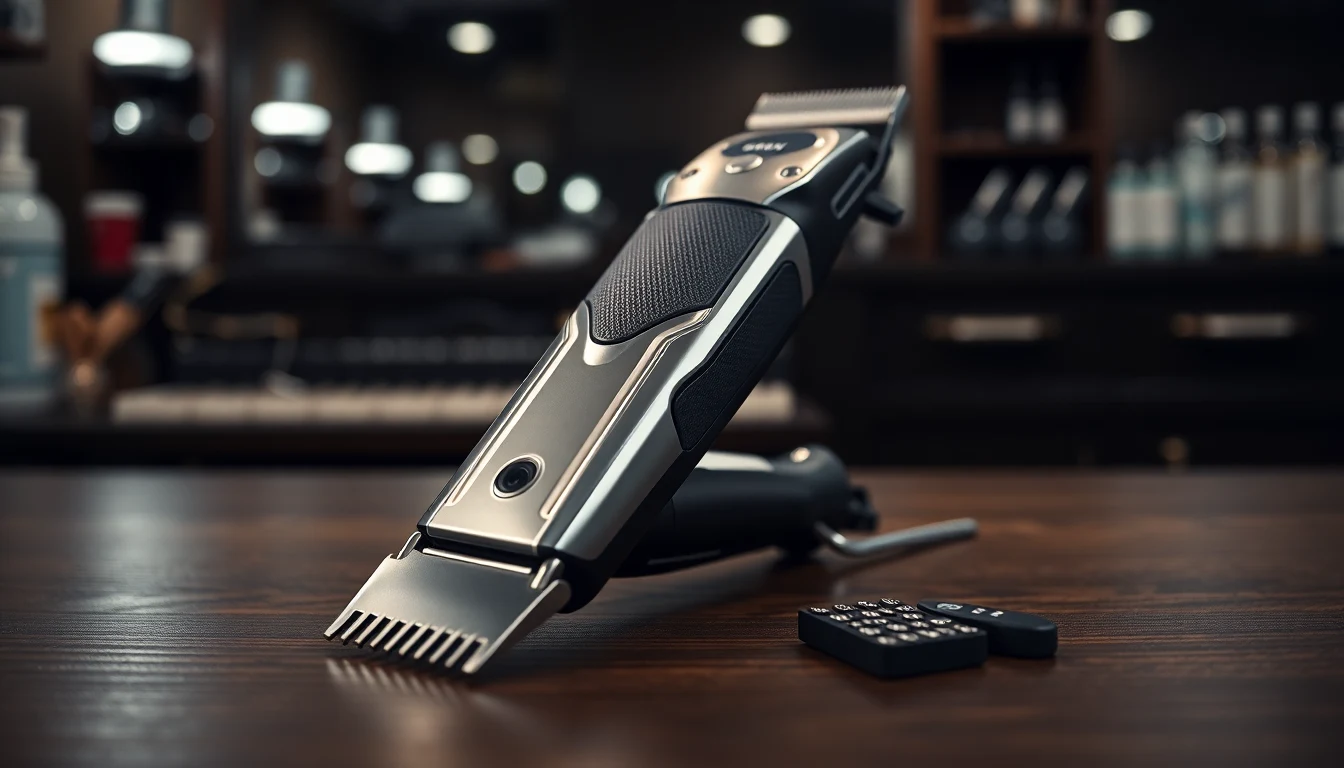
Clipper motors come in three main types: magnetic, pivot, and rotary. For Latino hair, you want a rotary motor or a high-powered pivot motor. Magnetic motors (found in most budget clippers) operate at high speed but have low torque. They work fine on thin hair but stall and pull when they hit thick, dense sections. Rotary motors maintain consistent cutting power regardless of hair thickness because they deliver constant torque at variable speeds.
Blade Quality
Cheap blades dull fast on coarse hair. Look for carbon steel or ceramic blades that stay sharp through hundreds of cuts. The blade should also be zero-gappable (adjustable so the cutting blade sits flush with the top blade) for the closest possible cut without a razor. Zero-gapping is essential for skin fades.
Adjustable Lever
The taper lever on the side of the clipper adjusts the blade from open (longer cut) to closed (shorter cut). For fading, this lever is your best friend. It allows micro-adjustments between guard sizes that create the seamless blending fades require. A clipper without a lever is limited to whatever guard you attach, with no in-between.
Cord vs. Cordless
Corded clippers provide consistent power that never drops. Cordless clippers offer freedom of movement and are easier to maneuver, especially around the ears and back of the head. The best option for home use is a cordless clipper with at least 90 minutes of battery life. For professional use, many barbers keep both: corded for bulk cutting, cordless for detail work.
Top Clippers for Latino Hair
1. Wahl Senior (Best Overall for Fades)
The Wahl Senior is the industry standard in Latino barbershops, and for good reason. Its V9000 electromagnetic motor is the most powerful in Wahl’s consumer lineup, delivering the speed and torque needed to cut through thick hair without hesitation. The adjustable taper lever provides smooth transitions for fading, and the blades are sharp out of the box.
Motor: V9000 electromagnetic (high speed, high torque). Blades: 2-hole Wahl blade, zero-gappable with adjustment. Cord/Cordless: Corded (cordless version available as Senior Cordless). Guards: 8 attachment guards (1/16″ to 1″). Best for: Fading, bulk cutting, professional use.
Why it works on Latino hair: A smooth lever action is critical for blending fades on dense hair, where subtle differences in blade length create visible lines.
Downside: Corded, which limits maneuverability. The cord can be annoying when working around the back of the head. The cordless version solves this but costs more.
2. Babyliss Pro FX870 (Best Cordless)
The Babyliss Pro FX870 is the cordless clipper I recommend for both professional barbers and home users. Its Ferrari-designed rotary motor is quiet, powerful, and maintains consistent speed under load. The lithium-ion battery provides 2+ hours of run time on a full charge.
Motor: High-torque rotary (Ferrari-designed). Blades: Graphite/DLC coated, zero-gappable. Cord/Cordless: Both (operates corded while charging). Guards: 8 premium guards. Best for: All-around use, home fades, professional cordless option.

Why it works on Latino hair: The rotary motor provides constant torque that does not decrease as the battery drains. On thick hair, this means the same cutting performance at hour two as at minute one. The DLC-coated blade stays sharper longer than standard steel, which matters when you are cutting coarse hair that dulls blades faster.
3. Andis Master (Best for Line-Ups)
The Andis Master is a legend in the barbering world. Its adjustable blade with carbon steel construction provides the precision needed for razor-sharp line-ups. The magnetic motor runs at 14,000 strokes per minute, which is fast enough for most hair types. It is the clipper most barbers reach for when they need a tight, clean line along the forehead and temples.
Motor: Magnetic (high speed). Blades: Carbon steel, adjustable. Cord/Cordless: Corded (cordless Master available). Guards: Sold separately. Best for: Line-ups, precision work, bald fades.
Why it works on Latino hair: The thin blade design gets incredibly close to the skin for line-ups that look razor-cut. For the crisp lines that define Mexican men’s hairstyles, the Andis Master is unmatched. The only caveat is that its magnetic motor has less torque than rotary options, so it can struggle on extremely thick, long hair. Use it for finishing and detail work rather than bulk cutting.
4. Wahl Magic Clip Cordless (Best Home Clipper)
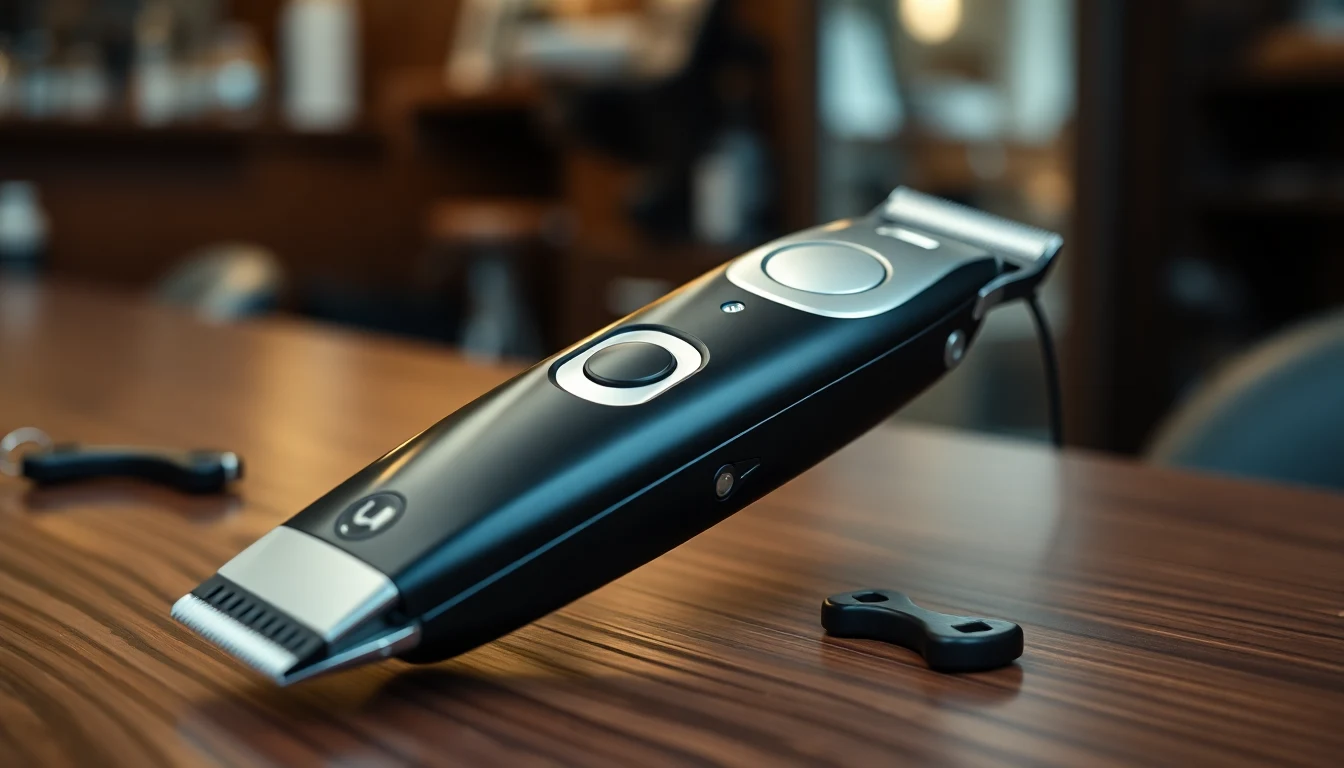
For guys who want to maintain their fade at home between barbershop visits, the Wahl Magic Clip Cordless is the sweet spot between performance and price. Its stagger-tooth blade creates texture naturally while cutting, and the crunch blade design works well on thick hair without pulling.
Motor: Rotary (cordless). Blades: Stagger-tooth, zero-gappable. Cord/Cordless: Both. Battery: 90 minutes. Guards: 8 premium guards. Best for: Home use, maintaining fades, self-cuts.
Why it works on Latino hair: The stagger-tooth blade design creates a natural blend that is more forgiving for beginners. If you are learning to fade your own hair, this blade pattern makes it harder to leave harsh lines. The cordless operation is essential for home use because you need to maneuver around your own head, and a cord gets in the way.
5. Andis Slimline Pro Li (Best Trimmer for Edges)
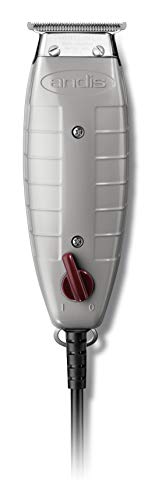
Every clipper setup needs a dedicated trimmer for edges and detail work. The Andis Slimline Pro Li is lightweight, precise, and has a T-blade that gets into tight areas around the ears and neckline. It is not a clipper (it will not do bulk cutting), but it is essential for the finishing touches that make a fade look professional.
Motor: Rotary (lithium ion). Blades: Deep-tooth T-blade. Battery: 2 hours. Best for: Line-ups, edge cleanup, detail work, beard shaping.
Clipper Comparison Table
| Clipper | Motor Type | Cord/Cordless | Best For | Price Range |
|---|---|---|---|---|
| Wahl Senior | Electromagnetic | Corded | Fading, bulk cutting | $80-100 |
| Babyliss Pro FX870 | Rotary | Both | All-around, cordless performance | $130-160 |
| Andis Master | Magnetic | Corded | Line-ups, precision | $80-100 |
| Wahl Magic Clip Cordless | Rotary | Both | Home use, self-fades | $90-120 |
| Andis Slimline Pro Li | Rotary | Cordless | Edge detail, beard trim | $50-70 |
How to Maintain Your Clippers
Thick Latino hair dulls blades faster than thin hair. Proper maintenance extends the life of your clippers and keeps them cutting cleanly.
After Every Use
- Brush out hair: Use the small brush that came with your clippers to remove all hair from the blades and the housing. Hair buildup causes overheating and reduces cutting efficiency.
- Oil the blades: Apply 2-3 drops of clipper oil across the blade teeth with the clipper running. Turn the clipper off and wipe excess oil. This lubricates the blades and prevents rust. For a deeper explanation, check our clipper oiling guide.
- Wipe down the body: Use a dry cloth to remove any product residue or sweat from the clipper body.
Weekly (For Regular Users)
- Deep clean: Remove the blade and clean both the blade and the clipper housing with a brush and blade wash spray. Let everything dry completely before reassembling.
- Check blade alignment: The cutting blade should be slightly below the top blade (about 1mm). Misaligned blades cause nicks and uneven cuts. Adjust using the screws on the blade.
Monthly
- Sharpen or replace blades: Blades that cut thick hair daily need sharpening every 4-6 weeks. For home users cutting once a week, blades last 6-12 months. Dull blades pull hair instead of cutting it. If the clipper snagging, the blade is dull.
Our complete clipper cleaning guide and blade sharpening tutorial cover each step in detail.
Home Fading Tips for Latino Men
If you want to maintain your fade between barber visits, here is a practical approach for thick hair.
What You Can Do at Home
- Neckline cleanup: Use a trimmer to clean below the neckline (the area below where your barber defined the bottom edge). This extends the life of your cut by a week.
- Around the ears: Trim the hair that grows over and around the ears with a trimmer.
- Touch up the sides: If you are comfortable with clippers, you can touch up the lowest section of the fade with a zero guard, carefully blending upward. Do not go higher than the lowest inch of the original fade.
What You Should Leave to Your Barber
- The actual fade blend: Blending between guards on thick hair requires practice and skill. A mistake is hard to fix and usually means buzzing shorter than you wanted.
- The line-up: A straight, symmetrical line-up requires precision and a steady hand. One slip and you have a crooked hairline that takes weeks to grow back.
- The top section: Unless you are doing a simple all-over buzz, cutting the top of your own head evenly is extremely difficult.
For a more detailed guide on self-cutting, check our how to cut your own hair guide and our clipper guard sizes reference.
Clipper Accessories Worth Buying
| Accessory | Purpose | Price Range |
|---|---|---|
| Premium guard set | More sizes for smoother blending | $15-25 |
| Clipper oil | Blade lubrication and longevity | $5-10 |
| Blade wash/spray | Disinfects and cools blades | $8-12 |
| Three-way mirror | See the back of your head for self-cuts | $20-30 |
| Barber cape | Keeps cut hair off your clothes | $10-15 |
| Neck strip dispenser | Prevents hair from falling into your shirt | $8-12 |
Frequently Asked Questions
What clipper guard should I use for a skin fade on Latino hair?
Start with no guard (lever closed) at the lowest point, then use a 0.5 guard, 1 guard, 1.5 guard, and 2 guard as you move upward. Use the lever between each guard change to create micro-transitions. On thick hair, you may need to add a 0.25 guard or an in-between setting to prevent visible lines. Our clipper guard sizes guide provides a complete reference.
How often should I oil my clippers?
After every use. This takes ten seconds and dramatically extends blade life. For thick hair, the blades experience more friction, which generates heat and causes faster wear. Oiling reduces friction, keeps the blades cool during cutting, and prevents rust between uses.
Can budget clippers handle thick Latino hair?
Budget clippers under $30 typically have magnetic motors that lack the torque for thick, dense hair. They will pull, stall, and overheat. If budget is a concern, the Wahl Color Pro ($25-30) is the cheapest clipper that can handle moderately thick hair for home use, but it will not produce professional-quality fades. For a genuine fade capability, plan to spend $80 or more.
Should I buy separate clippers and a trimmer, or an all-in-one kit?
For home use, a quality clipper and a dedicated trimmer is better than any all-in-one kit. All-in-one kits compromise on both the clipper and the trimmer quality to hit a price point. A Wahl Magic Clip Cordless ($100) plus an Andis Slimline Pro Li ($55) gives you professional-grade tools for $155 total, which outperforms any $150 all-in-one kit.
My clippers pull my hair. What is wrong?
Pulling is caused by one or more of these issues: dull blades (most common), lack of oil, blade misalignment, or insufficient motor power for your hair thickness. Start by oiling the blades and checking alignment. If pulling continues, the blades likely need sharpening or replacement. If a new blade still pulls, the motor is not powerful enough for your hair type and you need a more powerful clipper. Our clipper troubleshooting guide covers all scenarios.
What makes the best clippers for Latino hair different from regular clippers?
The best clippers for Latino hair need a powerful motor that won’t bog down in thick, coarse hair, sharp blades that cut cleanly without pulling, and an adjustable lever system for precise fading. Cheap drugstore clippers often stall and overheat when handling dense Latino hair, leaving choppy fades and scalp irritation, which is why investing in professional-grade clippers makes a significant difference.
Can I use budget clippers at home to maintain my fade, or do I need professional equipment?
Budget clippers typically struggle with maintaining fades on Latino hair because they lack the motor power and blade sharpness needed for thick hair. While you can do basic touch-ups at home with quality clippers, professional barbers use heavy-duty equipment like the Wahl Senior or Andis Master that provide cleaner results and last longer with regular use.
How often should I oil my clippers if I’m using them regularly on thick Latino hair?
You should oil your clippers after every use, especially with thick hair that creates more friction and heat buildup. For regular users cutting multiple heads daily, weekly deep maintenance and oiling of all moving parts will extend your clipper’s lifespan and keep the blades sharp and performing optimally.
What clipper guard size should I use to get a skin fade on Latino hair?
For a true skin fade on Latino hair, you’ll typically start with no guard or a 0 guard at the bottom, then gradually blend upward using progressively larger guards like 0.5, 1, and 1.5. Since Latino hair is naturally thick and coarse, using sharp, professional-grade clippers with a smooth lever system helps you achieve clean lines and smooth transitions between fade levels without the hair pulling or looking choppy.
Final Thoughts
The best clippers for Latino hair are the ones built to handle thickness, density, and the demands of fade-heavy styles. The mistake to skip is buying underpowered tools that fight your hair instead of cutting it. Invest in a quality clipper, maintain it properly, and it will serve you for years.
For professional barbers and committed home users, the Wahl Senior (corded) or Babyliss Pro FX870 (cordless) are the top choices. For home maintenance between skin fade appointments, the Wahl Magic Clip Cordless hits the sweet spot. And always pair your clipper with a good trimmer for the edge detail that separates a clean cut from a sharp one.
Pair the right tools with the right technique and the right styling products, and you can keep your Mexican men’s hairstyle looking barbershop-fresh every day of the week.