By Karim Haddad, Middle Eastern Grooming & Fragrance Editor
Three things on a traditional Levantine bathroom shelf tell you almost everything about Levantine grooming: a straight razor with a mother-of-pearl handle, a bottle of rose water from Damascus, and a small tin of pomade imported from France. These three items, the blade, the botanical, and the polish, represent the soul of Levantine men’s grooming. The dedication to a clean shave. The love of natural scent. The appreciation for European style filtered through an unmistakably Middle Eastern sensibility.
The Levant, the region encompassing Lebanon, Syria, Jordan, and Palestine, has produced some of the most style-conscious men in the Middle East. Levantine grooming culture sits at a unique crossroads. It draws from ancient traditions, Damascus steel blades, Aleppo soap, rose water and orange blossom, while also embracing Western influences more readily than most other parts of the Arab world. The result is a grooming aesthetic that is sophisticated, culturally rooted, and distinctly modern.
This article explores the grooming traditions that define men’s style across the Levant, from the legendary barbershops of Beirut to the hammam traditions of Damascus, from Jordanian military precision grooming to the fragrance culture that unites the entire region. Whether you are Levantine yourself or simply curious about one of the world’s most refined grooming traditions, this is the complete cultural guide.
Lebanese Barbershop Culture: Where Art Meets Craft
Lebanon, and Beirut in particular, is home to arguably the most advanced barbershop culture in the Middle East. Lebanese barbershops are not just places to get a haircut. They are social institutions where men gather, connect, and participate in a grooming ritual that elevates the haircut into an experience.

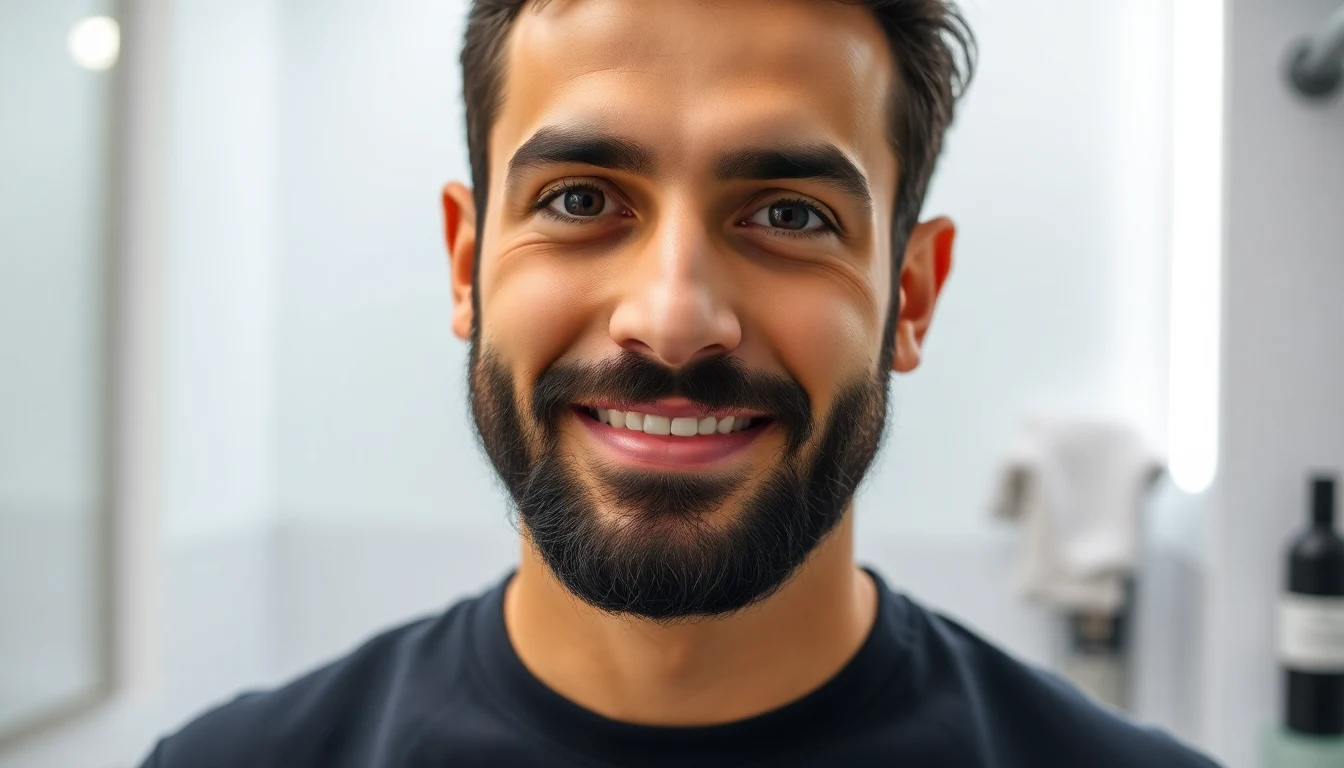
The Beirut Barbershop Experience
A typical Lebanese barbershop visit begins with Arabic coffee and lasts well over an hour. The barber consults with the client, discussing not just the desired haircut but the client’s lifestyle, upcoming events, and personal style. The cut itself is methodical and precise, with Lebanese barbers known for their mastery of the straight razor, their attention to the hairline and edges, and their ability to work with the thick, wavy hair common in the region.
After the haircut, the service continues. A hot towel treatment opens the pores and relaxes the facial muscles. A straight razor shave follows, using a lathered brush and meticulous blade work that removes hair without irritation. The session concludes with aftershave, moisturizer, and sometimes a light cologne application. This multi-step process is not considered luxury in Lebanon. It is the standard. Men visit their barber every two to three weeks, and the relationship between barber and client often lasts decades, spanning generations within the same family.
The Lebanese Grooming Aesthetic
Lebanese men’s grooming favors a polished but not overly formal look. The hair is styled with visible effort but should appear natural, never stiff or helmet-like. The beard, when worn, is trimmed to enhance the jawline rather than grown to maximum length. The skin is cared for but not obviously made up. The overall effect is one of effortless sophistication, a look that works equally well at a rooftop bar in Gemmayzeh or a family lunch in the mountains.
This aesthetic extends to fragrance. Lebanese men tend toward lighter, more modern fragrances compared to the heavy oud profiles favored in the Gulf. Fresh, woody, and mildly oriental compositions are popular, blending Western freshness with Middle Eastern warmth. Brands like Amouage and niche Western houses with Middle Eastern-influenced offerings are particularly popular among style-conscious Lebanese men.
Syrian Grooming Traditions: The Heritage of Damascus
Syria’s contributions to grooming history are profound and far-reaching. Some of the most foundational grooming products in human history originated in Syria, and these traditions continue to influence men’s grooming practices today.
Aleppo Soap: The World’s Oldest Soap
Aleppo soap (sabun al-ghar) is widely considered the oldest manufactured soap in the world, with production dating back over 3,000 years. Made from olive oil and laurel berry oil, this soap is naturally antibacterial, moisturizing, and gentle enough for both face and body. The ratio of olive to laurel oil determines the soap’s properties: higher laurel content (up to 40 percent) creates a more conditioning, slightly drying soap ideal for oily skin, while lower laurel content (5 to 10 percent) produces a milder, more moisturizing bar.

For men’s grooming, authentic Aleppo soap serves as a natural cleanser for face, body, and beard. It lathers surprisingly well and rinses clean without the tight, stripped feeling of commercial soaps. Many Syrian men use it as their sole cleansing product, and its simplicity is part of its appeal: two natural ingredients, no fragrance, no preservatives, no synthetic additives. The soap ages like cheese, with freshly made bars being green inside and turning brown on the exterior over months of curing.
Damascene Rose Water
Damascus has been synonymous with rose water production since the medieval period. Syrian rose water (ma’ al-ward) is distilled from the Damascena rose and used in grooming as a natural toner, aftershave, and fragrance. After shaving, a splash of rose water cools the skin, reduces redness, and leaves a subtle floral scent that has been the signature of well-groomed Syrian men for centuries.
Rose water also plays a role in pre-shave preparation. Some Syrian barbers dampen a hot towel with rose water before applying it to the face, combining the pore-opening heat with the anti-inflammatory and mildly astringent properties of the rose hydrosol. This technique produces a closer, more comfortable shave with less post-shave irritation.
The Syrian Barbershop Tradition
Syrian barbershops, particularly in the old cities of Damascus and Aleppo, maintained a tradition of straight-razor shaving that predates the safety razor by centuries. The Syrian barber’s toolkit traditionally included Damascus steel razors, known for their exceptional sharpness and edge retention. While modern Syrian barbers use disposable-blade straight razors for hygiene, the technique remains unchanged: precise, confident strokes that follow the grain of the hair, combined with hot towel treatments and natural post-shave products.
The tragic conflict in Syria has displaced many Syrian barbers to neighboring countries and the diaspora, where they have brought their skills and traditions to new communities. Syrian barbershops in Amman, Beirut, Istanbul, Berlin, and other cities with significant Syrian populations continue to practice the craft, serving as cultural anchors for displaced communities while introducing new audiences to Syrian grooming excellence.

Jordanian Men’s Style: Military Precision Meets Modern Swagger
Jordan’s grooming culture reflects the country’s unique identity as a blend of Bedouin tradition, military discipline, and cosmopolitan modernity. Amman, in particular, has developed a men’s style scene that is distinctly Jordanian, combining precision grooming with a relaxed, confident attitude.
The Influence of Military Grooming Standards
The Jordanian military’s grooming standards have influenced civilian style throughout the country. Short, clean haircuts, well-maintained facial hair, and an emphasis on neatness reflect the military culture that permeates Jordanian society. Many Jordanian men serve in the armed forces, and the grooming habits formed during service carry into civilian life. This creates a baseline standard of grooming that is higher than in many other countries, with most Jordanian men maintaining regular barber visits and meticulous personal care.
Jordanian Beard Culture
Jordanian men’s beard styles occupy a middle ground between the full Gulf beard and the more manicured Lebanese approach. The typical Jordanian beard is medium length, full enough to project masculinity and tradition but trimmed enough to look modern and professional. The balance is deliberate: in a society where both Western-influenced modernity and traditional Arab values coexist, the beard serves as a visual bridge between the two.
Jordanian barbers are skilled at creating this balanced look, using a combination of clippers for length and straight razors for line work. The Jordanian cheek line tends to be more natural and slightly less defined than the Gulf style, reflecting a preference for authenticity over artifice.
Bedouin Grooming Heritage
Jordan’s Bedouin communities maintain grooming practices that connect to the nomadic traditions of the desert. While modern Bedouin men have largely adopted contemporary grooming products, certain practices persist. The use of natural oils from the desert plants for hair and skin, the application of kohl for eye protection against the glaring sun, and the particular care given to the beard as a marker of maturity and honor all trace back to Bedouin heritage. These practices have influenced broader Jordanian grooming culture, adding a layer of natural, desert-inspired simplicity to the overall aesthetic.
Fragrance Culture Across the Levant
Fragrance is deeply embedded in Levantine social culture, and the way men approach scent in this region reveals much about their values, identity, and personal style.

The Levantine Approach to Scent
Unlike the Gulf, where heavy oud and bukhoor dominate, the Levant favors a more diverse fragrance palette. Levantine men are equally likely to wear a European niche fragrance as they are an Arabic perfume, and many build collections that span both traditions. The common thread is quality. Levantine men, particularly Lebanese men, are discerning fragrance consumers who value uniqueness and personal expression over brand recognition.
Rose water and orange blossom water are the foundational scents of Levantine life, used in cooking, hospitality, and grooming. These light, natural fragrances serve as the olfactory backdrop of daily life in the region, and many men incorporate them into their grooming routines through toners, aftershaves, or simply splashing the water directly onto the face and neck.
Popular Fragrance Profiles
The most popular men’s fragrance profiles in the Levant combine Middle Eastern warmth with Western freshness. Woody-aromatic compositions with cedar, sandalwood, and vetiver are perennial favorites. Light oriental fragrances with amber, vanilla, and subtle spice work well in the Levantine climate. Fresh, citrus-forward scents are popular for daytime wear. And for evening and formal occasions, more traditional Arabic profiles featuring oud, rose, and incense make their appearance.
This versatility reflects the Levantine identity itself: comfortable moving between cultural worlds, drawing from multiple traditions, and creating something distinctly personal from the mix.
The Modern Levantine Grooming Aesthetic
Today’s Levantine man approaches grooming with a sophistication that draws from centuries of tradition while embracing contemporary products and techniques. Here is what defines the modern Levantine look and how to achieve it.

Hair: Textured, Voluminous, Effortless
The Levantine hair ideal maximizes the natural thickness and wave pattern common in the region. The hair is cut in layers to reduce bulk while maintaining movement, styled with matte products that add texture without visible shine. The look should appear as though minimal effort was involved, even if the reality involves blow-drying, product application, and careful styling. Use a matte clay for texture or a light cream for natural wave enhancement.

Skin: Healthy, Even, Protected
Levantine men increasingly embrace skincare, influenced by both Korean beauty culture (which has significant following in Lebanon) and traditional Levantine practices. A simple routine of cleanser (Aleppo soap or gentle gel cleanser), vitamin C serum for brightness, moisturizer, and SPF is the standard. The goal is healthy, even-toned skin that looks naturally good rather than obviously treated.
Beard: Balanced and Intentional
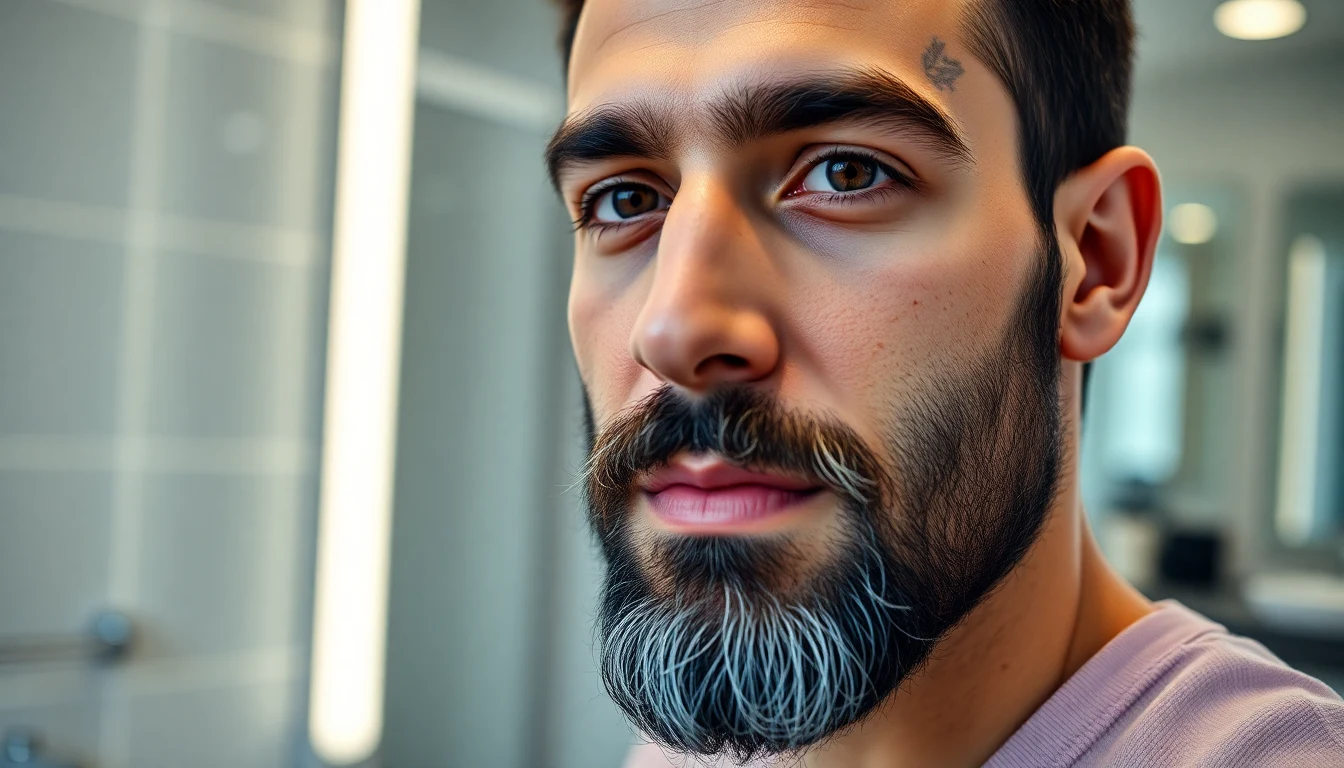
Whether worn short and closely trimmed or grown to medium length, the Levantine beard is always intentional. Clean lines, even length, and good condition (hydrated, not dry or frizzy) are the standards. The Levantine approach avoids both the scraggly neglect of an unshaped beard and the over-sculpted precision of some Gulf styles, aiming instead for a natural fullness with refined edges. Regular beard oil use is essential for maintaining the softness and sheen that characterize a well-groomed Levantine beard.
Fragrance: Signature Scent, Applied With Restraint
The Levantine approach to fragrance emphasizes personal signature over trend-following. Most well-groomed Levantine men have a go-to fragrance that becomes associated with them by friends and family. Application is generous by Western standards but moderate compared to Gulf practices, enough that those in your immediate vicinity can enjoy the scent without being overwhelmed. Quality Arabic fragrances and niche Western houses are both equally respected choices.
Traditional Levantine Grooming Products Still Worth Using
While modern products dominate the market, several traditional Levantine grooming products remain remarkably effective and deserve a place in the contemporary grooming routine.
Aleppo soap remains one of the gentlest, most effective natural cleansers available. Its olive and laurel oil base provides natural antibacterial action without stripping the skin. Use it as a face and body wash, or lather it for a traditional shaving soap.

Rose water is a perfect natural toner and aftershave. Its anti-inflammatory properties calm post-shave irritation, while its mild astringent quality tightens pores. Keep a bottle in the refrigerator for an especially refreshing post-shave experience.
Orange blossom water (ma’ al-zaher) serves a similar function to rose water but with a lighter, citrusy-floral profile that some men prefer for daytime use. It is particularly refreshing in warm weather and can be spritzed on the face throughout the day for a quick refresh.
Olive oil, the foundation of Levantine cuisine, also works as a pre-shave oil, beard conditioner, and skin moisturizer. Extra virgin olive oil applied to the beard before bed and washed out in the morning provides deep conditioning without any synthetic ingredients. It is the original beard oil, used by men across the Mediterranean and Levant for millennia.
Black seed oil (habbat al-barakah) has been used across the Levant and broader Middle East for centuries. Its anti-inflammatory and antimicrobial properties make it effective for scalp health, beard conditioning, and treating minor skin irritations. Mixed with olive oil, it creates a traditional conditioning treatment for both hair and beard.
Frequently Asked Questions
What makes Lebanese barbers so highly regarded?
Lebanese barbers benefit from a combination of factors: a culture that places high value on male grooming, extensive apprenticeship training (often within family businesses spanning generations), experience working with thick, diverse hair types, and exposure to both Western and Arabic grooming techniques. Many Lebanese barbers train informally from childhood, observing and assisting in family shops before becoming master barbers themselves. This depth of experience, combined with a clientele that demands excellence, produces exceptionally skilled practitioners.

How can I find an authentic Aleppo soap?
Authentic Aleppo soap is stamped with the manufacturer’s seal and has a brown exterior with a green interior. It should list only olive oil and laurel berry oil as ingredients (no palm oil, no fragrance, no colorants). The soap should feel hard and dense, not soft or crumbly. Purchase from specialty Middle Eastern grocery stores, reputable online sellers, or directly from established Aleppo soap brands. Be wary of cheap imitations that use olive pomace oil rather than extra virgin olive oil.
Is the Levantine grooming approach suitable for men outside the region?
Absolutely. The Levantine approach, emphasizing quality products, cultural authenticity, and a balanced aesthetic that avoids extremes, is universally applicable. The specific products (Aleppo soap, rose water, quality fragrance) work on all skin types. The grooming philosophy of effortless sophistication translates across cultures. And the emphasis on natural, time-tested ingredients appeals to the growing global movement toward clean, sustainable grooming.
How do Levantine grooming traditions compare to Gulf traditions?
Both traditions share common roots in Arabic grooming culture but differ in emphasis and execution. Gulf grooming tends toward formality and precision: full beards with defined lines, heavy oud fragrances, and a polished, composed appearance. Levantine grooming favors versatility and restraint: styled but natural-looking hair, balanced beard lengths, lighter fragrance profiles, and a look that moves comfortably between traditional and modern contexts. Neither approach is superior; they reflect the different cultural identities and social contexts of their respective regions.
What are the key products in traditional Levantine grooming traditions?
The three essential items in Levantine grooming are a quality straight razor for clean shaves, natural botanicals like rose water and orange blossom from Damascus, and European-style pomade. These products reflect the region’s blend of ancient traditions and Western influences that define the grooming aesthetic across Lebanon, Syria, and Jordan.
Why are Lebanese barbershops considered important cultural spaces?
Lebanese barbershops, particularly in Beirut, represent a blend of artistry and craftsmanship that goes beyond basic hair cutting. They serve as cultural institutions where grooming traditions are passed down and refined, embodying the sophisticated style-consciousness that the Levant is known for in the Middle East.
What role does fragrance play in Levantine men’s grooming?
Fragrance is central to Levantine grooming culture, with rose water and orange blossom being traditional favorites that unite the entire region. These natural scents reflect the Levantine appreciation for botanicals and represent a grooming philosophy that values sensory experience alongside appearance.
How do Levantine grooming practices differ from other Arab grooming traditions?
Levantine grooming stands out by embracing Western influences more readily than other Arab regions while maintaining strong cultural roots in ancient traditions like Damascus steel blades and Aleppo soap. This unique crossroads creates a grooming aesthetic that is simultaneously sophisticated, culturally rooted, and distinctly modern.
Conclusion: Carrying the Levantine Tradition Forward
Levantine grooming traditions represent one of the oldest and most refined approaches to men’s personal care in the world. From the straight razors of Beirut’s barbershops to the rose water of Damascus, from the Aleppo soap bars curing in centuries-old warehouses to the complex fragrances blending Eastern and Western notes, these traditions have survived wars, displacement, and cultural upheaval because they are genuinely excellent.
For Levantine men in the diaspora, maintaining these grooming practices is a way of staying connected to home. For men of other backgrounds, adopting elements of Levantine grooming, the natural products, the dedication to craft, the balanced aesthetic, enriches their own routines with time-tested wisdom. Either way, the Levantine grooming tradition deserves to be celebrated, practiced, and passed forward to the next generation. It is, quite simply, one of the most beautiful intersections of culture and craft that the grooming world has to offer.
More Middle Eastern Grooming Guides
- Best Oud Colognes for Men: Budget to Luxury (2026 Guide)
- Moroccan Argan Oil Hair Guide for Men: The Liquid Gold Your Hair Has Been Missing
- Thick Beard Care: The Complete Guide for Dense, Fast-Growing Facial Hair
- Egyptian Barbershop Culture: Ancient Grooming Traditions Meet Modern Cairo Style
- Arabic Fragrance Notes for Men: Understanding Oud, Rose, Amber, and Musk in Middle Eastern Perfumery