By Karim Haddad, Middle Eastern Grooming & Fragrance Editor
Thick, wavy hair has long been prized across the Middle East, yet barbers who do not know it often mishandle it. A Western barber may thin it until it looks like straw, or cut the sides too short without allowing for how thick hair springs up differently from fine hair. A barber who knows the texture, such as a Lebanese barber in the neighborhood, is far more likely to deliver a cut that works with the hair rather than against it.
Middle Eastern men’s hairstyles are having a global moment right now, and for good reason. The combination of thick, dense hair with natural wave and body gives Middle Eastern men a texture that holds virtually any style with minimal product. From the polished slick-backs favored in Gulf countries to the effortlessly textured crops popular in Beirut and Cairo, this hair type is one of the most versatile in men’s grooming. The challenge is not which styles are achievable. It is finding the right barber, the right products, and the right maintenance routine to keep those styles looking their best.
This guide covers the most popular hairstyles across the Middle Eastern world, the specific characteristics of this hair type, how to communicate with your barber regardless of their cultural background, and the products that actually work for thick, wavy Middle Eastern hair.
Understanding Middle Eastern Hair: What Makes It Different
Before choosing a hairstyle, you need to understand what you are working with. Middle Eastern hair has distinct characteristics that influence which cuts work, which products perform, and how to maintain your style between barbershop visits.
Thickness and Density
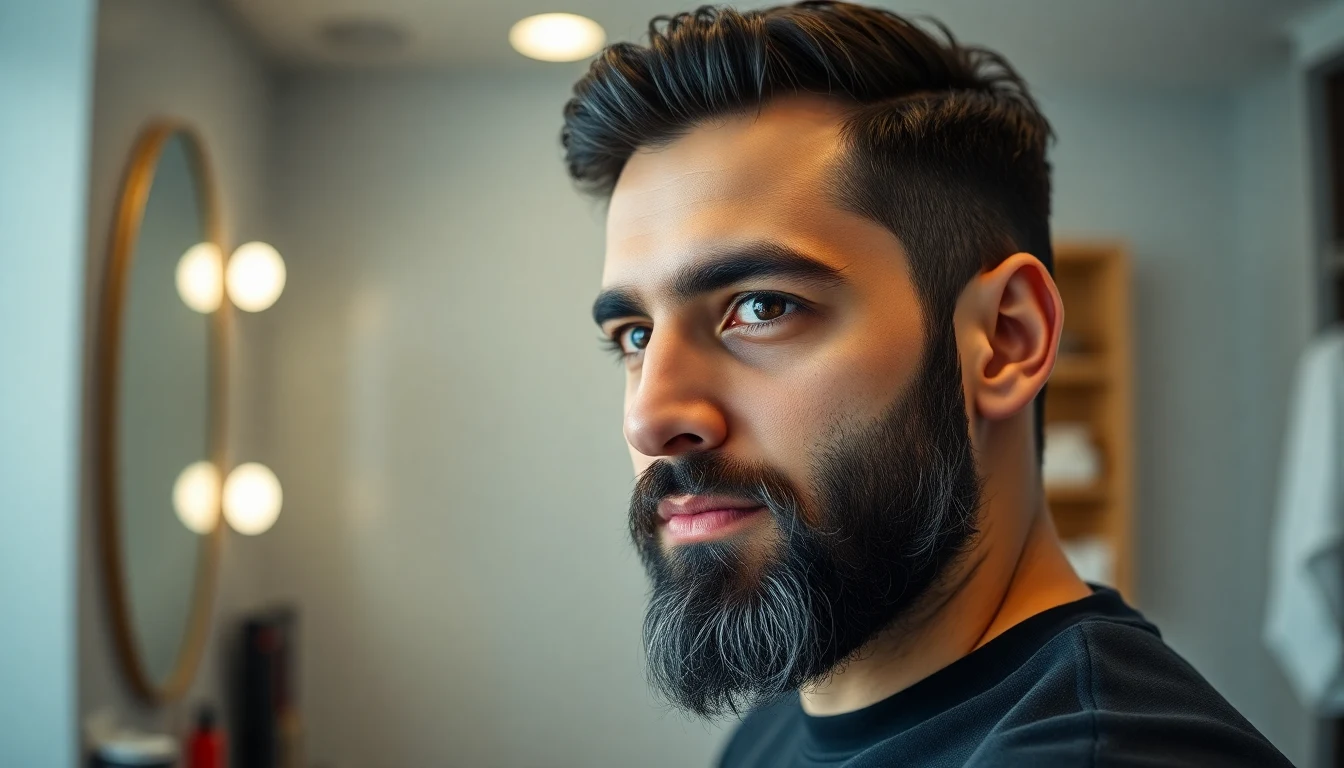
Middle Eastern men typically have both thick individual strands and high overall density. The strand diameter is often in the 80 to 120 micrometer range, significantly wider than the average for European hair. High density means more strands per square centimeter of scalp. This combination of thick strands and dense coverage creates hair that is heavy, voluminous, and resistant to holding shapes that work against its natural direction. The upside is that this thickness gives incredible fullness and body. The downside is that lightweight products often cannot penetrate or control the hair effectively.
Wave Pattern
Many Middle Eastern men have naturally wavy hair, ranging from a gentle S-wave (type 2A) to pronounced waves (type 2C) or loose curls (type 3A). This wave pattern varies by region. Levantine men (Lebanon, Syria, Jordan, Palestine) often have the most pronounced waves. Gulf men (Saudi, UAE, Kuwait, Qatar) tend toward straighter, denser hair. North African men (Egypt, Morocco, Tunisia) may have tighter wave patterns influenced by the region’s diverse genetic heritage. Iranian men often have a combination of dense, straight-to-wavy hair with significant body.
Growth Direction and Cowlicks
Thick hair tends to have strong growth patterns and pronounced cowlicks, particularly at the crown. These growth patterns can make certain hairstyles challenging if the barber does not account for them. A good barber will identify your hair’s natural growth direction during the consultation and design the cut to work with it rather than against it. Fighting your hair’s natural direction with thick, heavy hair is a losing battle that requires excessive product and constant re-styling throughout the day.

Regional Hairstyle Trends Across the Middle East
Lebanese Style: Textured Volume and Effortless Waves
Lebanon has one of the most sophisticated barbershop cultures in the Middle East, and Lebanese men’s hairstyles reflect that refinement. The signature Lebanese look combines significant length on top (typically 4 to 6 inches) with a tapered fade on the sides that is clean but not overly aggressive. The top is styled to showcase the natural wave pattern with a textured, slightly messy finish that looks effortless but actually requires careful cutting and the right product.
The key to the Lebanese textured look is layering. A skilled barber will cut layers into the top section that reduce bulk while preserving movement. Without layers, thick wavy hair just sits as a heavy mass. With proper layering, each wave has room to move independently, creating that tousled, editorial look that Lebanese men are known for. Popular products for this style include matte clay or matte pomade for hold without shine, applied to towel-dried hair and worked through with fingers rather than a comb.
Gulf Style: The Polished Slick-Back
In the Gulf states, the dominant men’s hairstyle trend is the polished slick-back. This style features medium-to-long hair on top (3 to 5 inches) swept back from the forehead with a clean, defined part or a full sweep-back. The sides are typically cut shorter but not aggressively faded, maintaining a conservative, professional appearance that complements the traditional thobe and ghutra.
The Gulf slick-back demands a product with strong hold and visible shine. High-hold pomade is the product of choice, ideally water-based for easy washing. Application technique matters: blow-dry the hair backward first to set the direction, then apply pomade evenly and comb it into place with a fine-tooth comb. The result should look polished and intentional, not wet or crunchy. Gulf men invest heavily in their grooming, and this style reflects that investment with its clean lines and meticulous finish.
Egyptian Style: Sharp Fades and Clean Lines
Cairo’s barbershop scene has exploded in the past decade, and Egyptian men’s hairstyles lean toward sharp, precise cuts with detailed line work. The typical Egyptian cut features a skin fade or mid fade on the sides with a defined line-up along the hairline and temples. The top varies from a textured crop to a brushed-back style, but the defining feature is always the crisp precision of the fade and line work.
Egyptian barbers are known for their blade work, often using straight razors to create impossibly clean edges. The hair part is frequently shaved in with a razor for extra definition. This style works particularly well for the dense, dark hair common among Egyptian men because the contrast between the faded sides and the fuller top creates a dramatic visual impact. Maintenance is the main challenge; this style requires barber visits every two to three weeks to keep the fade and lines looking fresh.
Iranian Style: Sophisticated Volume
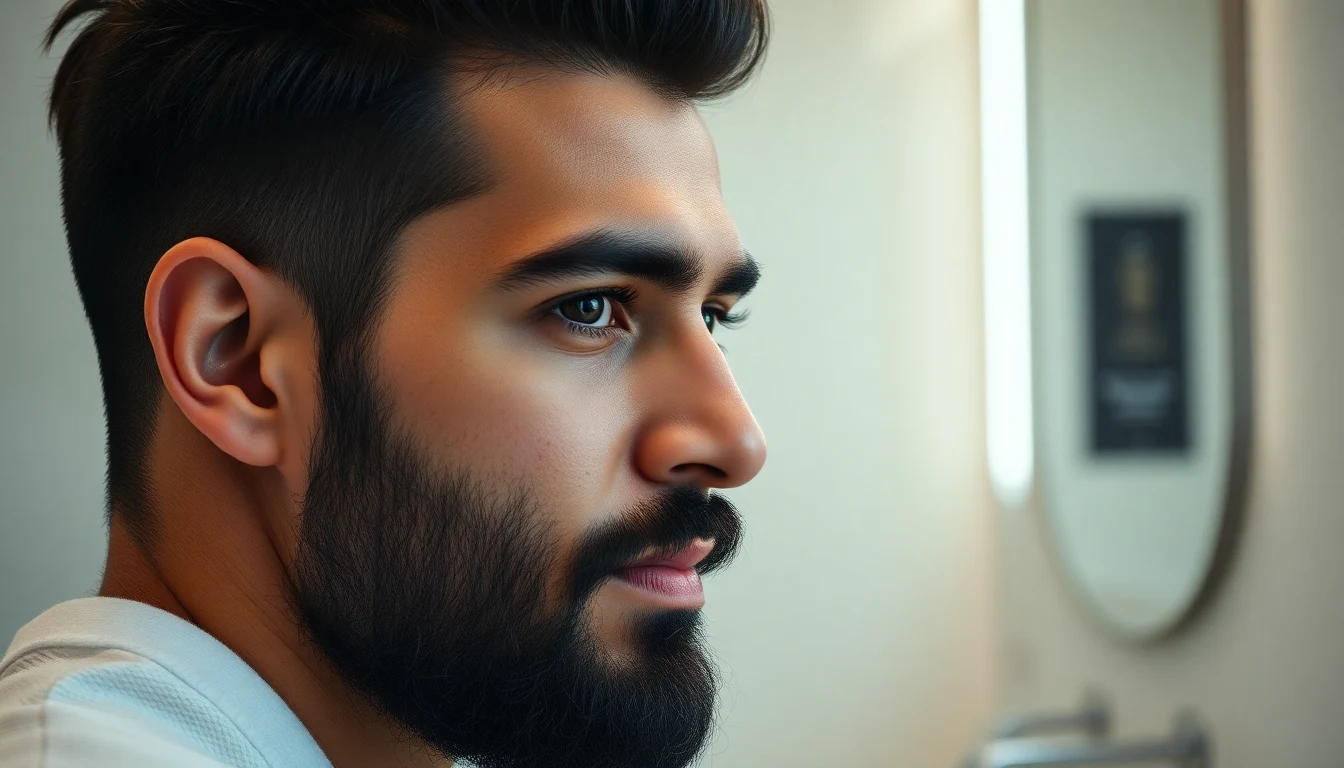
Iranian men’s hairstyles tend toward sophisticated, volumized looks with significant height and body. The classic Tehran style features medium-length hair on top styled with noticeable volume, often with a side part or a full quiff. The sides are kept moderate, usually a scissor taper rather than a clipper fade, maintaining a more conservative appearance that aligns with Iranian social norms.
Achieving the Iranian volume look requires blow-drying technique. After washing, apply a volumizing mousse or light hold product to damp hair, then blow-dry forward and upward, using a round brush to create lift at the roots. Once dry, use a medium-hold pomade or wax to style the hair into its final shape. The goal is volume that looks natural and full, not stiff or helmet-like. Iranian men often combine this hairstyle with well-groomed facial hair, creating a balanced, put-together appearance.
The Best Haircuts for Thick, Wavy Middle Eastern Hair
Regardless of regional trends, certain haircuts work exceptionally well for thick, wavy Middle Eastern hair types. Here are the most flattering options with specific guidance on lengths, techniques, and maintenance.
Textured Crop With Taper Fade
This is one of the most universally flattering cuts for Middle Eastern hair. The top is cut to 2 to 3 inches with textured layers that work with the natural wave. The sides taper gradually from a #2 or #3 guard at the temple down to skin at the neckline. The fringe (front) is either left slightly longer and styled forward or pushed to one side.
Why it works for thick, wavy hair: The textured layers remove bulk without sacrificing the appearance of thickness. The waves add natural movement to the top, reducing the need for product. The taper keeps the sides manageable between barber visits. This cut requires minimal styling effort. A small amount of matte paste worked through damp hair and a few minutes of air-drying produces a put-together look with almost no effort.
Slick-Back Taper
The slick-back taper keeps 3 to 5 inches on top with a gradual taper on the sides, either with scissors or clippers. The top is styled backward, showcasing the forehead and creating a clean, powerful silhouette. This is the classic Gulf-influenced style that works in both traditional and modern contexts.
Why it works for thick, wavy hair: Thick hair holds the slick-back shape better than fine hair, which tends to fall forward within hours. The natural wave adds subtle texture to the swept-back top, preventing it from looking flat or plastic. With the right pomade, this style can hold all day without touch-ups, making it ideal for long workdays and events.
Curly Taper Fade
For Middle Eastern men with curlier hair (type 2C to 3A), the curly taper fade is an excellent choice. The top is left long enough for the curls to form fully (usually 3 to 5 inches depending on curl tightness), while the sides are faded from a #1 or #2 down to skin. The curls on top provide natural volume and texture, while the faded sides keep everything looking clean and intentional.
Why it works for thick, wavy hair: This style celebrates the natural texture rather than fighting it. The fade creates contrast that makes the curls look even more defined. Maintenance is straightforward: keep the curls hydrated with a leave-in conditioner or curl cream, and visit the barber every three weeks to maintain the fade. No blow-drying or heat styling needed.
Classic Side Part
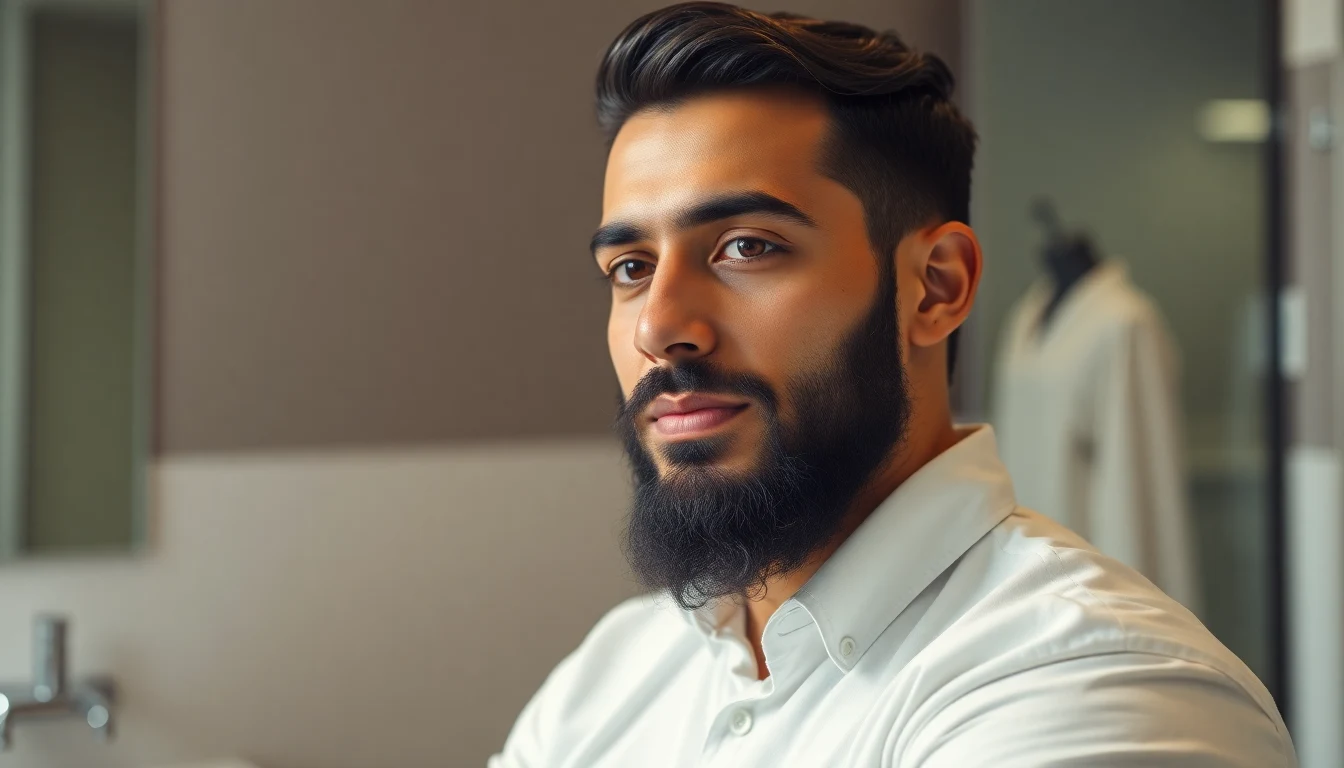
The side part is a timeless cut that translates beautifully across Middle Eastern cultures. The hair is cut to medium length on top (3 to 4 inches) with a defined part on one side, either natural or razor-shaved for extra precision. The sides are cut with scissors or a low taper for a conservative, gentlemanly appearance.
Why it works for thick, wavy hair: The side part works with the natural growth direction of the hair, reducing the fight against thickness. Thick hair holds the part line all day, whereas fine hair tends to lose definition. This style is appropriate for formal and professional settings across all Middle Eastern cultures, making it a safe, universally respected choice.
Modern Quiff
The quiff features 4 to 6 inches on top styled upward and back from the forehead with significant volume. The sides are faded or tapered, and the transition between top and sides is clean but not harsh. This is a more fashion-forward style that works well for younger Middle Eastern men who want to make a statement.
Why it works for our hair: Thick hair creates dramatic quiff volume that fine-haired men can only dream of. The natural body and density of Middle Eastern hair holds the upward shape with minimal product. A blow-dry session with a round brush and a medium-hold product is all you need to achieve a quiff that lasts all day.
What to Tell Your Barber: A Communication Guide
The biggest challenge many Middle Eastern men face is communicating their desired style to a barber who may not be familiar with this hair type. Here is a practical script for getting the cut you want, regardless of who is holding the clippers.
Before You Sit Down
Bring reference photos. This is the single most effective communication tool. Find three to five photos of the style you want, ideally on men with similar hair types. Photos of Middle Eastern models, celebrities, or even Instagram barbers from the region eliminate ambiguity more effectively than any verbal description.
Key Phrases to Use
Start with the top. Specify the length in inches, not guard numbers (guards vary between clipper brands). “I want about four inches on top, textured with layers to reduce bulk but keep the volume.” This tells the barber exactly what you want without leaving interpretation open.
For the sides, be specific about the type of transition. “Taper with scissors, no skin showing” is different from “mid fade down to a zero” is different from “skin fade with a hard part.” Know what you want and use precise language. If you are unsure, ask the barber for their recommendation based on your face shape and hair type, but set the parameters: “I want the sides shorter but not a skin fade.”
Address thickness directly. “My hair is very thick. Please use thinning shears or texturizing technique on top to remove bulk without losing length.” This prevents the common mistake of a barber cutting off length to reduce heaviness when what you actually need is internal layers.
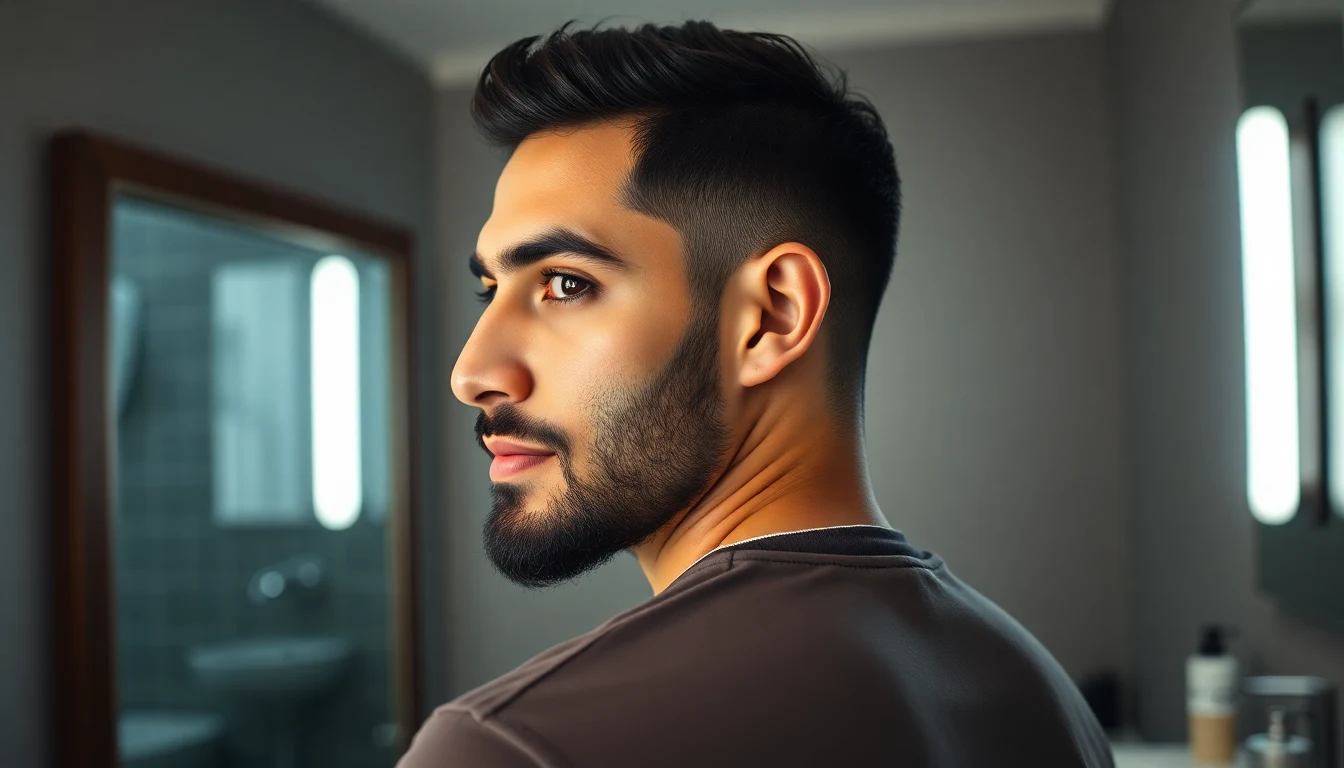
Discuss the neckline. “I prefer a tapered neckline, not blocked” or “Please blend the neckline down to skin.” The neckline treatment is where many haircuts go wrong, and specifying your preference prevents awkward conversations mid-cut.
What to Avoid Saying
Avoid vague instructions like “just clean it up” or “a little off the top.” These mean different things to different barbers and almost always result in more hair being removed than you intended. Also avoid asking for a specific celebrity’s haircut without providing photos. “Give me the Zayn Malik” means nothing to a barber who does not follow the same cultural references you do.
Styling Products That Actually Work for Thick Middle Eastern Hair
Most mainstream hair products are formulated for fine-to-medium hair and simply do not perform on thick, coarse hair. Here is a product guide based on hold, finish, and hair type compatibility.
For Slick-Back and Polished Styles
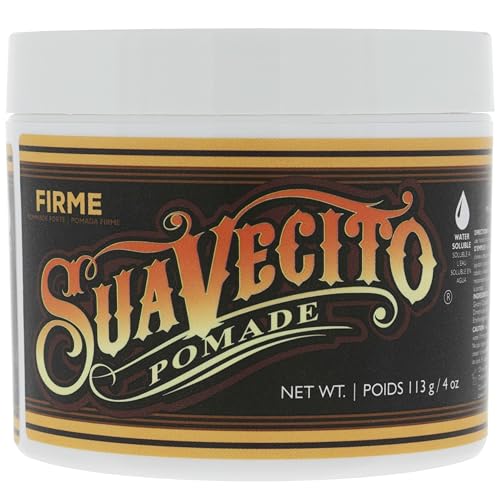
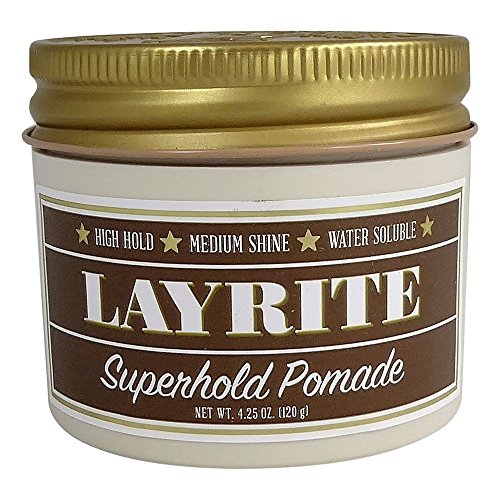
You need a strong-hold pomade. Water-based pomades are preferable to oil-based because they wash out easily and do not cause buildup. Suavecito Firme Hold offers excellent hold with visible shine, perfect for the Gulf slick-back. Layrite Superhold provides even stronger hold for men with extremely thick hair that resists control. Apply to towel-dried hair after blow-drying in the desired direction.
For Textured and Messy Styles
Matte clay or matte paste provides texture and hold without the shine of pomade. These products allow you to create the messy, textured look popular in Levantine barbershop culture. Baxter of California Clay Pomade offers medium hold with a completely matte finish. Apply to damp or dry hair and work through with your fingers, twisting and separating sections to create texture.
For Natural Wave Enhancement
If you want to work with your natural waves rather than style against them, a lightweight cream or mousse is your best friend. Sea salt spray is also effective for enhancing wave definition and adding gritty texture. Apply to damp hair and let air-dry or diffuse with a blow dryer on low heat. Avoid heavy products that weigh down waves and turn them into flat, limp strands.
Pre-Styling Essentials
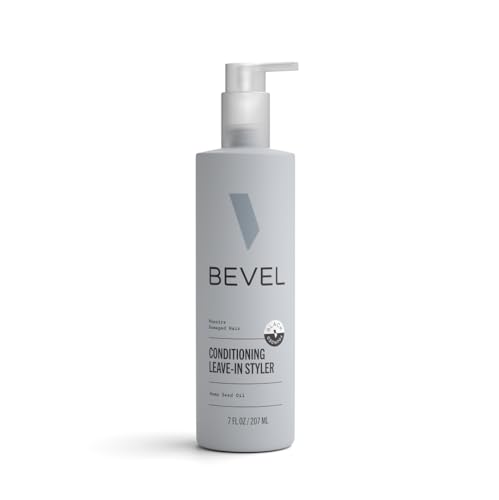
Before applying any styling product, use a heat protectant if you are blow-drying and a leave-in conditioner if your hair is dry. Argan oil treatment applied to damp hair before styling provides moisture, reduces frizz, and creates a smooth base that styling products can grip onto. This pre-styling step makes a dramatic difference for thick, coarse hair.
Maintenance Between Haircuts
Thick Middle Eastern hair grows fast. Most men in this category need a barber visit every two to four weeks to maintain their style’s shape. Between visits, here is how to keep things looking fresh.

Wash your hair two to three times per week, not daily. Daily washing strips the natural oils that keep thick hair manageable and shiny. On non-wash days, you can rinse with water and re-apply styling product to refresh the style. Use a sulfate-free shampoo to prevent dryness, and always follow with a conditioner formulated for thick hair.
Invest in a quality hair dryer if you style with heat. A dryer with at least 1800 watts and a concentrator nozzle gives you the control needed to direct thick hair into place. The concentrator nozzle focuses airflow, allowing you to set the direction of each section precisely.
Keep a small amount of your styling product with you for midday touch-ups. Thick wavy hair can shift throughout the day, especially in humid conditions. A quick re-application and hand-styling in the afternoon keeps the style looking intentional rather than grown-out.
Frequently Asked Questions
How often should Middle Eastern men get haircuts?
Every two to four weeks depending on the style. Fades and precise line work require more frequent maintenance (every two weeks) because the grow-out is more visible. Longer, textured styles can go three to four weeks between cuts because the growth pattern blends more naturally.
Should I use thinning shears on thick Middle Eastern hair?
Yes, but with moderation. Thinning shears remove bulk from the interior of the hair without reducing visible length. A skilled barber will use them strategically, focusing on the densest areas (usually the crown and sides) while leaving the perimeter intact. Over-thinning creates a wispy, unnatural look, so communicate clearly with your barber about how much you want removed. If your hair is very thick, some thinning is almost always beneficial for manageability.
What face shapes work best with which hairstyles?
Round faces benefit from styles with height on top and tighter sides to create the illusion of length. The quiff and slick-back work well. Oval faces are the most versatile and can pull off virtually any style. Square faces look great with textured crops and side parts that soften the angular jawline. Long faces benefit from styles with more width on the sides and less height on top to balance proportions. Your barber should be able to recommend specific modifications based on your face shape during the consultation.
Can I grow out my thick Middle Eastern hair long?
Absolutely. Thick wavy hair looks excellent at longer lengths, and long hair has historical significance in many Middle Eastern cultures. The awkward stage between short and long (usually months three through six) is the biggest challenge. During this period, use headbands, beanies, or simply tie the top section back while the sides catch up. Keep the hair conditioned and trimmed at the ends every six to eight weeks to prevent split ends and maintain shape during the growing phase.
What makes Middle Eastern men’s hair different from other hair types?
Middle Eastern hair is typically thick and dense with natural wave and body, which allows it to hold virtually any style with minimal product. This texture is one of the most versatile in men’s grooming, but it requires barbers who understand how thick hair springs up differently than fine hair.
Why do Western barbers often struggle with cutting Middle Eastern hair?
Many Western barbers lack experience working with thick, wavy hair and may thin it out too aggressively or cut it too short on the sides without accounting for how the hair springs back up. Finding a barber familiar with Middle Eastern hair types, like a Lebanese or Arab barber, ensures your cut works with your hair rather than against it.
What are the most popular hairstyles in the Middle Eastern men’s hairstyle guide?
The most popular Middle Eastern hairstyles range from polished slick-backs favored in Gulf countries to effortlessly textured crops popular in cities like Beirut and Cairo. Both styles take advantage of the natural thickness and wave of Middle Eastern hair to create versatile, well-defined looks.
How should I maintain my Middle Eastern hairstyle between barber visits?
The key to maintaining your style is using products specifically formulated for thick, wavy hair and following a consistent maintenance routine tailored to your chosen style. Working with a barber who understands your hair type helps you learn the right products and techniques to keep your style looking its best.
Conclusion: Working With Your Hair, Not Against It
Middle Eastern men have some of the best hair in the world for versatile styling. The thickness provides volume, the density provides fullness, and the natural wave provides texture that men with other hair types spend time and product trying to create. The key is working with these natural characteristics rather than fighting them.
Find a barber who understands thick, wavy hair. Communicate clearly using photos and specific language. Use products formulated for your hair type, not the lightweight formulas marketed to the general market. And embrace the maintenance routine that thick hair demands. The payoff is a hairstyle that looks effortlessly polished, culturally authentic, and uniquely yours.
Whether you are rocking the Lebanese textured look, the Gulf slick-back, the Egyptian precision fade, or something entirely your own, your hair is a reflection of the rich grooming traditions of your culture. Wear it with pride.