If you want to master arabic grooming traditions for modern, this guide covers everything you need to know. Last updated: February 2026 by Omar Al-Rashid, Certified Aesthetician
My father left Amman, Jordan, in 1988 with two suitcases and a small box that he guarded more carefully than anything else he owned. Inside that box were three bottles of attar, a silver kohl applicator, a piece of oud wood wrapped in cloth, and a miswak holder made of olive wood. These were not luxury items to him. They were necessities, as essential as the clothes on his back. When he landed in Dearborn, Michigan, and began building his American life, those grooming tools went with him into every apartment, every new house, every phase of life. They were his connection to home.
Arabic grooming traditions are among the oldest and most refined personal care systems in the world. Centuries before European men discovered cologne, Arab men were layering oud, musk, and amber. Centuries before the modern skincare industry existed, Arab men were visiting the hammam for deep cleansing rituals. And long before “clean beauty” became a marketing trend, Islamic grooming was built on the principle that what you put on your body matters as much as what you put in it. For expert guidance on this topic, consult authenticated hadiths on personal cleanliness from Sunnah.com.
This guide traces the major Arabic grooming traditions, examines which ones have survived into the modern era, and explores how today’s generation of Arab and Muslim men are adapting these practices for contemporary life.
Religious Note: Grooming practices in Islam can vary by scholarly opinion and personal observance. Always consult with your imam, scholar, or religious guide to confirm that any products or practices mentioned here align with your personal level of observance and religious requirements.
The Hammam: Arabia’s Original Spa : Arabic Grooming Traditions For Modern
The hammam (public bathhouse) has been central to Arab male grooming for over a thousand years. When the early Islamic empires encountered Roman bathhouse culture, they adapted it with an Islamic framework: the hammam became not just a place for hygiene but a space for ritual purification (ghusl), social gathering, and therapeutic body care.

The Traditional Hammam Experience
A traditional hammam visit proceeds through several stages. You begin in the warm room (bayt al-awal), where your body acclimates to the heat. You move to the hot room (bayt al-harara), where steam opens the pores and softens the skin. An attendant (tayeb) performs a vigorous full-body exfoliation using a kees (rough exfoliating mitt) and olive oil soap (sabun baladi). This removes layers of dead skin, leaving the body incredibly smooth. You then rinse with alternating warm and cool water, and finish with a rest period in a cooling room while sipping tea.
What Has Stayed
Hammams still operate in major cities across the Middle East and North Africa. In Morocco, Syria, Turkey, and Egypt, the hammam remains a weekly ritual for many men. The fundamental practice, deep exfoliation followed by moisturizing, is unchanged.
In the diaspora, the hammam tradition has translated into an appreciation for thorough body care. Arab men in America and Europe tend to incorporate body exfoliation, steam treatments, and intensive moisturizing into their grooming routines at higher rates than the general population. The specific setting has changed (home showers instead of marble hammams), but the philosophy endures.
What Has Changed
The communal aspect has largely disappeared in Western settings. Where the hammam was once a social institution where men conducted business, resolved disputes, and bonded with their sons, the modern equivalent is a solo shower or an occasional spa visit. Some cities with large Arab communities (Dearborn, Bay Ridge in Brooklyn, Anaheim) have Turkish or Moroccan baths that approximate the experience, but the casual weekly tradition is mostly gone.
The Art of Arabian Perfumery
If there is one Arabic grooming tradition that has not only survived but thrived, it is perfumery. The Arab relationship with fragrance predates Islam itself. Pre-Islamic Arabs traded frankincense and myrrh along routes that connected Yemen to Rome. With the spread of Islam, the emphasis on smelling good for prayer and gatherings elevated perfumery from a luxury to a near-obligation.
Traditional Elements
- Oud (agarwood): The king of Arabic fragrances. Used as both oil (attar) and burned as incense (bakhoor). Our oud layering guide covers the tradition in depth.
- Musk: The Prophet’s favorite fragrance, applied to the body and beard. Our musk perfume guide traces the tradition from its origins to modern applications.
- Amber (anbar): A warm, resinous scent derived from ambergris (historically) or synthetic compounds (today). Central to many traditional blends.
- Rose (ward): Particularly Taifi rose from Saudi Arabia, considered the finest in the world. Used as a standalone attar and as a layering accent with oud.
- Bakhoor: Woodchips infused with aromatic oils and resins, burned over charcoal. The smoke scents clothing and living spaces. Every Arab household has a mabkhara (incense burner).
What Has Stayed
Everything. Arab perfumery is arguably stronger now than at any point in modern history. Gulf countries like the UAE, Saudi Arabia, Qatar, and Oman have world-class perfume industries. Brands like Amouage, Abdul Samad Al Qurashi, Swiss Arabian, and Al Haramain export globally. The oud market alone is valued in the tens of billions.

In diaspora communities, Arab men still apply attar before prayer, burn bakhoor at home, and give fragrance as gifts. The products have modernized (spray formats alongside traditional oils, synthetic ouds alongside natural ones), but the daily practice of smelling good as a religious and social obligation remains deeply ingrained. Mastering arabic grooming traditions for modern takes practice but delivers great results.
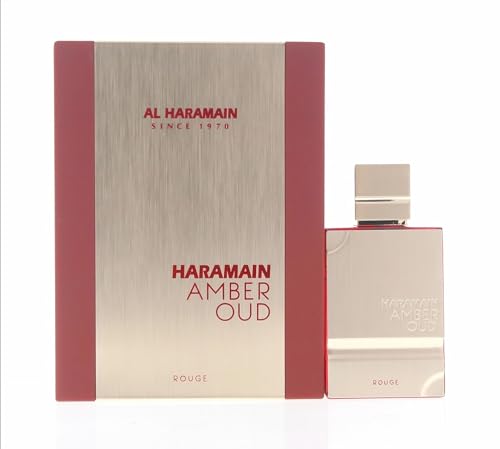
For recommended fragrances rooted in this tradition, see our picks: Al Haramain Amber Oud Rouge, Rasasi Hawas, and Al Rehab Crown Perfume Oil.
What Has Changed
Western designer fragrances have entered the mix. Many Arab men now layer traditional attars with European colognes, creating fusion scents. The purists argue this dilutes the tradition; the pragmatists point out that it is the most creative period in fragrance history. Both are right. The core tradition of layering multiple scents remains; the palette has simply expanded.
Our alcohol-free cologne and attar guide covers options that bridge both worlds.
Kohl: The Ancient Eyeliner
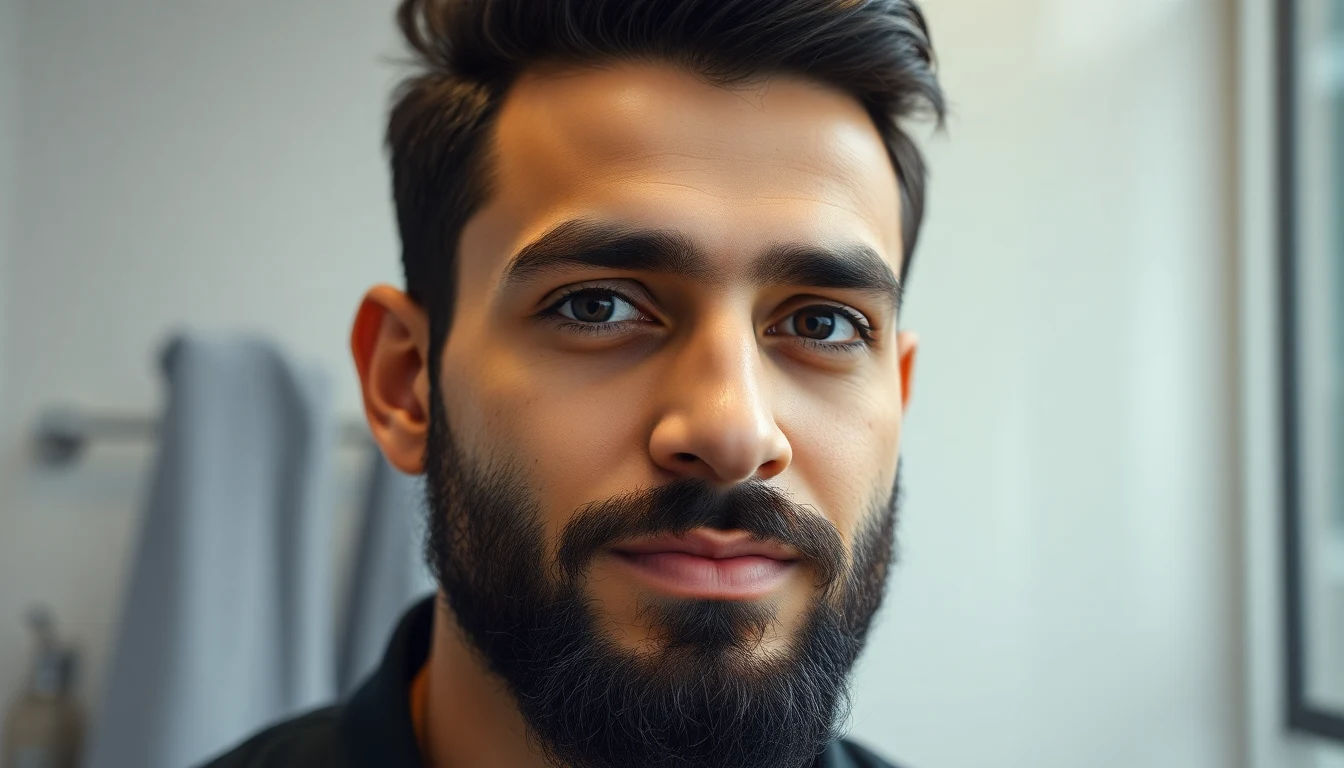
Kohl (ithmid) has been applied to the eyes by Arab men for millennia. The Prophet (peace be upon him) used kohl and recommended it, saying: “Use kohl (ithmid), for it clears the vision and makes the eyelashes grow” (narrated by Abu Dawud and Ibn Majah).
Traditional Use
Traditional kohl is made from ithmid (antimony sulfide), a naturally occurring mineral ground into a fine powder. It is applied to the inner rim of the eyelid using a thin stick called a mirwad. The practice was believed to protect the eyes from glare, prevent eye infections, and strengthen the vision. Beyond the health claims, it creates a distinctive darkening of the eye area that has been a hallmark of Arab male aesthetics for centuries. For more guidance, Islamic Finder provides expert resources on Islamic practices.
What Has Stayed
Kohl application remains common in the Gulf states, parts of North Africa, and within certain communities globally. During Ramadan and for Eid celebrations, kohl usage increases noticeably, even among men who do not wear it daily. It is also common in Sufi communities and among brothers who make a deliberate effort to revive sunnah practices.
What Has Changed
In Western contexts, the vast majority of Arab and Muslim men have dropped kohl from their daily routine. The perception of men wearing eye products carries different social weight in America and Europe than it does in Riyadh or Marrakech. However, there is a growing counter-movement among younger Muslim men who apply kohl as a deliberate sunnah revival, particularly in faith-focused communities.
There are also safety concerns about traditional kohl. Some formulations contain lead, which is toxic. If you practice kohl application, source it from reputable suppliers who test for lead content, or use ithmid-based kohl from verified sources.
The Beard in Arabic Culture
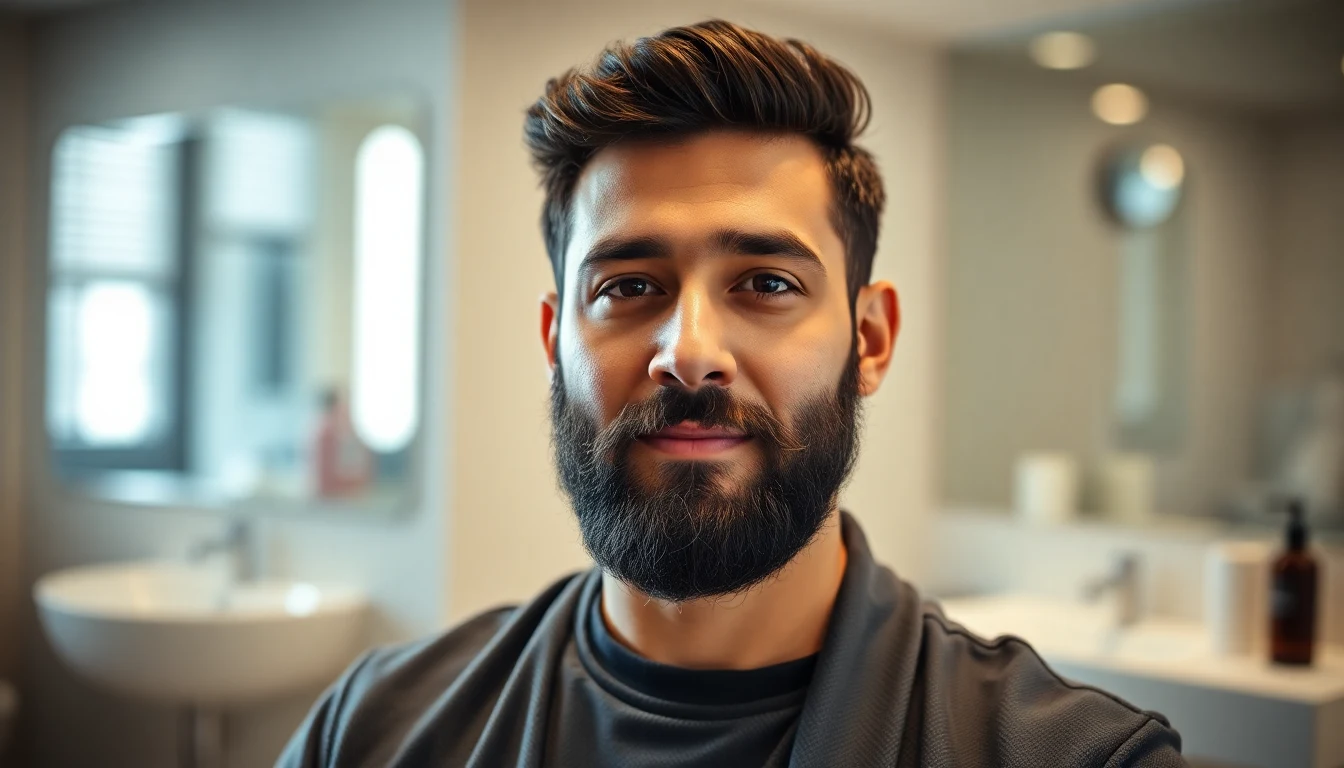
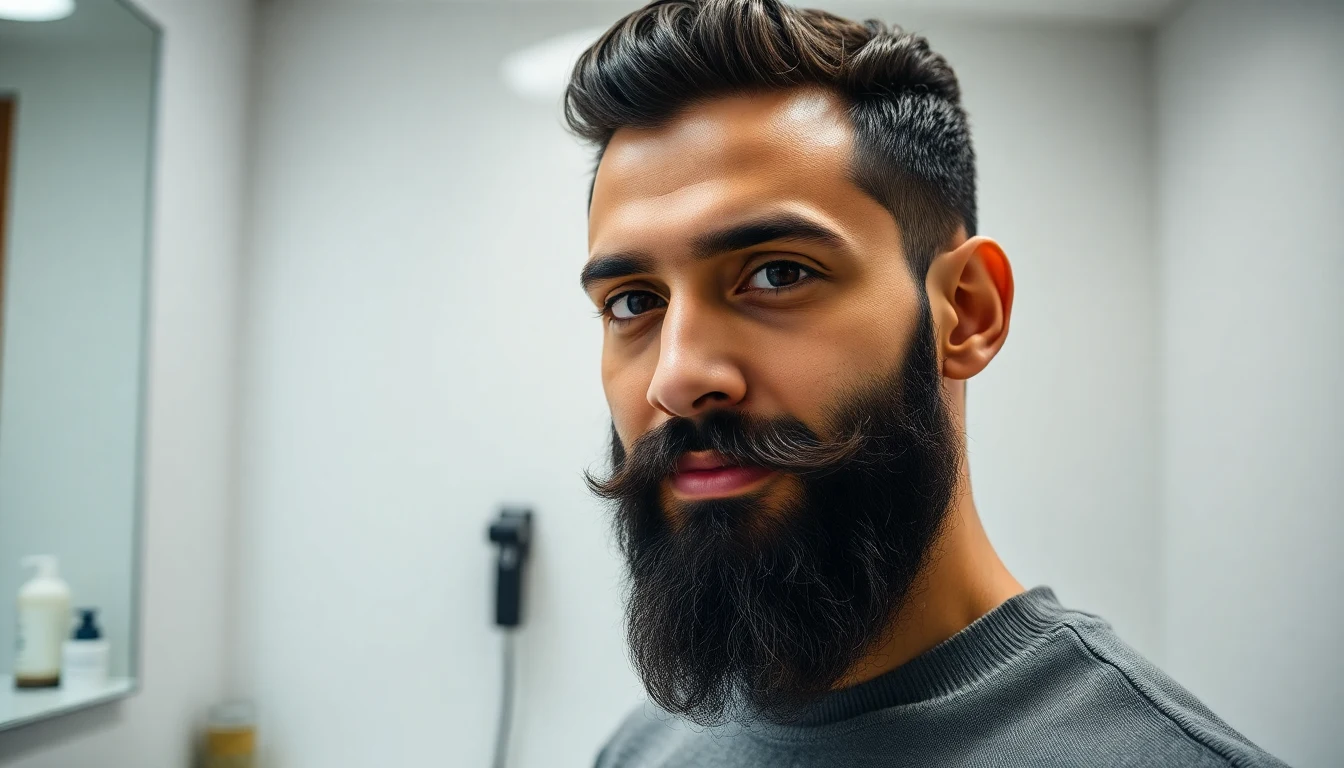
The beard holds dual significance in Arabic grooming: it is both a cultural marker of masculinity and maturity, and a religious observance following the sunnah. These two streams reinforce each other, creating a community where beards are the norm rather than the exception.
Traditional Beard Culture
In traditional Arabic societies, a full beard was associated with wisdom, authority, and religious devotion. Tribal leaders, scholars, and religious figures were almost universally bearded. The beard was maintained with olive oil, brushed with wooden combs, and scented with musk or oud. Shaving was culturally inappropriate in many contexts, associated with boyhood or, in some periods, punishment.
What Has Stayed
The religious dimension remains strong. For practicing Muslim men worldwide, the beard is primarily an act of following the sunnah. The care traditions, oiling, combing, trimming the mustache, have endured because they are rooted in hadith literature rather than just cultural fashion. Our sunnah beard care guide details these practices.
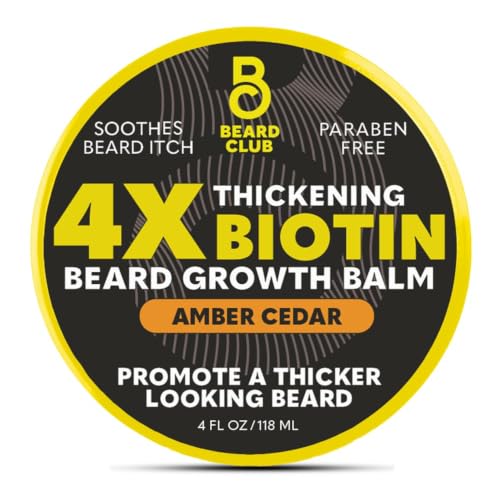
Products have modernized: beard oil replaced straight olive oil, specialized beard balms replaced homemade shea butter mixes, and electric trimmers replaced scissors. But the underlying routine of wash, oil, comb, and trim is unchanged from what was practiced fourteen centuries ago.

What Has Changed
The variety of acceptable styles has expanded significantly. Where traditional Arabic culture favored the full, untrimmed beard, modern Arab men wear everything from heavy stubble to meticulously shaped fades-into-beard transitions. The influence of social media, Gulf fashion culture, and Western grooming trends has created a much wider range of what “a bearded Arab man” looks like. Understanding arabic grooming traditions for modern is key to a great grooming routine.
Our Muslim men’s beard styles guide covers the full spectrum of sunnah-compliant options.
Miswak: The Original Toothbrush
The miswak (siwak) is a tooth-cleaning twig from the Salvadora persica tree, used across the Arab world for oral hygiene. The Prophet (peace be upon him) used it regularly and recommended it to the ummah, particularly before prayer.
What Has Stayed
Miswak use continues in the Arab world and among practicing Muslims globally. Research has validated its effectiveness: the Salvadora persica fibers contain natural antibacterials, and the chewing motion stimulates the gums. Many brothers use miswak as a supplement to modern toothbrushing rather than a replacement. You will find miswak sticks sold at virtually every Islamic bookstore, mosque gift shop, and halal market.
For the science and practice behind miswak, our miswak oral care guide goes in depth.
What Has Changed
Daily-use miswak has declined in favor of modern toothbrushes and toothpaste, particularly in Western settings. However, miswak-flavored toothpastes and miswak-extract oral care products have emerged as a bridge between tradition and convenience. The practice is more common during Ramadan than the rest of the year.

Henna and Body Art
Henna (mehndi) for men is a tradition with deep roots in Arabic culture. The Prophet (peace be upon him) used henna to dye his beard and hair. In many Arab communities, men apply henna to their hands for weddings, use it for beard coloring, and sometimes apply it to the palms and soles of the feet for its cooling and antiseptic properties.
What Has Stayed
Henna beard dyeing remains common among older men who want to cover gray without using synthetic dyes. The reddish-brown hue of henna is considered the sunnah-recommended color for covering gray, as the Prophet specifically recommended henna over black dye. Wedding henna for men continues in many communities, particularly in South Asian, North African, and Gulf cultures.
What Has Changed
Younger Arab men in Western settings rarely use henna for grooming, with the exception of wedding traditions. Synthetic “natural” dyes have largely replaced henna for daily beard coloring among those who cover gray. However, the clean beauty movement has sparked renewed interest in henna as a chemical-free alternative, bringing it back into the conversation.
Olive Oil: The Universal Arabic Grooming Oil
Olive oil holds a sacred place in Islamic culture. The Quran mentions the olive tree as blessed (Surah An-Nur, 24:35), and the Prophet (peace be upon him) said: “Eat olive oil and use it on your hair and skin, for it comes from a blessed tree” (narrated by al-Tirmidhi).
Traditional Uses
Arab men traditionally used olive oil as a hair conditioner, beard oil, skin moisturizer, and even a base for fragrance. Mixed with beeswax, it served as a primitive pomade. Applied after the hammam, it sealed moisture into freshly exfoliated skin. It was also the base for olive oil soap (sabun nabulsi), famous throughout the Arab world.
What Has Stayed
Olive oil remains a staple in Arab grooming. Many brothers still apply it to their beards, hair, and skin, often alongside or instead of commercial products. Palestinian olive oil soap (sabun nabulsi) is still widely available and used. The association between olive oil and blessed, prophetic grooming ensures its continued relevance.
What Has Changed
Modern grooming products have largely replaced pure olive oil for daily use. Specialized beard oils, hair serums, and moisturizers offer more targeted benefits. However, olive oil remains the gold standard for brothers who want the simplest, most traditional approach, and it is the base ingredient in many “modern” natural grooming products.
The Modern Arab Man’s Grooming Routine
Today’s Arab man living in the West often blends traditional and modern practices into a hybrid routine. Here is what that typically looks like. When it comes to arabic grooming traditions for modern, technique matters most.
Morning
- Wudu, with careful attention to the beard (takhleel al-lihya)
- Modern cleanser and moisturizer for the face
- Beard oil (may include traditional ingredients like black seed or olive oil)
- Attar or cologne application, following the layering tradition
Friday
- Ghusl with traditional elements (olive oil soap, thorough exfoliation)
- Full beard grooming and trimming
- Premium fragrance layering (musk base + oud heart)
- Best clothing for Jumu’ah
Weekly
- Deep hair and beard conditioning (black seed oil or argan oil treatment)
- Body exfoliation (echoing the hammam tradition)
- Nail trimming (sunnah fitrah practice)
For the full framework of sunnah-aligned grooming, our Jumu’ah grooming guide provides the practical step-by-step.
Passing Traditions to the Next Generation
The greatest threat to Arabic grooming traditions is not modernization; it is disconnection. When traditions are not actively taught, they fade within a generation. Arab fathers in the West face a particular challenge: their sons grow up consuming Western media that presents a different grooming paradigm, one without oud, without bakhoor, without the Friday preparation ritual.
The solution is not to reject modernity but to integrate tradition into it. Buy your son his first attar when he turns thirteen. Teach him how to comb his beard when it starts growing. Take him to a barbershop that understands Arab styles. Burn bakhoor in the house on Fridays. These small acts of transmission are how a tradition that has survived for over a millennium continues to thrive.
FAQ
Are Arabic grooming traditions only for Arab men?
Not at all. Most of these traditions are rooted in Islamic practice, which belongs to the entire ummah regardless of ethnicity. Non-Arab Muslim men can and do adopt sunnah grooming practices, oud fragrance, miswak, and beard care traditions. Similarly, non-Muslim men have increasingly embraced oud fragrance and hammam-inspired body care.
Is kohl safe to use?
Traditional kohl made from ithmid (antimony sulfide) is generally considered safe when sourced from reputable suppliers. However, many commercially available “kohl” products, especially those from unregulated markets, contain lead, which is toxic and can cause serious health problems. Always verify the purity of any kohl product and avoid products without clear ingredient disclosure.

Where can I experience a traditional hammam in the US?
Turkish and Moroccan-style bathhouses exist in major cities: New York (Russian and Turkish Baths, Aire Ancient Baths), Los Angeles (Wi Spa, Beverly Hot Springs), Chicago (several Korean/Turkish spas), and smaller operations in cities with large Arab communities. The experience varies from traditional to modernized, but even the commercial versions capture the essence of the steam-and-exfoliation ritual.
What is the best way to start incorporating Arabic grooming traditions?
Start with fragrance and beard care. These are the most accessible entry points. Buy a quality musk or oud attar, apply it before prayer. Establish a consistent beard care routine with oil and combing. Then gradually add elements: miswak before prayer, bakhoor at home on Fridays, a more thorough Friday ghusl ritual. You do not need to adopt everything at once.
How do Arabic grooming traditions differ from South Asian Muslim traditions?
There is significant overlap because both are rooted in the same sunnah. The differences are mainly cultural: Arab traditions emphasize oud, bakhoor, and kohl; South Asian traditions emphasize mehndi (henna), ubtan (turmeric), and specific oil blends like amla and coconut. Both share the core Islamic framework of ghusl, beard care, miswak, and fragrance.
Final Thoughts
Arabic grooming traditions are not museum pieces. They are living practices that have adapted across centuries, from the markets of medieval Baghdad to the malls of modern Dubai to the bathrooms of Dearborn. The core principles, cleanliness as worship, fragrance as sunnah, the beard as identity, olive oil as blessing, have remained constant even as the specific products and settings have evolved.
As a modern Arab Muslim man, you inherit these traditions. What you do with them is your choice. You can maintain them as your father did, adapt them for contemporary life, or blend them with new practices. But knowing where they come from, understanding their roots in prophetic tradition and Arab culture, gives you the foundation to make those choices with intention.
For practical guides on implementing these traditions, explore our sunnah beard care guide, musk perfume tradition, oud layering guide, miswak oral care guide, and halal skincare guide for men.

Frequently Asked Questions
What are the main Arabic grooming traditions that modern men still use today?
Modern Arab men continue to use practices like oud and attar fragrances, kohl eyeliner, hammam bathing rituals, and miswak for oral care. These traditions have survived for centuries because they’re effective and deeply connected to cultural and Islamic values around personal cleanliness and self-care.
Is kohl eyeliner considered appropriate in modern Arabic grooming for men?
Yes, kohl remains a legitimate grooming practice rooted in Islamic tradition and Arabic culture. Many modern Arab men use kohl for its practical benefits like protecting the eyes and its cultural significance, though personal preference and religious interpretation vary by individual and community.
How has Arabic grooming traditions for modern men changed compared to historical practices?
While foundational practices like using oud, visiting hammams, and maintaining facial hair remain popular, modern Arab men now blend these traditions with contemporary products and convenience. Today’s approach often combines traditional ingredients and methods with modern skincare science and lifestyle adjustments for busy, global lives.
What should I know before adopting traditional Arabic grooming practices?
Before starting any grooming practice, you should consult with your imam, religious scholar, or personal guide to ensure it aligns with your beliefs and interpretation of Islamic teachings. This is especially important since grooming practices in Islam can vary by scholarly opinion and personal observance levels.