By Omar Al-Rashid, Muslim Grooming Editor
A man can switch shampoos four times in six months without one of them failing to clean, simply because each label raised a new halal question. Keratin from an unspecified source. Glycerin without a “vegetable” qualifier. Collagen that turns out to be porcine. Finding a shampoo that cleans effectively and sits right with your faith should not feel like detective work, but for Muslim men, it often does.
This guide cuts through the confusion. This list of shampoos for Muslim men is compiled from published ingredient lists and manufacturer information. Whether you are looking for halal-certified options or simply want to know which mainstream products pass the ingredient test, this guide has you covered.com.
Religious Note: Grooming practices in Islam can vary by scholarly opinion and personal observance. Always consult with your imam, scholar, or religious guide to confirm that any products or practices mentioned here align with your personal level of observance and religious requirements.
Why Halal Shampoo Matters
Shampoo is something you use daily or several times per week, often right before performing wudu (ritual washing) or prayer. It goes on your head, your beard, and sometimes your body. For brothers who take tahara (ritual purity) seriously, knowing that your personal care products are free from haram (forbidden) substances is not a minor concern. It is part of living an intentionally halal life.
The Ingredient Problem
The shampoo industry relies heavily on ingredients that can come from animal sources. Glycerin, keratin, collagen, panthenol, and various fatty acids are all common shampoo components that may be derived from pigs, cattle, or other animals. The challenge is that labels rarely specify the source. “Glycerin” on a label could mean plant-derived (from coconut oil), animal-derived (from beef or pork tallow), or synthetic. Without contacting the manufacturer directly, you simply do not know.

For a comprehensive overview of problematic ingredients across all grooming products, our halal skincare guide covers the full landscape.
The Alcohol Question in Shampoo
Many shampoos contain alcohol in various forms. The key distinction for Muslim men is between intoxicating alcohol (ethanol/ethyl alcohol) and non-intoxicating fatty alcohols (cetyl alcohol, cetearyl alcohol, stearyl alcohol). Fatty alcohols are waxy, moisturizing substances that all scholars agree are permissible. Ethanol in shampoo, which rinses off immediately, is considered permissible by many scholars since it serves a cleaning function and is not consumed. However, brothers who follow stricter positions can find effective alcohol-free options.
What to Look for in a Halal Shampoo
When evaluating any shampoo for halal compliance, check these factors in order of importance.
1. No Pork-Derived Ingredients
This is the non-negotiable baseline. Any ingredient sourced from pigs is haram by unanimous scholarly agreement. The most common offenders in shampoo are:
- Keratin: Often from animal hooves or hair. Seek “hydrolyzed wheat protein” or “plant keratin” alternatives.
- Glycerin: Must be specified as “vegetable glycerin” to be certain.
- Collagen: Usually porcine. Marine collagen (from fish) is the halal alternative.
- Stearic acid: Can be from palm, coconut, or animal fat. Look for plant-sourced versions.
- Biotin: Usually synthetic (and halal), but check if it is in a gelatin capsule form within the formula.
2. Alcohol Status
If you avoid ethanol-based products, scan for “alcohol,” “alcohol denat.,” “ethanol,” or “ethyl alcohol” on the ingredient list. Remember that fatty alcohols (cetyl, cetearyl, stearyl) are not intoxicants and are universally considered permissible.
3. Halal Certification (Ideal but Not Required)
A halal certification from a recognized body (IFANCA, JAKIM, or MUI) means someone has already done the ingredient verification work for you. This is the gold standard. However, many excellent shampoos that are functionally halal simply have not sought certification because their primary market is not Muslim consumers. Do not dismiss a product just because it lacks a halal logo; evaluate the ingredients themselves.
4. Effectiveness for Your Hair Type
A halal shampoo that does not clean your hair well is not worth using. Make sure the product matches your hair type: oily, dry, curly, straight, thinning, or dandruff-prone. Halal compliance and performance are both non-negotiable.

Top Halal Shampoo Picks for Men
Here are the shampoos that meet halal ingredient requirements based on their published ingredient lists.
Best for Oily Hair and Scalp
Brothers with oily hair need a shampoo that cuts through sebum without over-stripping. Look for sulfate-free formulas with tea tree oil or salicylic acid, both plant-derived ingredients that control oil production. Shea Moisture’s African Black Soap Shampoo is a strong option; it uses plant-based glycerin, natural surfactants, and tea tree oil. Always verify the specific product batch, as formulations can change.
Best for Dry or Damaged Hair
Dry hair needs moisture, and the best moisturizing ingredients happen to be naturally halal: argan oil, coconut oil, shea butter, and aloe vera. Brands that build their formulas around these plant-based ingredients tend to be halal-safe by default. Maui Moisture is a brand worth investigating, as their formulas emphasize plant-based ingredients with clear labeling.
Best for Dandruff
Dandruff shampoos present a unique challenge because the most effective anti-dandruff agents (zinc pyrithione, ketoconazole, selenium sulfide) are synthetic compounds that are halal-safe, but the base formulas often contain problematic supporting ingredients. Read the full ingredient list, not just the active ingredient.
Nizoral (ketoconazole-based) is worth checking. Its active ingredient is synthetic and halal, but verify the inactive ingredients for the specific version available in your market.
Best for Beard Washing
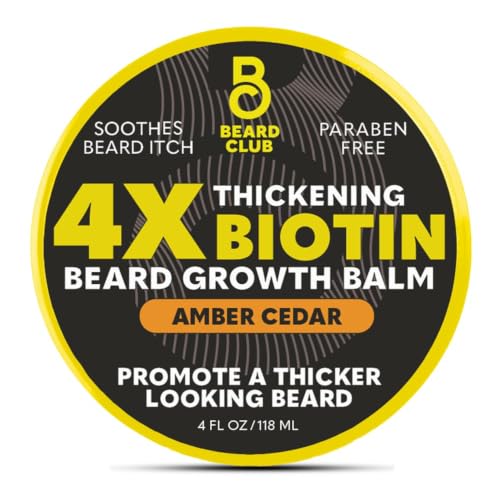
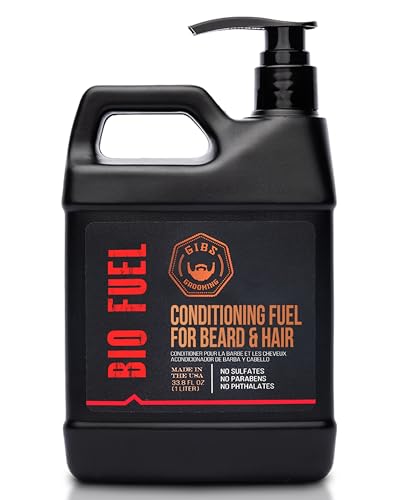
Your beard deserves a gentler formula than your scalp. A dedicated beard wash and conditioner is formulated specifically for facial hair, which is coarser than head hair, and the more sensitive skin beneath the beard. Many beard-specific washes use simpler, plant-based ingredient lists that tend to be inherently halal-friendly.

Best Budget Option
Dr. Bronner’s Castile Soap (unscented baby formula) is a strong budget pick. The ingredient list is remarkably simple: water, organic coconut oil, organic palm kernel oil, organic olive oil, organic hemp oil, organic jojoba oil, citric acid, and tocopherol (vitamin E). Everything is plant-based and transparently sourced. It works as both shampoo and body wash, making it versatile for ghusl as well.
Ingredients Commonly Found in Shampoo: Halal Status
| Ingredient | Common Source | Halal Status | Notes |
|---|---|---|---|
| Sodium Lauryl Sulfate (SLS) | Coconut/palm oil | Halal (plant-derived) | Can be drying; effective cleanser |
| Sodium Laureth Sulfate (SLES) | Coconut/palm oil | Halal (plant-derived) | Gentler than SLS |
| Cocamidopropyl Betaine | Coconut oil | Halal (plant-derived) | Mild surfactant, good for sensitive scalps |
| Glycerin | Plant, animal, or synthetic | Check source | Must specify “vegetable” to be certain |
| Panthenol (Pro-Vitamin B5) | Usually synthetic | Generally halal | Rare animal-derived versions exist |
| Cetyl Alcohol | Coconut/palm oil | Halal (fatty alcohol) | Not an intoxicant; moisturizing agent |
| Dimethicone | Synthetic (silicone) | Halal (synthetic) | Smoothing agent, no animal origin |
| Keratin | Animal hair/hooves | Check source | Seek plant or synthetic alternatives |
| Collagen | Porcine or bovine | Avoid unless marine/plant | High risk of pork origin |
| Biotin | Synthetic | Halal (synthetic) | Safe in liquid shampoo form |
How to Wash Your Hair and Beard for Jumu’ah
The Friday ghusl (full body bath) includes thorough washing of the head and beard. Here is the proper technique that satisfies both sunnah requirements and good hair care practice.
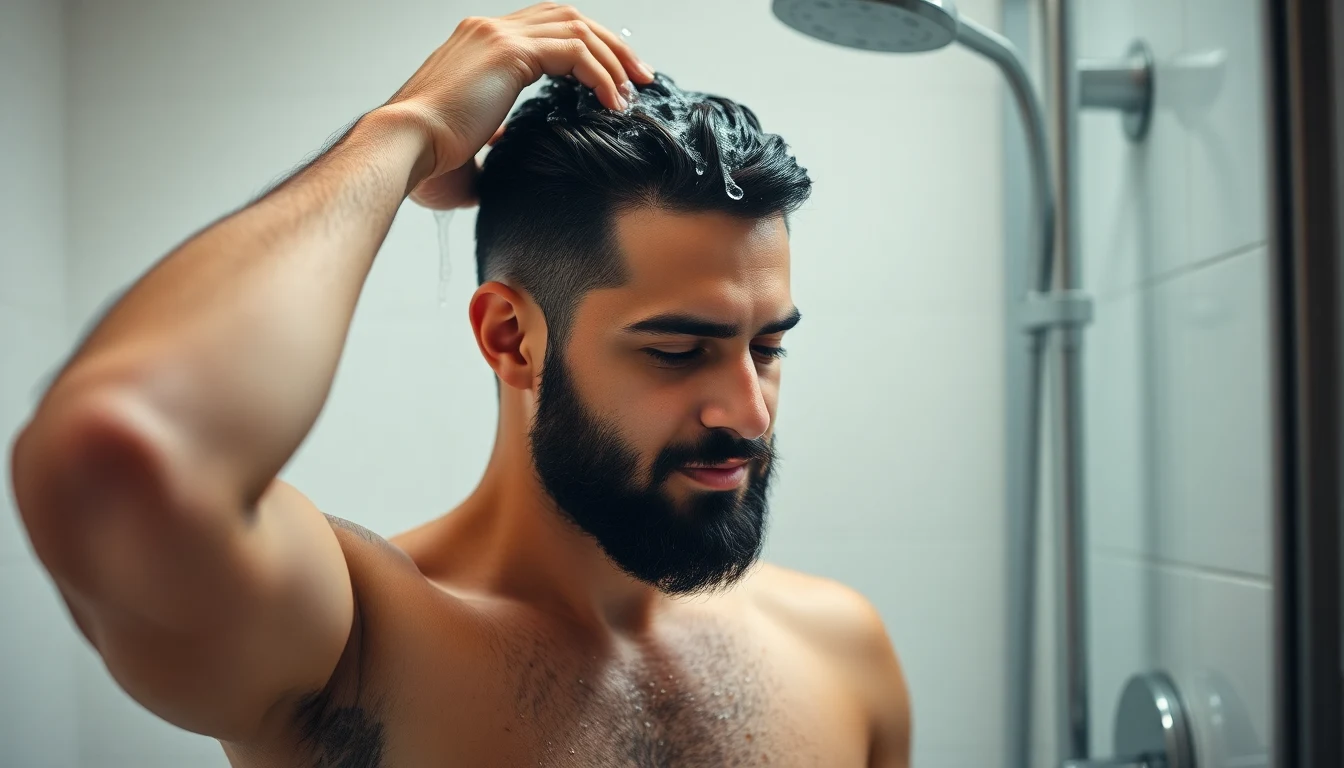
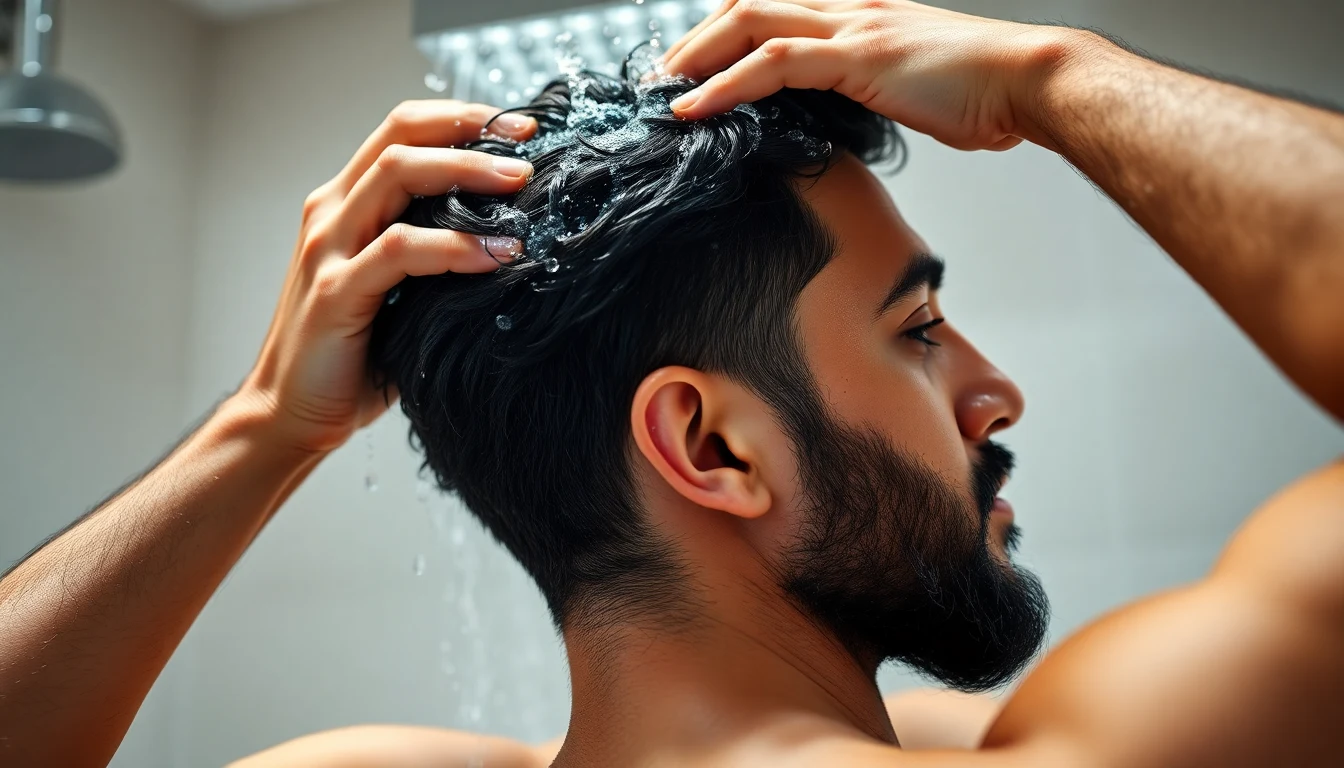
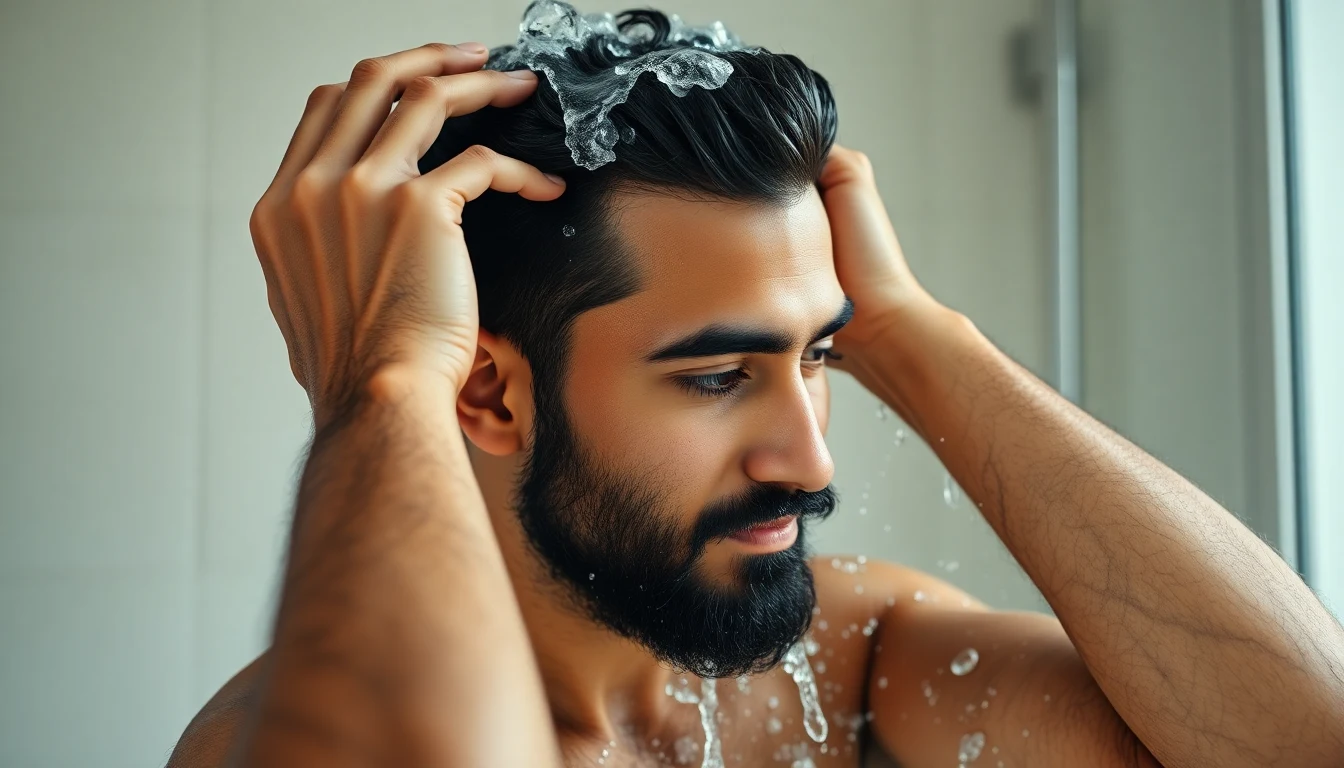
Head hair: Wet your hair completely. Apply a small amount of shampoo (about a quarter-sized dollop) and massage into the scalp with your fingertips, not your nails. Work the lather from the hairline to the crown and down to the nape. Rinse thoroughly, ensuring no residue remains. The Prophet (peace be upon him) instructed pouring water over the head three times during ghusl, so multiple rinses are actually sunnah-aligned.
Beard: Apply beard wash separately from your head shampoo. Work it through the beard from the skin outward, ensuring the product reaches the skin beneath. Rinse by running your fingers through the beard under the water stream, as the Prophet (peace be upon him) practiced during wudu and ghusl (takhleel al-lihya). Follow with conditioner if your beard is medium length or longer.
For the complete Friday preparation routine beyond hair care, our Jumu’ah grooming guide walks through every step.
Hair Care During Ramadan and Hajj
Ramadan Hair Care
Fasting can affect your hair’s moisture levels, particularly if you are not drinking enough water at suhoor and iftar. During Ramadan, consider reducing shampooing to two or three times per week instead of daily, and always follow with a conditioner. Use a moisturizing shampoo rather than a clarifying one. Black seed oil applied to the hair before bed can help maintain moisture overnight. For comprehensive Ramadan grooming, see our Ramadan skincare guide.
Hajj and Umrah Hair Care
During ihram (the state of pilgrimage), you cannot use scented products, including scented shampoos. Pack an unscented, halal-compliant shampoo for use during the pilgrimage days. After completing the rites, many men shave their heads (halq) or trim their hair (taqseer). If you choose to shave, good scalp care in the days following is important: gentle cleansing, moisturizing, and sun protection for the newly exposed skin.

DIY Halal Hair Rinses and Treatments
For brothers who want complete control over what touches their hair, these traditional remedies use ingredients that are unambiguously halal and have centuries of use in the Muslim world.
Black Seed Oil Pre-Wash Treatment
Warm a tablespoon of black seed oil (habbatus sauda) and massage it into your scalp and hair 30 minutes before shampooing. This deep conditions the hair, reduces dandruff, and connects your grooming to the sunnah. The Prophet (peace be upon him) praised black seed as a cure for all ailments except death. For the full science and application guide, read our black seed oil for beard and hair guide.
Apple Cider Vinegar Rinse
Mix one part apple cider vinegar with three parts water. After shampooing and rinsing, pour this mixture over your hair and let it sit for two minutes before rinsing with cool water. This balances the scalp’s pH, removes buildup, and adds shine. All ingredients are plant-based and halal.
Honey and Olive Oil Mask
Mix two tablespoons of raw honey with one tablespoon of olive oil. Apply to damp hair, cover with a shower cap, and leave for 20 minutes before shampooing out. Both honey and olive oil are praised in Islamic tradition and provide deep moisture to dry, damaged hair.
Shampoo and Wudu: Practical Considerations
A common question brothers ask is whether shampoo residue affects the validity of wudu. The answer from virtually all scholars is no. Shampoo is a cleaning agent that rinses away completely with water. As long as you rinse your hair thoroughly after shampooing, there is no barrier preventing water from reaching the hair and scalp during wudu.
However, some styling products applied after shampooing (heavy gels, waxes, or pomades) could potentially create a waterproof barrier. If you use such products, be aware that they may need to be removed before wudu if they prevent water from reaching the hair roots. Lighter products like beard balm and natural oils generally do not create this kind of barrier.
FAQ
How often should Muslim men shampoo their hair?
Two to three times per week for most hair types. Daily shampooing strips the hair of natural oils, leading to dryness and increased oil production (the scalp overcompensates). On non-shampoo days, rinsing with water during wudu and ghusl provides adequate cleaning. Brothers who work in dusty or oily environments may need to shampoo more frequently.
Can I use the same shampoo on my beard?
You can, but it is not ideal. Head hair shampoo is formulated for the scalp, which produces more oil than the face. Using it on your beard can strip the facial hair of moisture, leading to dryness, itching, and beardruff. A dedicated beard wash is gentler and better suited to the coarser texture of beard hair and the more sensitive skin beneath.
Is “vegan” the same as “halal” for shampoo?
Not exactly. Vegan products contain no animal-derived ingredients, which eliminates the pork concern. However, vegan products may still contain ethanol (alcohol), which some Muslim scholars prohibit. They may also be produced in facilities that handle haram ingredients. “Vegan” is a helpful shortcut for avoiding animal-derived ingredients, but it does not guarantee full halal compliance.
Do I need to use halal shampoo for wudu?
Wudu does not require shampoo at all. Wudu involves washing with water. The question of halal shampoo is about your broader commitment to using halal products on your body, not about the validity of wudu itself. Your wudu is valid regardless of which shampoo you used earlier, as long as you rinse the shampoo out completely.
Where can I find halal-certified shampoos in the US?
Online retailers carry the widest selection. Amazon stocks several halal-certified brands. Specialty Islamic stores (both online and brick-and-mortar) in cities with large Muslim populations like Dearborn, New York, Houston, and Los Angeles typically carry certified products. Middle Eastern and South Asian grocery stores sometimes stock halal personal care items alongside food products.
What makes a shampoo halal, and why should Muslim men care about this?
A halal shampoo must be free from pork-derived ingredients, alcohol (depending on scholarly interpretation), and other non-permissible sources. Muslim men care because using products aligned with Islamic principles provides peace of mind and ensures their grooming routine supports their faith, not conflicts with it.
How do I find the best halal shampoo for men if a product isn’t labeled as halal-certified?
You should check the ingredient list for red flags like porcine collagen, non-specified glycerin, or alcohol content, then contact the manufacturer directly to confirm ingredient sources. Many mainstream brands actually meet halal standards even without certification labels, so researching individual products is often necessary.
Is alcohol in shampoo haram, and will it affect whether a product is halal?
Alcohol in shampoo is debated among Islamic scholars, with some arguing topical use differs from consumption, while others prefer complete avoidance. You should consult with your imam or religious scholar to determine your personal comfort level, as observance varies by interpretation.
What specific ingredients should I avoid when choosing a halal shampoo?
Avoid porcine-derived collagen and gelatin, unspecified glycerin sources, and certain alcohols unless confirmed permissible by your scholar. Additionally, watch for keratin from unknown sources and always look for clarification on whether animal-derived ingredients are halal-certified or plant-based alternatives.
Final Thoughts
Finding the right halal shampoo takes some initial research, but once you identify products that work for your hair and satisfy your conscience, you can settle into a routine and stop worrying about every bottle. The key takeaways: avoid pork-derived ingredients (especially unspecified collagen, keratin, and glycerin), decide where you stand on alcohol, and choose a product that actually works for your hair type.
Hair care is part of the broader picture of halal grooming. Pair your shampoo choice with a solid halal skincare routine, halal beard oils, and attention to the Friday grooming sunnah. Your hair, your faith, and your mirror will all agree that you made the right choice. In sha Allah.