By Omar Al-Rashid
Every Muslim knows the hadith. The Prophet Muhammad (peace be upon him) said: “In the black seed there is healing for every disease except death” (Sahih al-Bukhari). Many Muslim families keep a jar of habbatus sauda (black seeds) in the kitchen cabinet next to the cinnamon and cardamom, adding a pinch to everything and crushing them into tea. The question is whether this fourteen-century-old remedy can stand up to modern scientific scrutiny for beard and hair care.
Whether this remedy holds up is a fair question, and the guide takes it in two parts: what the hadith says about black seed, and what the published research says about it for beard and hair. Keeping those two apart lets each claim stay at the size its source supports.
Religious Note: Grooming practices in Islam can vary by scholarly opinion and personal observance. Always consult with your imam, scholar, or religious guide to confirm that any products or practices mentioned here align with your personal level of observance and religious requirements.com.
What Is Black Seed Oil?
Black seed oil is extracted from the seeds of Nigella sativa, a flowering plant native to Southern Europe, North Africa, and Southwest Asia. The seeds are small, triangular, and jet black, with a distinctive peppery, slightly bitter taste. They have been used in traditional medicine across the Muslim world, the Middle East, South Asia, and North Africa for thousands of years.

The oil is extracted through cold-pressing the seeds, which preserves the bioactive compounds. High-quality black seed oil is dark amber to deep brown in color and has a strong, earthy aroma. The primary active compound is thymoquinone, which accounts for most of the oil’s therapeutic properties.
Key Compounds in Black Seed Oil
- Thymoquinone (TQ): The star compound. Antioxidant, anti-inflammatory, antimicrobial, and potentially hair-growth-stimulating properties. Makes up 30-48% of the volatile oil content.
- Thymohydroquinone: One of the most potent natural acetylcholinesterase inhibitors, with potential applications in neurological health and indirectly in stress-related hair loss.
- Thymol: Antimicrobial compound also found in thyme. Helps fight fungal infections on the scalp.
- Linoleic acid (Omega-6): Essential fatty acid that strengthens hair follicle cell membranes.
- Oleic acid (Omega-9): Moisturizing fatty acid that penetrates the hair shaft.
- Palmitic acid: A saturated fatty acid that helps seal moisture into the hair.
- Vitamins A, B, and C: Support scalp health and hair growth at the cellular level.
- Zinc and selenium: Trace minerals essential for hair follicle function.
The Science Behind Black Seed Oil for Hair and Beard Growth
The Prophet’s endorsement is enough for many brothers. But for those who appreciate when sunnah and science converge, the research on Nigella sativa’s effects on hair is genuinely interesting.
Anti-Inflammatory Effects on Hair Follicles
Chronic inflammation around hair follicles is a primary driver of hair thinning and loss. Thymoquinone has demonstrated significant anti-inflammatory activity in multiple studies, reducing inflammatory markers (IL-6, TNF-alpha, NF-kB) that damage follicle cells. By calming inflammation at the follicle level, black seed oil creates a healthier environment for hair growth.
A 2014 study published in the Journal of Dermatology and Dermatologic Surgery found that a topical preparation containing Nigella sativa showed measurable improvements in hair density and thickness among participants with telogen effluvium (stress-related hair loss). While the study was small, the results were statistically significant.
Antioxidant Protection
Free radicals from UV exposure, pollution, and metabolic processes damage hair follicle cells and accelerate aging. Thymoquinone is a potent antioxidant that neutralizes these free radicals, protecting the follicle’s stem cells from oxidative stress. This is particularly relevant for outdoor workers and brothers who spend significant time in the sun.

Antimicrobial Activity
Scalp conditions like dandruff and seborrheic dermatitis are often caused by the fungus Malassezia. Thymoquinone and thymol in black seed oil have demonstrated antifungal activity against Malassezia species in laboratory studies. A healthier, fungus-free scalp supports stronger hair growth.
For beard growth specifically, the antimicrobial properties help prevent folliculitis (infected hair follicles) and beardruff, both of which can impede healthy beard development.
DHT and Androgenetic Alopecia
Some preliminary research suggests that thymoquinone may have mild anti-androgenic effects, potentially reducing the impact of DHT (dihydrotestosterone) on hair follicles. DHT is the primary hormone responsible for male pattern baldness. While the evidence is not yet strong enough to compare black seed oil to established DHT blockers like finasteride, the early signals are promising enough to warrant continued research.
What the Science Does NOT Say
Let me be honest about the limitations. Black seed oil is not a miracle cure for baldness. The existing studies are promising but small. Most have been conducted in laboratory settings or with limited human participants. No large-scale, randomized controlled trial has definitively proven that black seed oil regrows hair to the same degree as FDA-approved treatments like minoxidil.
What the science does support is that black seed oil creates favorable conditions for hair growth: reduced inflammation, protection from oxidative damage, and a healthier scalp environment. These are meaningful benefits that complement, rather than replace, other grooming and health practices.
How to Use Black Seed Oil for Your Beard
Here are the most effective methods for incorporating black seed oil into your beard care routine.
Method 1: Direct Oil Application
This is the simplest and most traditional method, and the one I recommend for most brothers.
Steps:
- Wash your beard with a dedicated beard wash and pat it 80% dry.
- Place 3-5 drops of cold-pressed black seed oil in your palm. For longer beards, use up to 8 drops.
- Rub your palms together to warm the oil slightly.
- Work the oil into your beard from the skin outward, making sure it reaches the skin beneath the hair.
- Use a beard comb to distribute the oil evenly from root to tip.
- Leave it in. Black seed oil is a leave-in treatment, not a rinse-off.
Frequency: Daily application produces the best results. The ideal time is after wudu, when the beard is slightly damp and the pores are open.

Method 2: Mixed with Carrier Oil
Pure black seed oil has a strong scent that not everyone enjoys. Mixing it with a lighter carrier oil dilutes the aroma while maintaining the benefits.

Recommended blends:
- For moisture: 1 part black seed oil + 2 parts argan oil
- For growth: 1 part black seed oil + 1 part castor oil + 1 part jojoba oil
- For fragrance: 1 part black seed oil + 2 parts sweet almond oil + 2 drops of essential oil (cedarwood or sandalwood)
Mix your blend in a small dark glass bottle and store in a cool, dark place. This stays potent for about three months.
Method 3: Pre-Wash Treatment
For deep conditioning, apply a generous amount of black seed oil to your beard 30 minutes before washing. This allows the oil to penetrate the hair shaft deeply. Then wash with your regular beard wash and follow your normal routine. This method is excellent as a weekly treatment, particularly for brothers with dry, brittle beards.
Method 4: Mixed with Beard Balm
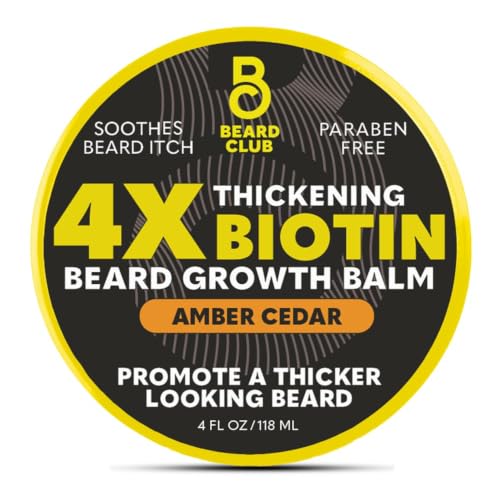
Add 5-10 drops of black seed oil to your jar of beard balm. Stir it in thoroughly with a clean toothpick or small spoon. This way, you get the benefits of black seed oil every time you apply your balm, without adding an extra step to your routine.
How to Use Black Seed Oil for Head Hair
Scalp Massage Treatment
Pour a teaspoon of black seed oil into your palm. Warm it by rubbing your hands together. Apply directly to the scalp (not the hair length) and massage in circular motions for five minutes. This stimulates blood flow to the follicles while delivering the oil’s active compounds directly to where they are needed most.
Do this two to three times per week, either as a leave-in treatment or 30 minutes before shampooing. Consistency over months is what produces results; sporadic use will not show meaningful changes.
Hot Oil Treatment
For deeper penetration, warm the black seed oil gently (never microwave; use a hot water bath). Apply to the scalp and hair, cover with a warm towel or shower cap, and leave for 30 to 60 minutes. The heat opens the hair cuticle, allowing the oil’s nutrients to penetrate more effectively. Shampoo out thoroughly afterward.
This treatment works well as a Friday morning routine before ghusl (full body washing). Apply the oil first thing in the morning, let it sit while you prepare for the day, then wash it out during your Jumu’ah ghusl. For the complete Friday preparation routine, see our Jumu’ah grooming guide.
Adding to Shampoo
Add 5-10 drops of black seed oil directly to your shampoo bottle. Shake well before each use. This delivers a low dose of black seed oil every time you wash, without requiring any additional steps. The contact time is shorter than leave-in methods, so the effects are milder, but the convenience makes it a sustainable daily habit.
Internal Use: Black Seed Oil Supplements
While this guide focuses on topical application, many brothers also take black seed oil internally, following the sunnah more literally. Internal supplementation may support hair health through systemic anti-inflammatory and antioxidant effects.
Dosage
The most commonly studied dose is one teaspoon (about 5ml) of cold-pressed black seed oil taken daily, either straight or mixed with honey (another sunnah remedy). Start with half a teaspoon and increase gradually, as some people experience mild stomach upset initially.
Timing
Taking black seed oil with food reduces the chances of stomach discomfort. Many brothers take it at suhoor (pre-dawn meal) during Ramadan or with breakfast the rest of the year. Mixing with honey improves the taste significantly and adds its own health benefits.
Cautions
Black seed oil can interact with certain medications, including blood thinners, diabetes medications, and blood pressure medications. If you take any prescription medications, consult your doctor before starting internal supplementation. Pregnant men’s partners should also be aware, as black seed oil is traditionally cautioned during pregnancy.
Choosing Quality Black Seed Oil
Not all black seed oil is created equal. The quality varies dramatically between brands, and low-quality oil delivers fewer benefits. Here is what to look for.
Cold-Pressed vs. Solvent-Extracted
Always choose cold-pressed oil. Cold pressing preserves the thymoquinone and other volatile compounds that give black seed oil its therapeutic value. Solvent-extracted oils use chemical solvents (like hexane) that can degrade active compounds and leave residues. If the label does not specify “cold-pressed,” assume it is solvent-extracted.

Thymoquinone Content
Premium black seed oils will state their thymoquinone percentage on the label. Look for 2% or higher. Some high-end oils boast 4-5% thymoquinone content. The higher the percentage, the more potent the therapeutic effects. If the label does not mention thymoquinone, it is likely a lower-grade product.
Origin
Black seeds from Ethiopia, Turkey, and Egypt are generally considered the highest quality. Ethiopian seeds, in particular, tend to have the highest thymoquinone content. Indian-origin seeds are also common but sometimes lower in active compounds.
Packaging
The oil should come in a dark glass bottle, not clear plastic. Light and heat degrade thymoquinone rapidly. A dark amber or black glass bottle with a tight seal protects the oil’s potency.
Realistic Results Timeline
Black seed oil is not an overnight fix. Here is what to expect when using it consistently for beard or hair growth.
Week 1-2: Scalp and Skin Health
The first benefits you will notice are improved skin and scalp health: less itching, reduced beardruff, and a calmer, more hydrated feel under the beard. These anti-inflammatory effects kick in relatively quickly.
Month 1-2: Hair Quality Improvement
Existing beard and head hair becomes softer, shinier, and more manageable. The fatty acids in the oil condition the hair shaft, reducing brittleness and split ends. You may notice less hair breakage during combing.
Month 3-6: Growth Changes
If black seed oil is going to stimulate new growth, this is the window where you would begin to notice it. Some brothers report previously bare patches on the beard beginning to fill in, or existing hair growing denser. Results vary significantly by individual genetics.
For brothers using a dedicated beard growth serum alongside black seed oil, the combined approach may produce faster and more noticeable results than either product alone.
Month 6+: Long-Term Maintenance
At this point, black seed oil becomes a maintenance tool rather than a growth stimulator. The ongoing anti-inflammatory and antioxidant benefits protect the gains you have made and support continued healthy growth.
Black Seed Oil in the Broader Sunnah Grooming Routine
Black seed oil fits naturally into a grooming routine built around Islamic principles. Here is how it integrates with other sunnah practices.
- Daily beard care: Apply after wudu as your primary beard oil. Follow with beard balm for hold.
- Friday preparation: Use as a pre-ghusl hair treatment, then wash out during your Jumu’ah bath. Apply fresh oil after ghusl as a leave-in.
- Ramadan: Take internally with suhoor for systemic benefits. Apply topically to combat the dehydration effects of fasting.
- Sunnah grooming: Pair with miswak, trimming the mustache, and wearing musk for a comprehensive sunnah-aligned routine.
For the complete framework of sunnah beard care, our sunnah beard care guide provides the foundation that black seed oil enhances.
FAQ
Can I apply black seed oil to my beard before prayer?
Yes. Oil on the beard does not invalidate wudu or prayer. In fact, applying oil to the hair and beard is explicitly mentioned in hadiths about Jumu’ah preparation. The oil does not create a barrier that prevents water from reaching the skin during wudu, as long as you run your fingers through the beard during washing (takhleel al-lihya).
Does black seed oil stain clothes?
It can, especially if you apply too much. The oil is dark and can leave marks on light-colored clothing, particularly white thobes or dress shirts. Apply sparingly (3-5 drops for the beard), work it in thoroughly, and blot any excess with a tissue. For white garments, apply the oil at least 10 minutes before dressing to allow full absorption.
Is black seed oil better than minoxidil for beard growth?
The honest answer is that minoxidil has significantly more clinical evidence supporting its effectiveness for hair growth. However, black seed oil offers broader benefits (anti-inflammatory, antimicrobial, antioxidant) without the potential side effects of minoxidil (dryness, irritation, unwanted facial hair in unintended areas). Some brothers use both, applying minoxidil at night and black seed oil during the day. Consult with a dermatologist before starting minoxidil.
How long does a bottle of black seed oil last?
A 250ml bottle used at 5 drops daily for the beard lasts approximately three to four months. If you are using it for both beard and scalp treatments, expect it to last about six to eight weeks. Opened bottles should be used within six months for maximum potency. Store in a cool, dark place with the cap tightly sealed.

Can I use black seed oil on a patchy beard?
Absolutely. The anti-inflammatory and circulation-boosting properties make black seed oil particularly relevant for patchy beards, where some follicles may be dormant or suppressed by inflammation. Apply the oil directly to bare patches, massaging gently to stimulate blood flow. Combine with a beard growth serum for the best chance of activating dormant follicles.
Does black seed oil actually work for beard growth, or is it just traditional folklore?
Black seed oil has both traditional Islamic roots dating back fourteen centuries and modern scientific support. Research shows it contains compounds like thymoquinone that have anti-inflammatory and antioxidant properties, which can improve scalp health and potentially support beard growth, though results vary by individual.
What’s the best way to apply black seed oil for beard and hair care?
You can use black seed oil through four main methods: direct application to your beard, mixing it with a carrier oil like coconut oil, using it as a pre-wash treatment, or blending it into beard balm. Start with small amounts to see how your skin responds, as black seed oil is potent and can irritate sensitive skin if used undiluted.
Can black seed oil help with hair loss or male pattern baldness?
While black seed oil’s anti-inflammatory and antioxidant properties may support overall scalp health and hair follicle function, the science does not currently show it can reverse androgenetic alopecia or DHT-related hair loss. It works best as a preventative or maintenance treatment rather than a cure for pattern baldness.
Are there any religious considerations I should know about using black seed oil as a Muslim?
As a Muslim, grooming practices can vary based on scholarly opinion and your level of religious observance, so you should consult with your imam or religious scholar before starting any new product regimen. The hadith about black seed’s healing properties is well-authenticated, making it widely accepted in Islamic grooming traditions, but personal observance matters.
Final Thoughts
Black seed oil sits at a rare intersection where prophetic wisdom and modern science genuinely align. The Prophet (peace be upon him) endorsed it as a healing remedy, and peer-reviewed research confirms that its active compounds have measurable effects on hair and skin health. For Muslim men, using it for beard and hair care is both a practical grooming choice and a beautiful way to incorporate the sunnah into your daily routine.
Start small. Add a few drops to your beard after wudu tomorrow morning. Be consistent for three months before judging results. And take comfort in the fact that you are following a remedy that has been trusted for over fourteen hundred years, long before any laboratory confirmed what the Prophet already taught. In sha Allah, the benefits will follow.
For related beard care guidance, explore our halal beard oil recommendations, Muslim men’s beard styles guide, and halal skincare guide for men.