By Omar Al-Rashid
Picture a brother at the masjid showing the back of his moisturizer and asking, “Is there anything in here I should worry about?” He has been using it for two years. The third ingredient was glycerin derived from porcine (pig) sources. He had no idea. This guide looks at cosmetic chemistry through an Islamic lens.
Halal skincare for men is not about slapping a certification sticker on a product and calling it a day. It is about understanding what goes on your skin, why it matters from both a religious and health perspective, and building a routine that you can maintain confidently. Whether you are meticulous about every ingredient or focused on avoiding the clear prohibitions, this guide gives you the knowledge to make informed choices.com.
Religious Note: Grooming practices in Islam can vary by scholarly opinion and personal observance. Always consult with your imam, scholar, or religious guide to confirm that any products or practices mentioned here align with your personal level of observance and religious requirements.
What Makes Skincare “Halal”?
At its core, halal skincare means the product does not contain ingredients that are haram (forbidden) in Islam. The primary prohibitions center on two categories: pork-derived ingredients and intoxicants (alcohol). Beyond that, the product should not be tested on animals in unnecessarily cruel ways, and ideally, it should not contain najis (ritually impure) substances that could affect your tahara (ritual purity).
But here is where it gets complicated. The cosmetics industry does not make ingredient sourcing transparent. A single ingredient like “glycerin” can come from plant sources, synthetic processes, or animal fat, including pigs. Unless the manufacturer specifically states the source, you often cannot tell from the label alone.

The Istihalah Debate
Some scholars apply the principle of istihalah, which refers to the complete chemical transformation of a substance from one state to another. Under this reasoning, if a haram ingredient is chemically transformed into a completely different substance during manufacturing, some scholars consider the resulting product permissible. For example, pork-derived glycerin that has been processed into a new chemical compound may be considered halal by scholars who accept istihalah.
However, many other scholars reject this application for cosmetics, arguing that the safer and more God-conscious approach (taqwa) is to avoid any product with a haram-origin ingredient, regardless of how much it has been processed. This is the more conservative position.
The bottom line: know where you stand on istihalah and choose products accordingly. Neither position is “wrong.” They represent legitimate scholarly differences.
Ingredients Muslim Men Must Avoid
Let me walk you through the major categories of problematic ingredients, from the clearly haram to the gray areas.
Pork-Derived Ingredients (Strictly Haram)
These are the ingredients most likely to come from porcine (pig) sources in the cosmetics industry. When you see them on a label, the source matters.
- Collagen: Widely used in anti-aging creams and serums. The most common commercial source is porcine skin and bones. Look for products that specify “marine collagen” (from fish) or “plant-based collagen boosters” instead.
- Glycerin (Glycerol): Found in nearly every moisturizer, cleanser, and cream on the market. Can be plant-derived (from soy, coconut, or palm oil), animal-derived (often from pig or beef tallow), or synthetic. Products that specify “vegetable glycerin” are safe. If the source is not stated, assume it could be animal-derived.
- Stearic Acid: A fatty acid used as an emulsifier and thickener. Commonly sourced from animal fats, including pork. Plant-derived stearic acid comes from palm or coconut oil.
- Gelatin: Sometimes used in face masks, peel-off products, and capsule supplements. Almost always porcine unless labeled as bovine (beef), marine (fish), or plant-based.
- Keratin: Used in hair and skin products. Typically sourced from animal hooves, feathers, or hair. Look for “hydrolyzed wheat protein” or “plant keratin” alternatives.
- Oleic Acid: A fatty acid that can come from animal or plant sources. When plant-derived (from olive oil or sunflower oil), it is perfectly halal.
- Elastin: Another anti-aging ingredient often sourced from animal connective tissue. Plant-based alternatives exist but are less common.
- Allantoin: Can be derived from animal sources (cow urine, historically) but is now mostly synthesized or extracted from comfrey root. Synthetic and plant-derived allantoin is halal.
Alcohol in Skincare (The Gray Area)
This is the most debated topic in halal grooming. The word “alcohol” in skincare does not always mean the same thing as the alcohol in beverages, and scholars differ on how to categorize them.
Ethanol (ethyl alcohol): This is the same alcohol found in beer and wine. When used in skincare, it is denatured (made undrinkable) by adding bitter or toxic chemicals. Some scholars consider denatured ethanol permissible for topical use because it cannot be consumed as an intoxicant. Others consider it impermissible regardless. If you follow the stricter opinion, avoid any product listing “alcohol denat.” or “ethanol” in the ingredients.
Fatty alcohols (cetyl alcohol, cetearyl alcohol, stearyl alcohol): Despite the name, these are not intoxicants at all. They are waxy substances derived from natural fats and oils, used to thicken and smooth skincare products. All scholars agree these are permissible.
Benzyl alcohol: Used as a preservative. It is not an intoxicant and is generally considered permissible, though some ultra-strict positions avoid it by association with the word “alcohol.”
For a broader look at alcohol-free personal care, including fragrances, see our alcohol-free cologne and attar guide.
Other Potentially Problematic Ingredients
- Carmine (CI 75470): A red dye made from crushed cochineal insects. Found in some tinted moisturizers and lip products. While insects are not in the same prohibition category as pork, many brothers prefer to avoid this.
- Lanolin: Derived from sheep’s wool. This is generally considered halal since the animal does not need to be slaughtered to obtain it, similar to milk or eggs. However, some brothers avoid it out of caution.
- Squalene/Squalane: Originally sourced from shark liver oil, now commonly available in plant-derived form (from olives or sugarcane). Check for “olive-derived squalane” on the label.
- Retinol (Vitamin A): The active form can be derived from animal livers or synthesized. Synthetic retinol and plant-derived retinaldehyde are both halal-safe options.
Understanding Halal Certification for Skincare
Several organizations certify skincare products as halal, but not all certifications carry equal weight. Here is what you need to know about evaluating them.
Major Certification Bodies
- IFANCA (Islamic Food and Nutrition Council of America): One of the most recognized halal certification bodies in North America. Their cosmetics certification examines ingredient sourcing, manufacturing processes, and cross-contamination controls.
- JAKIM (Malaysia): The gold standard in Southeast Asia. Malaysian halal certification is among the strictest in the world and is recognized globally.
- MUI (Indonesia): Covers the world’s largest Muslim-majority market. Their certification is thorough but sometimes harder for Western consumers to verify.
- HFA (Halal Food Authority, UK): Covers food and cosmetics in the British market.
What Certification Does and Does Not Guarantee
A legitimate halal certification means the product’s ingredients have been verified as halal-compliant, and the manufacturing facility has been inspected for cross-contamination with haram substances. This is valuable and saves you the work of researching every ingredient yourself.
However, certification does not guarantee the product works well for your skin, that it is high quality, or that it is worth the price. Some companies charge a premium for the halal label without delivering superior skincare performance. Judge halal-certified products the same way you would any other: by ingredients, reviews, and results.

For a deeper discussion on the difference between products labeled “halal” versus those with formal certification, check our halal vs. halal-certified grooming guide.
A Halal Skincare Routine for Muslim Men
Now let us build a practical routine. This is designed for the average Muslim man who performs wudu (ritual washing) multiple times daily, spends time outdoors, and wants healthy skin without spending thirty minutes in front of the mirror.
Morning Routine (5 Minutes)
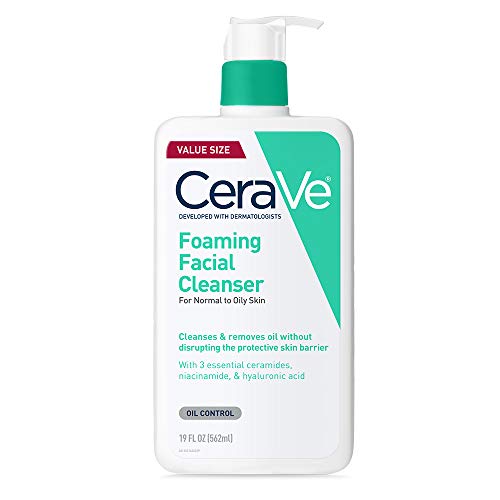
Step 1: Cleanse. After Fajr wudu, your face is already rinsed with water. Follow up with a gentle cleanser to remove the oils that accumulated overnight. CeraVe Foaming Facial Cleanser is an excellent choice. It is fragrance-free, uses plant-derived glycerin, and contains ceramides that strengthen the skin barrier rather than stripping it.
Step 2: Moisturize. Apply a lightweight moisturizer to damp skin. CeraVe Moisturizing Cream provides long-lasting hydration without clogging pores. Its ceramide complex works with your skin’s natural barrier, which is particularly important for brothers whose skin gets repeatedly wet during wudu throughout the day.
Step 3: Sunscreen. Apply a broad-spectrum SPF 30 or higher sunscreen. This step is non-negotiable, especially for brothers with darker skin tones. Sun damage does not discriminate by skin color, and hyperpigmentation is actually more visible on melanin-rich skin. Look for mineral (zinc oxide or titanium dioxide) sunscreens, which tend to have simpler, more halal-friendly ingredient lists than chemical sunscreens.
Evening Routine (5 Minutes)
Step 1: Cleanse. After Isha wudu or before bed, cleanse your face thoroughly to remove sunscreen, environmental pollutants, and the day’s oil buildup. Use the same gentle cleanser from your morning routine.
Step 2: Treatment (optional). If you are addressing specific skin concerns like acne, dark spots, or aging, this is the time to apply a treatment product. Niacinamide serums are universally well-tolerated and address multiple concerns. Most niacinamide products use synthetic or plant-derived ingredients and are halal-safe.
Step 3: Moisturize. Apply a slightly heavier moisturizer than your morning formula, as your skin does its most intensive repair work overnight. The same CeraVe cream works here, or you can use a richer night cream if your skin is dry.
Wudu Skincare Integration
Performing wudu five times daily means your face gets wet repeatedly throughout the day. This can be both a blessing and a challenge for your skin. The water itself provides light cleansing and hydration, but frequent wetting and drying strips the skin’s natural oils if you are not careful.
The solution is to apply a thin layer of moisturizer after each wudu session, especially the midday and afternoon prayers when your skin may already be dry from the morning’s sunscreen and environmental exposure. Keep a small tube of moisturizer in your desk drawer, car, or masjid bag.
For a complete breakdown of wudu-compatible skincare strategies, our wudu-friendly skincare guide goes much deeper into this topic.
Halal-Friendly Ingredients That Work
Plenty of effective skincare ingredients are naturally halal. Here are the heavy hitters you should look for on product labels.
For Hydration
- Hyaluronic acid: A sugar-based molecule that holds 1,000 times its weight in water. Most commercial hyaluronic acid is produced through bacterial fermentation, making it halal. It plumps the skin and reduces fine lines.
- Aloe vera: Plant-based, soothing, hydrating. It works as both a moisturizer and a mild anti-inflammatory. The Prophet (peace be upon him) is reported to have used aloe for various purposes.
- Vegetable glycerin: When explicitly labeled “vegetable,” this common humectant is completely halal and highly effective at drawing moisture into the skin.
- Shea butter: A plant fat from the shea tree, native to West Africa. Rich in vitamins A and E, it is an excellent moisturizer for both skin and beard.
For Anti-Aging
- Vitamin C (ascorbic acid): Synthetic vitamin C is halal and one of the most proven anti-aging ingredients. It brightens skin, reduces dark spots, and boosts collagen production.
- Niacinamide (Vitamin B3): Reduces pore size, evens skin tone, and strengthens the skin barrier. Typically synthesized, making it halal-safe.
- Bakuchiol: A plant-based retinol alternative from the babchi plant. Delivers similar anti-aging benefits without the dryness or irritation of retinol. Completely halal.
For Acne and Oily Skin
- Salicylic acid: A beta-hydroxy acid derived from willow bark. Penetrates pores to clear acne from within. Plant-derived and halal.
- Tea tree oil: A natural antiseptic with strong antibacterial properties. Effective for mild to moderate acne when used at 5% concentration or lower.
- Zinc oxide: Mineral-based, anti-inflammatory, and commonly found in sunscreens and acne treatments. Completely halal.
Traditional Islamic Skincare Ingredients
- Black seed oil (habbatus sauda): The Prophet (peace be upon him) said it is a “cure for everything except death.” Modern research supports its anti-inflammatory, antibacterial, and antioxidant properties. Excellent for both skin and beard.
- Honey: Mentioned in the Quran as having healing properties (Surah An-Nahl, 16:69). Raw honey is antibacterial and moisturizing. Manuka honey masks are a legitimate skincare treatment.
- Olive oil: The Prophet (peace be upon him) encouraged its use. Rich in squalene and vitamin E, it works as a gentle moisturizer for dry skin types.
- Rose water: Used across the Muslim world for centuries. It tones, hydrates, and soothes the skin. Makes an excellent post-wudu toner.
For more on the sunnah-based remedy that does double duty for your beard, read our guide on black seed oil for beard and hair.
How to Read Skincare Labels as a Muslim Man
Reading skincare labels becomes second nature with practice. Here is a step-by-step approach.
Step 1: Check for Obvious Red Flags
Scan the ingredient list for: collagen (check source), gelatin, carmine, lard, tallow, and “alcohol denat.” If any of these appear without a specified halal source, proceed with caution.
Step 2: Investigate the Gray Area Ingredients
Glycerin, stearic acid, oleic acid, and similar ingredients require source verification. Check the product’s website, contact the manufacturer, or look for certifications that would have already verified this.
Step 3: Use Halal Ingredient Databases
Several online databases track the halal status of common cosmetic ingredients. The Halal Cosmetics Database (halalcosmetics.com) and the IFANCA ingredient guide are both useful references. Bookmark them on your phone for quick label checks while shopping.
Step 4: When In Doubt, Contact the Manufacturer
Most reputable skincare brands have customer service teams that can tell you the source of specific ingredients. A simple email asking “Is the glycerin in your product plant-derived or animal-derived?” usually gets a clear answer within a few business days.
Skincare Concerns Specific to Muslim Men
Wudu-Related Dryness
Performing wudu five times daily exposes your skin to water repeatedly. In dry or cold climates, this can lead to significant moisture loss. The key is using a moisturizer with occlusives (like dimethicone or shea butter) that create a barrier to prevent water loss, rather than just humectants that pull moisture in.

Under-Beard Skin Health
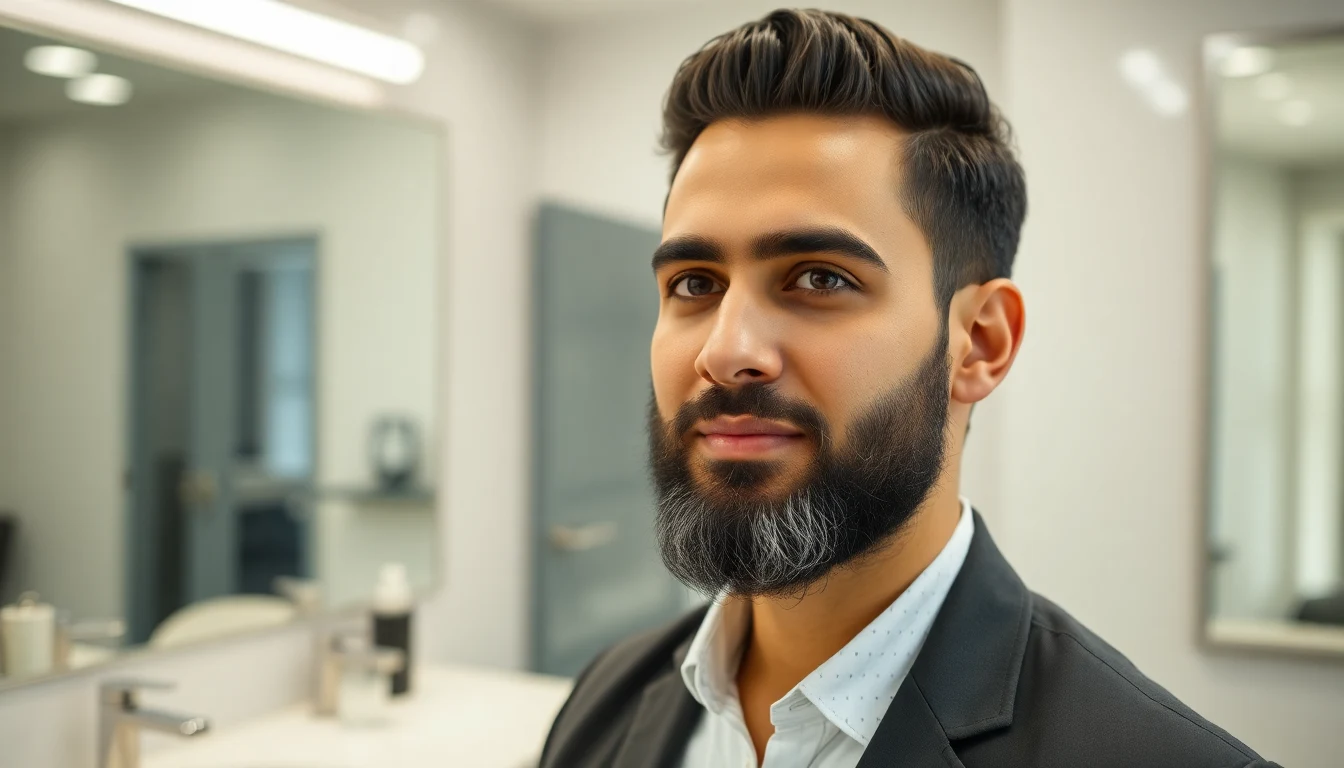
The skin beneath your beard does not get the same air circulation as exposed skin, making it prone to dryness, flaking, and irritation. During wudu, make sure to run your wet fingers through the beard (takhleel al-lihya) so water reaches the underlying skin. After wudu, apply a light moisturizer or beard oil to keep that skin healthy.
Post-Fasting Skin Recovery
During Ramadan, reduced water intake during daylight hours can leave your skin dehydrated and dull. Focus on heavy moisturizing at suhoor (pre-dawn meal) and iftar (meal at sunset), and use a hydrating serum with hyaluronic acid to maximize your skin’s water retention. Our Ramadan skincare guide covers this in complete detail.
Hyperpigmentation
Many Muslim men, particularly those of Arab, South Asian, and African heritage, are prone to post-inflammatory hyperpigmentation (dark spots left after acne or skin injury). Consistent sunscreen use is the single most effective prevention strategy. For existing dark spots, vitamin C serums and niacinamide are both halal-safe and clinically proven to fade hyperpigmentation over time.
Building Your Halal Skincare Kit
Here is the essential kit that covers all your needs with products that are halal-friendly and effective.
- Cleanser: CeraVe Foaming Facial Cleanser (plant-derived glycerin, fragrance-free, ceramide-enriched)
- Moisturizer: CeraVe Moisturizing Cream (non-comedogenic, suitable for all skin types, wudu-compatible)
- Sunscreen: A mineral SPF 30+ with zinc oxide (check specific brands for halal compliance)
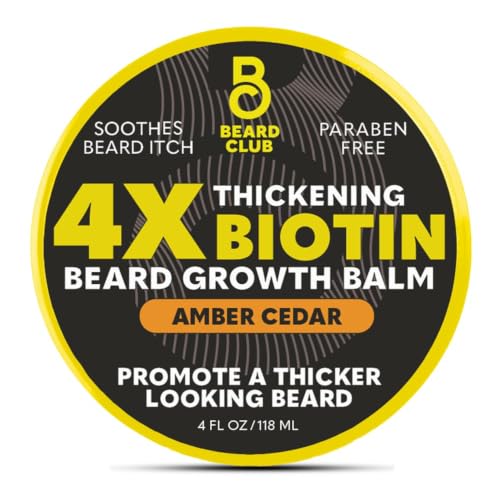
- Beard care: Beard balm for moisture and hold, plus a dedicated beard wash
- Fragrance: An alcohol-free attar or oil-based cologne like Al Rehab Crown Perfume Oil
This basic kit covers cleansing, moisturizing, sun protection, beard care, and fragrance. You can expand with treatment products (serums, masks) as your routine develops, but these five categories are the foundation.
FAQ
Is CeraVe halal?
CeraVe does not carry a formal halal certification. However, their core products use plant-derived glycerin and do not contain obvious pork-derived ingredients based on publicly available ingredient information. For absolute certainty, contact their customer service to verify ingredient sourcing for the specific product you are considering. Brothers who require formal certification should look for halal-certified alternatives.

Does applying skincare products affect wudu?
Most scholars agree that standard skincare products (moisturizers, serums, cleansers) do not create a barrier that prevents wudu water from reaching the skin. However, products that form a thick, waterproof film (like some heavy silicone-based sunscreens or face primers) could potentially be an issue. When in doubt, apply such products after performing wudu rather than before.
Are Korean skincare products halal?
Korean (K-beauty) products are not automatically halal or haram. Many use plant-based formulations that happen to be halal-compliant, but others contain snail mucin, collagen from undisclosed sources, or ethanol. Evaluate each product individually. Some K-beauty brands have begun offering halal-certified lines to serve the Southeast Asian Muslim market.
Is it permissible to use skincare products containing alcohol?
This depends on which scholarly opinion you follow. The key distinction is between ethanol (the intoxicating alcohol) and other alcohols like cetyl alcohol or benzyl alcohol (which are not intoxicants). For ethanol specifically, some scholars permit denatured ethanol in topical products because it cannot be consumed. Others require complete avoidance. Fatty alcohols (cetyl, cetearyl, stearyl) are unanimously considered permissible.
Where can I buy halal-certified skincare in the US?
Online is your best bet. Brands like Iba Halal Care, Amara Halal Cosmetics, and Clara International offer certified products shipped within the US. Some Middle Eastern grocery stores and halal shops also carry skincare products with certification. Amazon carries several halal-certified skincare brands, though always verify the certification mark before purchasing.
What makes a skincare product halal, and is it just about having a certification label?
True halal skincare goes beyond certification stickers and requires understanding what ingredients go on your skin and whether they align with Islamic principles. It involves checking for prohibited substances like pork-derived ingredients and alcohol, while considering both religious and health perspectives to build a routine you can maintain confidently.
What specific ingredients should Muslim men avoid in their halal skincare guide?
The primary ingredients to avoid are pork-derived sources (strictly haram) such as glycerin from porcine sources, along with certain types of alcohol in skincare products. Other potentially problematic ingredients exist, but alcohol represents more of a gray area depending on scholarly opinion and your personal level of observance.
How can I tell if a halal certification on skincare products actually means something?
Halal certification from major certification bodies provides some assurance, but it’s important to understand that certification does not guarantee every aspect of a product meets all Islamic standards or your personal requirements. You should verify certifications through authenticated sources and consult your imam or scholar to confirm products align with your specific level of observance.
Is alcohol in skincare products always prohibited for Muslim men?
Alcohol in skincare represents a gray area with varying scholarly opinions, rather than being absolutely prohibited like pork derivatives. Your approach depends on your personal observance level and religious interpretation, so consulting with your imam or religious guide can help you determine what’s appropriate for your grooming routine.
Final Thoughts
Halal skincare is not a niche trend. It is a growing segment of the global beauty market worth billions of dollars, driven by the legitimate needs of Muslim consumers who want to take care of their skin without compromising their faith. As a Muslim man, you deserve products that work hard for your skin and sit right with your conscience.
Start with the basics: a good cleanser, a solid moisturizer, and sunscreen. Read your labels. Ask questions when the source is unclear. And do not let perfect be the enemy of good. Every step you take toward more halal-conscious grooming is a step in the right direction.
For more faith-informed grooming guidance, explore our wudu-friendly skincare routine, halal beard oil picks, and our Eid grooming preparation guide. Your skin, your beard, and your practice will all benefit. In sha Allah.