By Omar Al-Rashid, Muslim Grooming Editor
Real oud is dense, smoky, sweet and almost alive, long regarded as a fragrance of kings. Oud is not just a fragrance. It is an entire olfactory language, and learning to layer it is how you write your own sentences in that language.
Fragrance layering is the art of combining multiple scents to create something unique. In the Arab perfumery tradition, layering is not optional; it is the standard practice. A man might apply musk as a base, oud attar on his pulse points, rose water on his clothing, and bakhoor (incense) smoke through his thobe before leaving the house. Each layer interacts with the others and with his skin chemistry to produce a scent that is distinctly his.com.
Religious Note: Grooming practices in Islam can vary by scholarly opinion and personal observance. Always consult with your imam, scholar, or religious guide to confirm that any products or practices mentioned here align with your personal level of observance and religious requirements.
Understanding Oud: The King of Fragrances
Oud (also spelled oudh, or called agarwood in English) comes from the heartwood of Aquilaria trees, primarily found in Southeast Asia. When the tree is infected by a specific mold (Phialophora parasitica), it produces a dark, aromatic resin as a defense mechanism. This infected wood is agarwood, and the oil distilled from it is oud.

The rarity of natural oud, combined with the time required for the resin to develop (sometimes decades), makes it one of the most expensive natural materials in the world. High-quality oud oil can cost $5,000 to $80,000 per kilogram. A single gram of pure Hindi oud (from India, considered the finest) can cost more than gold.
Types of Oud by Region
- Hindi oud (Indian): The most prized. Deep, animalic, smoky, with a leathery quality. This is the “classic” oud scent that most Arabian perfumery references.
- Cambodi oud (Cambodian): Sweet, fruity, with woody undertones. More approachable than Hindi oud for Western noses.
- Malaysian oud: Earthy, herbal, slightly medicinal. A middle ground between Hindi and Cambodi profiles.
- Indonesian oud: Mild, woody, sometimes with a green or grassy quality. Good for beginners.
- Thai oud: Complex, with floral notes mixed into the typical woody-smoky profile.
Natural vs. Synthetic Oud
Due to the extreme cost and scarcity of natural oud, most commercial “oud” fragrances use synthetic oud molecules (like Iso E Super or Cashmeran) that approximate the scent. These synthetics are halal, significantly cheaper, and often more consistent than natural oud. Many fragrances labeled “oud” contain zero actual agarwood, using clever blends of synthetics to recreate the profile.
For layering purposes, both natural and synthetic oud work. Natural oud has more complexity and evolves on the skin in ways that synthetics cannot fully replicate. But high-quality synthetic oud blends are perfectly suitable for building layered compositions, and they are what most brothers will actually be working with at accessible price points.
The Fundamentals of Fragrance Layering
Before we get into specific oud combinations, you need to understand the basic architecture of fragrance layering.
The Three-Layer System
- Base layer (foundation): Applied first. This is the scent that lingers longest and provides the foundation for everything above it. Musk, sandalwood, amber, and vanilla are common base layer choices. They are warm, subtle, and long-lasting.
- Middle layer (heart): Applied on top of the base. This is the main character of your fragrance. Oud typically serves as the middle or heart layer. Rose, saffron, and other bold notes also occupy this position.
- Top layer (accent): Applied last. This is the first thing people smell and the first to fade. Citrus, green notes, and light florals serve as accents that brighten the heavier notes beneath.
Application Timing
Apply the base layer first and give it 2-3 minutes to settle into the skin. Then apply the middle layer to different pulse points or over the base. Finally, add the top accent. Applying all three simultaneously muddles them; the staggered timing allows each layer to establish itself.
Oil vs. Spray Layering
Oil-based attars sit closer to the skin and project in an intimate radius. Spray fragrances project farther and create a wider “scent cloud.” Layering an oil attar underneath a spray cologne combines the longevity of oil with the projection of spray. This is the optimal approach for occasions when you want to be smelled without being overwhelming.
Classic Oud Layering Combinations
These are time-tested combinations from the Arabian perfumery tradition, adapted for modern products.

1. Musk + Oud + Rose (The Royal Classic)
This is the foundational combination of Arabian perfumery. Musk provides the warm, skin-like base. Oud delivers the rich, smoky heart. Rose adds a floral sweetness that balances the oud’s intensity.
How to build it:
- Base: Apply Al Rehab Crown Perfume Oil (musk-forward) to inner wrists and neck.
- Heart: After 2 minutes, apply oud attar to the sides of the neck and behind the ears.
- Accent: Spritz rose water lightly on your clothing (not directly on skin over the oils, which could dilute them).
This combination works for Jumu’ah (Friday prayer), Eid celebrations, weddings, and any formal occasion. It is regal without being aggressive.
2. Amber + Oud + Saffron (The Evening Statement)
Darker and more intense than the rose combination. Amber provides a warm, resinous base. Oud adds depth. Saffron contributes a spicy, metallic brightness that cuts through the heaviness. This is the combination for cold evenings, formal dinners, and occasions when you want to make an impression.
How to build it:
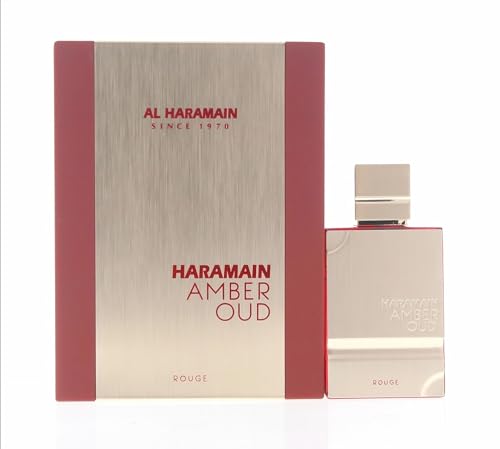
- Base: Apply Al Haramain Amber Oud Rouge to chest and inner wrists. This product already blends amber and oud beautifully.
- Accent: If you have a saffron-based attar, dab a tiny amount behind the ears. Saffron is potent; a single dab is sufficient.
3. Sandalwood + Oud + Vanilla (The Approachable Blend)
This combination is ideal for brothers who want to wear oud in Western professional environments without overwhelming colleagues. Sandalwood softens the oud’s intensity with its creamy, woody warmth. Vanilla adds a gourmand sweetness that makes the overall scent friendly and inviting.

How to build it:

- Base: Apply a sandalwood attar or vanilla-based oil to pulse points.
- Heart: Apply a mild oud (Cambodi or Indonesian profile) over the base after 2 minutes.
- Optional accent: A single spray of a vanilla-forward cologne on the chest.
4. Oud + Incense (The Spiritual Layer)
In many Muslim cultures, applying bakhoor (burning wood chips or incense) to clothing is a pre-prayer tradition. The smoky incense combined with oud attar on the skin creates a deeply spiritual, contemplative fragrance profile. This is traditional mosque fragrance at its finest.
How to build it:
- Skin: Apply oud attar to wrists and neck.
- Clothing: Waft your thobe or garment over burning bakhoor for 30-60 seconds, allowing the smoke to permeate the fabric. The incense scent clings to clothing for hours and complements the oud on your skin.

- ✔ABOUT MISWAK: Sewak Al Noor Miswak is a tooth-cleaning twig derived from the Sa
- ✔TOP-NOTCH QUALITY: Sewak Al Noor Miswak sticks help reduce plaque accumulation
- ✔SUITABLE FOR EVERYONE: These eco-friendly natural tooth brush sticks containing
Building Your Signature Scent
A signature scent is a layered combination that becomes uniquely associated with you. Building one takes experimentation, but here is a systematic approach.
Step 1: Find Your Oud Preference
Sample different oud profiles to determine whether you lean toward the smoky intensity of Hindi oud, the fruity sweetness of Cambodi oud, or the mild woodiness of Indonesian oud. Your preference here determines the character of your signature scent.
Step 2: Choose Your Base Note
Your base note provides the foundation and determines the overall warmth of your scent. Options include musk (clean, warm), amber (rich, sweet), sandalwood (creamy, woody), and vanilla (sweet, comforting). Test each one with your chosen oud to see which pairing feels most natural on your skin.
Step 3: Add an Accent
The accent note adds personality. Rose for elegance, saffron for spice, citrus for freshness, or incense for depth. This is the element that makes your signature different from everyone else wearing oud.
Step 4: Test and Adjust
Wear your layered combination for a full day. Pay attention to how it evolves over time: the initial impression, the mid-day heart, and the late-day base. Ask a trusted brother (or your wife) for feedback. Adjust the ratios: more base if the oud is too dominant, more accent if the scent feels flat.
Oud Layering for Different Occasions
Daily Wear / Office
Layer lightly. One application point for each layer is sufficient. Choose milder oud profiles (Cambodi, Indonesian) and pair with sandalwood or light musk. Rasasi Hawas as a spray over a musk attar base gives a modern, professional scent with subtle oud undertones.
Jumu’ah (Friday Prayer)
Go a step above daily wear. Apply the full three-layer system: musk base, oud heart, rose or amber accent. The Prophet (peace be upon him) encouraged wearing your best fragrance on Fridays, and this is the day to bring out your premium attars. Our Jumu’ah grooming guide integrates fragrance into the complete Friday routine.
Eid and Celebrations
Maximum layering. Base musk, oud heart, accent note, bakhoor on clothing, and perhaps a spray cologne as the outer layer. Eid is the time to pull out every fragrance in your collection and build the most complete, luxurious scent you can. Our Eid grooming guide covers the full preparation.
Wedding (Nikah)
The groom should wear his finest oud layering. Start with a base of tahara musk for purity, add your best oud attar generously, accent with rose for tradition, and let bakhoor permeate your wedding garments. The scent should be memorable; this is the day people will associate that fragrance with. Our Muslim wedding grooming guide includes detailed fragrance preparation.
Caring for Your Oud Collection
Oud oils and attars require proper storage to maintain their quality and develop their character over time.
- Temperature: Store at room temperature or slightly below. Avoid heat above 25 degrees Celsius. Never store in bathrooms where temperature fluctuates with shower steam.
- Light: Keep in dark glass bottles, stored in a drawer or cabinet. UV light degrades the volatile compounds.
- Air exposure: Keep bottles tightly sealed. Every time air enters the bottle, oxidation begins. If you buy a large bottle, consider decanting a week’s worth into a smaller vial to reduce how often you open the main bottle.
- Aging: Quality oud actually improves with age. The harsh top notes mellow and the deeper base notes develop. Many oud collectors age their bottles for years before wearing them.
FAQ
How many fragrances should I layer at once?
For beginners, stick to two layers (base + oud). As you gain experience, add a third layer (accent). Going beyond three distinct layers risks creating a muddled, incoherent scent. Master the three-layer system before experimenting further.


Is oud halal?
Yes. Oud is a plant-derived material (resinous wood). It contains no animal-derived or intoxicating ingredients. Both natural and synthetic oud are considered halal. The only halal concern with oud fragrances is the carrier: oil-based attars are alcohol-free and unambiguously halal; spray fragrances may contain ethanol, which is subject to the standard scholarly debate about alcohol in topical products.
Why does oud smell different on my skin than in the bottle?
Your skin chemistry, body temperature, pH level, and even diet affect how fragrance molecules interact with your skin. This is why the same oud can smell distinctly different on two people. Layering gives you tools to adjust: if oud smells too sharp on your skin, a sandalwood base softens it; if it fades too quickly, a musk base extends its longevity.
Can I layer oud with Western colognes?
Absolutely. Many brothers layer a traditional oud attar underneath a Western designer cologne. The oud adds depth and longevity to the lighter cologne. Apply the oud to pulse points first, let it settle for 5 minutes, then spray the cologne normally. The two will interact throughout the day, creating a scent that is uniquely yours. Black Extreme pairs exceptionally well with oud due to its dark, woody profile.
How much should I spend on oud?
Start affordable. A $15-30 synthetic oud attar from a reputable brand like Al Haramain or Rasasi lets you develop your preferences without a major investment. As your palate develops, you can invest in higher-quality oils ($50-200 range) that offer more complexity and longer evolution on the skin. Only venture into the $500+ range once you truly understand what you are looking for.
What is oud fragrance layering and why is it important in Arab perfumery traditions?
Oud fragrance layering is the art of combining multiple scents to create a unique signature scent, which is standard practice in Arab perfumery rather than optional. A man might apply musk as a base, oud attar on pulse points, rose water on clothing, and bakhoor smoke through his thobe, with each layer interacting with your skin chemistry to produce a distinctly personal scent.
How do I start building my own signature oud scent as a beginner?
Begin by understanding the three-layer system: base, heart, and top notes, then experiment with combining musk as a foundation, oud attar on your pulse points, and rose water or other complementary scents on your clothing. Each layer should interact with your unique skin chemistry, so testing different combinations over time will help you discover what works best for you.
Is there a difference between natural and synthetic oud, and which should I use for layering?
Yes, natural and synthetic oud differ significantly in composition and scent profile, which affects how they layer with other fragrances. Natural oud tends to have more complex interactions with your skin chemistry and other scent layers, while synthetic oud offers consistency, though the guide provides detailed information on both options for your layering preferences.
Are there any religious considerations I should know about when using oud fragrances?
Grooming practices in Islam can vary by scholarly opinion and personal observance, so you should consult with your imam, scholar, or religious guide to confirm that any oud products or layering practices align with your personal level of observance and religious requirements. Always seek authenticated guidance on personal cleanliness from trusted religious sources before beginning your fragrance layering journey.
Final Thoughts
Oud fragrance layering is one of the most sophisticated and personal aspects of Muslim men’s grooming. It connects you to a perfumery tradition that predates modern cologne by centuries, one built around patience, craftsmanship, and an understanding that the best scents are not found in a single bottle but built from layers that interact with your skin and with each other.
Start simple. A musk base and a single oud is enough to begin. Let your nose develop. Pay attention to how scents evolve on your skin over eight, ten, twelve hours. Ask the brothers at the masjid who always smell incredible what they are wearing. Eventually, you will build a signature that people remember, one that announces your presence before you speak and lingers after you leave. That is the art of oud layering.
For related guides, explore our Islamic musk fragrance tradition, alcohol-free cologne options, and Arabic grooming traditions for modern men.