By Tane Matua, Thick Hair Editor
Pacific Islander men are known for thick, full beards that seem to grow effortlessly, dense and dark against brown skin. What is easy to miss is that those beards require genuine work, from combing and oiling before church or family gatherings to regular shaping. Thick, coarse Pacific Islander beard hair does not just look good on its own. It needs the right tools, the right products, and the right technique to reach its potential.
Pacific Islander men are genetically blessed when it comes to beard potential. The same thick, dense hair that grows on the head also shows up on the face, creating beards with impressive fullness and coverage. But that blessing comes with challenges. Coarse beard hair is prone to dryness, tangling, and a rough texture that can make it uncomfortable to wear and difficult to shape. Products designed for fine or medium beard hair simply do not penetrate coarse strands effectively, and the grooming techniques in most beard guides assume a beard texture that is fundamentally different.
This guide is specifically for Pacific Islander men, covering the unique characteristics of PI beard hair, the growth timeline you can realistically expect, the tools and products suited to thick coarse beards, popular beard styles suited to Pacific face shapes and cultural aesthetic, and a complete grooming routine designed for PI beard types.
Understanding Pacific Islander Beard Hair
Pacific Islander beard hair has distinct characteristics that set it apart from other beard types. Understanding these characteristics is essential for choosing the right grooming approach.

The individual strand diameter of PI beard hair is typically in the 80 to 120 micrometer range, similar to or even exceeding the thickness of Pacific Islander head hair. This is significantly wider than European or East Asian beard hair. The result is a beard that is physically strong, stiff, and resistant to bending. When you try to comb a thick PI beard without proper conditioning, you feel the resistance immediately. The hairs do not yield easily.
The growth pattern is generally straight to slightly wavy, with high density. PI men tend to achieve full cheek coverage and strong chin and jawline growth, creating the potential for impressively full beards. However, the growth rate and coverage pattern vary among individuals. Some PI men develop full beards by their late teens, while others fill in gradually through their twenties and early thirties. Genetics, not grooming products, determines your ultimate beard coverage.
The texture of thick PI beard hair is coarse and can feel rough or wiry, particularly when the beard is dry. This coarseness is caused by the larger hair shaft diameter and a slightly more open cuticle structure compared to finer beard types. The open cuticle means the hair loses moisture more readily, contributing to the dryness that many PI men experience, especially in dry or air-conditioned environments. Addressing this moisture deficit is the single most important element of PI beard care.
Beard Growth Timeline for Pacific Islander Men
Knowing what to expect during each phase of beard growth helps manage the patience required to achieve a full, well-shaped beard. Here is a realistic timeline based on thick, coarse PI beard types.
Weeks one through two: The stubble phase. Growth is visible but too short to style or shape. This phase is straightforward. Resist the urge to trim or shape. Let everything grow evenly regardless of which areas come in faster.

Weeks three through four: The awkward phase begins. The beard is long enough to look intentional but too short to groom effectively. Itchiness peaks during this period as the growing hairs curl back against the skin. This is the phase where most men give up. Push through it. The itching subsides as the hairs grow past the skin-scratching length. Applying beard oil during this phase dramatically reduces the discomfort by softening the hairs and moisturizing the skin beneath.
Weeks five through eight: The beard begins to take shape. You can start identifying your natural growth pattern, where coverage is fullest, where there may be thin spots, and how the hair grows in terms of direction and density. At this point, you can begin basic shaping: defining the neckline and cleaning up any stray hairs above the cheek line. Do not trim length yet. Let the beard reach its full potential before deciding on a final style.
Months three through four: For most PI men with good beard genetics, this is where the beard fills in substantially. The length is sufficient for a medium beard style, and the density is visible. This is the ideal time to visit a barber for a professional shaping, establishing the cheek line, neckline, and overall silhouette that will define your beard going forward.
Months five through six and beyond: The beard is fully established at this point. Continued growth adds length and fullness. Maintenance becomes the focus: regular trimming to maintain shape, consistent conditioning to keep the coarse hair soft, and periodic reshaping to keep the style sharp.
Popular Beard Styles for Pacific Islander Men
The Full, Rounded Beard
The full rounded beard is the natural destination for PI men with comprehensive coverage. It features even length across the cheeks, chin, and jawline, creating a solid, rounded silhouette that complements the typically round or square face shapes common among Pacific Islander men. The length ranges from one to three inches, trimmed for uniformity with defined cheek and necklines. This style projects strength and maturity and aligns well with both professional and casual settings.
The Faded Beard
The faded beard, which blends seamlessly into a faded hairstyle, is the most popular beard style among younger PI men. The beard is shorter near the sideburns and ears, gradually increasing in length toward the chin, with the transition between hair and beard creating a smooth, continuous line. This style requires skilled barber work and frequent maintenance but creates an incredibly clean, put-together look when executed well.
Heavy Stubble
Heavy stubble (three to five days of growth, maintained at approximately 3 to 5mm) is an excellent option for PI men who want facial hair definition without the commitment of a full beard. The thick strand diameter of PI beard hair means that even at stubble length, the facial hair creates a strong visual impact. Maintain with a quality beard trimmer set to a consistent guard length, and keep the cheek line and neckline clean for a sharp, intentional appearance.
The Goatee
The goatee, focusing beard growth on the chin and mustache while keeping the cheeks clean, works well for PI men whose cheek coverage is less dense than their chin growth. The thick PI chin hair creates a strong, defined goatee that provides facial definition without the maintenance demands of a full beard. Keep the goatee trimmed to a uniform length and the surrounding skin clean-shaven for maximum impact.
Essential Grooming Tools for Thick, Coarse Beards
The right tools make the difference between a beard that looks groomed and one that looks neglected. For thick PI beard hair, standard-issue grooming tools often fall short. Here is what you actually need.
A wide-tooth wooden beard comb is essential for detangling without pulling. Plastic combs with closely spaced teeth catch and yank on coarse hair, causing breakage and pain. Wooden combs with wide spacing glide through thick hair more gently, and the wood absorbs a small amount of beard oil, distributing it along the teeth and reducing static. Sandalwood combs are traditional and effective.
A boar bristle beard brush is the best tool for daily styling and oil distribution. The natural bristles are stiff enough to penetrate thick beard hair and reach the skin beneath, distributing oil from root to tip. Synthetic brushes often lack the stiffness needed to work through coarse PI beards. Look for a brush with firm, natural bristles and a comfortable handle.
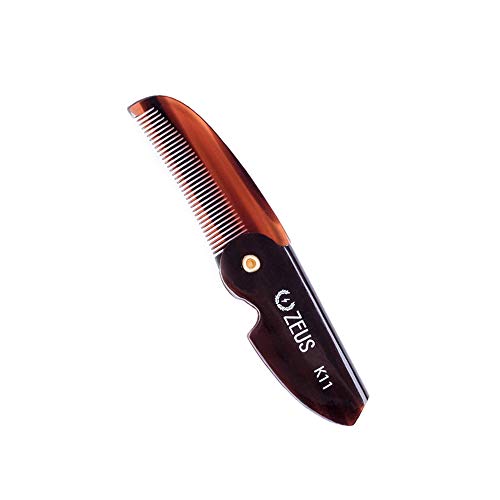
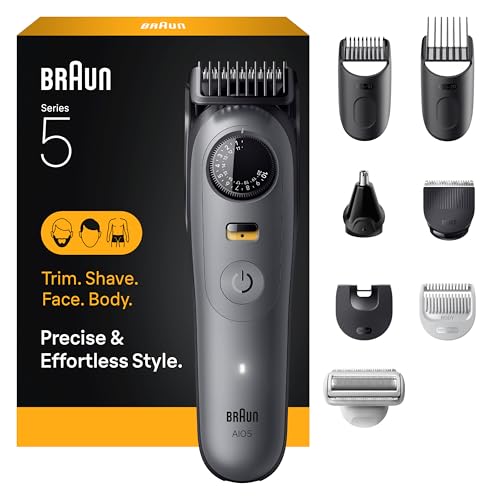
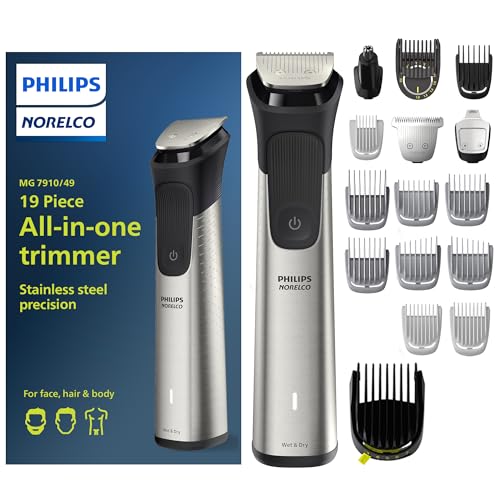
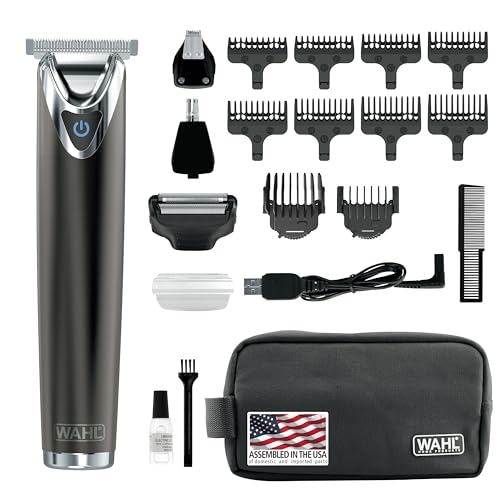
A quality beard trimmer with a powerful motor is non-negotiable. Thick beard hair will stall a weak trimmer, causing pulling and uneven cuts. Invest in a trimmer rated for professional use with a motor speed of at least 6,000 RPM. Philips Norelco and Wahl both make trimmers that handle coarse hair reliably. Sharp blades are critical; replace or sharpen them as soon as the trimmer starts pulling rather than cutting cleanly.
Beard scissors with sharp, straight blades handle the detail work that trimmers miss: individual stray hairs, mustache hairs that curl over the lip, and minor length inconsistencies. A 5-inch pair of stainless steel barber scissors is the standard tool for this purpose.
Beard Oil and Conditioning for Thick, Coarse Beards
Conditioning is the most critical element of PI beard care. Without adequate moisture, coarse beard hair becomes dry, brittle, rough to the touch, and prone to breakage. The right beard oil transforms a wiry, uncomfortable beard into a soft, healthy-looking one.
Choosing Beard Oil for Coarse Hair
Not all beard oils are formulated for thick hair. Many popular beard oils use lightweight carrier oils (like grapeseed or sweet almond) that absorb quickly but do not provide enough sustained moisture for coarse beards. For PI beard types, look for oils that include heavier, more deeply penetrating carriers: jojoba oil (which mimics natural sebum), argan oil (rich in fatty acids that condition the hair shaft), castor oil (thick and moisturizing, excellent for coarse hair), and coconut oil (traditional Pacific Islander grooming ingredient with strong conditioning properties).
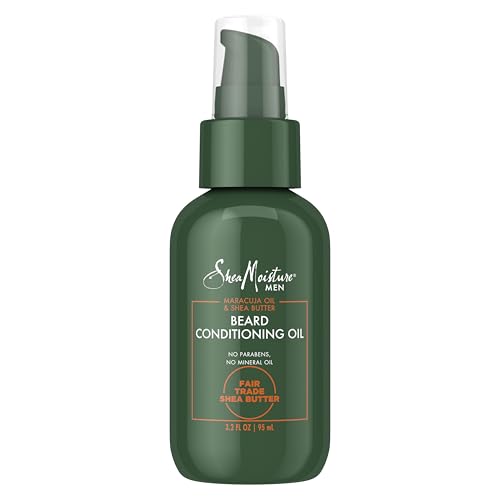
A blend of jojoba and argan as the primary carriers, with a small percentage of castor oil for added thickness, creates the ideal beard oil for coarse PI beards. Apply four to eight drops daily (more for longer beards), rubbing between your palms and working through the beard from the skin outward. The oil should reach the skin beneath the beard, not just coat the surface hairs. Follow with a boar bristle brush to distribute the oil evenly.

Traditional Pacific Islander Conditioning
Pacific Islander communities have used coconut oil for hair and beard conditioning for centuries. Pure virgin coconut oil is an excellent beard conditioner for coarse hair, providing deep moisture and a subtle, pleasant scent. Apply generously to the beard before bed, working it into the skin and through the full length of the hair. Wash out in the morning with a gentle beard wash. This overnight treatment provides intensive conditioning that keeps thick PI beard hair soft and manageable throughout the week.
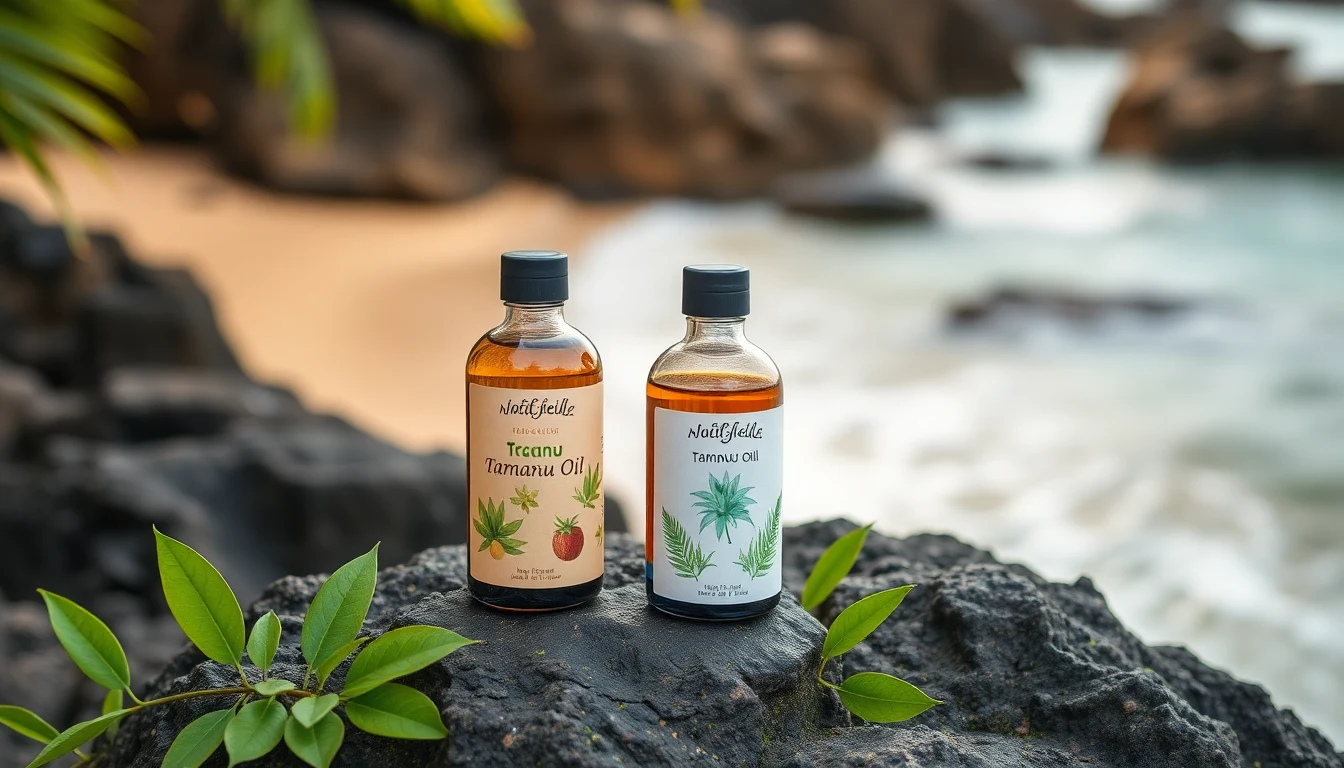
Tamanu oil, native to Polynesia, is another traditional option with added skin-healing benefits. It is particularly effective for men who experience skin irritation or ingrown hairs beneath the beard. Apply in the same manner as coconut oil, either as a nightly treatment or mixed into your daily beard oil.
Beard Balm for Hold and Protection
For longer PI beards that need shape control throughout the day, beard balm provides both conditioning and light hold. The beeswax and shea butter in quality balms coat the hair shaft, locking in moisture and providing enough hold to keep the beard shaped without stiffness. Apply after beard oil by warming a fingernail-sized amount between your palms and smoothing through the beard in downward strokes.
Complete Beard Grooming Routine
Here is a daily and weekly routine designed specifically for thick, coarse Pacific Islander beard hair.
Daily morning routine: Wash the beard with warm water (no shampoo daily; shampooing strips natural oils). Apply four to eight drops of beard oil, working from the skin outward through the full length. Brush with a boar bristle brush, shaping the beard into your desired style. Apply beard balm if you need additional hold or shape control.
Every two to three days: Wash the beard with a gentle, sulfate-free beard wash or shampoo. This removes buildup, environmental grime, and food particles without over-stripping the hair. Follow with a beard-specific conditioner, leaving it on for two to three minutes before rinsing. This is the conditioning step that keeps coarse beard hair from becoming rough and wiry.
Weekly: Apply a deep conditioning treatment. Coconut oil left on for one to four hours (or overnight) before washing provides intensive moisture that restores softness and manageability to even the coarsest beard hair. This weekly treatment is the single most important maintenance step for thick PI beards.
Every one to two weeks: Touch up the neckline and cheek line with a detail trimmer or razor. Trim any stray hairs that extend beyond the beard’s outline. Check overall length uniformity and make minor adjustments with scissors or trimmer.
Monthly: Full trim and reshape, either at a barbershop or at home. This maintains the overall style, removes split ends, and ensures the beard’s shape remains intentional and sharp.
Common Beard Problems and Solutions for PI Men
Thick, coarse beard hair comes with specific challenges. Here are the most common problems and their solutions.
Beard itch is most intense during weeks two through four of growth, when the hairs are long enough to curl back and scratch the skin but too short to lie flat. The solution is consistent beard oil application starting from day one of growth. The oil softens the hair, reducing its ability to irritate the skin, and moisturizes the skin beneath, preventing the dryness that exacerbates itching.
Ingrown hairs are a risk for any man with thick, coarse facial hair. The strong, stiff hairs can curl back into the skin after shaving or trimming, creating painful bumps. Prevention involves exfoliating the beard area two to three times per week with a gentle scrub or chemical exfoliant (salicylic acid), keeping the skin moisturized, and avoiding overly close shaving on the neckline and cheeks.
Dryness and roughness are the most chronic challenges for thick PI beards. The larger hair shaft diameter means more surface area for moisture loss, and the open cuticle structure compounds the problem. The solution is multi-layered: regular conditioning with beard wash, daily oil application, weekly deep treatments, and avoiding products that contain drying alcohols or harsh detergents.
Uneven growth is a concern for men whose beard fills in at different rates in different areas. The chin and mustache often grow faster and thicker than the cheeks. The solution is patience (cheek coverage often improves into the thirties) combined with strategic trimming that keeps the faster-growing areas in proportion with the slower areas, creating the illusion of even coverage.
Frequently Asked Questions
At what age can Pacific Islander men grow a full beard?
This varies widely among individuals. Some PI men develop full beard coverage in their late teens or early twenties. Others do not achieve comprehensive coverage until their late twenties or early thirties. Genetics is the primary factor, not grooming products or techniques. If your father and uncles have full beards, you likely will too, given enough time. Products claiming to accelerate beard growth are generally unsupported by scientific evidence.
How do I make my thick beard softer?
Consistent conditioning is the key. Apply beard oil daily, deep-condition weekly with coconut oil, use a beard-specific conditioner every time you wash, and avoid products with drying ingredients. The transformation from rough and wiry to soft and manageable typically takes two to four weeks of consistent conditioning. The beard will not feel like silk, as thick coarse hair always retains some texture, but it will feel significantly softer and more comfortable.

Should I use beard oil or beard balm?
Use both. Beard oil provides deep conditioning and moisture. Beard balm provides additional conditioning plus light hold for shaping. Apply oil first to nourish the hair and skin, then follow with balm to lock in the moisture and add hold. For shorter beards (under one inch), oil alone is usually sufficient. For medium to long beards, the combination of oil and balm provides the best results.
How often should PI men trim their beards?
Touch up the neckline and cheek line every one to two weeks. Full trims for length and shape should happen every three to four weeks. The high growth rate and density of PI beard hair means styles lose their shape faster than they would on finer beard types. Regular, conservative trimming maintains the intentional look that separates a groomed beard from a neglected one.
Why is my Pacific Islander beard so coarse and dry compared to other men’s beards?
Pacific Islander men are genetically blessed with thick, dense beard hair that grows with impressive fullness, but this coarse texture is prone to dryness, tangling, and roughness. This happens because standard beard products designed for fine or medium hair don’t penetrate coarse strands effectively, leaving them undernourished and uncomfortable.
What products should I use for a Pacific Islander men’s beard guide approach to grooming?
You need products specifically formulated for thick, coarse beard hair rather than generic beard products that work for finer textures. Beard oils and grooming products designed to deeply penetrate and moisturize coarse strands will be more effective at managing dryness and improving your beard’s overall texture and appearance.
How long does it typically take for a thick Pacific Islander beard to reach full growth?
While the article doesn’t specify an exact timeline, it emphasizes that Pacific Islander men can expect to grow impressive full beards due to their genetic advantages with dense facial hair growth. Your specific growth timeline will depend on individual factors, but consistent grooming with proper tools and techniques will help you reach your beard’s full potential.
Are there specific beard styles that work better for Pacific Islander men?
Yes, the guide covers popular beard styles suited to Pacific Islander face shapes and cultural aesthetics, recognizing that grooming techniques and style recommendations in most standard beard guides assume a fundamentally different beard texture than yours. Finding styles tailored to your specific features and coarse hair type will give you better results than following generic beard advice.
Conclusion: Embrace the Thickness
Pacific Islander men have some of the best beard genetics in the world. The thickness, density, and coverage potential of PI facial hair allows for dramatic, impressive beard styles that men with finer hair types simply cannot achieve. The challenge is not growing the beard. It is maintaining it properly so that its full potential is realized.
Commit to a consistent conditioning routine built on quality oils and regular deep treatments. Invest in grooming tools designed for coarse hair. Find a barber who understands thick beard textures. And wear your beard with the pride of a man who knows that his facial hair connects him to a long Pacific tradition of strength, identity, and cultural expression. Your beard is a gift. Treat it like one.
More Thick Hair Guides

- Anti-Frizz Guide for Men With Thick, Coarse Hair: Taming Frizz in Humidity and Dry Air
- Best Hair Clippers for Thick, Coarse Hair: Professional-Grade Tools That Won't Stall or Pull
- Tamanu Oil for Men: Pacific Islander Tradition Meets Modern Skincare
- Best Wide-Tooth Combs and Tools for Very Thick Hair
- Samoan Men's Hairstyle Guide: Traditional Cuts, Modern Fades, and Everything In Between