By Erik Lindqvist, Sensitive Skin Editor
One of the most common reactive-skin mistakes takes less than ten seconds. Someone opens a new beard oil, pours some into a palm, and rubs it directly into the beard and across the entire jawline without a second thought. By that evening, the face can be on fire. By the next morning, a red, weeping rash can cover both sides of the jaw, spread across the chin, and creep toward the ears. A dermatologist may diagnose allergic contact dermatitis from something like cinnamon bark oil, listed third on the label. Treatment can mean weeks of topical steroids, then more weeks of flaking, peeling skin before the face looks normal again. All because of a skipped step that would have taken two minutes and a bandaid.
Patch testing is the single most important habit a man with reactive skin can develop. It is not complicated. It is not time-consuming. It does not require special equipment. But it is the difference between discovering that a product contains something your skin cannot tolerate on a tiny, hidden patch of skin versus discovering it across your entire face, neck, or scalp. For men with sensitive, allergic, or eczema-prone skin, patch testing is not optional. It is the foundation of every safe grooming routine.
This guide covers everything you need to know about patch testing grooming products: the science behind skin reactions, where and how to test, the difference between a 48-hour quick test and a comprehensive 7-day protocol, how to read your skin’s response, and how to build a library of safe products over time so your grooming routine is never a gamble.
Why Patch Testing Matters for Men
Men are statistically less likely to patch test grooming products than women. Part of this is marketing: men’s grooming products are sold with an implicit promise of simplicity. Open it, use it, done. The assumption is that your skin can handle anything in a bottle, and if it cannot, that is somehow your skin’s fault rather than the product’s fault. This assumption leads to millions of men experiencing unnecessary skin reactions every year.

Contact dermatitis is common. Approximately 15-20% of the general population will experience allergic contact dermatitis at some point in their lives. Among men with sensitive or eczema-prone skin, the rate is significantly higher. Fragrances and preservatives in grooming products are among the most common triggers, and these ingredients are present in the vast majority of products marketed to men.
Reactions are dose-dependent and cumulative. You might use a product five times without any visible reaction, then on the sixth application, your skin erupts. This is because allergic sensitization builds over repeated exposures. Each exposure primes the immune system a little more until it crosses the threshold into a full inflammatory response. Without patch testing, you have no way to detect this sensitization before it becomes a full-blown reaction.
Facial skin is more reactive than body skin. The skin on your face, particularly around the eyes, lips, and jawline, is thinner and more permeable than skin on the rest of your body. This means products that your arms or chest tolerate perfectly may still cause reactions on your face. Patch testing on the face itself (or skin of similar sensitivity) is essential for products that will be applied to the face.
Recovery from facial reactions is slow. A contact dermatitis reaction on your forearm might resolve in a week. The same reaction on your face can take 3-6 weeks to fully resolve, during which time your skin is red, flaking, swollen, or weeping. For men who work in professional environments, this extended recovery period is not just uncomfortable but socially and professionally disruptive.
The Science of Skin Reactions
Understanding the two types of skin reactions helps you interpret patch test results correctly.
Irritant Contact Dermatitis
This is a non-allergic reaction caused by a product that directly damages or irritates the skin. It does not involve the immune system. Common irritants include sodium lauryl sulfate (SLS), alcohol, menthol, and strong acids or bases. Irritant reactions can happen to anyone. They are dose-dependent (more product or longer contact time causes a stronger reaction) and usually appear within minutes to hours of application. Symptoms include redness, burning, stinging, and dryness at the application site.
Irritant reactions are useful information from a patch test because they tell you the product is too harsh for your skin, even if you are not technically allergic to any ingredient in it. A product that irritates your forearm will almost certainly irritate your face.
Allergic Contact Dermatitis
This is an immune-mediated reaction to a specific ingredient. It requires prior sensitization, meaning your immune system must have encountered the ingredient before and developed an immune memory against it. Allergic reactions are delayed, typically appearing 24-72 hours after exposure. They are not dose-dependent in the same way as irritant reactions: even a tiny amount of the allergen can trigger a full response once sensitization has occurred.
Symptoms include redness, swelling, itching, blisters, and sometimes weeping or crusting. Allergic contact dermatitis is why the 48-hour observation period in patch testing is essential. If you apply a product, wait 30 minutes, see no reaction, and conclude it is safe, you may miss an allergic reaction that would not appear until the next day.
The Most Common Allergens in Men’s Grooming Products
Knowing what you are testing for helps you understand why patch testing catches problems that ingredient reading alone might miss.
| Allergen | Found In | Label Names | Reaction Type |
|---|---|---|---|
| Fragrance | Nearly everything | Parfum, fragrance, essential oils | Allergic |
| Methylisothiazolinone (MI) | Shampoos, body wash | MI, MCI, Kathon CG | Allergic |
| Lanolin | Beard balms, lip balms | Lanolin, wool wax, wool alcohol | Allergic |
| Propylene glycol | Moisturizers, deodorants | Propylene glycol, PG | Both |
| Formaldehyde releasers | Shampoos, conditioners | DMDM hydantoin, quaternium-15 | Allergic |
| Essential oils | Natural products | Tea tree, eucalyptus, cinnamon, clove | Both |
| Sodium lauryl sulfate | Cleansers, shampoos | SLS | Irritant |
| Alcohol (denatured) | Aftershaves, toners | Alcohol denat, SD alcohol | Irritant |
The 48-Hour Quick Patch Test
This is the minimum viable patch test. Use it for products from brands you have used before or products with short, familiar ingredient lists.
Step 1: Choose Your Test Site
Apply a small amount of the product (about the size of a coin) to the inside of your forearm, approximately halfway between your wrist and your elbow. This area is convenient because it is easy to observe, easy to cover, and has relatively thin skin that reacts similarly to facial skin.

Alternative site: Behind the ear, on the skin just below the earlobe. This skin is closer in thickness and sensitivity to facial skin and provides a more accurate prediction of how your face will react. However, it is harder to observe and harder to keep a bandage in place.
Step 2: Apply and Cover
Apply the product to the test site. Do not rub it in completely; leave a visible layer. Cover the area with a standard adhesive bandage (like a Band-Aid) to prevent the product from rubbing off on clothing. If you react to adhesive bandages, use medical tape over a small piece of gauze instead.

For rinse-off products (shampoo, body wash, face wash): Apply the product, let it sit for 2-3 minutes (simulating actual use time), then rinse it off. Do not cover with a bandage. The goal is to simulate real usage conditions.
Step 3: Wait 24 Hours
Do not wash, scratch, or disturb the test site for 24 hours. Go about your normal day. After 24 hours, remove the bandage and examine the test site in good lighting.
Step 4: First Reading (24 Hours)
Look for any of the following signs at the test site:
Redness: Any visible redness beyond what the bandage pressure might cause. Wait 20 minutes after removing the bandage; pressure-related redness will fade, reaction-related redness will persist.
Itching: Any itching sensation at or around the test site.
Bumps or texture changes: Small raised bumps, roughness, or any change in skin texture.
Swelling: Any visible puffiness compared to surrounding skin.
Blistering or weeping: Any fluid-filled bumps or moisture at the site.
If any of these signs are present, the test has failed. Do not proceed to full use. If the site looks normal with no symptoms, reapply the product to the same site and cover again.
Step 5: Second Reading (48 Hours)
Wait another 24 hours (48 total from first application). Remove the bandage and examine the site again using the same criteria. Many allergic reactions take 48-72 hours to develop, which is why the 24-hour check alone is insufficient.
If the site is clear at 48 hours with no signs of reaction, the product is likely safe for broader use on your body. For facial products, consider proceeding to the extended 7-day protocol for additional confidence.
The 7-Day Comprehensive Patch Test Protocol
This is the protocol I recommend for men with highly reactive skin, eczema, rosacea, or a history of contact dermatitis. It is also the protocol to use for any product that will be applied to the face, as the consequences of a facial reaction are significantly more severe than a reaction on the forearm.
Day 1: Apply the product to the inside of your forearm. Cover with a bandage. This tests the product against a baseline skin site.
Day 2 (24 hours): Remove the bandage. Examine for redness, itching, bumps, swelling, or any reaction. If any reaction is present, stop immediately. This product is not for you. If clear, proceed to Day 3.
Day 3: Apply the product behind your ear, on the skin just below the earlobe. Do not cover with a bandage (behind-the-ear skin is more sensitive and the bandage adhesive itself can cause confusion). Let the product absorb naturally.
Day 5 (48 hours after behind-ear application): Examine the behind-ear site. Look for redness, itching, or any change. The behind-ear skin is thin and sensitive, similar to facial skin. If this site is clear, the product has passed a more stringent test. If any reaction is present, stop.
Day 5 (same day, if behind-ear passed): Apply a small amount to a discreet area of your jawline, just under the ear where sideburns would be. This is a facial skin test on a small, concealable area. Let it absorb naturally. Do not apply any other products to this spot.
Day 7 (48 hours after jawline application): Examine the jawline test site. If clear with no reaction after all three stages, the product has passed the comprehensive protocol. Begin using it in small amounts on the intended area, monitoring for the first 1-2 weeks of regular use.
Yes, this protocol takes a full week. But consider the alternative: a facial reaction that takes 3-6 weeks to resolve, during which time you cannot use any products at all. The seven-day investment saves you from weeks of recovery and discomfort.
Where to Patch Test on Your Body
Different test sites provide different levels of information about how your skin will react.
| Test Site | Skin Similarity to Face | Ease of Testing | Best For |
|---|---|---|---|
| Inner forearm | Moderate | Very easy | Initial screening of new products |
| Behind ear | High | Moderate | Second-stage test for facial products |
| Jawline (under ear) | Exact (it is facial skin) | Easy | Final confirmation for facial products |
| Inner elbow crease | Moderate-high | Easy | Products for eczema-prone skin |
| Side of neck | High | Moderate | Aftershave, cologne testing |
| Inner wrist | High (thin skin) | Very easy | Quick fragrance sensitivity check |
Important: Never patch test on broken, irritated, or actively inflamed skin. The results will be unreliable because compromised skin reacts to substances it would normally tolerate. Wait until your skin is in a calm, baseline state before beginning any patch test.
How to Read Your Skin’s Response
Not all reactions look the same, and understanding what your skin is telling you helps you make informed decisions about products.

No Reaction (Clear Pass)
The test site looks identical to the surrounding skin. No redness, no texture change, no sensation. The product is likely safe for full use. Begin using it in small amounts and monitor during the first two weeks.
Mild Redness Only (Ambiguous)
Slight pink coloration at the test site that fades within 30 minutes of removing the bandage. This may be from bandage pressure, not from the product. Retest without a bandage: apply the product to the opposite forearm, leave it uncovered, and observe for 48 hours. If the redness does not recur, it was likely from the bandage.

Persistent Redness with Itching (Mild Reaction)
Redness that persists beyond 30 minutes, accompanied by itching or mild burning. This indicates either irritant contact dermatitis or early allergic sensitization. Do not use this product on your face. If the reaction resolves within 24 hours, you may attempt to identify the problematic ingredient by testing individual ingredients separately (see “Building a Safe Product Library” below).
Raised Bumps or Papules (Moderate Reaction)
Small raised bumps at the test site indicate a more significant reaction. This is a definitive failure. Do not use this product. Apply a thin layer of 1% hydrocortisone cream to the test site twice daily for 3-5 days to resolve the reaction. Note the product name and its full ingredient list for future reference.
Blistering, Weeping, or Swelling (Severe Reaction)
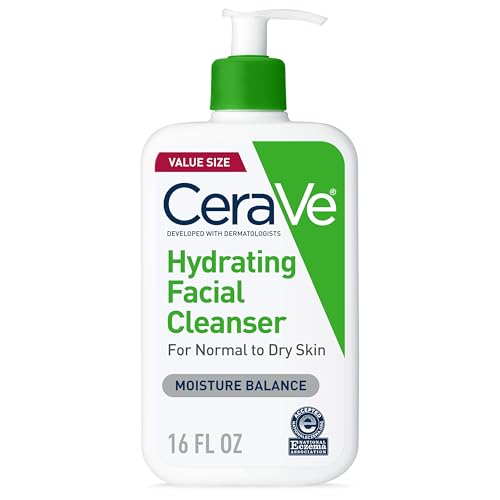
Any blistering, fluid leakage, significant swelling, or spreading beyond the test site indicates a strong allergic response. Wash the product off immediately with lukewarm water and a gentle cleanser like CeraVe Hydrating Facial Cleanser. Apply hydrocortisone cream. If the reaction worsens, spreads, or does not improve within 48 hours, consult a dermatologist. Document the product and ingredients thoroughly.
Patch Testing Specific Product Types
Different grooming products require slightly different testing approaches because of how they are used.
Leave-On Products (Moisturizers, Beard Oil, Aftershave Balm)
These products remain on your skin for hours, which means extended contact time with every ingredient. Use the full 7-day protocol. Apply the product and cover with a bandage for the forearm stage. For behind-ear and jawline stages, apply and leave uncovered, as you would during normal use.
Rinse-Off Products (Face Wash, Shampoo, Body Wash)
These products contact your skin briefly during use. For the patch test, apply to the inner forearm, leave for 3 minutes (simulating wash time), then rinse. Repeat daily for 3 consecutive days on the same spot. If no reaction develops after 3 days of simulated use, the product is likely safe. For very sensitive skin, extend to 5 days of repeated application.
Fragrances (Cologne, Aftershave Splash)
Fragrances are among the highest-risk products for sensitive skin. Apply a single spray or dab to the inner wrist. Leave uncovered and unwashed for 48 hours (do not wash that wrist area during the test period). If no reaction at 48 hours, test behind the ear for another 48 hours. Fragrance reactions can be delayed up to 72 hours in some cases, so the full observation window is important.
Hair Dye or Color Products
Hair dye contains some of the strongest allergens in the grooming world, particularly para-phenylenediamine (PPD). Always follow the manufacturer’s patch test instructions, which typically require a 48-hour test behind the ear. Men who have never dyed their hair before should be especially cautious, as first-time sensitization can cause severe reactions on subsequent exposures.
Sunscreen
Test sunscreen on the inner forearm for 48 hours as a leave-on product. Pay special attention to chemical sunscreen ingredients (avobenzone, oxybenzone, octinoxate), which are more likely to irritate sensitive skin than mineral sunscreens (zinc oxide, titanium dioxide). If you react to a chemical sunscreen, switch to a mineral-only formula like EltaMD UV Clear and retest.

Building a Safe Product Library
Over time, systematic patch testing builds a personal database of ingredients your skin tolerates and ingredients it does not. This knowledge becomes more valuable than any product recommendation because it allows you to evaluate any new product by reading its ingredient list.
Keep a Reaction Journal
Every time you patch test a product, record the following in a notebook or a note on your phone:
Product name and brand. Be specific, including the exact variant (e.g., “CeraVe Hydrating Facial Cleanser, 16 oz bottle, purchased January 2026”).
Full ingredient list. Copy it from the bottle or the manufacturer’s website. Ingredient lists change over time, so recording the exact formulation you tested is important.
Test dates and sites. Record when you applied the product and where.
Results at each reading. Document exactly what you observed at 24 hours, 48 hours, and any additional readings.
Pass or fail. A clear verdict for future reference.
Cross-Reference Ingredient Lists
When a product fails a patch test, compare its ingredient list against your passed products. The ingredients that appear in the failed product but not in any of your passed products are your primary suspects. If multiple failed products share a common ingredient that is absent from all your passed products, you have likely identified one of your personal allergens or irritants.

For example, if three different beard oils have failed your patch test and all three contain sweet almond oil, but your passed beard oil (pure jojoba) does not contain almond oil, sweet almond oil is a strong suspect. You can confirm by patch testing pure sweet almond oil alone.
Single-Ingredient Testing
The gold standard for identifying specific allergens is testing individual ingredients. Products like Desert Essence 100% Pure Jojoba Oil and The Ordinary 100% Plant-Derived Squalane are ideal for this because they contain exactly one ingredient. If you pass a single-ingredient test, that ingredient is confirmed safe for you. Build your routine from confirmed-safe single ingredients whenever possible.
Common Patch Testing Mistakes
Testing too many products at once. If you test five products simultaneously on different spots and one spot reacts, you know which product caused it. But if two spots react, you have contaminated your data. Test one product at a time for clean results.
Testing during a flare. If your skin is already irritated, inflamed, or in an eczema flare, patch test results are unreliable. Compromised skin reacts to substances it would normally tolerate. Wait until your skin is calm and stable before testing new products.
Insufficient observation time. The most common mistake. Allergic contact dermatitis can take up to 72 hours to manifest. Checking at 12 hours, seeing nothing, and concluding the product is safe will miss delayed reactions. Always wait the full 48 hours minimum.
Testing in the shower. Applying a product in the shower, rinsing it off, and assuming you have tested it is not a patch test. The steam and water dilute the product and reduce contact time below what would occur during actual use. Patch test leave-on products outside the shower.
Ignoring reformulations. Brands change their formulas regularly, sometimes without changing the packaging. If you have been using a product for years and suddenly develop a reaction, the formula may have changed. Check the ingredient list against your recorded version. If it has changed, treat it as a new product and patch test again.
Assuming “natural” means safe. Many of the strongest allergens in grooming products are natural: essential oils, lanolin, beeswax, tree nut oils. “Natural” and “organic” labels have no bearing on allergenicity. Poison ivy is natural. Patch test everything regardless of how it is marketed.
Professional Patch Testing
If you have experienced multiple severe reactions and cannot identify the trigger through home testing, a dermatologist can perform professional patch testing. This involves applying a standardized panel of common allergens (typically 80-100 substances) to your back under occlusion for 48 hours, then reading the results at 48 hours and again at 96 hours.
Professional patch testing can identify allergens that home testing might miss, particularly when you are reacting to ingredients that appear under multiple names or in unexpected products. The standard panel covers fragrances (fragrance mix I, fragrance mix II, balsam of Peru), preservatives (MI/MCI, formaldehyde releasers), metals (nickel, cobalt), rubber chemicals, and other common sensitizers.
Ask your dermatologist for a comprehensive allergen panel rather than just testing the specific products you have reacted to. The panel approach identifies all your sensitivities at once, giving you a complete picture of what to avoid going forward.
The Minimum Safe Product Stack
While you are building your safe product library through patch testing, these products have the lowest allergenicity profiles and represent the safest starting points for men with reactive skin.
| Product | Purpose | Key Safety Feature |
|---|---|---|
| CeraVe Hydrating Facial Cleanser | Face and beard wash | Fragrance-free, minimal ingredients |
| Desert Essence Jojoba Oil | Beard oil and facial moisturizer | Single ingredient, mimics natural sebum |
| The Ordinary Squalane | Lightweight moisturizer | Single ingredient, naturally in human skin |
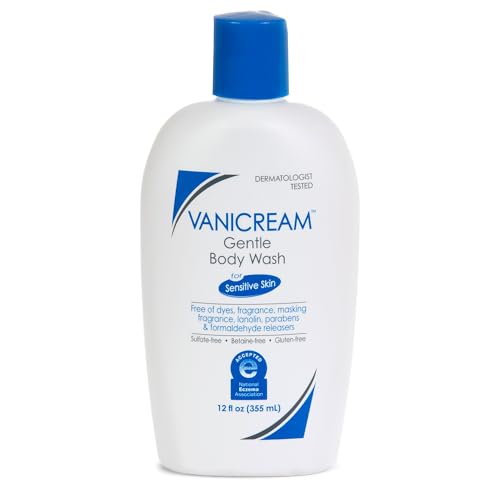
| Vanicream Gentle Body Wash | Body cleanser | No dyes, fragrance, lanolin, or parabens |
| EltaMD UV Clear SPF 46 | Sunscreen | Mineral-based, niacinamide for calming |
| Vanicream Moisturizing Cream | Full-body moisturizer | NEA-accepted, free of common allergens |
Start with these products, patch testing each one individually. Once you have confirmed they are safe for your skin, they form a complete basic grooming routine. From this foundation, you can carefully introduce additional products one at a time, always patch testing before incorporation.

Frequently Asked Questions
I have been using a product for years without problems. Do I still need to patch test?
If you have used the same product without any reaction for an extended period, you do not need to re-test it unless the formulation changes or you develop new sensitivities. However, if a product you have used for years suddenly causes a reaction, this likely means either the formula changed or you have developed new sensitization to one of its ingredients. In either case, stop using the product and patch test it fresh.
Can I speed up the patch test process?
No, and attempting to do so defeats the purpose. Allergic contact dermatitis is a delayed reaction. The immune system needs time to mount a response, and that time cannot be shortened. If you skip the waiting period, you risk missing a reaction that would have appeared at 48 or 72 hours. The full observation windows exist because of how the immune system works, not as an arbitrary inconvenience.
What if I react to the bandage adhesive during the test?
Adhesive allergy is common in people with sensitive skin. If you react to standard bandage adhesive, switch to hypoallergenic paper tape (like 3M Micropore) over a small piece of gauze. Alternatively, use the open (uncovered) method: apply the product, let it dry, and observe without covering. This is less controlled but avoids the adhesive variable. For the uncovered method, choose a test site that will not rub against clothing.
Should I patch test products labeled “for sensitive skin” or “hypoallergenic”?
Absolutely. “Sensitive skin” and “hypoallergenic” are marketing terms with no regulatory definition. Products carrying these labels may still contain fragrances, essential oils, preservatives, or other common allergens. Your skin does not read labels. It reacts to ingredients. Patch test everything, regardless of what the packaging claims.

My patch test passed but I am reacting to the product during regular use. Why?
Several possibilities: the patch test site may have been less sensitive than the area where you are now applying the product (face is more reactive than forearm). Alternatively, the reaction could be from cumulative exposure, where daily use over 1-2 weeks builds enough sensitization to trigger a response. Additionally, application method matters: if you are applying the product more thickly or more frequently than during the test, the increased dose may be pushing past your tolerance threshold. Reduce the amount, reduce the frequency, or discontinue if the reaction persists.
Can I patch test multiple products at the same time on different body parts?
While technically possible (dermatologists test dozens of substances simultaneously during professional patch testing), I do not recommend this for home testing. If you test Product A on your left forearm and Product B on your right forearm and both react, you have clear data. But if you have a systemic reaction (overall skin sensitivity increase), you cannot determine which product triggered it. Test one product at a time for the cleanest results.
What is patch testing and why do I need to do it before using new grooming products?
Patch testing is applying a small amount of a product to a hidden area of skin to check for allergic reactions before using it on your face or scalp. For men with reactive, sensitive, or eczema-prone skin, this simple two-minute step can prevent painful rashes, dermatitis, and weeks of recovery that could result from applying an incompatible product to your entire face.
Where on my body should I patch test grooming products?
The best locations are behind your ear, on your inner elbow, or on the inside of your wrist, as these areas have sensitive skin similar to your face but are easily hidden if a reaction occurs. Avoid testing on your jawline, neck, or scalp initially, as these are the areas where you’ll eventually use the product and you want to catch problems on inconspicuous skin first.
How long should I wait after patch testing a grooming product to know if I’ll have a reaction?
A quick 48-hour patch test can catch most immediate allergic reactions, but a comprehensive 7-day protocol is more thorough and recommended for men with highly reactive skin or known sensitivities. The longer timeline allows you to observe delayed reactions and confirm the product is truly safe before applying it to larger areas like your beard, face, or scalp.
What signs should I look for to know if my skin is reacting badly to a patch tested product?
Watch for redness, itching, burning, swelling, rash, flaking, or any weeping or oozing at the test site, as these indicate your skin cannot tolerate an ingredient in the product. If you experience any of these symptoms, wash off the product immediately, avoid that product entirely, and consult a dermatologist if the reaction is severe or spreads.
Final Thoughts
Patch testing is the unglamorous foundation of every safe grooming routine for reactive skin. It is not exciting. There is no marketing campaign for “apply product to your forearm and wait two days.” But for men whose skin punishes them for every untested product, it is the single habit that transforms grooming from a gamble into a controlled process. The seven-day protocol takes one week. A facial contact dermatitis reaction can take weeks. That predictability, that freedom from wondering whether today’s new product will turn tomorrow’s face into a disaster, is worth every minute of testing.