By Erik Lindqvist, Sensitive Skin Editor
Perioral dermatitis often starts as a cluster of tiny red bumps around the nose and mouth that looks like acne. It gets treated like acne, with salicylic acid spot treatments and more frequent face washing. Then a ring of red, bumpy, flaking skin spreads from around the mouth to the creases beside the nose and then to the chin, and a dermatologist diagnoses perioral dermatitis and explains that the acne routine has been making it worse.
Perioral dermatitis is a frustrating condition for men because it mimics acne but responds to the opposite treatment approach. Where acne improves with active ingredients and targeted treatment, perioral dermatitis improves when you stop using products. Where acne benefits from drying agents, perioral dermatitis worsens with anything that disrupts the skin barrier. And where acne in men is common enough that most guys have experience managing it, perioral dermatitis is less commonly discussed in men’s grooming, which means most men misidentify it and mismanage it for weeks or months before getting the correct diagnosis.
This guide covers what perioral dermatitis is, what causes it, which grooming products make it worse, and the evidence-based approach that resolves it. The theme throughout is subtraction: the treatment is mostly about taking things away.
What Is Perioral Dermatitis?
Perioral dermatitis (POD) is an inflammatory skin condition that causes clusters of small, red, sometimes pus-filled bumps (papules and pustules) in the skin around the mouth, nose, and occasionally the eyes. The “perioral” means “around the mouth,” though the condition frequently extends beyond the mouth area. The rash typically has a characteristic pattern: it affects the nasolabial folds (the creases running from the nose to the corners of the mouth), the chin, and the skin around the nostrils, while sparing a narrow border of clear skin directly adjacent to the lip line.

The bumps are typically 1-3mm in diameter, red or skin-colored, and may be topped with a tiny amount of pus. The surrounding skin is often red, dry, slightly scaly, and may feel tight or burning. Unlike acne, which produces comedones (blackheads and whiteheads), perioral dermatitis produces papules without comedones. This distinction is important because comedone-targeting acne treatments are inappropriate for perioral dermatitis and often worsen it.
Perioral Dermatitis vs Acne vs Rosacea
| Feature | Perioral Dermatitis | Acne Vulgaris | Rosacea |
|---|---|---|---|
| Location | Around mouth, nose, eyes | Anywhere on face, chest, back | Central face (cheeks, nose, forehead) |
| Bump type | Small papules, some pustules | Comedones, papules, pustules, cysts | Papules, pustules, no comedones |
| Comedones present | No | Yes (blackheads/whiteheads) | No |
| Lip-sparing zone | Yes (characteristic) | No | N/A |
| Scaling/dryness | Yes, often significant | Usually oily | Possible, usually mild |
| Burning/stinging | Common | Uncommon | Common |
| Triggered by steroids | Yes (classic trigger) | Sometimes (steroid acne) | Yes (steroid rosacea) |
| Response to acne treatment | Worsens | Improves | Variable |
What Causes Perioral Dermatitis in Men?
The exact cause of perioral dermatitis is not fully understood, but several triggers are well-documented. For men, certain grooming habits create unique risk factors.

Topical Steroids (The Most Common Trigger)
Topical corticosteroids applied to the face are the single most documented trigger for perioral dermatitis. This includes prescription steroid creams (hydrocortisone, triamcinolone, betamethasone) and over-the-counter 1% hydrocortisone cream. The mechanism is thought to involve steroid-induced skin barrier disruption, changes in the local microbiome, and suppression of the skin’s natural immune response.
The insidious pattern is this: a man develops mild redness or irritation around his nose. He applies hydrocortisone cream, which initially improves the redness. When he stops the cream, the redness returns worse than before (rebound effect). He reapplies, the redness improves temporarily, and a cycle begins. Each cycle worsens the underlying perioral dermatitis while temporarily masking its symptoms. By the time the condition is diagnosed, weeks or months of steroid use have entrenched it.
Inhaled corticosteroids (for asthma) and nasal corticosteroid sprays (for allergies) can also trigger perioral dermatitis if the medication contacts the skin around the mouth and nose. If you use an inhaler, always rinse your mouth after use and wash the skin around your mouth and nose with water.
Heavy Facial Products and Moisturizers
Thick, occlusive moisturizers and heavy facial products can trigger or worsen perioral dermatitis by creating a sealed, moist environment on the skin that disrupts normal barrier function. This is particularly relevant for men with sensitive skin who layer multiple products, applying a thick moisturizer under a beard oil under a balm in an attempt to protect their skin. Paradoxically, this over-moisturizing can trigger the very condition they are trying to prevent.
Petrolatum-based products, heavy silicone-based primers, and thick cream formulas are the most commonly implicated. This does not mean these products cause perioral dermatitis in everyone, but in susceptible individuals, they contribute to the conditions that allow it to develop.
Fluoride Toothpaste
Fluoride and sodium lauryl sulfate (SLS) in toothpaste are documented triggers for perioral dermatitis, particularly when toothpaste contacts the skin around the lips during brushing. Switching to a fluoride-free, SLS-free toothpaste is a standard recommendation during perioral dermatitis treatment. While this may seem like a minor change, dermatologists report that toothpaste modification alone can resolve mild cases.
Skin Barrier Disruption
Anything that compromises the facial skin barrier can set the stage for perioral dermatitis: over-washing, harsh exfoliants, alcohol-based toners, aggressive retinoid use, windburn, or severe dryness. In Nordic climates, the combination of cold wind and dry indoor heating creates chronic barrier stress that may predispose to perioral dermatitis during winter months.
Shaving and Beard Grooming
Razor irritation from shaving the perioral area (upper lip, chin, jawline) creates micro-damage to the skin barrier that can trigger or exacerbate perioral dermatitis. Fragranced shaving creams, alcohol-based aftershaves, and irritating post-shave products compound the problem. Men who shave daily and develop perioral dermatitis often find that the condition concentrates on the areas they shave most aggressively.
Grooming Products That Make Perioral Dermatitis Worse
Knowing what to avoid is as important as knowing what to use. These product categories are documented to worsen perioral dermatitis in men.
Topical steroids of any strength. Even 1% hydrocortisone. Even “just a little” for “just a few days.” Steroids are the most counterproductive treatment for perioral dermatitis, despite providing temporary relief. If you are currently using topical steroids on your face and suspect perioral dermatitis, talk to your dermatologist about a withdrawal plan.
Acne treatments (benzoyl peroxide, salicylic acid, retinoids). These drying, barrier-disrupting treatments worsen perioral dermatitis by further compromising the already-damaged skin barrier. The instinct to treat “bumps” with acne products is understandable but destructive in this context.
Fragranced facial products. Any product with “parfum,” “fragrance,” or essential oils that contacts the perioral area. Fragrance compounds irritate the compromised barrier and perpetuate inflammation.

Heavy occlusive moisturizers. Thick creams, petroleum-based products, and silicone-heavy formulas that seal moisture under the skin. These create the occlusive environment that perioral dermatitis thrives in.
Physical exfoliants and scrubs. Mechanical abrasion of the already-inflamed perioral skin causes further barrier damage and spreading of the inflammatory response.
Alcohol-based aftershaves and toners. The stinging sensation from alcohol-based products is direct chemical irritation of barrier-compromised skin. It feels like it is “working” but it is actively worsening the condition.
The “Zero Therapy” Approach
“Zero therapy” is a dermatological approach where the patient stops all facial products except water and a single, minimal moisturizer. For mild perioral dermatitis, zero therapy alone can resolve the condition within 4-8 weeks. For moderate to severe cases, it is combined with prescription treatment.
How to Implement Zero Therapy
Step 1: Stop everything. Remove all facial products from your routine: cleanser, moisturizer, serum, beard oil, aftershave, acne treatments, sunscreen. Everything. The only thing that touches your face is lukewarm water.
Step 2: Minimal moisture. If the skin feels unbearably dry and tight (which it will during the first 1-2 weeks), apply a small amount of a gentle, fragrance-free moisturizer with the shortest possible ingredient list. Vanicream Moisturizing Cream or plain petroleum jelly on the driest areas are acceptable. Some dermatologists prefer that patients avoid even petroleum jelly due to its occlusive nature. Discuss with your doctor.
Step 3: Switch toothpaste. Change to a fluoride-free, SLS-free toothpaste for the duration of treatment and for at least one month after the condition resolves. Apply petroleum jelly to the lip borders before brushing to create a barrier against toothpaste contact with the skin.
Step 4: Wait. Zero therapy is not fast. The skin may get worse before it gets better as any steroid rebound or product dependency resolves. Improvement typically begins at week 2-3, with significant clearing by week 6-8. If no improvement occurs by week 4-6, prescription treatment is needed.
The Worsening Phase
When you stop topical steroids, the skin often flares significantly for 1-3 weeks. This is steroid withdrawal, and it is the most difficult part of treatment. The redness intensifies, the bumps may multiply, and the skin can feel hot, tight, and raw. This is normal and expected. Reapplying steroids at this stage would restart the cycle. Pushing through this phase is essential for long-term resolution. Your dermatologist can provide strategies to manage this period, including cool compresses and approved anti-inflammatory agents.

Medical Treatment Options
For moderate to severe perioral dermatitis, or cases that do not respond to zero therapy alone, prescription treatment is typically needed.
Topical Antibiotics
Metronidazole cream or gel (0.75-1%): Applied twice daily to the affected area. Metronidazole has anti-inflammatory properties in addition to its antimicrobial action, making it effective against the inflammatory component of perioral dermatitis. Improvement is typically visible within 3-4 weeks, with full resolution by 8-12 weeks. This is the most commonly prescribed first-line topical treatment.
Azelaic acid (15-20%): Available by prescription (Finacea 15% gel) or over the counter in lower concentrations (The Ordinary Azelaic Acid Suspension 10%). Azelaic acid reduces inflammation, normalizes skin cell turnover, and has antimicrobial properties. It is well-tolerated by most sensitive skin and can be used as a maintenance treatment after the active condition resolves.
Erythromycin topical solution (2%): An alternative to metronidazole for patients who do not respond to or cannot tolerate metronidazole.
Oral Antibiotics
For severe or widespread perioral dermatitis, oral antibiotics may be prescribed, typically at low, anti-inflammatory doses:
Doxycycline (40-100mg daily): The most commonly prescribed oral treatment. At sub-antimicrobial doses (40mg), doxycycline provides anti-inflammatory benefits without the antibiotic resistance concerns of full-dose treatment. A typical course lasts 6-12 weeks. Side effects include sun sensitivity (wear sunscreen diligently) and gastrointestinal upset (take with food).
Minocycline (50-100mg daily): An alternative to doxycycline with similar effectiveness but a slightly different side effect profile.
Important note: Oral antibiotics for perioral dermatitis are prescribed for their anti-inflammatory properties, not for infection treatment. The condition is not an infection. Low-dose, extended courses are the standard approach, and stopping too early often leads to recurrence.
Grooming During Active Perioral Dermatitis
Living with active perioral dermatitis requires significant grooming adjustments, particularly for men who shave or maintain a beard.
Shaving Modifications
Avoid shaving through active lesions. Dragging a razor across inflamed, bumpy skin spreads bacteria and worsens the condition. If you must shave during an active flare, work around the affected areas. Trim the affected area with an electric trimmer (which does not contact the skin directly) rather than using a blade.

Use the gentlest possible shaving products. A fragrance-free shaving cream or simply a thin layer of CeraVe Hydrating Facial Cleanser as a shave medium provides sufficient lubrication without the irritants found in traditional shaving creams. Avoid menthol, alcohol, and fragranced products entirely.
Skip aftershave products. During active perioral dermatitis, no aftershave products should be applied to or near the affected area. Rinse with cool water after shaving and pat dry gently. If dryness is severe, apply your dermatologist-approved moisturizer to non-affected areas only.
Beard Care Modifications
If you have a beard during a perioral dermatitis flare, the beard can both help and hinder recovery.
Potential benefit: A beard protects the underlying skin from environmental irritants, wind, and the temptation to touch or apply products to the affected area.

Potential problem: Beard oil, balm, and other products applied to the beard inevitably contact the perioral skin. If these products contain fragrance, essential oils, or irritating ingredients, they will worsen the condition.
Recommendation: During active perioral dermatitis, reduce your beard routine to water-only washing and, if absolutely necessary, a tiny amount of pure The Ordinary Squalane Oil applied to the beard hair itself (not rubbed into the skin). Avoid all fragranced beard products, all beard balms, and all products with ingredient lists longer than two items.
Face Washing During Treatment
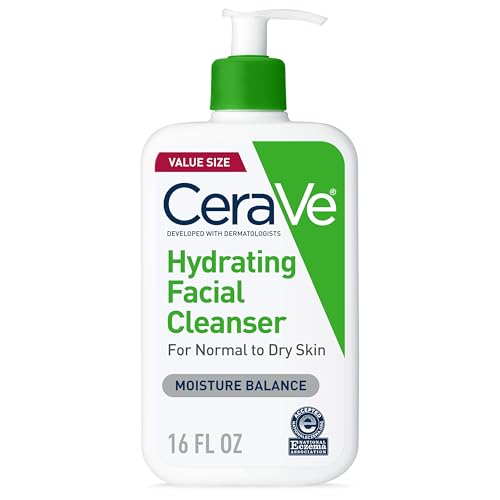
Wash your face with lukewarm water only, twice daily. If you need a cleanser (for sunscreen removal or after heavy sweating), use a tiny amount of a fragrance-free, SLS-free cleanser like CeraVe Hydrating Facial Cleanser, applied gently with fingertips. Never use a washcloth, scrub, or cleansing device on perioral dermatitis. Pat dry with a clean, soft towel. Do not rub.
Preventing Recurrence
Perioral dermatitis has a documented recurrence rate of 30-50%, even after successful treatment. Preventing recurrence requires permanent changes to your grooming approach.
Never use topical steroids on the face. This is the most important rule. Not for eczema flares (use non-steroidal options like tacrolimus or pimecrolimus, prescribed by your dermatologist). Not for redness. Not for irritation. Not even “just once.” Topical steroids on the face are the primary driver of perioral dermatitis recurrence in men.
Maintain a minimal facial product routine. The fewer products you use on your face, the lower your risk of recurrence. A gentle cleanser, a lightweight moisturizer, and sunscreen are sufficient for most men. Every additional product is an additional risk factor.
Choose fragrance-free everything. Fragrance is an irritant and a sensitizer. For men with a history of perioral dermatitis, fragrance-free products across the board (cleanser, moisturizer, sunscreen, shaving products, beard products) reduce the chronic irritant load on the facial skin barrier.

Continue using SLS-free toothpaste. Even after the perioral dermatitis resolves, maintaining an SLS-free toothpaste reduces a documented trigger for recurrence.
Monitor and act early. If you notice the first few bumps returning around your mouth or nose, begin the zero therapy approach immediately rather than waiting to see if it progresses. Early intervention prevents escalation.
Product Recommendations During and After Perioral Dermatitis
| Product Type | During Active POD | After Resolution (Maintenance) |
|---|---|---|
| Cleanser | Water only (or minimal CeraVe Hydrating) | CeraVe Hydrating Facial Cleanser |
| Moisturizer | Vanicream Moisturizing Cream (if needed) | Lightweight, fragrance-free lotion |
| Sunscreen | Physical barrier (hat) preferred over product | EltaMD UV Clear SPF 46 |
| Beard oil | None or minimal squalane on hair only | Desert Essence Jojoba Oil (2-3 drops) |
| Toothpaste | Fluoride-free, SLS-free | Continue SLS-free long-term |
| Shaving | Electric trimmer only on affected areas | Gentle products, no alcohol or fragrance |
Frequently Asked Questions
Is perioral dermatitis contagious?
No. Perioral dermatitis is not an infection and cannot be transmitted to other people through skin contact, sharing towels, or any other means. It is an inflammatory condition specific to the individual’s skin barrier and immune response.
Will perioral dermatitis leave permanent scars?
In the vast majority of cases, perioral dermatitis does not leave permanent scars. Once the condition resolves, the skin returns to its normal appearance. However, picking, scratching, or squeezing the bumps can cause scarring, so avoid manipulating the lesions. Some people experience temporary post-inflammatory discoloration (redness or brown spots) at the sites of resolved bumps, which fades over weeks to months.
Can I wear a mask or face covering with active perioral dermatitis?
Masks can worsen perioral dermatitis by creating a warm, moist, occlusive environment over the affected area. If you must wear a mask, choose a breathable cotton mask, change it frequently (at least every 2-3 hours), and wash your face gently after removing the mask. The “maskne” (mask-related skin breakouts) phenomenon during the pandemic was closely related to perioral dermatitis in many cases, as the occlusive conditions triggered or exacerbated the same pathways.
How long does perioral dermatitis take to resolve?
With appropriate treatment (zero therapy plus prescription medication if needed), most cases show significant improvement within 4-8 weeks. Complete resolution typically takes 8-12 weeks. Cases complicated by prolonged steroid use may take longer, sometimes 3-6 months, because steroid withdrawal adds an additional inflammatory phase to the recovery process. Patience is essential. The condition did not develop overnight and will not resolve overnight.
Should I grow a beard to hide perioral dermatitis?
Growing a beard during active perioral dermatitis is a viable strategy if you can commit to minimal beard care (water only or very simple, fragrance-free products). A beard covers the affected area, reduces the temptation to apply products, and provides a physical barrier against environmental irritants. However, a beard does not treat the underlying condition. Combine the beard with zero therapy and prescription treatment as directed by your dermatologist.

What’s the difference between perioral dermatitis and acne, and why does acne treatment make it worse?
Perioral dermatitis mimics acne but requires the opposite treatment approach. While acne improves with active ingredients like salicylic acid and benzoyl peroxide, perioral dermatitis worsens with these products because they disrupt your skin barrier. The key difference is that perioral dermatitis improves when you stop using products, not when you add more treatment.
What are the main triggers that cause perioral dermatitis in men?
Common triggers include overuse of topical steroids, harsh skincare routines, fluoride in toothpaste, certain grooming products, and excessive face washing. The condition often develops when men mistakenly treat it like acne and apply drying or active ingredients that further compromise the skin barrier.
How should I adjust my grooming routine if I have perioral dermatitis?
The primary adjustment is simplification: stop using acne treatments, reduce face washing frequency, avoid harsh products, and use a gentle cleanser with a basic moisturizer instead. You should also avoid fluoridated toothpaste and be cautious with any products containing active ingredients, as these typically worsen the condition rather than improve it.
What treatment actually works for perioral dermatitis in men?
Evidence-based treatment typically involves a minimalist skincare approach combined with prescribed medications like topical antibiotics or anti-fungals, often recommended by a dermatologist. Unlike acne, perioral dermatitis doesn’t respond to over-the-counter spot treatments but rather requires a dermatologist’s diagnosis to identify the underlying cause and prescribe appropriate medical treatment.
Final Thoughts
Perioral dermatitis is a condition that punishes the instinct to “do more.” Every product you add, every treatment you try, every time you scrub a little harder or apply a little extra, the condition responds by getting worse. The cure is counterintuitive: do less. Use less. Apply less. The skin around your mouth needs space to restore its own barrier function without interference from the 15-ingredient serum you read about online or the “healing” essential oil blend your friend recommended. Strip your routine down to water. Let your dermatologist guide the treatment. Resist the urge to self-medicate with over-the-counter products. The condition will resolve, but only if you stop fighting it with the very weapons that are fueling it.