By Finn O’Sullivan, Redhead Grooming Editor
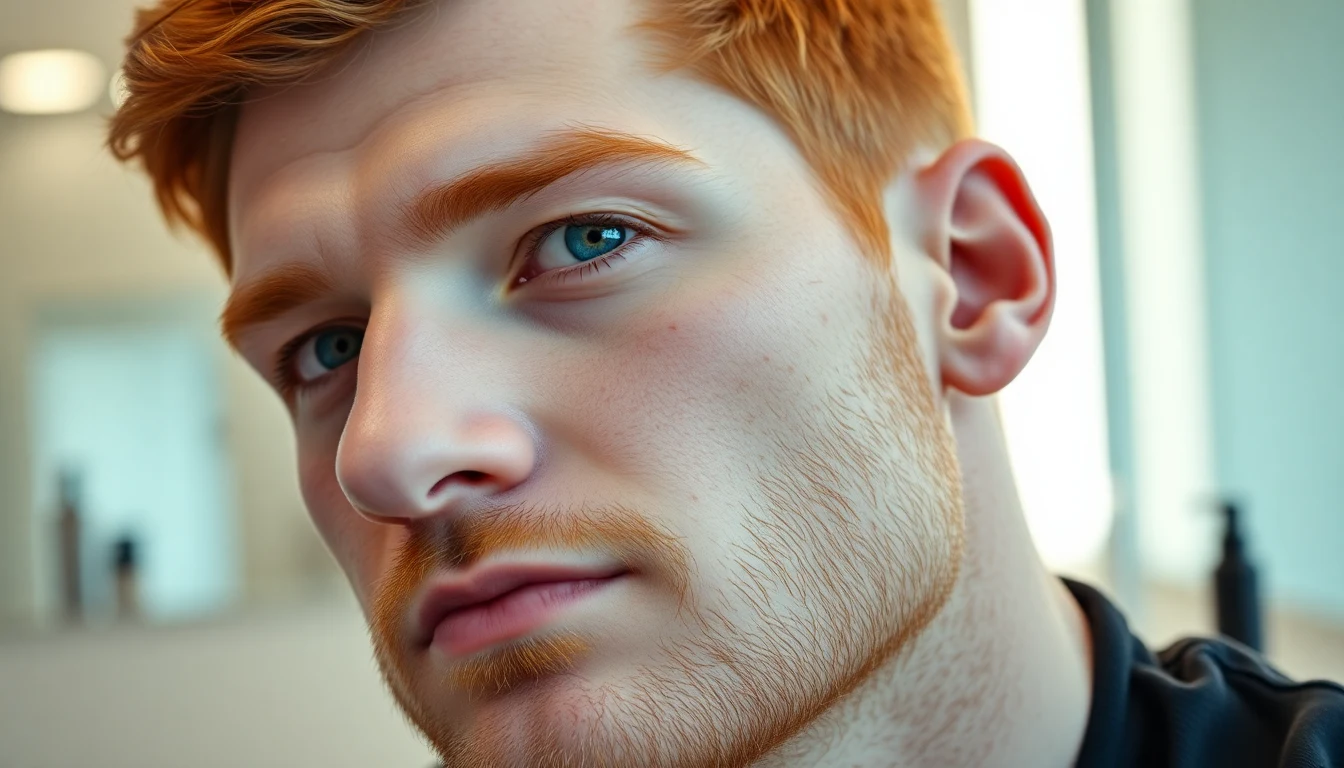
Fair-skinned, copper-haired Irish men who work outdoors for decades without sunscreen often look far older than their years. By 30 the early signs can already show: fine lines at the corners of the eyes, a roughness to the skin that was not there at 25, and a handful of sun spots left behind by one particularly reckless summer. Those are the early chapters of a story that sun exposure and family genetics write together on fair skin.
Anti-aging skincare is not only about vanity, though there is nothing wrong with wanting to look your best. The science is clear: fair-skinned redhead men age faster than any other demographic when it comes to skin. The MC1R gene that gives redheads their distinctive hair color also gives them skin that is thinner, more prone to UV damage, and less capable of repairing itself after sun exposure. A 2016 study published in Current Biology found that MC1R variants are associated with skin that looks approximately 2 years older per decade compared to individuals without the variant, independent of sun exposure. The gene itself accelerates skin aging.
The good news is that this trajectory is not inevitable. With the right routine, you can dramatically slow the aging process and even reverse some existing damage. This guide covers everything redhead men need to know about anti-aging skincare, from the non-negotiable basics to the advanced ingredients that produce real results.
Why Redhead Men Age Faster: The Science
Understanding the mechanisms behind accelerated aging in fair skin helps you target the right solutions.

UV damage accumulation: Ultraviolet radiation is responsible for approximately 80% of visible facial aging (photoaging). Fair skin with the MC1R variant absorbs more UV because pheomelanin provides virtually no UV protection compared to eumelanin. Every unprotected hour outdoors deposits more cumulative damage on your skin than the same hour on a darker-skinned individual. This damage compounds over years and decades.

Pheomelanin-driven oxidative stress: Research has shown that pheomelanin generates reactive oxygen species (free radicals) even in the absence of UV exposure. This means your skin is under constant low-level oxidative stress that breaks down collagen and elastin fibers. While UV dramatically amplifies this process, some degree of oxidative aging occurs even if you never see the sun.
Thinner dermis: Studies have found that MC1R variant carriers tend to have thinner skin, particularly in the dermal layer where collagen and elastin reside. Thinner dermis means less structural protein to start with, which means the effects of collagen loss become visible sooner. A man with a thick dermis might not show collagen loss until his 50s. A redhead with a thinner dermis may show it in his 30s.
Reduced melanin protection: Melanin in darker skin acts as a natural antioxidant, scavenging free radicals before they can damage cellular structures. Redheads produce primarily pheomelanin, which lacks this protective function. Your skin has essentially no built-in defense against oxidative aging.
The Non-Negotiable: Daily SPF 50
If you only take one piece of advice from this entire guide, let it be this: wear SPF 50 broad-spectrum sunscreen every single day. Not SPF 15. Not SPF 30. SPF 50, applied every morning, rain or shine, winter or summer.
A landmark 2013 study in the Annals of Internal Medicine followed 903 adults over 4.5 years and found that those who used sunscreen daily showed 24% less skin aging than those who used it intermittently. For fair-skinned individuals, the benefit is even greater because the baseline damage rate is higher.
Product recommendation: EltaMD UV Clear Broad-Spectrum SPF 46 is specifically formulated for sensitive skin. It uses zinc oxide (a mineral filter that is less irritating than chemical filters), contains niacinamide for added skin barrier support, and has a lightweight, non-greasy formula that works under any grooming products. For redhead men who find most sunscreens leave a white cast, this is one of the few mineral options that blends completely into fair skin.
Application rules: Use a nickel-sized amount for the face and a separate application for the neck and ears. Apply as the last step in your morning routine, before any styling products. Reapply every 2 hours if you are outdoors. A spray sunscreen for reapplication over existing products can make this more practical during the day.
The Core Anti-Aging Routine for Redhead Men
This routine addresses the specific aging mechanisms that affect MC1R skin. It combines antioxidant defense, collagen stimulation, and barrier repair in a protocol that sensitive fair skin can tolerate.
Morning Routine
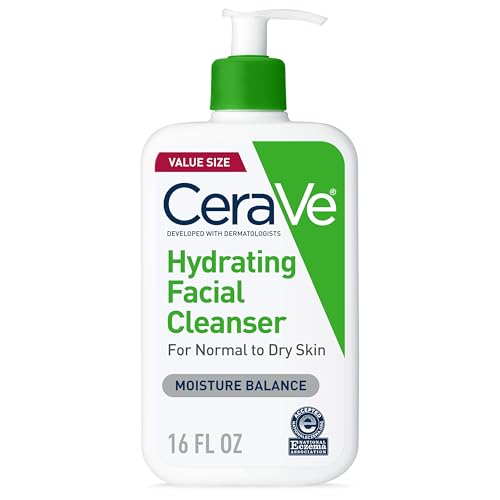
Step 1: Gentle cleanser. CeraVe Hydrating Facial Cleanser. Removes overnight sebum without stripping the skin barrier. Avoid foaming cleansers with sulfates, as these damage the already-thin barrier in fair skin.
Step 2: Vitamin C serum. SkinCeuticals C E Ferulic or Timeless 20% Vitamin C + E + Ferulic Acid Serum. Apply 4-5 drops to clean, dry skin. Vitamin C neutralizes the free radicals that pheomelanin generates, stimulates collagen production, and provides a layer of photoprotection that works alongside your sunscreen. This is not optional for redhead men. It is essential.
Step 3: Moisturizer. A lightweight, ceramide-rich moisturizer reinforces the skin barrier and locks in the vitamin C. CeraVe PM Facial Moisturizing Lotion contains niacinamide (which further supports collagen) and ceramides.
Step 4: SPF 50. EltaMD UV Clear SPF 46. Non-negotiable. Every. Single. Day.

Evening Routine
Step 1: Double cleanse (if wearing SPF). Use an oil-based cleanser or micellar water first to dissolve sunscreen, then follow with your regular gentle cleanser. Leftover sunscreen residue can clog pores and prevent your evening products from penetrating.
Step 2: Retinoid. This is the most powerful anti-aging ingredient available, and it is essential for redhead men. Retinoids accelerate cell turnover, stimulate collagen production, and reverse existing photodamage. Start with CeraVe Resurfacing Retinol Serum (0.3% retinol with encapsulated delivery for reduced irritation) every third night. Increase to every other night after 4 weeks, and nightly after 8 weeks if tolerated.
Step 3: Peptide serum (optional but recommended). Peptides are short chains of amino acids that signal your skin to produce more collagen. They work through a different pathway than retinoids, so combining them provides additive benefits. Apply a peptide serum on the nights you do not use retinoid, or layer it under your retinoid if your skin tolerates both.
Step 4: Rich moisturizer. A heavier nighttime moisturizer supports overnight repair. CeraVe Moisturizing Cream provides a thicker layer of ceramides and hyaluronic acid that prevents transepidermal water loss during sleep.

- ☀️ Meet Your Dream Sunscreen: Serving SPF 30 with a smooth, skin-like finish tha
- 🌟 Protects and Primes: Superlight zinc oxide physically blocks UVA/UVB rays to p
- 🙌 Fits Any Skin Routine: Makes sun protection a breeze with a makeup-gripping fo
Key Anti-Aging Ingredients Explained
Retinoids: The Gold Standard
Retinoids (retinol, retinaldehyde, tretinoin) are the most thoroughly researched anti-aging ingredients in dermatology. They work by binding to retinoic acid receptors in skin cells, triggering a cascade of effects: increased cell turnover, stimulated collagen and elastin production, reduced melanin production (fading dark spots), and strengthened dermal matrix.
For redhead men, the challenge with retinoids is irritation. Fair, sensitive skin often reacts with redness, peeling, and dryness when first starting retinoid use. The solution is a slow, gradual introduction.

Starting protocol: Begin with a 0.025-0.05% retinol or adapalene 0.1%. Apply every third night for the first 4 weeks. Increase to every other night for weeks 5-8. Move to nightly use only if your skin tolerates the previous frequency without significant irritation. If irritation occurs at any stage, reduce frequency. Pair with a ceramide moisturizer applied 5-10 minutes after the retinoid to buffer irritation.
Vitamin C: Antioxidant Defense
L-ascorbic acid at 10-20% is the most effective form of vitamin C for anti-aging. It neutralizes the free radicals generated by UV exposure and pheomelanin metabolism, stimulates collagen synthesis (through a different mechanism than retinoids), and inhibits melanin production to even skin tone. The combination of vitamin C in the morning and a retinoid at night is the most powerful evidence-based anti-aging regimen available without a prescription.
Peptides: Collagen Signaling
Peptides like Matrixyl (palmitoyl tripeptide-1 and palmitoyl tetrapeptide-7) signal fibroblasts to produce collagen. They are less irritating than retinoids and can be used by men whose skin cannot tolerate nightly retinoid use. While less potent than retinoids on their own, they provide meaningful collagen support when used consistently.
Niacinamide: The Multi-Tasker
Niacinamide (vitamin B3) at 5% strengthens the skin barrier, reduces inflammation, inhibits melanin transfer (reducing age spots), and boosts ceramide production. It is one of the gentlest anti-aging ingredients and is well-tolerated by even the most reactive fair skin. Using it in both your morning and evening moisturizer provides continuous barrier support.
Hyaluronic Acid: Hydration Lock
Hyaluronic acid holds up to 1,000 times its weight in water. Applied to damp skin, it draws moisture into the epidermis, plumping fine lines and giving skin a smoother, more youthful appearance. It is not an anti-aging “active” in the way retinoids are (it does not stimulate collagen), but it improves the skin’s immediate appearance and supports the barrier function that protects against ongoing damage.

Product Comparison: Anti-Aging Products for Fair Skin
| Product | Active Ingredient | Anti-Aging Mechanism | Irritation Risk | When to Use |
|---|---|---|---|---|
| SkinCeuticals C E Ferulic | 15% L-ascorbic acid | Antioxidant, collagen stimulation | Low-moderate | Morning |
| CeraVe Retinol Serum | Encapsulated retinol | Cell turnover, collagen | Moderate | Evening |
| EltaMD UV Clear SPF 46 | Zinc oxide + niacinamide | UV prevention | Very low | Morning |
| CeraVe PM Lotion | Niacinamide 4%, ceramides | Barrier repair, pigment reduction | Very low | AM and PM |
| The Ordinary “Buffet” | Multiple peptides | Collagen signaling | Very low | AM or PM |
Lifestyle Factors That Accelerate Aging in Fair Skin
Skincare products address the external factors. These lifestyle modifications address the internal ones.
Smoking: Cigarette smoke generates massive amounts of free radicals and constricts blood vessels, reducing oxygen and nutrient delivery to the skin. Smokers age significantly faster than non-smokers, and the effect is more visible on fair skin. If you smoke, quitting will produce more anti-aging benefit than any product on the market.
Alcohol: Excessive alcohol consumption dehydrates the skin, triggers inflammation, dilates blood vessels (contributing to broken blood vessels and rosacea flares on fair skin), and depletes the antioxidants your body uses to fight oxidative stress. Moderate consumption is unlikely to cause significant aging, but heavy drinking accelerates it noticeably.
Sleep: Growth hormone, which drives cellular repair including skin repair, is primarily released during deep sleep. Chronic sleep deprivation (less than 6 hours nightly) reduces the skin’s repair capacity and accelerates the appearance of aging. Aim for 7-8 hours per night.
Diet: A diet high in processed sugar and refined carbohydrates promotes glycation, a process where sugar molecules bond to collagen fibers, making them stiff and brittle. Glycated collagen is less elastic and more prone to degradation. A diet rich in antioxidants (vegetables, fruits, healthy fats) supports your skin’s defenses from the inside. Omega-3 fatty acids (from fatty fish, walnuts, flaxseed) have anti-inflammatory properties that benefit skin health.

Exercise: Regular cardiovascular exercise improves circulation, delivering more oxygen and nutrients to skin cells and supporting the removal of waste products. Some research suggests that exercise may actually reverse skin aging at the cellular level by affecting the composition of the dermal layer.

Anti-Aging by Age: When to Start What
Your anti-aging approach should evolve as you age. Here is a decade-by-decade guide for redhead men.
20s (Prevention): This is entirely about prevention. Daily SPF 50, gentle cleanser, and basic moisturizer. If you start vitamin C serum in your 20s, you are building a significant advantage. Retinoids are not necessary yet for most men in their 20s unless treating acne.
30s (Early Intervention): Add vitamin C serum (morning) and a retinoid (evening). Introduce a peptide serum. This is when the first signs of aging appear on fair skin, and early intervention produces the best results. Upgrade your moisturizer to one with ceramides and niacinamide.
40s (Active Repair): Increase retinoid strength (consider prescription tretinoin). Add an eye cream with retinol or peptides for the delicate eye area. Consider professional treatments (chemical peels, microneedling) for more significant photodamage. Maintain all previous products.
50s+ (Maintenance and Professional Support): Continue the full routine. Add richer, more emollient products as skin produces less natural oil. Professional treatments become more important for addressing deeper wrinkles and loss of volume. Annual skin checks with a dermatologist are essential, as MC1R carriers have elevated skin cancer risk that increases with age.
Frequently Asked Questions
Is it too late to start an anti-aging routine at 40?
Not at all. Starting at any age produces measurable improvement. The skin continues to respond to retinoids, antioxidants, and sun protection regardless of when you begin. You will not reverse 40 years of damage, but you can significantly improve your skin’s appearance and prevent further aging from this point forward. Studies show meaningful improvements in skin quality within 6-12 months of starting a retinoid at any age.

Do men’s and women’s anti-aging products differ?
The active ingredients are identical. The differences are typically in texture (men’s products tend to be lighter and faster-absorbing), fragrance (men’s products use “masculine” scents), and packaging. The vitamin C, retinoid, and SPF in a women’s product work exactly the same on men’s skin. Buy whatever works for you regardless of how it is marketed.
Can I use anti-aging products and acne products at the same time?
Yes, and many products serve both purposes. Retinoids treat both acne and aging. Vitamin C fights both oxidative aging and post-inflammatory pigmentation. Niacinamide reduces both oil production (helping acne) and age-related barrier weakness. The key is introducing products gradually so you can identify if any combination causes irritation.
How long until I see results from an anti-aging routine?
Improved skin texture and hydration: 2-4 weeks. Brighter, more even skin tone: 4-8 weeks. Reduction in fine lines: 8-12 weeks. Fading of sun spots: 3-6 months. Significant collagen improvement: 6-12 months. The timeline varies by product and individual, but consistency over months is what produces visible results.
Are expensive products worth it?
For some ingredients, yes. SkinCeuticals C E Ferulic is expensive because its specific formulation is the most researched and proven vitamin C product available. For other categories (cleansers, moisturizers, SPF), drugstore options like CeraVe perform as well as luxury brands. Spend money on your actives (vitamin C, retinoid) and save on the basics (cleanser, moisturizer).
Why do redhead men age faster than other men?
The MC1R gene that gives redheads their distinctive copper hair also creates thinner, more UV-sensitive skin that’s less capable of repairing itself after sun exposure. Research shows that MC1R variants are associated with skin that appears approximately 2 years older per decade compared to men without the variant, independent of sun exposure alone.
What is the most important step in anti-aging skincare for redhead men?
Daily sunscreen use is non-negotiable for redhead men due to your skin’s heightened vulnerability to UV damage. This single habit can prevent the accelerated aging that fair-skinned redheads experience and is more important than any other skincare product.
Can you reverse sun damage and fine lines if you start anti-aging skincare later?
Yes, with the right routine you can dramatically slow the aging process and even reverse some existing damage, such as fine lines and sun spots. Starting at any age is better than waiting, though earlier intervention prevents more damage from occurring.
Are redhead men more prone to skin conditions besides premature aging?
Redhead men with the MC1R gene variant often have thinner, more sensitive skin that’s prone to conditions like rosacea and other sensitivities. For personalized guidance on managing these conditions alongside anti-aging concerns, the American Academy of Dermatology offers resources on rosacea and sensitive skin care.
Final Thoughts
Redhead men have a genetic hand that deals them faster skin aging. That is not defeatism. That is information. And information is actionable. Daily SPF 50 stops the biggest driver of aging in its tracks. Vitamin C fights the oxidative stress your pheomelanin generates. Retinoids stimulate the collagen your thinner dermis needs. Together, these three pillars of an anti-aging routine can make the difference between skin that looks 10 years older than your age and skin that looks its age or younger.
Start with sunscreen. Add one new product at a time. Be consistent. And be patient. The best time to start an anti-aging routine was 10 years ago. The second best time is today.