By Finn O’Sullivan, Redhead Grooming Editor
Dark-haired guys grow beards that look like they belong in a whiskey advertisement. Redheads often get patches instead. Big ones. One cheek grows copper hair in clusters while the other barely produces fuzz, the chin is decent, the mustache is thin, and the neckline is a mess of wispy strawberry-colored strands that looks like forgetting to shave rather than choosing to grow a beard. It is the most common reason redheads give up on a beard, usually more than once.
What most redhead men do not know is that beard growth follows entirely different rules for us. The MC1R gene variant that gives you red hair also affects how your facial hair grows, how quickly it fills in, and whether certain areas of your face will ever achieve full coverage. Understanding these genetic realities is not about accepting defeat. It is about setting realistic expectations and then maximizing what your genetics can deliver.
This redhead beard growth guide is a growth manual written for ginger beards. It covers the science of why ginger beards grow the way they do, realistic timelines for growth, strategies for dealing with patchiness, and the products that genuinely help versus the ones that are marketing nonsense.
The MC1R Gene and Your Beard: What Science Actually Says
The MC1R gene is the key to understanding everything about your red hair, including your beard. This gene provides instructions for producing the melanocortin 1 receptor, which determines the ratio of pheomelanin (red/yellow pigment) to eumelanin (brown/black pigment) in your hair.
But MC1R does more than determine color. Research published in the journal Nature Communications has shown that MC1R variants influence hair follicle density, growth rate, and growth cycle duration. Here is how these factors specifically affect redhead beard growth.
Follicle density: Redheads typically have fewer hair follicles per square centimeter than men with brown or black hair. On the scalp, this is offset by thicker individual strands. On the face, however, fewer follicles means fewer beard hairs, which is why patchiness is more common in redhead beards than in darker beards.

Growth rate: Individual red beard hairs do not grow slower than dark beard hairs. However, because redheads have fewer active follicles, the overall “fill-in” rate feels slower. A dark-bearded man with 30 follicles per square centimeter on his cheek will achieve visible coverage faster than a redhead with 20 follicles per square centimeter, even if each individual hair grows at the same speed.
Growth cycle: Hair growth follows three phases: anagen (growth), catagen (transition), and telogen (rest). Research suggests that the anagen phase for beard hair may be slightly shorter in MC1R variant carriers, which means individual hairs may not achieve the same maximum length before entering the rest phase and falling out. This does not make a full beard impossible, but it may limit maximum length for some redheads.
The Ginger Paradox: Why Your Beard Is Red When Your Head Hair Is Not
One of the most common experiences in the redhead beard world is the “ginger paradox,” where a man with brown, dark blonde, or even black head hair grows a distinctly red or ginger beard. This happens because the MC1R gene can express differently in different areas of the body.
Hair color is determined at the individual follicle level. The melanocytes (pigment-producing cells) at each follicle operate somewhat independently. You can carry one copy of the MC1R variant (making you a carrier rather than a full redhead) and have that variant express primarily in your facial hair follicles rather than your scalp follicles. The result is a red or ginger beard on a dark-haired man.
If this is your situation, everything in this guide still applies to you. Your beard is genetically red hair, which means it behaves like red hair regardless of what color grows on top of your head. The patchiness tendencies, growth patterns, and care needs are the same.
Realistic Growth Timeline for Redhead Beards
One of the biggest mistakes redhead men make is judging their beard too early. Here is a realistic timeline based on how beard growth typically progresses.
Week 1-2: Stubble phase. This is where most men look the same regardless of hair color. However, red stubble on fair skin can appear sparser than dark stubble on olive skin simply because the contrast is lower. Do not judge your density at this stage.
Week 3-4: The awkward phase. Patches become visible. Some areas are growing, others are bare or wispy. This is where most redheads give up. Do not. The patches you see at week 4 do not represent your final beard. Many dormant follicles have not activated yet.
Month 2-3: Filling begins. Follicles that were dormant start producing visible hair. The patchy areas begin to shrink as surrounding hairs grow long enough to cover gaps. This is the critical persistence period. If you can get through these months without shaving, you will have a much clearer picture of your beard’s potential.
Month 4-6: True shape emerges. By month 4, you have enough growth to see where your beard naturally fills in and where the permanent thin spots are. This is when you can start shaping and trimming strategically. Some redhead beards do not look “complete” until month 6, so patience remains essential.
Month 6-12: Maximum density. For most redhead men, the beard achieves its fullest look between 6 and 12 months of growth. The longer hairs cover gaps, the overall shape is established, and the color deepens slightly as individual strands reach their full diameter.
Strategies for Dealing With Patchy Red Beards
Patchiness is the number one concern for redhead men growing beards. Here are evidence-based strategies that actually work, organized from simplest to most involved.
Strategy 1: Let It Grow Longer Than You Think
This is the single most effective strategy for patchy red beards. When beard hair reaches 1 to 2 inches in length, the strands from dense areas naturally fall over and cover the sparse areas. What looked like a patchy disaster at half an inch looks like a characterful, textured beard at two inches. Resist the urge to trim to a uniform short length, as this exposes the patches rather than covering them.

Strategy 2: Choose the Right Beard Style
Not every beard style requires full, even coverage everywhere. If your cheeks are sparse but your chin and jawline are full, a goatee or extended goatee plays to your strengths. If your mustache connects to your chin but your cheeks are bare, a Van Dyke style looks intentional rather than patchy. Work with your growth pattern, not against it.
Strategy 3: Use Beard Oil Consistently
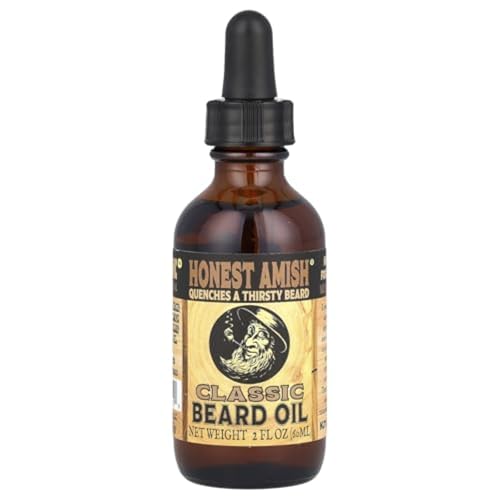
Beard oil does not make new follicles appear. However, it does make existing hairs healthier, thicker in appearance, and more manageable. Well-conditioned red beard hair reflects light better, which makes the beard look denser. Dry, frizzy red beard hair catches light at chaotic angles and looks thinner than it actually is. Apply Honest Amish Classic Beard Oil daily for consistent conditioning that enhances the appearance of density.
Strategy 4: Brush and Train the Hair
A boar bristle beard brush does two things that help patchy beards. First, it distributes natural oils and applied beard oil evenly, which gives the beard a uniform, healthy appearance. Second, regular brushing trains the hair to lay in a consistent direction, which maximizes coverage. Brush downward and slightly outward to encourage hairs to fan out and cover gaps.
Strategy 5: Consider Minoxidil (With Caution)
Minoxidil (the active ingredient in Rogaine) has become a popular off-label treatment for patchy beards. Applied topically to the face, it can stimulate dormant follicles and increase hair density over a period of 3 to 12 months. Some men see significant improvement; others see modest gains or none at all.
Important caveats for redheads: Minoxidil is an off-label use on the face (it is FDA-approved for scalp use only). It can cause skin irritation, dryness, and flaking, which is particularly problematic for the sensitive, fair skin most redheads have. If you decide to try it, start with the 2% concentration rather than 5%, apply once daily instead of twice, and moisturize heavily. Discontinue immediately if you develop a rash or persistent redness. Consult a dermatologist before starting, especially if you have any history of skin conditions.

- 100% Mineral SPF. No hidden chemical UV analog boosters like Butyloctyl Salicyla
- Broad spectrum SPF 30 protection against UVA & UVB rays
- Hawaii compliant. No Oxybenzone, Octinoxate, or Avobenzone
Beard Growth Supplements: What Works and What Does Not
The supplement industry has marketed heavily to men seeking fuller beards. Here is an honest breakdown of what the evidence actually supports.

Biotin (Vitamin B7): The most commonly marketed beard supplement. Biotin is genuinely important for hair growth, and a deficiency can cause hair loss. However, biotin deficiency is rare in men who eat a remotely balanced diet. If you are not deficient, taking extra biotin will not make your beard grow faster or thicker. It is not harmful (your body excretes excess biotin in urine), but it is also not the miracle solution supplement companies claim.
Vitamin D: There is some evidence that vitamin D plays a role in hair follicle cycling. Redheads living in northern climates (Ireland, Scotland, Scandinavia, Pacific Northwest) are more prone to vitamin D deficiency due to fair skin’s reduced sun exposure habits. If you are deficient, correcting the deficiency may improve hair health generally, but it will not transform a patchy beard into a full one.
Zinc: Zinc is essential for cell division, including the rapidly dividing cells in hair follicles. Zinc deficiency can contribute to hair loss. Ensuring adequate zinc intake (from food or a supplement) supports healthy hair growth, but supplementing above recommended levels provides no additional benefit.
Beard growth supplement blends: Products like Beardbrand’s supplement or similar blends typically combine biotin, vitamins D and E, zinc, and sometimes saw palmetto. These are not harmful, and they can help if you have any nutritional gaps. They will not override your genetics. If your MC1R variant means you have 20 follicles per square centimeter on your cheeks, no supplement will create 30.
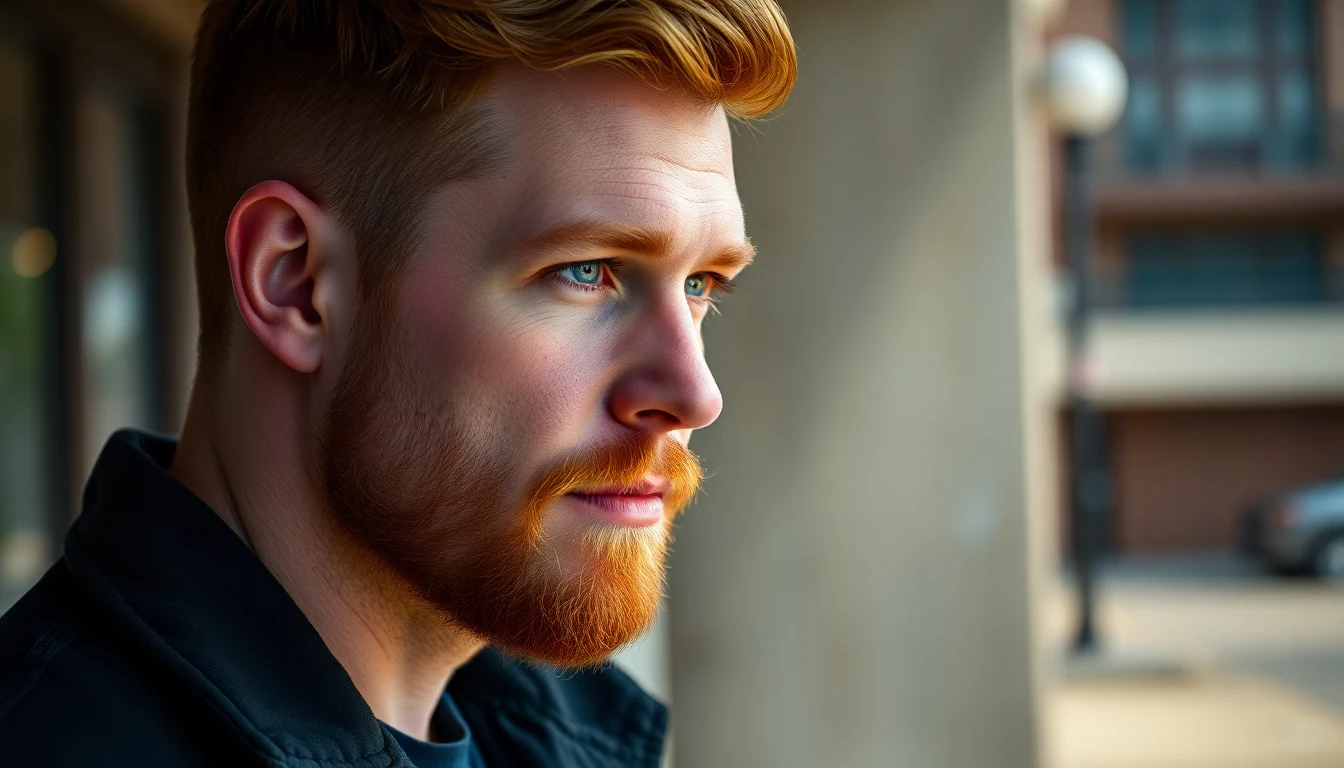
Product Recommendations for Red Beard Growth Phase
During the growth phase, you need products that keep the beard healthy, reduce itch, and encourage the best possible growth from your existing follicles.
Beard oil (daily): Honest Amish Classic Beard Oil is my top recommendation during the growth phase. It uses a blend of avocado, pumpkin seed, sweet almond, and virgin argan oils that deeply condition the hair and the skin underneath. This is critical for redheads because the fair skin under a growing beard is prone to dryness and flaking.
Beard wash (2-3x per week): Beardbrand Utility Wash is gentle enough for a growing beard and doubles as a face wash. It cleanses without stripping the natural oils you need during the growth phase. Avoid using head shampoo on your beard, as it is typically too harsh for facial skin.

Beard brush: A Zeus Boar Bristle Beard Brush trains the hair direction, distributes oil, and exfoliates the skin underneath. Start brushing once your beard is long enough to catch the bristles (usually around week 3-4).
Beard balm (once length is achieved): Once your beard reaches 1 inch or longer, a beard balm like Honest Amish Beard Balm provides hold and shaping ability in addition to conditioning. The light hold helps tame wayward red beard hairs that stick out at odd angles (a common redhead complaint).
Growth Phase Product Comparison
| Product | Type | Key Benefit | When to Start | Frequency |
|---|---|---|---|---|
| Honest Amish Beard Oil | Oil | Deep conditioning, itch relief | Day 1 | Daily |
| Beardbrand Utility Wash | Cleanser | Gentle cleansing | Week 1 | 2-3x per week |
| Zeus Boar Bristle Brush | Tool | Training, distribution | Week 3-4 | Daily |
| Honest Amish Beard Balm | Balm | Hold, shaping, conditioning | Month 2+ | Daily |
Managing the Itch Phase
Every man experiences beard itch during the early growth phase, but redheads often report it being worse. There are two reasons for this. First, the fair skin underneath is more sensitive and prone to irritation. Second, red beard hair tends to be coarser than red head hair, and the sharp tips of newly growing stubble scratch the skin as they grow.
Timing: The worst itch typically hits between days 7 and 21. This is when the growing hairs are long enough to curl back and poke the skin but not long enough to lay flat.
Relief: Apply beard oil twice daily during this phase (morning and evening). The oil softens the growing hairs so they poke less and moisturizes the irritated skin underneath. If the itch is severe, apply a thin layer of hydrocortisone cream at night for up to a week. Do not use it longer than that, as prolonged use can thin already-fair skin.
Avoid scratching: Scratching feels good momentarily but creates micro-abrasions that become red, inflamed, and visible on fair skin. Pat or press on itchy areas instead of scratching.

When to Shape vs When to Let It Grow
Premature shaping is the second most common mistake redhead men make (after giving up too early). Here is when to shape and when to leave it alone.
Neckline (week 2-3): This is the one area you can and should define early. A clean neckline immediately makes a growing beard look intentional rather than neglected. Place two fingers above your Adam’s apple, and that is where your neckline should be. Everything below that line gets shaved.
Cheek line (month 2+): Do not touch your cheek line until you have at least 2 months of growth. Your natural cheek line may be lower than you expect, and shaving it prematurely removes coverage you need. Once you have enough length, define the cheek line by removing only the sparse, isolated hairs above your natural growth boundary. Keep the line natural rather than razor-sharp, as a too-perfect line on a red beard can look artificial.
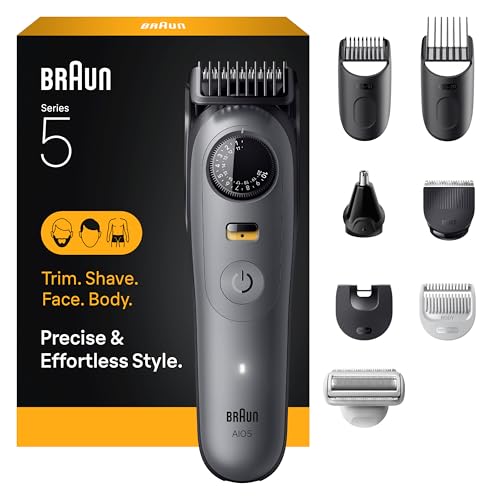
Overall length (month 3-4+): Once you have a clear picture of where your beard grows and does not grow, start trimming for shape. Use a longer guard setting on your trimmer at first and work down gradually. It is always easier to take more off than to wait for it to grow back.
The Two-Tone Beard: Embracing Mixed Colors
Many redhead men have beards that are not uniformly red. You might have copper on the chin, strawberry blonde on the cheeks, and darker auburn near the ears. Some men have red beards with streaks of blonde, brown, or even gray. This multicolor effect is a feature, not a flaw.
A two-tone or multicolor beard adds visual depth that single-color beards lack. In sunlight, the different shades catch light differently, creating a natural, dimensional appearance. Rather than trying to unify the color (which rarely looks natural), embrace the variation. It is one of the things that makes red beards genuinely distinctive.
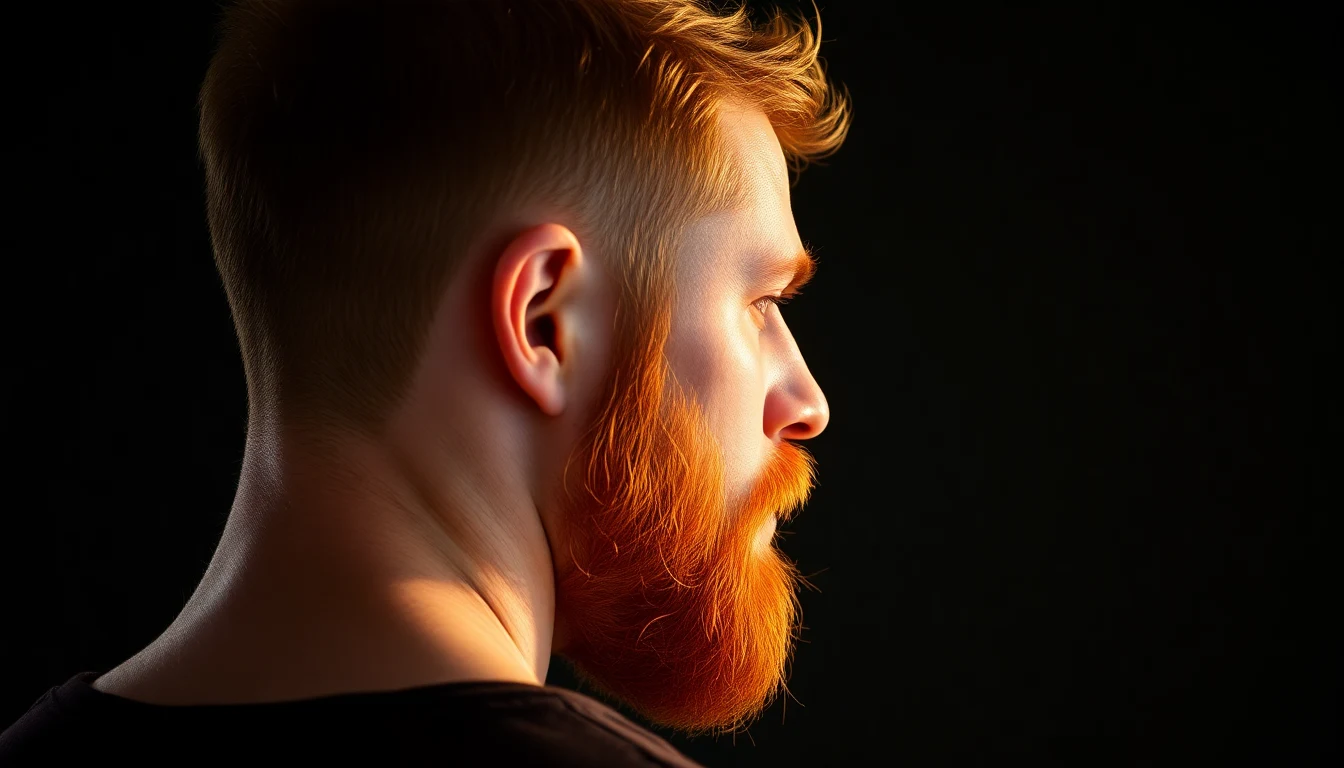
If certain areas are significantly lighter than others and it bothers you, a beard oil or balm with a slight tint can even things out subtly. But in most cases, the natural color variation looks better than any artificial correction.

Frequently Asked Questions
Why is my beard red when my head hair is brown?
You carry at least one copy of the MC1R gene variant, which is expressing in your facial hair follicles but not (or less so) in your scalp follicles. This is extremely common. Some geneticists estimate that up to 40% of men of Northern European descent carry an MC1R variant that can produce red facial hair even with non-red head hair.
Will my patchy areas ever fill in completely?
It depends on your age and genetics. Many men see continued beard development through their late 20s and into their 30s. Areas that were bare at 22 may have coverage at 28. However, if you are 30 or older and certain areas remain bare after 6 months of growth, those areas are unlikely to fill in naturally. At that point, focus on styles that work with your pattern rather than against it.
Does shaving make red beards grow back thicker?
No. This is a persistent myth. Shaving cuts the hair at its widest point, which makes the blunt tip feel coarser when it grows back. It does not affect the follicle, the growth rate, or the thickness of the hair itself. If you want a thicker beard, let it grow. Do not shave it off repeatedly hoping it will come back fuller.
Is there a genetic test that can predict my beard growth potential?
Not specifically for beard growth, no. Genetic tests can identify MC1R variants and other genes associated with hair characteristics, but they cannot accurately predict beard density or pattern. The best predictor of your beard potential is looking at male relatives on both sides of your family. Beard genetics are polygenic (multiple genes involved), so your father, grandfathers, and uncles give you the most reliable preview.
At what age do redhead beards typically reach full potential?
For most men, beard development continues into the late 20s to mid-30s. Some men see new growth areas appearing well into their 30s. If you are in your early 20s and frustrated with your beard, you may genuinely not have reached your full potential yet. Give it time before making permanent decisions about your beard style.
Why does my red beard grow slower and patchier than my dark-haired friends’ beards?
The MC1R gene variant that gives you red hair also affects your facial hair growth rate, density, and coverage patterns. Redhead beards naturally grow differently and may never achieve full coverage in certain areas like the cheeks, which is a genetic reality rather than a grooming failure.
How long should I wait before deciding my redhead beard growth isn’t working?
Most redhead men need to grow their beards longer than they initially expect, often 3-4 months minimum, before patches fill in or blend visually. The key is setting realistic expectations based on your specific genetic pattern rather than comparing your timeline to men with different hair types.
What’s the best redhead beard growth strategy if I have significant patchy areas?
Let your beard grow longer to allow longer hairs to cover patchy spots, choose a beard style that works with your natural growth pattern (like slightly longer on the chin if cheeks are sparse), and use beard oil consistently to make existing hair appear fuller. Some men also consider minoxidil as a final option after optimizing these strategies.
Why is my red beard a different color than the red hair on my head?
The MC1R gene can express differently across various parts of your body, meaning your facial hair may be copper, strawberry blonde, or even darker than your head hair. This color variation is completely normal for redheads and doesn’t indicate a problem with your beard growth.
Final Thoughts
Growing a red beard is a long game: part patience, part self-knowledge. The MC1R gene gives you a unique combination of color and growth characteristics that do not follow the same rules as darker beards. Understanding these differences removes the frustration of comparing yourself to men whose genetics operate differently.
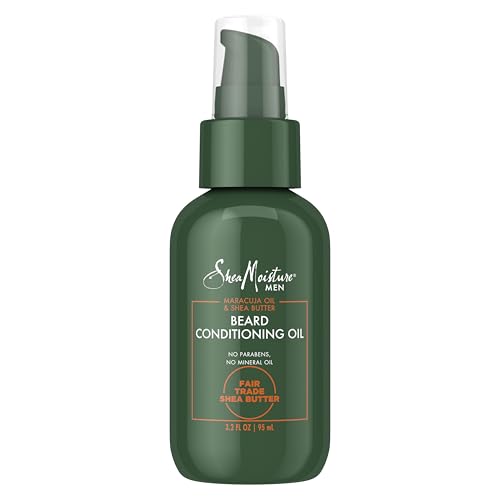
Give your beard at least 4 to 6 months before making any judgments. Use the right products to keep the hair and skin healthy. Choose a style that works with your natural growth pattern. And remember that a well-maintained ginger beard, even with some character and variation, stands out in a way that a generic brown beard simply cannot. Your red beard is distinctive. Treat it that way.